
Kenyan Safari Tours, Luxury Kenya Safari & Wildlife Experiences


Our Kenya Vacations and Tours
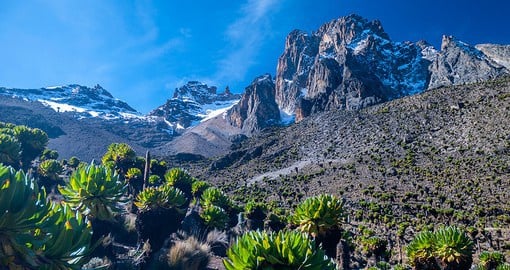
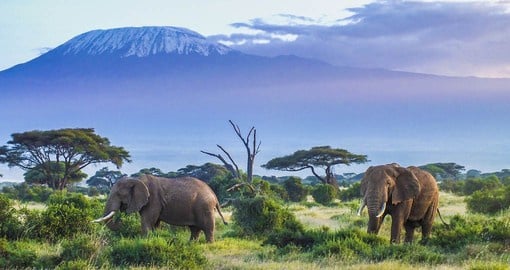
Kenya is synonymous with wildlife (and to some, perhaps marathon runners) and rightly so. A Kenya safari really is one of the top ways to see wild animals in their natural habitat, in wildlife reserves and in national parks. Kenya is a country of diverse landscapes with sweeping plains where the animal kingdom roams free. There are also majestic snow-capped mountains (Mount Kenya is the second highest peak on the African continent after Mount Kilimanjaro, reaching 5200 metres/17,050 feet) as well as tropical palm-fringed beaches next to coral reefs along the Indian Ocean coast. The Central Highlands are bisected by the Great Rift Valley from north to south. It can all be enjoyed on a Kenya vacation.
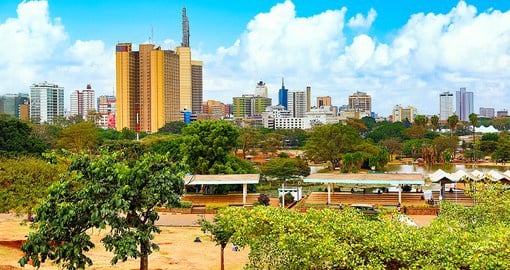
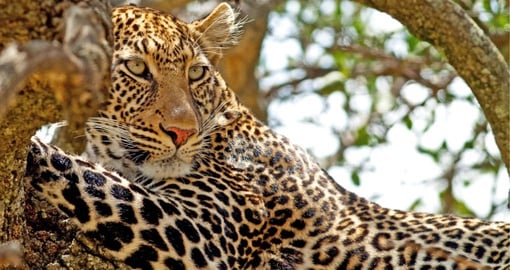
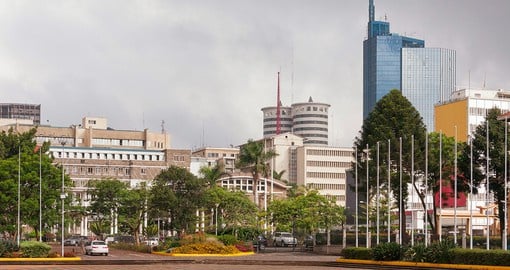
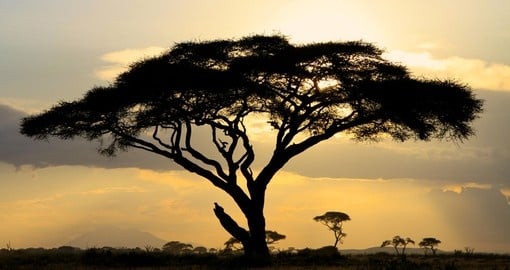
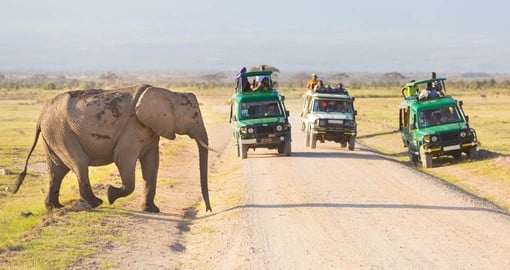
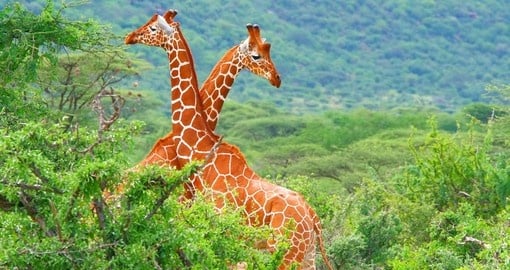
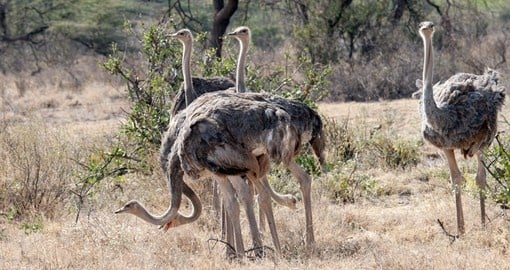
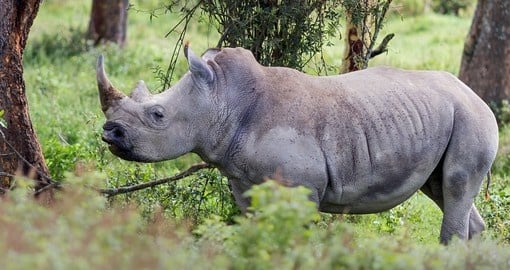
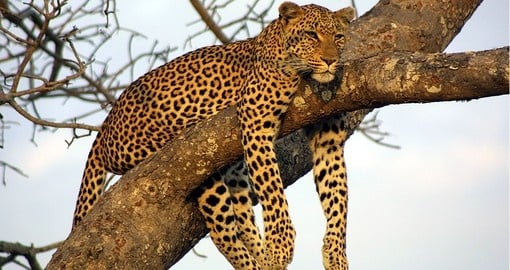
Nairobi, a thriving modern capital in the south of Kenya, is usually the starting point en route to a Kenya safari. The centre of the city has many modern high-rise buildings and a number of parks and gardens of which the best known is Uhuru Park. Both Mount Kilimanjaro and Mount Kenya can be seen on a clear day from Nairobi. While here, consider a visit to the Karen Blixen Museum, the former home of the Danish author who wrote: “Out of Africa.” The Carnivore Restaurant in Nairobi attracts many visitors, with its open-air seating and specialty selection of game meats. Kenya’s game parks, reserves and other wildlife protection areas host some of the world’s wildest game, making Kenya ‘the home of the safari.’ The diversity of games in Kenya is simply astounding. There are numerous parks and reserves for your game-viewing safari. Most offer the opportunity to see the Big Five (lion, leopard, buffalo, elephant and rhino) along with almost all of Africa’s best-known animal and bird life. With 11% of the world’s species, and some 1089 different varieties, Kenya’s birding is also among the best in the world. There are several types of accommodation to choose from – lodges, tented camps, and resorts. One can try a fly-in Kenyan safari from Nairobi directly into Amboseli or Maasai Mara National Parks. Most Kenya safaris are undertaken in vehicles with around eight passengers and an experienced game tracker/guide who is also the driver. The Maasai Mara is a large national park situated in the southwest corner of Kenya bordering the Serengeti in Tanzania and sharing the same ecosystem. The annual wildebeest migration here is a natural cycle that replenishes and renews the grasslands of East Africa. This is one of the remarkable wildlife attractions that make Kenya one of the best wildlife destinations in the world. The migration which also includes zebra and gazelle starts northbound around July and returns southbound around October. The migration can be experienced on early morning game drives in customized vehicles, walking safaris with Maasai warrior guides, horseback safaris in areas surrounding the Mara, or even on a hot air balloon safari over the herds. The park has 570 different species of birds for the bird-watching enthusiast when travelling to Kenya. Maasai Mara is also home to the endangered black rhino. It also ranks among Africa’s best destinations for seeing big cats, including lions, leopards, and cheetahs. Mount Kenya National Park is a UNESCO world heritage site located to the east of the Great Rift Valley, about 175 kilometres/110 miles northeast of Nairobi. Mount Kenya is an important water tower, providing water for about 50% of the country’s population and producing 70% of Kenya’s hydroelectric power. Animal sightings here on a Kenyan safari can include elephants, tree hyrax, white-tailed mongoose, black-fronted duiker, mole rat, bushbucks, waterbucks and elands. Lake Nakuru National Park lies in Central Kenya, 140 kilometres/88 miles northwest of Nairobi in the Rift Valley. The ecosystem comprises the lake, surrounded by mainly wooded and bushy grasslands. The park supports a wide ecological diversity with flamingos and other water birds being the major attractions of the area. There are around 56 different species of mammals including the white rhino and buffaloes and a variety of terrestrial birds numbering nearly 450 different species. The Aberdare National Park covers the higher areas of the Aberdare mountain ranges of Central Kenya. The topography is quite diverse with deep ravines that cut through the forested slopes. Animals easily observed in the park include the black rhino, leopard, baboon, black and white colobus monkey and sykes’ monkey. Visitors can also indulge in picnics, trout fishing in the rivers and camping in the moorlands. Bird viewing is rewarding when travelling to Aberdare with over 250 species of birds existing in this park. Amboseli National Park is also located in the Rift Valley. The ecosystem, mainly savannah grassland, spreads across the Kenya-Tanzania border. The park is famous for being the best place in Africa to get close to free-ranging elephants among other wildlife species. Other attractions of the park include opportunities to meet the Maasai tribespeople and enjoy spectacular views of Mount Kilimanjaro on a Kenya vacation. Samburu National Reserve is a rugged and semi-desert park again located in the Rift Valley. Due to its remote distance and the fact that it was inaccessible for many years, the park has retained a naturally serene feeling. Besides the numerous wildlife found in this game reserve, the park is also a bird haven. You are guaranteed to see cheetahs, lions, leopards, impalas, buffalo, hippos, dik-diks, zebra, giraffe and oryx. Elephants are also spotted during this time, and you can watch the Nile crocodiles swim in the river on a Kenyan safari. Something that can be a welcome addition to your Kenya safari is to head to the coast to unwind on the Indian Ocean. Mombasa is an atmospheric port offering white sand beaches and coral reefs. The air here is filled with the scent of spices and you will often see locals in colourful traditional clothing. The Old Town is very attractive with its narrow winding streets. Another well-known resort is Lamu Island, reached by ferry or air from Mombasa or air from Nairobi. It is known for its buildings made of coral stone and mangrove timber and for its corridors, verandas and elaborately carved wooden doors. Diani Beach, 30 kilometres/18 miles south of Mombasa has a 10 kilometre/6 mile long beach with sparkling white sands and lush greenery, an ideal stopover on a Kenya vacation. At Goway we believe that a well-informed traveller is a safer traveller. With this in mind, we have compiled an easy-to-navigate travel information section dedicated to Kenya travel. Learn about the history and culture of Kenya, the must-try food and drink, and what to pack in your suitcase. Read about Kenya's nature and wildlife, weather and geography, along with 'Country Quickfacts' compiled by our travel experts. Our globetrotting tips, as well as our visa and health information, will help ensure you're properly prepared for a safe and enjoyable trip. The only way you could possibly learn more is by embarking on your journey and discovering Kenya for yourself. Start exploring… book one of our Kenya safaris today! For some additional reading, the following articles are from our blog “Globetrotting with Goway”….. a great source of information for those people who are, or who want to be, world travellers! Engaging with Traditional Peoples on An African Safari What is the Great Migration and When is the Best Time to Go On an East Africa Vacation? Choosing the Perfect Safari in East Africa Flamingos Galore and More, in Lake Nakuru National Park, Kenya African Safari: How To Choose Your Ideal Safari Destination Kenya’s Samburu National Park is Teeming with Wildlife! A Short Trip to Nairobi National Park in Kenya Mount Kenya National Park – Walking, Climbing, and Animal Viewing Mombasa, Kenya is the Perfect Aprés Safari Destination Get to Know Amboseli National Park on Your Kenya Vacation Ecotourism Destinations: East Africa Witness the Great Migration in East Africa After your African Safari, why not consider one of Goway's Europe tours or Egypt tours en route from Kenya or perhaps a stopover in Dubai on one of our United Arab Emirates tours Kenya Trip Highlights
Nairobi
Kenya Safari
Kenya National Parks and Safaris
Maasai Mara
Mount Kenya
Lake Nakuru
Aberdare
Amboseli
Samburu
Other places to visit on a Kenya vacation
Kenya Travel Information
"Globetrotting with Goway" blog articles
Extend Your Trip
Kenya Odyssey
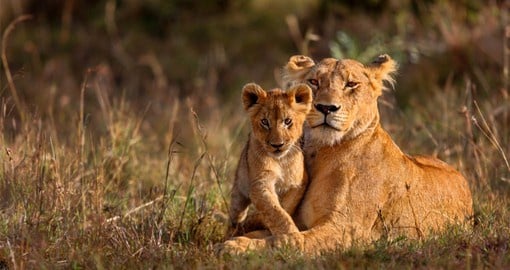
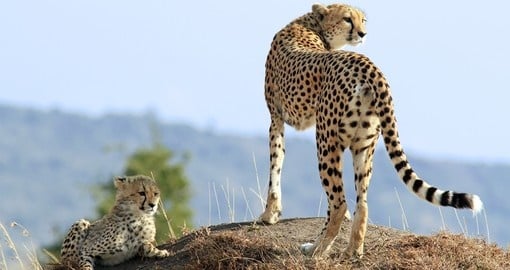
FIRST-CLASS | SMALL GROUP: Explore some of the best safari game parks in Africa and stay in beautiful luxury safari camps each night. From Nairobi, connect to Samburu, Ol Pejeta, Lake Nakuru, and Masai Mara to head on game drives to search for the Big Five, visit Masai villages, and learn about animal conservation.
More DetailsKenya
25 Trips Available
-
- Sort by:
- Most Popular
- Duration
- Price
-
- Filter by:
- Price Range
- Duration Range
- Trip Type
- Reset all
-
![]()
Kenya Odyssey
FIRST-CLASS | SMALL GROUP: Explore some of the best safari game parks in Africa and stay in beautiful luxury safari camps each night. From Nairobi, connect to Samburu, Ol Pejeta, Lake Nakuru, and Masai Mara to head on game drives to search for the Big Five, visit Masai villages, and learn about animal conservation.- Duration:
- 8 Days
- Prices From:
- US$ 3,732
- Trip Type:
- Safaris Worldwide, Single Friendly, Small Group Touring
![]() See Trip Details
See Trip Details
-
![]()
East Africa Sanctuary: Ngorongoro, Serengeti, Masai Mara & More
DELUXE | TAILOR-MADE: Experience unparalleled game viewing on this luxury safari across East Africa. Stay in exquisite safari accommodations as you head to Tarangire, Ngorongoro, the Serengeti, and the Masai Mara, among the world’s most famous game parks, and explore the stunning wilderness on daily game drives to see lions, elephants, and zebras.- Duration:
- 10 Days
- Prices From:
- US$ 13,594
- Trip Type:
- Luxury and Beyond, Multi Country Vacation Ideas, Safaris Worldwide, Tailor-made Travel Ideas
![]() See Trip Details
See Trip Details
-
![]()
Jambo Kenya Safari
FIRST-CLASS | SMALL-GROUP: Embark on an unforgettable journey through Kenya’s majestic landscapes and wildlife havens. This small-group safari features first-class tented camp accommodations and daily wildlife viewing that will help you spot elephants at Amboseli, hippos on Lake Naivasha, and the iconic Great Migration in the Masai Mara.- Duration:
- 7 Days
- Prices From:
- US$ 4,004
- Trip Type:
- Safaris Worldwide, Small Group Touring
![]() See Trip Details
See Trip Details
-
![]()
East Africa Odyssey
FIRST-CLASS | SMALL GROUP: Embark on an extraordinary journey through some of East Africa's most popular national parks on this Goway exclusive small group safari. Get ready to witness breathtaking vistas and incredible wildlife as you explore Kenya and Tanzania and witness nature at its finest.- Duration:
- 14 Days
- Prices From:
- US$ 8,579
- Trip Type:
- Multi Country Vacation Ideas, Safaris Worldwide, Single Friendly, Small Group Touring
![]() See Trip Details
See Trip Details
-
![]()
Soul Safari: Nairobi, Mt Kenya & Masai Mara
DELUXE | PRIVATE-GUIDED: Stay at world class properties, visiting both Aberdare and Mount Kenya National Parks, Sweetwaters Wildlife Sanctuary and Masai Mara, without compromising luxury on your African safari.- Duration:
- 8 Days
- Prices From:
- US$ 4,142
- Trip Type:
- Luxury and Beyond, Private Experiences, Safaris Worldwide
![]() See Trip Details
See Trip Details
-
![]()
Kenya Sky Safari by Elewana: Amboseli, Loisaba & Masai Mara
DELUXE | SMALL GROUP: Spend time at three luxury lodges situated in three of Kenya’s outstanding game parks, Amboseli, Loisaba Conservancy and the Masai Mara Reserve. At each lodge, enjoy day and night game safaris as well as walking safaris. Fly by small aircraft directly from Nairobi and between lodges.- Duration:
- 10 Days
- Prices From:
- US$ 11,370
- Trip Type:
- Luxury and Beyond, Romance & Honeymoon, Safaris Worldwide, Small Group Touring
![]() See Trip Details
See Trip Details
-
![]()
Kenya In Style: Nairobi, Samburu & Masai Mara
DELUXE | TAILOR-MADE: Experience luxury accommodations, and unrivalled game viewing on this luxury safari. Make your way from Nairobi to Samburu and Masai Mara where you'll head out on your daily game drives in the magnificent African landscape in search of wildlife.- Duration:
- 10 Days
- Prices From:
- US$ 9,743
- Trip Type:
- Luxury and Beyond, Romance & Honeymoon, Safaris Worldwide, Tailor-made Travel Ideas
![]() See Trip Details
See Trip Details
-
![]()
Majestic Views of Kenya: Tsavo and Amboseli
FIRST-CLASS | TAILOR-MADE: Behold the beauty of Southern Kenya with this trip to two popular national parks. Enjoy a once-in-a-lifetime safari as you spend 5 days between Amboseli National Park and Tsavo West National Park, which both sit in the shadow of iconic Mount Kilimanjaro.- Duration:
- 5 Days
- Prices From:
- US$ 2,299
- Trip Type:
- Safaris Worldwide, Tailor-made Travel Ideas
![]() See Trip Details
See Trip Details
-
![]()
Classic East Africa: Masai Mara, Serengeti, Ngorongoro & More
FIRST-CLASS | PRIVATE-GUIDED: Experience the iconic National Parks of East Africa with this classic African safari. Visit famous Masai Mara, Serengeti and the Ngorongoro national parks, uncovering unique wildlife, and cultural opportunities.- Duration:
- 14 Days
- Prices From:
- US$ 11,135
- Trip Type:
- Classics (Bestsellers), Multi Country Vacation Ideas, Safaris Worldwide, Small Group Touring
![]() See Trip Details
See Trip Details
-
![]()
Wonders of Kenya: Masai Mara, Lake Nakuru and Amboseli
MODERATE | SMALL GROUP: Journey to Kenya's most picturesque regions. Get acquainted with bustling Nairobi before heading to the open plains of Masai Mara, the shimmery pink waters of Lake Nakuru, and the swamps of Amboseli, set in the shadow of Mt. Kilimanjaro. Enjoy daily game drives to see the Big Five and other animals.- Duration:
- 7 Days
- Prices From:
- US$ 2,222
- Trip Type:
- Safaris Worldwide, Single Friendly, Small Group Touring
![]() See Trip Details
See Trip Details
-
![]()
Campfire Adventures in Kenya: Nairobi and Masai Mara
DELUXE | PRIVATE-GUIDED: Experience an African safari under the stars on this comfortable and highly flexible luxury camping adventure in Kenya. Stay at Alex Walker’s Serian Original Camp and enjoy the best of the Masai Mara with a multitude of activity options on hand, including your private safari guide.- Duration:
- 5 Days
- Prices From:
- US$ 5,555
- Trip Type:
- Family Vacations, Luxury and Beyond, Private Experiences, Safaris Worldwide
![]() See Trip Details
See Trip Details
-
![]()
Kenya Family Safari: Lake Naivasha, Samburu, Masai Mara & More
FIRST-CLASS | PRIVATE-GUIDED: This African safari journey through the National Parks of Kenya offers children and adults the ultimate wildlife experience. Stay at some of Kenya's best known game parks and take part in activities the whole family can enjoy.- Duration:
- 11 Days
- Prices From:
- US$ 5,993
- Trip Type:
- Family Vacations, Private Experiences, Safaris Worldwide
![]() See Trip Details
See Trip Details
-
![]()
Ultimate Africa: Masai Mara, Livingstone, Cape Town & More
FIRST-CLASS | TAILOR-MADE: South Africa or Kenya for your African adventure? With this unique itinerary, there’s no need to choose. Enjoy the culture and wildlife of the Masai Mara before flying on to Victoria Falls to see the breathtaking Falls before heading to Cape Town.- Duration:
- 11 Days
- Prices From:
- US$ 4,333
- Trip Type:
- Classics (Bestsellers), Multi Country Vacation Ideas, Safaris Worldwide, Tailor-made Travel Ideas
![]() See Trip Details
See Trip Details
-
![]()
Tuskers of Kenya: Tsavo West & Masai Mara
DELUXE | TAILOR-MADE: Get a taste of nature’s bounty on this journey across Southern Kenya. Staying in luxury safari camps, you’ll head on game drives in two of Kenya’s famous game reserves, Tsavo West and the Masai Mara. Spot big tuskers crossing in the shadow of Mt. Kilimanjaro, meet with local Masai villagers, and track the Big Five.- Duration:
- 7 Days
- Prices From:
- US$ 8,770
- Trip Type:
- Luxury and Beyond, Safaris Worldwide, Tailor-made Travel Ideas
![]() See Trip Details
See Trip Details
-
![]()
Kenya Explorer Safari: Ol Pejeta, Soysambu & Masai Mara
FIRST-CLASS | PRIVATE-GUIDED: Explore the wilds of Kenya on this journey to several conservancies in the country. Heading from Nairobi to Ol Pejeta Conservancy to Masai Mara National Reserve, you’ll stay in luxury safari camps as you enjoy game drives into the bush to see flamingos, lions, and the wonders of the Great Migration.- Duration:
- 9 Days
- Prices From:
- US$ 4,668
- Trip Type:
- Private Experiences, Safaris Worldwide
![]() See Trip Details
See Trip Details
-
![]()
Classic Kenya: Samburu, Lake Elmenteita, Masai Mara & More
FIRST-CLASS | PRIVATE-GUIDED: Kenya is often described as the African continent in microcosm. You will see some of the best parks in Africa from Lake Nakuru to Masai Mara, home of the “Big Five” and the Masai people.- Duration:
- 8 Days
- Prices From:
- US$ 3,719
- Trip Type:
- Classics (Bestsellers), Safaris Worldwide, Single Friendly, Small Group Touring
![]() See Trip Details
See Trip Details
-
![]()
Karibu Kenya: Lake Nakuru & Masai Mara
FIRST-CLASS | PRIVATE-GUIDED: From the flamingos of Lake Nakaru to the majestic Masai Mara where ‘the real Africa’ lives on, Kenya is an unforgettable short safari break.- Duration:
- 6 Days
- Prices From:
- US$ 2,462
- Trip Type:
- Private Experiences, Safaris Worldwide
![]() See Trip Details
See Trip Details
-
![]()
Mombasa Beach Escape
FIRST-CLASS | TAILOR-MADE: Found on the Indian Ocean coastline of Kenya, the town of Mombasa is immersed in Swahili, Arab and Bantu influences. Good resorts and inviting beaches make it a perfect ending to a safari.- Duration:
- 4 Days
- Prices From:
- US$ 696
- Trip Type:
- Beach & Island Escapes, Romance & Honeymoon, Stopovers/City Breaks, Tailor-made Travel Ideas
![]() See Trip Details
See Trip Details
-
![]()
Kenya in Depth
FIRST-CLASS | SMALL GROUP: Bring your safari dreams to life on this journey through some of the best safari parks in Africa. Travel throughout Kenya and head on game drives in Samburu, Lake Nakuru, Masai Mara, Tsavo West, and Amboseli to spot elephants, leopards, rhinos, and other beloved animals.- Duration:
- 13 Days
- Prices From:
- US$ 6,715
- Trip Type:
- Classics (Bestsellers), Safaris Worldwide, Single Friendly, Small Group Touring
![]() See Trip Details
See Trip Details
-
![]()
Signature Masai Mara and Serengeti
DELUXE | PRIVATE-GUIDED: Discover two of East Africa's premier game parks on this safari. This 7-day luxury trip begins in Nairobi before you fly to the famous Masai Mara for 3 nights. Next stop, Tanzania and the Serengeti, where you'll stay in luxurious accommodations.- Duration:
- 8 Days
- Prices From:
- US$ 15,104
- Trip Type:
- Luxury and Beyond, Private Experiences, Romance & Honeymoon, Safaris Worldwide
![]() See Trip Details
See Trip Details
-
![]()
Sultans to Safari
FIRST-CLASS | TAILOR-MADE: Explore Dubai and Kenya for the perfect combination of city and safari. Spend 3 nights in Dubai, just enough time to explore this futuristic city and enjoy a desert safari. Then connect to Kenya for 4 nights in the Masai Mara, with daily game drives in search of the Big Five.- Duration:
- 9 Days
- Prices From:
- US$ 4,327
- Trip Type:
- Safaris Worldwide, Tailor-made Travel Ideas
![]() See Trip Details
See Trip Details
-
![]()
Kenya and Qatar Interlude
FIRST-CLASS | PRIVATE-GUIDED: Pair one of the stars of East Africa with a rising star on the Arabian Peninsula. In Kenya, you’ll explore the city of Kisumu and a surrounding preserve on the shores of Lake Victoria. Next up is the legendary Masai Mara for several days of safari game drives in search of lions, elephants, and cheetahs. The adventure ends in Doha, the Qatari capital.- Duration:
- 10 Days
- Prices From:
- US$ 3,999
- Trip Type:
- Private Experiences, Safaris Worldwide
![]() See Trip Details
See Trip Details
-
![]()
Enchanting East Africa
FIRST-CLASS | SMALL GROUP: Embark on an 11-day soul-stirring journey through Amboseli, Lake Naivasha, Masai Mara, Serengeti, and Ngorongoro Crater. Witness nature's grandeur and discover countless wildlife wonders, including elephants, wildebeest, zebras, giraffes, gazelles, lions, cheetahs, impala, hippos, and more, as you weave through some of East Africa's best national parks.- Duration:
- 11 Days
- Prices From:
- US$ 8,799
- Trip Type:
- Small Group Touring
![]() See Trip Details
See Trip Details
-
![]()
Explore the Kingdom of Kenya
FIRST-CLASS | SPECIALITY GROUP: Embark on a 9-day group vacation across Kenya, where the animal kingdom roams free. The Swahili word Safari means journey – and there is no better journey to take than exploring the magical realm of Kenya, from the capital Naibori to Samburu National Reserve, Lake Nakuru, the equator, and the Great Plains.- Duration:
- 9 Days
- Prices From:
- US$ On Request
- Trip Type:
- Specialty Groups & Events
![]() See Trip Details
See Trip Details
-
![]()
Giraffe Manor and Safari
DELUXE | TAILOR-MADE: This 8-day African safari vacation begins at the iconic Giraffe Manor before venturing into some of Kenya's best National Parks. Make your way from Nairobi to Samburu and the Masai Mara, immersing yourself in Kenya's diverse history, culture, and unique natural settings you won't find anywhere else.- Duration:
- 8 Days
- Prices From:
- US$ 11,719
- Trip Type:
- Safaris Worldwide, Tailor-made Travel Ideas
![]() See Trip Details
See Trip Details