Yes. US and Canadian citizens need a visa to enter Madagascar. You can obtain a tourist visa on arrival at Ivato International Airport in Antananarivo or apply online for an eVisa before travelling. Tourist visas are typically valid for 30, 60, or 90 days. Your passport must be valid for at least six months beyond your arrival and have one blank page for the visa stamp. Always confirm current entry fees and requirements before departure.
Discover Tailor-Made Madagascar Vacations
A land of unique wildlife, lush rainforests, and rich cultural traditions.
Madagascar offers an unmatched blend of adventure and biodiversity. Discover lemurs in Andasibe, baobab trees along the Avenue of the Baobabs, and pristine beaches on Nosy Be. With diverse landscapes and a mix of African and Asian influences, it is a destination full of natural and cultural wonders.
Featured Highlights
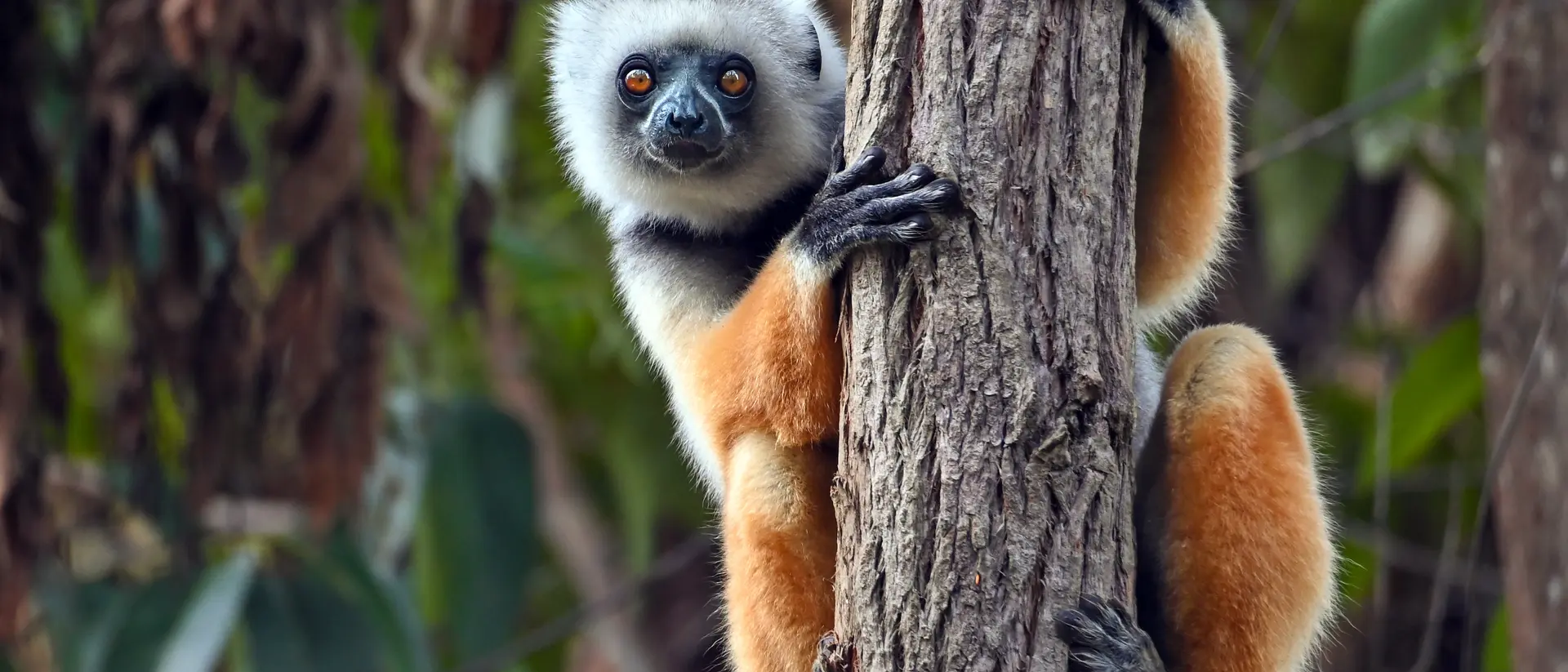
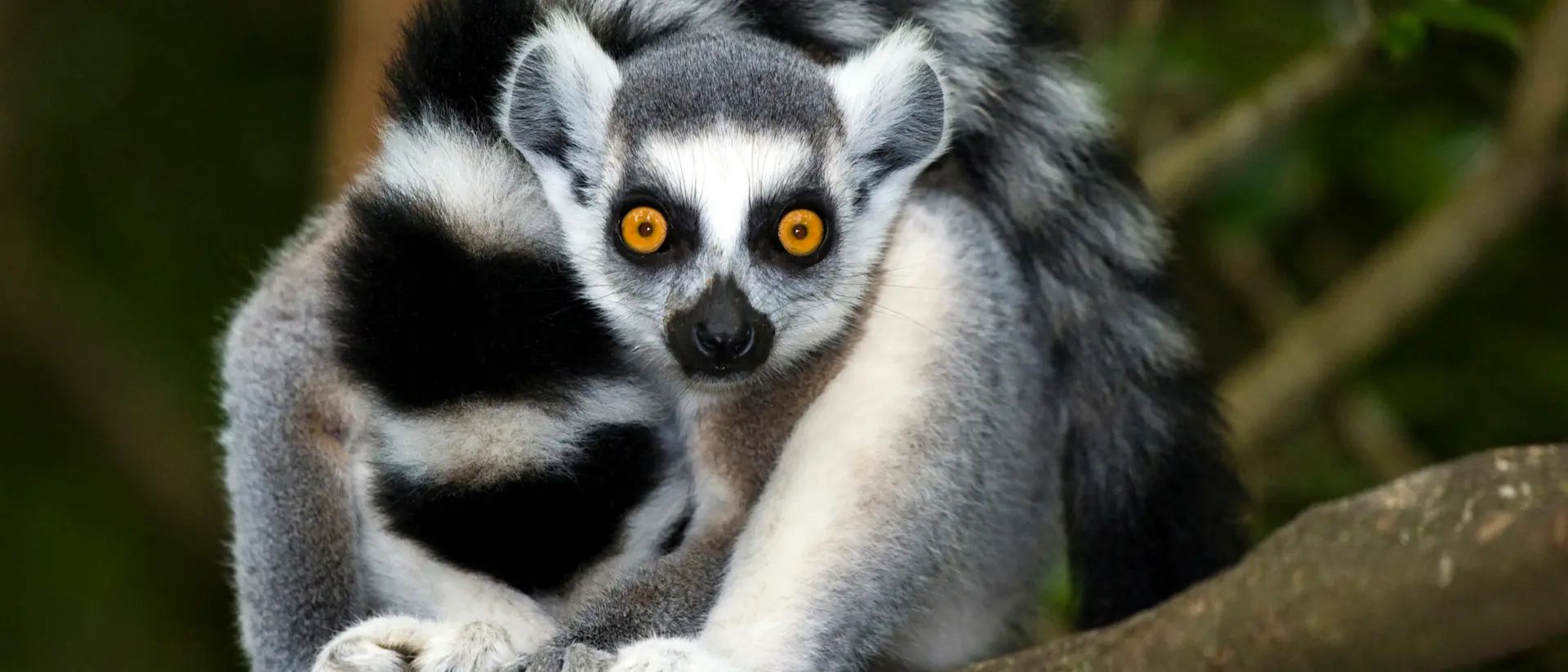
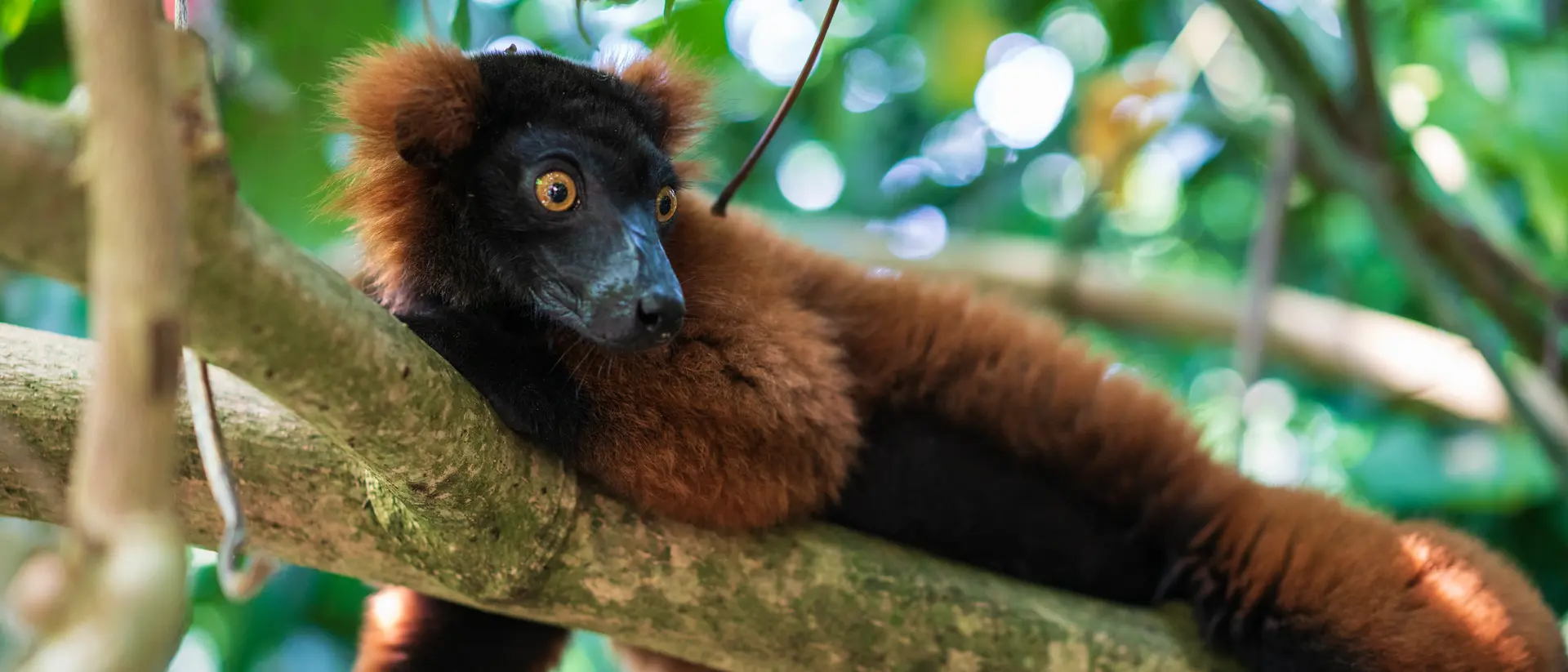
- Spot lemurs and chameleons found nowhere else on earth
- Wander through the iconic Avenue of the Baobabs
- Dive coral reefs off Nosy Be’s stunning coast
- Explore Isalo’s sandstone canyons and hiking trails
- Experience Malagasy culture, cuisine, and crafts
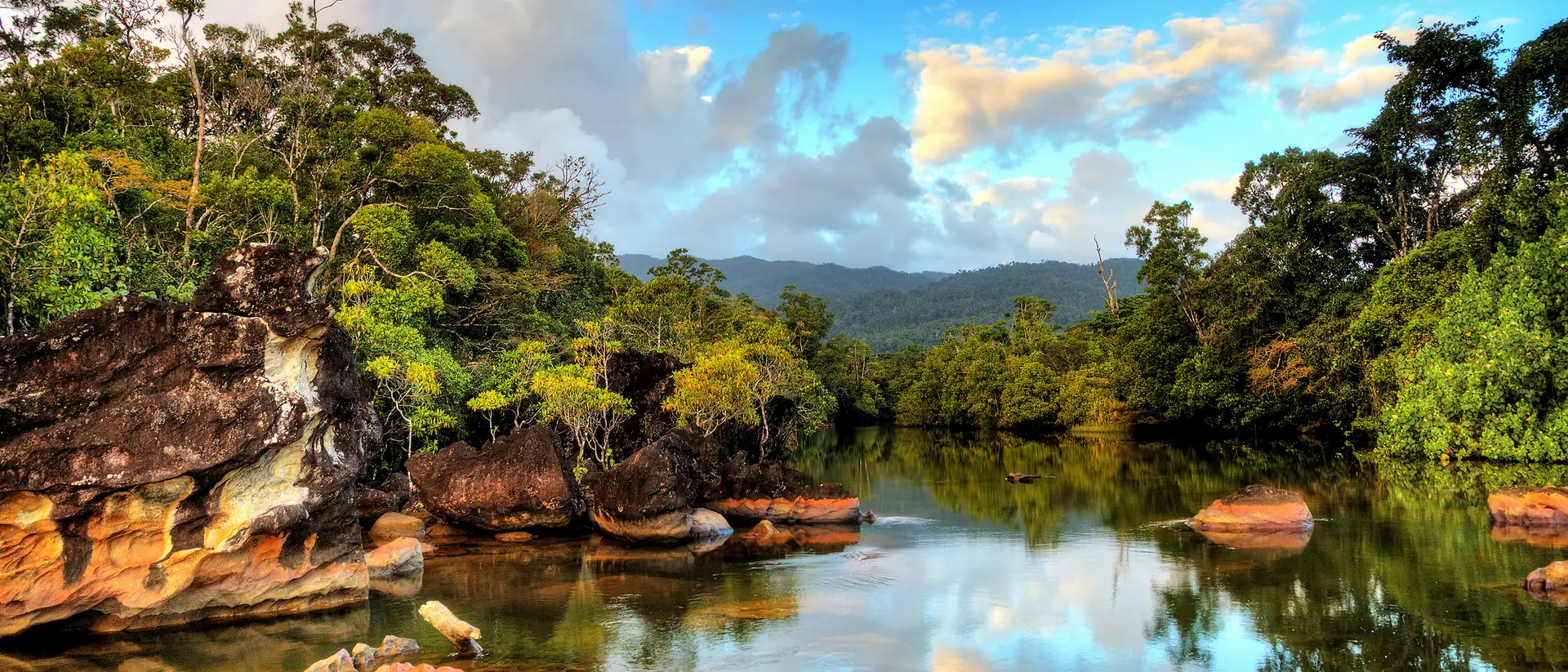
- Walk lush rainforests alive with rare wildlife
Featured Madagascar Trip Ideas
A journey through Madagascar’s wild beauty and cultural heart.Travelling through Madagascar is a chance to see a world found nowhere else. Almost all its wildlife is endemic, from playful lemurs to colourful chameleons. Explore lush rainforests, dramatic highlands, and sweeping coastlines. In the capital Antananarivo, discover a lively blend of traditions, crafts, and cuisine. From Isalo National Park’s sandstone canyons to the coral reefs of the Indian Ocean, Madagascar is a destination that rewards curiosity and a love of the natural world.
Classic Madagascar: Rainforests & Rivers
AntananarivoExplore Madagascar’s lush eastern rainforests and striking southern spiny landscapes on a private-guided journey seeking lemurs, wildlife, and rich local culture.
10 days
From US$7,692/p.p.
Request a Quote
1000 Views of Madagascar
AntananarivoSmall group Madagascar journey through rainforests, canyons and coastal shores, spotting lemurs and chameleons while meeting local traditions along the way.
14 days
From US$5,212/p.p.
Request a Quote
Explore Madagascar, Mandrare & Masoala
AntananarivoEncounter Madagascar at its most magical on this private-guided journey of wildlife, riverside calm and rainforest wonder, woven with vibrant local culture.
12 days
From US$17,485/p.p.
Request a Quote
Madagascar Adventure: Forests, Wildlife & Coasts
AntananarivoExplore Madagascar’s wild northwest and lush east on this private-guided trip through tsingy forests, rainforests, and remote coasts teeming with rare wildlife.
12 days
From US$15,538/p.p.
Request a Quote
Don't see the
perfect trip idea?
Request a custom quote.
Turn your travel dreams into reality with Goway. Our customized vacations take travellers to all corners of the world.
Classic Madagascar: Rainforests & Rivers
AntananarivoExplore Madagascar’s lush eastern rainforests and striking southern spiny landscapes on a private-guided journey seeking lemurs, wildlife, and rich local culture.
10 days
From US$7,692/p.p.
Request a Quote
1000 Views of Madagascar
AntananarivoSmall group Madagascar journey through rainforests, canyons and coastal shores, spotting lemurs and chameleons while meeting local traditions along the way.
14 days
From US$5,212/p.p.
Request a Quote
Explore Madagascar, Mandrare & Masoala
AntananarivoEncounter Madagascar at its most magical on this private-guided journey of wildlife, riverside calm and rainforest wonder, woven with vibrant local culture.
12 days
From US$17,485/p.p.
Request a Quote
Madagascar Adventure: Forests, Wildlife & Coasts
AntananarivoExplore Madagascar’s wild northwest and lush east on this private-guided trip through tsingy forests, rainforests, and remote coasts teeming with rare wildlife.
12 days
From US$15,538/p.p.
Request a Quote
Don't see the
perfect trip idea?
Request a custom quote.
Turn your travel dreams into reality with Goway. Our customized vacations take travellers to all corners of the world.
Travel Information about Madagascar
Get to know Madagascar before you go.
Best Time to Visit
Madagascar is a destination that rewards travellers year-round with ever-changing landscapes and unique wildlife encounters.
From its tropical rainforests and rugged highlands to sweeping deserts and pristine coastlines, the island offers something new in every season. Timing your trip, however, can shape the experiences you’ll treasure most.
The dry season, running from May to October, is considered the best time to explore. Clear skies and warm days make it ideal for hiking through national parks, relaxing on beaches, and spotting lemurs, chameleons, and an astonishing variety of birds. May is particularly peaceful, with fewer visitors and easy access to accommodation, while June brings crisp air, sun-drenched coastlines, and the arrival of humpback whales along the shores.
Those looking for extraordinary wildlife encounters should consider October to December, when the lemur breeding season fills the forests with playful energy. For marine life enthusiasts, November and March are the months to glimpse whale sharks in the surrounding waters, while June to September offers unforgettable whale watching. Though occasional rains may close some wetlands, fly-in safaris to Morondava and Mahajanga provide a seamless way to access remote beaches and lush forests.
Whether you’re drawn by serene escapes, whale-filled waters, or the lively calls of baby lemurs, Madagascar’s seasons each hold their own charm. With a little planning, your journey can align perfectly with the island’s natural spectacles, ensuring every visit feels both intimate and unforgettable.
Places To Go
Handcrafted journeys to our most popular places to visit in Madagascar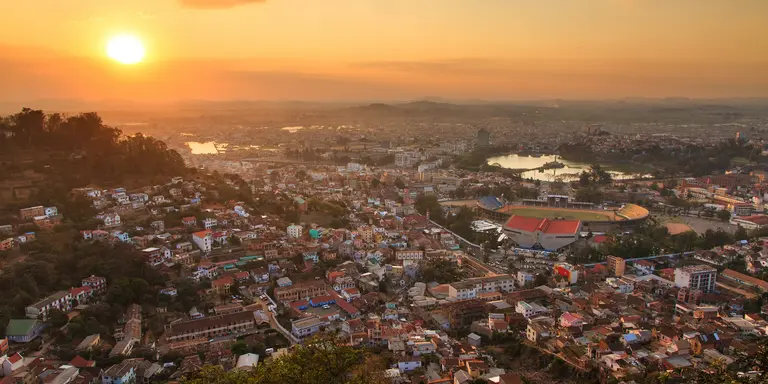
Antananarivo
When travelling on a Madagascar vacation, situated inland, about 145 km (90 mi) from Madagascar’s...
When travelling on a Madagascar vacation, situated inland, about 145 km (90 mi) from Madagascar’s east coast Antananarivo, the country’s capital and its largest city. Unlike many other capitals found...
Antananarivo
When travelling on a Madagascar vacation, situated inland, about 145 km (90 mi) from Madagascar’s...
When travelling on a Madagascar vacation, situated inland, about 145 km (90 mi) from Madagascar’s east coast Antananarivo, the country’s capital and its largest city. Unlike many other capitals found...
Travel Styles
Explore Madagascar by Travel Type
Ways to Travel

Themes
Ways to Travel
Themes
Frequently Asked Questions
Do I need a visa or special permits to enter Madagascar?
What language is spoken locally? How widely is English understood in Madagascar?
Malagasy and French are the official languages. French is widely spoken, especially in cities and by those in tourism or government. English is less common, though many guides and hotel staff in popular destinations speak enough for basic communication. Learning a few Malagasy greetings, like manao ahoana (hello) and misaotra (thank you), adds warmth to your interactions.
What are the must-see attractions in Madagascar?
Madagascar’s landscapes are incredibly diverse. Visit Andasibe-Mantadia National Park to spot the indri lemur’s haunting call echoing through the forest. Baobab Avenue near Morondava is surreal at sunset, with giant trees silhouetted against orange skies. The beaches of Nosy Be and Île Sainte-Marie offer crystal waters and coral reefs, while Isalo National Park showcases canyons and rock formations. Tsingy de Bemaraha’s razor-sharp limestone pinnacles make for one of the island’s most striking sights.
Is Madagascar safe? What should I keep in mind while travelling there?
Madagascar is generally safe for travellers, though petty theft can occur in crowded markets or cities—use caution with valuables. Roads can be rough and travel times long, so plan journeys carefully. Avoid night travel outside cities, and use registered guides for excursions. Health-wise, malaria is present, so bring insect repellent and consult your doctor about medication before your trip.
What's the best way to travel within Madagascar?
Domestic flights save significant time between major regions, as road travel can be slow. Taxis and hired drivers are common for shorter distances, and 4x4 vehicles are best for exploring remote areas. In cities like Antananarivo, taxis are easy to find, though fares should be agreed upon in advance. Public “taxi-brousse” minibuses are inexpensive but crowded and slow.
What Malagasy cultural customs should I be aware of?
Respect for local traditions, known as fady (taboos), is very important. These vary by region—some may prohibit certain foods or activities—so ask locals before visiting villages. A handshake is a friendly greeting, often followed by a smile. Modest dress is appreciated, especially in rural areas and sacred sites. Always ask permission before photographing people or traditional ceremonies.
What should I wear/pack for Madagascar’s climate?
Madagascar’s climate varies by region. The central highlands are cooler, while coastal areas are hot and humid. Pack lightweight, breathable clothing for the coast, and a sweater or jacket for cooler highland evenings. Sturdy walking shoes are essential for parks and uneven terrain. Bring a rain jacket during the wet season (November–April), sunscreen, a hat, and insect repellent year-round.
Don't see the perfect option? Request a custom quote.
Unlock more by subscribing to our newsletter.
With our newsletter, you’ll get access to regular communications that inspire you and help you explore the world your way.Exclusive Savings
Insider Benefits
Trending Stories