
China Tours, Trips & Vacation Packages


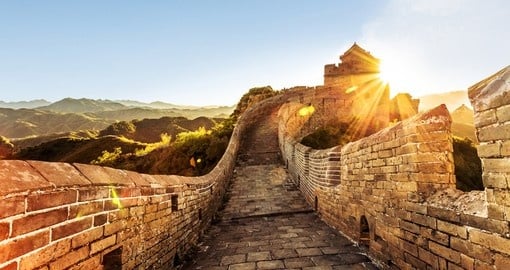
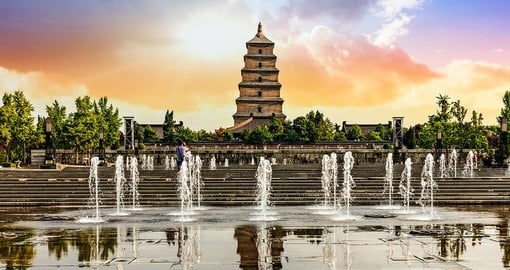
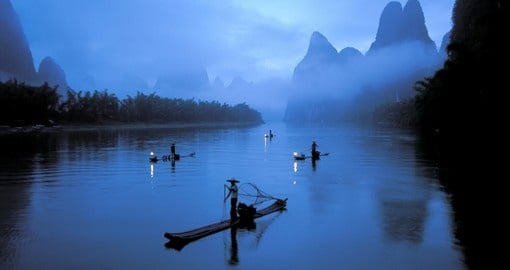
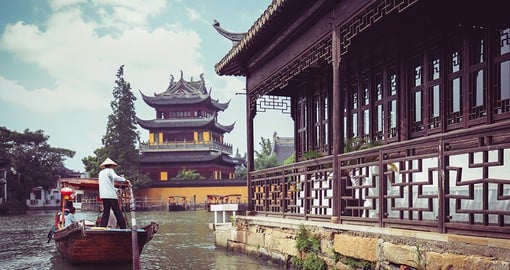
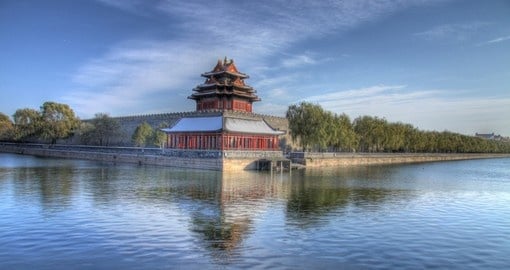
China, being the 4th largest country in area in the World and the 4th most visited country by foreigners, provides so many reasons to spend time here. To mention a few, there is its incredibly diverse landscapes, its rich historical heritage with 5000 years of culture, its mouthwatering cuisine, its emergence into the modern world and its friendly people, all available on China tours.
To understand China, it is necessary to look back at the influences of its long history. From the days of the feudal system came a united China under the first emperor to rule the complete country. This was followed by the many dynasties that ruled China up to as late as 1912 after which it became a republic followed by a Communist regime from 1949.
About China
An interesting fact is that 50% of the country’s population lives in rural areas even though only 10% of the land is arable. China also has some of the most populated cities to be found anywhere. The official language is Mandarin although Cantonese is spoken widely in the southeast.
Here are some other interesting facts about China. It is the oldest continuous civilization. There exist more than 50 different ethnic groups although 90% of the population is Han Chinese. China has the third largest number of UNESCO World Heritage Sites after Italy and Spain. There are 5 sacred mountains associated with Taoism and 4 with Buddhism. China has only one time zone spread over the whole country. It is called the “Middle Kingdom” as the Chinese once perceived their country as the centre of the world. Ice cream and pasta originated in China and were introduced to the western world by Marco Polo. The high-speed trains which travel from Beijing to Guangzhou and Shanghai reach a speed of up to 430 kilometres/268 miles per hour. Make these part of your China vacation.
China is also known for its martial arts, the practice of Tai Chi, its calligraphy and its scroll paintings. For shoppers, important items include porcelain, antique furniture, fine arts, jade, carpets and pearls.
It is impossible to really sum up China in words. It is far preferable to visit the country and discover for oneself. A dilemma could be where to start and what to leave out on China tour packages.
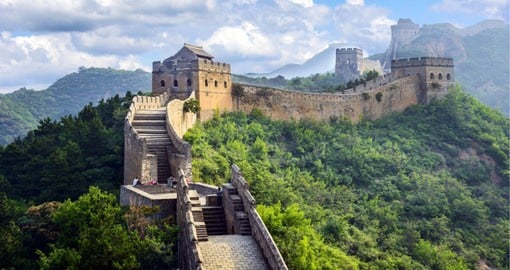
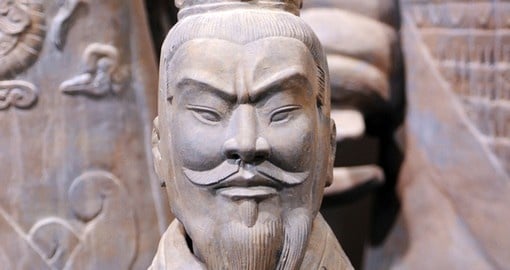
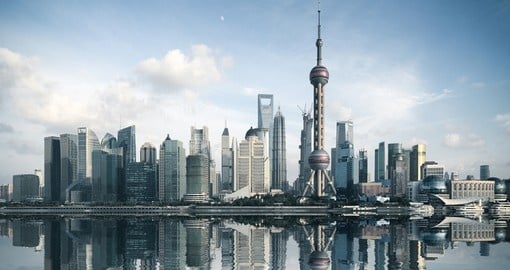
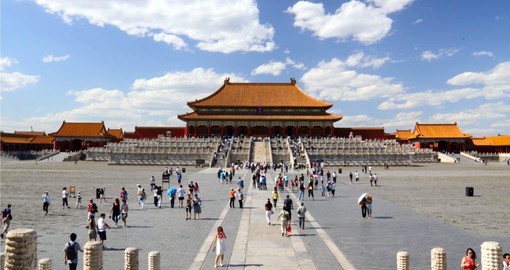
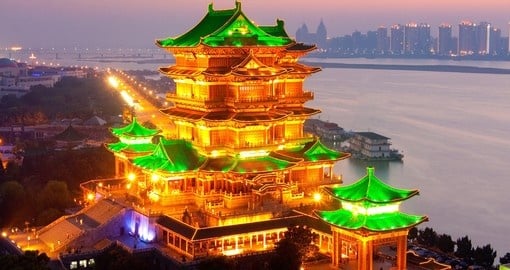
Essential China: Beijing, Xian, Guilin & Shanghai
FIRST-CLASS | SMALL GROUP: The ideal locally hosted tour to visit four of China’s major destinations including Imperial Beijing, the ancient capital, Xian, scenic Guilin, and the modern futuristic Shanghai all in 10 days.
More DetailsChina
8 Trips Available
-
- Sort by:
- Most Popular
- Duration
- Price
-
- Filter by:
- Price Range
- Duration Range
- Trip Type
- Reset all
-
![]()
China Signature: Beijing, Xian & Shanghai
DELUXE | PRIVATE-GUIDED: The perfect introductory China itinerary for the independent traveller includes three of the most important cities, Imperial Beijing, Ancient Xian and the city of the future, Shanghai.- Duration:
- 8 Days
- Prices From:
- US$ 3,036
- Trip Type:
- Classics (Bestsellers), Private Experiences, Single Friendly, Tailor-made Travel Ideas
![]() See Trip Details
See Trip Details
-
![]()
China Rail Discovery: Beijing, Nanjing, Suzhou & Shanghai
FIRST-CLASS | RAIL: Travel independently on China's famous high-speed rail network between Beijing and Shanghai, stopping in Nanjing and Suzhou en route for the ultimate eastern China experience. Enjoy the personal attention of your local guide in each city as you discover the sights, history, and flavours of each distinct region.- Duration:
- 10 Days
- Prices From:
- US$ 2,518
- Trip Type:
- Private Experiences, Rail Travel Ideas, Tailor-made Travel Ideas
![]() See Trip Details
See Trip Details
-
![]()
Luxury Sichuan, Yunnan & Tibet: Chengdu, Lijiang, Shangri-La & Lhasa
DELUXE | PRIVATE-GUIDED: Experience an unbeatable combination on this journey through Western China. First stop is Chengdu where you’ll see the giant pandas and do some volunteer work. Then head west to Lijiang, Shangri-La, and eventually Lhasa in Tibet to explore Tibetan Buddhism and admire a stunning backdrop of snow-capped mountains.- Duration:
- 11 Days
- Prices From:
- US$ 6,389
- Trip Type:
- Bucket List Travel Ideas, Luxury and Beyond, Private Experiences, Tailor-made Travel Ideas
![]() See Trip Details
See Trip Details
-
![]()
Essential China: Beijing, Xian, Guilin & Shanghai
FIRST-CLASS | SMALL GROUP: The ideal locally hosted tour to visit four of China’s major destinations including Imperial Beijing, the ancient capital, Xian, scenic Guilin, and the modern futuristic Shanghai all in 10 days.- Duration:
- 10 Days
- Prices From:
- US$ 2,371
- Trip Type:
- Classics (Bestsellers), Escorted Coach Touring, Single Friendly
![]() See Trip Details
See Trip Details
-
![]()
Scenic China: Pingyao, Longsheng, Huangshan & More
FIRST-CLASS | PRIVATE-GUIDED: Embark on a journey through China to discover the mystical landscapes of this ancient land. Travelling from Beijing to Shanghai, you’ll explore Taiyuan City and Pingyao Ancient Town, cruise along the Li River in Guilin, venture into the Reed Flute Caves, explore the UNESCO-listed Xidi Village, and summit mighty Yellow Mountain, which sits above the clouds.- Duration:
- 13 Days
- Prices From:
- US$ 6,389
- Trip Type:
- Private Experiences, Single Friendly, Tailor-made Travel Ideas
![]() See Trip Details
See Trip Details
-
![]()
Classic Tibet: Lhasa, Gyantse & Shigatse
FIRST-CLASS | PRIVATE-GUIDED: Journey to the top of the Himalayas to discover Tibet and the Roof of the World. Staying in first-class accommodations, you’ll travel through this ancient land and explore the key sites of Tibetan Buddhism, including the Pelkor Chode Monastery in Gyantse, the summer palace of Norbulingka, and marvellous Potala Palace in Lhasa.- Duration:
- 8 Days
- Prices From:
- US$ 2,931
- Trip Type:
- Active & Adventurous, Bucket List Travel Ideas, Private Experiences, Tailor-made Travel Ideas
![]() See Trip Details
See Trip Details
-
![]()
Highlights of Beijing & the Great Wall
FIRST-CLASS | PRIVATE-GUIDED: Beijing, the Imperial capital offers you not only the largest public square in the world, Tiananmen Square but also the amazing and unforgettable Great Wall of China plus much more.- Duration:
- 4 Days
- Prices From:
- US$ 891
- Trip Type:
- Private Experiences, Stopovers/City Breaks, Tailor-made Travel Ideas
![]() See Trip Details
See Trip Details
-
![]()
Signature Shanghai
DELUXE | PRIVATE-GUIDED: From the famous Bund to the fascinating Yu Yuan Gardens, Shanghai combines the traditional with a glimpse of the future with its architecture and progressive lifestyle plus much more.- Duration:
- 3 Days
- Prices From:
- US$ 635
- Trip Type:
- Private Experiences, Stopovers/City Breaks, Tailor-made Travel Ideas
![]() See Trip Details
See Trip Details