
Chile Tours & Vacation Packages


Why visit Chile?
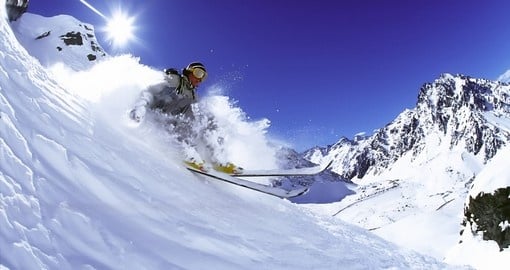
Chile is sandwiched between the Pacific Ocean and the Andes mountain range. It is a long strip of land 4600 kilometres/2850 miles in length and only 430 kilometres/265 miles wide. As a country, it is stable and prosperous. Its terrain is extremely varied consisting of desert, fjords, mountains, volcanoes, lakes, wilderness and cultivated Winelands. A land of nature at its best with many National Parks to be enjoyed on a Chile vacation.
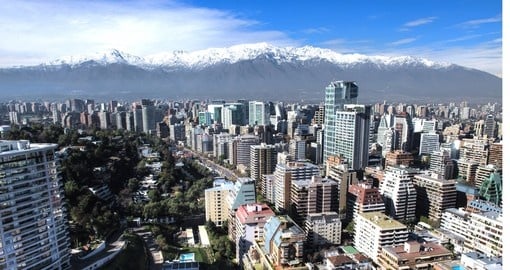
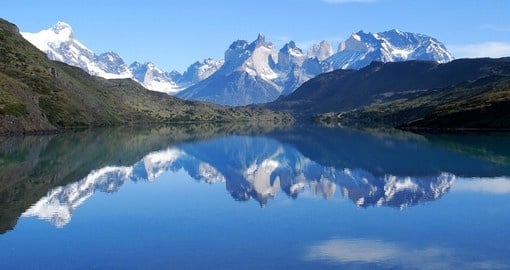
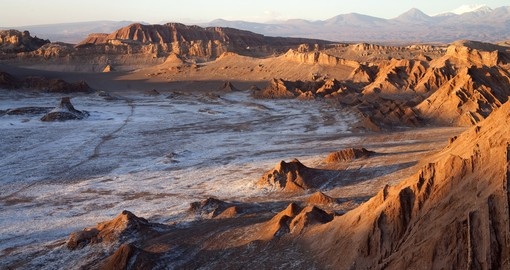
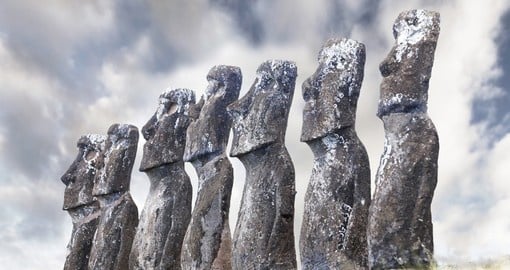
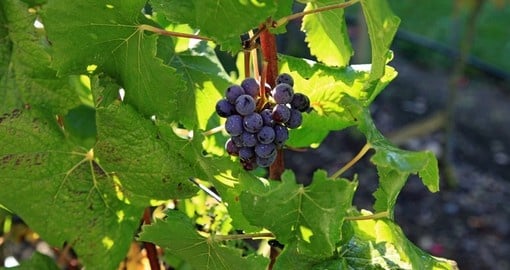
The capital, Santiago, is nestled in the foothills of the Andes with spectacular views of the mountains as a backdrop. It is a modern, progressive city. In the centre of the city known as El Centro, there are historical buildings and sites such as Plaza de Armas, the imposing Moneda Palace (presidential palace) and Santa Lucia Hill, an attractive park with fountains and stairways. Providencia is a lively neighbourhood with good shopping, dining and nightlife. Upscale picturesque Bellavista is another good place for food, the arts and entertainment. San Cristobal Hill dominates the city as it is the highest point reached by either cable car or road with wonderful views of Santiago. On the nearby coast is the interesting and colourful UNESCO-protected port city of Valparaiso. The hills surrounding the centre of the city are covered with multicoloured houses perched at crazy angles and connected by an enormous labyrinth of streets, long staircases and look-out points. Heading out of Santiago for the coast, one comes to the Winelands of Chile, famous for both their excellent red and white wines. Stop for tastings, purchases or tours, or stay longer in one of the several boutique hotels and go cycling or horseback riding through the surrounding countryside while on a Chile vacation. Further up the coast is one of Chile’s best-known sea resorts, Vina del Mar also known as the “Garden City” with excellent beaches and ideal for swimming and watersports. To the south of Santiago is the Lakes District, a verdant forested area of lakes and islands. A good vantage point is Puerto Varas where one can have great views across a lake at the volcanoes in the distance. A trip to the nearby Chiloe island archipelago with its penguin colony is worth a visit on a Chile vacation. In the north of the country lies the Atacama Desert, an arid sandy desert region including salt flats, hot springs and geysers. It is rich in copper and other minerals. Another interesting aspect is that it has many archeological sites. The area also contains a number of astronomical observatories. Patagonia covers an extensive tract of land. It has been described as exotic, remote, vast, beautiful, wild and untamable. It is certainly all those things. The best-known national park is Torres del Paine, a biosphere reserve, with hiking trails taking you through forests and by waterfalls and lakes. When you book one of our Patagonia tours you will have an opportunity to get up and close to the many interesting and tame animals found in the park. While on a Chile vacation, you might want to extend your stay and book one of our Easter Island tours. The Easter Islands officially belong to Chile although it lies 3500 kilometres/2200 miles off the coast of the country. Known also as Rapa Nui, it was populated at one time by the Polynesians. Its claim to fame is the absolutely amazing monolithic structures made of stone carved between 110 and 1680 AD. There are over 800 monumental human figures, the heaviest weighing 82 tons and 10 metres/33 feet in length. Figures are still being excavated here. "Globetrotting with Goway" blog articles For some additional reading, the following articles are from our blog “Globetrotting with Goway”….. a great source of information for those people who are, or who want to be, world travellers! Experience All the Highlights of Chile in 10 Days! Book your Chile vacation today. You won't be disappointed!! Patagonia Tours – Immerse Yourself Into a Jurassic World Indulge in a Luxury Chile Vacation The Rapa Nui Inhabitants of Easter Island, Chile Ecotourism Destinations: Central and South America (Part 2) Treks of South America – Part 2: Patagonia (Chile and Argentina) The Hidden Secrets of Easter Island Run Deeper Than You Think Discover Rapa Nui – Easter Island explained Be Amazed at What a Desert Can Offer on Goway Travel Experiences A Personal Observation on the Rise of Luxury Travel in South America Deserts, glaciers, cities & statues…Get to the heart of all that’s cool about Chile Torres Del Paine Gets its Moment in the Sun At Goway we believe that a well-informed traveller is a safer traveller. With this in mind, we have compiled an easy-to-navigate travel information section dedicated to a Chile vacation. Learn about the history and culture of Chile, the must-try food and drink, and what to pack in your suitcase. Read about Chile's nature and wildlife, weather and geography, along with 'Country Quickfacts' compiled by our travel experts. Our globetrotting tips and visa and health information will help ensure you're adequately prepared for a safe and enjoyable trip. The only way you could possibly learn more is by embarking on your journey and discovering Chile for yourself. Start exploring… book one of our Chile tours today! After your Chile vacation packages, why not consider another of Goway's Latin America tours. These include a large selection of other exciting countries in Central and South America. We offer Ecuador vacation packages which include Galapagos cruises, Peru vacation packages which include Machu Picchu tours and Brazil tours including Iguassu Falls tours among many others. Top cities to visit while on a Chile vacation
Santiago
Valparaiso
What are the top things to do in Chile?
Wine Tours
Lakes and Beaches
Atacama Desert Tours
Patagonia
Easter Island Tours
Chile Travel Information
Extend Your Trip in South America
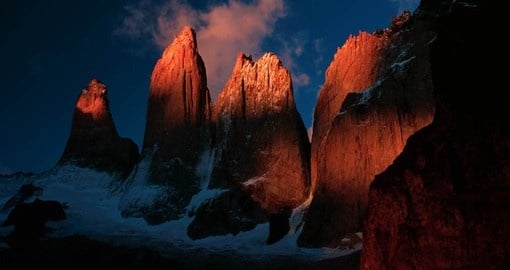
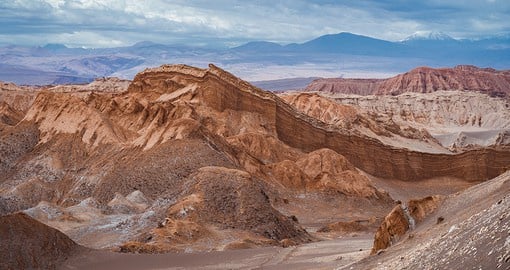
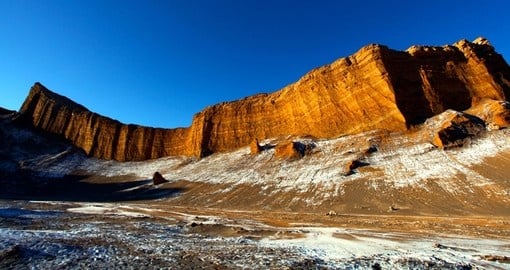
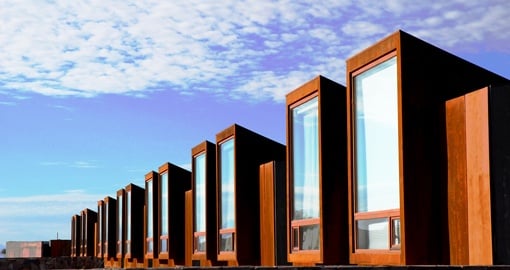
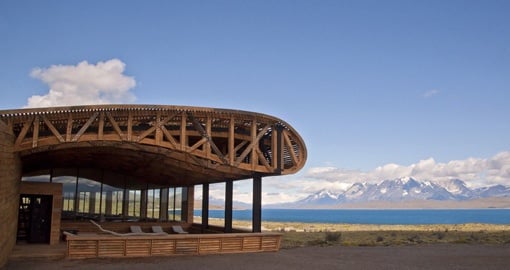
Tierra Chile Top to Bottom
DELUXE | TAILOR-MADE: Chile is a stunning country from one end to the other. Embark on a unique journey to experience north and south, Atacama and Patagonia, taking in some of the most tantalizing and visually impressive landscapes in the world along the way.
More DetailsChile
-
- Sort by:
- Most Popular
- Duration
- Price
-
- Filter by:
- Price Range
- Duration Range
- Trip Type
- Reset all
-
![]()
Wonders of Easter Island & Santiago
FIRST-CLASS | TAILOR-MADE: Explore Chile’s capital and unlock the secrets of Rapa Nui - aka Easter Island - on this combo tour. Starting in Santiago you’ll see city highlights old and new, visit the nearby coastline of Valparaiso and then connect to Rapa Nui to delve into the island’s mythical history and see the iconic Moai.- Duration:
- 8 Days
- Prices From:
- US$ 2,629
- Trip Type:
- Active & Adventurous, Small Group Touring
![]() See Trip Details
See Trip Details
-
![]()
Wonders of Argentina & Chile
FIRST-CLASS | SMALL GROUP: Embark on this 11-day vacation through Argentina and Chile. Discover the iconic glaciers spanning the two countries and the unique historical heritage and cuisine of Buenos Aires, El Calafate, Puerto Natales, and Santiago. Embrace the opportunity to add additional tours and excursions to your itinerary or enjoy the leisure time afforded to you.- Duration:
- 11 Days
- Prices From:
- US$ 2,819
- Trip Type:
- Small Group Touring
![]() See Trip Details
See Trip Details
-
![]()
Chilean Escape: Santiago, Puerto Natales & Torres del Paine
DELUXE | TAILOR-MADE: Embark on this 10-day Chilean vacation, exploring Santiago's rich history and Patagonia's expansive natural beauty. Explore Santiago's grand Cathedral, Plaza de Armas, National History Museum, La Moneda, and the Museum of Pre-Columbian Art before your delicious tour of Casablanca Valley's vineyards. Venture to Puerto Natales before your peaceful escape to the heart of Patagonia.- Duration:
- 10 Days
- Prices From:
- US$ 3,679
- Trip Type:
- Private Experiences
![]() See Trip Details
See Trip Details
-
![]()
Wine and Wonder: Santiago, Valparaiso & Easter Island
DELUXE | PRIVATE-GUIDED: Embark on a cultural, gastronomic, and natural discovery of Santiago, Valparaiso, and Easter Island on this 11-day Chilean vacation. Explore Chile's capital, sip delicious wines, visit the seaside Valparaiso, and discover the mysteries surrounding one of South America's most remarkable destinations, Easter Island.- Duration:
- 11 Days
- Prices From:
- US$ 3,899
- Trip Type:
- Private Experiences
![]() See Trip Details
See Trip Details
-
![]()
Chile Deluxe: Santiago, Torres del Paine & Atacama
DELUXE | PRIVATE-GUIDED: Superb wine, spectacular vistas, and incomparable experiences are in abundance on this 12-day exploration of Chile. You’ll begin in Santiago, carry on to Torres del Paine, and cap off your trip with a few nights under the stars in the Atacama desert.- Duration:
- 12 Days
- Prices From:
- US$ 6,929
- Trip Type:
- Private Experiences, Tailor-made Travel Ideas
![]() See Trip Details
See Trip Details
-
![]()
Chilean Wines: Colchagua Valley, Casablanca & Valparaiso
DELUXE | PRIVATE-GUIDED: Embark on a short but very tasty Chilean vacation, where you'll not only gain amazing insight into the wines of Chile but also enjoy the unique joy of exploring Santiago and Valparaiso like a local. Along the way you'll discover a thriving viniculture scene and take home a new perspective on this dynamic, beautiful country.- Duration:
- 7 Days
- Prices From:
- US$ 3,012
- Trip Type:
- Bucket List Travel Ideas, Private Experiences, Tailor-made Travel Ideas
![]() See Trip Details
See Trip Details
-
![]()
M/V Stella Australis Patagonia Cruise: Ushuaia to Punta Arenas
FIRST-CLASS | CRUISE: The southernmost region of the world is where expedition cruise ships invite you to travel legendary maritime routes. On this particular sailing, you're invited to explore this beautiful and untamed region of South America which travels 'round the horn' from Ushuaia to Punta Arenas.- Duration:
- 5 Days
- Prices From:
- US$ 1,792
- Trip Type:
- Active & Adventurous, Cruises & Sailing
![]() See Trip Details
See Trip Details
-
![]()
Andean Traverse: Bariloche, Peulla & Puerto Varas
DELUXE | TAILOR-MADE: Spend 5 days journeying from Bariloche into Chile and onwards to Puerto Varas gaining a better appreciation for the stunning Andean Mountain range by driving and navigating through them.- Duration:
- 5 Days
- Prices From:
- US$ 1,753
- Trip Type:
- Active & Adventurous, Classics (Bestsellers), Tailor-made Travel Ideas
![]() See Trip Details
See Trip Details
-
![]()
Chilean Wines, Deserts & Volcanoes: VIP
DELUXE | PRIVATE-GUIDED: World-famous wines paired with some of the most spectacular scenery on the planet courtesy of the Atacama desert combine to make this Chilean vacation a once-in-a-lifetime opportunity worth putting on (and checking off) your bucket list.- Duration:
- 9 Days
- Prices From:
- US$ 7,356
- Trip Type:
- Bucket List Travel Ideas, Luxury and Beyond, Private Experiences, Romance & Honeymoon
![]() See Trip Details
See Trip Details
-
![]()
andBeyond Vira Vira Chilean Lake District: Stay of Distinction
DELUXE | TAILOR-MADE: Located in a 22 acre park on the shores of the Liucura River, this stunning 18-room hotel offers an oasis of peace and relaxation in the heart of the Araucania, a region rich in culture and nature, surrounded by national parks with amazing lakes, volcanoes and an ancient native forest.- Duration:
- 4-6 Days
- Prices From:
- US$ 2,847
- Trip Type:
- Luxury and Beyond, Romance & Honeymoon, Stays of Distinction
![]() See Trip Details
See Trip Details
-
![]()
Tierra Chile Top to Bottom
DELUXE | TAILOR-MADE: Chile is a stunning country from one end to the other. Embark on a unique journey to experience north and south, Atacama and Patagonia, taking in some of the most tantalizing and visually impressive landscapes in the world along the way.- Duration:
- 8 Days
- Prices From:
- US$ 5,344
- Trip Type:
- Active & Adventurous, Family Vacations, Tailor-made Travel Ideas
![]() See Trip Details
See Trip Details
-
![]()
Cities of South America
FIRST-CLASS: TAILOR-MADE: The ultimate South America tour for culture vultures, this itinerary focuses on the continent’s most exciting cities, from pulsing Rio, to rapidly emerging Bogota, via Iguassu Falls and Machu Picchu.- Duration:
- 20 Days
- Prices From:
- US$ 5,223
- Trip Type:
- Classics (Bestsellers), Tailor-made Travel Ideas
![]() See Trip Details
See Trip Details
-
![]()
Rapa Nui Basics: Easter Island Eco Lodge
MODERATE | TAILOR-MADE: Explore the mysteries of Easter Island’s famous statues with a stay at Easter Island Eco Lodge. From here you’ll tour the island to learn about the mysterious history of the moai and also enjoy the island’s warm waters and white-sand beaches.- Duration:
- 4 Days
- Prices From:
- US$ 693
- Trip Type:
- Active & Adventurous, Tailor-made Travel Ideas
![]() See Trip Details
See Trip Details
-
![]()
Andean Traverse Bariloche to Puerto Varas
Spend 5 days journeying from Bariloche into Chile and onward to Puerto Varas gaining a better appreciation for the stunning Andean Mountain range by driving and navigating through them.- Duration:
- 5 Days
- Prices From:
- US$ 1,046
- Trip Type:
- Active & Adventurous, Classics (Bestsellers)
![]() See Trip Details
See Trip Details
-
![]()
Antarctica - The Trip of a Lifetime
FIRST-CLASS | SPECIALITY GROUP: Cross off the 7th continent of the world with this once-in-a-lifetime trip to Antarctica. You will get to explore so many wonderful things that ‘The Last Continent is known for – this exclusive trip really is the epitome of the Ultimate Bucket List trip- Duration:
- 10 Days
- Prices:
- On request
- Trip Type:
- Specialty Groups & Events
![]() See Trip Details
See Trip Details
-
![]()
Antarctica Express - Crossing the Circle from Punta Arenas
DELUXE | CRUISE: Embark on an epic expedition to the Antarctic Circle. Flying over the Drake Passage to King George Island, you’ll board the Ocean Adventurer and spend a full week voyaging the Antarctic seas, passing by icebergs and whales and venturing to penguin rookeries and frozen landscapes.- Duration:
- 11 Days
- Prices:
- On request
- Trip Type:
- Cruises & Sailing
![]() See Trip Details
See Trip Details
-
![]()
Antarctica Express Cruise: Fly the Drake
DELUXE | CRUISE: Enjoy Antarctica by flying and then cruising south of the Antarctic Circle. Discover the sheer beauty and wildlife of the area as well as the dramatic landscapes of the white continent.- Duration:
- 8 Days
- Prices From:
- US$ 11,995
- Trip Type:
- Cruises & Sailing
![]() See Trip Details
See Trip Details
-
![]()
Best of Patagonia: Santiago to Buenos Aires
Explore the wild wilderness of South America in Patagonia, which also offers some of the most luxurious hotels and lodges on the continent. Trek across the Moreno Glacier and around Torres del Paine National Park, and spot Guanacos and pumas before retiring in style in a luxury lodge or a budget-focused accommodation.- Duration:
- 10 Days
- Prices:
- On request
- Trip Type:
- Active & Adventurous, Bucket List Travel Ideas, Tailor-made Travel Ideas
![]() See Trip Details
See Trip Details
-
![]()
Best of the Lakes
Few landscapes in the world can offer such beautiful scenery as the Chilean Lakes District, where crystal lakes, stunning volcanoes and ancient forests make it a truly unforgettable place.- Duration:
- 4 Days
- Prices From:
- US$ 942
- Trip Type:
- Tailor-made Travel Ideas
![]() See Trip Details
See Trip Details
-
![]()
Las Torres Patagonia: Torres del Paine
Experience the dramatic beauty of the Torres del Paine National Park in Chile while staying at an active ranch. Choose from a wide range of half and full day activities while enjoying an all-inclusive experience in Patagonia.- Duration:
- 4-6 Days
- Prices From:
- US$ 2,564
- Trip Type:
- Active & Adventurous, Tailor-made Travel Ideas
![]() See Trip Details
See Trip Details
-
![]()
Patagonia Complete
FIRST-CLASS | TAILOR-MADE: A hiking adventure through the heart of Patagonia, witness the splendour of Torres del Paine in Chile, the Rio Blanco Trail, Piedras Blances Glacier and Lake Argentino in Argentina. After adventurous days on the trails, relax in the comfort of first-class Patagonian camps and lodges.- Duration:
- 8 Days
- Prices From:
- US$ 4,147
- Trip Type:
- Active & Adventurous, Tailor-made Travel Ideas
![]() See Trip Details
See Trip Details
-
![]()
Patagonian Fjord Cruise
The best way to enter or exit the Torres del Paine National Park. An indomitable landscape where the silence and the immensity of its forests, glaciers and mountains with eternal snow joins the exotic marine fauna. Journey from Puerto Montt to Puerto Natales – the gateway to Torres del Paine National Park – or vice versa.- Duration:
- 4 Days
- Prices From:
- US$ 579
- Trip Type:
- Active & Adventurous, Cruises & Sailing
![]() See Trip Details
See Trip Details
-
![]()
Round the Horn Patagonia Cruise from Punta Arenas
The southernmost region of the world is where the expedition cruise ships invite you to travel legendary maritime routes to explore this beautiful and untamed region of South America.- Duration:
- 5 Days
- Prices From:
- US$ 2,341
- Trip Type:
- Cruises & Sailing
![]() See Trip Details
See Trip Details
-
![]()
Santiago Stopover
Resting on an inland plain, with the Andes glimmering in the distance, Santiago, the capital of Chile is a city of contrasts, with colonial neighbourhood parks and modern districts.- Duration:
- 3 Days
- Prices From:
- US$ 310
- Trip Type:
- Stopovers/City Breaks, Tailor-made Travel Ideas
![]() See Trip Details
See Trip Details
-
![]()
Tierra Patagonia Hotel: Stay of Distinction
Tierra Patagonia is friendly and welcoming and our location is sublime. Set in the uttermost south of Chile, we overlook Lake Sarmiento and the towering peaks of Torres del Paine National Park which was named a UNESCO Biosphere Reserve Site in 1978.- Duration:
- 4-6 Days
- Prices From:
- US$ 3,294
- Trip Type:
- Luxury and Beyond, Stays of Distinction
![]() See Trip Details
See Trip Details