

Galapagos Islands Vacations, Tours & Travel Packages


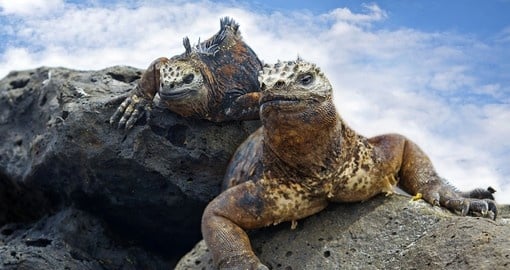
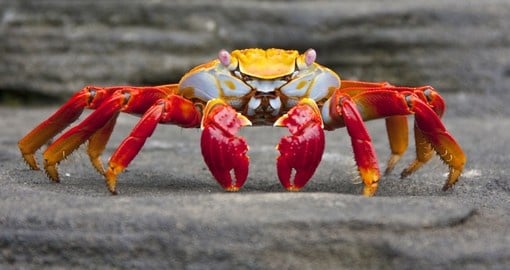
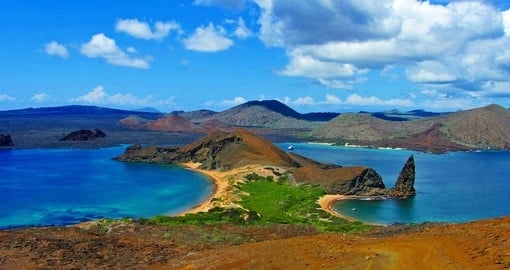
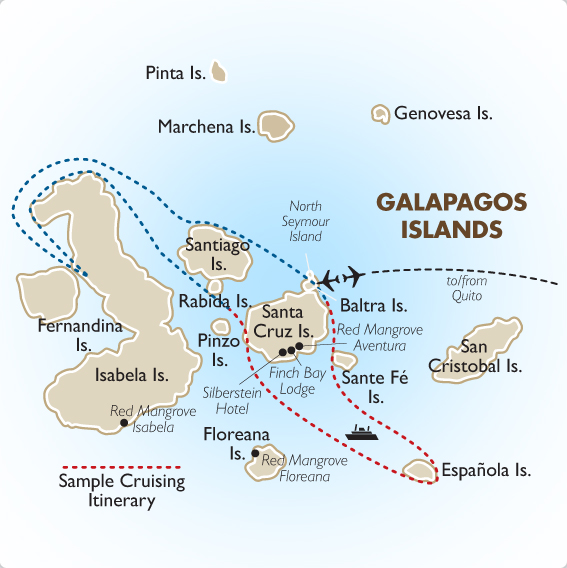
Located to the west of continental Ecuador, the Galápagos Islands are an archipelago of volcanic islands on either side of the Equator in the Pacific Ocean. The islands are also a national park and marine reserve to be experienced on an Ecuador vacation.
Galapagos Islands Travel information
The Galápagos Islands were discovered by accident in 1535 when Tomás de Berlanga drifted off course sailing from Panama to Peru. The archipelago is perhaps most famous for the scientific expeditions that occurred there during the 18th century. Charles Darwin arrived in 1835 and studied geology, botany, and animals found there. His discoveries provided important evidence for his theory of evolution. Ecuador officially claimed the territory in 1832 and used it mainly for penal colonies. In 1959, 97% of the area became a national park and organized tourism began the following year with Galapagos tours. In 1978 the area was named a UNESCO World Heritage Site and in 1985 it became a biosphere reserve.
Galápagos Landscape
The extraordinaryGalápagos Islands have to be one of nature’s most important gifts to travellers. Totally unique, they consist of 127 islands and islets, 19 of which are volcanic and are located 1000 kilometres/620 miles off the coast of Ecuador. The UNESCO World Heritage organization calls it a “living museum and showcase of evolution.” Human settlements are restricted to only 3% of the area on four of the largest islands, though many more can be visited on an Ecuador vacation. The Galápagos National Park enacts strict regulations concerning where people can go, what they can do, and how many people can turn up in any one spot, ensuring a superb wildlife viewing experience for every visitor. A limited number of overnight boats are allowed to operate and each boat is equipped with a tracking device so that authorities can verify exactly who is going where at any given time.
Galápagos Wildlife
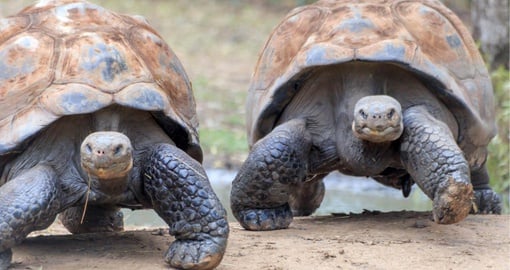
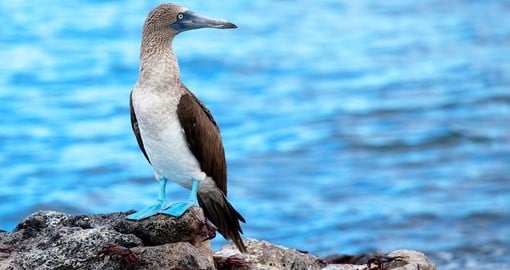
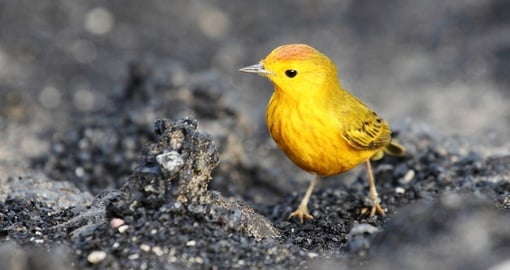
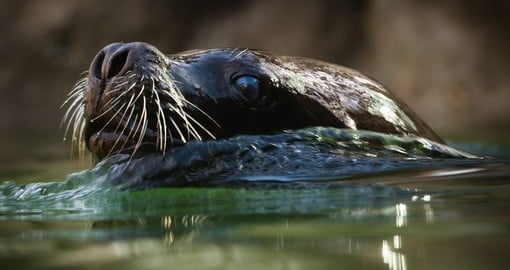
Besides being a highlight of your Ecuador vacation, the islands are an ecological wonderland populated with fearless and incredible wildlife. The largest living tortoise species, the Galápagos Tortoise is famous for its long lifespan and can weigh over 400 kg/880 lbs. The distinctive blue-footed booby is synonymous with the islands, as are the colonies of curious sea lions. Besides unique wildlife, there are also excellent beaches that welcome swimming, diving and surfing. Numerous leisurely cruises also maximize your experience here.
View the Galapagos Nature Calendar
A visit to the Galápagos Islands is a truly spectacular experience that continues to attract tourists from around the world. Book one of our Galapagos tours today and be part of the experience.
Ecuador Travel Information
At Goway we believe that a well-informed traveller is a safer traveller. With this in mind, we have compiled an easy-to-navigate travel information section dedicated to an Ecuador vacation.
Learn about the history and culture of Ecuador, the must-try food and drink, and what to pack in your suitcase. Read about Ecuador's nature and wildlife, weather and geography, along with 'Country Quickfacts' compiled by our travel experts. Our globetrotting tips, as well as our visa and health information, will help ensure you're properly prepared for a safe and enjoyable trip. The only way you could possibly learn more is by embarking on your journey and discovering Ecuador for yourself. Start exploring and book one of our Ecuador tours today!
Extend Your Trip
After your Ecuador vacation, why not consider another of Goway's Latin America tours. These include a large selection of other exciting countries in Central and South America. We offer Chile vacation packages and Easter Island tours, Peru vacation packages which include Machu Picchu tours and Brazil tours including Iguassu Falls tours among many others.
Galapagos Islands
24 Trips Available
-
- Sort by:
- Most Popular
- Duration
- Price
-
![]()
Quito & The Galapagos Sea Star Yacht
FIRST-CLASS | TAILOR-MADE: The incredible landscapes of the Galapagos Islands are yours to discover aboard the wonderfully appointed Galapagos Sea Star Yacht. Ahead of your adventure on the Enchanted Isles, discover Quito, UNESCO's first World Cultural Heritage site.- Duration:
- 7 Days
- Prices From:
- US$ 6,307
- Trip Type:
- Cruises & Sailing
![]() See Trip Details
See Trip Details
-
![]()
Wonders of the Galapagos & Peru
FIRST-CLASS | SMALL GROUP: Explore two of South America’s most iconic destinations on this convenient 11-day vacation. After a brief stopover in Guayaquil, connect to the Galapagos Islands to follow in the footsteps of Darwin. Later, you’re off to Peru where you'll explore the capital of Lima, the Sacred Valley and, finally, indomitable Machu Picchu.- Duration:
- 11 Days
- Prices From:
- US$ 3,889
- Trip Type:
- Active & Adventurous, Classics (Bestsellers), Family Vacations, Small Group Touring
![]() See Trip Details
See Trip Details
-
![]()
Wonders of the Galapagos Islands
FIRST-CLASS | SMALL GROUP: Explore volcanic landscapes and spot incredible wildlife on an adventure to the Galapagos Islands. Staying on Santa Cruz Island, you’ll head on day trips to explore this magical archipelago. You’ll spot giant tortoises in the highlands, hike along volcanic beaches full of iguanas and penguins, and experience the stunning biodiversity of this island chain.- Duration:
- 5 Days
- Prices From:
- US$ 2,256
- Trip Type:
- Bucket List Travel Ideas, Family Vacations, Small Group Touring
![]() See Trip Details
See Trip Details
-
![]()
Galapagos Signature: Quito & M/C Elite Cruise
DELUXE | CRUISE: Discover the biodiverse Galapagos Islands aboard a luxury yacht. First, get acquainted with the history and food scene of the Ecuadorian capital, Quito. Then fly to the Galapagos Islands for a cruise adventure through the unique volcanic environments, spotting rare wildlife and exploring otherworldly landscapes.- Duration:
- 10 Days
- Prices From:
- US$ 9,999
- Trip Type:
- Cruises & Sailing, Luxury and Beyond, Tailor-made Travel Ideas
![]() See Trip Details
See Trip Details
-
![]()
M/V Galapagos Legend Cruise: 4 Days
FIRST-CLASS | CRUISE: The M/V Galapagos Legend offers the amenities of a large cruise liner without sacrificing the intimacy of small craft. Spend 4 days on a first-class vessel exploring the sights of the Galapagos Islands.- Duration:
- 4 Days
- Prices From:
- US$ 3,319
- Trip Type:
- Bucket List Travel Ideas, Cruises & Sailing
![]() See Trip Details
See Trip Details
-
![]()
M/V Galapagos Legend Cruise: 5 Days
FIRST-CLASS | CRUISE: Sailing aboard the M/V Legend - a family-friendly, 100-passenger vessel that will take you through the Galapagos Islands - discover the unique landscapes and species that makes this region a haven for nature lovers. All aboard!- Duration:
- 5 Days
- Prices From:
- US$ 3,763
- Trip Type:
- Cruises & Sailing, Family Vacations
![]() See Trip Details
See Trip Details
-
![]()
Cruising Galapagos: M/Y Coral I: 5 Days
Enjoy a 5 day cruise of the world famous Galapagos Islands while sailing aboard Coral I, a modern vessel but with classic beauty. See the sights by hiking, snorkeling and exploring.- Duration:
- 5 Days
- Prices From:
- US$ 3,671
- Trip Type:
- Cruises & Sailing
![]() See Trip Details
See Trip Details
-
![]()
Machu Picchu & the Galapagos
FIRST-CLASS | TAILOR-MADE: Combine two of South America’s (and the world’s) greatest landmarks on one itinerary! After exploring Lima, spend a few days in the Sacred Valley of the Incas and tour spectacular Machu Picchu, then head to Quito and connect to the Galapagos Islands to discover fascinating landscapes and incredible wildlife.- Duration:
- 12 Days
- Prices From:
- US$ 5,550
- Trip Type:
- Family Vacations, Multi Country Vacation Ideas, Tailor-made Travel Ideas
![]() See Trip Details
See Trip Details
-
![]()
Highlights of Peru and the Galapagos
DELUXE | PRIVATE-GUIDED: Escape to South America and explore two iconic countries on one amazing, tailor-made journey. Start in Peru where you’ll venture into the Sacred Valley of the Incas and explore Machu Picchu. Soon after, it's off to Ecuador where you’ll tour historic Quito before enjoying four nights on land in one of nature’s greatest playgrounds, the Galapagos Islands.- Duration:
- 13 Days
- Prices From:
- US$ 7,032
- Trip Type:
- Active & Adventurous, Classics (Bestsellers), Private Experiences, Tailor-made Travel Ideas
![]() See Trip Details
See Trip Details
-
![]()
M/Y Coral I/II Galapagos Cruise: 4 Days
FIRST-CLASS | CRUISE: Spend 4 days on board the 36-passenger luxury yacht M/Y Coral I and enjoy the opportunity to see many of the highlights of the Galapagos Islands including Santa Cruz, Floreana, Espanola and Daphne.- Duration:
- 4 Days
- Prices From:
- US$ 2,928
- Trip Type:
- Cruises & Sailing
![]() See Trip Details
See Trip Details
-
![]()
Ecuador and the Galapagos for Explorers
FIRST-CLASS | TAILOR-MADE: Discover cloud forests and volcanoes, architectural and cultural treasures, and witness the wonders of the Galapagos on an expedited yachting adventure as you are welcomed to ‘Primavera Eternal’.- Duration:
- 11 Days
- Prices From:
- US$ 5,837
- Trip Type:
- Active & Adventurous, Cruises & Sailing, Family Vacations, Private Experiences, Tailor-made Travel Ideas
![]() See Trip Details
See Trip Details
-
![]()
M/C Galapagos Elite Galapagos Cruise
DELUXE | CRUISE: The M/C Galapagos Elite is specifically designed for sailing the waters of the enchanted islands. A sleek, twin-hulled catamaran, it provides its guests with a steady, safe cruise without the rocking and swaying common to the older, single-hulled yachts that dominated the island cruise industry for decades.- Duration:
- 4-8 Days
- Prices From:
- US$ 5,282
- Trip Type:
- Active & Adventurous, Cruises & Sailing, Romance & Honeymoon
![]() See Trip Details
See Trip Details
-
![]()
Cruising Galapagos: M/Y Coral I: 8 Days
Spend 8 days uncovering the natural wonders of the Galapagos Islands. You’ll have the opportunity to snorkel and hike while evenings are spent aboard Coral I, a stylish and luxurious yacht.- Duration:
- 8 Days
- Prices From:
- US$ 5,440
- Trip Type:
- Cruises & Sailing
![]() See Trip Details
See Trip Details
-
![]()
Cruising the Galapagos: M/V Natural Paradise
Head on an unforgettable eco-tour with this cruise through the Galapagos Islands. Traversing the islands aboard a brand-new yacht, the M/V Natural Paradise, you'll cross volcanic caldera, spot giant tortoises and blue-footed boobies, and snorkel beneath the waves to experience the biodiverse bounty of the islands' warm waters.- Duration:
- 4-8 Days
- Prices From:
- US$ 4,034
- Trip Type:
- Cruises & Sailing
![]() See Trip Details
See Trip Details
-
![]()
Cruising the Galapagos: M/Y Infinity
DELUXE | CRUISE: The M/Y Infinity exceeds everything seen before. High performance, unrivaled comfort, respect for the environment, and stunning style all combine to ensure that the Infinity is one of the most ideal modern yachts for exploring the Galapagos Islands.- Duration:
- 4-8 Days
- Prices From:
- US$ 4,641
- Trip Type:
- Active & Adventurous, Cruises & Sailing, Luxury and Beyond
![]() See Trip Details
See Trip Details
-
![]()
Galapagos Family Safari Camp
Escape on the ultimate family getaway to a luxury safari camp in the Galapagos Islands. Staying at the Galapagos Tented Safari Camp, you and your family will explore the archipelago, cross volcanic landscapes, and spot exciting and beloved animal species like Galapagos penguins, blue-footed boobies, and Giant Tortoises.- Duration:
- 6 Days
- Prices From:
- US$ 6,721
- Trip Type:
- Active & Adventurous, Beach & Island Escapes, Family Vacations
![]() See Trip Details
See Trip Details
-
![]()
Galapagos Island Hopping
DELUXE | TAILOR-MADE: Explore the world-famous Galapagos on this island-hopping journey by land. Combining island stays with day trips, you’ll explore volcanic landscapes and snorkel through tropical waters, spotting incredible wildlife like whitetip reef sharks, marine iguanas, and giant tortoises along the way.- Duration:
- 5 Days
- Prices From:
- US$ 4,503
- Trip Type:
- Active & Adventurous, Family Vacations, Tailor-made Travel Ideas
![]() See Trip Details
See Trip Details
-
![]()
M/C Endemic Galapagos Cruise: 4 Days
DELUXE | CRUISE: Explore a world of soaring birds, sunbathing iguanas, and magical green beaches on this brief journey to the Galapagos Islands. Travelling aboard a luxury yacht, you’ll enjoy premium accommodations as you venture through the islands to see their highlights, including the Devil’s Crown and Chinese Hat.- Duration:
- 4 Days
- Prices From:
- US$ 5,437
- Trip Type:
- Active & Adventurous, Cruises & Sailing
![]() See Trip Details
See Trip Details
-
![]()
M/C Endemic Galapagos Cruise: 5 Days
DELUXE | CRUISE: Venture through the Galapagos Islands to see soaring frigate birds, lumbering tortoises, and frolicking sea lions. Travelling aboard a luxury yacht, the M/C Endemic, you’ll enjoy world-class comforts and amenities as you cruise through the islands, exploring volcanic landscapes and spotting wildlife.- Duration:
- 5 Days
- Prices From:
- US$ 6,319
- Trip Type:
- Active & Adventurous, Cruises & Sailing
![]() See Trip Details
See Trip Details
-
![]()
M/C Endemic Galapagos Cruise: 8 Days
DELUXE | CRUISE: Explore a magical world of soaring frigate birds, lumbering tortoises, and delightful penguins on this journey to the Galapagos Islands. Travelling aboard a luxurious yacht, you’ll enjoy deluxe accommodations and expert service as you pass between the islands of the Galapagos, exploring this breathtakingly diverse ecosystem.- Duration:
- 8 Days
- Prices From:
- US$ 10,132
- Trip Type:
- Active & Adventurous, Cruises & Sailing
![]() See Trip Details
See Trip Details
-
![]()
M/C Ocean Spray Galapagos Cruise
DELUXE | CRUISE: Discover the natural playground of the Galapagos Islands and spot rare species such as blue-footed boobies, giant tortoises, and frigate birds on a cruise throughout the archipelago. Stay aboard a 5-star catamaran and choose from 5 to 8 day itineraries to see the wonders of the islands.- Duration:
- 5-8 Days
- Prices From:
- US$ 5,860
- Trip Type:
- Cruises & Sailing, Luxury and Beyond
![]() See Trip Details
See Trip Details
-
![]()
M/V Galapagos Legend: 8 Days
FIRST-CLASS | CRUISE: Experience the diversity of the Galapagos Islands as you spend 8 days sailing aboard the luxurious Legend. Take the time to get close to wildlife as you hike and snorkel around the islands.- Duration:
- 8 Days
- Prices From:
- US$ 5,587
- Trip Type:
- Cruises & Sailing
![]() See Trip Details
See Trip Details
-
![]()
Machu Picchu & the Galapagos Your Way
FIRST-CLASS | TAILOR-MADE: See two of the world’s greatest landmarks on this unforgettable itinerary that you can upgrade or customize to your preferences. After visiting Quito, head to the Galapagos Islands to see its bevy of animals in volcanic environments before connecting to Cusco and exploring the Sacred Valley of the Incas and the citadel of Machu Picchu.- Duration:
- 11 Days
- Prices From:
- US$ 4,933
- Trip Type:
- Active & Adventurous, Classics (Bestsellers), Tailor-made Travel Ideas
![]() See Trip Details
See Trip Details
-
![]()
Pikaia Lodge Galapagos
A Galapagos trip is one of the world’s great vacations, and Pikaia Lodge offers 4, 5, or 8 day programs to suit a variety of timeframes, interests, and budgets. The Lodge also boasts its own vessel for exploring the islands in detail.- Duration:
- 4-8 Days
- Prices From:
- US$ 7,941
- Trip Type:
- Active & Adventurous
![]() See Trip Details
See Trip Details