
Peru Vacation Packages and Tours


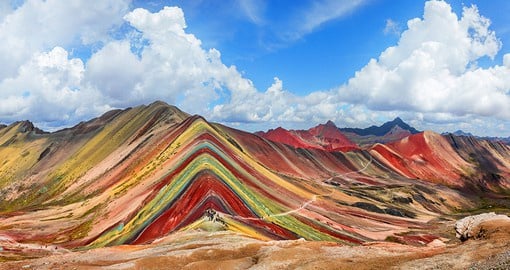
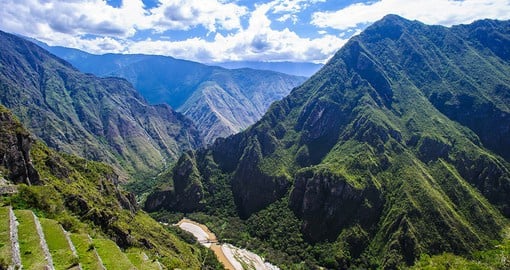
Peru offers the visitor on a Peru vacation an extraordinary array of wonders both historical and geographical. The country is divided into three regions. There is the coastal Pacific plain on which the capital, Lima is located, the Altiplano of the Andean mountain range and the jungle which covers approximately half of Peru in the Amazonian Rainforest. The inhabitants of Peru are a mixture of ethnic backgrounds (Spanish, Indigenous and African) and contribute greatly to the cuisine and the music of the country.
Lima
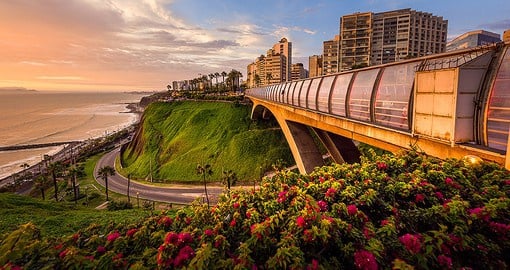
Lima, situated on the Pacific Ocean, is a large busy city. The centre or Centro Historico as it is known locally is a UNESCO World Heritage site based on its beautiful pre-Hispanic and Colonial architecture. The oldest buildings can be found in an area called Barrios Altos. One museum that is a must-visit is the Museo Larco which relates the country’s history in an interesting and engaging way. The upscale suburb of Miraflores situated on the ocean with its many parks and gardens is where a large number of tourists stay. It has many high-rise modern buildings and is home to a number of hotels and restaurants, all to be enjoyed on Peru tours.
Cusco
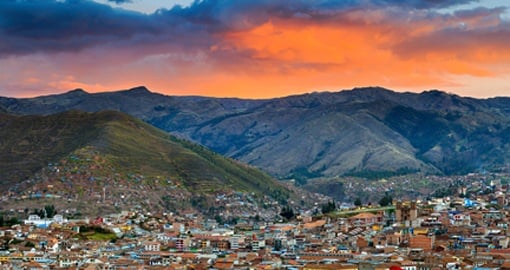
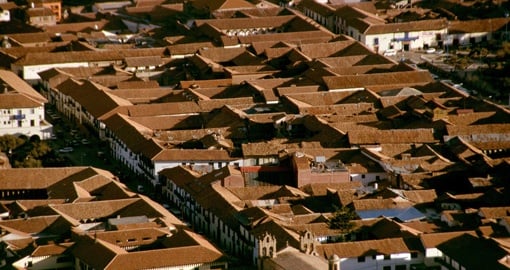
Cusco, also known as Cuzco, is a magical city with a rich archaeological legacy. It was the capital of the Inca Empire and as such is a UNESCO World Heritage site. Cusco is easy to walk around to get to know this colourful walled city. The beautiful and lively Plaza de Armas in the very centre consists of churches, shops, restaurants and bars. The vibrant San Pedro Market is an excellent place to watch the locals do their shopping. Nearby is Sacsayhuaman which is approximately 1 mile/2 kilometres outside of Cusco. It is something of a climb to reach on foot but well worth the effort due to its ambience and its Inca relics.
Sacred Valley
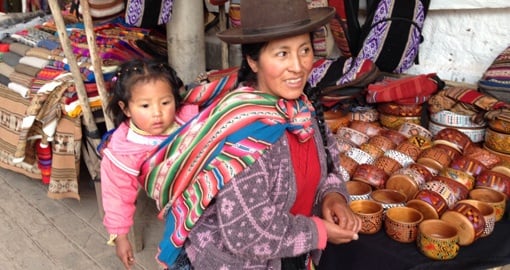
The Sacred Valley is not too far from Cusco and is so named because the Incas found it to have the best land. Situated in the Urubamba Valley, it contains numerous archaeological remains. Visit Pisac, famous for its Indian market with excellent handicrafts for sale and also its Inca ruins. On Peru tours, another interesting town in the valley is Ollantaytambo which is laid out as it was in Inca times. It is an old town built over a period of 500 years by the Incas. The Inca ruins here are large of religious significance and date back to the time when the Incas defeated the Spanish in a battle here.
Machu Picchu
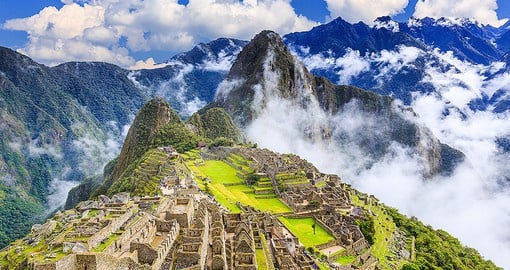
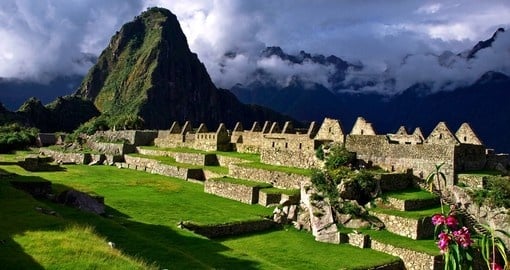
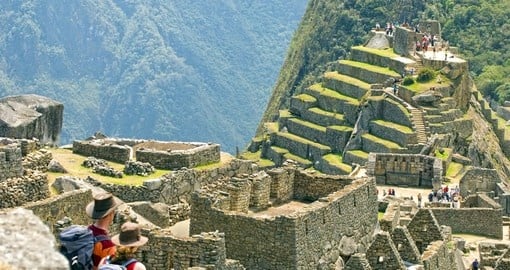
Machu Picchu is one of the true wonders of the world. Only discovered in 1911, the name in the ancient language of the Incas, Quechan, means “Old Mountain”. It is actually a citadel perched high on top of a mountain and was the centre of worship for the Incas. It also served as an astronomical observatory.
The Inca Trail is a well-known trekking route on Peru vacation packages which starts 3 to 4 days of walking outside Machu Picchu arriving eventually at the site of Machu Picchu. It is 43 kilometres/27 miles in length. This stone-paved trail is not only Peru’s most popular trek but one of the most spectacular walks in Latin America.
Lake Titicaca
If one takes the train from Cusco to the south of the country to Puno on Lake Titicaca, the journey will be awe-inspiring as it travels through the most amazing mountain scenery.
Lake Titicaca is the world’s highest navigable lake and is shared by both Peru and Bolivia. Puno is a port on the banks of the lake and also a picturesque hillside city. It is here that one can see many local women and men in their traditional clothing. One of the main attractions is the floating islands of Uros. These do actually float and are made of reed as are the houses and the boats of the local residents. Not too far away is the uninhabited Isla de la Luna known for its mythological significance for the Incas.
Arequipa
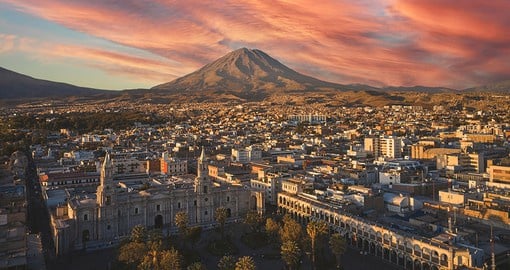
Peru’s second-largest city is Arequipa located on the southern coastal plain of the country below the Andean Altiplano. It is also a UNESCO World Heritage site because of its well-preserved old buildings and many churches. There are over 250 colonial buildings here. The Plaza de Armas is a beautiful square in the centre. Other attractions are the magnificent cathedral and the Convento de Santa Catalina, the most visited building in the city. The latter is actually a “city within a city” with narrow streets and a timeless air
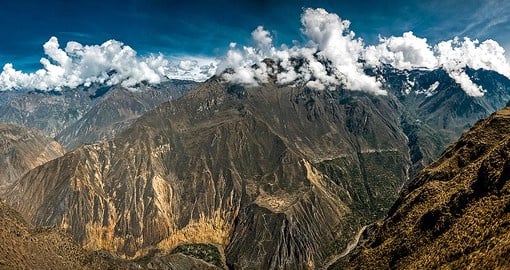
Not far from Arequipa is the amazing Colca Canyon, the world’s deepest canyon and twice as deep as the Grand Canyon. The area is astoundingly scenic. There are endless trails in the area which link around 14 villages which have been preserved from early Colonial times.
Amazon Jungle
One other region which is of interest on Peru tours is the Amazon Jungle best travelled on board a small cruise vessel which will take you deep into the heart of the jungle to the meeting point of two Amazon River tributaries.
Other Places to Visit
One very unusual place to visit is Paracas on the Pacific Ocean. It is from here that one can view the Nazca Lines in a small aircraft. These are an age-old mystery. They are an area of land seen only properly from the air consisting of complex designs up to 300 metres/980 feet in length. They consist of vast drawings of figures of animals, insects and deities. They were only discovered in 1927 and date back to as early as 300 BC.
Peru is a destination for travellers looking for something off the beaten track. If you are looking for a unique trip, book one of our Peru tours today....you won't be disappointed!
"Globetrotting with Goway" blog articles
For some additional reading, the following articles are from our blog “Globetrotting with Goway”….. a great source of information for those people who are, or who want to be, world travellers!
Cruise the Amazon River with Aqua Expeditions, on Your Peruvian Vacation
Experience Luxury on a Peruvian Vacation
Explore Everything That a Peru Vacation Has to Offer
Discover Arequipa, an Architectural Surprise on Your Peruvian Vacation
The World’s Iconic Sites Featured on Goway’s Holidays of a Lifetime (Part 2)
History Buffs Are Sure to Enjoy a Peru Vacation!
Top 5 Sites to Be Seen on South America Tours
Machu Picchu: Peru’s Amazing Citadel in the Clouds
Lake Titicaca: Peru’s Fascinating Lake in the Sky
Peru Vacation: The Allure of the Sacred Valley
Peru Vacation Essentials: Historic and Cultural Lima
Cusco, the Superb Capital of the Incas
Fantastic Train Travel Can Be Part of a Goway Tour
Ecotourism Destinations: Central and South America (Part 3)
The Many Ways to Trek to Machu Picchu
Fun Shopping Experiences in Markets Around the World
Peru Travel Information
At Goway we believe that a well-informed traveller is a safer traveller. With this in mind, we have compiled an easy-to-navigate travel information section dedicated to a Peru vacation.
Learn about the history and culture of Peru, the must-try food and drink, and what to pack in your suitcase. Read about Peru's nature and wildlife, weather and geography, along with 'Country Quickfacts' compiled by our travel experts. Our globetrotting tips and our visa and health information will help ensure you're properly prepared for a safe and enjoyable trip. The only way you could possibly learn more is by embarking on your journey and discovering Peru for yourself. Start exploring… book one of our Peru tours today!
Extend Your Trip
After your Peru Vacation Packages, why not consider another of Goway's Latin America tours. These include a large selection of other exciting countries in Central and South America. We offer Chile vacation packages and Easter Island tours, Ecuador vacation packages which include Galapagos cruises and Brazil tours including Iguassu Falls tours among many others.
Incan Explorer: Cusco, the Sacred Valley & Machu Picchu
DELUXE | PRIVATE-GUIDED: See the best of the Incas’ legacy on this 8-day exploration of Peru, focused on Cusco, the Sacred Valley, and peerless Machu Picchu. Featuring lively markets, ancient ruins and private guides to help lead the way, it is an essential journey for intrepid Globetrotters.
More DetailsPeru
-
- Sort by:
- Most Popular
- Duration
- Price
-
- Filter by:
- Price Range
- Duration Range
- Trip Type
- Reset all
-
![]()
Wonders of Peru
MODERATE | SMALL GROUP: Spend some time in cosmopolitan Lima, enjoying the vibrant energy and fantastic cuisine. A stop in culture-rich Cusco and the Sacred Valley is the perfect lead up to a visit to the ancient Incan citadel of Machu Picchu, a top highlight on any trip to wondrous Peru.- Duration:
- 7 Days
- Prices From:
- US$ 1,279
- Trip Type:
- Active & Adventurous, Classics (Bestsellers), Escorted Coach Touring, Small Group Touring
![]() See Trip Details
See Trip Details
-
![]()
Wonders of the Galapagos & Peru
FIRST-CLASS | SMALL GROUP: Explore two of South America’s most iconic destinations on this convenient 11-day vacation. After a brief stopover in Guayaquil, connect to the Galapagos Islands to follow in the footsteps of Darwin. Later, you’re off to Peru where you'll explore the capital of Lima, the Sacred Valley and, finally, indomitable Machu Picchu.- Duration:
- 11 Days
- Prices From:
- US$ 3,889
- Trip Type:
- Active & Adventurous, Classics (Bestsellers), Family Vacations, Small Group Touring
![]() See Trip Details
See Trip Details
-
![]()
Peru Odyssey: Lima, Amazon, Machu Picchu & More
FIRST-CLASS | SMALL-GROUP: Embark on an unforgettable small group journey through the nature and history of Peru. Connecting from Lima to the Amazon, the Sacred Valley of the Incas, and Machu Picchu, you’ll survey stunning vistas, feast on culinary delights, spot exotic wildlife, and learn about the fascinating history of this diverse nation.- Duration:
- 12 Days
- Prices From:
- US$ 6,099
- Trip Type:
- Small Group Touring
![]() See Trip Details
See Trip Details
-
![]()
Lima, Amazon Jungle Lodge & Machu Picchu
MODERATE | TAILOR-MADE: Get back to nature and discover the wonders of the Amazon and Machu Picchu on this jungle and mountain combination. Begin with a brief stop in Lima to explore the capital before connecting to the Peruvian Amazon to spot an incredible range of wildlife. Later, visit Cusco, and then cap off your adventure by exploring spectacular Machu Picchu.- Duration:
- 9 Days
- Prices From:
- US$ 2,373
- Trip Type:
- Active & Adventurous, Tailor-made Travel Ideas
![]() See Trip Details
See Trip Details
-
![]()
Lima, Cusco & the Inca Trail
FIRST-CLASS | TAILOR-MADE: Embark on a hike along the world-famous Inca Trail. After touring the historical highlights of Lima and Cusco, you’ll head into the Sacred Valley of the Incas to hike from Ollantaytambo to Machu Picchu over several days. Cap off the journey with a guided tour of the Lost Citadel of the Incas.- Duration:
- 8 Days
- Prices From:
- US$ 3,198
- Trip Type:
- Active & Adventurous, Tailor-made Travel Ideas
![]() See Trip Details
See Trip Details
-
![]()
Luxurious Lima & Delfin Amazon Cruise
DELUXE | CRUISE: Explore the Amazon rainforest in Northern Peru aboard a luxury Delfin vessel. Start with a stopover in the capital Lima to get a taste for Peruvian city life. Then connect to Iquitos and Nauta to board the Delfin and explore the rivers and jungles of the world’s largest rainforest.- Duration:
- 7 Days
- Prices From:
- US$ 4,176
- Trip Type:
- Cruises & Sailing, Luxury and Beyond
![]() See Trip Details
See Trip Details
-
![]()
Essential Peru: Colca Canyon, Lake Titicaca, Machu Picchu & More
FIRST-CLASS | PRIVATE-GUIDED: Panoramic mountain ranges, vast deserts, beautiful beaches and tropical jungles are yours to explore. Along the way, reveal rich histories and impressive archaeology, all while enjoying Peru's world-renowned hospitality.- Duration:
- 13 Days
- Prices From:
- US$ 4,209
- Trip Type:
- Active & Adventurous, Bucket List Travel Ideas, Private Experiences, Tailor-made Travel Ideas
![]() See Trip Details
See Trip Details
-
![]()
Wonders of Peru and Bolivia
FIRST-CLASS | SMALL GROUP: Explore Peru and Bolivia on this first-class 13-day vacation. Travel from Lima to Cusco, once the capital of the Incan Empire, to the iconic Machu Picchu. Visits to the Misminay community, Raqchi, Copacabana, Lake Titicaca, Yumani village, Inak Uyu temple, and La Paz make this an unforgettable trip full of rich Andean culture and tradition from both countries.- Duration:
- 13 Days
- Prices From:
- US$ 3,039
- Trip Type:
- Small Group Touring
![]() See Trip Details
See Trip Details
-
![]()
The Nazca Lines, Luxurious Paracas & the Amazon
DELUXE | TAILOR-MADE: Discover another side of Peru on this journey from Lima to Paracas and the Amazon rainforest. Start in Lima, where you’ll delve into its trendy distrists and culinary scene. Connect to Paracas to fly over the Nazca Lines and cruise the Ballestas Islands. End your trip exploring the Peruvian Amazon in the nation’s north.- Duration:
- 11 Days
- Prices From:
- US$ 4,989
- Trip Type:
- Luxury and Beyond
![]() See Trip Details
See Trip Details
-
![]()
Inca Discovery: Lima, Cusco & Machu Picchu
FIRST-CLASS | PRIVATE-GUIDED: Discover the wonders of the Incas on this journey through Peru. Tour the country’s colonial past and modern charm in Lima before visiting the Sacred Valley and Machu Picchu.- Duration:
- 8 Days
- Prices From:
- US$ 2,086
- Trip Type:
- Active & Adventurous, Tailor-made Travel Ideas, Vacation Packages with Airfare
![]() See Trip Details
See Trip Details
-
![]()
Southern Discovery: Arequipa, Colca Canyon & Titilaka
MODERATE | TAILOR-MADE: Discover Peru’s remarkable south on this tour of Arequipa, Colca Canyon, and Lake Titicaca. After a day in Lima, you’ll fly south to explore the White City of Arequipa, search for Andean Condors in mighty Colca Canyon, and cruise to the reed islands of Lake Titicaca.- Duration:
- 8 Days
- Prices From:
- US$ 1,914
- Trip Type:
- Tailor-made Travel Ideas
![]() See Trip Details
See Trip Details
-
![]()
Peru Signature: Lima, the Amazon and Machu Picchu
DELUXE | PRIVATE-GUIDED: Discover award-winning flavours and priceless artifacts as you explore Peru. Journey from Lima, one of the world’s great culinary capitals, to the Peruvian Amazon, where you’ll float in luxury for 4 nights, to the Sacred Valley of the Incas and indomitable Machu Picchu. Where's your bucket list? Time to cross off a big one.- Duration:
- 15 Days
- Prices From:
- US$ 10,549
- Trip Type:
- Bucket List Travel Ideas, Private Experiences, Tailor-made Travel Ideas
![]() See Trip Details
See Trip Details
-
![]()
Heart of the Incas: Cusco, the Sacred Valley & Machu Picchu
MODERATE | PRIVATE-GUIDED: Venture through the Sacred Valley of the Incas and discover ancient wonders with the help of private, local guides. Start in Cusco, the former Incan capital, and descend into the Sacred Valley to visit the markets of Pisac, the fortress ruins of Ollantaytambo, and the breathtaking mountain citadel of Machu Picchu.- Duration:
- 6 Days
- Prices From:
- US$ 1,571
- Trip Type:
- Private Experiences, Tailor-made Travel Ideas
![]() See Trip Details
See Trip Details
-
![]()
Highlights of Lima
MODERATE | TAILOR-MADE: Discover the history and culture of Peru’s capital on this 4-day vacation. Tour the city centre, seeing the coastal neighbourhoods as well as the colonial landmarks of Lima. See the world’s greatest collection of pre-Columbian artifacts at the Larco Museum, and later enjoy a lovely pre-fixe dinner while taking in views of the Pacific Ocean.- Duration:
- 4 Days
- Prices From:
- US$ 750
- Trip Type:
- Stopovers/City Breaks, Tailor-made Travel Ideas
![]() See Trip Details
See Trip Details
-
![]()
Machu Picchu & the Galapagos
FIRST-CLASS | TAILOR-MADE: Combine two of South America’s (and the world’s) greatest landmarks on one itinerary! After exploring Lima, spend a few days in the Sacred Valley of the Incas and tour spectacular Machu Picchu, then head to Quito and connect to the Galapagos Islands to discover fascinating landscapes and incredible wildlife.- Duration:
- 12 Days
- Prices From:
- US$ 5,550
- Trip Type:
- Family Vacations, Multi Country Vacation Ideas, Tailor-made Travel Ideas
![]() See Trip Details
See Trip Details
-
![]()
Peruvian Rivers, Jungles & Machu Picchu
DELUXE | PRIVATE-GUIDED: Experience luxury and adventure on this journey along the Amazon and through the Sacred Valley of the Incas. Start in Iquitos, where you’ll cruise along the Amazon aboard the luxurious Aria Amazon, then head to the Sacred Valley to explore its Incan ruins while staying at the Explora lodge.- Duration:
- 11 Days
- Prices From:
- US$ 9,012
- Trip Type:
- Active & Adventurous, Classics (Bestsellers), Luxury and Beyond
![]() See Trip Details
See Trip Details
-
![]()
Best of Peru & Bolivia
FIRST-CLASS | TAILOR-MADE: See the highlights of Peru and Bolivia on this outstanding combo vacation. Start in Peru, where you’ll venture into the Sacred Valley of the Incas and explore Machu Picchu and later connect to Bolivia to explore the capital, La Paz, and marvel at the stark beauty of the Uyuni Salt Flats.- Duration:
- 10 Days
- Prices From:
- US$ 3,421
- Trip Type:
- Active & Adventurous, Classics (Bestsellers), Multi Country Vacation Ideas, Private Experiences, Tailor-made Travel Ideas
![]() See Trip Details
See Trip Details
-
![]()
Highlights of Peru and the Galapagos
DELUXE | PRIVATE-GUIDED: Escape to South America and explore two iconic countries on one amazing, tailor-made journey. Start in Peru where you’ll venture into the Sacred Valley of the Incas and explore Machu Picchu. Soon after, it's off to Ecuador where you’ll tour historic Quito before enjoying four nights on land in one of nature’s greatest playgrounds, the Galapagos Islands.- Duration:
- 13 Days
- Prices From:
- US$ 7,032
- Trip Type:
- Active & Adventurous, Classics (Bestsellers), Private Experiences, Tailor-made Travel Ideas
![]() See Trip Details
See Trip Details
-
![]()
Lima, Cusco & the Salkantay Trek
FIRST-CLASS | TAILOR-MADE: The Inca Trail may headline its share of Peru vacations, but the Salktantay Trek is more than just Plan B. After touring the historical landmarks of Lima and Cusco, embark on this hike that takes you alongside snow-capped mountains en route to Machu Picchu, where you’ll explore the Lost Citadel of the Incas.- Duration:
- 9 Days
- Prices From:
- US$ 3,330
- Trip Type:
- Active & Adventurous
![]() See Trip Details
See Trip Details
-
![]()
Peru's Pre-Incan Past: Trujillo, Gocta, Kuelap & More
DELUXE | PRIVATE-GUIDED: Venture into Peru’s north to discover pre-Incan ruins and natural wonders. Connecting from Lima to Trujillo, you’ll see pre-Incan pyramids, hike to Gocta Falls, the third-tallest waterfall in the world, explore the citadel fortress of Kuelap, visit the cemetery town of Revash, and see mummies and burial relics at the Leymebamba Museum.- Duration:
- 10 Days
- Prices From:
- US$ 4,367
- Trip Type:
- Active & Adventurous, Private Experiences, Tailor-made Travel Ideas
![]() See Trip Details
See Trip Details
-
![]()
Mountain Lodges to Machu Picchu: 7 Day
DELUXE | TAILOR-MADE: Follow the alternative Inca Trail along the Salkantay Trek to Machu Picchu. Earn your comforts as you hike through the Andes Mountains each day and then dine and relax in luxury each night. Stay in enchanting mountain lodges, dine on innovative local cuisine, and savour the breathtaking mountain trail.- Duration:
- 7 Days
- Prices From:
- US$ 3,990
- Trip Type:
- Active & Adventurous, Luxury and Beyond, Tailor-made Travel Ideas
![]() See Trip Details
See Trip Details
-
![]()
Cities of South America
FIRST-CLASS: TAILOR-MADE: The ultimate South America tour for culture vultures, this itinerary focuses on the continent’s most exciting cities, from pulsing Rio, to rapidly emerging Bogota, via Iguassu Falls and Machu Picchu.- Duration:
- 20 Days
- Prices From:
- US$ 5,223
- Trip Type:
- Classics (Bestsellers), Tailor-made Travel Ideas
![]() See Trip Details
See Trip Details
-
![]()
A Luxury Week in Peru: Lima, Cusco & Machu Picchu
DELUXE | PRIVATE-GUIDED: Peru is a country that captures the imagination. Why not splash out and enjoy a few extra comforts as you explore the land of the Incas? Stay in some of the country’s most luxurious hotels, and enjoy complimentary nights between taking in sights like Machu Picchu and the Sacred Valley to experience the best of the region.- Duration:
- 7 Days
- Prices:
- On request
- Trip Type:
- Bucket List Travel Ideas, Luxury and Beyond, Private Experiences
![]() See Trip Details
See Trip Details
-
![]()
Baby Inca Trail
Trekkers short on time should try the Baby Inca Trail. Enjoy the authentic trail and see the ruins of Machu Picchu via the Sun Gate without the physical exertion of the traditional trek.- Duration:
- 2 Days
- Prices From:
- US$ 1,224
- Trip Type:
- Active & Adventurous, Family Vacations, Tailor-made Travel Ideas
![]() See Trip Details
See Trip Details
-
![]()
Country Club Lima: Stay of Distinction
DELUXE | PRIVATE-GUIDED: This 1927 83-suite 5-star hotel was remodeled in 2017 and it shows an expert blend of the classic and lively architecture of Lima with the contemporary air of a cosmopolitan and sophisticated city. Experience the city from one of it´s architectural jewels and the epicenter of Lima´s culture, gastronomy and social life. Country Club Lima Hotel is the flagship hotel of Lima.- Duration:
- 4 Days
- Prices From:
- US$ 1,163
- Trip Type:
- Luxury and Beyond, Private Experiences, Stays of Distinction
![]() See Trip Details
See Trip Details