
Brazil Tours, Trips & Vacation Packages


About Brazil
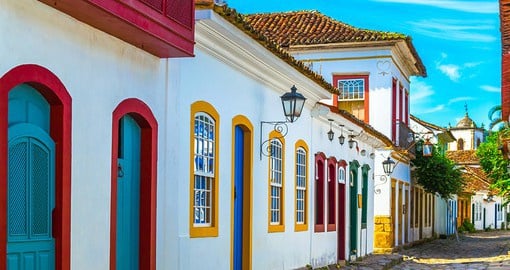
Brazil is the largest country in South and Central America and the fifth largest in the world. Because of its size, it is a very diverse country in many aspects. The terrain includes mountains, hills, plains, rainforests and scrublands. The population of Brazil is a melting pot of races, including indigenous people, African and European, with the official language spoken being Portuguese. This variety is reflected in the food, architecture, music and culture of the country.
It is this diversity of places, people and traditions that make Brazil such an unforgettable place to visit. It is certainly known for its music and its fanatic interest in soccer. Musically, it has produced the Samba, the Bossa Nova, the Forro (both the music and dance) and the Capoeira (which involves dancing and martial arts). Brazil’s soccer team has won the World Cup five times and plays in the world’s largest soccer stadium located in Rio.
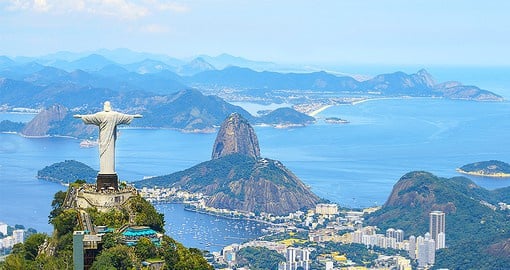
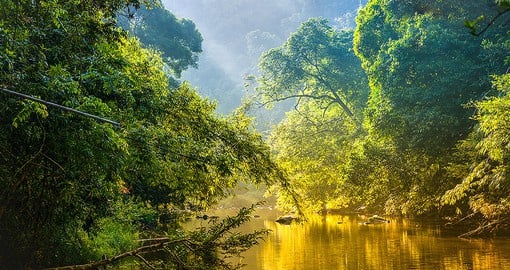
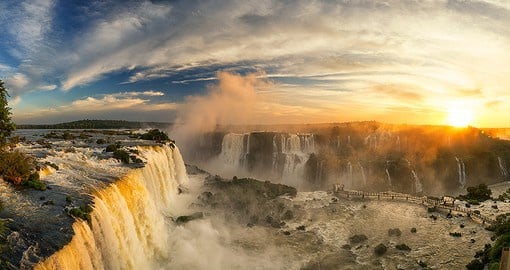
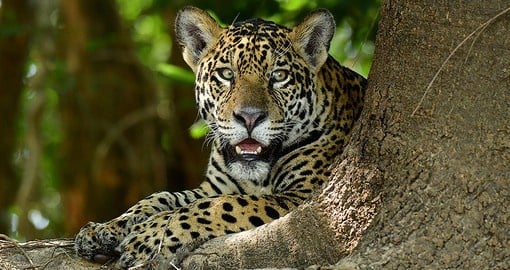
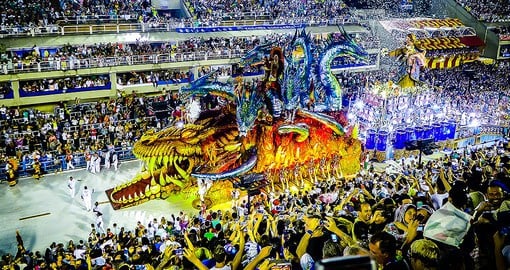
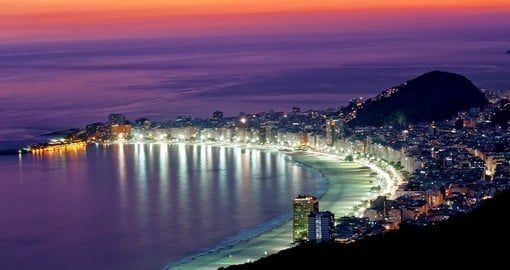
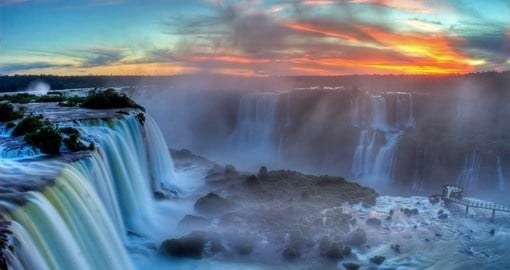
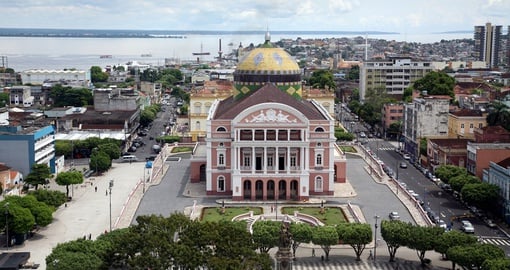
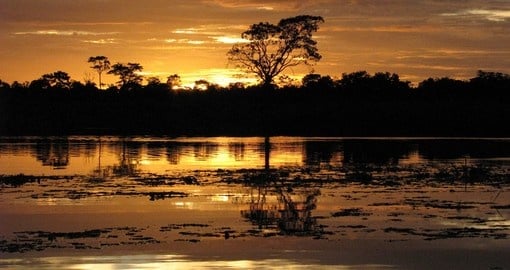
Rio de Janeiro is known for its breathtaking and stunning landscapes as well as its excellent and popular beaches. It is Brazil’s second-largest city, the inhabitants of which are known as Cariocas. It has a laid-back beach culture which can be experienced at Copacabana, Ipanema, Leblon and Sao Conrado, all well known beaches. But beaches are not all that Rio has to offer. The most amazing sights can be seen from the top of the large hill known as Corcovado, dominated by the statue of Christ the Redeemer and provides spectacular panoramic views. Sugarloaf Mountain, closer to the city, also provides beautiful views of the landscape; the view at sunset being exceptional. There are many other aspects to get excited about here on Brazil tours. One is the annual Carnival where the Cariocas display not only their enthusiasm for life but also their colourful costumes and rhythmic music. For more information on Rio de Janeiro, click here Brazil's capital city, Brasília, was carved out of the jungles and completed in less than three years in 1960 when it became a showpiece of city planning and avant-garde architecture. Without the usual mix of residential and business districts, the entire government section of Brasilia is composed of major architectural highlights. These include the presidential palace, the Supreme Court and the two sharply contrasting congress buildings, plus the Historical Museum of Brasília and the Pantheon of Freedom designed by Oscar Niemeyer. The Brasilia TV Tower is a good place to get an interesting view of the city with its observation deck. The upper town of Salvador, Brazil's former colonial capital and principal port for slaves arriving from Africa, is a UNESCO World Heritage site due to its exceptional collection of 17th and 18th Century colonial buildings, the finest in South America. Called the Pelourinho, this old quarter is where you will find Salvador's most beautiful churches and monasteries built at a time when Brazil was the source of Portugal's riches and gold was lavished on the colony's religious buildings. The finest and most opulent of the city's churches is Sao Francisco built in the early 1700s and filled with intricate carvings covered in gold. The upper and lower towns are linked by steep streets and a number of elevators and a funicular which has become a landmark in Salvador.. For more information on Salvador, click here Manaus is a sprawling city in the heart of the Amazon region with a population of around 2 million. It is a busy port with an exciting nightlife. The ornate renaissance style Opera House built in 1896 is an interesting landmark. It is from Manaus that one can take a short cruise down the Amazon to see the “Meeting of the Waters” where two important tributaries of the Amazon collide. Not something to be missed on a Brazil tour. For more information on Manaus, click here Recife, located in the very north of the country, is known as “the Brazilian Venice” due to the many waterways that meander through the heart of the city. It boasts one of the world’s best urban beaches. It is also a city of interesting churches and has an abundance of museums and art galleries.Fortaleza, the fifth largest city in Brazil is also blessed with attractive beaches. For more information on Recife and Fortaleza, click here Ouro Preto is the capital of the state of Minas Gerais. It had its heyday during the colonial period which is evident from the interiors of the churches in Ouro Preto. The entire walls are awash in gold along with diamonds from the mines surrounding the city in the 17th and 18th centuries. Ouro Preto has steep narrow streets lined by gracious colonial mansions, white churches and a mountain backdrop setting. The entire town is so rich in colonial architecture that Ouro Preto has been named a UNESCO World Heritage site. Iguassu Falls is located in the very south of Brazil. Being taller than Niagara Falls and twice as wide, it is an amazing spectacle to visit while on a Brazil vacation. The view from the Brazilian side is the most panoramic. There are walkways along the canyon that offer beautiful views, as well as helicopter rides over the falls. The light is at its best in the morning. For more information on Iguassu Falls, click here The Amazon Rainforest accounts for more than half of the world’s remaining forests and 20 percent of the world’s oxygen. One in 10 known species in the world can be found in the Amazon region, home to around 2.5 million insect species, tens of thousands of plants, and thousands of birds and mammals. Many areas in the jungle are difficult to get to and some are still unexplored. The villages along the river or in the jungle are mostly untouched by modern lifestyles. The people stick to traditional ways of living. In these villages, you will find medicine men, healers, shaman, and witch doctors. On Brazil vacations, you can take a cruise starting from Manaus. Situated in the heart of the rainforest, Manaus is the largest city in the Brazilian Amazon and is located on the Rio Negro a few miles before it meets the Rio Solimoes to form the Amazon River, properly called the “Meeting of the Waters.” This will be one of the highlights on your cruise. For more information on The Amazon, click here The Pantanal is the world’s largest wetland consisting of forests, lakes, and grasslands. It also spreads over into Paraguay and Bolivia. The flooded marshlands teem with everything from piranhas to jaguars and crocodiles. This is a place for nature lovers. The region’s protected areas include the Pantanal Matogrossense National Park and three private nature reserves where you can have the opportunity to view wildlife go on safari, go swimming and take canoe trips. The Pantanal is home to approximately 3500 known plant species, with more being discovered on a regular basis. For more information on the Pantanal, click here Brazil – a large country with so many possibilities. Book your Brazil vacation today! "Globetrotting with Goway" blog articles For some additional reading, the following articles are from our blog “Globetrotting with Goway”….. a great source of information for those people who are, or who want to be, world travellers! Why Your Brazil Vacation Shouldn’t Skip Sao Paulo Rio de Janeiro: The Jewel in the Crown of Any Brazil Vacation Package Four Perfect Days in Rio on a Brazil Vacation Carnival: Capture the Spirit of Rio on Your Brazil Tour Celebrate New Year’s Eve or Carnaval in Rio de Janeiro, on a Brazil Vacation Iguassu Falls: Go Beyond Rio on Your Brazil Vacation 10 Great Cities to Visit on a Brazil Vacation (that aren’t Rio de Janeiro!) Seeing the Beauty in a Brazil Vacation Mother Nature’s Secrets Uncovered in Brazil’s Amazon River Get Up Close and Personal With South America’s Iguassu Falls Some of the Most Amazing Waterfalls to be Found on a Goway Vacation Ecotourism Destinations: Central and South America (Part 1) Ecotourism Destinations: Central and South America (Part 2) Essential Tips for Staying Safe in Rio de Janeiro, Brazil How I fell in love with Rio de Janeiro Cool, Refreshing Taste of Brazil South America Trip Sizzlers: Rio de Janeiro vs Buenos Aires Brazil Travel Information At Goway we believe that a well-informed traveller is a safer traveller. With this in mind, we have compiled an easy to navigate travel information section dedicated to Brazil tours. Learn about the history and culture of Brazil, the must-try food and drink, and what to pack in your suitcase. Read about Brazil's nature and wildlife, weather and geography, along with 'Country Quickfacts' compiled by our travel experts. Our globetrotting tips, as well as our visa and health information will help ensure you're properly prepared for a safe and enjoyable trip. The only way you could possibly learn more is by embarking on your journey and discovering Brazil for yourself. Start exploring… book one of our Brazil tours today! After your Brazil tours, why not consider another of Goway's Latin America tours. These include a large selection of other exciting countries in Central and South America. We offer Chile vacation packages and Easter Island tours, Ecuador vacation packages which include Galapagos cruises and Peru vacation packages which include Machu Picchu tours among many others. What are the top cities to visit on a Brazil vacation?
Rio de Janeiro
Brasilia
Salvador
Manaus
Recife and Fortaleza
Ouro Preto
Top things to do on a trip to Brazil
Iguassu Falls
The Amazon River, Jungle, and Rainforest
Wildlife and Nature
Extend Your Trip in Central & South America
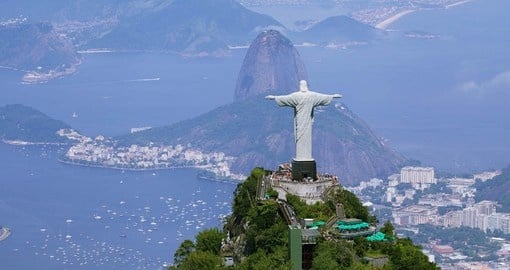
Brazil Complete: Rio de Janeiro, Iguassu Falls & the Amazon
FIRST-CLASS | TAILOR-MADE: Experience the delights of beautiful and exotic Rio de Janeiro, the thrill of mighty Iguassu Falls, marvel at the Meeting of the Waters on a short 3-night cruise on the Amazon River and later stay in the jungle capital of Manaus.
More DetailsBrazil
20 Trips Available
-
- Sort by:
- Most Popular
- Duration
- Price
-
- Filter by:
- Price Range
- Duration Range
- Trip Type
- Reset all
-
![]()
Wonders of Rio de Janeiro, Iguassu Falls and Buenos Aires
FIRST-CLASS | SMALL GROUP: The journey between Rio and Buenos Aires via Iguassu Falls never goes out of style. Blending beaches, cosmopolitan cities and natural wonders, this is one of the ‘must-do’ South America tours.- Duration:
- 9 Days
- Prices From:
- US$ 1,719
- Trip Type:
- Bucket List Travel Ideas, Escorted Coach Touring, Multi Country Vacation Ideas, Single Friendly
![]() See Trip Details
See Trip Details
-
![]()
Wonders of Brazil: Rio de Janeiro and Iguassu Falls
FIRST-CLASS | SMALL GROUP: Embark on an unforgettable journey through the heart of Brazil. Hit up the iconic beaches, samba rhythms, and breathtaking views of Rio de Janeiro before you connect to mighty Iguassu Falls to be captivated by the raw power of nature.- Duration:
- 6 Days
- Prices From:
- US$ 969
- Trip Type:
- Small Group Touring
![]() See Trip Details
See Trip Details
-
![]()
Highlights of Rio de Janeiro Iguassu Falls & Buenos Aires
FIRST-CLASS | PRIVATE-GUIDED: On this private-guided adventure, discover a classic South American route that all globetrotters should experience at least once. Combining the rhythms and culture of Rio de Janeiro and Buenos Aires alongside two nights in spectacular Iguassu Falls, it is a quintessential exploration of three iconic destinations.- Duration:
- 11 Days
- Prices From:
- US$ 2,400
- Trip Type:
- Active & Adventurous, Classics (Bestsellers), Multi Country Vacation Ideas, Private Experiences
![]() See Trip Details
See Trip Details
-
![]()
Brazil Complete: Rio de Janeiro, Iguassu Falls & the Amazon
FIRST-CLASS | TAILOR-MADE: Experience the delights of beautiful and exotic Rio de Janeiro, the thrill of mighty Iguassu Falls, marvel at the Meeting of the Waters on a short 3-night cruise on the Amazon River and later stay in the jungle capital of Manaus.- Duration:
- 12 Days
- Prices From:
- US$ 3,914
- Trip Type:
- Classics (Bestsellers), Family Vacations, Tailor-made Travel Ideas
![]() See Trip Details
See Trip Details
-
![]()
M/Y Tucano Amazon River Cruise
FIRST-CLASS | CRUISE: Venture deep into the Amazon rainforest and explore the flooded jungles and dark waterways of the Rio Negro on this river cruise. During your Amazon adventure, you’ll journey along the least-inhabited major river system in the basin and see what may be the greatest collection of flora and fauna in the world.- Duration:
- 5-7 Days
- Prices From:
- US$ 2,226
- Trip Type:
- Active & Adventurous, Cruises & Sailing
![]() See Trip Details
See Trip Details
-
![]()
A Blast of Brazilian Luxury: VIP
DELUXE | PRIVATE-GUIDED: This VIP Brazilian experience has you dining at the chef's table at Cipriani in Rio, discovering thunderous Iguassu Falls, and searching for elusive pumas in the wilds of the Pantanal. At night, you'll relax in comfort in some of the country's finest accommodations.- Duration:
- 11 Days
- Prices:
- On request
- Trip Type:
- Active & Adventurous, Luxury and Beyond, Private Experiences
![]() See Trip Details
See Trip Details
-
![]()
Hotel das Cataratas Iguassu Falls: Stay of Distinction
DELUXE | PRIVATE-GUIDED: Exclusively located within Iguassu National Park, Belmond Hotel das Cataratas enjoys an unrivalled location just a short stroll from the sensational waterfalls. Refined luxury amid one of the world's most magnificent jungles and in front of one of the world's most impressive waterfalls? Sign me up.- Duration:
- 4 Days
- Prices From:
- US$ 1,854
- Trip Type:
- Luxury and Beyond, Private Experiences, Romance & Honeymoon, Stays of Distinction
![]() See Trip Details
See Trip Details
-
![]()
Rio in Depth
MODERATE | TAILOR-MADE: Blessed with a wonderful natural setting, watched over by Christ the Redeemer atop Corcovado Mountain, and surrounded by tropical forests, Rio is one of the world’s most beautiful cities. Set off to discover Cidade Maravilhosa for yourself.- Duration:
- 4 Days
- Prices From:
- US$ 680
- Trip Type:
- Private Experiences, Stopovers/City Breaks, Tailor-made Travel Ideas
![]() See Trip Details
See Trip Details
-
![]()
Iguassu Falls, Buenos Aires & Rio de Janeiro (Starts in Brazil)
This popular trip takes in the best of Argentina and Brazil by combining a tour of Buenos Aires’ highlights, Iguassu Falls and then Rio, the jewel in Brazil’s crown.- Duration:
- 8 Days
- Prices From:
- US$ 1,861
- Trip Type:
- Classics (Bestsellers)
![]() See Trip Details
See Trip Details
-
![]()
Cities of South America
FIRST-CLASS: TAILOR-MADE: The ultimate South America tour for culture vultures, this itinerary focuses on the continent’s most exciting cities, from pulsing Rio, to rapidly emerging Bogota, via Iguassu Falls and Machu Picchu.- Duration:
- 20 Days
- Prices From:
- US$ 5,223
- Trip Type:
- Classics (Bestsellers), Tailor-made Travel Ideas
![]() See Trip Details
See Trip Details
-
![]()
A Gastronomic Adventure in Brazil
FIRST-CLASS | SPECIALITY GROUP: Tantalize your tastebuds on this incredible 7-day gastronomic Brazilian vacation. Experience some of the best restaurants, and enjoy cooking classes with locals and top chefs while exploring several cultural and historical landmarks across this expansive South American country, including Sugarloaf Mountain, Christ the Redeemer on Corcovado Mountain, and Salvador's Pelourinho.- Duration:
- 7 Days
- Prices From:
- US$ 2,995
- Trip Type:
- Specialty Groups & Events
![]() See Trip Details
See Trip Details
-
![]()
Amazon River Cruise: Clipper Premium
Cruise along the Amazon River on the 4 star Clipper Premium. Learn about local flora, visit a village and enjoy a fishing expedition to catch one of the many hundreds of species found in the river.- Duration:
- 3-6 Days
- Prices From:
- US$ 1,273
- Trip Type:
- Cruises & Sailing
![]() See Trip Details
See Trip Details
-
![]()
Awasi Lodge Iguassu Falls Argentina: Stay of Distinction
Head into the Atlantic Rainforest to stay at the exclusive Awasi Lodge Iguassu Falls. At this 5-star luxury lodge, you’ll enjoy breathtaking accommodations that blend into the surrounding jungle and explore the rainforest to see tropical birds, discover hidden ruins, and admire the mighty Iguassu Falls, the largest waterfall system in the world.- Duration:
- 3 Days
- Prices From:
- US$ 4,474
- Trip Type:
- Active & Adventurous, Family Vacations, Stays of Distinction
![]() See Trip Details
See Trip Details
-
![]()
Best of Belmond Brazil & Peru
Brazil offers the spectacular and colourful Rio de Janeiro and the awe-inspiring Iguassu Falls. In Peru, enjoy the interesting capital, Lima and discover the Inca Civilization in its ancient capital, Cusco and the Sacred Valley. Plus experience the amazing Inca site of Machu Picchu.- Duration:
- 14 Days
- Prices From:
- US$ 8,597
- Trip Type:
- Luxury and Beyond
![]() See Trip Details
See Trip Details
-
![]()
Crossing Argentina
FIRST-CLASS | TAILOR-MADE: This Argentina tour uniquely departs from Lima, giving you a chance to sample Peru and Brazil before taking in the exquisite natural sights of Argentina, and sizzling Buenos Aires.- Duration:
- 11 Days
- Prices From:
- US$ 3,444
- Trip Type:
- Classics (Bestsellers), Tailor-made Travel Ideas
![]() See Trip Details
See Trip Details
-
![]()
Iberostar Grand Amazon River Cruise
FIRST-CLASS | CRUISE: One of the many natural peculiarities of Brazil is the confluence of the Solimões River and the Negro River, a meeting of waters after which the Amazon River is called by its own name until it reaches its outpouring on the Atlantic coast of Brazil; you're invited to see it for yourself.- Duration:
- 4-8 Days
- Prices From:
- US$ 1,336
- Trip Type:
- Cruises & Sailing, Luxury and Beyond, Romance & Honeymoon
![]() See Trip Details
See Trip Details
-
![]()
New Year's in Rio
Blessed with a wonderful natural setting, watched over by Christ the Redeemer atop Corcovado Mountain, and surrounded by tropical forests, Rio is one of the world’s most beautiful cities and the perfect place to ring in the new year.- Duration:
- 5 Days
- Prices From:
- US$ 1,251
- Trip Type:
- Stopovers/City Breaks
![]() See Trip Details
See Trip Details
-
![]()
Rio Carnaval
The allure of Rio has attracted visitors since the 16th century. For one week in February, you can have the ultimate taste of what Carnaval is all about - music, rhythm and costumes.- Duration:
- 6 Days
- Prices From:
- US$ 2,246
- Trip Type:
- Stopovers/City Breaks
![]() See Trip Details
See Trip Details
-
![]()
Rio de Janeiro: Copacabana Palace: Stay of Distinction
This glamorous landmark is pre-eminent among the best hotels in Rio de Janeiro.- Duration:
- 4 Days
- Prices From:
- US$ 1,510
- Trip Type:
- Luxury and Beyond, Stays of Distinction
![]() See Trip Details
See Trip Details
-
![]()
Rio: Jewel in the Crown
Spend time in one of the most beautiful cities in the world. Marvel at the spectacular coastline with its magnificent beaches and colourful mountain backdrop. Enjoy iconic Rio sites such As Sugar Loaf Mountain and Corcovado.- Duration:
- 3 Days
- Prices From:
- US$ 770
- Trip Type:
- Stopovers/City Breaks, Tailor-made Travel Ideas
![]() See Trip Details
See Trip Details