
New Zealand Vacations, Tours, Trips & Travel Packages


New Zealand Vacations and Tours
What would be the major reasons for booking a New Zealand vacation? This makes for a long list. One has to say that one reason is nature at her best offering breathtaking landscapes of stunning and diverse natural beauty which include majestic and dramatic fjords, spectacular glaciers, rugged mountains, vast plains and farmland, long coastlines, wonderful sandy beaches and active geothermal regions plus so much more. The country also has history, culture and, not least, Winelands producing excellent wines.
New Zealand Travel Highlights
The size of New Zealand is comparable to that of Great Britain or Japan. The coastline in its entirety measures 1500 kilometres/900 miles in length, strangely enough, the same distance that separates New Zealand from Australia across the Tasman Sea. 20% of the country is covered in national parks, forests and reserves. An interesting fact is that 80% of the flora here is native.
New Zealand is a country made up of two major islands, simply called the North and South Islands which are separated by the Cook Strait which is 22 kilometres/14 miles in width at its narrowest point. They contrast in not only terrain and physical features but also in character and attractions.
The North Island is volcanic and thermal. The South Island is two-thirds mountains and one-third plains. The North Island offers lush sub-tropical vegetation, exotic flora and fauna, beaches and attractive small friendly towns. Approximately 75% of Maori culture exists on the North Island although only 15% of the total New Zealand population is Maori. The Polynesians from whom the Maoris are descended, settled here many centuries ago.
The South Island has spectacular scenery consisting of sweeping plains, snow-covered mountains and rugged coasts and abounds in natural breath-taking landscapes all to be experienced on New Zealand tours. The Southern Alps mountain chain which runs through the centre divides the South Island. It is also the location of New Zealand’s highest peak, Mount Cook at 3750 metres/12,315 feet and highly visible from a long distance away.
Best Things to do on a New Zealand Trip
For enthusiasts of outdoor pursuits and activities on a New Zealand vacation, one can find in abundance any of the following – hiking, swimming, snorkeling, rafting, jet boating, skydiving, paragliding and hang gliding, parasailing, sailing, bungee jumping, climbing, hunting, fishing, caving, skiing and hot air ballooning.
The North Island of New Zealand
What to do in Auckland?
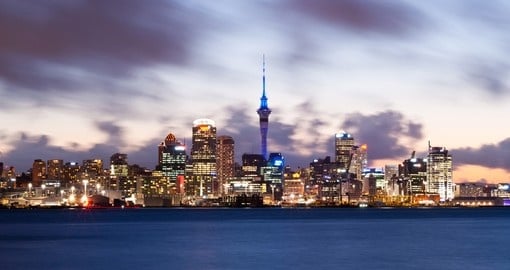
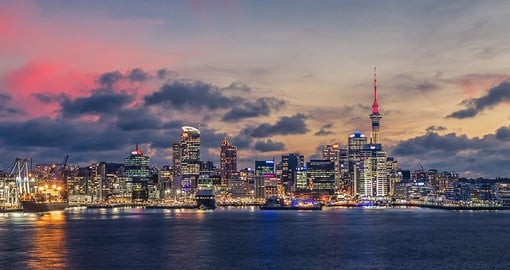
As mentioned, the two major islands are very different and have unique features. Starting with the North Island, the largest city is Auckland known as the “City of Sails” due to having around 135,000 registered sailboats bobbing in its harbour. The city sits on a volcanic field and the nearby Rangitoto Island is an unpopulated land mass formed by volcanic activity. Auckland is fortunate to have a beautiful harbour which provides some attractive beaches with some located in the suburbs of Kohimarama, Devonport and Mission Bay to name a few. The harbour is also home to the Auckland Bridge which connects the centre of the city with its northern suburbs and is the gateway to the far north of the island. A landmark is the Sky Tower, the tallest freestanding structure in the Southern Hemisphere which provides excellent panoramic views of Auckland and is just one of the many photo opportunities available while on your New Zealand vacation.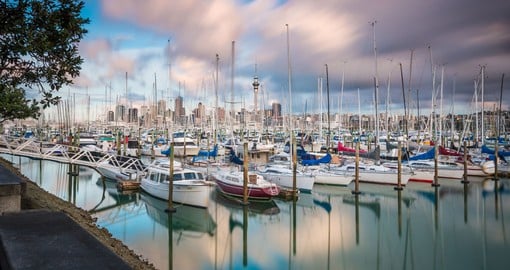
The harbour area teems with life both in the daytime and the evening with its many cafes, restaurants and bars and other entertainments. A popular pastime is to take a harbour cruise for a different visual perspective of Auckland. The city has several green areas and parks. The best known is the Auckland Domain, the oldest and one of the largest here with its remains of a volcanic crater. Other major parks are Mount Eden and One Tree Hill which both afford great views. Culturally, one can choose from a number of venues such as the Auckland Art Gallery with its 15,000 works of art, and the War Memorial Museum which not only depicts life during World Wars and others but also has an excellent exhibition of Maori and Polynesian people’s arts and crafts. A very popular attraction is Kelly Tarlton’s Underwater World where one comes close up to a diverse collection of aquatic life which includes penguins, stingrays, sharks and jellyfish.
What to do in Wellington?
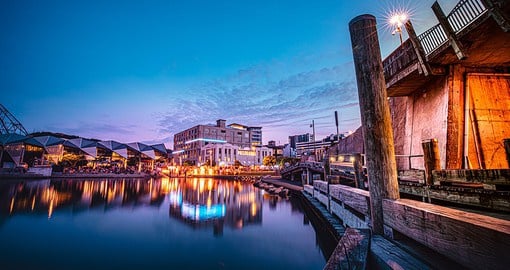
Wellington is the national capital and is a very attractive city renowned for its natural beauty and also for its arts and culture. It is ringed by mountains and rolling hills and has a rugged coastline. A vibrant city, it offers trendy cafes, restaurants, boutiques and several art galleries. To discover the city, take the cable car to Mount Victoria or Mount Kaukau to enjoy a panoramic view of Wellington and its surroundings.
What to do in Rotorua?
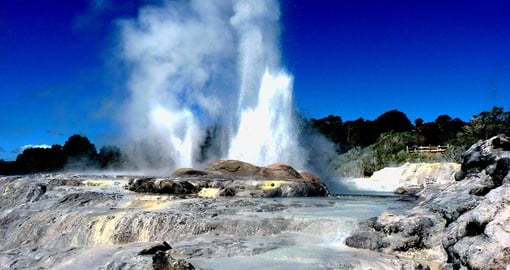
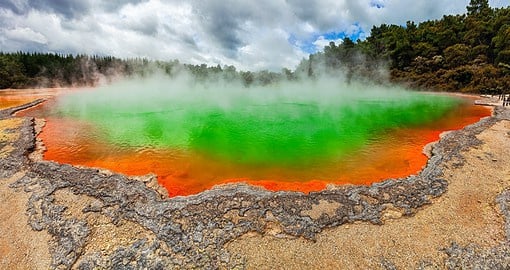
Rotorua is the centre of most of the geothermal activity in New Zealand. It is known as a thermal wonderland due to its many gushing hot springs and geysers and because of these natural phenomena, Rotorua is usually included in a New Zealand vacation. There is a distinct smell of sulphur in the air here but don’t let that put you off discovering these natural phenomena. Also in Rotorua are other attractions such as the Rainbow Springs National Park, beautifully landscaped gardens featuring fish and birds including the flightless Kiwi bird and the Agrodome with its exhibition of rural New Zealand life including sheep shearing demonstrations. Nearby are the Waitomo Glow Worm Caves with their interesting limestone formations.
The subtropical Bay of Islands is a very pretty region made up of around 150 islands and a wonderful destination to both relax and explore on New Zealand tours – a good place to see dolphins, whales and penguins. The main centre is Pahia with its superb beaches and the site of the Waitangi Treaty signed in 1840 to unite the country. Russell is a short ferry ride from Pahia and is a charming township with an interesting history.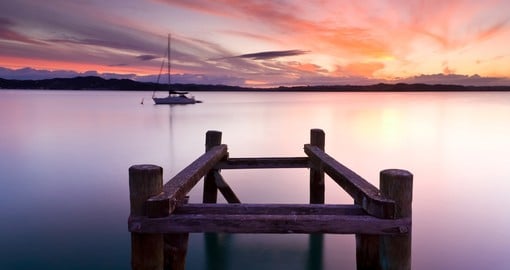
Hawkes Bay is one of the major centres of New Zealand’s wine-producing regions. It is also home to the cities of Napier and Hastings which offer unusual architecture. An earthquake destroyed many of the unique Art Deco buildings here in 1931 but they have now been restored to their original structures.
The South Island of New Zealand
What to do in Christchurch?
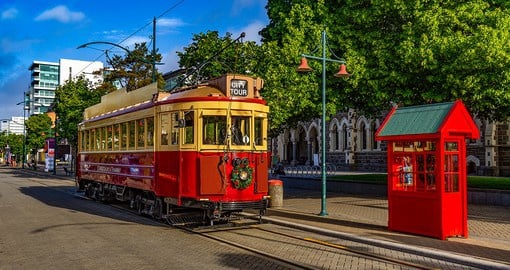
The South Island boasts many choices to confirm the overwhelming natural beauty that makes up this region. Starting with the largest city, Christchurch, one finds a very “English” metropolis with its buildings, gardens and Avon River which flows through the heart of the city. Stroll along the banks of the tree-lined Avon River and observe the neo-gothic architecture. Largely rebuilt after the devastating recent earthquake, the city has not lost its charm. Take in Christchurch Cathedral, the Botanical Gardens and the Christchurch Art Gallery as well as simply stroll its streets and parks. One can take a cable car up to the Port Hills for a panoramic view of both Christchurch and the port of Lyttelton on the coast.
What to do in Queenstown?
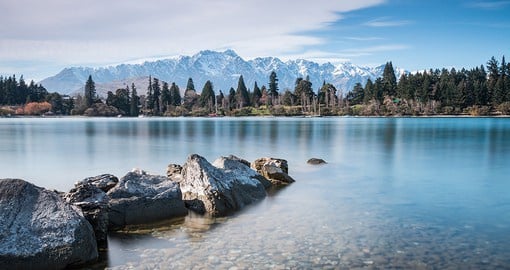
Probably the most visited destination on a New Zealand vacation is the city of Queenstown in the South Island, a charming and scenic resort town located on Lake Wakatipu surrounded by mountains called the Remarkables. Apart from its natural beauty, it is also a centre for many sporting activities. It also has lively nightlife. One iconic excursion is to take a cruise on a restored steamship on Lake Wakatipu. Also one can take the gondola to Bob’s Peak for great views of the region. 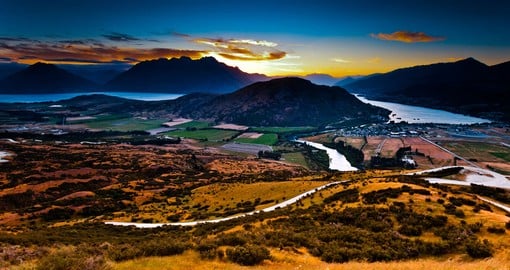
National Parks
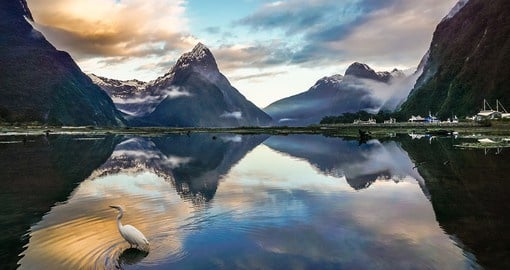
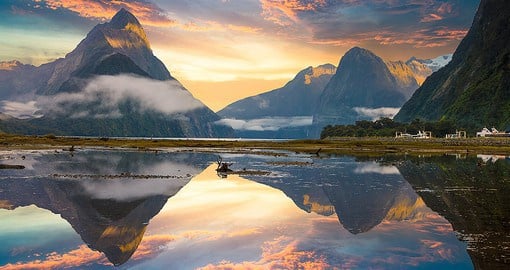
Not too far from Queenstown is the Fjordland National Park with its sheer rock walls rising straight out of the sea. The best-known natural attraction is Milford Sound, an amazingly dramatic and striking fjord and a must-inclusion on all New Zealand tours. One can take a cruise on the Sound watching seals, dolphins and penguins while sailing past flowing and cascading waterfalls. Te Anau is a small town which is the gateway to the Fjordland National Park nestled on the edge of a lake and the perfect location for setting off on hikes or walks or simply relaxing and taking in the surrounding beauty. The famous Milford Track running from Te Anau to Milford Sound offers 500 kilometres/ 300 miles of walking trails to satisfy the most energetic.
Dunedin
The city of Dunedin in the south of the island is known as the Edinburgh of the South due to its Scottish heritage. Stately architecture and steep streets give the city its character. It is also home to the largest and oldest university in New Zealand.
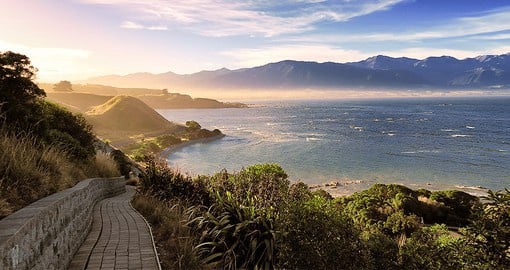
The Marlborough Region on the north coast is the gateway to the South Island and is where the ferries arrive from the North Island. It is an important wine-producing region and is known for its wine festivals. It is also a great place to watch dolphins and go sailing. Picton is an attractive seafront town with a number of arts and crafts centres. Blenheim has one of the sunniest climates in the country and has a rugged coastline suitable for interesting walks. Nelson is surrounded by snow-capped mountains, lush green forests, rolling vineyards and golden beaches. The sea here is a beautiful turquoise colour.
To sum up, New Zealand is truly a paradise and a country in which to invest a good deal of time to discover its magical and unique charms on New Zealand tours.
"Globetrotting with Goway" blog articles
For some additional reading, the following articles are from our blog “Globetrotting with Goway”….. a great source of information for those people who are, or who want to be, world travellers!
Unveiling Lonely Planet’s Top Attractions of the World
Enjoy Cruising in Australia and the South Pacific
Unique Wildlife in Australia and New Zealand
World's Best Family Destinations
Waltzing Downunder on a Holiday of a Lifetime!
Savour Quality Wines on a New Zealand Tour
Fiordland National Park – A New Zealand Vacation Wonderland
Feel the Heat in New Zealand’s Rotorua!
Bay of Islands – A Tropical Paradise to Discover on Your New Zealand Vacation
Unique Places for Wildlife Spotting on Your New Zealand Vacation
Ecotourism Destinations: New Zealand
How To Get the Most Out of Your New Zealand Vacation
Scenic Self-Drives Are a Great Way to Explore New Zealand
Queenstown – New Zealand’s Most Popular Destination
Explore the Artistic Beauty of Napier, in New Zealand
New Zealand Travel Information
At Goway we believe that a well-informed traveller is a safer traveller. With this in mind, we have compiled an easy-to-navigate travel information section dedicated to a New Zealand vacation.
Learn about the history and culture of New Zealand, the must-try food and drink, and what to pack in your suitcase. Read about New Zealand's nature and wildlife, weather and geography, along with 'Country Quickfacts' compiled by our travel experts. Our globetrotting tips, as well as our visa and health information, will help ensure you're appropriately prepared for a safe and enjoyable trip. The only way you could possibly learn more is by embarking on your journey and discovering New Zealand for yourself. Start exploring...book one of our New Zealand vacations today!
Extend Your Stay
Consider an additional stopover to your New Zealand vacation at one of Goway's South Pacific destinations. You can choose from our selection of Australian vacations, Tahiti vacation packages or stay at one of our Fiji resorts or perhaps take a Cook Island vacation. This can be done stopping over en route to or from New Zealand.
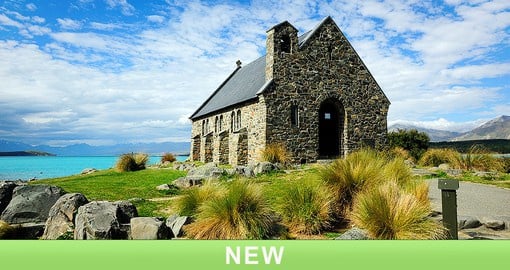
New Zealand Odyssey: Auckland, Napier, Wellington, Queenstown & More
FIRST-CLASS | SMALL GROUP: Explore the natural wonders and cultural highlights of New Zealand on this exclusive small group journey with Goway. Go behind the scenes of famous landmarks and delve deeper into the welcoming culture of New Zealand in Auckland, Rotorua, Wellington, Christchurch, and the breathtaking fjord of Milford Sound.
More DetailsNew Zealand
-
- Sort by:
- Most Popular
- Duration
- Price
-
- Filter by:
- Price Range
- Duration Range
- Trip Type
- Reset all
-
![]()
Essence of New Zealand
FIRST-CLASS | TAILOR-MADE: Travel from Auckland to Christchurch, visiting Rotorua, Queenstown and Milford Sound in between. Visit the rainforest and black sand beaches in Auckland, experience the Maori culture in Rotorua, cruise the magnificent Milford Sound with its rugged mountain peaks and cascading waterfalls, pass through the beautiful landscape of Otago before arriving in Christchurch.- Duration:
- 9 Days
- Prices From:
- US$ 2,752
- Trip Type:
- Classics (Bestsellers), Small Group Touring, Tailor-made Travel Ideas
![]() See Trip Details
See Trip Details
-
![]()
Australia and New Zealand Combo
FIRST-CLASS | TAILOR-MADE: Explore the two most popular cities of Australia and New Zealand on this air-land combo tour. Start in Sydney, where you'll tour the Sydney Opera House, cruise across the famous harbour, and see koalas and kangaroos at Taronga Zoo. Then head on to Auckland where you'll explore the twin harbours, learn about Maori traditions, and enjoy unbeatable views of the landscape.- Duration:
- 11 Days
- Prices From:
- US$ 2,749
- Trip Type:
- Bucket List Travel Ideas, Multi Country Vacation Ideas, Vacation Packages with Airfare
![]() See Trip Details
See Trip Details
-
![]()
Explore the Central North Island of New Zealand Self Drive
MODERATE | SELF-DRIVE: Discover the rolling hillsides, sandy beaches, and gorgeous harbors of the Central North Island on this road trip from Auckland. Follow the Pacific Coast Highway to stop at Rotorua, Napier, and Gisborne, and enjoy cultural and natural highlights in Tongariro National Park, Hawke’s Bay, and the Bay of Plenty.- Duration:
- 14 Days
- Prices From:
- US$ 2,069
- Trip Type:
- Self-Drives
![]() See Trip Details
See Trip Details
-
![]()
Essential New Zealand with Airfare
FIRST-CLASS | TAILOR-MADE: Explore the ultimate New Zealand experience on this 11-day air inclusive trip. Start off in Auckland by exploring the city and it's natural sites. From there, head off to Rotorua to tour volcanoes, geysers, hot springs, and more. Spend a few days admiring the heritage and beauty of the South Island at Queenstown before ending you adventure in Christchurch.- Duration:
- 11 Days
- Prices From:
- US$ 3,479
- Trip Type:
- Classics (Bestsellers), Tailor-made Travel Ideas, Vacation Packages with Airfare
![]() See Trip Details
See Trip Details
-
![]()
New Zealand Odyssey: Auckland, Napier, Wellington, Queenstown & More
FIRST-CLASS | SMALL GROUP: Explore the natural wonders and cultural highlights of New Zealand on this exclusive small group journey with Goway. Go behind the scenes of famous landmarks and delve deeper into the welcoming culture of New Zealand in Auckland, Rotorua, Wellington, Christchurch, and the breathtaking fjord of Milford Sound.- Duration:
- 13 Days
- Prices From:
- US$ 6,095
- Trip Type:
- Small Group Touring
![]() See Trip Details
See Trip Details
-
![]()
New Zealand Reflections from Auckland
FIRST-CLASS | TAILOR-MADE: If you want to explore the “best of New Zealand” on an independent basis but have limited time, try this classic 7 day tour that takes you to New Zealand’s vibrant cities and natural wonders including Auckland, Rotorua, Queenstown and Milford Sound.- Duration:
- 7 Days
- Prices From:
- US$ 2,294
- Trip Type:
- Tailor-made Travel Ideas
![]() See Trip Details
See Trip Details
-
![]()
Fiordland Great Walks
MODERATE | TAILOR-MADE: Enjoy three guided walks in Fiordland on the world-famous Milford, Routeburn and Kepler Tracks. Enjoy diverse and spectacular scenery, from native forests, lakes and rivers, to mountain views vast fiords and lush valleys.- Duration:
- 5 Days
- Prices From:
- US$ 1,321
- Trip Type:
- Active & Adventurous, Tailor-made Travel Ideas
![]() See Trip Details
See Trip Details
-
![]()
Beautiful Bay of Islands
MODERATE | TAILOR-MADE: Extend your stay on New Zealand’s North Island with a trip to the Bay of Islands. Enjoy the stunning coastal scenery and impeccable stretches of beach in the beautiful Bay of Islands. Visit historic Russell and Cape Reinga before heading back to the Bay and on to Auckland.- Duration:
- 3 Days
- Prices From:
- US$ 503
- Trip Type:
- Tailor-made Travel Ideas
![]() See Trip Details
See Trip Details
-
![]()
Highlights of Downunder
FIRST-CLASS | TAILOR-MADE: Discover the best of Australia and New Zealand’s culture, people and scenery from the cities of Sydney and Auckland to the natural beauty of the Great Barrier Reef and Milford Sound. Experience Maori and Aboriginal cultures in with traditional feasts and dance.- Duration:
- 14 Days
- Prices From:
- US$ 3,660
- Trip Type:
- Multi Country Vacation Ideas, Tailor-made Travel Ideas
![]() See Trip Details
See Trip Details
-
![]()
Auckland: Waltzing Matilda: Holiday of a Lifetime
FIRST-CLASS | ESCORTED COACH TOUR: Embark on an unforgettable journey across Australia and New Zealand with the Waltzing Matilda Holiday of a Lifetime. As one of Goway’s premier tours, Waltzing Matilda showcases the icons of two remarkable nations, taking you from the harbour of Auckland to the Outback and Uluru/Ayers Rock to the Great Barrier Reef and includes the cosmopolitan cities of Melbourne and Sydney.- Duration:
- 20 Days
- Prices:
- On request
- Trip Type:
- Bucket List Travel Ideas, Escorted Coach Touring, Holidays of a Lifetime, Multi Country Vacation Ideas
![]() See Trip Details
See Trip Details
-
![]()
Classic Downunder: Auckland to Melbourne
FIRST-CLASS | TAILOR-MADE: Get to know the true Downunder by experiencing the best of both Australia and New Zealand. Journey through New Zealand and Australia’s most spectacular sights including Rotorua, Milford Sound, Ayers Rock and the Great Barrier Reef, with exciting, cosmopolitan cities to create the perfect Downunder experience.- Duration:
- 19 Days
- Prices From:
- US$ 4,964
- Trip Type:
- Classics (Bestsellers), Multi Country Vacation Ideas, Tailor-made Travel Ideas
![]() See Trip Details
See Trip Details
-
![]()
Live Like A Local: Bay of Plenty
MODERATE | LONG STAY: A travel highlight for most Globetrotters is to mingle and interact with locals. But to actually live amongst them, even for just a short time, is an experience of a life time.- Duration:
- 15 Days
- Prices:
- On request
- Trip Type:
- Snowbird Long Stays, Tailor-made Travel Ideas
![]() See Trip Details
See Trip Details
-
![]()
Ultimate Downunder: Auckland, Queenstown, Sydney, Great Barrier Reef
DELUXE | PRIVATE GUIDED: On this incredible voyage exploring New Zealand and Australia, relax as you fly to breathtaking Milford Sound, sail iconic Sydney Harbour and unwind in the paradise that is Hayman Island, all while overnighting in world-class accommodations.- Duration:
- 12 Days
- Prices From:
- US$ 5,759
- Trip Type:
- Bucket List Travel Ideas, Luxury and Beyond, Multi Country Vacation Ideas, Private Experiences, Small Group Touring, Stays of Distinction, Tailor-made Travel Ideas
![]() See Trip Details
See Trip Details
-
![]()
Classic New Zealand: Small Group
FIRST-CLASS | TAILOR-MADE: This is the ultimate classic New Zealand tour. Begin in Auckland and then it’s on to Rotorua, next head south to the capital, Wellington before embarking on a trip through the scenic South Island. See stunning Milford Sound, and enjoy the day in exhilarating Queenstown before heading into glacier country.- Duration:
- 13 Days
- Prices From:
- US$ 2,922
- Trip Type:
- Classics (Bestsellers), Small Group Touring, Tailor-made Travel Ideas
![]() See Trip Details
See Trip Details
-
![]()
Ultimate New Zealand: Auckland, Hawkes Bay, Queenstown
DELUXE | PRIVATE-GUIDED: Embark on a journey through the scenic attractions of diverse New Zealand, staying at some of the most luxurious accommodation available in Auckland, Hawkes Bay and Queenstown. Participate as one of the crew on an authentic America's yacht in Auckland, experience one of New Zealand's best wine regions, fly over the snow capped Southern Alps and cruise magnificent Milford Sound.- Duration:
- 9 Days
- Prices From:
- US$ 7,779
- Trip Type:
- Bucket List Travel Ideas, Luxury and Beyond, Private Experiences, Stays of Distinction, Tailor-made Travel Ideas
![]() See Trip Details
See Trip Details
-
![]()
Signature New Zealand with Airfare
DELUXE | PRIVATE-GUIDED: Experience New Zealand in style with private-guided touring and deluxe accommodations. See Auckland from above as you soar in a seaplane to a stunning beach house for a fine 3 course meal in a natural setting. Pamper yourself in Rotorua at the Polynesian Spa along with experiencing the Maori culture before enjoying a gourmet taste of Wellington. Fly to Milford Sound onboard a scenic flight and witness the cascading waterfalls as you cruise the stunning Fjords.- Duration:
- 15 Days
- Prices From:
- US$ 7,299
- Trip Type:
- Private Experiences, Tailor-made Travel Ideas, Vacation Packages with Airfare
![]() See Trip Details
See Trip Details
-
![]()
Auckland: New Zealand Rail Adventure: Value Plus Escorted Vacation
MODERATE | ESCORTED COACH TOUR: Discover some of the worlds' most incredible scenery in New Zealand. Enjoy some iconic rail journeys, the Glenbrook Steam Train, TranzAlpine and Coastal Pacific Railways. Admire the southern fiords and landscapes of Franz Josef, cruise the full length of Milford Sound and savour a Maori Hangi feast in Rotorua.- Duration:
- 15 Days
- Prices From:
- US$ 4,795
- Trip Type:
- Escorted Coach Touring, Rail Travel Ideas, Single Friendly
![]() See Trip Details
See Trip Details
-
![]()
New Zealand Revealed
FIRST-CLASS | TAILOR-MADE: Visit the three of the most popular spots in New Zealand, particularly for first time visitors. Start in Auckland, the harbourside "City of Sails, immerse yourself in the Maori culture of Rotorua, and experience the beautiful alpine town of Queenstown, with a day trip to the incredible Fiordlands.- Duration:
- 8 Days
- Prices From:
- US$ 2,177
- Trip Type:
- Classics (Bestsellers)
![]() See Trip Details
See Trip Details
-
![]()
Wine Lovers New Zealand
FIRST-CLASS | TAILOR-MADE: New Zealand is now on the map as one of the world’s best up and coming wine producing and grape growing countries, and the best part is that there is so much else to see and do: Maori culture, stunning mountains, lake and valley experiences, fresh air and fresh sustainable food choices, friendly kiwis and an overall sense that this is the way the world should be!- Duration:
- 16 Days
- Prices From:
- US$ 4,149
- Trip Type:
- Small Group Touring, Tailor-made Travel Ideas
![]() See Trip Details
See Trip Details
-
![]()
Lord of the Rings Self Drive
FIRST-CLASS | SELF-DRIVE: Tolkein fans rejoice! On this two week adventure you'll visit Middle Earth to experience the breathtaking, almost magical scenery where the epic “Lord of the Rings” trilogy was filmed. Along the way, explore and discover wonderful New Zealand, always remembering that "not all those who wander are lost".- Duration:
- 14 Days
- Prices From:
- US$ 2,489
- Trip Type:
- Self-Drives, Tailor-made Travel Ideas
![]() See Trip Details
See Trip Details
-
![]()
Explore Like A Local: Self Drive
FIRST-CLASS | SELF-DRIVE: This quintessential New Zealand self-drive vacation begins in Auckland to explore a few of the North Island’s most beautiful regions including the Art Deco city of Napier, and Capital Wellington. Later fly to magnificent Queenstown, gateway to magnificent Milford Sound. Stay in Bed and Breakfast accommodation along the way.- Duration:
- 9 Days
- Prices From:
- US$ 1,839
- Trip Type:
- Self-Drives, Tailor-made Travel Ideas
![]() See Trip Details
See Trip Details
-
![]()
Complete New Zealand
FIRST-CLASS | TAILOR-MADE: Travel from Auckland to Queenstown experiencing the scenery of New Zealand's North and South islands. Explore Waitomo Caves, visit Rotorua and Napier, experience the Abel Tasman National Park by boat, see the famous Pancake Rocks then investigate the glaciers at Franz Josef.- Duration:
- 10 Days
- Prices From:
- US$ 1,920
- Trip Type:
- Tailor-made Travel Ideas
![]() See Trip Details
See Trip Details
-
![]()
Best of Both Islands Self Drive
FIRST-CLASS | SELF-DRIVE: An excellent way to acquaint yourself with both islands, this self-drive program brings you to must-see destinations throughout New Zealand including Rotorua and the rugged Glacier region while also setting aside ample free time to simply unwind.- Duration:
- 10 Days
- Prices From:
- US$ 1,759
- Trip Type:
- Self-Drives, Tailor-made Travel Ideas
![]() See Trip Details
See Trip Details
-
![]()
Classic New Zealand
FIRST-CLASS | TAILOR-MADE: This is the ultimate classic New Zealand tour. Begin in Auckland and then it’s on to Rotorua, next head South to the capital, Wellington before embarking on the scenic South Island with stops in Queenstown, the West Coast and Christchurch. Experience one of the most scenic rail journeys in the world as the TransAlpine takes you from Greymouth to Christchurch.- Duration:
- 13 Days
- Prices From:
- US$ 3,641
- Trip Type:
- Classics (Bestsellers), Tailor-made Travel Ideas
![]() See Trip Details
See Trip Details
-
![]()
Auckland: New Zealand Getaway : Value Plus Escorted Vacation
MODERATE | ESCORTED COACH TOUR: Outdoor travellers will love this tour of New Zealand, showcasing the natural wonders that have made these islands such an adventurer’s haven. Travel with a group on board a coach for a New Zealand getaway. Start in Auckland making your way south to Christchurch learning about Maori culture and seeing charming sights on route.- Duration:
- 15 Days
- Prices From:
- US$ 4,795
- Trip Type:
- Escorted Coach Touring, Single Friendly
![]() See Trip Details
See Trip Details