On this page
- 1. Gran Canaria is a "Miniature Continent"
- 2. The Maspalomas Dunes
- 3. Diverse, Fresh & Authentic Culinary Experiences
- 4. The Capital, Las Palmas
- 5. Gran Canaria's Historic Northern Villages
- 6. The Coast
- 7. It Fits the Way You Travel
- 8. Island-Hopping & Multi-Destination Travel
- So Much to Discover When You Stay Longer


If you ask North American globetrotters to name their dream Spanish destination, they'll likely tell you about the Gaudí spires of Barcelona, the gallery-lined boulevards of Madrid, and perhaps the orange-scented courtyards of Seville. Ask a European globetrotter, and you will likely get a different answer: Gran Canaria.
Gran Canaria is the third-largest of the Canary Islands, anchored in the Atlantic roughly 200 km (125 mi) off the northwest coast of Africa. The island is about 14 million years in the making, forged by Miocene volcanic eruptions that raised it from an ocean floor 4,000 m (13,000 ft) deep. Today, it's an island eden shaped by nearly 60 km (37 mi) of beaches, mountains where you feel like you can touch the stars, waves of desert dunes, and a cultural heritage older than Spain itself.
Here are eight reasons to book a trip to Gran Canaria, and to stay longer once you arrive.
Gran Canaria Highlights
A sun-soaked island escape with luxury stays, guided tours, a scenic cruise, and free time - a perfect mix of relaxation, culture, and coastal charm.
1. Gran Canaria is a "Miniature Continent"
Gran Canaria is not just any ordinary island with beautiful beaches. UNESCO declared nearly half of Gran Canaria's central and south-western land area, as well as over 37,600 ha of marine area, a Biosphere Reserve in 2005. Within 1,560 square km (969 square mi), the island rises out of Sahara-style dunes into banana terraces and lush ravines, topping out on pine-covered summits nearly 2,000 m (6,562 ft) up, where Roque Nublo, an 80-metre volcanic monolith, marks the centre.
The island is a living snapshot of how ocean islands form and evolve over millions of years, where an incredible variety of endemic invertebrate, reptile, and bird species thrive. Among them is the Gran Canaria blue chaffinch, one of Europe's rarest songbirds. One day on Goway's 8-day Gran Canaria Highlights trip takes you through the Caldera de los Marteles crater and the palm-filled Fataga Ravine to a lookout above the dunes, with plenty of chances to spot Gran Canaria giant lizards basking on old stone terraces, flying kestrels, and wild canaries, the songbird named after these islands.
2. The Maspalomas Dunes
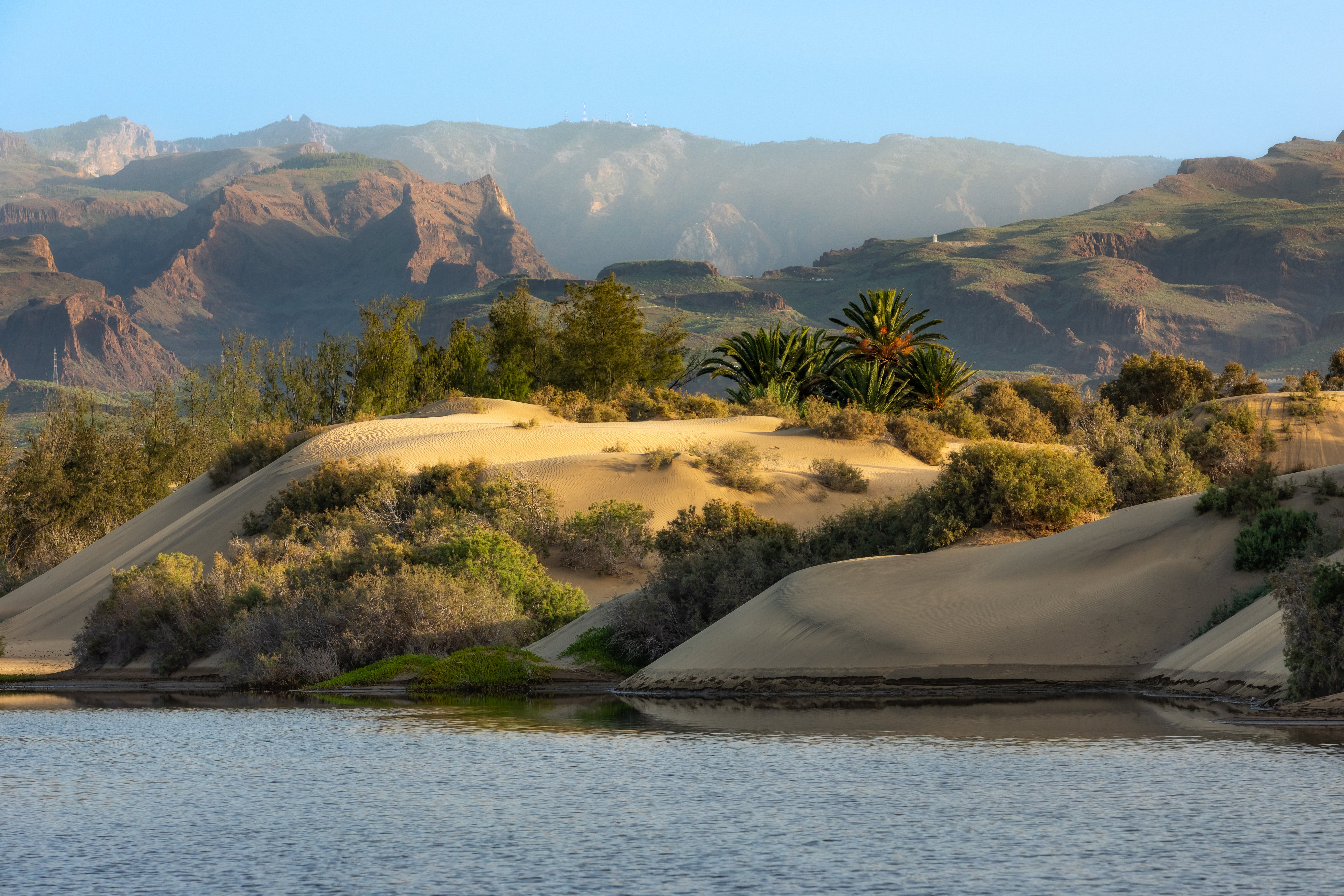
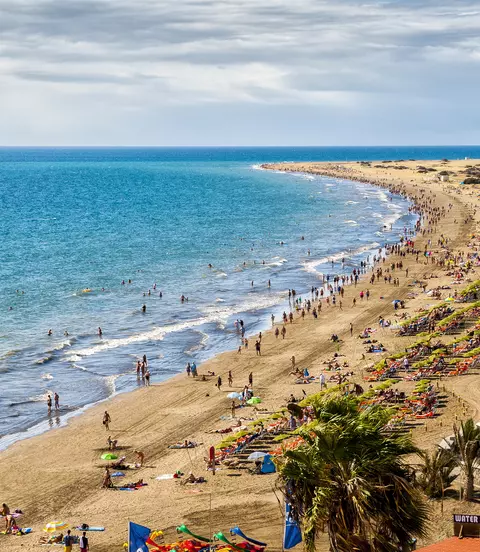
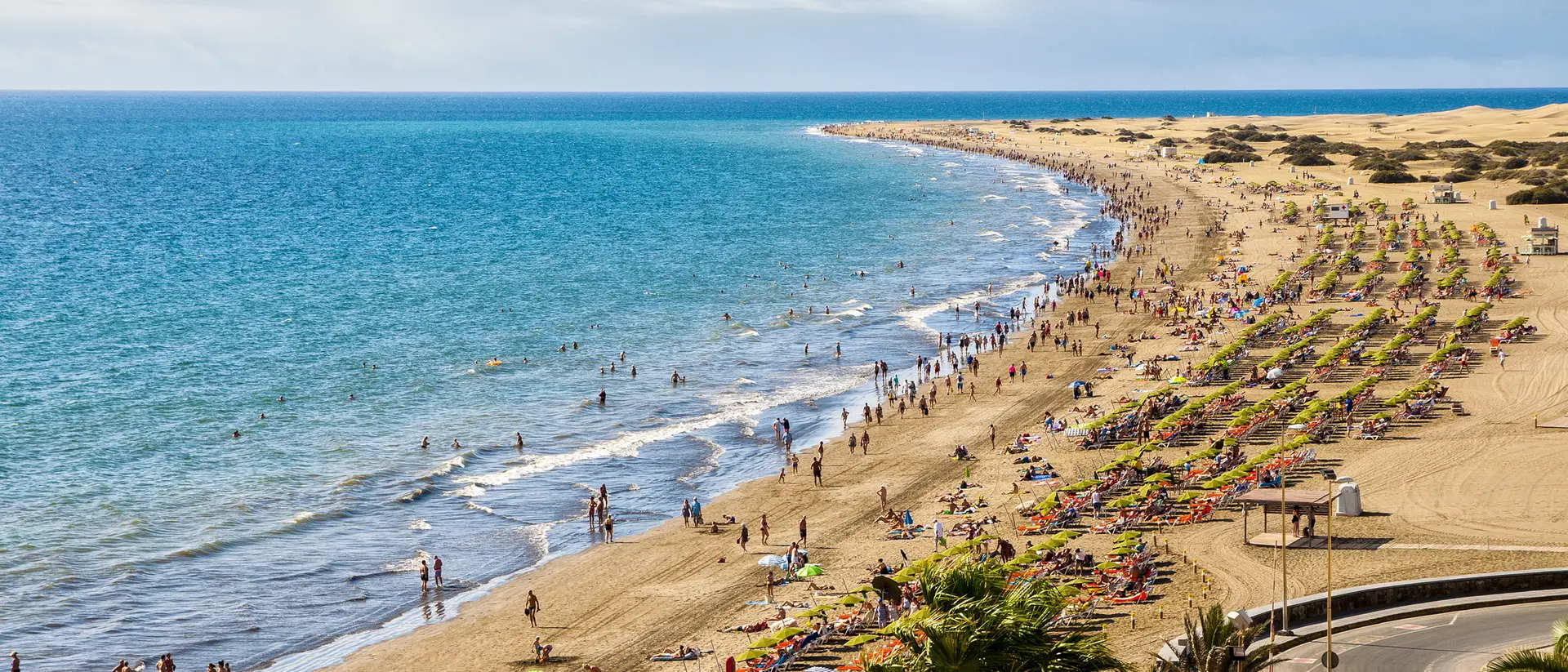
At the island's southern tip, roughly 400 hectares of golden sand shift with the wind behind the late-19th-century Maspalomas lighthouse. The Maspalomas Dune system was declared a protected natural area in the 1980s and remains a protected landscape, creating a striking natural contrast beside the resorts of the south. An early-morning visit, when the ridgelines are sharp and the light is low, reveals a landscape closer to the Sahara than to mainland Spain. The dunes sit within walking distance of Meloneras and Playa del Inglés, where Goway's Gran Canaria Highlights and 7-day Gran Canaria Family Adventure trips are based.
3. Diverse, Fresh & Authentic Culinary Experiences
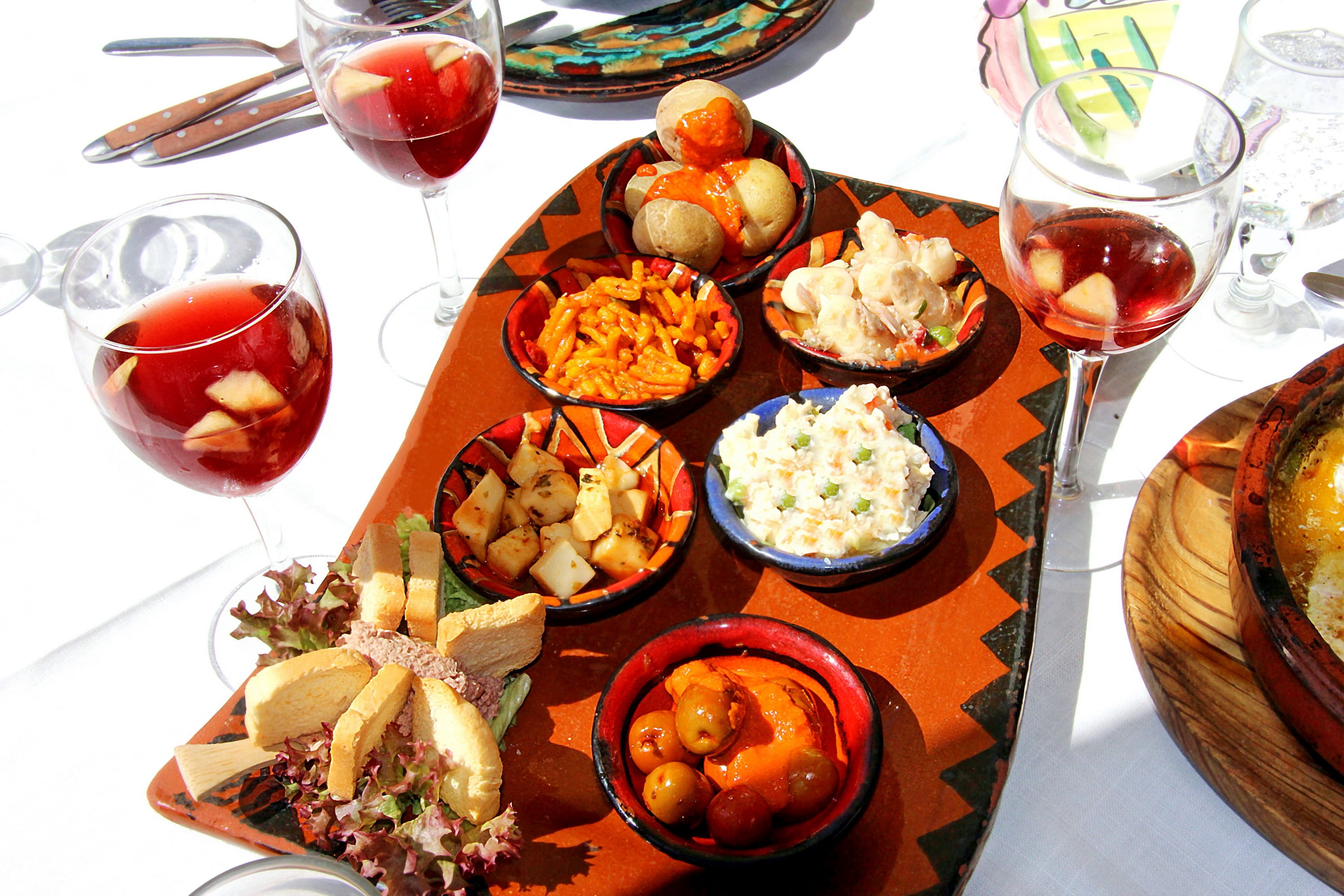
Canarian cuisine is equal parts delicious, fresh, authentic, and diverse. Menu staples include papas arrugadas, small potatoes boiled in sea salt and covered under red and green mojo sauces. Harbourside kitchens grill fresh seafood caught by the morning fishermen. Small wineries near Tunte pour vintages grown in volcanic soil, and cheesemakers around Santa María de Guía still curdle their flower cheese with wild thistle.
4. The Capital, Las Palmas
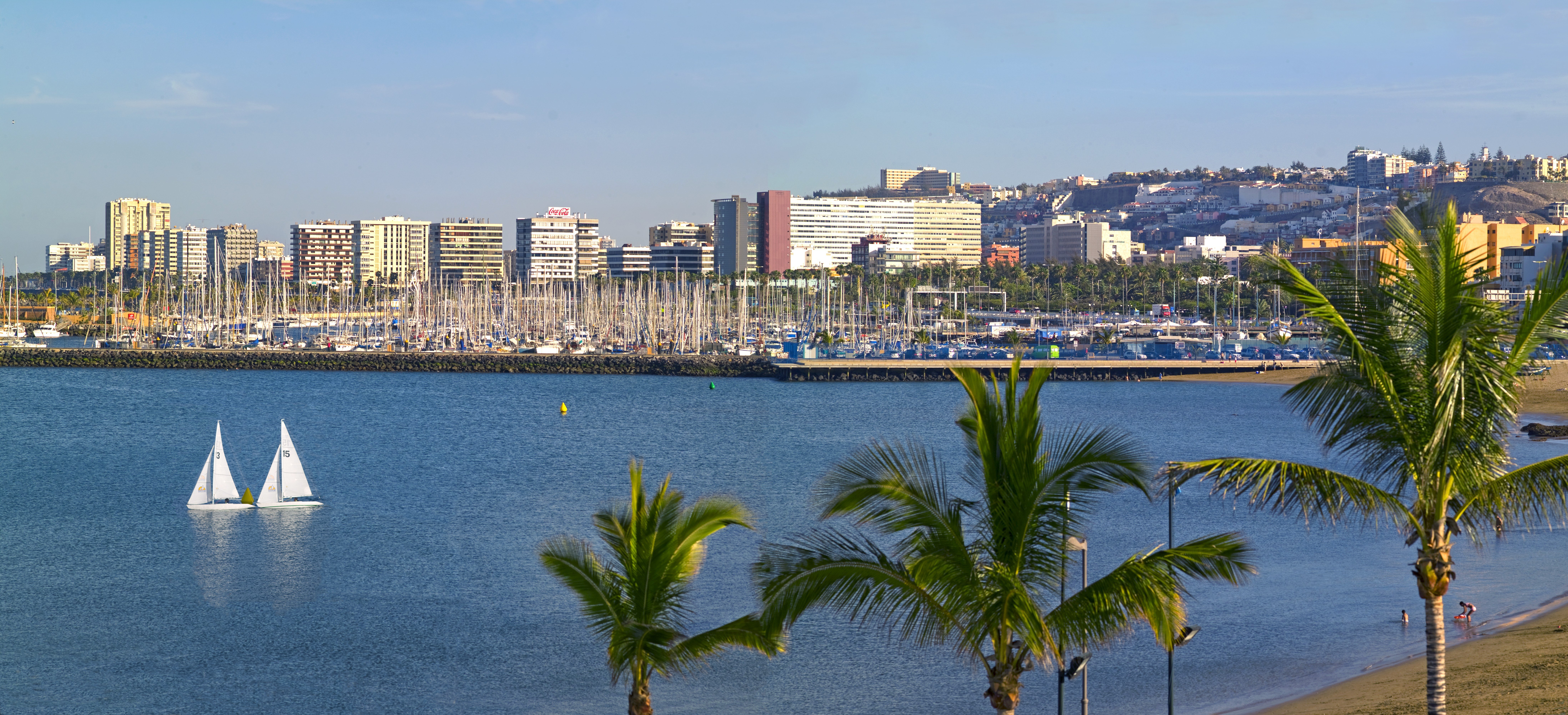
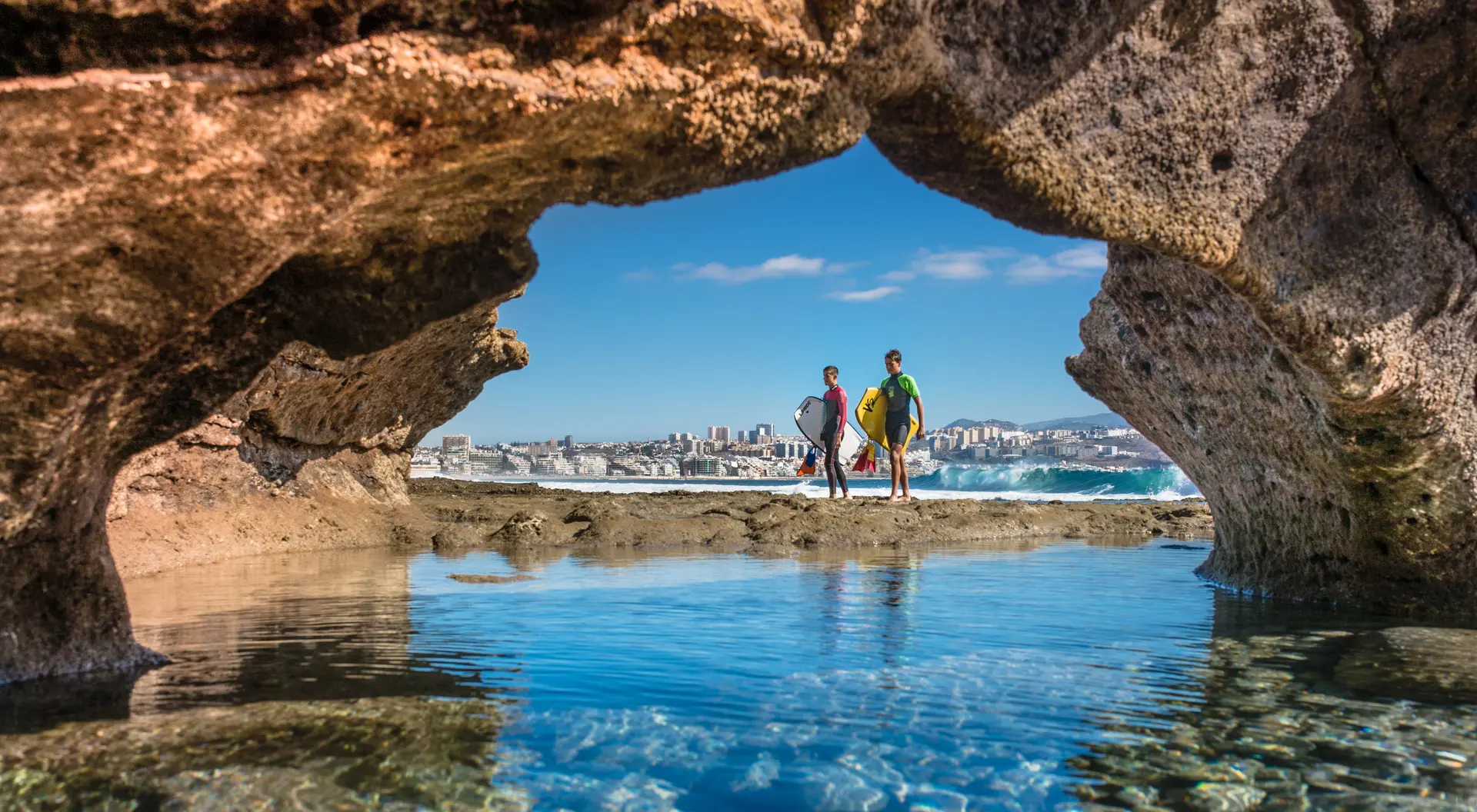
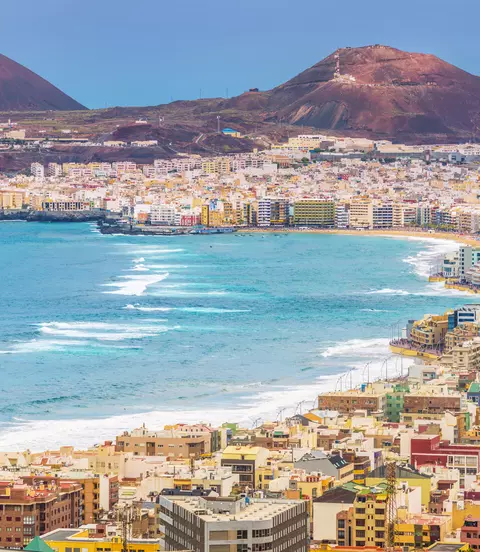
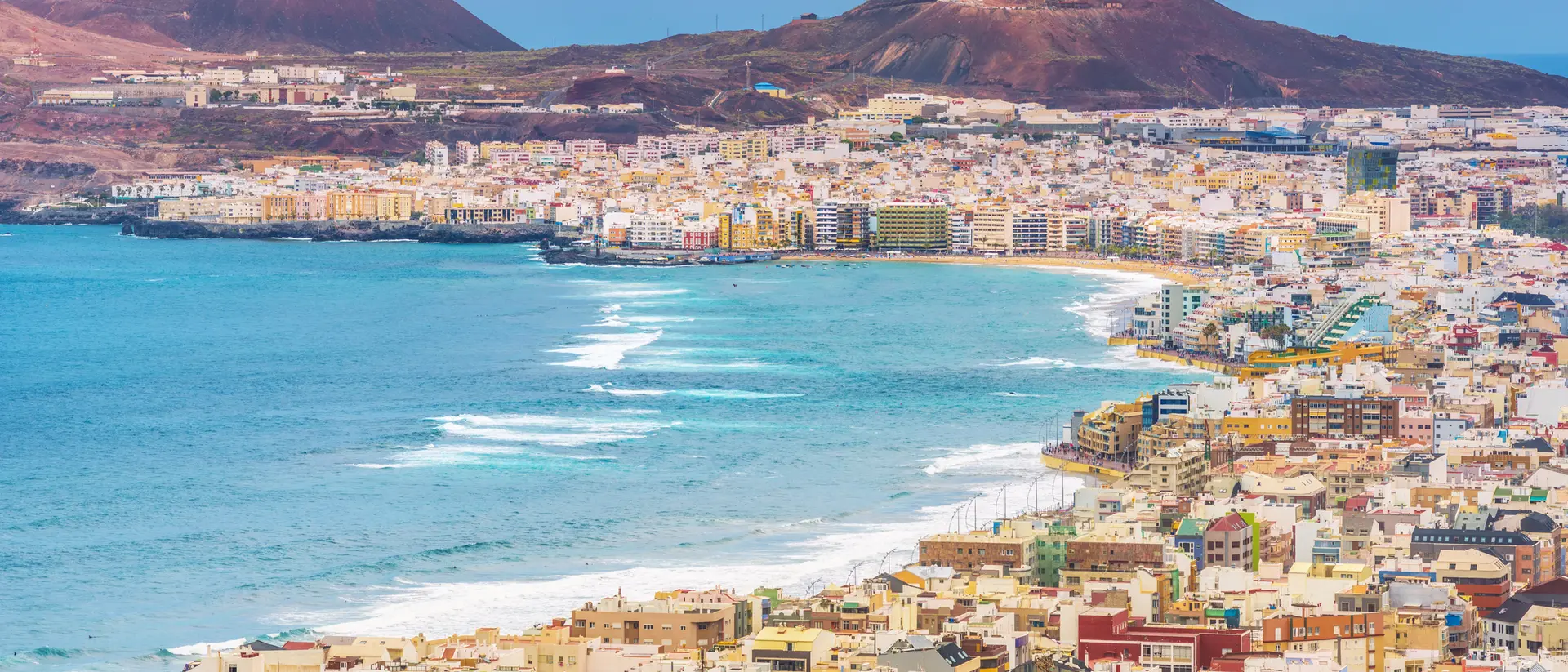
Las Palmas, the capital city of Gran Canaria, was founded in 1478. Today, the island capital is a working Spanish city of roughly 400,000 people. Walk through the old quarter of Vegueta, and you will find the Cathedral of Santa Ana with lanes of balconies above and the Casa de Colón museum, where you can explore Christopher Columbus's stopover in 1492. Triana, only a few minutes' walk north across the old Guiniguada ravine, is a pedestrianized street of modernist façades that has been the city's commercial heart since the 1800s. Across town is Las Canteras, one of Europe's best urban beaches, where a natural sandstone reef called La Barra runs parallel to the shore, sheltering most of the beach for calm-water swimming and snorkelling, with a traffic-free promenade of seafood terraces behind it. Goway's 8-day Gran Canaria Highlights trip puts you at the AC Hotel Iberia on the marina at Vegueta's edge, with the old town's tapas bars a short stroll away.
5. Gran Canaria's Historic Northern Villages
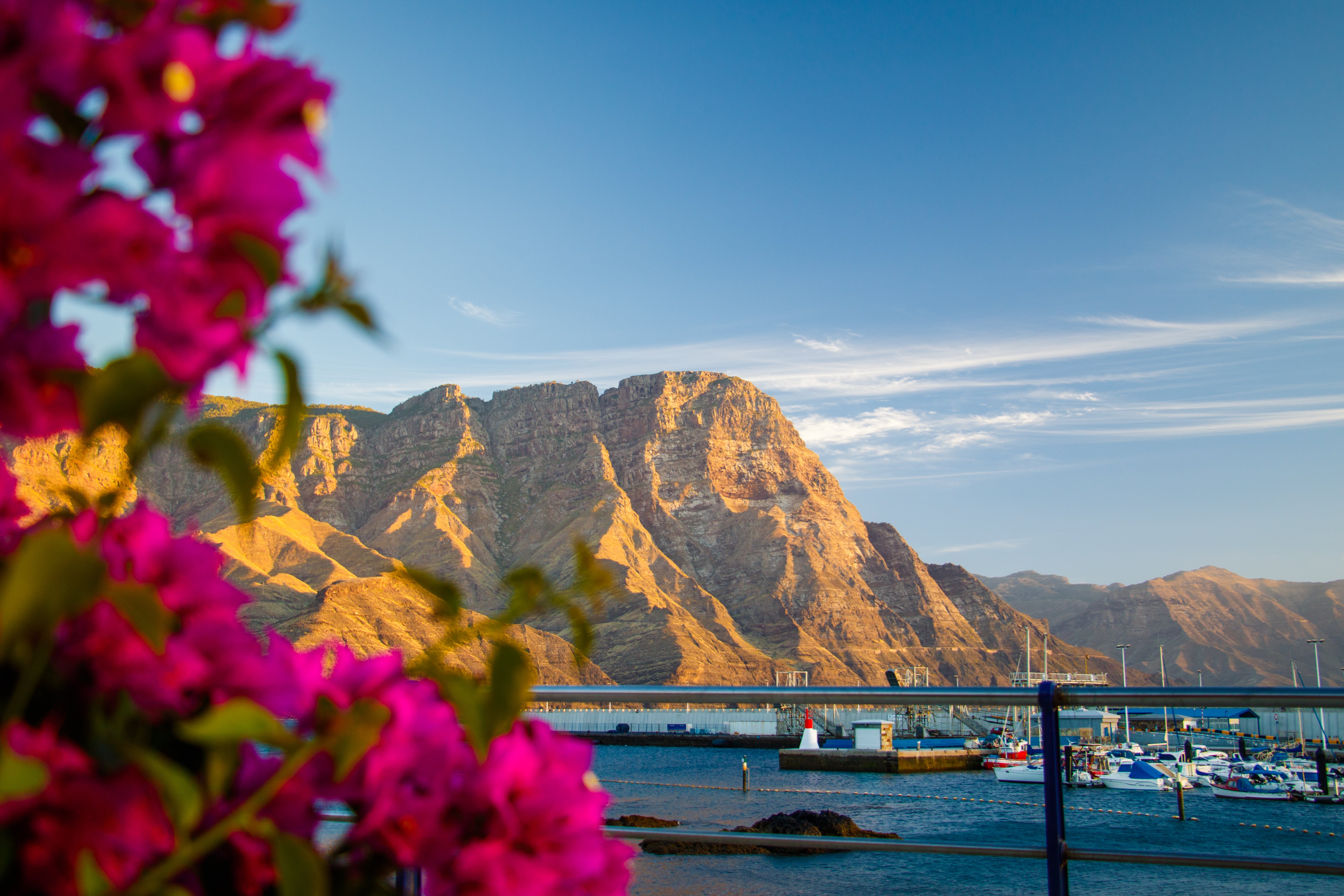
Inland and west of Las Palmas, the north folds into ravines and historic towns that you can explore in a single day with an expert local guide. In Arucas, you will find a beautiful basalt neo-Gothic church and the Arehucas distillery, producing rum since 1884 in one of Europe's oldest rum cellars. Teror, the island's pilgrimage town, keeps its patron saint in a basilica framed by carved wooden balconies, and Firgas built its main street as a cascading water staircase. Finally, in Agaete's Puerto de las Nieves, you can indulge in a hearty lunch of the day's morning catch, grilled only steps away from the town's fishing boats.
6. The Coast
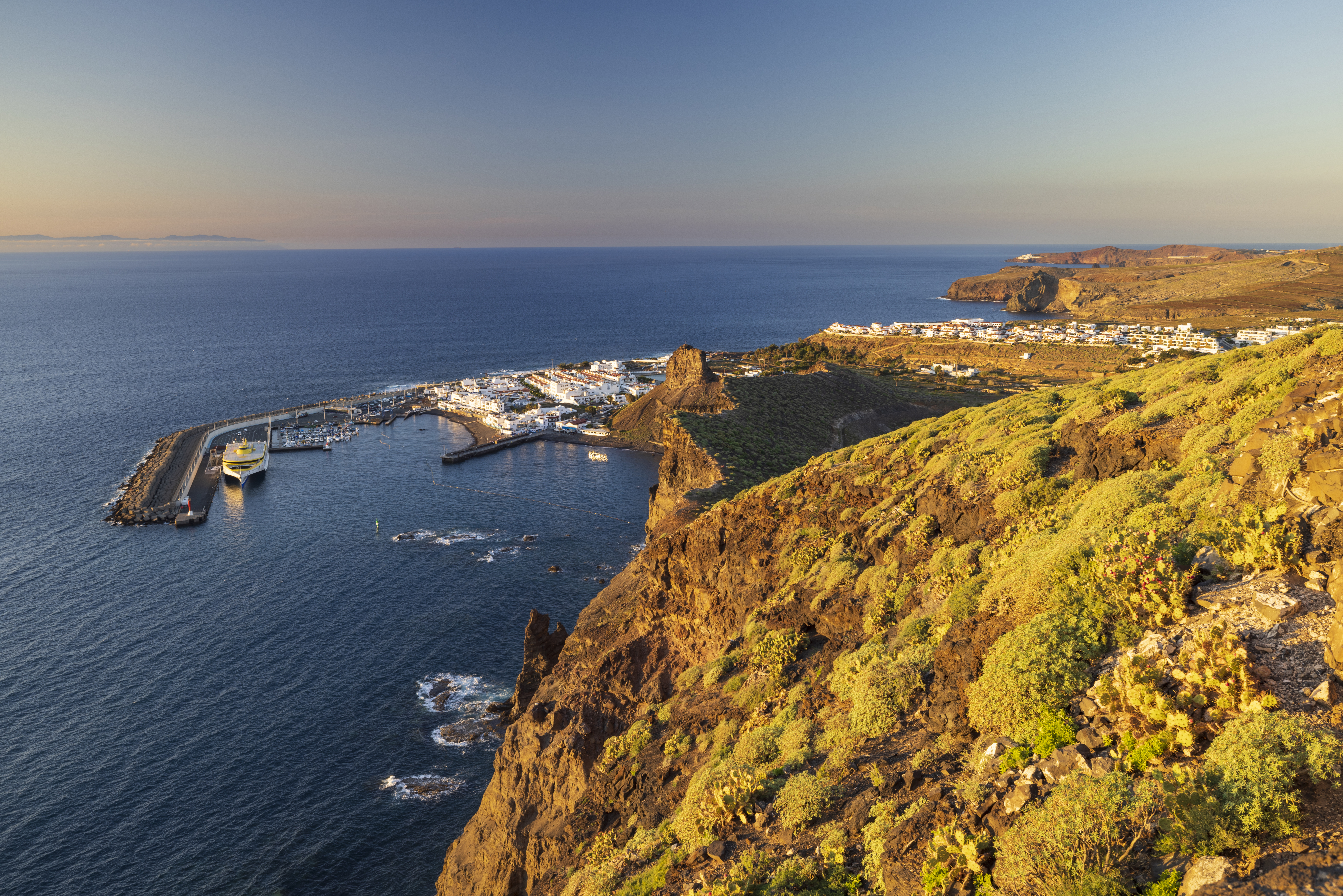
Gran Canaria's southwest shore drops into the Atlantic in a run of volcanic cliffs and coves, best marvelled at from the water. Goway's South Coast Catamaran Cruise sails from Puerto Rico harbour, tracks the cliffs past the canal-laced village of Mogán, and anchors in a sheltered cove for a swim before lunch on board. Water temperatures stay between roughly 19°C and 23°C (66°F and 73°F) year-round, which makes a January swim as reasonable as a July one.
7. It Fits the Way You Travel
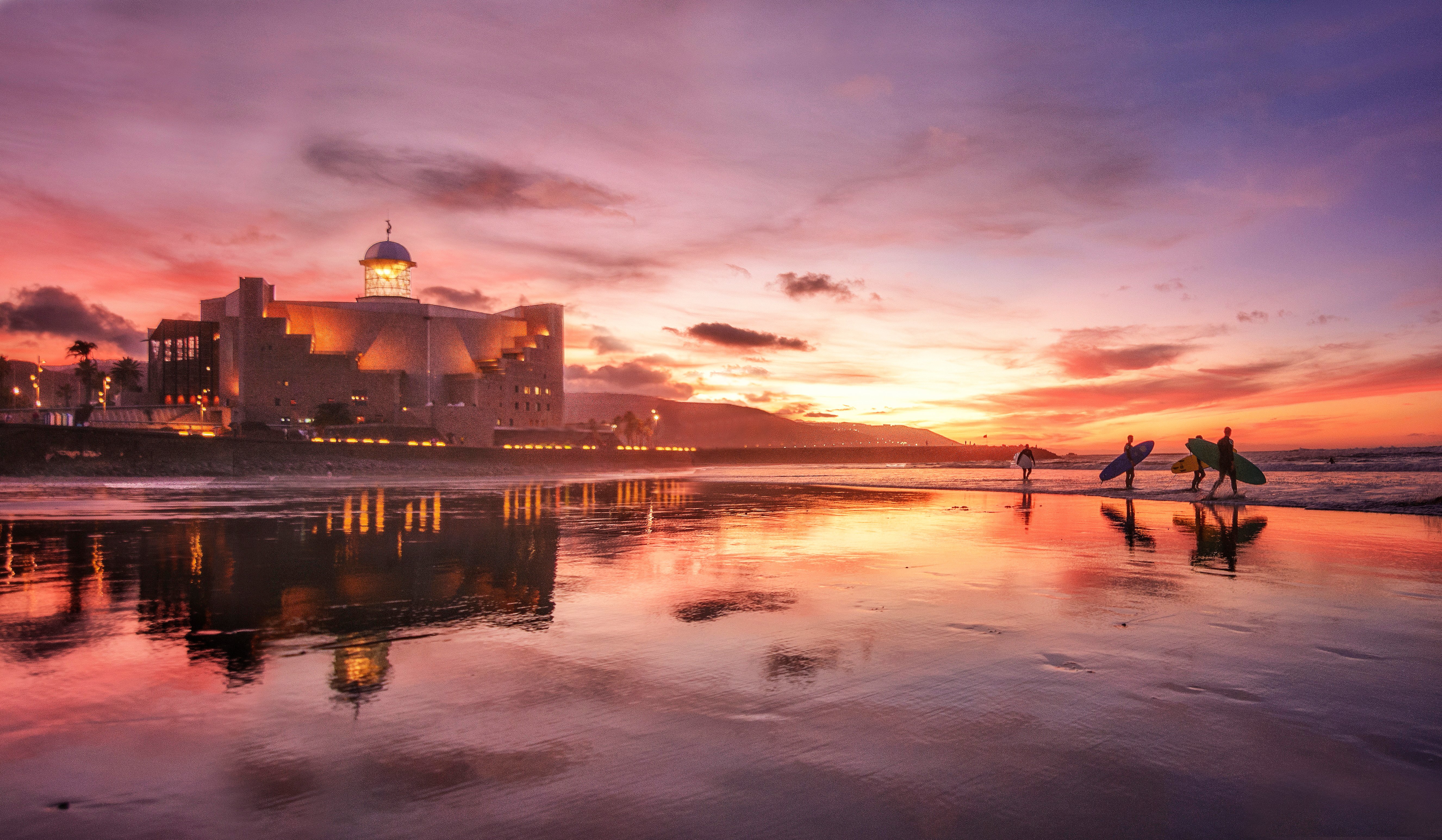
Few islands accommodate as many travel styles at a four- and five-star level. Daytime highs in Las Palmas average about 21°C (70°F) in January and 27°C (81°F) in August, so there is no wrong season and no reason to keep your trip short. Our Gran Canaria Family Adventure pairs an all-inclusive base near Playa del Inglés with a guided 4x4 adventure through the island's interior. Couples marking a honeymoon or an anniversary tend to choose the quieter resorts and spas of Meloneras. For milestone birthdays and family reunions, Goway GroupsOnly, North America's largest dedicated group travel division, can customize any trip for parties of 10 or more.
Gran Canaria Family Adventure
Enjoy a family holiday in Gran Canaria featuring guided island tours, off-road adventure, coastal cruise, and relaxing free time for all ages.
8. Island-Hopping & Multi-Destination Travel
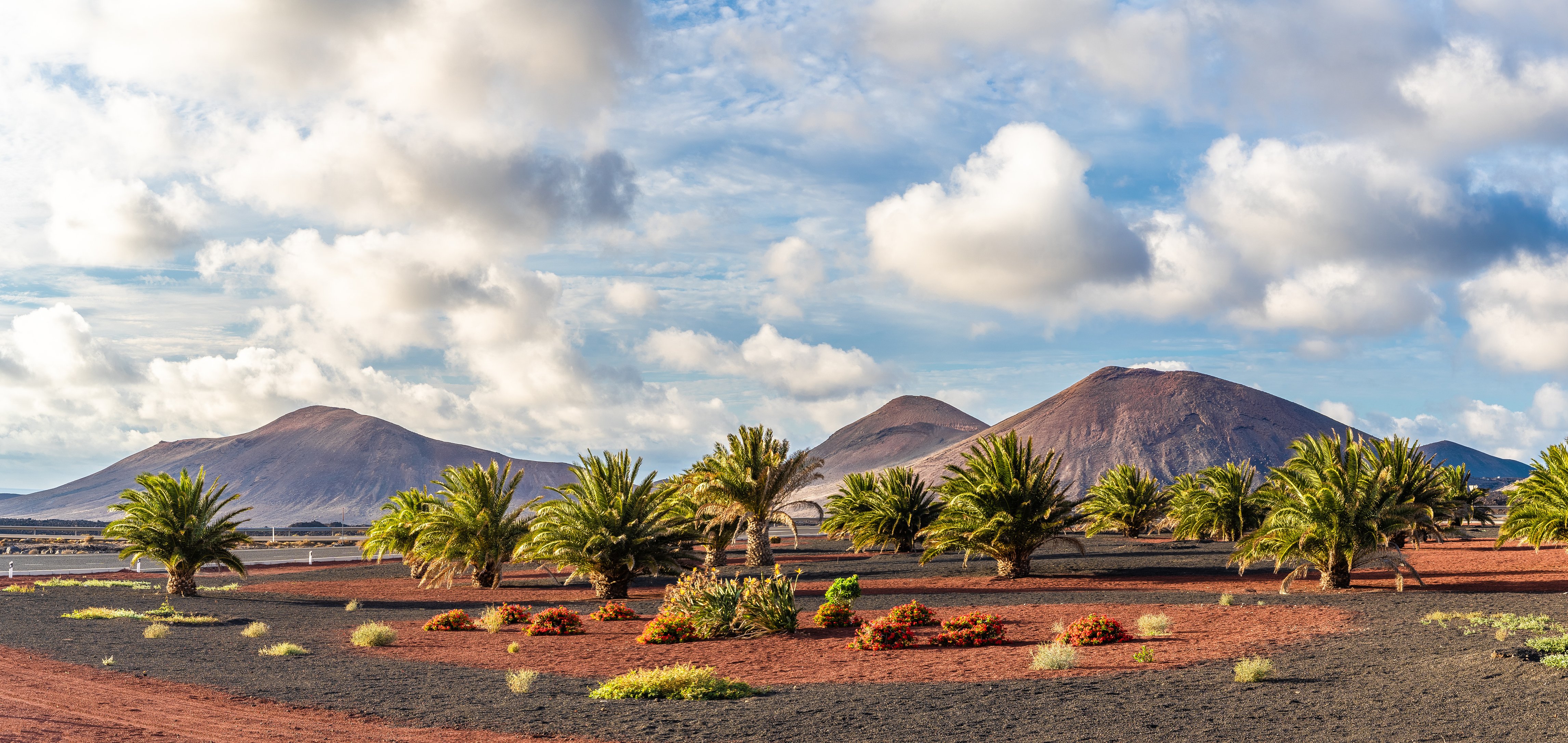
Gran Canaria also makes a natural starting point for a longer trip in the Canary Islands. Inter-island flights reach Lanzarote, an island-wide UNESCO Biosphere Reserve since 1993, in about 45 minutes. There, Timanfaya National Park preserves a landscape forged by six years of eruptions in the 1730s, Malvasía vines grow in hollows of black volcanic ash at La Geria, and artist César Manrique turned a lava tube at Jameos del Agua into a concert hall. Goway's Destination Specialists can build a tailor-made itinerary connecting both islands, with flights, private transfers, and touring arranged so you don't miss a single highlight of either island.
So Much to Discover When You Stay Longer
An island this varied rewards travellers willing and able to linger longer. Goway's Destination Specialists draw on over 55 years of experience and can tailor your Gran Canaria itinerary around your interests, whether that means a week of touring or a month in the sun. While you're in Gran Canaria, Goway's client care team is with you every step of the way. And when Gran Canaria inevitably inspires your wanderlust, the same specialists will help you build tailor-made trips to over 115 countries across all seven continents.
Contact a Goway Destination Specialist today and start planning your trip to Gran Canaria.
Born to two parents who met travelling, Sael has always wanted to travel the world. Sael has hiked the Inca Trail in Peru, visited blue-footed boobies on the Galapagos Islands, stood on both hemispheres of the equator in Ecuador, climbed the Sydney Harbour Bridge, hiked the base of Uluru, surfed Pacific Ocean waves in Mexico, and skydived over the Great Barrier Reef in Cairns. Meeting new people and sharing stories are some of Sael's favourite parts of travelling, and he hopes he can help ignite this passion for discovery in others.