US citizens need a tourist visa (typically US$160). You can apply at a Bolivian consulate or on arrival; carry a passport valid 6+ months, proof of onward travel, and accommodation details. Canadians can visit visa-free for tourism for up to 90 days in a year. Always check entry rules again before you go, as requirements and fees can change. Yellow fever vaccination may be required if visiting endemic areas.
Discover Tailor-Made Bolivia Vacations
Journey through Bolivia’s salt flats, ancient cities, and dramatic highland landscapes.
Bolivia rewards travellers with surreal natural wonders like Salar de Uyuni, vibrant highland cities such as La Paz, and preserved Incan history in Sucre and Tiwanaku. From Amazon rainforest adventures to Andean peaks, it’s a destination of striking contrasts and authentic culture.
Featured Highlights
- Discover Salar de Uyuni, the world’s largest salt flat
- Explore La Paz, a high-altitude city with Andean traditions
- Wander Sucre’s colonial architecture and whitewashed streets
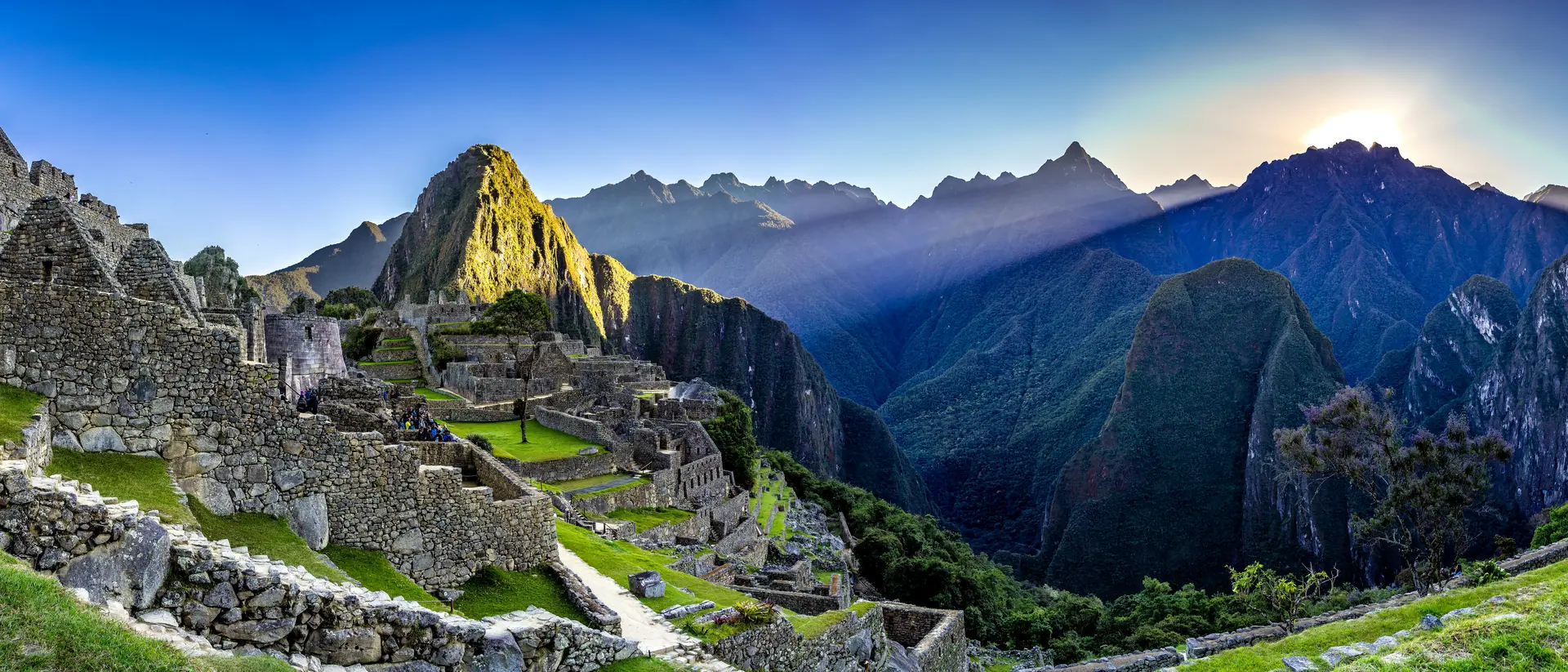
- Uncover ancient history at UNESCO-listed Tiwanaku
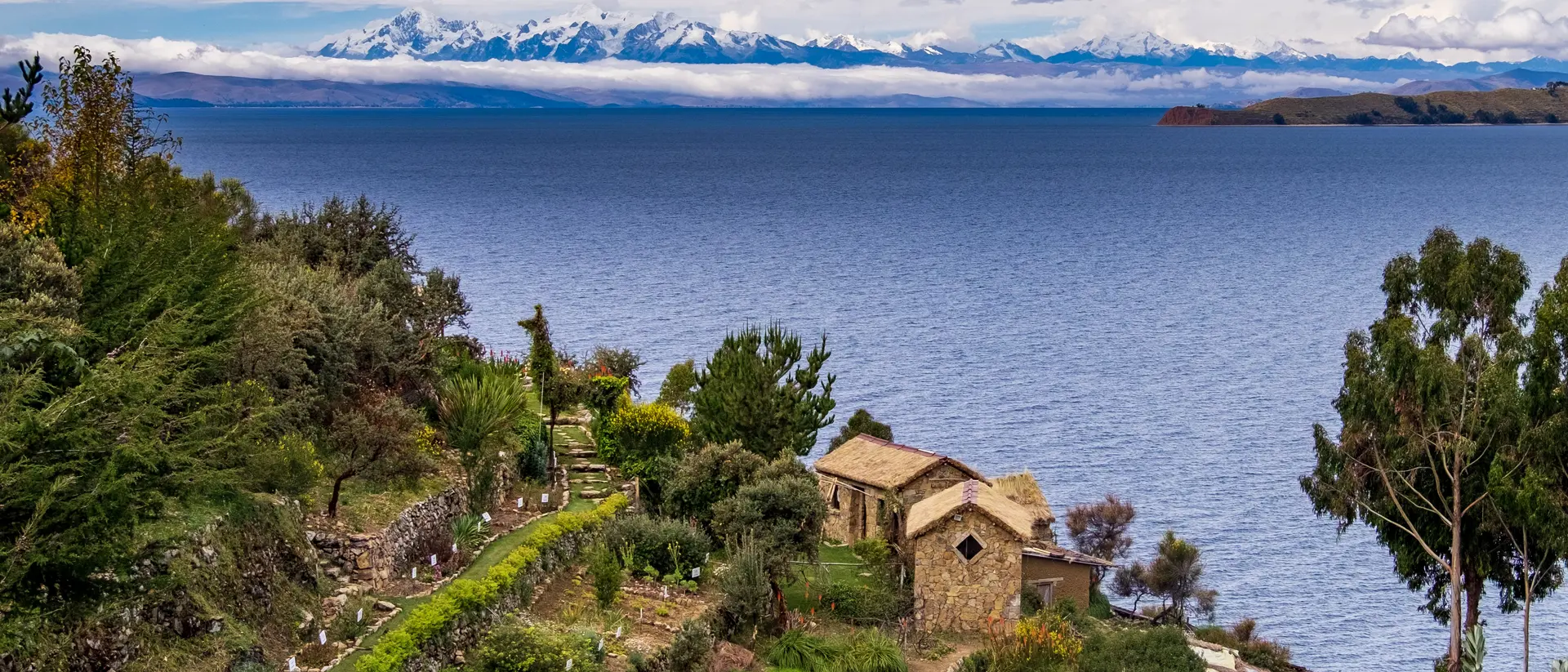
- Journey to Lake Titicaca’s sacred islands and myths
- Venture into the Amazon for diverse wildlife encounters
Featured Bolivia Trip Ideas
A journey across Bolivia reveals culture, nature, and timeless traditions.Bolivia is one of South America’s most geographically and culturally diverse countries. Explore La Paz, the world’s highest capital, where Indigenous traditions blend with a modern edge. Venture to Salar de Uyuni, the planet’s largest salt flat, a shimmering expanse that feels otherworldly. Step back in time at Tiwanaku, a UNESCO World Heritage site showcasing pre-Incan ruins, or wander the colonial streets of Sucre, known as Bolivia’s “white city.” Beyond the highlands, the lush Amazon offers wildlife-rich jungle expeditions, while Lake Titicaca connects travellers to Andean mythology and floating reed islands. Bolivia’s remoteness makes it less visited than its neighbours, but its landscapes and living traditions create an unforgettable journey for those who venture here.
Best of Peru & Bolivia: Machu Picchu & Uyuni
Potosi, Uyuni, La Paz, Cusco, Machu Picchu, Sacred Valley, and LimaDiscover ancient Inca wonders and surreal desert beauty on this private-guided journey through Peru and Bolivia, from Machu Picchu to the Uyuni salt flats.
13 days
From US$4,304/p.p.
Request a Quote
Classic Bolivia: La Paz, Titicaca & Uyuni
Lake Titicaca, Puno, La Paz, Potosi, and UyuniExplore Bolivia on this independent trip through eerie salt flats, sacred islands and highland markets, with the Andes as your unforgettable backdrop.
9 days
From US$5,095/p.p.
Request a Quote

Don't see the
perfect trip idea?
Request a custom quote.
Turn your travel dreams into reality with Goway. Our customized vacations take travellers to all corners of the world.
Best of Peru & Bolivia: Machu Picchu & Uyuni
Potosi, Uyuni, La Paz, Cusco, Machu Picchu, Sacred Valley, and LimaDiscover ancient Inca wonders and surreal desert beauty on this private-guided journey through Peru and Bolivia, from Machu Picchu to the Uyuni salt flats.
13 days
From US$4,304/p.p.
Request a Quote
Classic Bolivia: La Paz, Titicaca & Uyuni
Lake Titicaca, Puno, La Paz, Potosi, and UyuniExplore Bolivia on this independent trip through eerie salt flats, sacred islands and highland markets, with the Andes as your unforgettable backdrop.
9 days
From US$5,095/p.p.
Request a Quote
Don't see the
perfect trip idea?
Request a custom quote.
Turn your travel dreams into reality with Goway. Our customized vacations take travellers to all corners of the world.
What do Goway's travellers say?
“Perfect planning for a trip to Peru”
Goway helped plan our two week trip to Peru and they (Virginia in particular) did a great job. The on-site logistics with Condor Travel went very smoothly, and the trip exceeded our expectations overall. They proactively suggested changes to our initial itinerary which were welcomed. I would recommend them and would work with them again in the future.
Kate O'Neill“Osvaldo Gonzalez was an excellent rep…”
Osvaldo Gonzalez was an excellent rep to work with when planning my client's Costa Rica vacation. He was efficient and timely with every correspondence. My clients had an amazing time!
Rachel Hoeing“Ecuador and Peru trip”
There were 4 travelers on this trip. All of us were in our late 70's. We started planning this trip 6 months prior to our travel date and had a lot of questions regarding this trip. Our Goway Travel Specialist, Karen Larrota, always answered our questions in a timely and complete manner. We traveled to Quito, Ecuador, the Galapagos, The Sacred Valley in Peru, Machu Picchu, and Cusco in Peru. Not only were the destinations and accommodations excellent, but every tour guide and driver were beyond excellent. The entire trip went smoothly every step of the way, which was amazing given the fact that there were numerous flights and hotels included in our package. We found out that the tour company that Goway used, Condor Travel, checked on us with our guide to make sure we were doing OK which we thought was very nice but also amusing as we are fairly fit older adults. Would also like to mention that we did a cruise thru the Galapagos on the Galapagos Legend which was arranged thru Go Galapagos - Kleintouurs. This portion of our tour was also excellent as were the wildlife guides and staff. We continue to discuss how wonderful this trip was with our family and friends and how wonderful this experience was. Would definately use Goway for our travel needs in the future.
Dianne“I worked with Jaime Vargas-Hernandez to…”
I worked with Jaime Vargas-Hernandez to put a last minute trip to Peru for my clients, i did not have much knowledge of Peru but with the guidance of Jaime i was able to offer one of a lifetime trip to my clients.
Once my client arrived they contacted me right away to inform how much they enjoying their first day with Local sight seeing tour on Lima and they looking forward to Machu Picchu, Jaime worked with to provide a flawless trip for my client and under their budget.
Jaime was available to me through out my booking process and was able to offer me alternativities if something was not available .
Jaime's destination knowledge is amazing and above all his service and customer service level is very much apricated .
He has also tried me to help/assist me with other departments where i was not able to get answers .
I would definitively recommend Jaime if you ever deal with Go away, if he cannot help you he will put you to the right person who can assist you the same way.
Looking forward to working with Jaime again in future.
Thank you for all your hard work,
Best,
Unnati
Avenue Travel.
Unnati Oza“I worked with Kajal to put together an…”
I worked with Kajal to put together an absolutely
amazing itinerary for my clients to South America.
All of the hotels, private tours and transfers were arranged perfectly.
I work with the destination experts at Goway always
for custom tours around the world a lot and I am never disappointed with the service or product
Cindy“Karina was wonderful to work with!”
Karina Basantes was wonderful to work with! My clients are thrilled with their custom itinerary and are very much looking forward to their upcoming trip!
Thank you Karina!
Shauna“Peru ”
My 11 days , solo trip to Peru was amazing! Special thanks to Amanda DeOliveria with Goway Travel - the trip in all 4cities , airlines tickets ,hotels accommodation, and all the excursions ran smoothly . All the drivers and staff in Peru were wonderful . Great work !
Michelle Smith Young“Custom Trip to Peru”
We booked a fully custom trip for 2 in Peru. Our travel advisor was Amanda De Oliveira and she was exceptional. After weeks of back and forth and slight tweaks we had our perfect itinerary planned. Condor Travel in Peru, which was the onsite tour company was also exceptional. Every tour guide was absolutely amazing and this being the first time I did private tours I will never go back. We had some issues with the protests on the trains to get to Machu Picchu, but the GoWay and Condor teams were amazing in working to get us there the best they could. I would 100% recommend GoWay for a trip like this with lots of logistics, custom tours, and movements throughout a country.
Simon Livengood“EXCEPTIONAL SERVICE”
I am a travel agent with more than 34 years of experience. I must admit I have never booked Patagonia. I was lucky enough to deal with Osvaldo Gonzalez. Ozzie was exceptional with his knowledge of Patagonia. It was a complicated itinerary since many of the lodges were sold out. He kept in contact with me and my client (who happened to be on a trip to Switzerland when booking this trip). He communicated with us both (even with the time change) and put an amazing itinerary together. He was in constant contact with his agents in Chile and it was incredibly challenging since it was a holiday. He consistently worked on this until the client was satisfied and once the itinerary came together client deposited the trip immediately. I hope I get to work with him again.
Careen Sullivan“Trip to Peru”
I connected with Goway Travel (my first time) to plan my recent visit to Peru for 10 days. Amanda DeOliveira, was my destination specialist and I can only call her "Amazing Amanda". Since my first call with her, she provided me regular guidance in planning the itinerary and choosing the activities. I realized her planning and understanding of my needs when I went on this adventure and thoroughly enjoyed it. The entire trip was well structured and I never felt rushed to enjoy every day during this trip. I had a couple of specific requirements and they were catered to. I will be remiss if I do not mention the local support at Condor Travel in Peru. Goway Travel made my experience extraordinary and I will connect with them for my future tours. They are a definite recommend for travellers who like to explore the world without any worry.
sureshiyer26Travel Information about Bolivia
Get to know Bolivia before you go.
Best Time to Visit
Bolivia offers a captivating blend of raw natural beauty and rich traditions, with each season bringing its own character. From the steamy Amazon to the vast salt flats, timing your visit can shape the experience, whether you seek solitude in the wilderness or immersion in colourful festivals.
In the eastern lowlands, destinations such as Santa Cruz and the Amazon rainforest bask in warmth throughout the year. July and August are the busiest months, with sunny skies drawing travellers for wildlife encounters and outdoor adventures. For a more tranquil journey, April to May and October provide ideal conditions: fewer visitors, clear trails, and striking landscapes. April still carries the freshness of the rains, while October ushers in spring, with rising temperatures and a vibrant natural backdrop.
For those planning to explore Bolivia’s highlands and the surreal Uyuni Salt Flats, the dry season offers the best access, with easier travel routes and wide horizons beneath cobalt skies. Yet the rainy months from November to April reveal another side of Bolivia. During this period, travellers can witness cultural life at its most expressive, with traditional festivals and community celebrations adding energy and colour to every journey.
Whether drawn to rainforest expeditions, sweeping Andean vistas, or the rhythm of local traditions, Bolivia rewards curiosity in every season. By choosing the right time to travel, visitors can balance comfort, discovery, and cultural depth, making each adventure distinctly memorable.
Places To Go
Handcrafted journeys to our most popular places to visit in Bolivia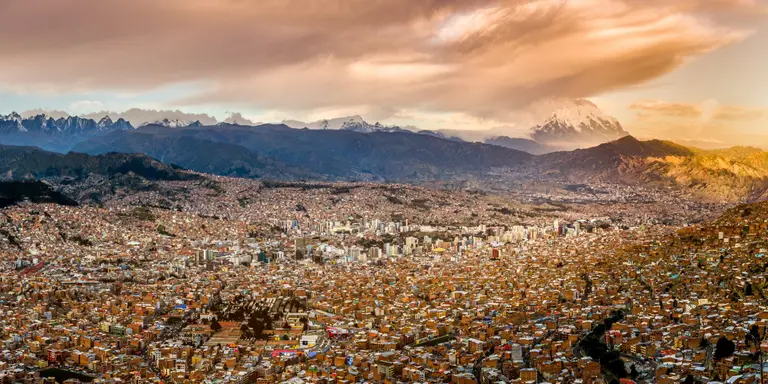
La Paz
Surrounded by the high Altiplano mountains, La Paz, on a Bolivia vacation, is situated in a “bowl”...
Surrounded by the high Altiplano mountains, La Paz, on a Bolivia vacation, is situated in a “bowl” in western Bolivia. While the official capital of Bolivia is Sucre, La Paz is often considered the...
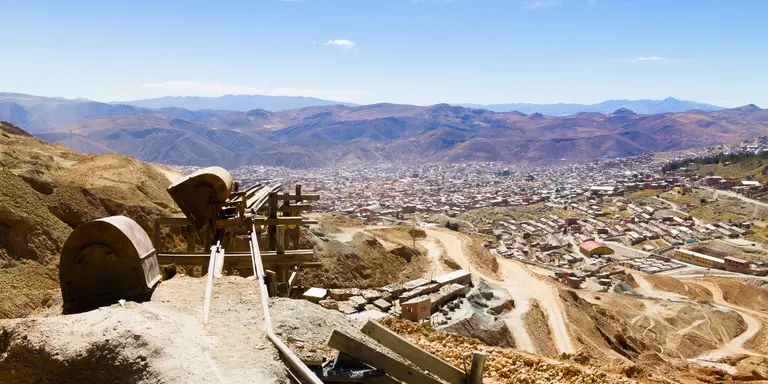
Potosi
When on a Bolivia vacation, you can visit one of the highest cities in the world, Potosí, located...
When on a Bolivia vacation, you can visit one of the highest cities in the world, Potosí, located in southern Bolivia, beneath Cerro de Potosí, a mountain that was once rich in silver helping cement...
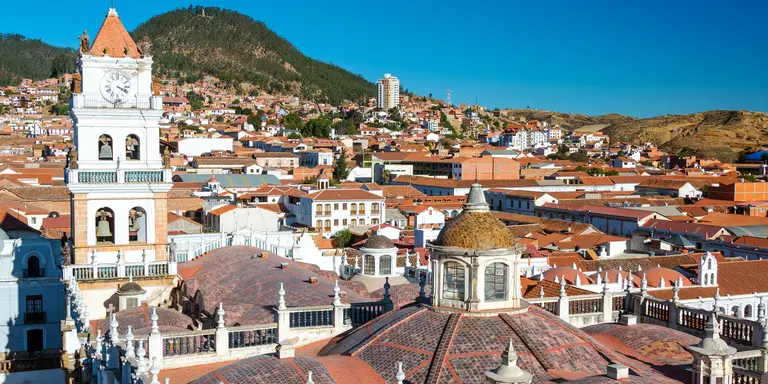
Sucre
The constitutional capital of Bolivia, Sucre is found in the south-central part of the country. It...
The constitutional capital of Bolivia, Sucre is found in the south-central part of the country. It is often considered one of Bolivia’s most beautiful cities and is the symbolic heart of the country,...
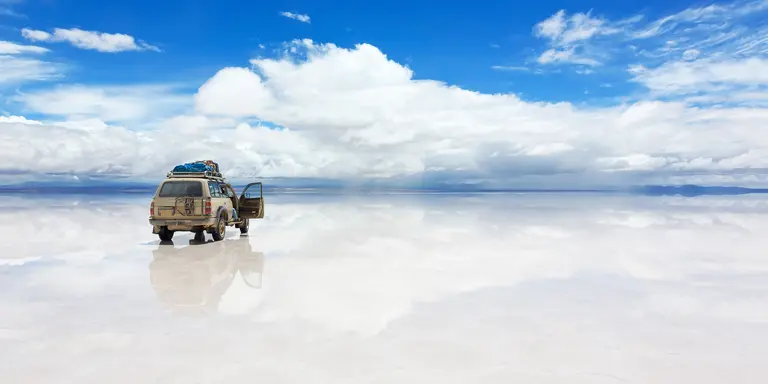
Uyuni
Uyuni is a small town in the southwest corner of Bolivia lying at an altitude of 3700 metres/12,150...
Uyuni is a small town in the southwest corner of Bolivia lying at an altitude of 3700 metres/12,150 feet on the Andean Altiplano. It attracts visitors on a Bolivia vacation due to its being on the...
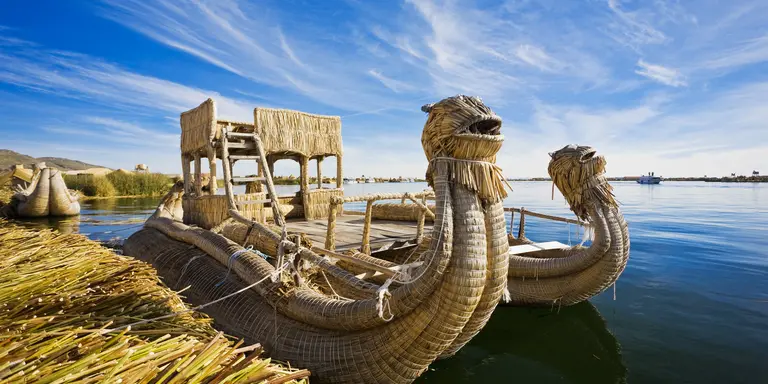
Lake Titicaca
If on a Peru vacation and heading here, Lake Titicaca is found in the Andes on the border of Peru...
If on a Peru vacation and heading here, Lake Titicaca is found in the Andes on the border of Peru and Bolivia. Regarding the volume of water, it is considered the largest lake in South America with...
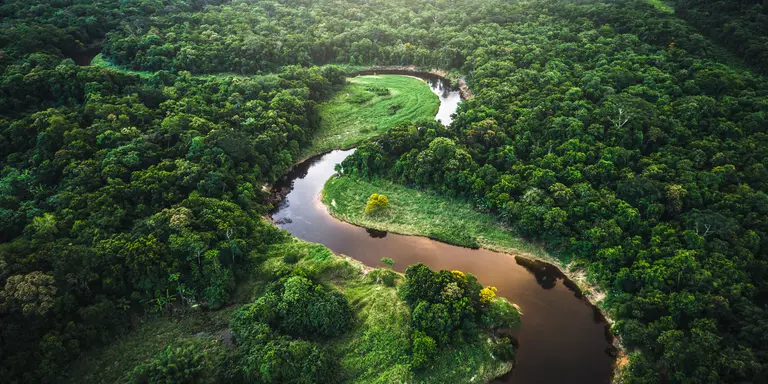
The Amazon
A very special place to visit on Brazil tours is the Amazon, a rainforest that stretches across...
A very special place to visit on Brazil tours is the Amazon, a rainforest that stretches across nine countries. While the majority of the forest belongs to Brazil, it also covers areas of Peru,...
La Paz
Surrounded by the high Altiplano mountains, La Paz, on a Bolivia vacation, is situated in a “bowl”...
Surrounded by the high Altiplano mountains, La Paz, on a Bolivia vacation, is situated in a “bowl” in western Bolivia. While the official capital of Bolivia is Sucre, La Paz is often considered the...
Potosi
When on a Bolivia vacation, you can visit one of the highest cities in the world, Potosí, located...
When on a Bolivia vacation, you can visit one of the highest cities in the world, Potosí, located in southern Bolivia, beneath Cerro de Potosí, a mountain that was once rich in silver helping cement...
Sucre
The constitutional capital of Bolivia, Sucre is found in the south-central part of the country. It...
The constitutional capital of Bolivia, Sucre is found in the south-central part of the country. It is often considered one of Bolivia’s most beautiful cities and is the symbolic heart of the country,...
Uyuni
Uyuni is a small town in the southwest corner of Bolivia lying at an altitude of 3700 metres/12,150...
Uyuni is a small town in the southwest corner of Bolivia lying at an altitude of 3700 metres/12,150 feet on the Andean Altiplano. It attracts visitors on a Bolivia vacation due to its being on the...
Lake Titicaca
If on a Peru vacation and heading here, Lake Titicaca is found in the Andes on the border of Peru...
If on a Peru vacation and heading here, Lake Titicaca is found in the Andes on the border of Peru and Bolivia. Regarding the volume of water, it is considered the largest lake in South America with...
The Amazon
A very special place to visit on Brazil tours is the Amazon, a rainforest that stretches across...
A very special place to visit on Brazil tours is the Amazon, a rainforest that stretches across nine countries. While the majority of the forest belongs to Brazil, it also covers areas of Peru,...
Travel Styles
Explore Bolivia by Travel Type
Ways to Travel

Themes
Ways to Travel
Themes
Frequently Asked Questions
Do I need a visa or special permits to enter Bolivia?
What language is spoken locally? How widely is English understood in Bolivia?
Spanish is widely spoken alongside many Indigenous languages, especially Quechua and Aymara (Bolivia recognises 36 Indigenous languages). English is limited outside hotels, tour operators, and major sights, so a few Spanish phrases help a lot.
What are the must-see attractions in Bolivia?
Start in La Paz: ride the Mi Teleférico cable cars for sweeping city-and-mountain views, then browse the Witches’ Market. Head to the Salar de Uyuni for otherworldly salt flats—glass-like “mirror” reflections are most likely mid-December to March; dry-season patterns and stargazing peak May–October. Add Lake Titicaca’s Isla del Sol, colonial-chic Sucre, silver-mining Potosí, and the Amazon around Madidi National Park. Goway itineraries bundle La Paz, Lake Titicaca, and Uyuni, with options to extend into the Amazon.
Is Bolivia safe? What should I keep in mind while travelling there?
Travellers generally enjoy trouble-free trips, but expect periodic demonstrations, strikes, and roadblocks that can disrupt roads and flights. Exercise increased caution, avoid crowds, monitor local news, and keep flexible plans; avoid the Chapare region due to crime. Altitude is a health risk in the Andes (La Paz sits around 3,650 m): ascend slowly, stay hydrated, and know signs of altitude illness. Re-check advisories close to departure.
What’s the best way to travel within Bolivia?
Distances are big and roads can be slow. For time-savings, use domestic flights (Boliviana de Aviación connects major cities). In La Paz, the Mi Teleférico cable car network is fast and scenic. For Uyuni and the high desert, go on a guided 4x4 tour—safer and far more practical than self-drive. Expect occasional weather or protest-related delays; build in buffer time.
What Bolivia cultural customs should I be aware of?
Ask before photographing people in markets or rural communities; a polite “¿Puedo tomar una foto?” goes a long way. Modest dress is appreciated in small towns, churches, and on Isla del Sol. Coca leaf is legal and culturally important in Bolivia, but don’t take coca products back to the US or Canada—they’re prohibited at the border. Tipping is low-key (round up in cafés; 10% for sit-down restaurants is fine).
What should I wear/pack for Bolivia’s climate?
Think layers. The highlands (La Paz, Uyuni, Titicaca) are sunny but cool year-round with strong UV—pack a warm jacket, toque, gloves, sunglasses, SPF 50, and lip balm. The Amazon is hot and humid—light, breathable clothing and insect repellent help. Rainy season (roughly Dec–Mar) brings wet conditions and Uyuni’s famed mirror effect; the dry season (Apr–Oct) is crisp and clear. Bring a Type A/C plug adaptor; most places run 230 V/50 Hz, so ensure your electronics are dual-voltage.
Don't see the perfect option? Request a custom quote.
Unlock more by subscribing to our newsletter.
With our newsletter, you’ll get access to regular communications that inspire you and help you explore the world your way.Exclusive Savings
Insider Benefits
Trending Stories