Yes. US and Canadian passport holders can get a tourist visa on arrival at Tribhuvan International Airport (Kathmandu) or at land borders. Usual options are 15 days (US$30), 30 days (US$50), or 90 days (US$125); you can extend in-country, up to 150 total days in a calendar year. Bring a passport valid for at least 6 months and a passport photo. If you plan to trek, most popular regions now require a licensed guide plus a TIMS card, and park/conservation permits (e.g., Sagarmatha, Annapurna). Check rules again before you go, as they can change.
Discover Tailor-Made Nepal Vacations
Himalayan peaks, spiritual sites, and cultural journeys in Nepal.
Nepal invites travellers to explore the world’s highest mountains, sacred temples, and vibrant culture. From trekking in the Himalayas to discovering Kathmandu’s UNESCO sites, it offers adventure, spirituality, and timeless traditions.
Featured Highlights
- Trek the iconic trails of Everest and Annapurna regions
- Explore Kathmandu’s temples, stupas, and ancient palaces
- Visit Lumbini, the birthplace of the Buddha
- See rhinos and tigers in Chitwan National Park
- Experience the warmth of Nepali hospitality in mountain villages
- Discover Bardia’s wilderness and rare wildlife
Featured Nepal Trip Ideas
Experience Nepal’s mountains, culture, and spirit.Nepal is a land where natural beauty and cultural depth converge. Trekkers are drawn to the Annapurna and Everest regions, with trails winding through villages, forests, and alpine landscapes. Kathmandu Valley brims with UNESCO-listed temples, stupas, and palaces that reveal centuries of history. Lumbini, the birthplace of the Buddha, is a place of pilgrimage and peace. Wildlife seekers can venture to Chitwan and Bardia national parks to spot rhinos, tigers, and elephants. From the thrill of trekking to the serenity of its spiritual sites, Nepal offers an unforgettable journey.
Highlights of Nepal: Kathmandu, Chitwan & Pokhara
Kathmandu, Mount Everest, and Chitwan National ParkVenture into Nepal's heart, where Kathmandu's ancient temples whisper stories of yore. From Chitwan’s rich wildlife to Pokhara's Annapurna views, enchantment awaits.
8 days
From US$2,150/p.p.
Request a Quote
Active Nepal: Everest Region Trek
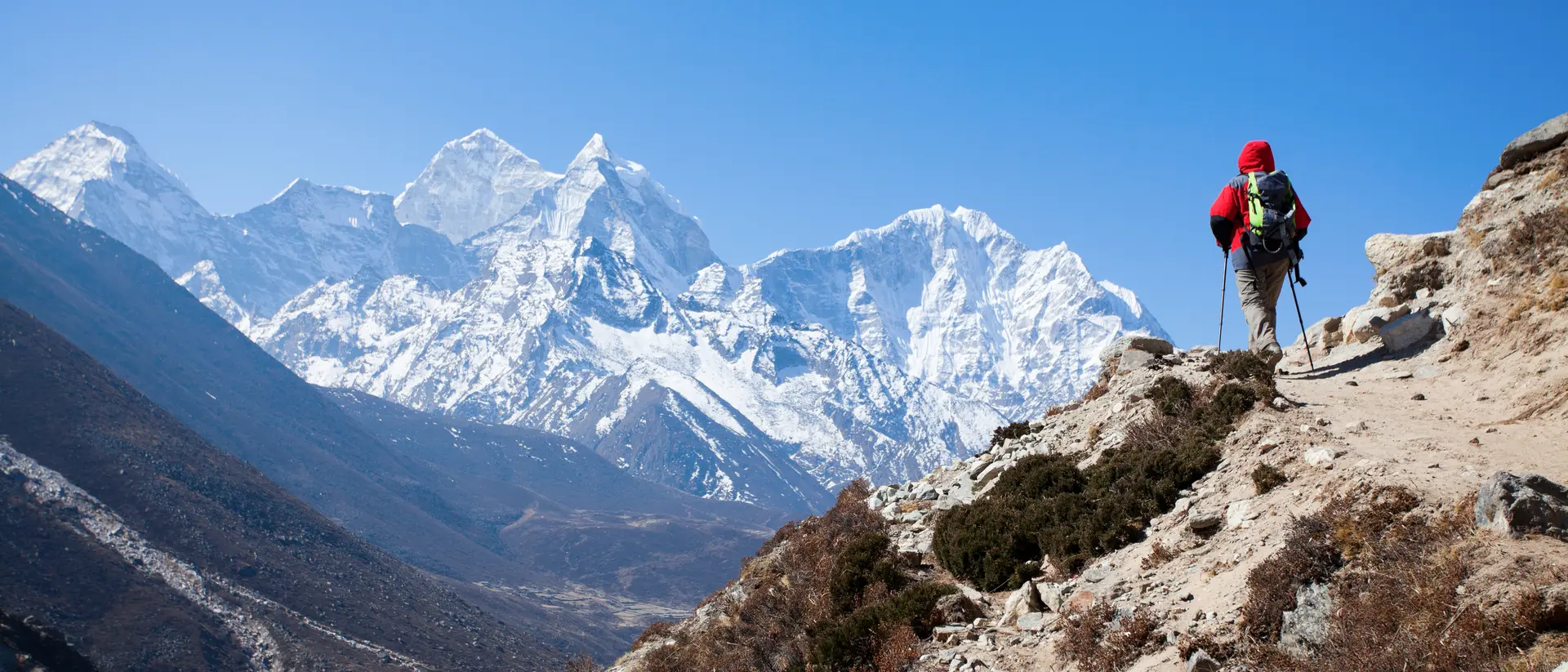
Kathmandu and Mount EverestThis 8 day trek to the Everest region offers excellent views of Mount Everest and many other imposing Himalayan peaks. You will be accompanied by a local Sherpa guide and will have time to acclimatize to the altitude at Namche Bazaar which is the hub of...
10 days
From US$3,914/p.p.
Request a Quote
Don't see the
perfect trip idea?
Request a custom quote.
Turn your travel dreams into reality with Goway. Our customized vacations take travellers to all corners of the world.
Highlights of Nepal: Kathmandu, Chitwan & Pokhara
Kathmandu, Mount Everest, and Chitwan National ParkVenture into Nepal's heart, where Kathmandu's ancient temples whisper stories of yore. From Chitwan’s rich wildlife to Pokhara's Annapurna views, enchantment awaits.
8 days
From US$2,150/p.p.
Request a Quote
Active Nepal: Everest Region Trek
Kathmandu and Mount EverestThis 8 day trek to the Everest region offers excellent views of Mount Everest and many other imposing Himalayan peaks. You will be accompanied by a local Sherpa guide and will have time to acclimatize to the altitude at Namche Bazaar which is the hub of...
10 days
From US$3,914/p.p.
Request a Quote
Don't see the
perfect trip idea?
Request a custom quote.
Turn your travel dreams into reality with Goway. Our customized vacations take travellers to all corners of the world.
What do Goway's travellers say?
“We recently took at trip to China”
We recently took at trip to China. We toured Bejing, Xi'an and Shanghai. We had a wonderful time. Everything was perfect. The Guides were very friendly and knowledgeable. The food was plentiful, the shows were wonderful and the accommodations were excellent. We saw everything we wanted to see and more.
It was everything we had hoped for.
Thanks you very much Goway.
Sharon Levy“LE Asia Tour”
This was my first time planning a tour wth Goway Travel. I am truly delighted with the professionalism and personal relationship I had with the Goway Travel consultant Christine. She gave attention to every details I requested to curate my tour to Hong Kong and Bali. She addressed all my needs, answered thoroughly my questions and concerns. She is a touch of class in every respect. I will definitely recommend Goway Travel group. Excellent Hotels. Perfect guides in both countries.
LE Asia Tour“Our trip to Japan was great”
Our trip to Japan was great. All our Goway arrangements preformed like clockwork and the guides for the tours were wonderful. Unfortunately, Mt. Fuji was in total fog but at least the lunch was very good and so was the drum solo, also our tour guide kept our spirits up ( she was the best).
Taryn picked hotels that were very convenient to the meeting point of our tours which was much appreciated and organized all aspects of our trip perfectly. So from our airport pickup to our last day in Tokyo everything ran very smoothly so we have used Goway before and will certainly use it again and reccommend Goway to others.
JW“Exceptional Experience”
Goway gave us a magical holiday in Southeast Asia. From the organization of the transportation, guides and drivers, hotels and tours, everything ran like clockwork with quality accommodations, experienced guides and drivers and amazing excursions. We had a wedding in Bali Indonesia that was the stimulus for visiting 7 countries Cebu Philippines, Hanoi, Hue and Hoi An Vietnam, Siem Reap Cambodia, Bangkok Thailand, Kuala Lumpur Malaysia, Bali, Indonesia and Taipei, Taiwan.
We had marvelous tour guides and drivers. All of them spoke excellent English, had years of experience, were very knowledgeable and passionate about their country and its heritage, very friendly, funny, patient , flexible and accommodating. In Bali we were able to add another tour when we changed hotels and the guide was able to accommodate our friends from Canada to go with us. The drivers were excellent considering the traffic volumes and what we would consider complex driving movements by cars, trucks, bicycles, vespas, tuk tuks and motorcycles.
The hotels we were placed in were five stars, with exceptional breakfast which showcased the country's food. We were always able to find ethnic food from that area that we could try. I would highly recommend the Sofitel Legend Metropole in Hanoi. The hotel even has a bunker from the Vietnam War that you can tour if you are staying there. Also the Komaneka at Bisma in Ubud Indonesia was a beautiful property and we were treated like royalty by being placed in a villa with our own swimming pool. All the hotels except one had universal outlets.
For any of the Temples whether Buddha or Hindu, churches or Mosques, you need covered shoulders, covered knees and covered toes. Some like Indonesia provide sarongs as part of the entrance fee.
For tours the I highly recommend the following:
The overnight Ginger Cruise of Halong Bay. The suites were like what you see in the movies of Chinese junket's. You visit a secluded fishing village, the scenery is amazing, the food was excellent and we were taught how to make spring rolls and went squid fishing.
The half day cooking class in Cambodia was an amazing experience. We were taken out to a village farm with a multi-generational Cambodian family. The farm had power but no running water. Water was gathered from the river or rainfall. We went to other farms around the village to look at the crops of herbs and vegetables, including rice that were used in the dinner. Also visited the village market for fruits, meats and fish. You were taught how to prepare the foods with the women of the farm while the men set up tables, chairs and lighting for the evening meal. The whole family plus our guide and driver ate the prepared meal under the stars. It was totally awesome.
Also don't miss the cooking class at the Blue Elephant in Bangkok. This was a class of 12 students, again with a market tour to select ingredients for what we would be cooking. We prepared four courses which were first demonstrated then we went into a kitchen with stations where each of us prepared that course. Afterwards we sat down to eat the meal that we had prepared.
For a different authentic experience The Dark Foodie Tour in Siem Reap by Vespa was one of the highlights of the tour. This tour you spend time with the Cambodian people in the night market, bars and restaurants and even a local fair. You are driven around the city like the locals on Vespa's.
You will see lots of temples but two you don't want to miss is Angkor Wat in Cambodia and Wat Suthat in Thailand. Both are astounding and if you get a chance circle back to view the Wat Suthat at night where the lights on the temple show off its beauty.
Chris Lawson“I had an amazing trip”
I had an amazing trip. It was more than I could have expected. I got to see everything I wished to see while I was abroad. All the guides were lovely and provided me with excellent knowledge on their cities/tours. Especially in China where it was their holiday week and they all took time away from their families to make me around their cities. The tour company in Japan made sure I got to every tour destination and knew what the plan was for each day.
This is the second time I have used Goway for traveling and it has exceeded my expectations.
katieahotmail.com“Seasoned Pros Created a Fabulous Trip to Japan for Us”
Can't say enough good things about Goway Travel. From the very start, our travel rep, Harpreet, listened carefully to what we were hoping to see and do on our first trip to Japan. She asked great questions and then came back to us with a detailed itinerary packed with adventure and fun, and all within our travel budget.
From the moment we took off from LAX, Harpreet had made sure we had every tour voucher, hotel voucher, plane ticket, train ticket, literally every detail covered. All we had to do was follow our itinerary.
Also, Harpreet booked us into terrific hotels. Each one was spotlessly clean, comfortable, included a full (and delicious) breakfast and, most importantly, was centrally located to all of the activities she had planned for us. So everything was a 5 or 10-minute walk away.
In three weeks' time we were able to visit six cities and so many fascinating shrines, temples, castles, imperial palaces - most of which were World Heritage sites. Harpreet also tucked in fabulous "experiences" like learning how to make sushi with a professional chef, enjoying a tea ceremony and watching graceful Geishas dance.
My husband and I are seasoned travelers. But we don't speak Japanese and we really knew very little about the country. There is no way we would have been able to see and do all of the fascinating things we did in Japan if we hadn't chosen Goway Travel to be our guide. Many thanks for an unforgettable trip!
Bobbi Fagone“A magical time in Greece”
We were looking forward to a magical vacation in Greece, and Goway Travel delivered on all fronts. This is the second time that we have booked with them (the first being an incredible excursion in Thailand), and everything went along swimmingly. Only on one occasion did a tour go sideways, but our Goway specialist (Patrick) took care of it for us.
When your tour involves many flights, numerous hotels, various tours, ferries, and transfers, it is nice to know that your travel specialist can handle it all. Goway (from Patrick to all the other staff involved) handled everything in such a professional manner. Thanks Goway for such an incredible experience in Greece. I look forward to another adventure in the near future!
Jenny Friess“Excellence from the start”
While researching suppliers for a clients Thailand honeymoon, I remembered being referred to GoWay by a longterm TA ….because they “get it right and get it done!” I had already started their training modules, so I put in a quote. Immediately, Taylor responded with a very thorough email and we decided to chat. I gave him my specifics and he again responded immediately and matched my client’s travel needs 100%. I found it comforting to speak with a country expert with the knowledge I needed. My clients booked their vacation and are very excited about their itinerary! Thank you Taylor for making this process seamless.
Karla B“3,week tour of Vietnam, Laos and Cambodia”
We booked our 3,week tour of Vietnam, Laos and Cambodia and overall it was an excellent experience. I typically book my own travel, but travelling with a group and wanting tours in each destination made GoWay a great choice. We had great hotels and good guides in each city. I will say that our standout guide was Romeo Tran in Ho Chi Minh City. We spent a few days in the city, as well as an over night boat ride on the delta, and he was fantastic. We had alot of fun with him, and would highly recommend him in particular.
Neil Braun“Customized Trip to Vietnam”
We recently completed a custom Vietnam tour organized by Goway, and it was everything we asked for and more. We would definitely choose Goway again. The true highlights of our trip, however, were our two guides: Vu Dang and Thien. They truly made our experience unforgettable. Both were incredibly knowledgeable, thoughtful, and kind. Their pride in their Vietnamese heritage shone through in every conversation, making our learning experience both deep and engaging. We learned so much in such a short time, and it was always fascinating. I would highly recommend these two guides to anyone visiting Vietnam!
Laura DerbyshireTravel Information about Nepal
Get to know Nepal before you go.
Best Time to Visit
Nepal reveals its greatest beauty between October and November, when crisp skies and pleasant weather make it the perfect time for trekking, cultural immersion, and breathtaking Himalayan views. This is the peak season, so expect higher accommodation costs and bustling hubs like Kathmandu and Pokhara, yet the atmosphere is vibrant with energy and excitement.
Autumn days strike a balance between warmth and cool evenings, creating ideal conditions for outdoor adventures. The Himalayas appear in sharp clarity, while the trails come alive with fellow trekkers, adding to the sense of camaraderie. This season also coincides with major festivals like Dashain, offering a chance to experience Nepal’s spiritual and cultural life alongside its natural wonders.
Spring (March to May) is another excellent season, especially for trekking. The weather is mild, and the hillsides burst into colour with rhododendron blossoms. It’s also a rewarding time for birdwatchers, as migratory species fill the skies, adding a different charm to the landscapes.
By contrast, the summer monsoon (June to August) brings heavy rains, yet it transforms the land into a lush, green paradise. With fewer crowds, the experience can feel more personal and serene, appealing to those who don’t mind the showers.
Whether you come for the clear Himalayan panoramas in autumn, the blooms of spring, or the solitude of the monsoon, Nepal’s seasonal beauty ensures that each visit offers something special and unforgettable.
What do the experts say?
Visiting a temple or monastery to experience a Puja Ceremony is a great way to immerse yourself in Nepalese culture.
You'll notice immediately that the people of Nepal are some of the nicest and most hospitable you'll ever meet.
Places To Go
Handcrafted journeys to our most popular places to visit in Nepal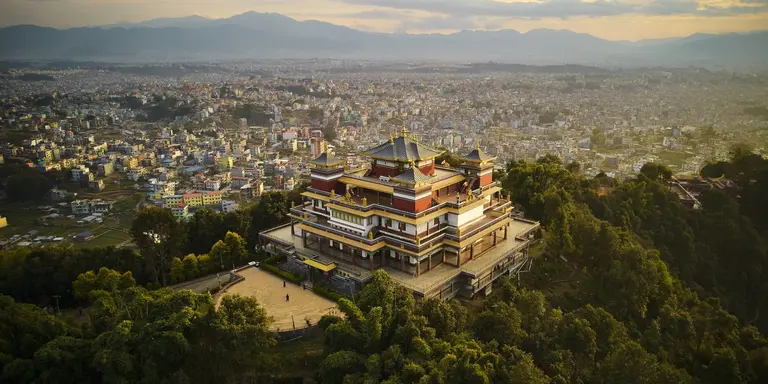
Kathmandu
While on Nepal tours, you will most likely visit Kathmandu, the largest city and capital of Nepal....
While on Nepal tours, you will most likely visit Kathmandu, the largest city and capital of Nepal. Situated at an elevation of approximately 1,400 metres (4,600 ft) in central Nepal, Kathmandu is the...
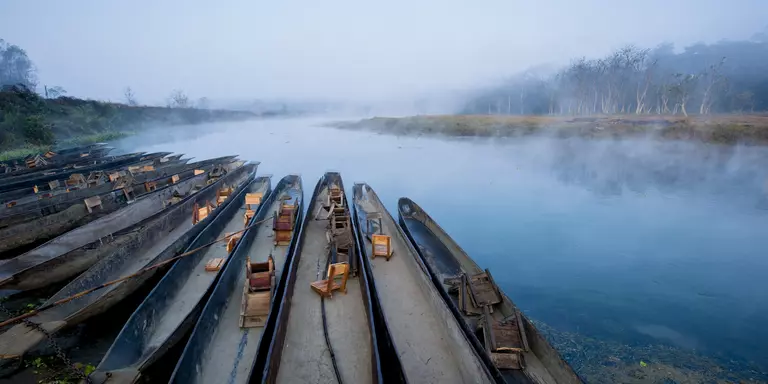
Chitwan National Park
When on Nepal tours, visit Chitwan National Park, the first national park in Nepal. Established in...
When on Nepal tours, visit Chitwan National Park, the first national park in Nepal. Established in 1973, it is located 160 km southwest of Kathmandu.Delegated as a UNESCO World Heritage Site in 1984,...
Kathmandu
While on Nepal tours, you will most likely visit Kathmandu, the largest city and capital of Nepal....
While on Nepal tours, you will most likely visit Kathmandu, the largest city and capital of Nepal. Situated at an elevation of approximately 1,400 metres (4,600 ft) in central Nepal, Kathmandu is the...
Chitwan National Park
When on Nepal tours, visit Chitwan National Park, the first national park in Nepal. Established in...
When on Nepal tours, visit Chitwan National Park, the first national park in Nepal. Established in 1973, it is located 160 km southwest of Kathmandu.Delegated as a UNESCO World Heritage Site in 1984,...
Travel Styles
Explore Nepal by Travel Type
Ways to Travel
Themes
Ways to Travel
Themes
Frequently Asked Questions
Do I need a visa or special permits to enter Nepal?
What language is spoken locally? How widely is English understood in Nepal?
Nepali is the official language, but you’ll hear dozens of regional tongues (Maithili, Newari, Tamang, Sherpa, and more). In Kathmandu, Pokhara, and main trekking routes, English is widely used in tourism—guides, hotels, and many shops can communicate comfortably. Learning a few Nepali basics like “Namaste” goes a long way.
What are the must-see attractions in Nepal?
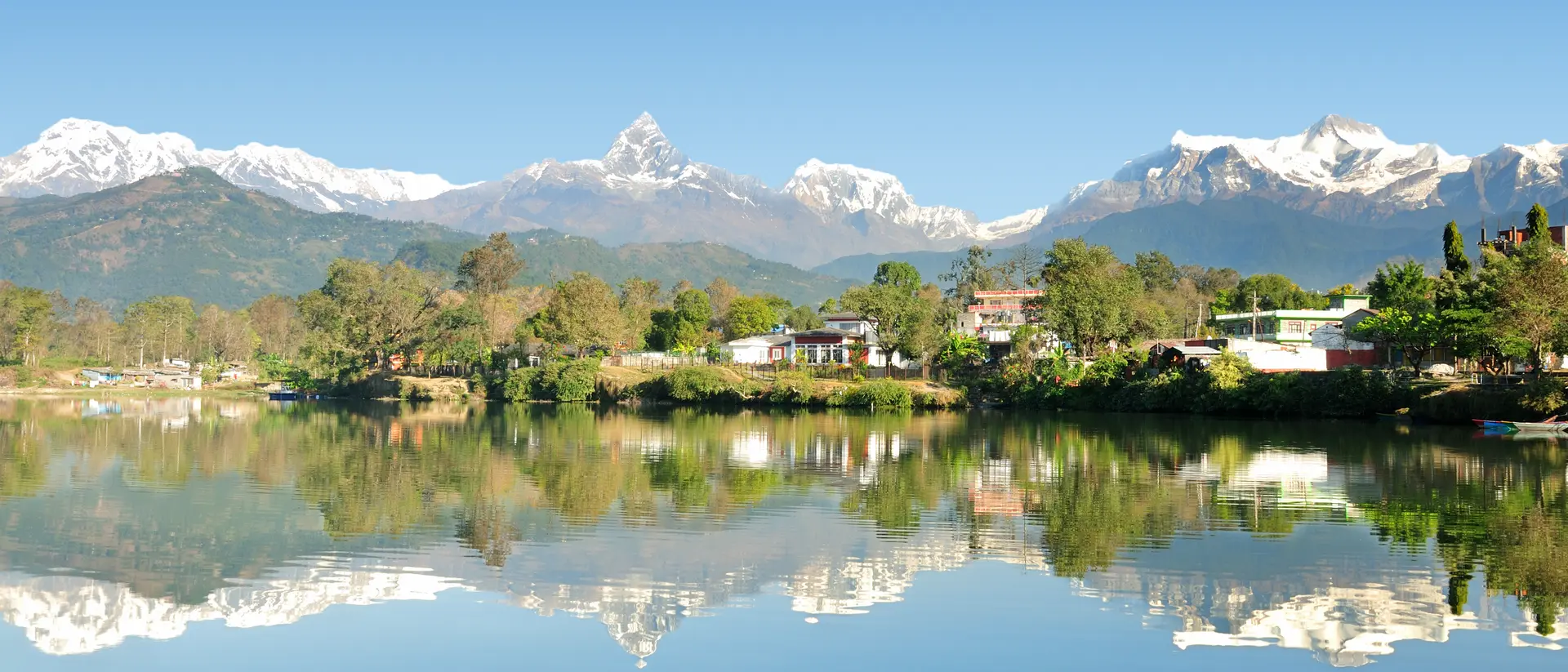
Think living culture and big-mountain vistas. In the Kathmandu Valley, wander Durbar Squares, Swayambhunath (Monkey Temple), Boudhanath Stupa, and Pashupatinath. Fly west to Pokhara for lakeside sunsets and Annapurna views. Wildlife lovers head to Chitwan (or Bardia) for rhino and jungle safaris. For Himalayan drama without a trek, consider a morning “Everest flightseeing” from Kathmandu. Pilgrims and history buffs add Lumbini, Buddha’s birthplace. (Goway features guided Kathmandu/Pokhara touring, Chitwan safaris, scenic Everest flights, and supported Annapurna/Everest treks.)
Is Nepal safe? What should I keep in mind while travelling there?
Petty theft is the main urban concern; keep valuables close in crowded areas and at trailheads. The bigger risks are environmental: altitude illness, landslides in monsoon, and weather-related flight delays. Trek with a licensed guide, carry travel insurance that covers evacuation, and monitor advisories before departure. Earthquakes can occur; know your hotel’s safety plan.
What's the best way to travel within Nepal?
For long distances, domestic flights save time, but weather can delay or reroute services—especially to mountain airstrips like Lukla. In peak trekking seasons (roughly Mar–May and Sep–Nov), Lukla flights may operate from Ramechhap instead of Kathmandu; build in buffer time. Tourist coaches or private cars cover popular highway routes (Kathmandu–Pokhara–Chitwan). Within cities, taxis and ride-hailing are handy; traffic in Kathmandu can be slow, so plan accordingly.
What Nepal cultural customs should I be aware of?
Greet with a light “Namaste” and palms together. Remove shoes and hats when entering temples and private homes; walk clockwise around stupas. Dress modestly (covered shoulders/knees), especially at religious sites. Ask before photographing people or ceremonies. The cow is sacred—avoid bringing leather items into temples and never offer beef. Use your right hand (or both) when giving or receiving items. Tipping is appreciated for guides and porters; your Goway itinerary can suggest local norms.
What should I wear/pack for Nepal’s climate?
Pack layers for altitude swings: a breathable base, warm mid-layer, and a wind/waterproof shell. From June to September, expect monsoon downpours—light rain gear and quick-dry clothing help, and trails can be muddy. Autumn (Oct–Dec) is crisp with the clearest skies; winter nights get cold even in Kathmandu. Add sun protection (hat, SPF, sunglasses), sturdy footwear, a refillable bottle with purification method, and any personal meds. Flight and road disruptions are more common in the monsoon, so keep essentials in your daypack.
Don't see the perfect option? Request a custom quote.
Unlock more by subscribing to our newsletter.
With our newsletter, you’ll get access to regular communications that inspire you and help you explore the world your way.Exclusive Savings
Insider Benefits
Trending Stories