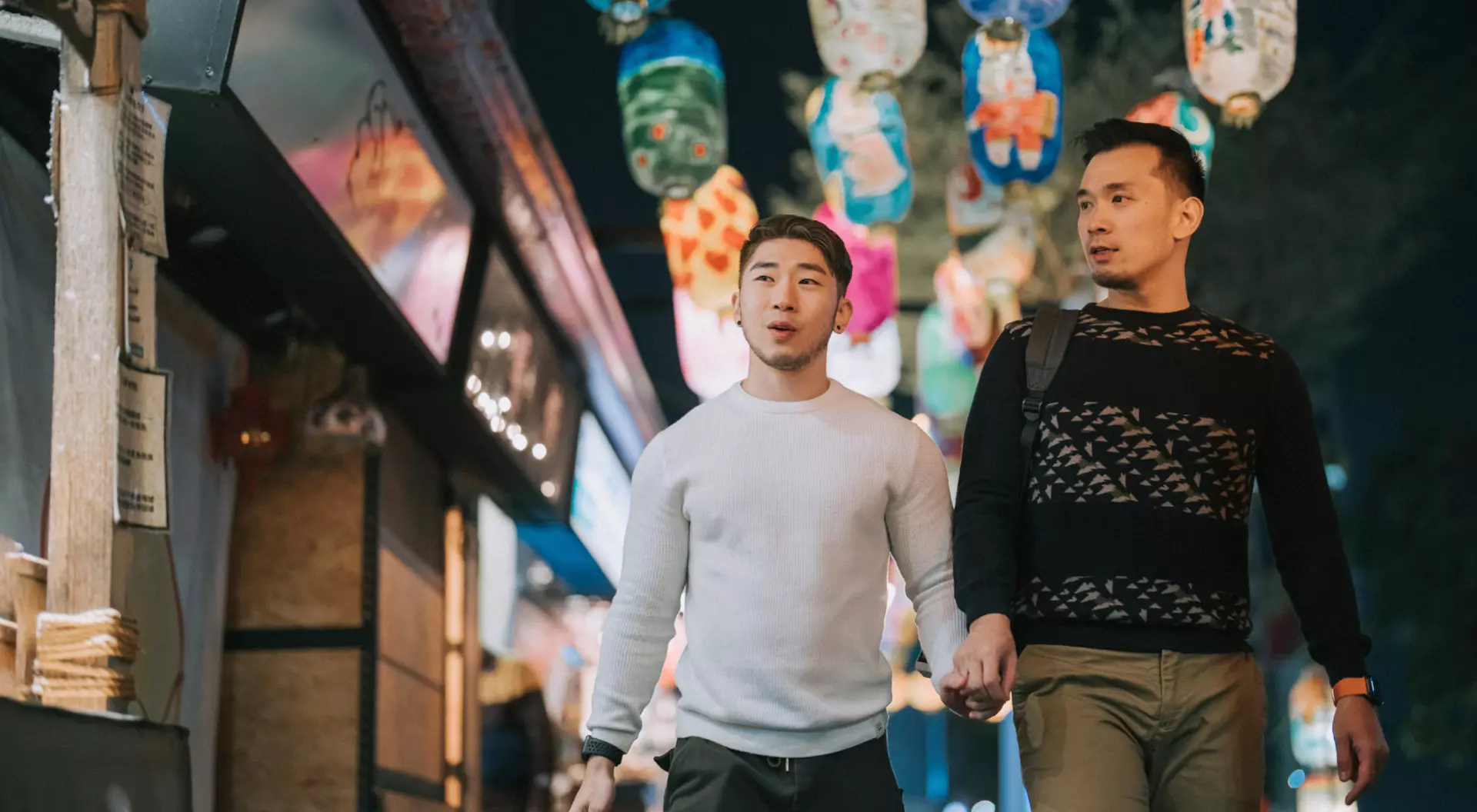


For LGBTQ+ globetrotters, there’s an extra layer of planning involved when visiting parts of the world where acceptance might not be a given. Will our relationships be recognized? Will we face issues requesting a shared room or bed? Will we be accepted as a family if travelling with kids? Does our destination recognize Trans identity or nonbinary gender?
In some cases, are we even safe visiting a particular destination?
All these are legitimate questions and in Asia, perhaps the most diverse continent on Earth, attitudes, experiences, and social norms vary widely. Many countries have something of a two-tiered attitude, welcoming LGBTQ+ tourism while not accepting such diversity among their own population. In the end, it’s entirely up to you how comfortable you are visiting such a country, but in this article, we look at 10 of Goway Asia’s most LGBTQ+ friendly destinations and why you might consider them for your next adventure.
10. Philippines
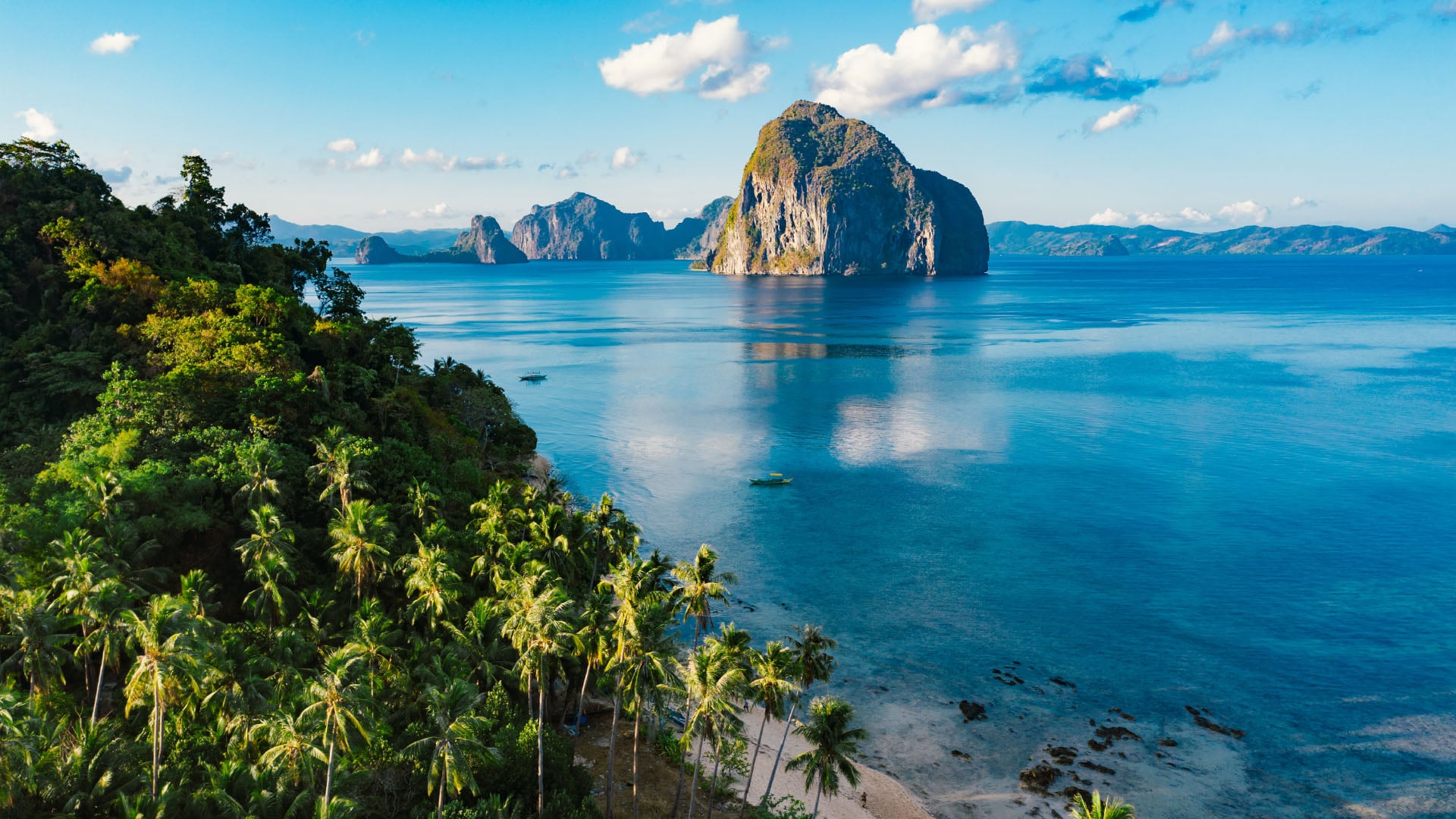
In a country where divorce remains illegal, you’d expect things to be a bit conservative when it comes to family. That said, tolerance is the social norm, and LGBTQ+ representation is widespread in Filipino media and daily life. Effeminate gay men are called bakla or binabae by friends (note these terms do not apply to Trans women), and are broadly accepted, while the term binalaki refers to a masculine woman (or ‘tomboy’) who may or may not identify as a lesbian. The Philippines also has a long history of gender and sexuality diverse individuals serving as spiritual leaders and healers. Manila is home to a rich and vibrant LGBTQ+ nightlife, but you’ll find attitudes accepting and relaxed throughout this incredible archipelago. The Filipinos also slay at karaoke regardless of orientation.
9. South Korea
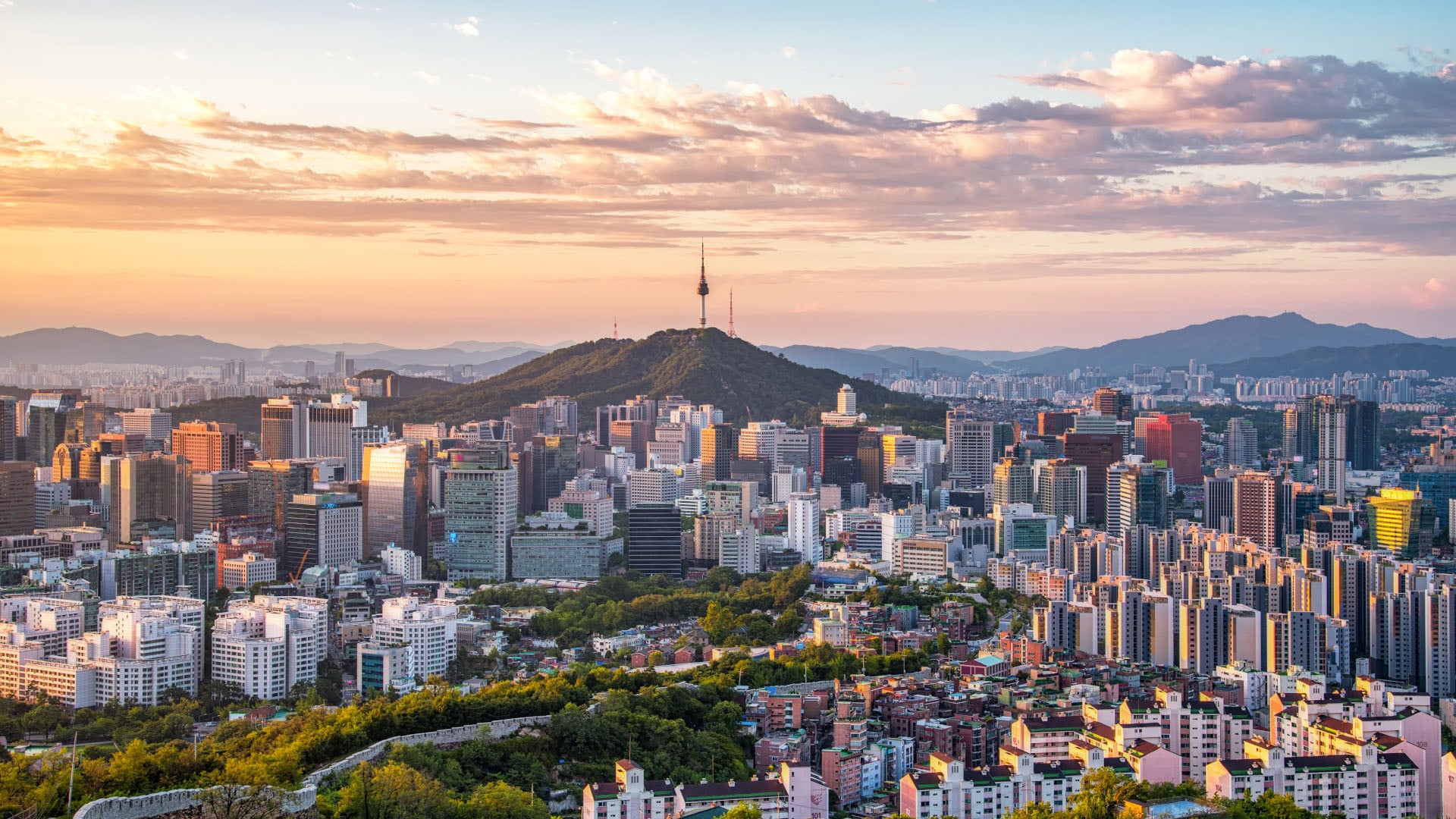
Against the tide of Confucian family norms and conservative Christian evangelism, LGBTQ+ Koreans are slowly increasing their cultural visibility. Hit up "Homo Hill" in the Itaweon district or Hongdae for Seoul’s best queer nightlife or visit in June when the Seoul Queer Cultural Festival fills the city with diversity and colour. Daegu holds a smaller, similar festival, while Busan’s Busanjin and Seomyeon districts offer LGBTQ+ friendly beach vibes. Keep in mind, not everyone who bucks gender norms or shows same-sex affection in South Korea is LGBTQ+. Public affection between platonic friends is common, as is makeup and a vigorous skincare routine, regardless of gender. But if you’ve paid any attention to the K-Pop revolution, you know this already.
8. China
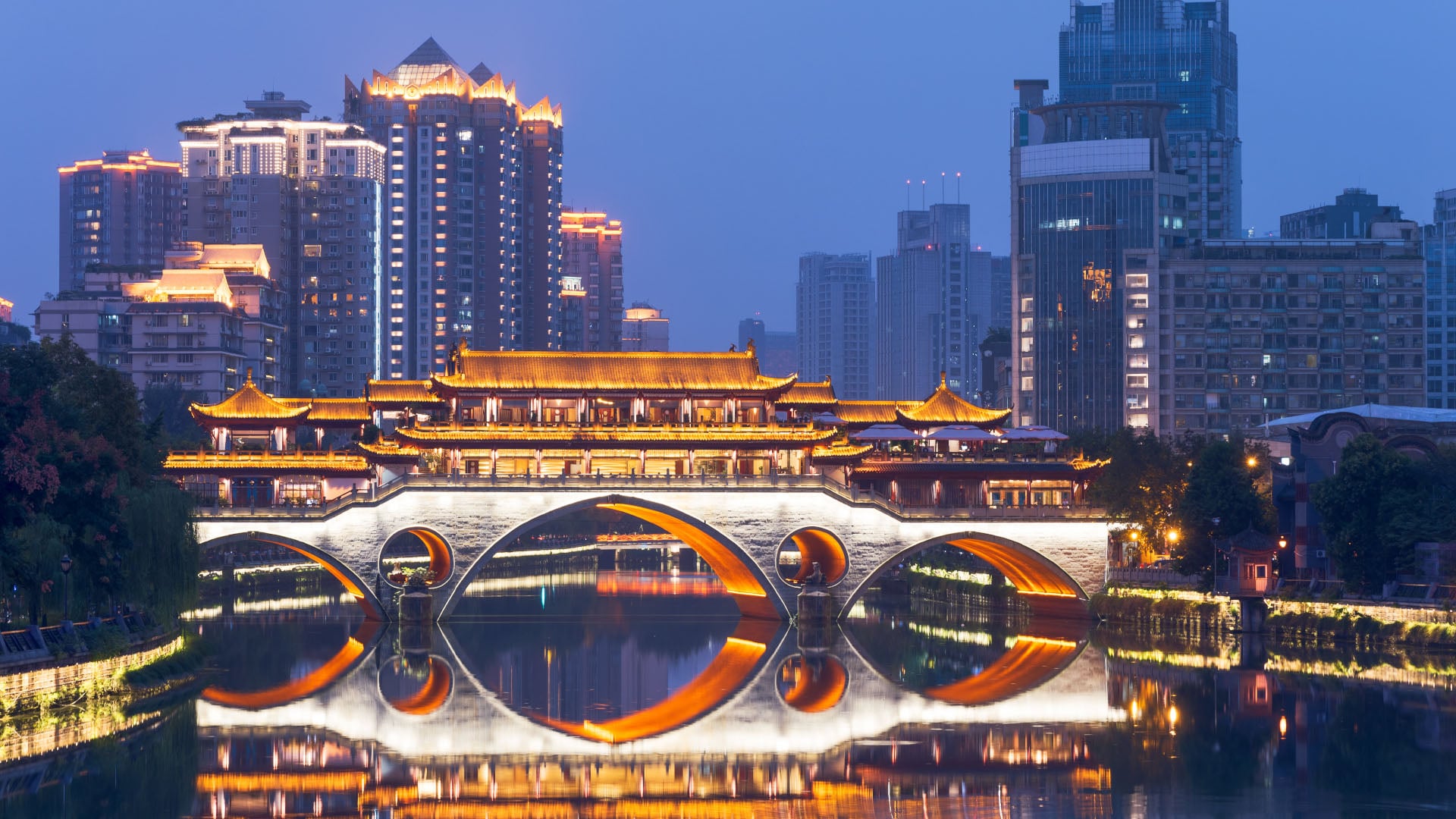
A "don’t ask, don’t tell" indifference defines LGBTQ+ life in China, but like the rest of the country, attitudes are rapidly modernizing, at least among the public. You’ll find active LGBTQ+ communities in many big cities like Beijing and Shanghai, often connecting via apps like Blued and Xiaohongshu. Chengdu is often hailed as China’s LGBTQ+ capital. Best known for its Giant Panda Breeding Research Base, this youthful, energetic city offers an ideal gateway to the stunning provinces of Sichuan, Tibet, Yunnan, and Guizhou, including the ultramodern sci-fi cityscape of Chongqing.
Embodying two systems, Hong Kong feels a bit different, with an annual Pride festival, plus an active bar, restaurant, and LGBTQ+ business scene visible throughout the special administrative region. With less than an hour’s ferry ride between them, Hong Kong-based community organizations and Pride events tend to serve Macau’s LGBTQ+ community as well.
7. Japan
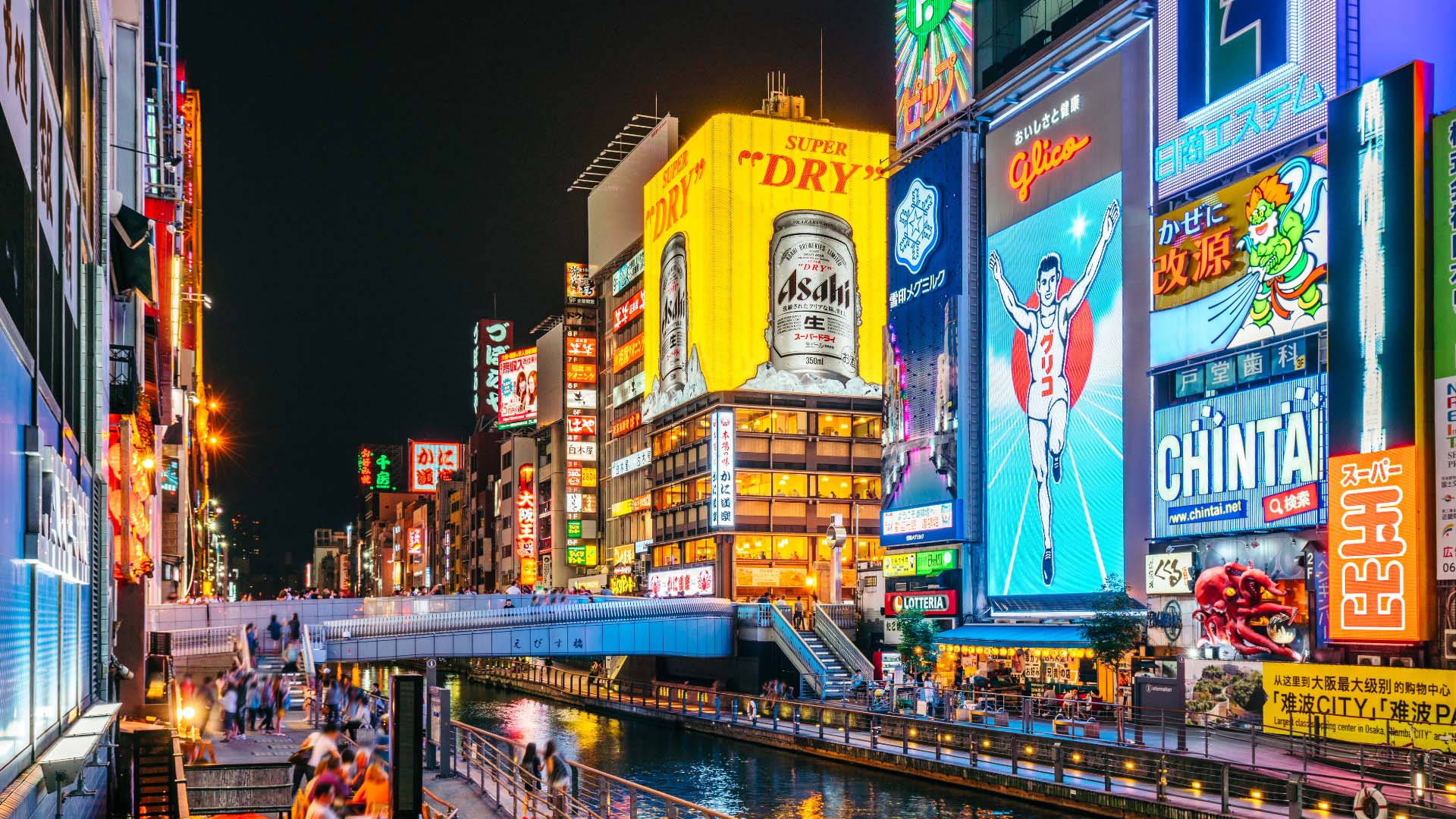
Japan’s LGBTQ+ culture is as rich, complex, and well-developed as the rest of the county. Despite conservative attitudes slowing both legal reform and social acceptance, LGBTQ+ media is popular in Japan—even having its own genres of manga—and there are literally hundreds of bars catering to various niches in Tokyo’s famous Ni-Chome gay village. Osaka also supports a rich and friendly nightlife scene, particularly in the Doyamacho district. Japanese entertainment has a long and proud history of playing with gender. Kabuki has a rich queer heritage while the more modern Takarazuka Revue brings an all-female face to beloved musicals. Contrary to myth, even male geisha exist! Known as hōkan, they usually specialize in comedy and witty banter, though less than a dozen hōkan are thought to be working in today’s Japan, making them the most expensive drag show on the planet.
6. Vietnam
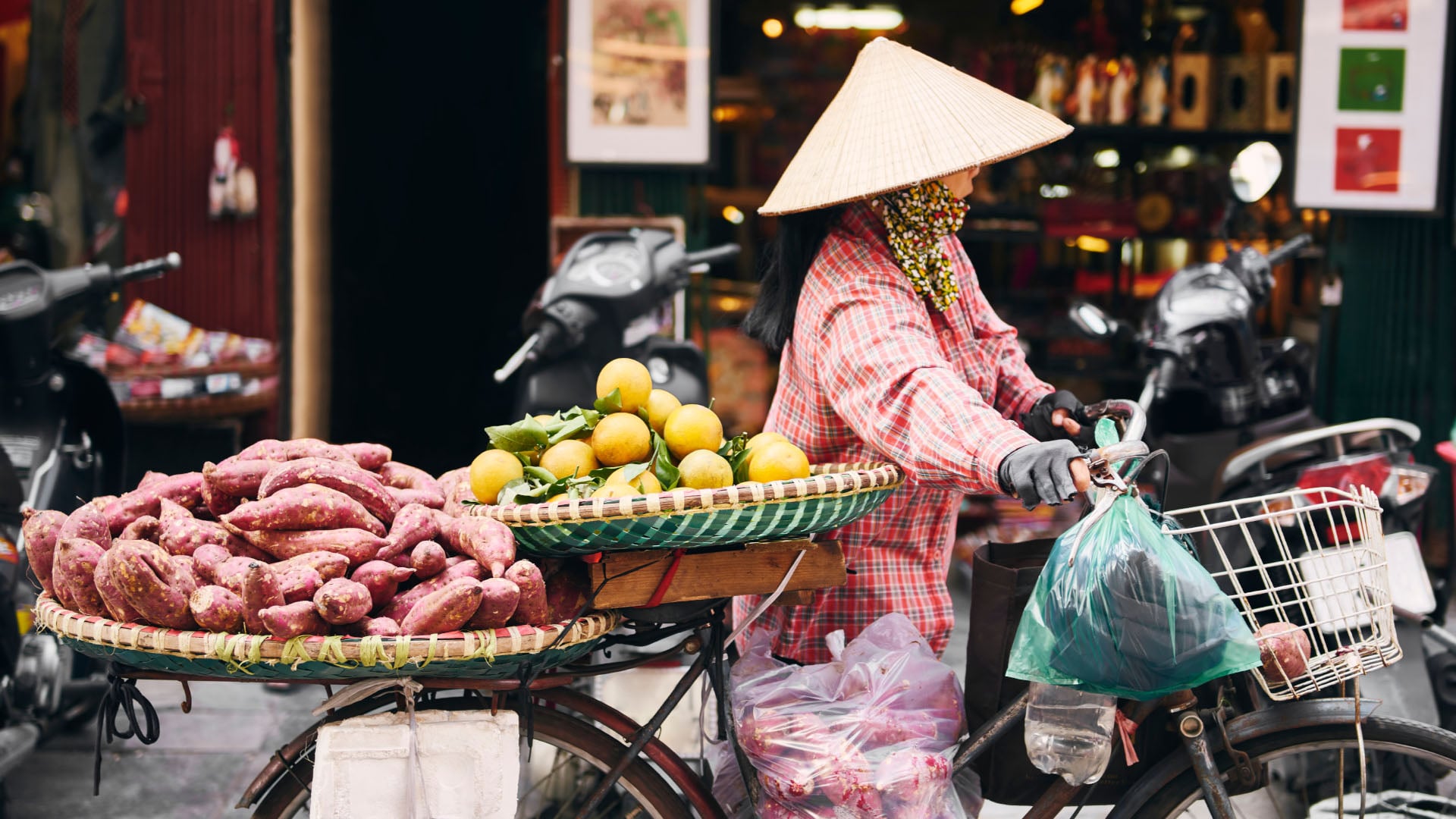
A "live and let live" attitude fuels daily life in Vietnam, and same-sex relations have never been illegal. Pride festivals are now common throughout the country while thriving communities fill cafes and bars in major cities including Hanoi and Ho Chi Minh City. Confucian attitudes around family can be rigid, but social change is a constant embraced in Vietnam. Respect cultural norms and you’ll feel extremely welcome. If you get a chance, take in a Lô Tô show, a uniquely Vietnamese LGBTQ+ cabaret often led by Trans women.
5. Bhutan
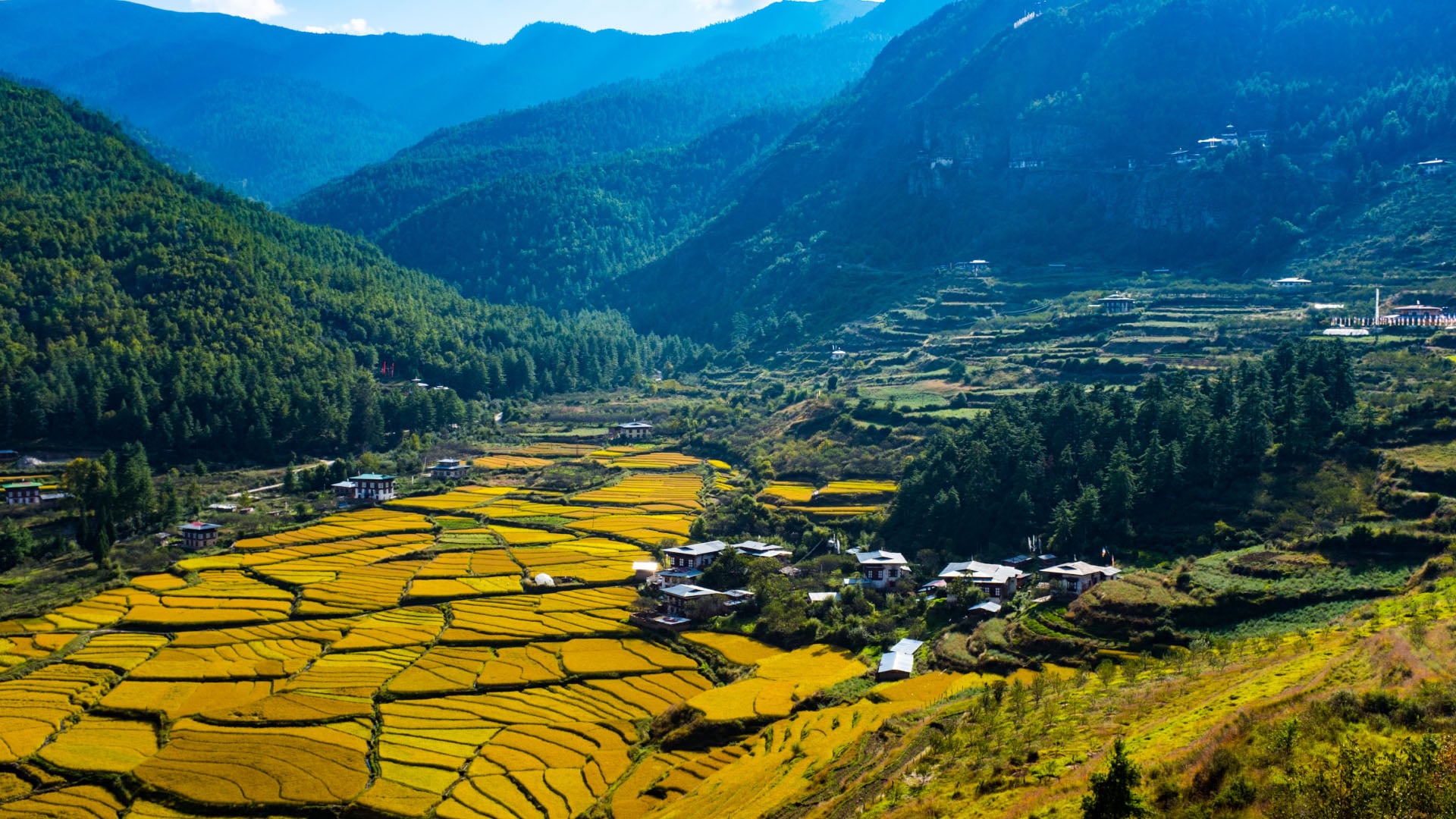
Bhutan only legalized same-sex relations in 2021, but that delay was more about ambivalence than prejudice. The predominantly Buddhist Bhutanese are more concerned with happiness, harmony, and quality of life than labels or identity politics. For that reason, you won’t find a lot of specific LGBTQ+ culture in Bhutan, but you’ll also find very little prejudice. With that low-key acceptance in mind, a trip to the land of Gross National Happiness remains one of the most unique vacations you’ll ever take.
4. India
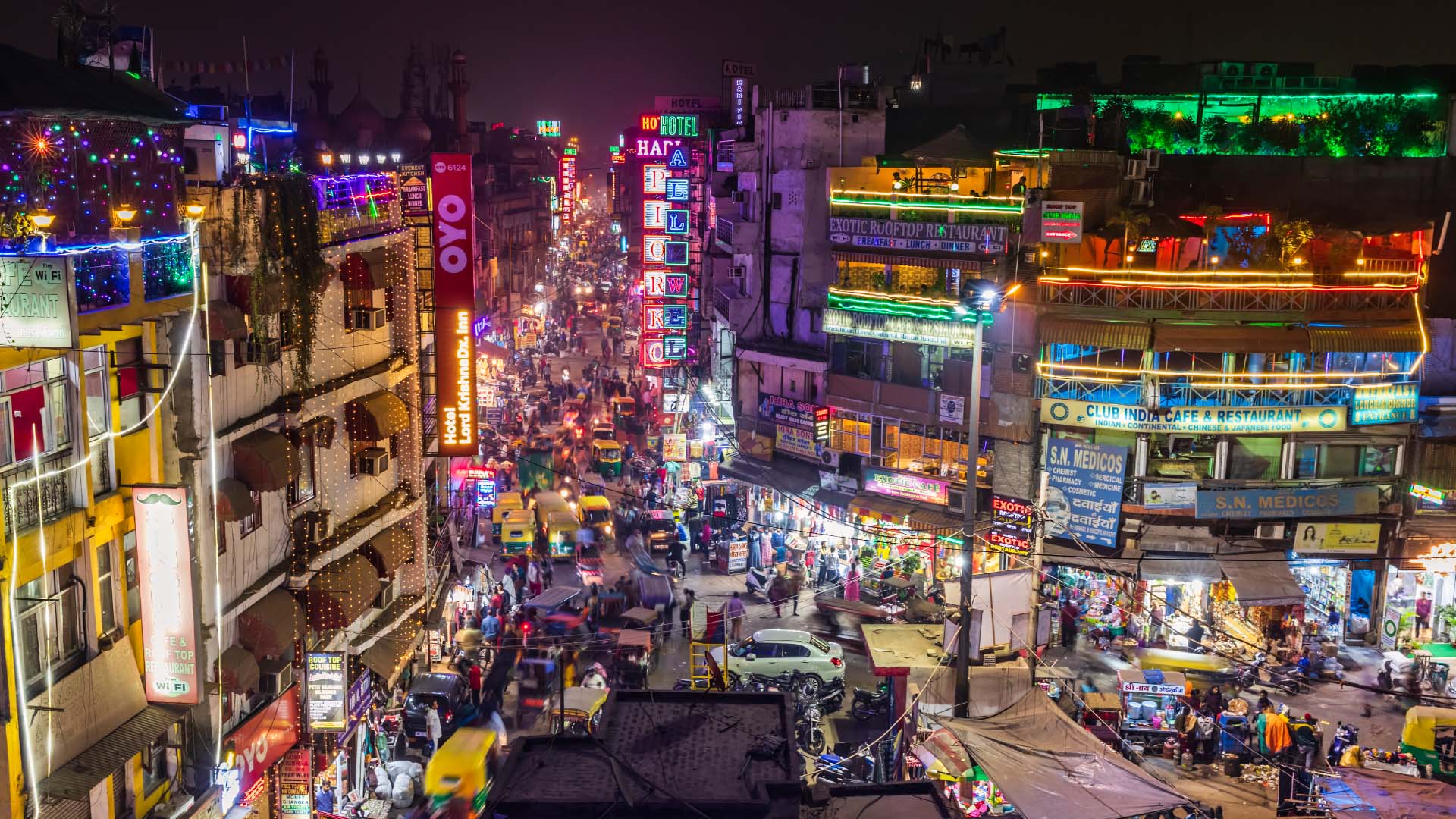
Family life dominates Indian culture, prompting many LGBTQ+ individuals to find community support and found families in large cities like Delhi, Mumbai, and Bangaluru. That said, LGBTQ+ bars, restaurants, hotels, and other businesses are popping up rapidly in these cities and across India, alongside growing Pride and LGBTQ+ film and literature festivals, so you won’t have to look too far to catch a glimpse of local life or find new friends. Diverse forms of gender are an integral part of Indian culture, ranging from the hijra (transgender) community to revered mythological figures.
3. Nepal
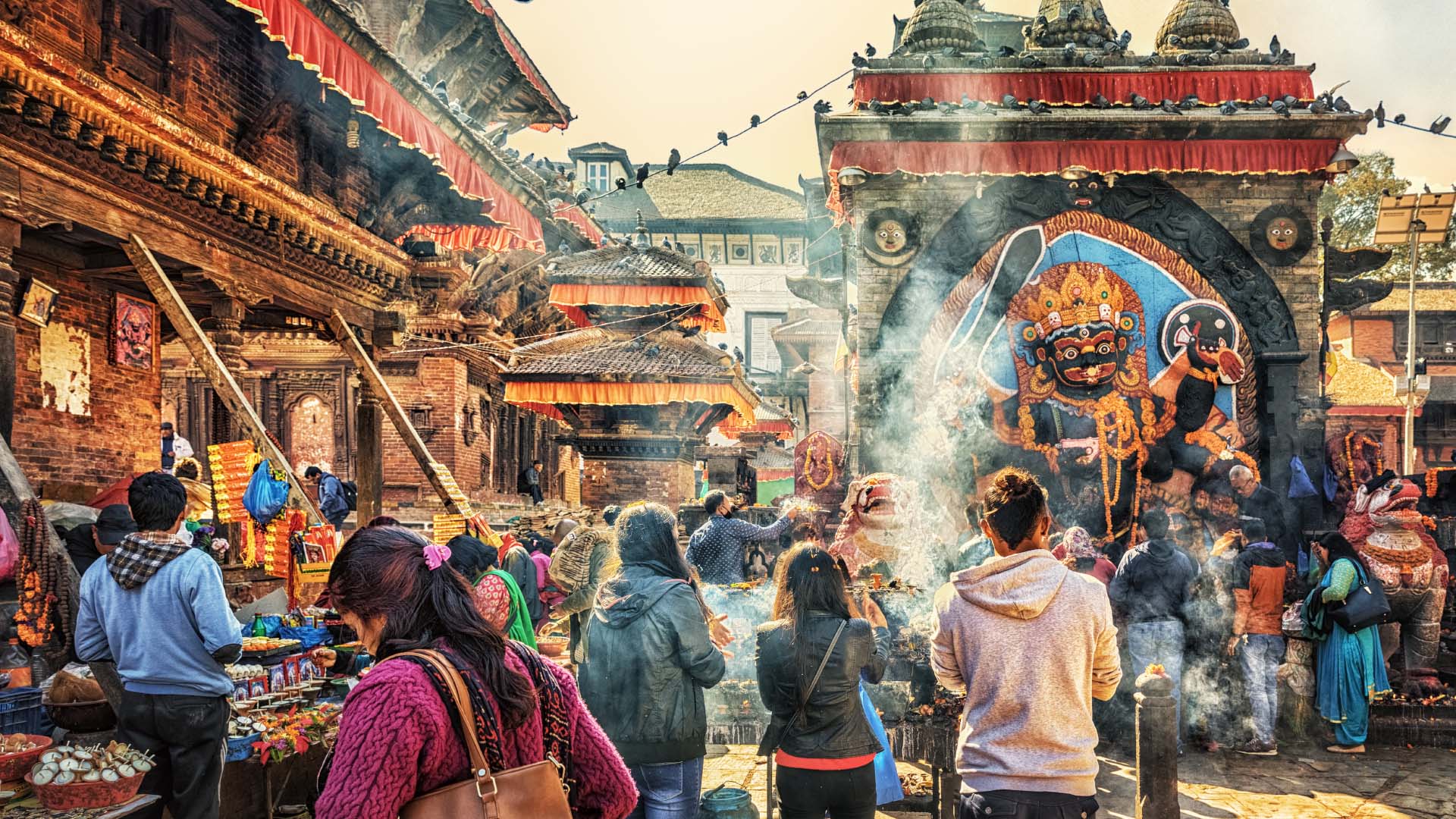
Nepal has reshaped itself into an LGBTQ+ equality leader in less than two decades since legalization. A "don’t ask, don’t tell" culture is backed by legal protections against discrimination, official recognition of a third gender (check your arrival form), and same-sex marriages. Gender diversity plays an active traditional role, often represented by metis, women assigned male at birth who are said to ward off evil and bring luck at events such as weddings and births. LGBTQ+ tourism is also robust throughout the country. Blending this with spirituality, culture, cuisine, national parks, and some of the most spectacular terrain on earth, the sky’s the limit for welcoming Nepal.
2. Taiwan
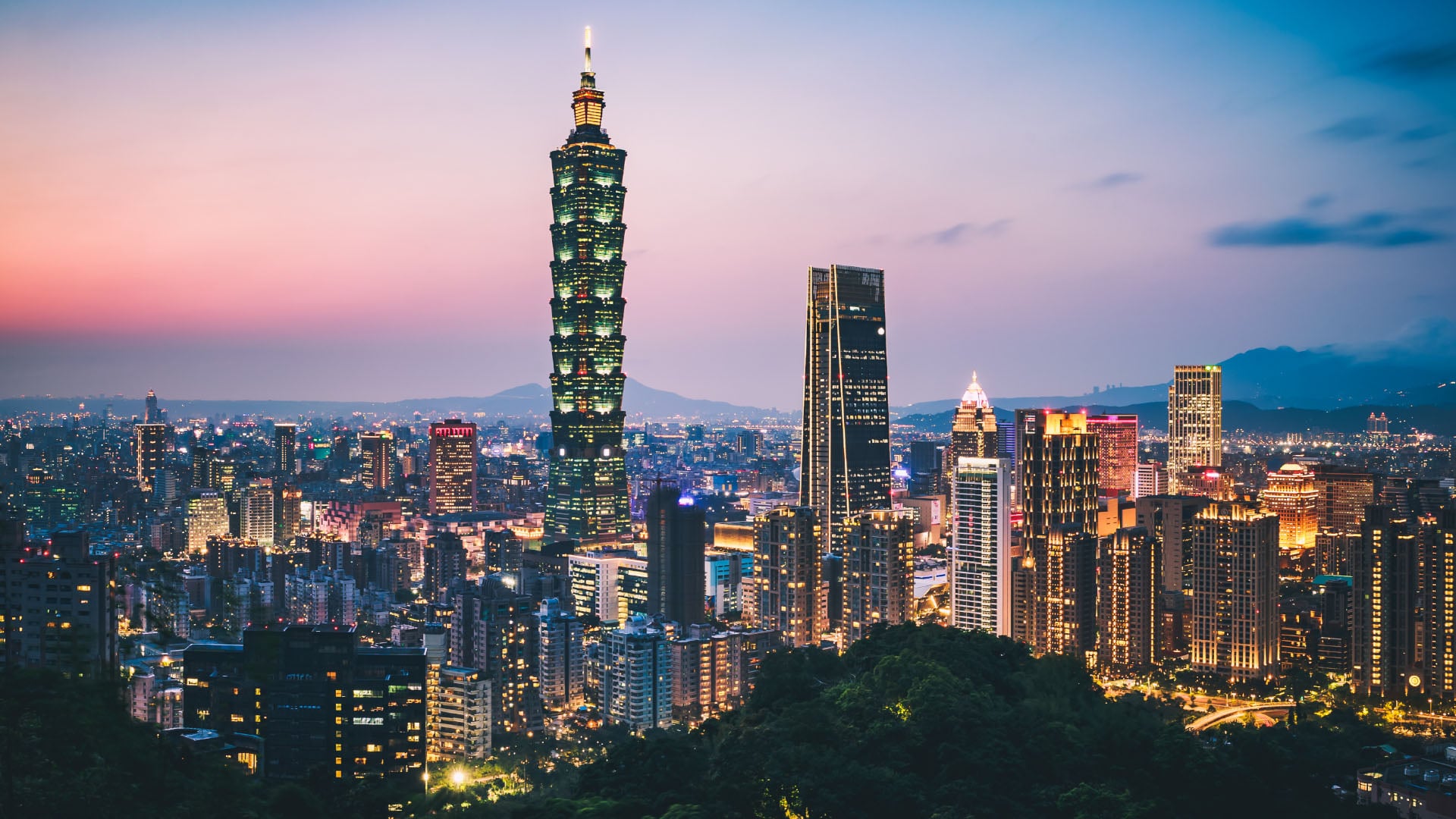
Taiwan was Asia’s first country to legalize same-sex marriage (2019) and is home to its biggest Pride festival, held in late October in Taipei. Here, there is a large gay village, concentrated in the Ximending district, and an unusually rich lesbian and alternative queer scene, with cafes and bookstores balancing out the bars. LGBTQ+ themes are widely accepted in Taiwanese media and there’s even a rabbit god—Tu'er Shen—dedicated to same-sex love, honoured at Wei-ming Temple in New Taipei City. Anti-discrimination laws are robust, and individuals can legally change their gender, making Taiwan a regional beacon for LGBTQ+ equality.
1. Thailand
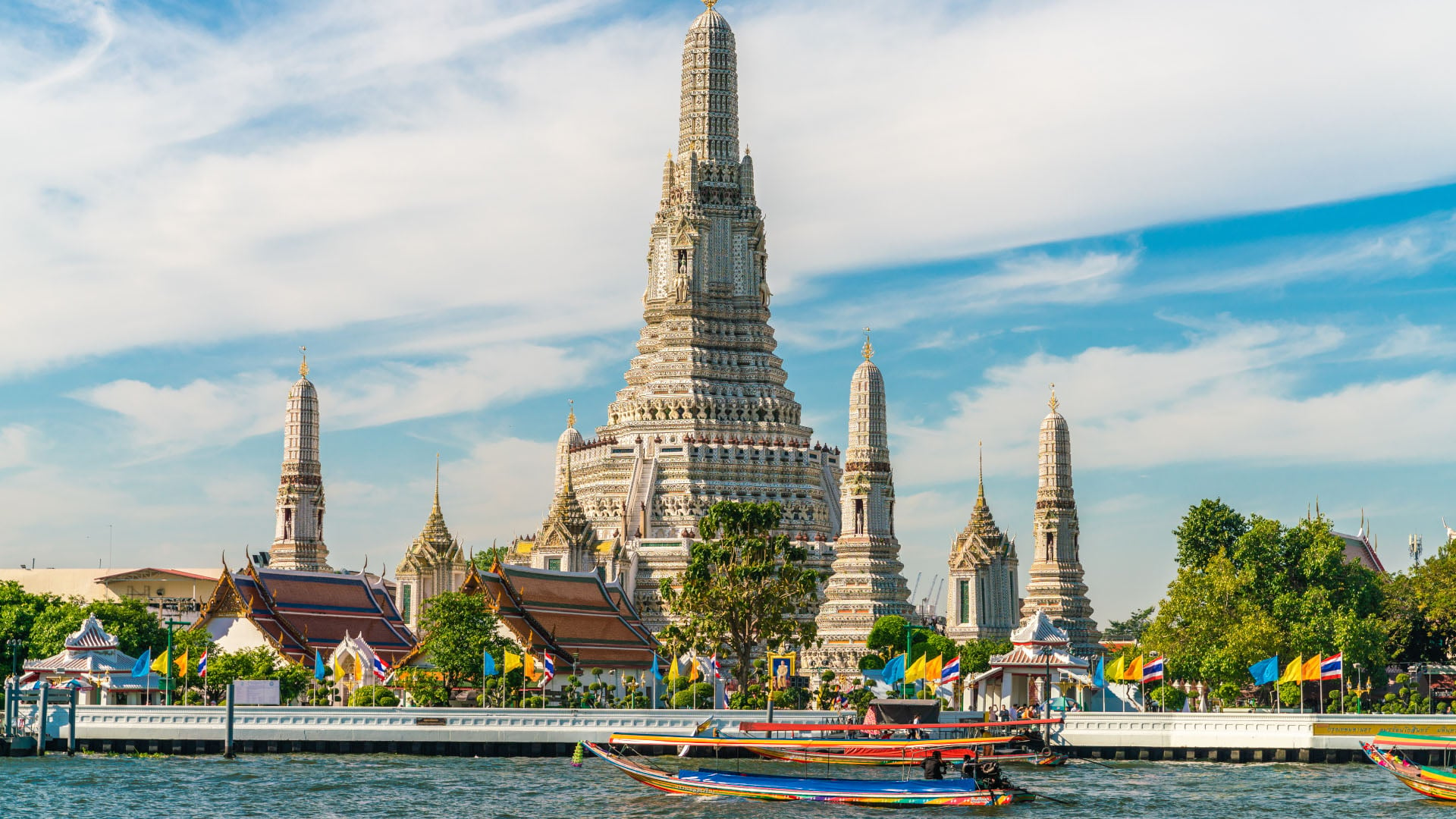
Night out at Bangkok’s House of Heals, anyone? Thailand has long been Asia’s leading LGBTQ+ travel destination and a benchmark for equality and cultural integration in the region. With same-sex marriage now enshrined in law, it’s not slowing down. LGBTQ+ themed entertainment is common in Thailand and hugely popular even with mainstream audiences (If you think Heated Rivalry broke that barrier, hold my Singha beer). You’ll find vibrant, diverse LGBTQ+ nightlife areas in Bangkok and Phuket, along with smaller, locally operated bars, restaurants, and cafes throughout the country. Compassionate Buddhist philosophy shapes local attitudes, meaning Thailand can offer a relaxing beach vacation, a journey through nature or history, a spiritual or wellness journey, or any combination your heart desires regardless of who it desires.
Final notes on LGBTQ+ travel in Asia.
Public displays of affection are not the norm in Asia, regardless of orientation, so keep them minimal, even in Thailand (Taiwan is a bit more relaxed about this). Discretion is valued in most parts of Asia, and as a rule, locals are far more likely to care about your respect for social etiquette than about your personal life.
Don’t count out the countries that didn’t make this list. Singapore has risen fast in terms of LGBTQ+ acceptance since scrapping its anti-gay laws in 2023 and had a well-established community long before that. Cambodia meanwhile has a thriving LGBTQ+ tourism sector despite legal ambivalence.
Laws and attitudes vary by district in some countries. Indonesia, for example, is incredibly conservative, but you wouldn’t know it by visiting Bali, particularly around Seminyak. Discretion is advised in the rest of the country, but contrary to popular belief, same-sex relationships are legal in all regions of Indonesia except Aceh.
Finally, and perhaps most importantly, leave any North American norms and expectations at home. Asia’s cultures and LGBTQ+ history are unique, and the preference for social harmony over individualism in many Asian countries shapes a very different climate around LGBTQ+ rights. If you embrace those differences as part of the adventure, you’ll have a much more authentic and engaging experience.

Christian’s first globetrotting adventure saw him get lost exploring the streets of Saigon. Following his nose to Asia’s best coffee, two lifelong addictions were born. A freelance writer and novelist, Christian’s travels have since taken him around his native Australia, Asia, Europe, and much of North America. His favourite trips have been through Japan, Spain, and Brazil, though with a love of off-beat, artsy cities, he’ll seize any opportunity to return to Paris, New York, or Berlin.