On this page


Picture this: You are standing on a misty mountain ridge 1,500 metres above sea level, surrounded by emerald-green cloud forest and the call of wild birds. The air is crisp and cool, smelling of rain and fresh pine. By afternoon, you are floating across glass-still volcanic lakes, and by sunset you are sipping artisanal rum in a centuries-old open-air courtyard.
Nicaragua is the largest country in Central America, home to vast highland nature reserves, two stunning coastlines, the region's largest freshwater lake, a dramatic spine of active volcanoes and patrimonial cities founded nearly 500 years ago. Yet, it remains wonderfully undiscovered, receiving only a fraction of the region's visitors.
For travellers who measure a journey by raw discovery and wide-open spaces rather than how often a place trends on their feed, Nicaragua is the jewel waiting to be unlocked. Here is how to experience it in style.
Classic Nicaragua: Granada, Matagalpa & More
Drift among Nicaragua’s volcanic lake islets, wander colonial streets, explore cloud forests and coffee country, then relax by the Pacific amid jungle-fringed shores.
Highlights of Nicaragua: Granada, Leon & More
Experience the colourful culture and stunning landscapes of Nicaragua on a thrilling trip through Granada, León, and the beautiful beaches of San Juan del Sur.
Nicaragua In Style: Leon, San Juan del Sur & More
Venture through Nicaragua’s captivating landscapes and history. This itinerary weaves together colonial charm, culinary delights, and beachside bliss.
Coffee country: Matagalpa and the Selva Negra cloud forest
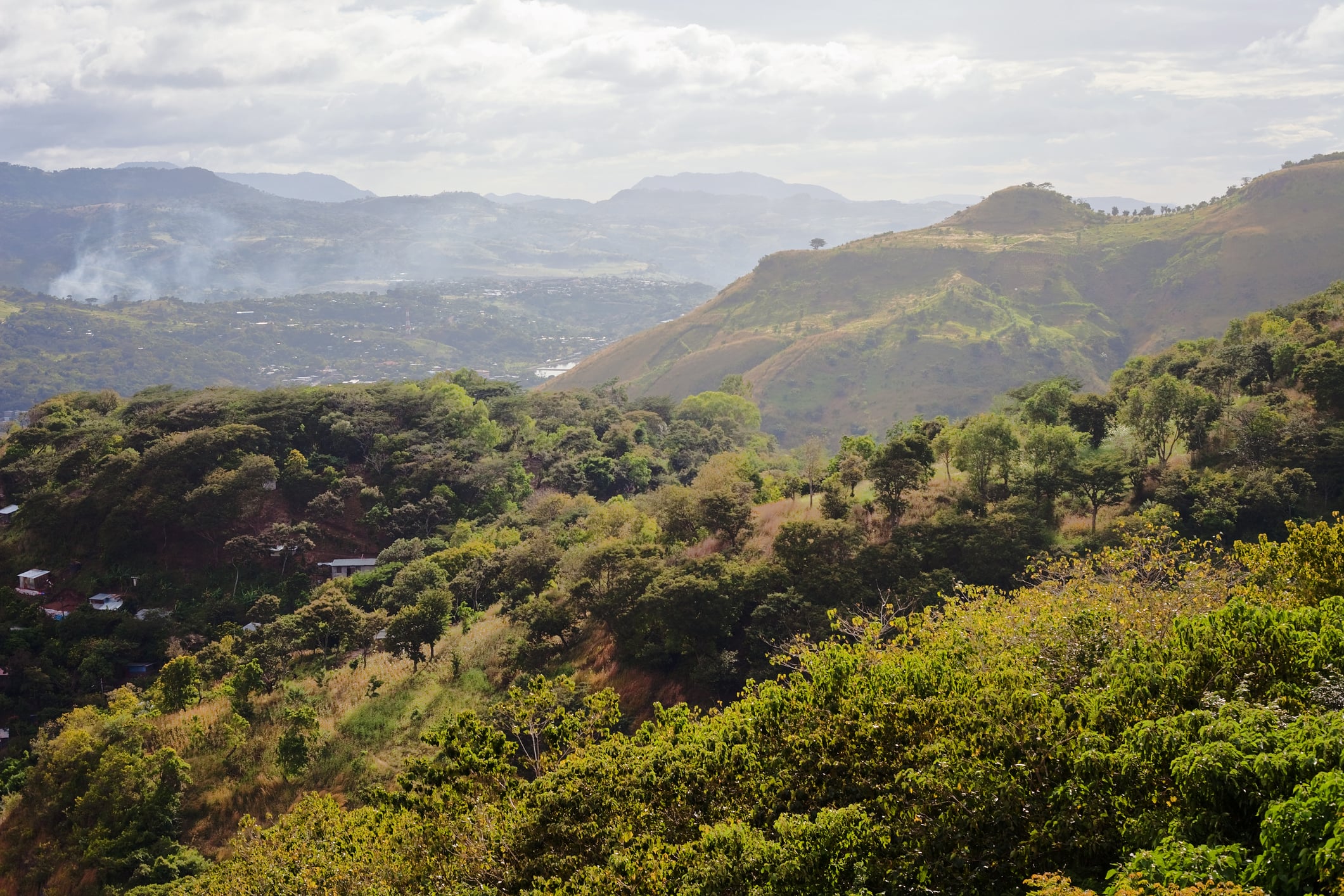
If you think Nicaragua is all tropical heat, the northern highlands around Matagalpa will completely change your perspective. Here, the landscape transforms into cool, emerald-green cloud forests where mist clings to the canopy and mountain breezes keep the temperature pleasantly fresh.
Base yourself at Selva Negra Ecolodge, an estate carved into the high continental divide between 1,300 and 1,500 metres above sea level. Founded in the 19th century by German immigrants who brought coffee culture to the region, the property remains an organic farm and private nature reserve today.
This region is also a birder’s paradise, with Pacific-slope, Atlantic-slope, and mountain species sharing a single locale. Even novice birders routinely find dozens of species a day out with local guides. Pair this with a hike through the nearby Cerro Apante Nature Reserve, and you will enjoy some of the finest high-altitude views in the country.
Colonial Granada and the islets of Lake Nicaragua
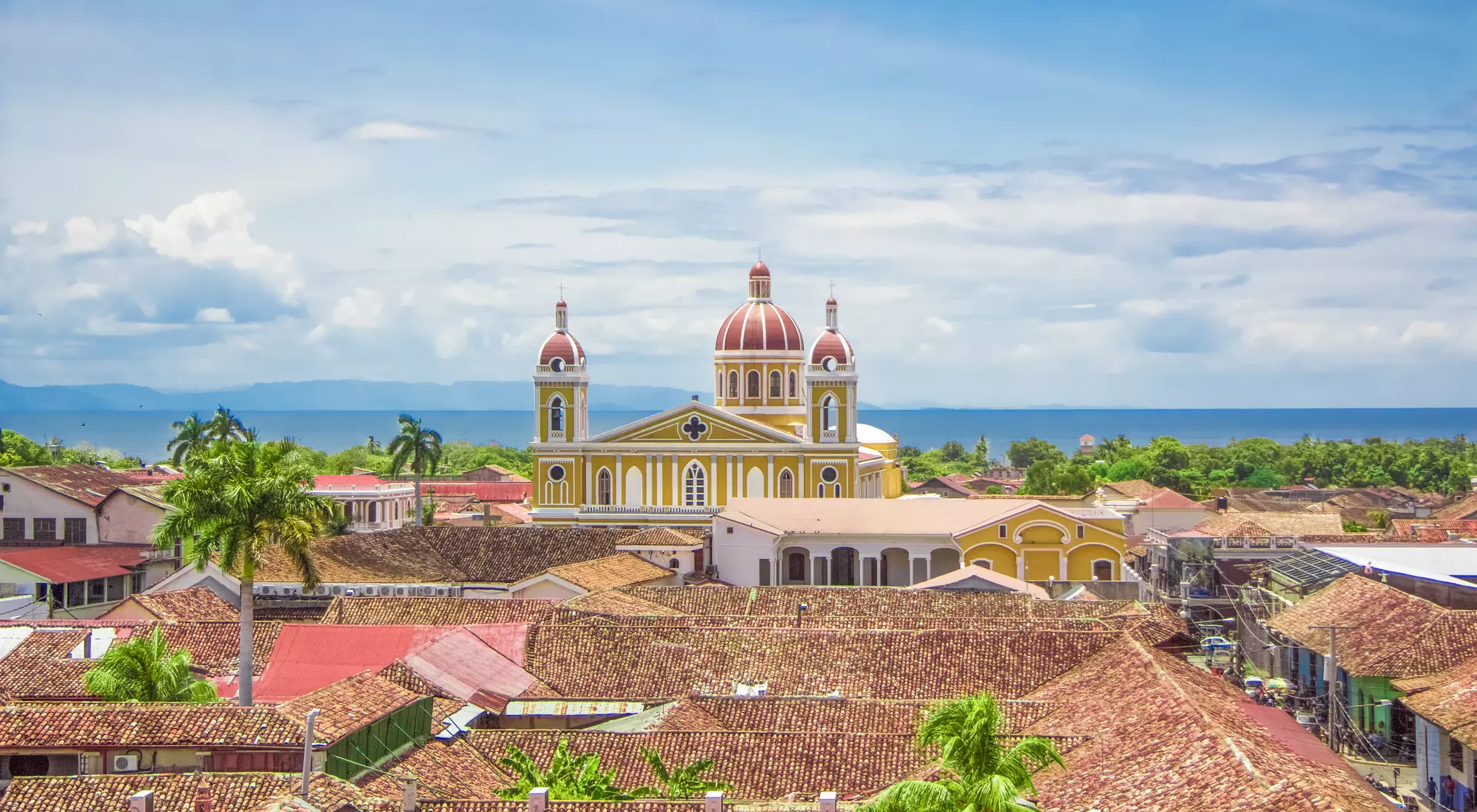
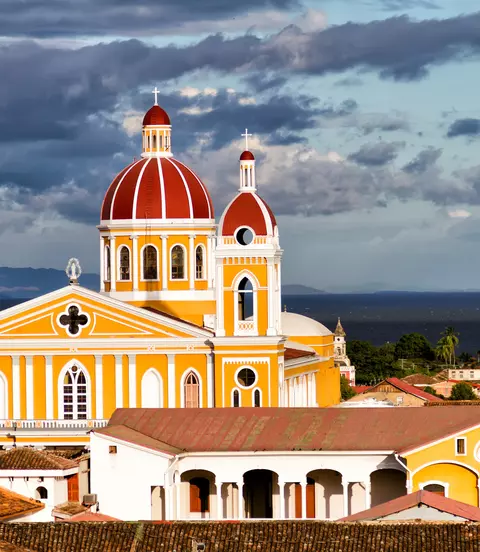
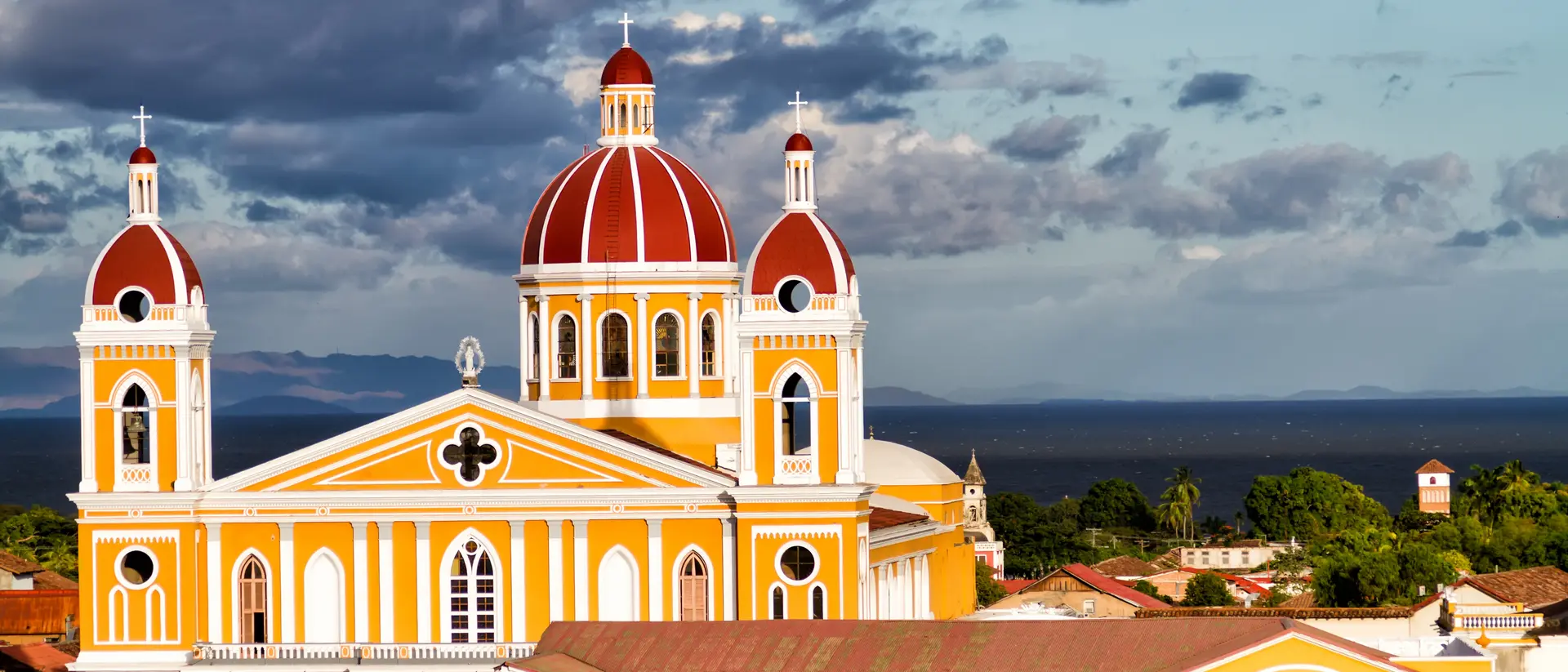
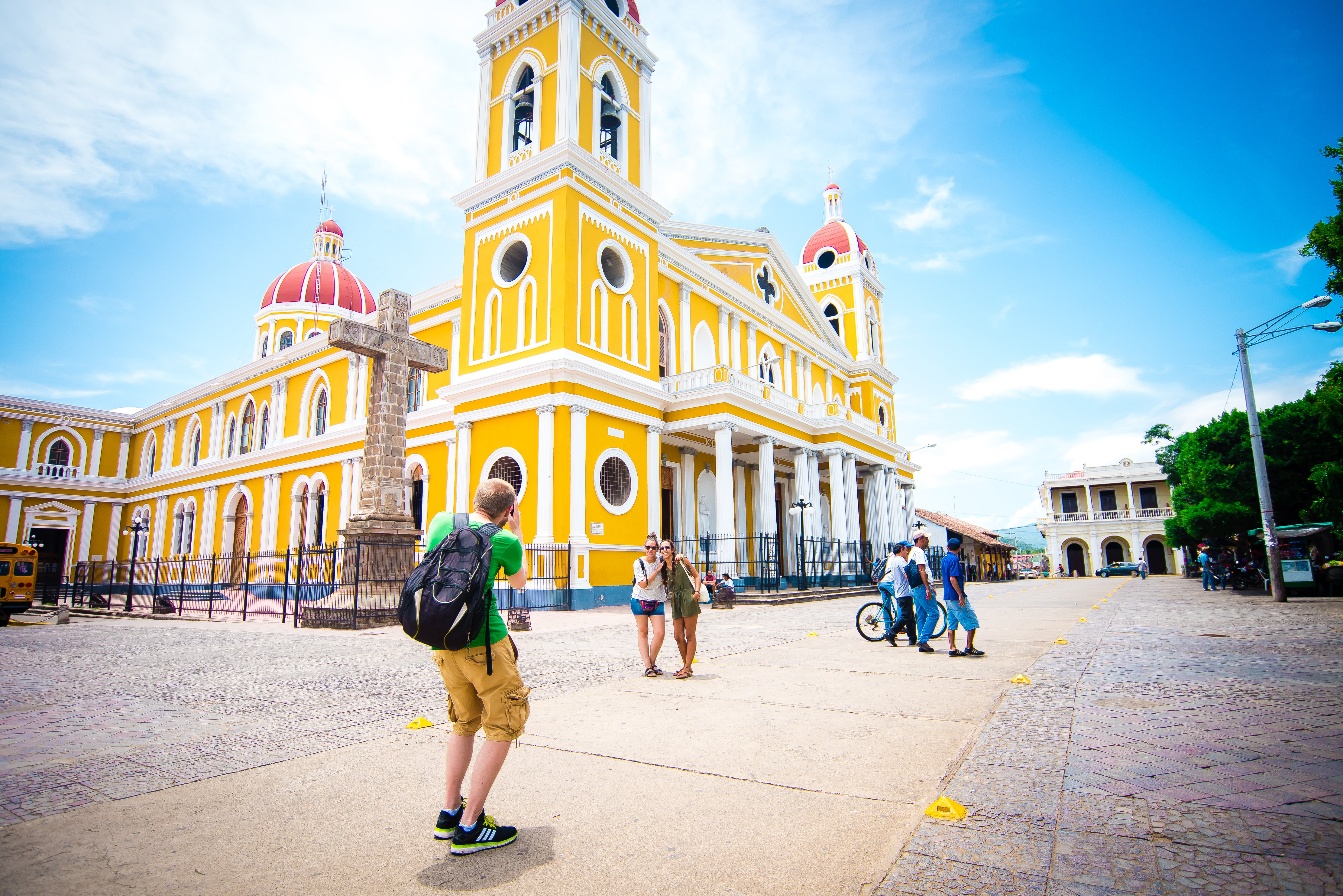
Descend from the cool mountains down to Granada, one of the oldest European-established cities on the American mainland, founded in 1524. Bright ochre and deep indigo facades line the city streets around a cathedral-dominated plaza, and restored 19th-century homes now operate as boutique hotels.
Begin your day at Hotel Plaza Colón, where you can watch the city wake up from the hotel balconies facing the cathedral plaza. Step outside and you are only minutes away from the stunning Hotel Darío that recreates the grand, open-air proportions of 19th-century aristocratic life.
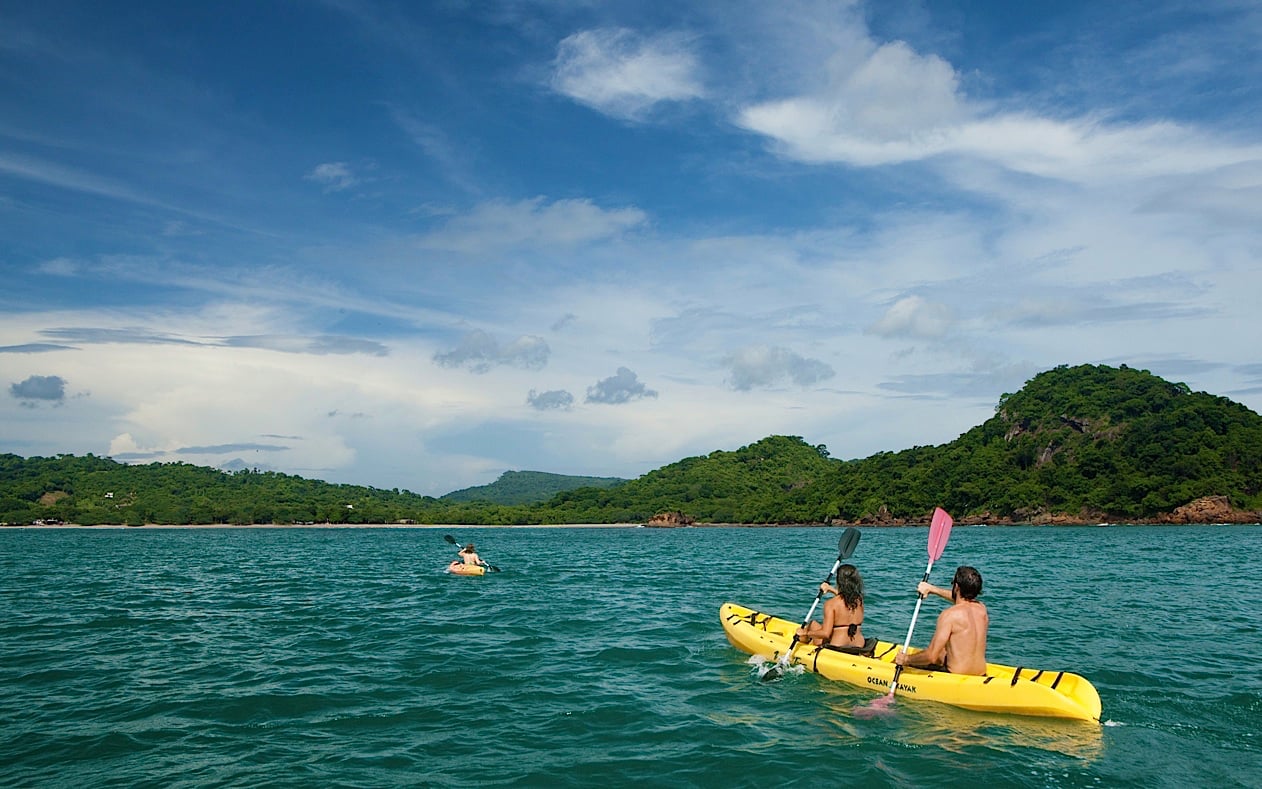
The experience in Granada you absolutely cannot miss, however, is found just offshore at Las Isletas: a magnificent archipelago of forested islets scattered across Lake Nicaragua, created by a volcanic eruption roughly 20,000 years ago. Skip the big tour boats and grab a kayak or paddleboard at dawn when the lake is smooth as glass, and glide through local fishing communities, ancient Spanish fortresses, and trees heavy with toucans and howler monkeys.
León: murals, a UNESCO cathedral, and volcano boarding
León is Granada's historic rival and known as Nicaragua’s intellectual and artistic capital. It is home to Nicaragua's first university, founded in 1812 and known today as UNAN-León, and its streets are lined with expressive murals telling the story of the nation’s artisitic legacy.
A guided walk moves from revolutionary murals to baroque and neoclassical churches to the León Cathedral UNESCO World Heritage Site. The León Cathedral, built between 1747 and the early 19th century, is a beautiful and eclectic architectural masterpiece that blends heavy Baroque strength with airy Neoclassical design. You can walk across its white-washed roof for sweeping views of the city's church spires framed by a backdrop of smoking volcanoes.
Next, the Ortiz-Gurdián Foundation Art Center is set across six restored patrimonial mansions housing impressionist works and Latin American art in shady courtyard galleries. When night falls, retreat to Hotel El Convento, built on the site of the former 17th-century San Francisco Convent.
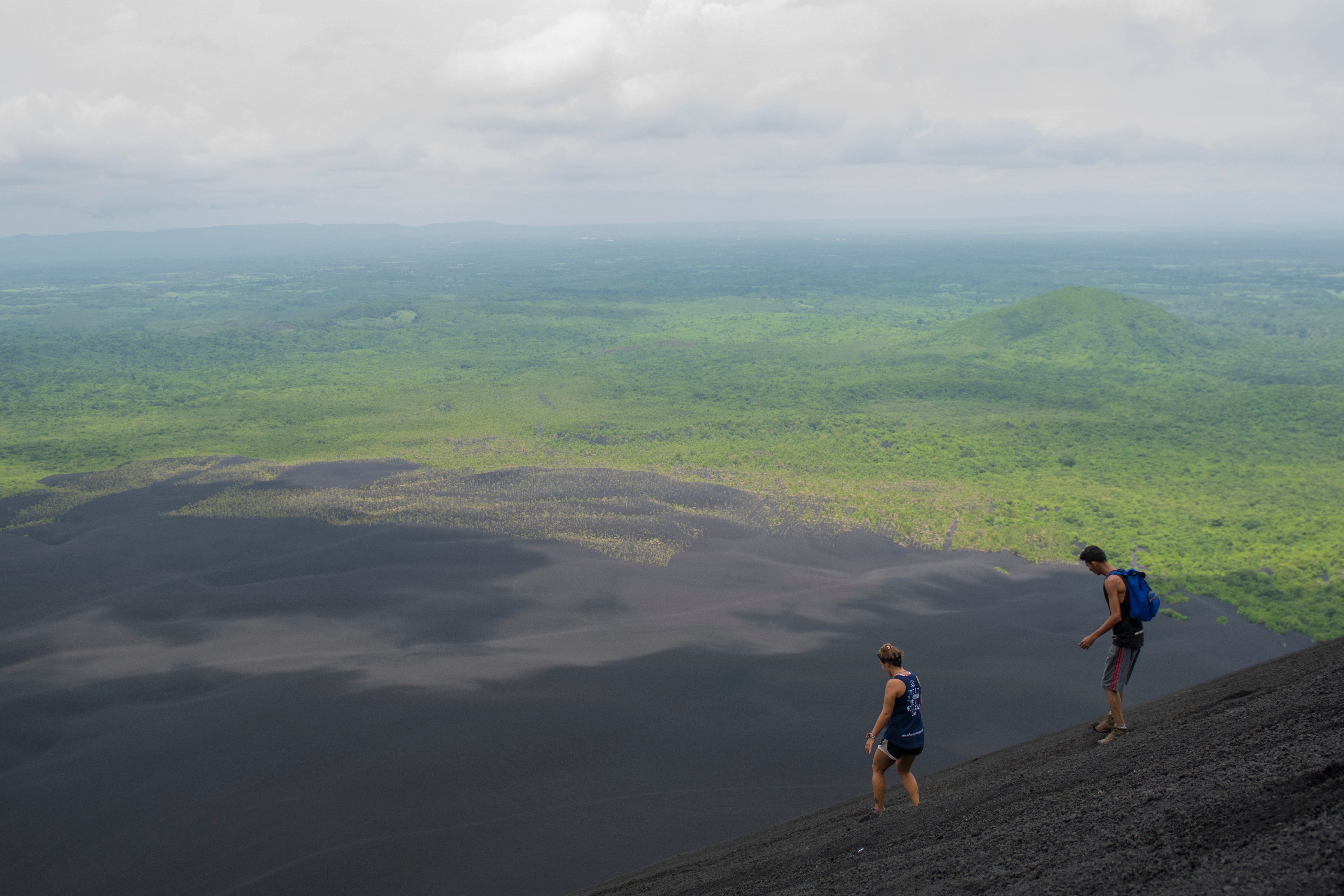
Then, venture only an hour outside of the city to Cerro Negro, one of Central America’s youngest active volcanoes, for adrenaline-filled volcano boarding. The adventure starts with a hike up the stark volcanic ridge, where sweeping 360-degree views of the Maribios mountain chain stretch out around you. At the top, you strap into a jump suit and goggles, sit atop a custom wooden board and launch down a 700-metre slope of jet-black volcanic ash.
After conquering the volcano, head west to the Juan Venado Island Reserve where you will cruise through winding mangrove channels where you can spot nesting herons, egrets, caimans and monkeys, before finally arriving at a pristine, 20-kilometre stretch of untouched Pacific coastline.
San Juan del Sur and the Pacific coast
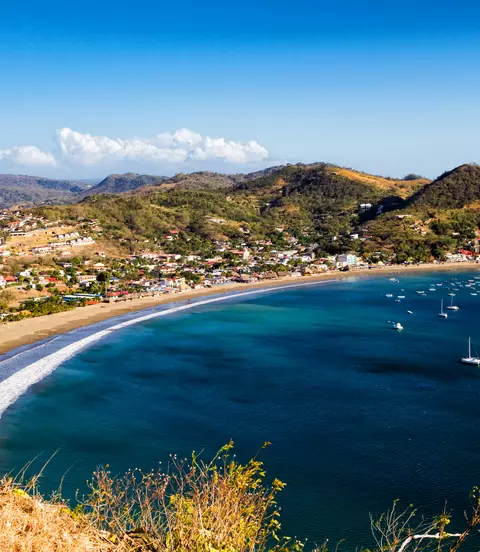
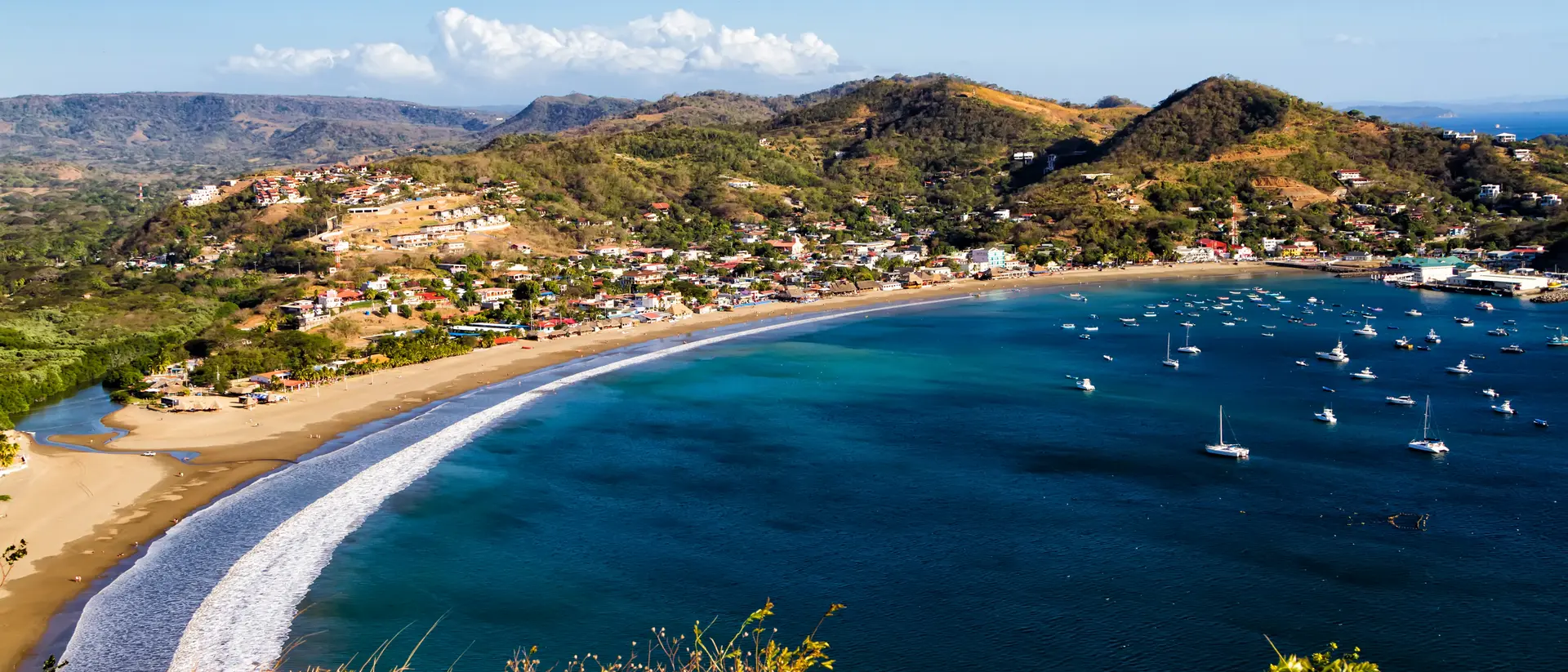
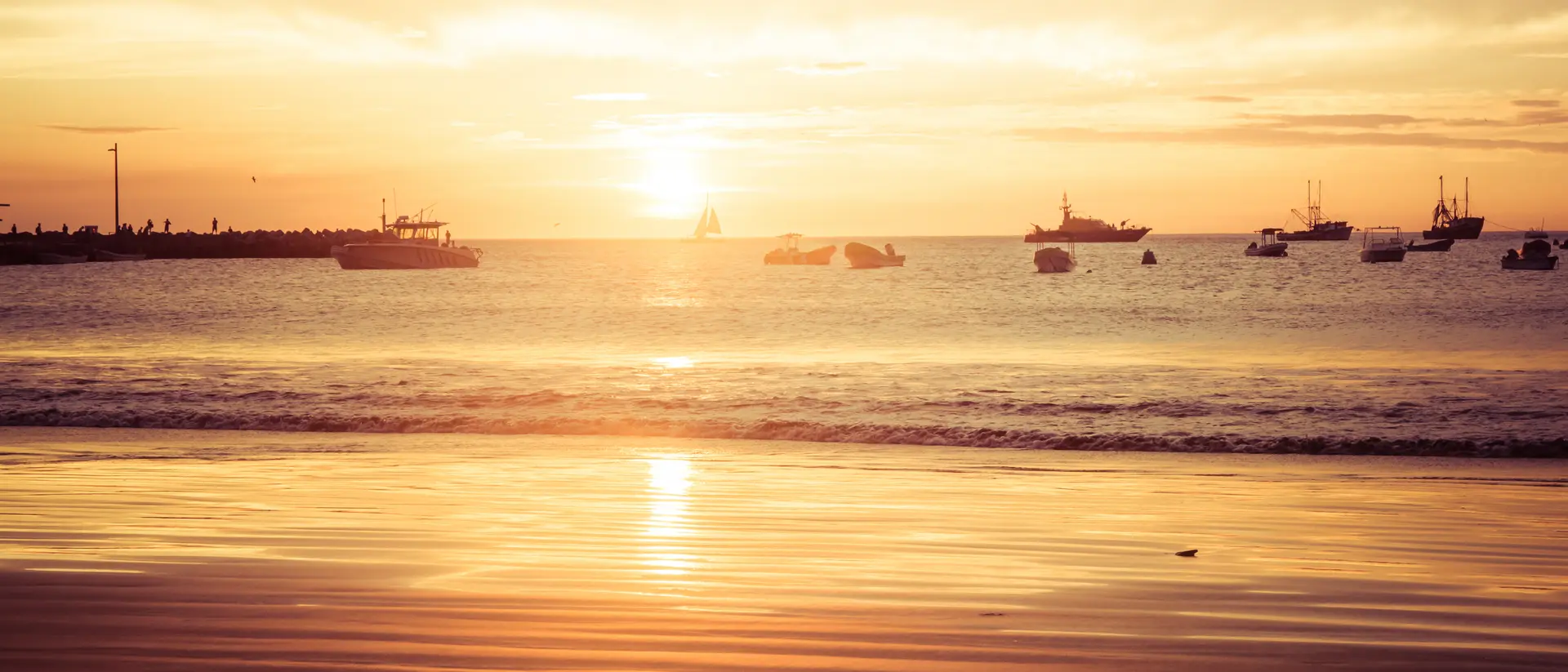
The natural finale of your trip to Nicaragua is the Pacific. San Juan del Sur curves around a horseshoe bay in the country's far southwest, with surf breaks strung along the coastline to either side and calm morning water inside the bay for paddleboarders.
Five minutes from town, a canopy tour runs 2.5 kilometres (1.5 miles) of zip-lines across 16 cables and 17 platforms, with monkeys and raccoons in the trees and the full sweep of the bay below.
This coast also holds some of Nicaragua's best luxury accommodations. TreeCasa Hotel & Resort spreads 32 rooms across two-storey ranches set among pools, a waterfall, an organic garden, and a private beach. Up the coast, Morgan's Rock Hacienda & Ecolodge places fifteen bungalows and three private-pool villas above a mile-long beach visited year-round by nesting sea turtles, inside a 4,000-acre property that is nearly half private nature reserve.
Nicaragua's authentic character and unmatched value
Nicaragua offers an unbelievable balance of prestige and raw authenticity. Instead of ultra-processed luxury resorts, you get to experience intimate patrimonial mansions, private-pool eco-villas and extraordinary guided adventures at a fraction of what you would expect to pay for premium travel anywhere else in the tropics.
Whether you are travelling as a family playing in TreeCasa’s pools, a couple hiding away at Morgan’s Rock or a culture seeker tracing the historic plazas of Granada and León, Nicaragua delivers unequivocal travel grounded in real culture and nature.
How to travel to Nicaragua with Goway
Goway has been building tailor-made journeys since 1970 and creates fully custom trips to more than 115 countries across all seven continents today. This means that customizing any of our sample itineraries to Nicaragua around your interests and travel styles is business as usual for our Destination Specialists, who have either lived, worked, or travelled extensively in the destinations they sell.
Every departure is backed by one of the industry's most trusted customer support teams, rated 4.8 out of 5 on Trustpilot across over 5,000 reviews, available 24/7/365 from the first planning conversation to the flight home. Additionally, Goway GroupsOnly, North America's largest dedicated group travel division, can customize any group trip of 10 travellers or more.
Born to two parents who met travelling, Sael has always wanted to travel the world. Sael has hiked the Inca Trail in Peru, visited blue-footed boobies on the Galapagos Islands, stood on both hemispheres of the equator in Ecuador, climbed the Sydney Harbour Bridge, hiked the base of Uluru, surfed Pacific Ocean waves in Mexico, and skydived over the Great Barrier Reef in Cairns. Meeting new people and sharing stories are some of Sael's favourite parts of travelling, and he hopes he can help ignite this passion for discovery in others.