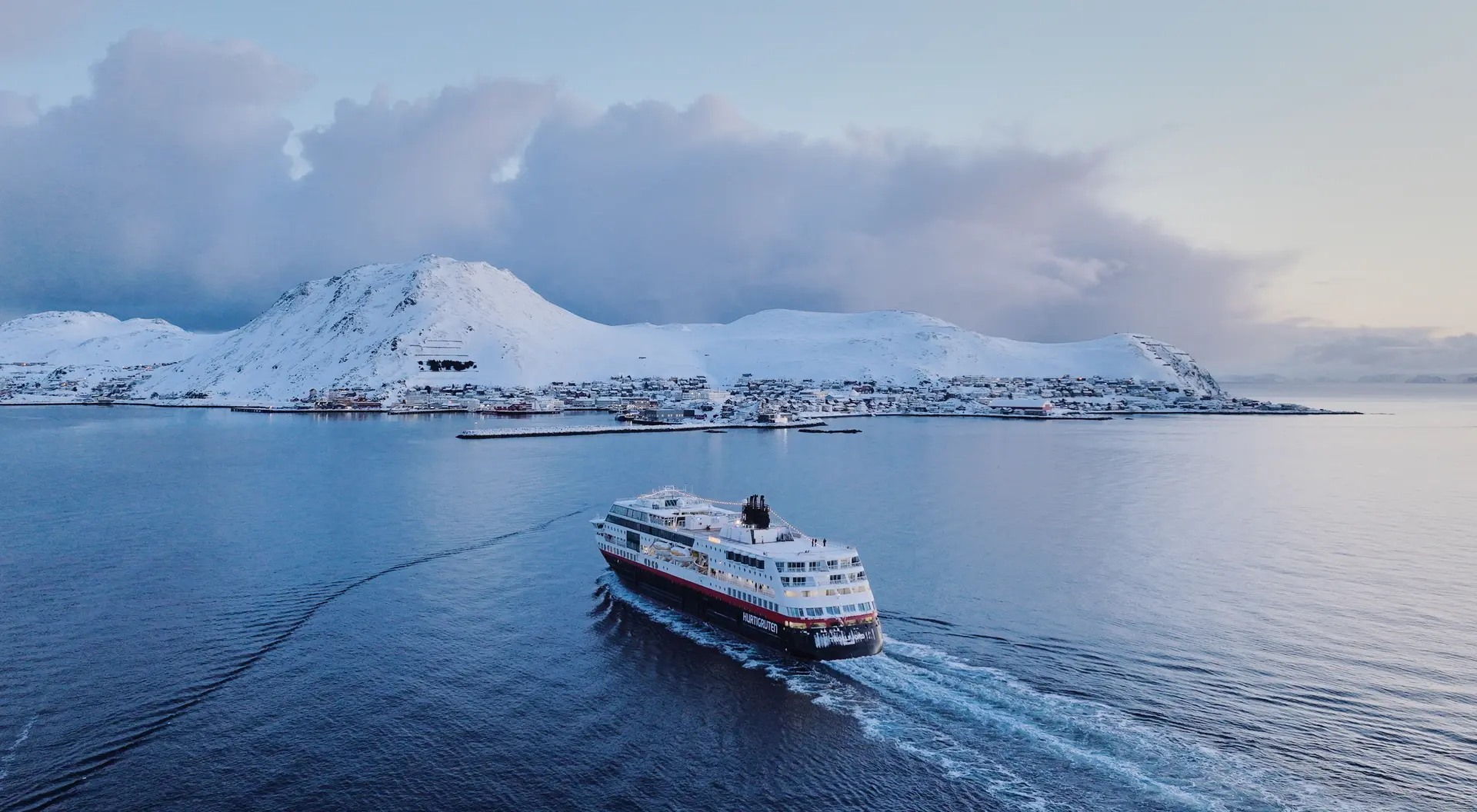

The first thing you notice in Arctic Norway in winter isn’t the cold—it’s the darkness. Sleep becomes optional.
On Hurtigruten’s MS Trollfjord, sailing north along Norway’s rugged coastline in February, daylight is brief and the night stretches long across fjords, fishing villages, and snow-covered mountains. But this darkness is not empty. It’s alive with anticipation. Every passenger steps outside often, scanning the sky for the aurora borealis.
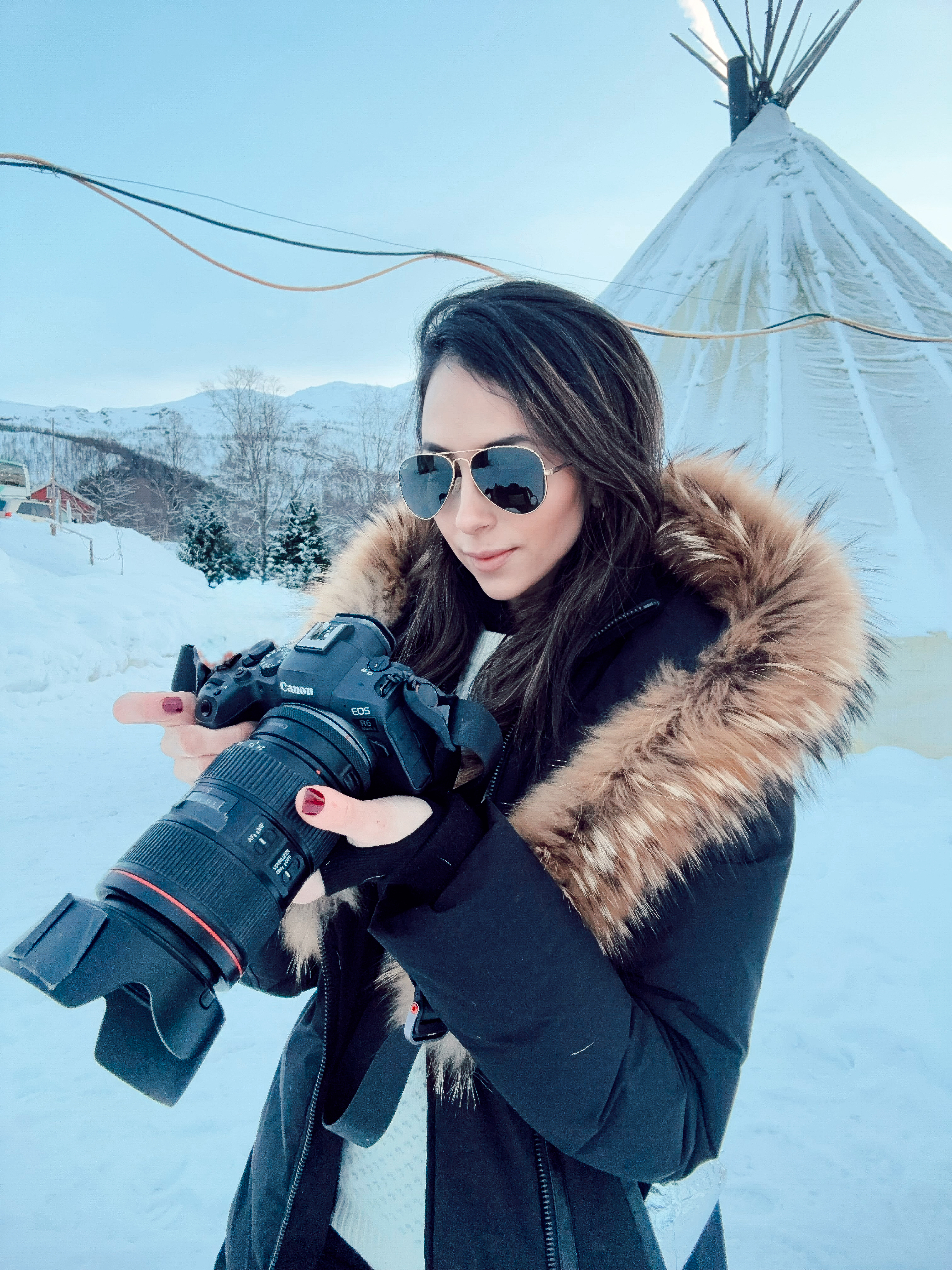
Each night aboard Hurtigruten’s MS Trollfjord, I laid out my thermal layers, boots, gloves, and parka beside the cabin door like emergency gear. If an aurora alert came at 3 or 4 am, I wanted to move within seconds. By the second night, with my tripod clipped to me and my phone attached by hooks, I felt less like a traveller and more like a firefighter responding to a call. And when the call came, I ran.
Outside, the Arctic deck was brutally cold—the kind that numbs your fingers almost instantly—but adrenaline erased discomfort. Above us, green ribbons unfurled across the sky, shifting and reforming faster than my brain could fully process. The silence on deck was striking. Dozens of passengers stood shoulder to shoulder, barely speaking, as if any sound might disturb the phenomenon overhead. Even now, I struggle to put that first sighting into words.
I joined Hurtigruten’s inaugural Signature Astronomy Voyage along the North Cape Line, a winter journey designed to slow travel down and immerse passengers in the rhythms of life above the Arctic Circle.
Hurtigruten has sailed these waters since 1893, when founder Captain Richard With established a route connecting isolated coastal communities long before tourism became part of the equation. Today, that legacy remains visible. Unlike a conventional cruise built around entertainment, this felt more like moving through Norway’s living coastline—one fishing village, fjord, and Arctic outpost at a time. The northern lights may be the headline attraction, but the voyage became much richer because of context.
That came in large part through astronomer Tom Kerss, Hurtigruten’s Chief Aurora Chaser, whose lectures transformed each sighting into something far more meaningful, a living classroom. Rather than simply admiring a beautiful sky, passengers learned the astrophysics behind what we were seeing: solar particles colliding with Earth’s atmosphere, geomagnetic storms, the unpredictable behavior of the sun. For someone like me, understanding the “why” deepened the wonder. It felt like attending a live masterclass in astrophysics while sailing through the Arctic. That same sense of discovery extended ashore.
Life Along Norway’s Wild Coast
Hurtigruten’s route threads through some of the most remote landscapes in Europe. Villages appear suddenly between steep mountains and icy seas, their houses painted red and yellow against the snow.
In Alta, often called the City of the Northern Lights, I visited Alta Museum: World Heritage Rock Art Centre, housing some of the UNESCO-listed rock art carvings dating back thousands of years and depict hunting scenes, animals, and rituals from prehistoric Arctic life more than 7,000 years ago. Later, inside the striking Northern Lights Cathedral, I found another layer of interpretation—part science, part storytelling—exploring both the phenomenon’s physics and its place in local mythology.
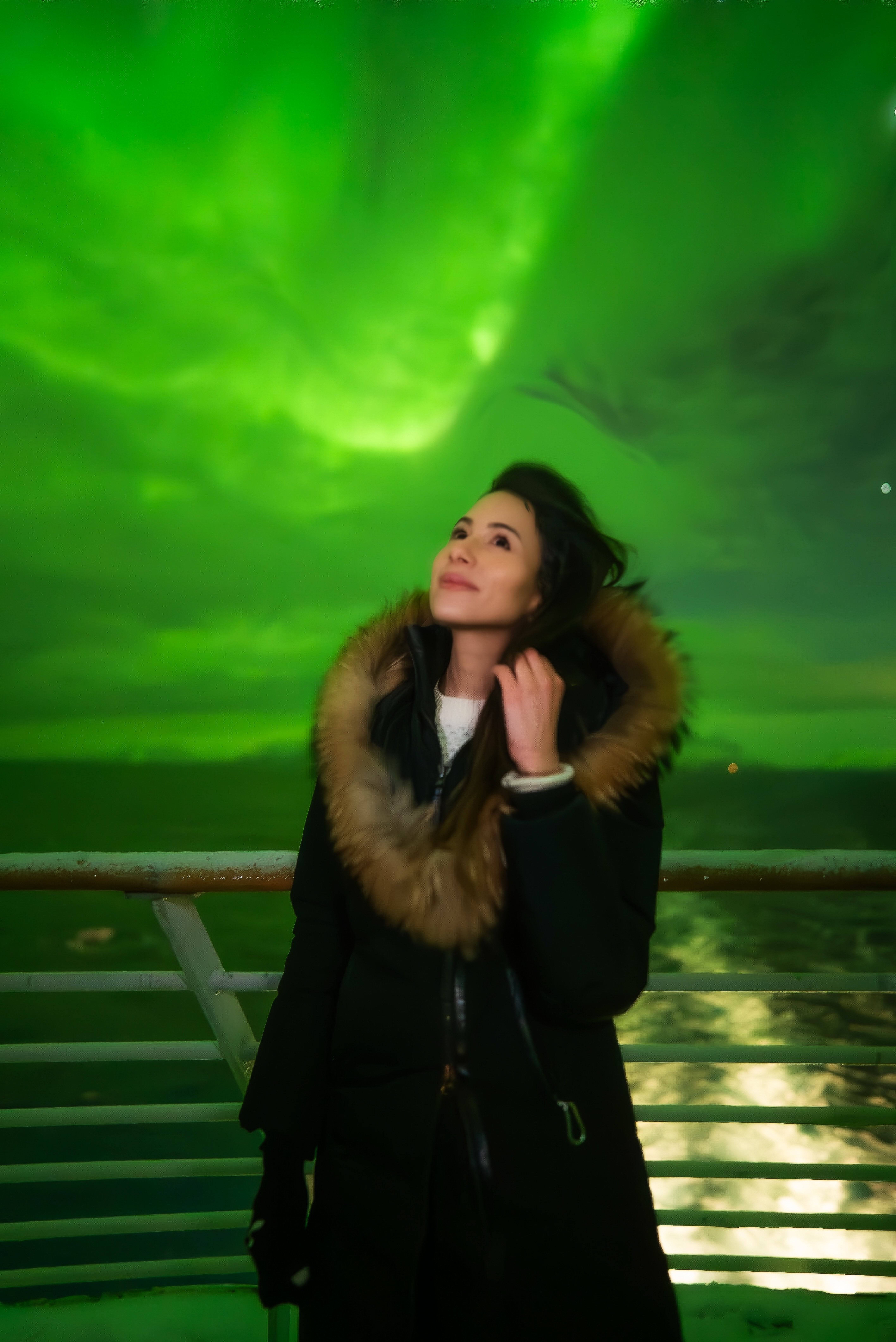
Alta is also one of the best places on Earth to witness the aurora. The region sits beneath the Auroral Oval, where solar particles collide with Earth’s atmosphere to create the shimmering green curtains that have fascinated people for centuries. Onboard the ship, Kerss explains the science behind these lights, describing how charged particles from the sun collide with atmospheric gases to create colour and movement. After the lectures, passengers drift out to the deck, bundled in parkas, waiting for the sky to ignite. If you book the specific Signature Astronomy Voyage, you are offered a more in-depth lecture series with Kerrs, including quicker communication on Northern Lights updates, including through a designated WhatsApp group.
Yet, all guests aboard are offered some of the voyage’s most memorable storytelling happening at the table.
A Table Shaped by the Arctic
Hurtigruten’s culinary philosophy, “Norway’s Coastal Kitchen,” focuses on ingredients sourced along the very route the ships sail. Arctic cod, berries, lamb, and seafood appeared throughout the voyage, grounding meals in geography rather than generic cruise dining. I even sampled Havets Bobler—“Bubbles from the Sea”—sparkling wine aged underwater in Arctic waters, a novelty that somehow felt entirely on brand for this place, and something you can only try with Hurtigruten. The most meaningful meal, however, came on National Sámi Day.
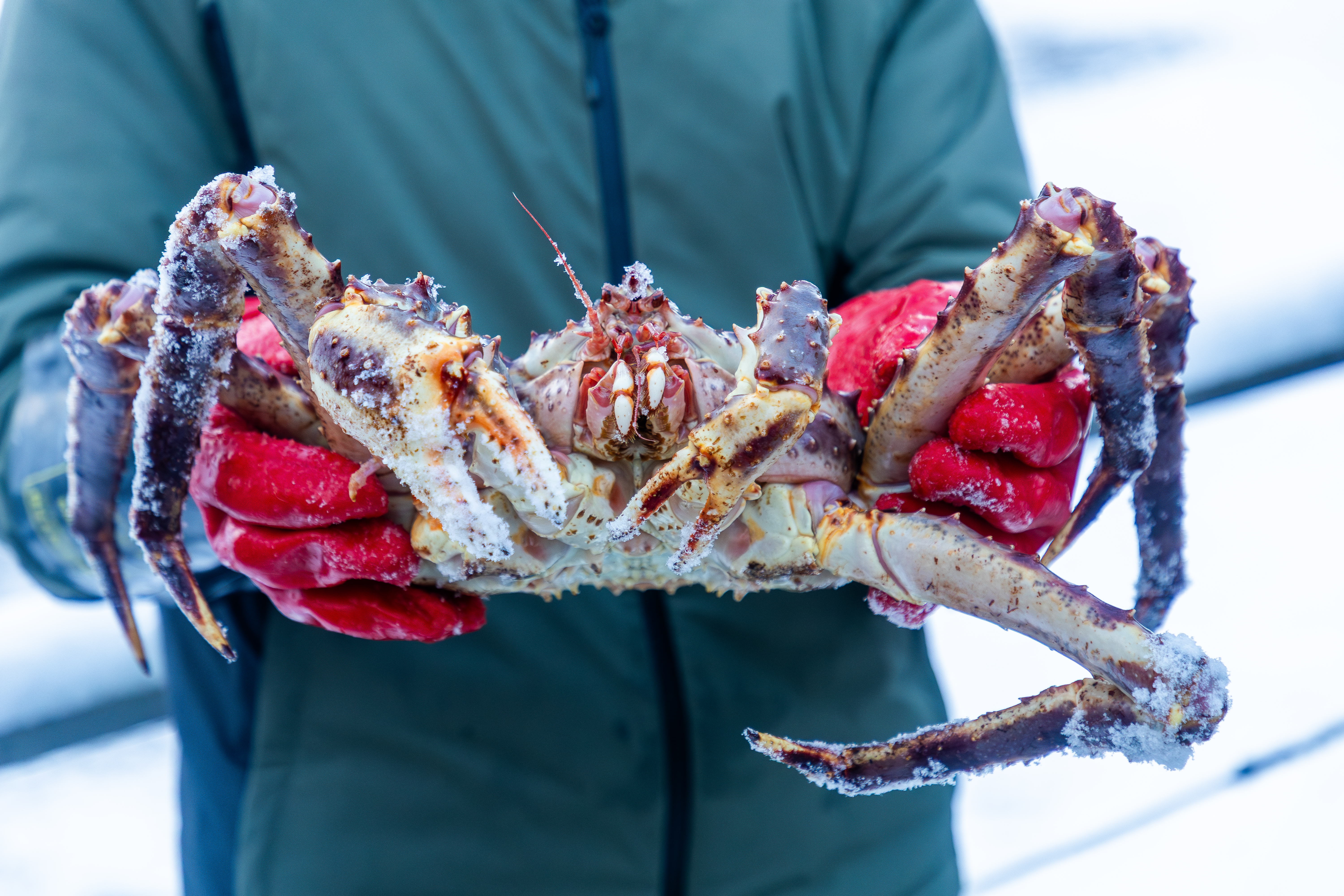
That evening’s menu was created in collaboration with Sámi Culinary Ambassador Máret Rávdná Buljo, a reindeer herder and food storyteller from Finnmark. Sámi food traditions are deeply tied to land stewardship, seasonality, and a philosophy of using the whole animal—particularly reindeer, which remains central to Sámi identity and livelihoods. Buljo’s work is not simply about preserving recipes but preserving a worldview. That distinction mattered.
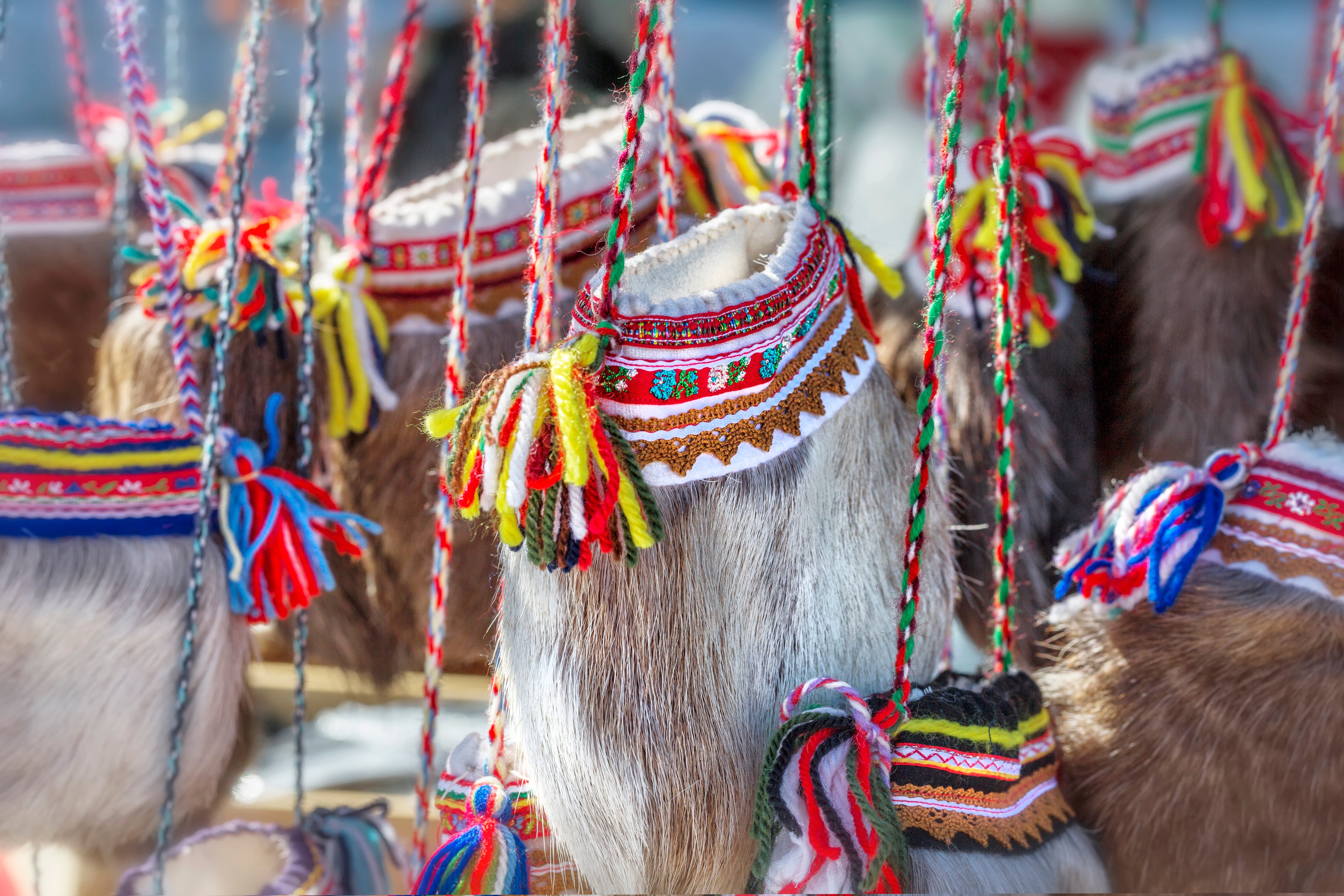
Too often Indigenous culture is presented to travellers as performance or aesthetic. Here, it was framed as living knowledge.
Beyond the Northern Lights
Of course, the aurora remains the emotional centrepiece of the voyage. Late one evening, somewhere north of Tromsø, the sky erupts in green ribbons above the ship. Passengers gather along the railings, cameras forgotten for a moment as the lights ripple silently overhead.
By the end of the trip, the nights began to feel surreal. Each aurora sighting was different—sometimes faint and ghostlike, other times vivid and kinetic. Yet mornings brought sunlight, breakfast, conversation, and such normalcy that I occasionally wondered whether the night before had happened at all; that dreamlike disorientation became part of the experience.
Yes, the northern lights were extraordinary. But what stayed with me was something larger: the overwhelming sense of scale. Standing beneath a 360-degree Arctic sky, I was reminded just how small I am in the universe—and how rare it is, as an adult, to feel that kind of childlike awe without reservation.
And somehow, even after multiple sightings, it never got old.
Chase the Northern Lights in Arctic Norway with Hurtigruten and Goway on Norway’s Coastal Legends.
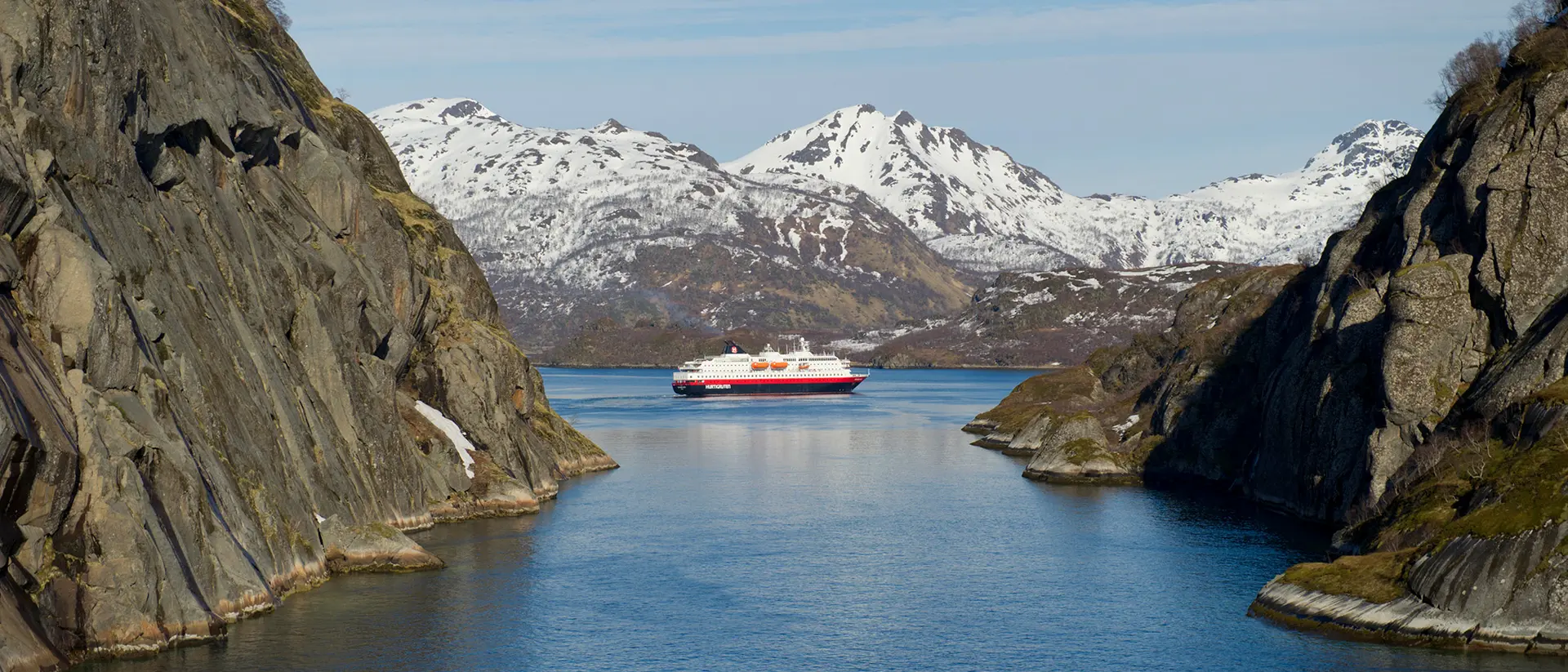
Norway's Coastal Legends
An independent journey through Norway, where fjords, Arctic light, and coastal sailings meet rich culture and untamed northern landscapes.

Sophia Michelen is a New York-based photographer, writer, and travel television host who has travelled to nearly half of the world's countries through her work and reporting.
Her storytelling explores culture, place, and the people who shape them. She has contributed to outlets including National Geographic Traveller, Teen Vogue, Forbes, and Ms. Magazine, and co-hosts the PBS travel series America: The Land We Live In.