


I once again had the pleasure of joining Amber Pfister and the team at NBC's California Live to discuss unforgettable escapes that deliver more joy, fewer crowds, and more authentic experiences.
We covered a lot of ground in a few short minutes, from desert weekends to California wine country to the country everyone in my orbit seems to be booking right now, Colombia. But the one idea from that conversation I hope every globetrotter takes home is that the biggest upgrade you can give a trip has a lot to do with when you go, not where you go.
Sometimes the best luxury isn't the destination at all; it's the timing. That is the case for shoulder season travel, and it is one of the most valuable insider tips I recommend. Here is a quick breakdown of shoulder season travel, how it works, my firsthand experience, and how you can leverage shoulder seasons on your next tailor-made getaway with Goway.
Start planning a perfectly timed, tailor-made getaway with a Goway Destination Specialist.
What is Shoulder Season?
The shoulder season is the sweet spot on the travel calendar between a destination's peak season and its off-season. You will typically enjoy lower prices on flights and hotels, far smaller crowds, comfortable weather, and a more authentic version of local life during these in-between weeks.
Picture it this way: if summer in Europe is the crowded rooftop party and deep winter is the empty house, shoulder season is the golden hour on the patio. The weather still holds, the locals have reclaimed their cafés, the guides and sommeliers have more time to talk to you, and your dollar quietly stretches further on everything from airfare to hotel upgrades.
Furthermore, the shoulder season in many destinations still offers authentic and worthwhile experiences. Harvest festivals, local celebrations, and the destination's day-to-day cadence carry on without the weight of the peak season, giving you a better glimpse into how a destination actually lives, not how it performs.
When Is the Shoulder Season?
Shoulder Seasons vary by region and destination, but these windows are a reliable starting point:
- Europe & the Alps: mid-April to May and September to October.
- Colombia & the equatorial tropics: outside holiday peaks, with October–November the value sweet spot.
- Egypt & North Africa: September–October and April–May.
- Southern Africa & southern hemisphere wine country: March–May and September–November.
- Japan: late May into early June, before the rainy season sets in, and September to early October, between the blossom and foliage peaks.
- Australia & New Zealand: March–May and September–November.
Goway's Destination Specialists can help you pinpoint the exact weeks when you can experience the best of shoulder season travel to over 115 destinations across all seven continents.
My Shoulder Season Travel Experience: Switzerland in the Fall
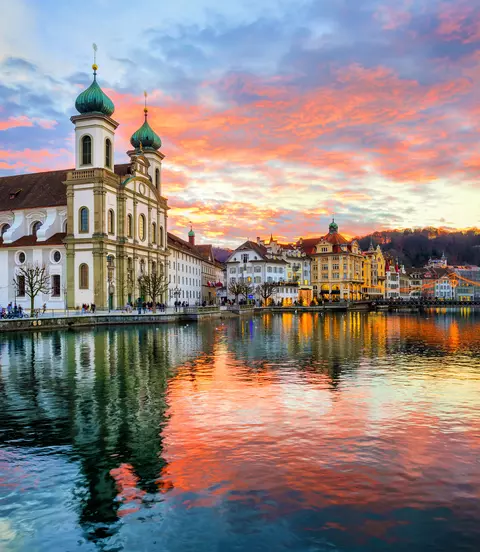
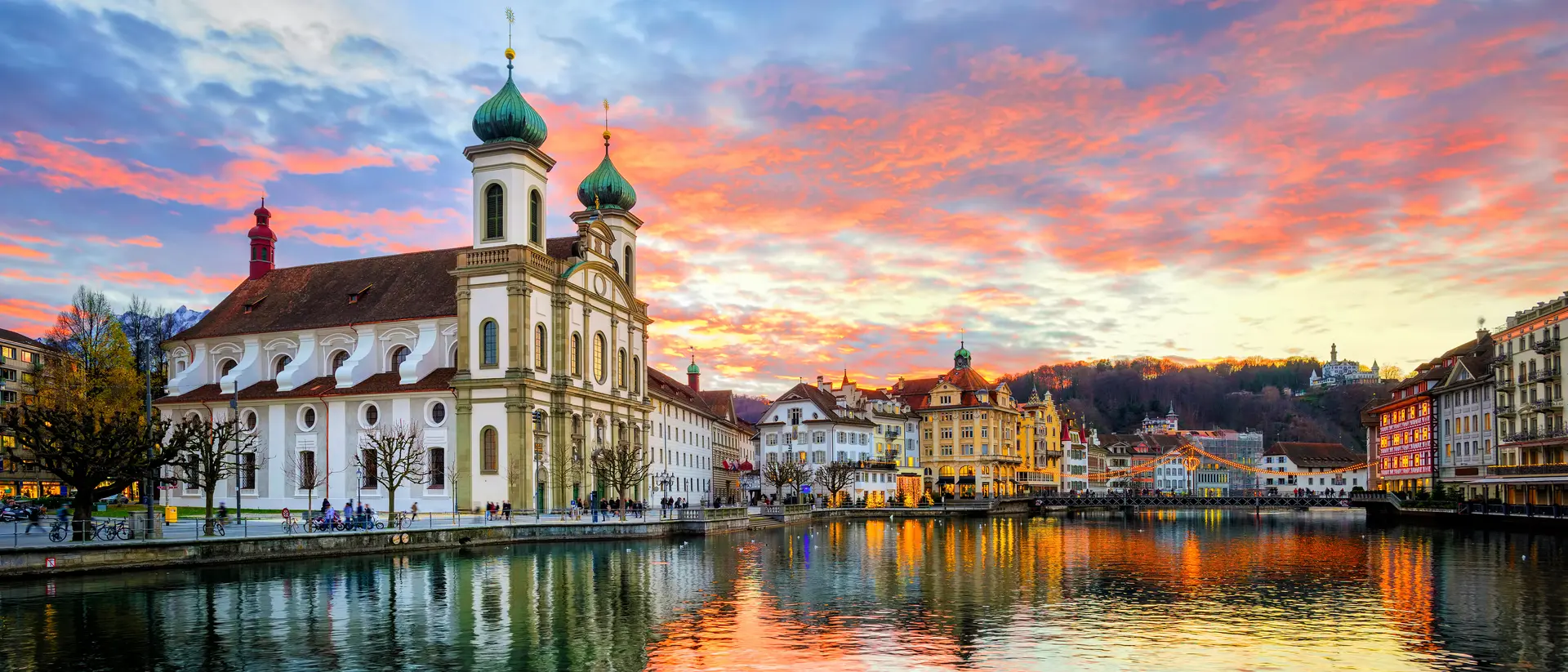
Grand Train Tour of Switzerland - Panoramic
A small group rail and coach journey through Switzerland with the Glacier Express, Matterhorn vistas, alpine lakes, wine tasting, and village culture.
I enjoyed the pleasures of shoulder season travel this past fall in Switzerland, on a custom itinerary put together by my colleagues at Goway. The timing was perfection. I glided through the Alps on scenic mountain trains framed by golden fall foliage, wandered into harvest festivals in full swing, and enjoyed crisp, cool hiking temperatures without ever once waiting for my turn at a viewpoint.
The same picturesque rail journeys with the same stunning scenery enjoyed by summer travellers were all still available on my trip, but at a gentler pace and price. Nothing about the trip felt like it was a lower quality. In fact, everything was easier. If Switzerland is on your list, September and October are my insider's answer, and a rail itinerary is an excellent way to soak it all in.
Trip Recommendations
Colombia
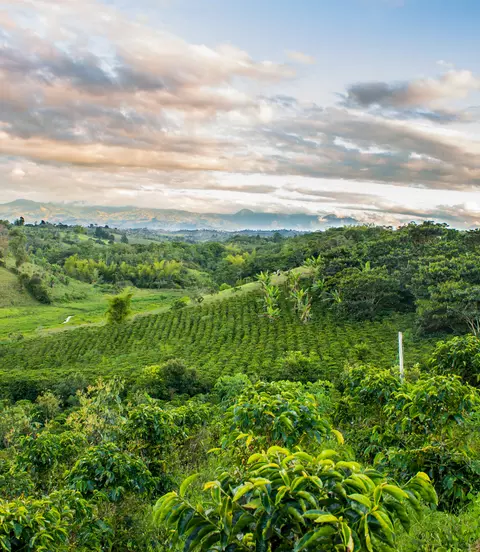
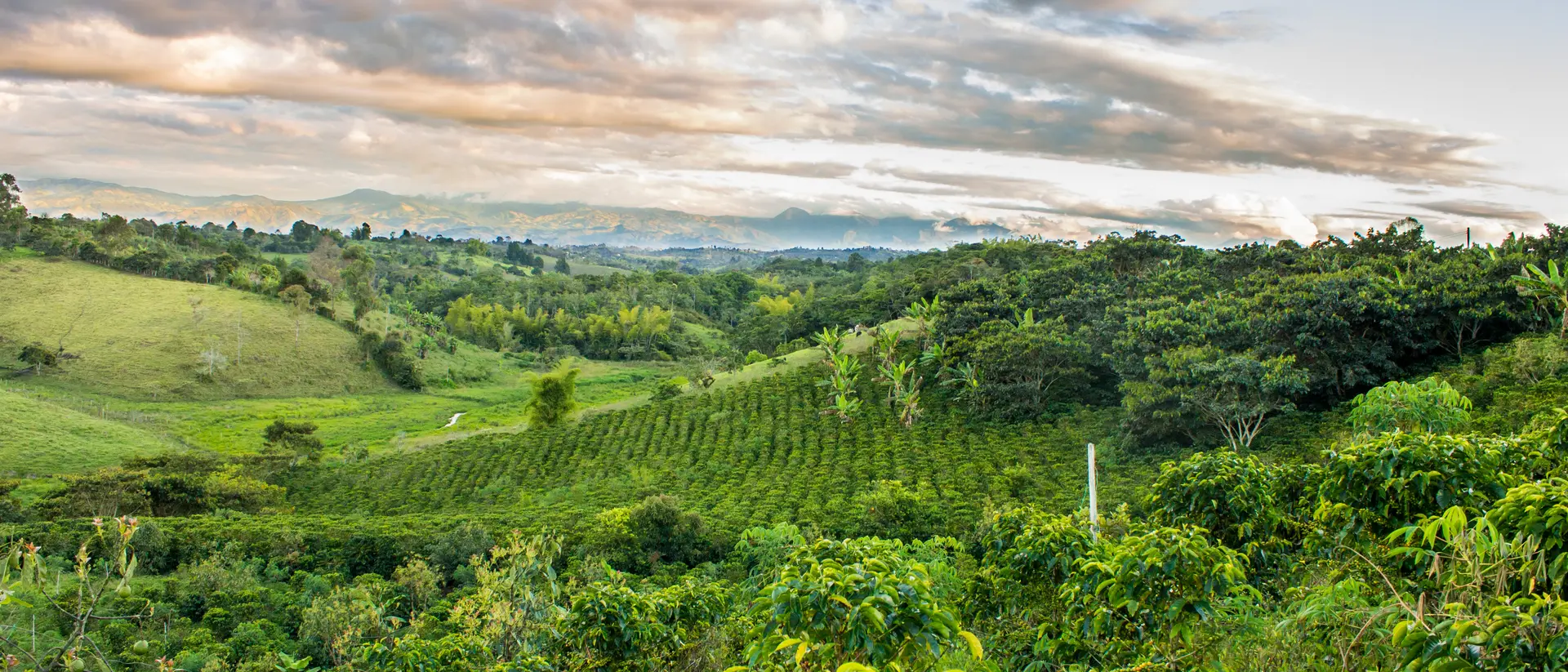
Colombia in Style: Coffee Region & Cartagena
Dazzling coffee fields await in Colombia's Quindio, where you’ll uncover the rich traditions of coffee cultivation. Savor sun-soaked days in Cartagena, too.
Colombia's calendar follows its dry and wet seasons, but it is really shaped by two distinct travel peaks. Most international visitors arrive during the mini dry season in July and August, while Colombians themselves often travel over the December to January festive weeks and again during Semana Santa, the Easter holiday period that falls in late March or April, depending on the year.
Meanwhile, September through November is the quieter stretch, with thinner crowds and far more flexibility, and October and November deliver the best value of all. The trade-off is a higher chance of short afternoon showers, though in my experience they pass quickly and rarely disrupt a day's plans. The bonus is Cartagena's Independence Day celebrations in November, which fill the old city's streets with music and colour. We have a full feature on Colombia in the latest issue of Globetrotting Magazine, with plenty of peak- and shoulder-season travel inspiration.
Egypt
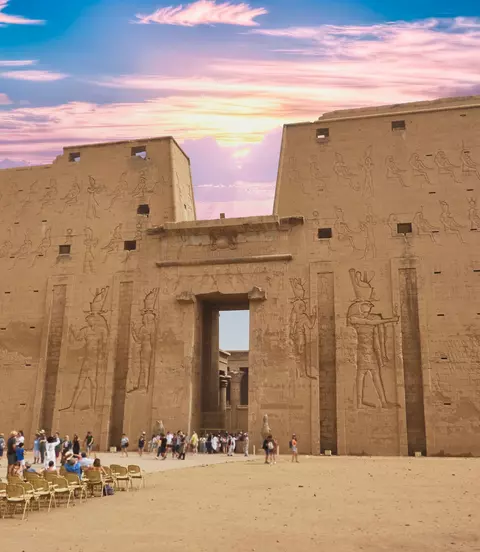

Classic Egypt: Cairo, Luxor, Nile Cruise & Aswan
Unlock the mysteries of Egypt on this adventure, touring ancient wonders from the Great Pyramids in Cairo to the timeless treasures along the Nile.
I made my case on air for Palm Springs outside the winter rush: adventures at sunrise, pool culture at midday, and patios under the stars once the heat lifts. This shoulder-season desert playbook works far beyond California and can be easily applied to the world's most storied desert destination, Egypt.
Egypt's big crowds arrive with the mild winter months, so the sweet spots sit on either side of that rush, roughly from September to October and April to May. This means you can explore the Pyramids and the Valley of the Kings in the soft early light, drift down the Nile while the afternoon sun is at its peak, and settle into rooftop dinners in Cairo when the evening turns, all with thinner crowds at the temples and better value across the board.
South Africa
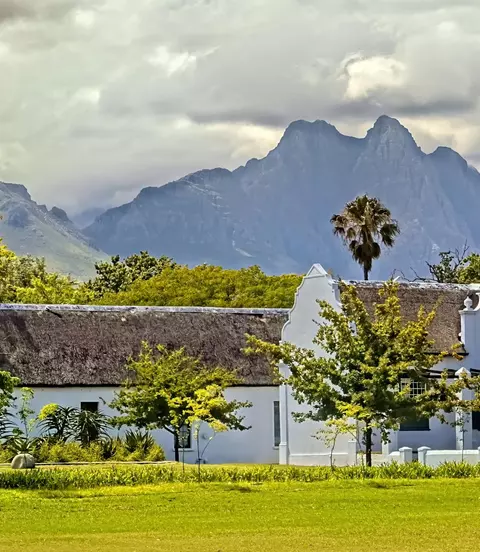
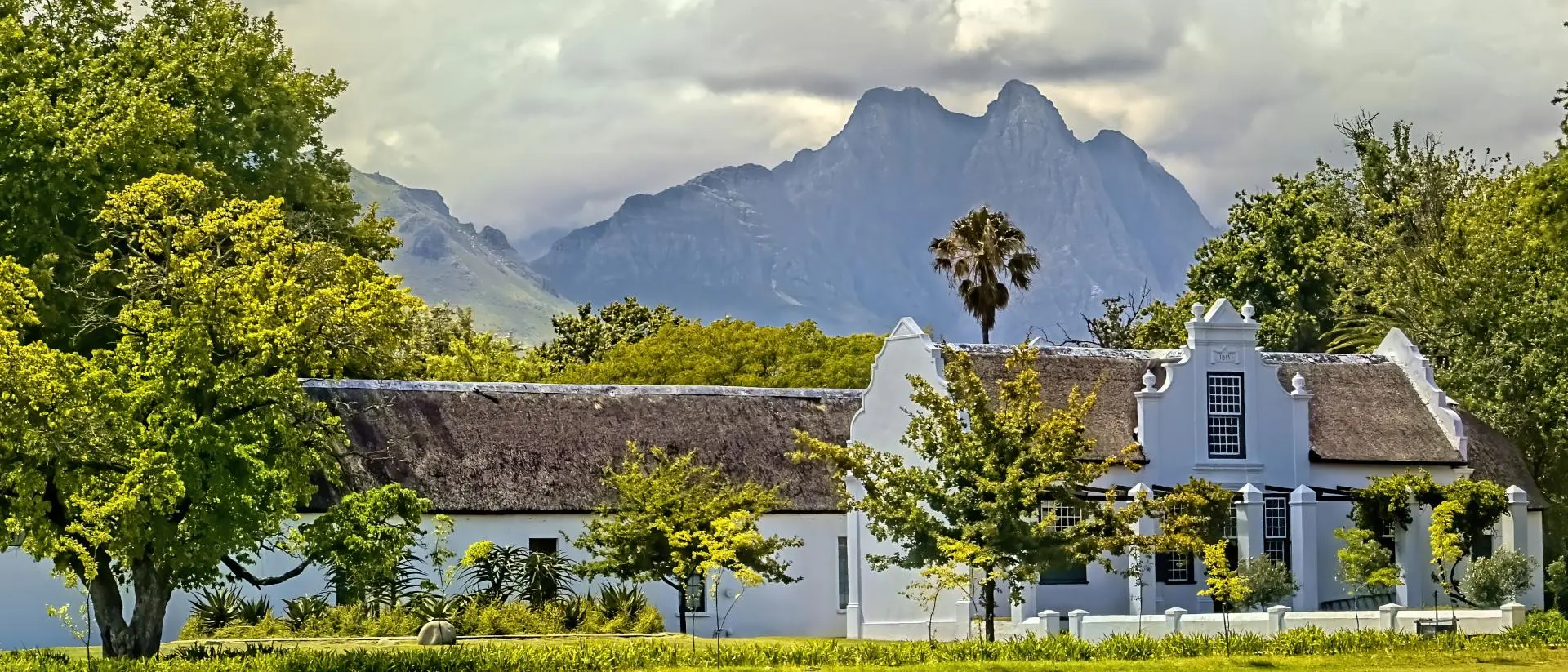
Cape Town, Winelands & Safari
Experience South Africa’s highlights– Cape Town, Stellenbosch, and safari in Greater Kruger with private & small group touring.
The other insider escape I shared with Amber was to Los Olivos, a laid-back Santa Ynez Valley wine town. The world's great southern-hemisphere wine regions run on a flipped calendar that lines up beautifully with shoulder-season travel.
Consider South Africa's Cape Winelands. Cape Town's peak travel season is during its summer months from December to February. Meanwhile, March through May offers plenty of golden autumn vineyards in Stellenbosch and Franschhoek and noticeably softer rates, while September to November offers a lush, quiet spring. Additionally, by the time the Winelands ease into late autumn, the dry season is settling into Kruger, and the quality of game viewing improves from there through the winter months. May is the sweet spot if you want both in one trip. Wine tasting and a Big Five safari in one perfectly timed trip is my idea of having it all.
Shoulder Season Travel with Goway
Getting the timing right is exactly the kind of insider knowledge that has powered Goway's story for more than 55 years. Since 1970, Goway has been crafting tailor-made trips to over 115 destinations across all seven continents, and its Destination Specialists know precisely when to go because they have lived, worked, or travelled extensively in the regions they sell.
So this year, before you ask yourself where to go next, try asking a Goway Destination Specialist when. Connect with us today to start planning your own perfectly timed, tailor-made escape, and pick up the latest issue of Globetrotting Magazine.
Shoulder Season Travel FAQs
What is shoulder season in travel?
Shoulder season is the period between a destination's peak season and its off-season. It typically offers lower prices on flights and accommodation, fewer crowds, mild weather, and a more authentic local atmosphere, making it one of the best-value windows on the travel calendar.
What is the difference between shoulder season and low season?
Low season is a destination's quietest, least favourable stretch, often due to weather, when some attractions and services scale back. Shoulder season sits between low and peak: conditions remain excellent, and everything is open, but prices and crowds drop noticeably from their peak-season highs.
Is shoulder season cheaper than peak season?
Generally, yes. Airfare, hotels, and even tours are often discounted outside peak season, and your budget can stretch to upgrades that would be out of reach in high season. Savings vary by destination and year.
What are some good shoulder season destinations?
Standouts include Switzerland and the rest of Europe from September to October, Colombia from October to November, and Egypt from September to October and April to May. Wine regions in the southern hemisphere, such as South Africa's Cape Winelands, are at their best from March to May.
Mitchell's love of travel and adventure was formed during family road trips in a minivan across Western Canada. He has since passionately pursued a career in travel ever since his first job working at the front desk of a Calgary Holiday Inn. He now leads Goway's marketing and serves as Globetrotting's editor in chief. Mitchell thrives on pushing his boundaries and challenging his fears, seeking out travel experiences that promise adventure and excitement. However, above all, Mitchell is driven by his love of food, delighting in the diverse culinary landscapes he encounters around the globe.