

For generations, French vacationers have escaped to Arcachon Bay to unwind amidst wine and oysters.
Our oysters arrive cold and glistening on a plain white plate, a wedge of lemon on the side. I'm seated at a long pine table inside a working oyster hut at the port of La Teste-de-Buch, on the southern edge of Arcachon Bay. Through rain-streaked windows, a pinasse, the flat-bottomed wooden boat traditional to these waters, drifts past. I tip the oyster shell. The brine hits first, clean and mineral, followed by something softer, almost grassy. I reach for another, and then the wine: a local Bordeaux Blanc, pale and citrusy, cold enough to fog the glass.
Arcachon Bay, on France's Atlantic coast less than an hour from Bordeaux, has been a centre of oyster farming since the mid-19th century. Freshwater from the Leyre River meets the Atlantic tides here, producing oysters that are fleshy and intensely flavoured. A constellation of oyster ports is strung along its shores. The huts where they are shucked and served have changed little since the 1860s. Less glitzy than the Riviera, Arcachon Bay has long been the seaside retreat of choice for Bordelais looking to escape the city without leaving the good wine behind.
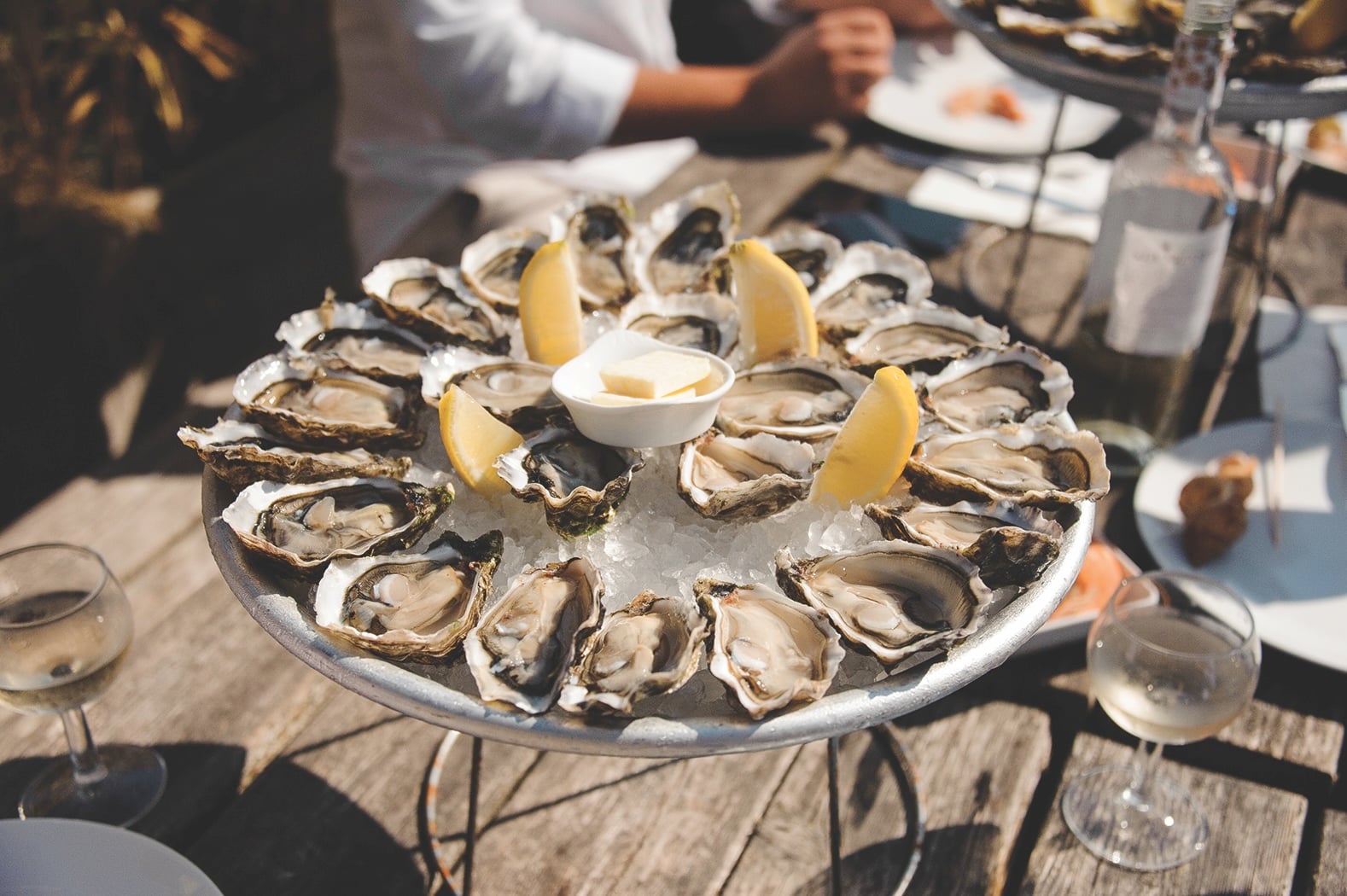
The shells pile up on the plate. Outside, the pinasse has drifted out of sight. One more oyster, and we're back in the car, heading west toward Arcachon town. Arcachon is a seaside resort of an older, grander kind, welcoming visitors since 1857.
Above the waterfront, on pine-forested heights, sits the Ville d'Hiver: more than 300 Belle Époque villas built in the 1860s as a retreat for tuberculosis sufferers, the sea air and resinous pine thought to rival the Swiss Alps as a cure. We walk along its narrow streets, where no two houses are alike: Swiss chalets beside Moorish pavilions beside neo-Gothic turrets.
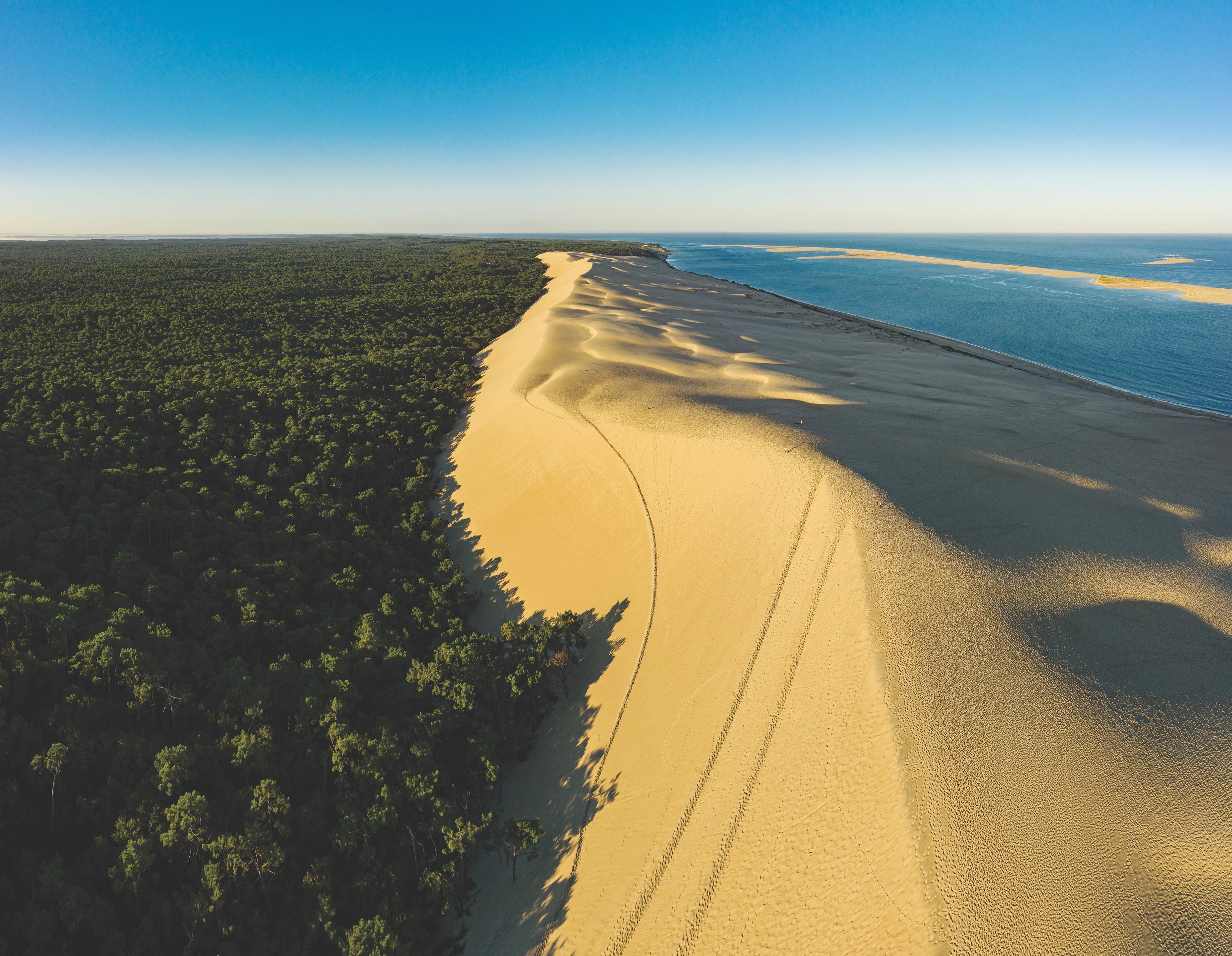
A short downhill walk from the Ville d’Hiver leads to the other culinary pilgrimage Arcachon demands. At Dunes Blanches Chez Pascal, a queue forms outside the blue-and-white shopfront. Inside, choux puffs are piped to order, filled with lightly sweetened whipped cream and dusted in pearl sugar—simple, airy, gone in two bites. They were created in 2007 by baker Pascal Lucas in Cap Ferret, named for the pale Atlantic dunes that define this stretch of coast. Dunes Blanches have since become the signature sweet of the entire bay, and Dunes Blanches Chez Pascal now has locations across the region. We try our first one standing outside the shop, box in hand, sugar clinging to our fingers.
We walk down to the beach, still nibbling. The Plage d'Arcachon stretches about a kilometre between two piers, sheltered from the Atlantic by the curve of the bay. Behind the sand, a promenade runs the length of the beach beneath a canopy of umbrella pines, their trunks warm and rust-coloured in the spring light.
That evening we take a table on the terrace at Le Thiers, at the foot of the pier, and order oysters.
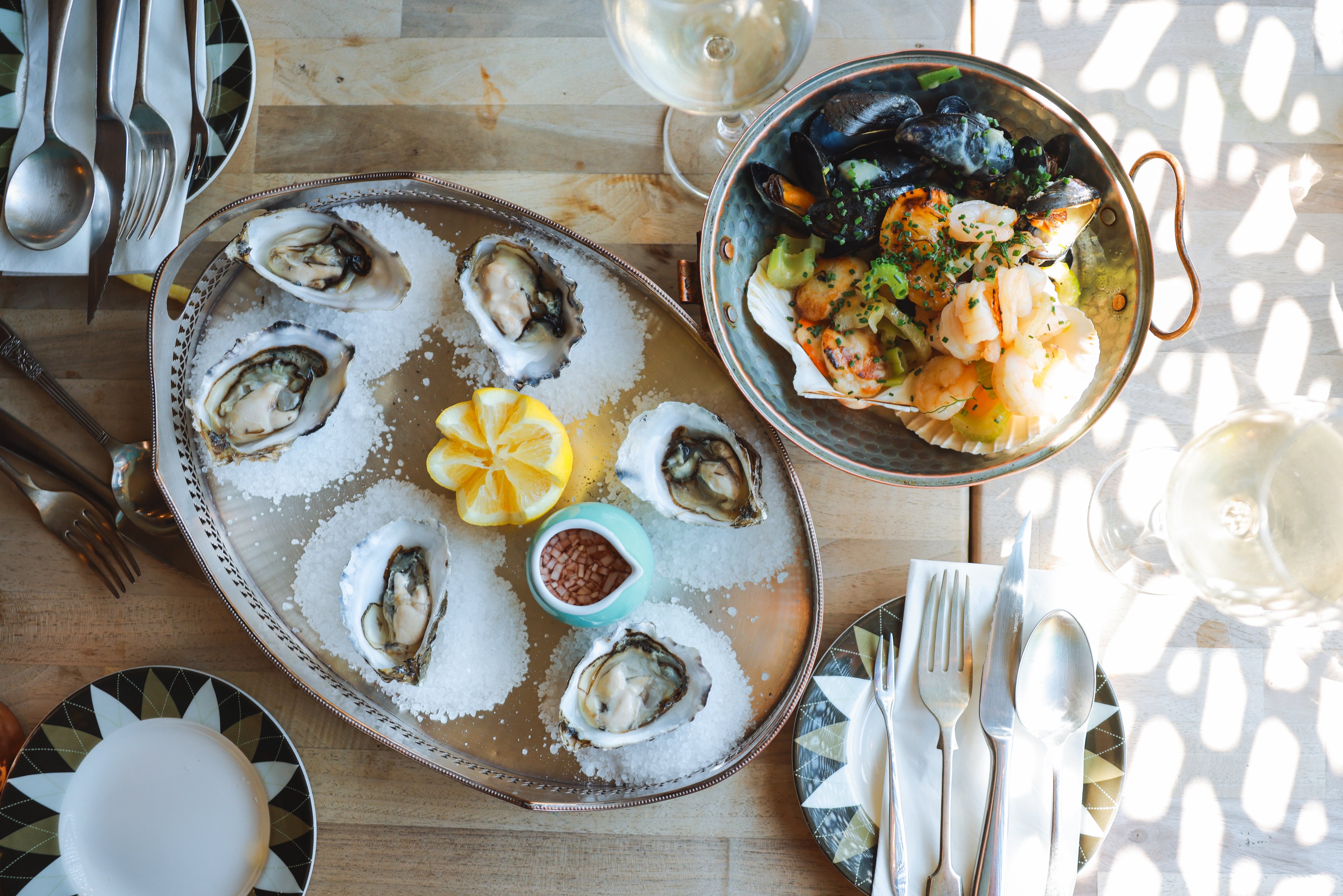
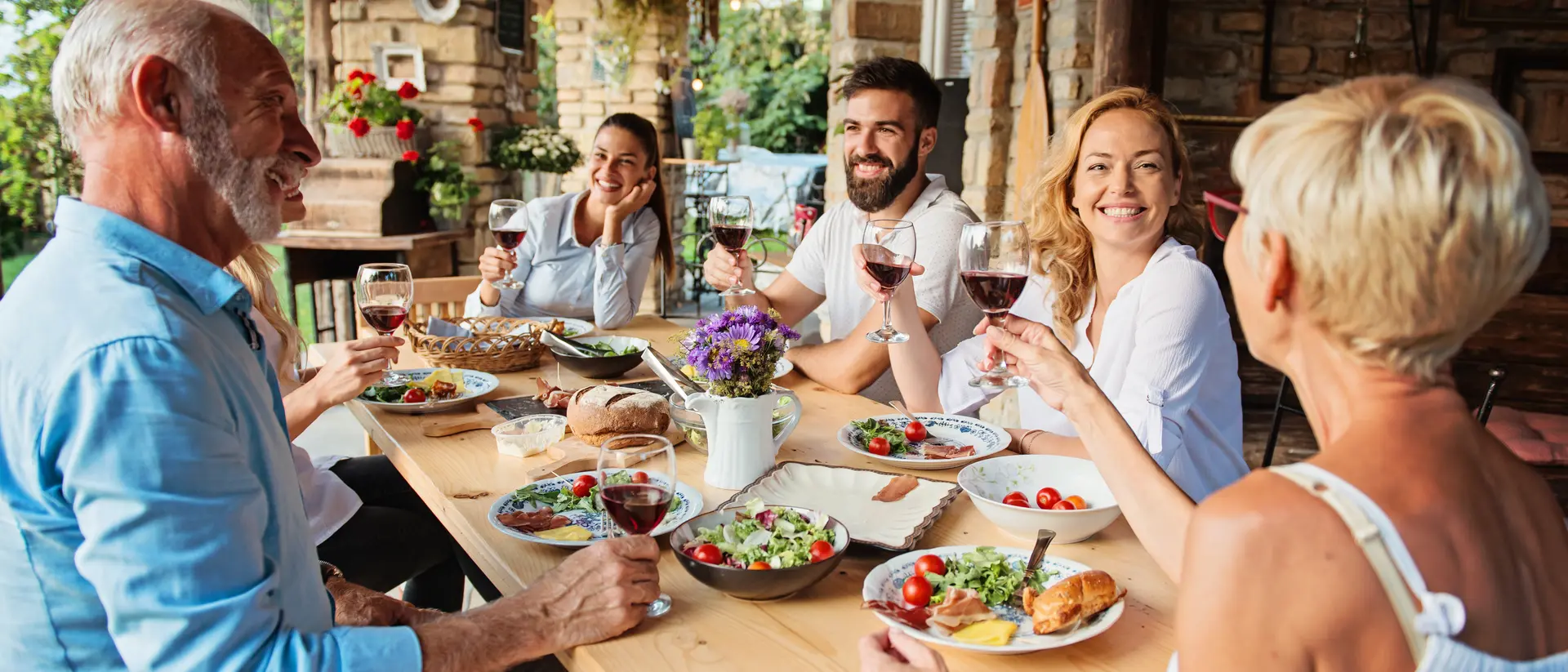
It’s easy, sitting here, to understand why people have been coming to this bay for generations to rest and recover. The air is clean and faintly salty. The water holds the light long after the sky has gone grey. The bay has been healing people for over a century. A few oysters and a glass of wine later, and you start to believe it, too.
You can add a visit to Arcachon Bay on any tailor-made Goway trip to France.
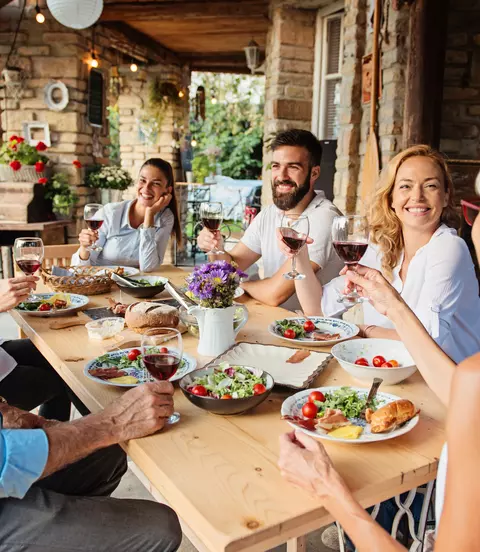
France for Foodies: Paris, Loire Valley & Bordeaux
Experience the flavours of France on a unique journey through Paris, the Loire Valley, and Bordeaux, where every meal and sip of wine brings the rich culture to life.
Jessica Huras is a Canadian freelance writer and editor with over a decade of experience covering food and travel. Her work has appeared in the Toronto Star, Toronto Life, The Globe and Mail, CBC, and the National Post, among other print and digital outlets. Her writing explores how food and travel shape the way people live, eat, and connect.