On this page


Every day from March 1 to 19 at 2 p.m., an explosion goes off in Valencia's Plaza del Ayuntamiento. This is the Mascletà, a culmination of Valencia's famous UNESCO-recognized Fallas festival, where strings of large firecrackers hanging throughout the town square explode in a glorious rhythmic celebration.
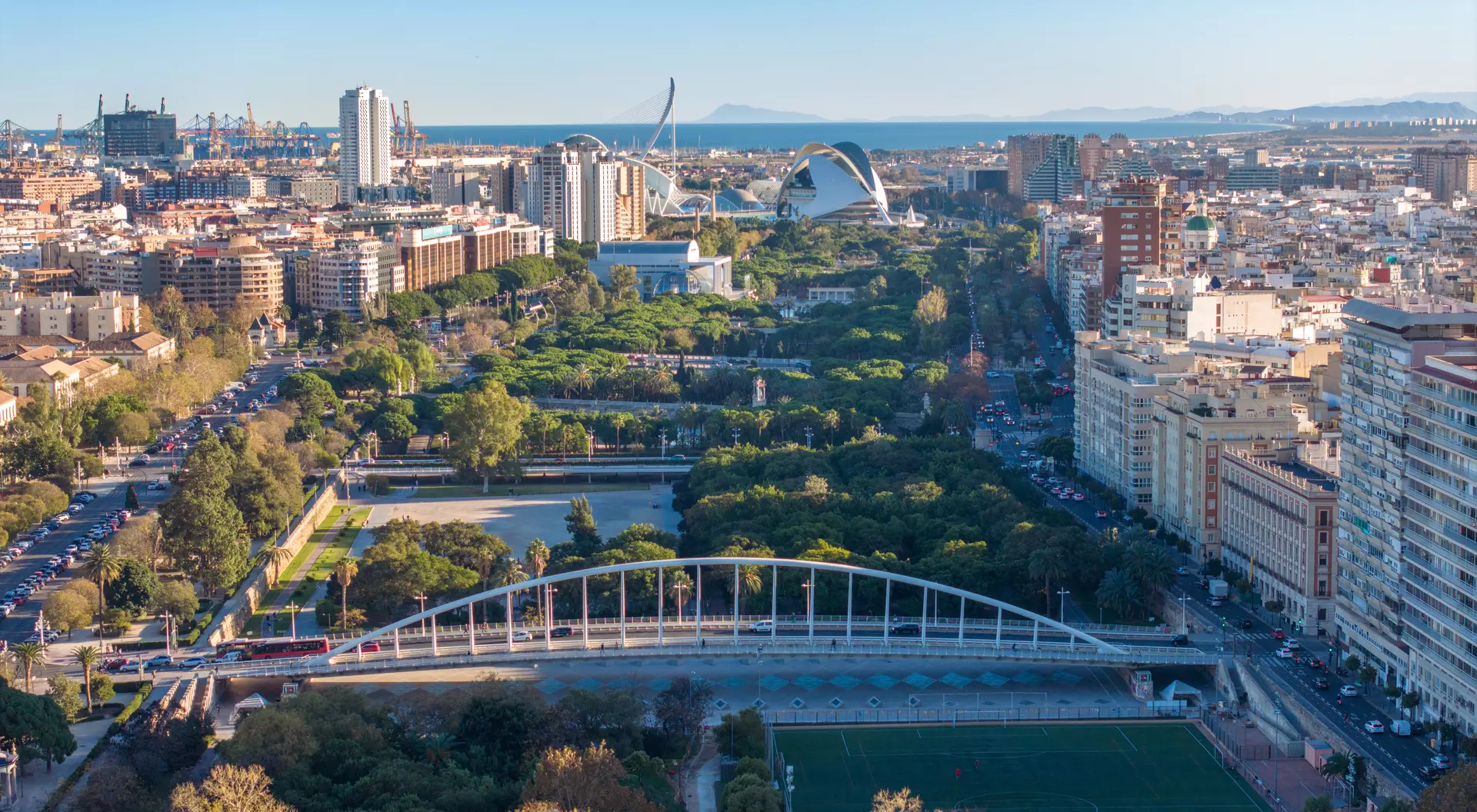
Most Spain itineraries treat Valencia as a transit point. One night between Madrid and Barcelona, long enough for a meal, yet too short to fully appreciate Spain's third-largest city. Overlooking Valencia on a trip to Spain is a huge missed opportunity, as it is home to some of the country's best culture, coastline, and travel convenience.
If you're dreaming of a trip to Spain and looking for an alternative to the crowds in Barcelona and Madrid, then here is a clear-eyed case for making Valencia the centrepiece rather than the connecting stop.
Check out and customize our featured trips to Valencia:
A Historic Detour
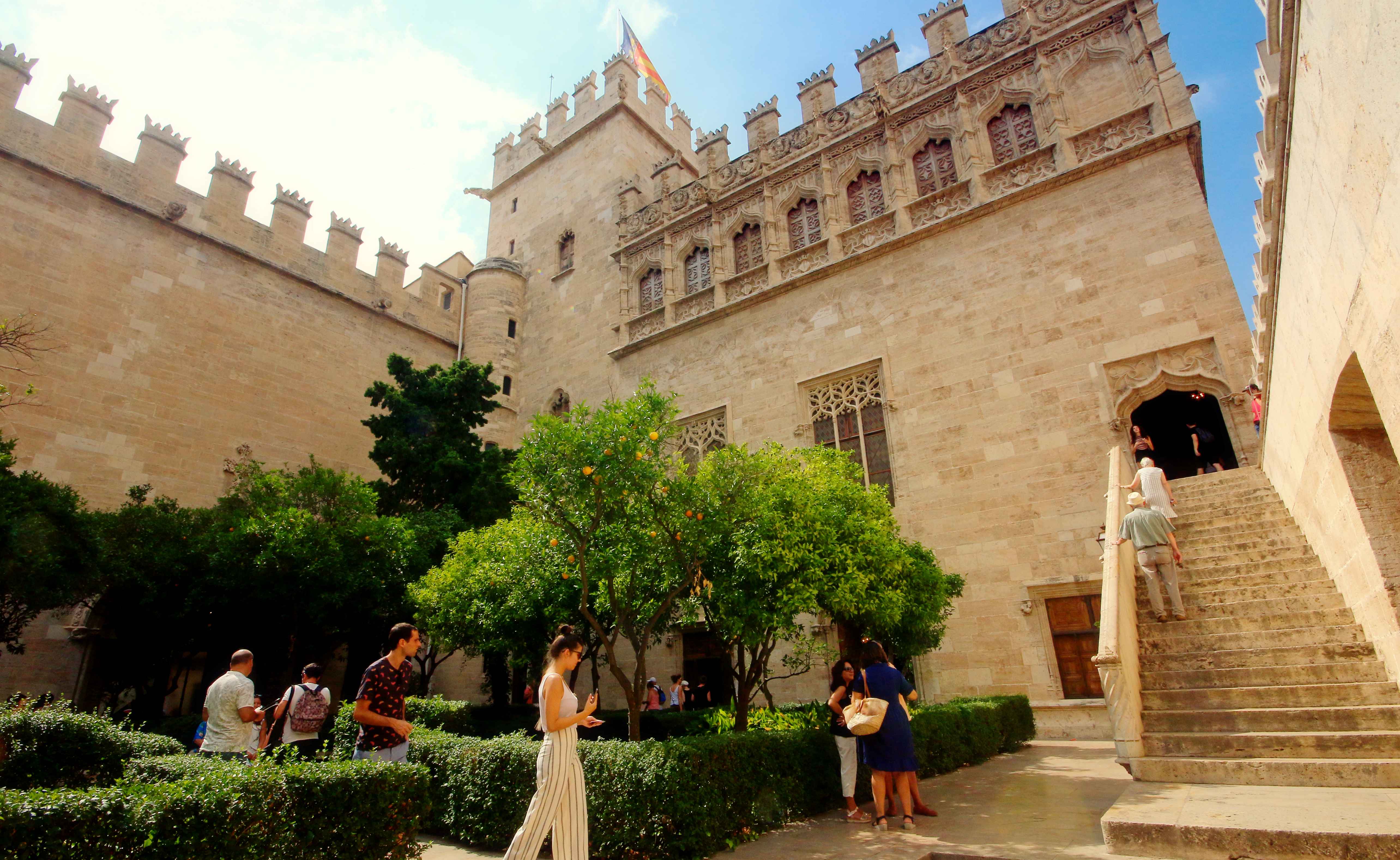
Valencia is one of the oldest cities in Spain, founded by Roman soldiers in 138 BC, and shaped by Moorish, Christian, and modern influences since. The most remarkable preservation of the city's history is undoubtedly La Lonja de la Seda de Valencia, also known as the Silk Exchange. This spectacular group of buildings was built between 1482 and 1548 along Spain's eastern Mediterranean coast, now in the heart of Valencia's historic quarters, blossoming into a centre for silk trading and other commerce for over 500 years.
The Silk Exchange's designation as a UNESCO World Cultural Heritage Site becomes obvious the moment you set foot in the Sala de Contratación, or Contract Hall. Helical spiral columns nearly 16 metres high support a series of cross vaults. The floor is made of colourful Alcublas marble. The walls are decorated with a Latin inscription in Gothic characters, reminding merchants of past centuries of their duty not to revert to usury in their trade to attain eternal life. It is one of Europe's most beautiful and well-preserved examples of Gothic architecture, offering a rare glimpse into a medieval mercantile city from the 15th and 16th centuries.
Only ten minutes away on foot is the Valencia Cathedral, home of the Holy Grail. The Cathedral was built between the 13th and 15th centuries and features a beautiful mix of architectural styles, from the predominant Gothic style to Baroque touches and Romanesque elements at the Almoina Gate. Inside, you will find a treasure trove of early Spanish Renaissance paintings and, most notably, the Holy Grail. Valencia claims that the Holy Grail has been kept in the Cathedral's chapel since 1437, when King Alfonso the Magnanimous transferred it from the Royal Palace of Valencia to the Cathedral's care.
These are just a small glimpse into Valencia's more than 2,150-year history. There are over 60 cultural spaces in Valencia, including more than 30 museums, dedicated to preserving and showcasing the city's growth from a Roman military settlement to its modern status as a UNESCO Creative City.
Convenient & Modern Design
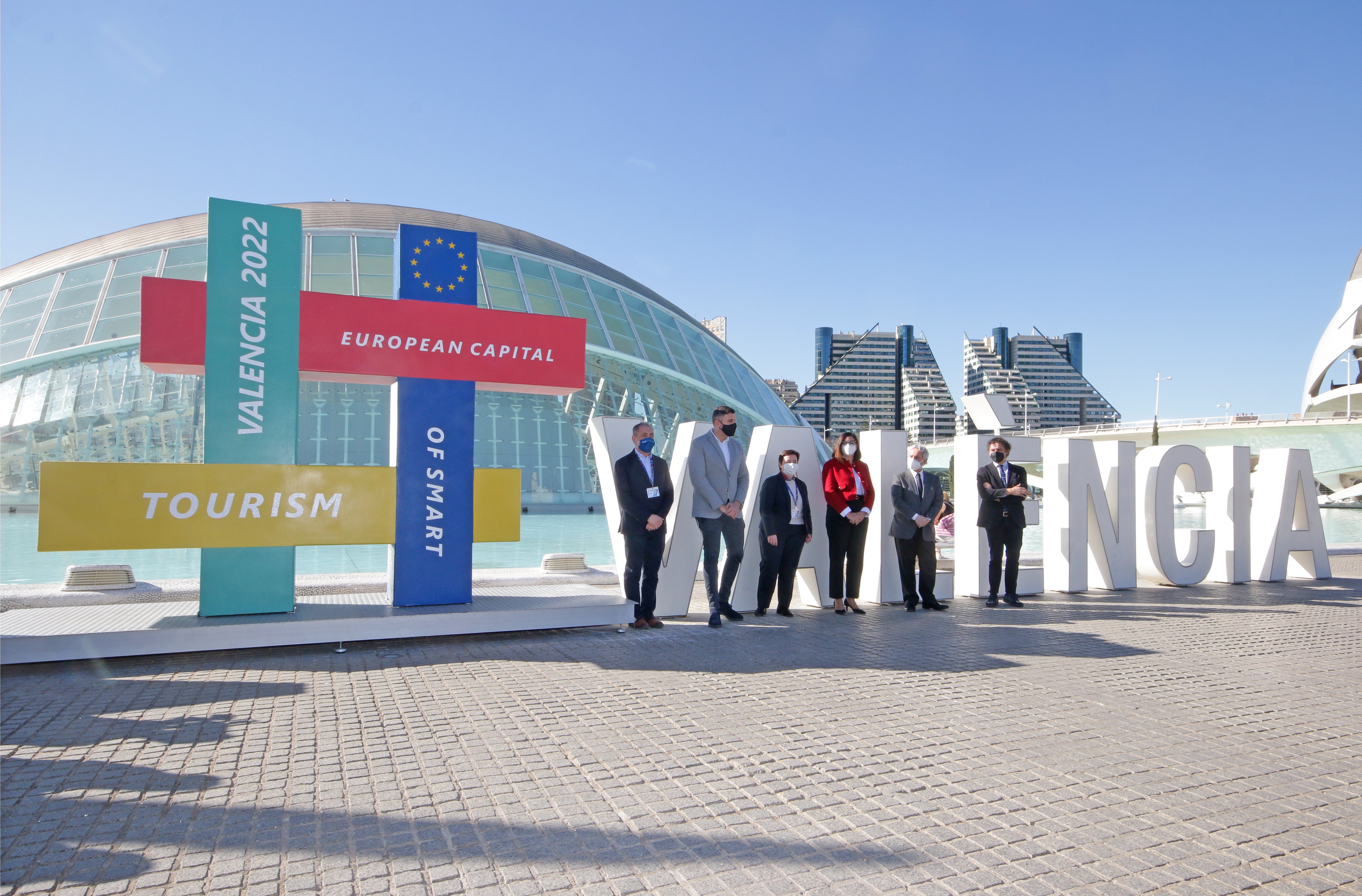
Valencia's historic commitment to design, evident in the Silk Exchange and the Cathedral, continues to this day, with the city joining the UNESCO Creative Cities Network in 2023 as a City of Design. The city is a prominent hub for designers from around the world, and is the only city in Spain with a Local Design Council.
The most dramatic expression of the city's design identity is the City of Arts and Sciences, a futuristic complex of bone-white structures designed by Valencian architect Santiago Calatrava. It includes a planetarium, an opera house, a science museum, and Europe's largest aquarium, designed by Spanish and Mexican architect Félix Candela. Running alongside it is the Turia Garden, a nine-kilometre (5.6 mile) public park built inside the former bed of a rerouted river. Together, they showcase the city's continued commitment to innovative and inspiring design.
"I recommend buying a Bonobús, a 10-journey prepaid card for city buses, to get around the city," says Goway Destination Specialist and Europe UK Team Leader Farooq Qaisar. "It is very affordable and allows you to change buses for free within the same hour."
Valencia is a city compact enough to explore on foot or by bike, yet substantial enough that you need a week to feel you have seen it properly.
The Birthplace of Paella
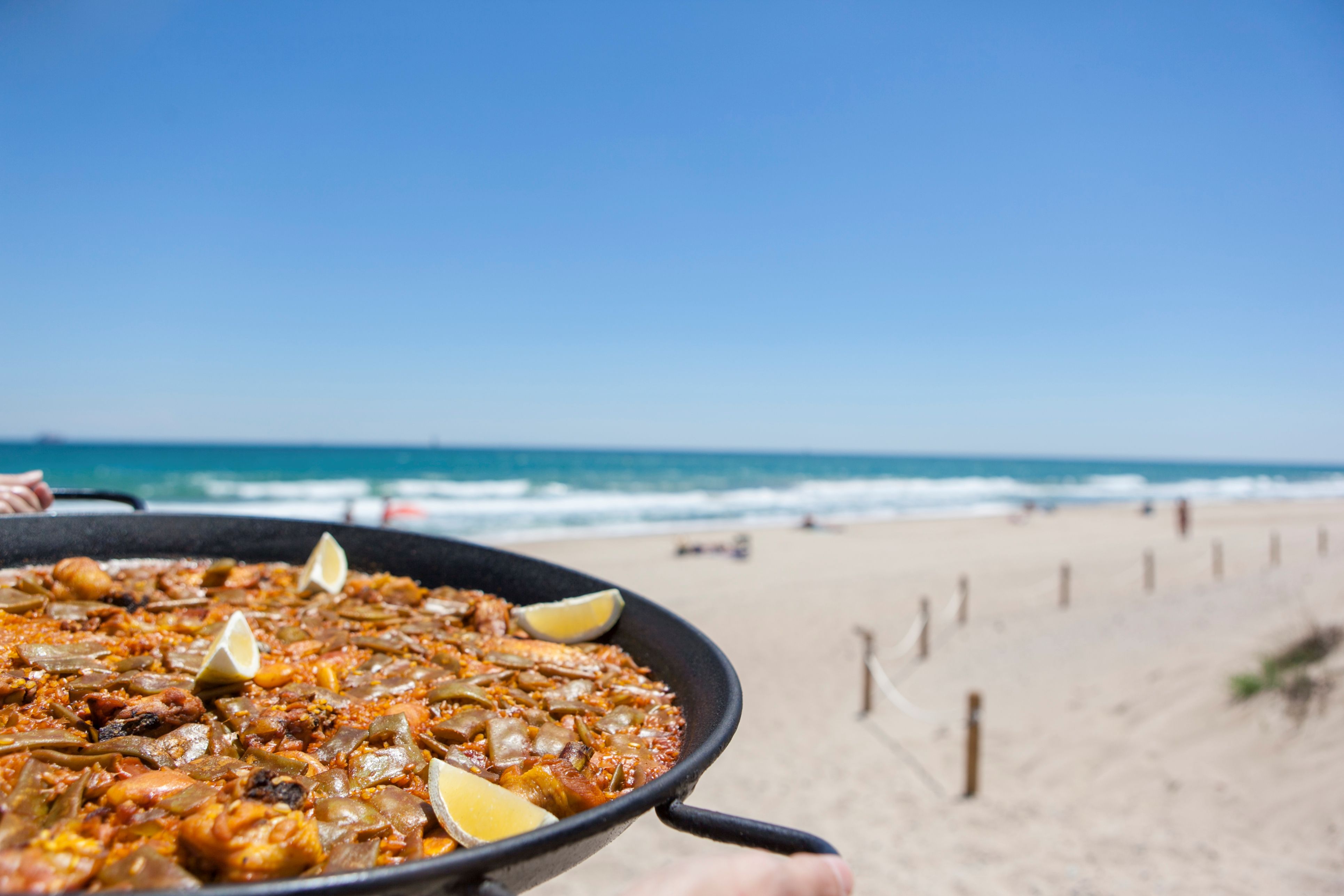
There is a version of paella served in restaurants across Europe that uses seafood, short-grain rice cooked to softness, and a yellow colour achieved by turmeric rather than saffron. It has very little to do with the traditional Valencian paella created sometime around the 15th century. Authentic Valencian paella contains chicken, rabbit, flat green beans (ferraura), butter beans (garrofó), tomato, and saffron, cooked over orange wood, in a wide flat pan, and eaten at lunch, never dinner.
"Albufera Natural Park is one of the most important natural areas in Spain, combining wetlands, dunes, and Mediterranean forest," says Farooq. "It is located about 10 kilometres (6 miles) south of Valencia, and it is famous for its large freshwater coastal lagoon, rice fields, and rich biodiversity."
"You will find some of the best Valencian paella in El Palmar village, a small village within Albufera Natural Park, famous for its traditional fishing culture."
Both the Signature Valencia and Spanish Trio itineraries include a cooking class led by a professional chef, built around a morning at the Central Market. The Spanish Trio also includes a private walking tour of the old town, where you will sample freshly made horchata and fartons at the renowned Horchatería Daniel restaurant. The tiger nuts used to make horchata are grown in Valencia's own Alboraya district, the undisputed centre of Spanish tiger nut production.
"I recommend visiting Colón Market as well as the Central Market," says Farooq. "It is a more modern market with boutique shops, cafes, and beautiful architecture."
A Beautifully Uncrowded Coast
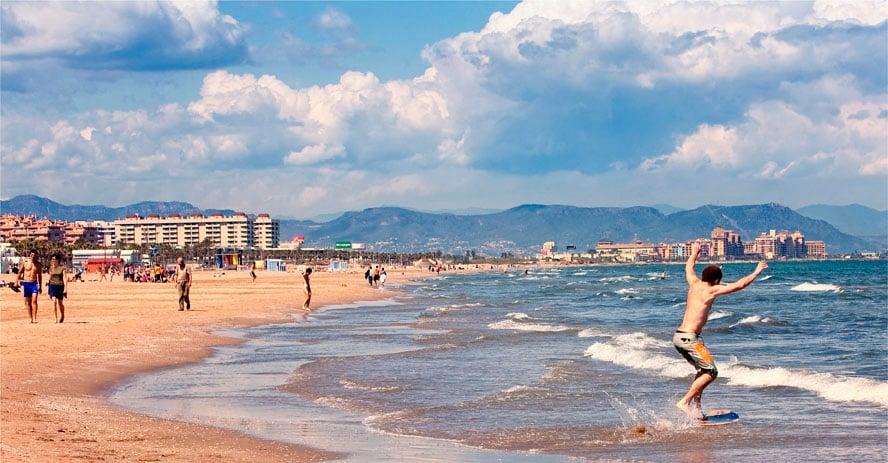
The Mediterranean coast that runs through Valencia is the same one that made the French Riviera and the Amalfi Coast famous. The difference is that here it hasn't been priced out of reach or crowded out. La Malvarrosa beach sits within Valencia's city boundary, reachable in minutes by tram. It is wide, flat-sanded, and backed by a promenade of seafood restaurants. Between July and September, the Mediterranean water is warm enough to swim in without a second thought. Madrid, meanwhile, has no coastline, and while Barcelona's beaches exist, they are often crowded with the travellers that helped make Spain the second-most-visited country in the world in 2025.
Valencia's coastline is different. The beach is where locals unwind in peace and enjoy fresh seafood at the nearby restaurants. Both the Signature Valencia and Spanish Trio itineraries include a catamaran sunset cruise along the city's coast, bathing you in an orange glow of Mediterranean sunlight, framed by the city skyline. It is a sight to behold, and one of the best arguments for making Valencia the staple of your trip to Spain.

Born to two parents who met travelling, Sael has always wanted to travel the world. Sael has hiked the Inca Trail in Peru, visited blue-footed boobies on the Galapagos Islands, stood on both hemispheres of the equator in Ecuador, climbed the Sydney Harbour Bridge, hiked the base of Uluru, surfed Pacific Ocean waves in Mexico, and skydived over the Great Barrier Reef in Cairns. Meeting new people and sharing stories are some of Sael's favourite parts of travelling, and he hopes he can help ignite this passion for discovery in others.