Irish and Scottish cultures share Celtic roots but differ in identity, religion, and political ties, with Ireland having a strong Catholic-influenced national identity and Scotland a Protestant-majority one. Other differences include varying degrees of Gaelic language use as well as group distinctions: Ireland has county tartans, while Scotland is famous for its clan tartans. Both are known, though, for their hospitality, love of pubs, and reverence for nature and rural life.
Ireland Travel Information
Not sure which theme is right for you?
Culture & Traditions
Renowned for its myths, legends, saints, and stories, Ireland is a deeply mystical land steeped in rich traditions and romantic lore. One of its national symbols is the shamrock, which symbolizes faith, hope, and love. Another is the Claddagh ring, a traditional Irish ring featuring two hands holding a crowned heart. Having originated in Galway in the 1700s, the ring is reflective of such Irish ideals as love (the heart), loyalty (the crown), and friendship (the hands). It is traditionally passed from mothers to daughters or used in marriage proposals.
Especially central to Irish society are Irish pubs, which often host vibrant impromptu musical sessions featuring locals playing instruments such as tin whistles and bodhráns, through which they create an atmosphere of community and joy.
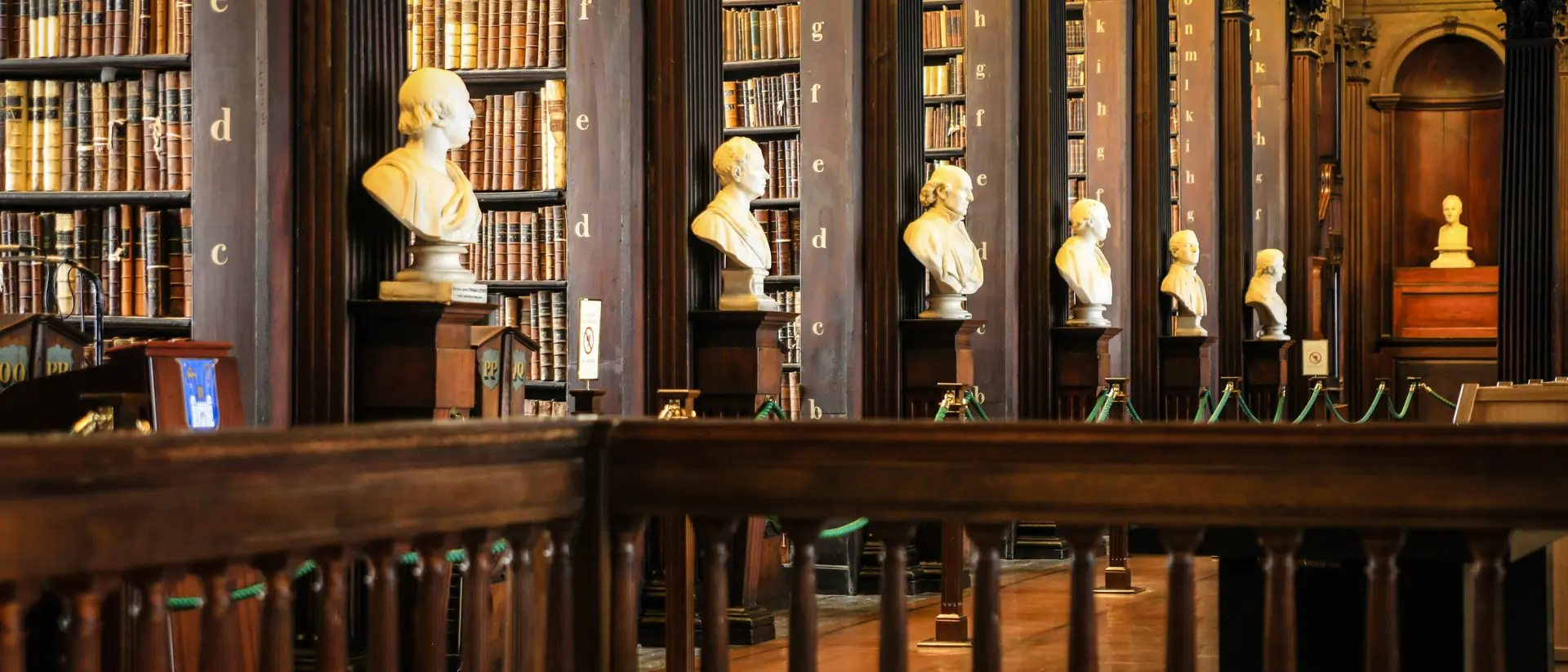
Another cornerstone of Irish culture is its literature, with giants like James Joyce and Oscar Wilde exploring themes of identity, society, and existential riddles through their works, capturing the spirit and resilience of the Irish people.
To truly experience the depth and diversity of this fascinating country requires a knowledgeable guide with whom to explore it. Start planning your own cultural immersion in Ireland by speaking with one of our Destination Specialists today.
Ireland’s Ancient Heritage and Mythology
From the legendary haunts of giants and fairies to the stomping grounds of medieval warriors and kings, Ireland is dotted with historical sites, including an abundance of castles and strongholds.
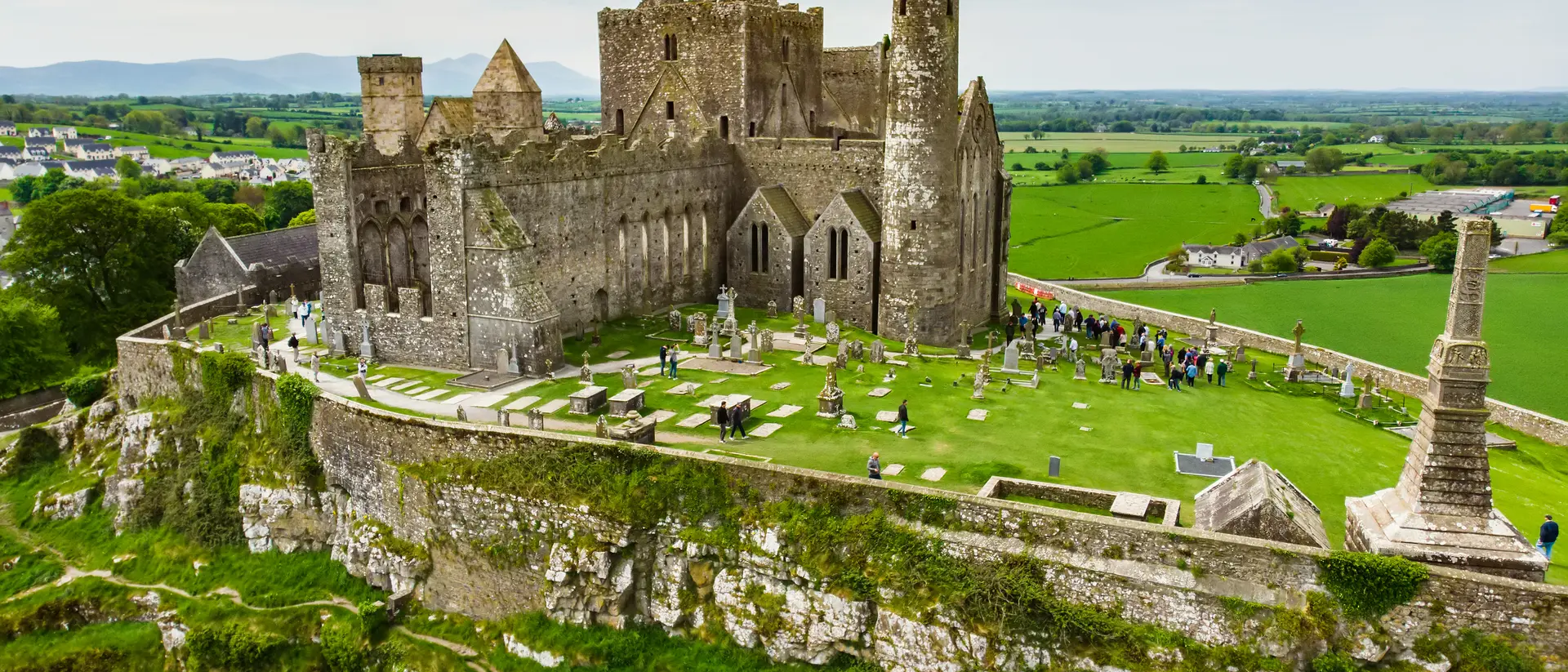
Today’s travellers can wade into this rich past through visits to such iconic sites as the Hill of Tara, which has been a ceremonial and burial site since Neolithic times, as well as The Rock of Cashel, where Celtic kings were once crowned.
Prominent medieval strongholds include such must-visit sites as Blarney and Dublin Castles.
But Ireland is far from just a museum island. It is also a place of living history, its culture and folklore ingrained in modern life. You can see this everywhere from the theatre stages of Dublin to fireside stools in local pubs, where friendly locals exercise their storied gift of gab.
To experience the best of this multifaceted land, consult with one of our experts for an ideal itinerary for you.
Irish Religious Traditions and Holidays
For centuries, Catholic and pagan traditions have been rolled together by the Irish to become integral parts of their lives. At Christmas and Easter, for instance, all walks of life come together in joyous celebration, with decorations, markets, and parades seen in every corner of the island.
Thousands also take part in the pilgrimage up Croagh Patrick on the last Sunday of each July as well as in ancient celebrations such as St. Brigid’s Day (February 1) and Samhaim (Halloween), both of which are rooted in pagan observances.
In almost every case, visitors are encouraged by locals to take part in the myriad of festivities that occur throughout the year. Speak to one of our Destination Specialists about the best ways and times to experience everything from Ireland’s many Christmas markets (popular ones are held in Dublin, Galway, Cork, and Waterford) to festivities celebrating St. Patrick, one of Ireland’s best known patron saints (St. Brigid of Kildare and St. Columba being two others).
Irish Daily Life and Etiquette
“Cead Mile Failte,” or “100,000 welcomes,” is a popular saying in Ireland, reflecting the warm and hospitable nature of the country and its people. Nowhere is this hospitality more evident than in Ireland’s world-renowned pubs. To step into an Irish pub (among the best and most famous are Tigh Chóilí in Galway and the Brazen Head, the Cobblestone, and the Stag’s Head in Dublin) is to immerse yourself in the very foundation of Irish culture and tradition.
Full of lively conversation and good food and drink, pubs offer vacationers a chance to interact with locals and experience a slice of real life, so don't be shy about grabbing a pint and engaging with fellow patrons in some good Irish craic (good times). Just be mindful of some etiquette. Key rules involve never interrupting a Guinness pour, calling for (and covering) a round of drinks when you’re in a small group, and being patient and polite with servers and barkeeps, as it's a casual, community-focused experience.
When they’re not at the pub, the Irish are typically at home with their families, as family life is a pillar of the Emerald Isle. If you’re invited to a private home, your host will generally go out of his or her way to make you feel comfortable, embodying a sense of "home is where the heart is.” It is a strong tradition to offer visitors tea or coffee, often accompanied by biscuits or snacks. Accepting the offer is a polite gesture.
Irish Festivals and Celebrations
No exploration of Irish culture and tradition would be complete without a major nod to St. Patrick’s Day. Originally observed in honour of one of Ireland’s patron saints, March 15 has become a worldwide celebration of all things Irish, with people from every corner of the globe encouraged to become “Irish for a day.” Celebrations including parades, musical performances, and céilís (social gatherings featuring folk songs, storytelling, and communal dancing) abound all over the island, and an influx of tourists is typical at this time of year.
Other cultural celebrations include Samhain (Halloween) and Bealtaine (May Day), plus music festivals like Fleadh Cheoil, arts events in Galway, and seasonal gatherings like the Puck Fair and Cork Jazz Festival.
Explore Irish Culture With Goway
From traditional music and food workshops to guided walking tours of literary Dublin to private jaunts through Ireland’s many castles and forts, our experts can help you immerse yourself in Ireland’s rich heritage with a host of specialized packages and itineraries. Talk to one of our Destination Specialists today to craft your perfect Irish cultural odyssey.
Featured Ireland Trip Ideas
Ireland Travel PackagesUnforgettable Ireland
Dublin, Galway, Cliffs of Moher, Limerick, Ring of Kerry, and Dingle PeninsulaDiscover Ireland’s lush countryside and rugged coasts on this great value small group coach tour, staying in 4-star hotels with expert guides throughout.
8 days
From US$2,361/p.p.
Request a Quote
British Isles Sampler: Dublin, Edinburgh & London
London, Big Ben, Buckingham Palace, Tower Bridge, Scottish Lowlands, Edinburgh, Edinburgh Castle, and DublinVenture through the enchanting landscapes of the British Isles, where Dublin’s warm hospitality meets Edinburgh’s historic charm, culminating in London’s pulse.
9 days
From US$2,648/p.p.
Request a Quote
Royal Atlantic Ireland by Rail & Coach
Galway, Cliffs of Moher, Ring of Kerry, and Dingle PeninsulaExperience a adventure across Ireland, starting in Dublin and journeying through Cork, Blarney, the scenic Ring of Kerry, Cliffs of Moher, and ending in the bohemian Galway.
5 days
From US$2,156/p.p.
Request a Quote
Unforgettable Ireland
Dublin, Galway, Cliffs of Moher, Limerick, Ring of Kerry, and Dingle PeninsulaDiscover Ireland’s lush countryside and rugged coasts on this great value small group coach tour, staying in 4-star hotels with expert guides throughout.
8 days
From US$2,361/p.p.
Request a Quote
British Isles Sampler: Dublin, Edinburgh & London
London, Big Ben, Buckingham Palace, Tower Bridge, Scottish Lowlands, Edinburgh, Edinburgh Castle, and DublinVenture through the enchanting landscapes of the British Isles, where Dublin’s warm hospitality meets Edinburgh’s historic charm, culminating in London’s pulse.
9 days
From US$2,648/p.p.
Request a Quote
Royal Atlantic Ireland by Rail & Coach
Galway, Cliffs of Moher, Ring of Kerry, and Dingle PeninsulaExperience a adventure across Ireland, starting in Dublin and journeying through Cork, Blarney, the scenic Ring of Kerry, Cliffs of Moher, and ending in the bohemian Galway.
5 days
From US$2,156/p.p.
Request a Quote
Travel Stories
Get inspired about Your Trip to Ireland
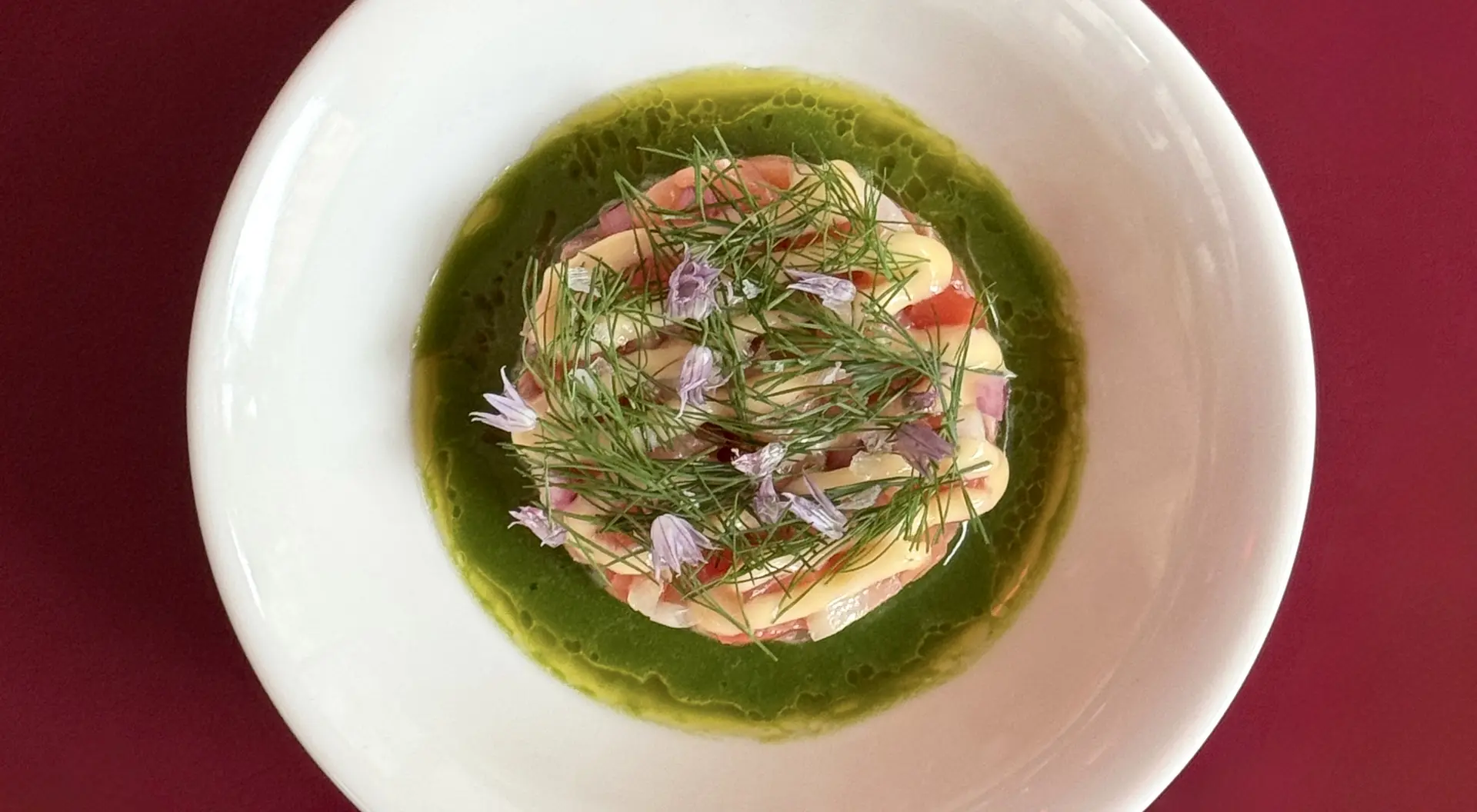
The Bounty of Budapest
Just after the server slid the bowl in front of me, my glasses began steaming up. The fumes, laden with the scent of rich beef and sweet, peppery papr...
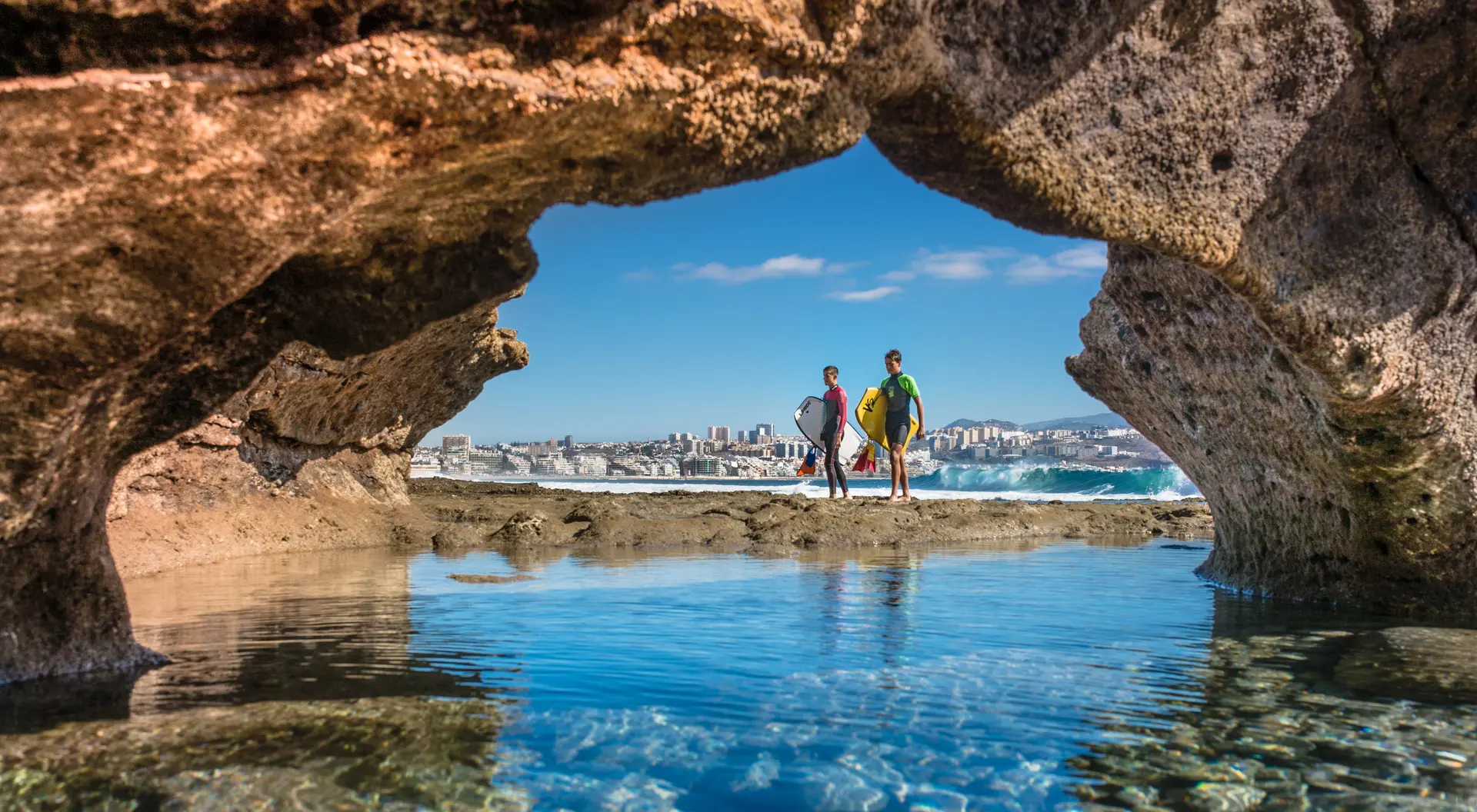
8 Reasons to Book a Trip to Gran Canaria
If you ask North American globetrotters to name their dream Spanish destination, they'll likely tell you about the Gaudí spires of Barcelona, the gall...
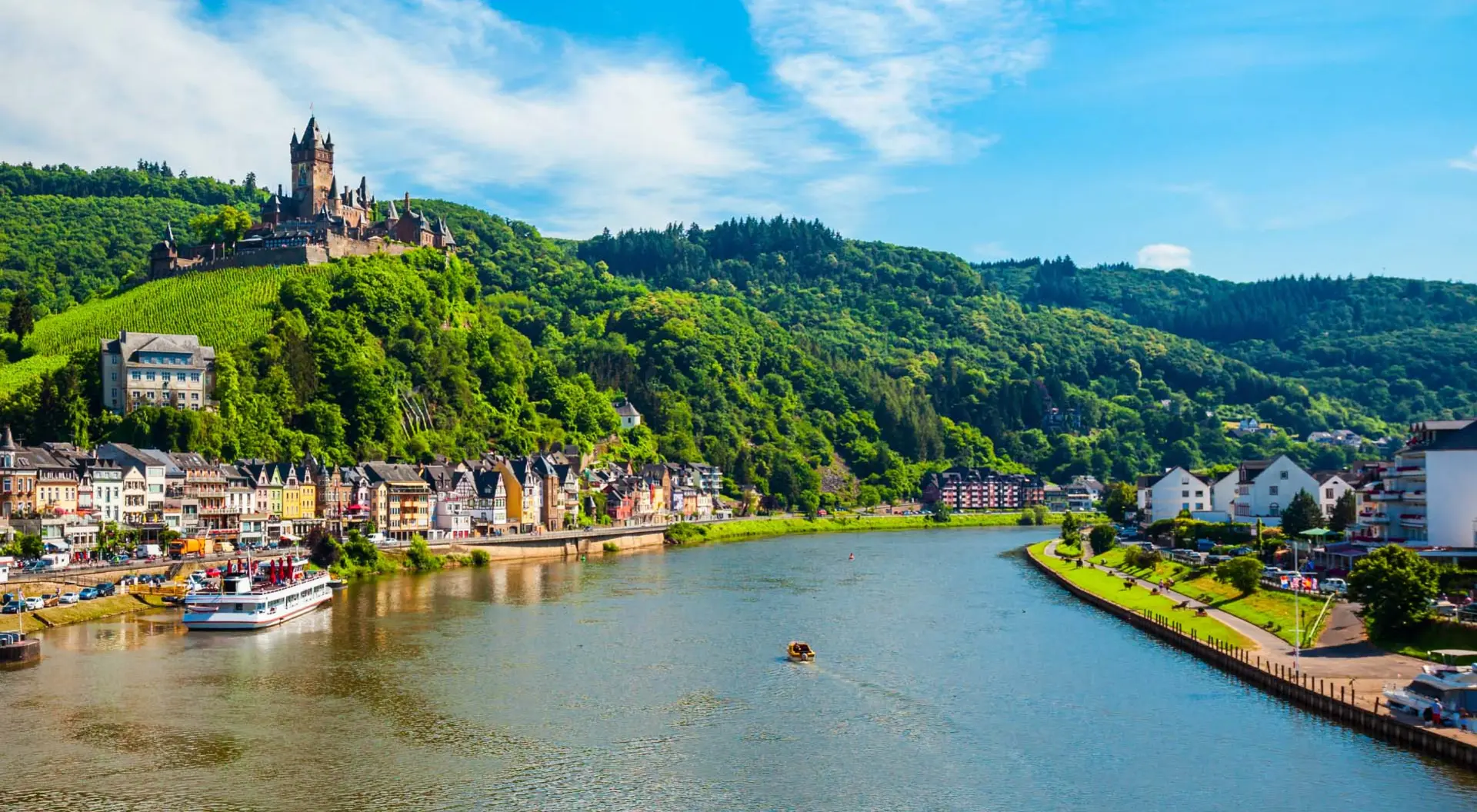
Ask a Travel Expert: European River Cruising
Cruising remains one of the most popular travel styles, but European river cruising isn’t quite the same as boutique island cruises or the big ocean l...
Frequently Asked Questions
What is the difference between Scottish and Irish culture?
What is important to the Irish culture?
The Irish pride themselves on the importance of family, friends, and a sense of community. Music, literature, and dancing are also revered art forms.
What is Irish culture known for?
Irish culture is known for its rich storytelling, vibrant traditional music and dance (jigs, reels), literary giants (Yeats, Joyce, Wilde, O’Casey), iconic pubs with "trad sessions," strong Gaelic heritage, Celtic folklore (fairies, leprechauns), hearty cuisine, and famous sports like Gaelic football and hurling, all celebrated globally, especially during St. Patrick's Day.
What mythological being is a part of St. Patrick’s day lore?
It is said in Irish folklore that St. Patrick drove all of the snakes out of Ireland for good.
What is the significance of cutting turf in Irish culture?
Once a primary source of fuel for light and heat, especially in rural areas, cutting turf (or peat) has become a symbol of Irish identity and resilience, evoking the scent of a traditional home and representing history, shared labour, and a slower way of life tied to the bogs. In many areas, the practice has been curtailed, limited by modern environmental restrictions.
What is the social etiquette in Ireland?
Irish social etiquette emphasizes warmth, sincerity, and respect for tradition, with interactions typically involving firm handshakes, making eye contact, understanding the importance of pub "rounds” (covering drinks when visiting pubs with a small group), and bringing small gifts (such as chocolates or wine) when visiting a private home.
What do Irish people do for fun?
The Irish have a natural affinity for a good time (craic), whether it’s an evening at the pub, attending a rousing hurling match, or going to a concert, theatre performance, or music festival.
What is the main religion in Ireland?
Ireland’s main religion is Roman Catholicism, with the Church having played an important role in everyday life throughout its modern history.
Does Ireland have a traditional dress?
Though much of it was suppressed by English rule, Ireland’s traditional dress is rooted in historical garments like the léine (tunic) and brat (cloak) for both sexes, later evolving with items like the gúna (woman's dress) and the woolly Aran sweater. Today, modern styles are common, though traditional costuming can still be seen in art forms like Irish step dancing.
Ireland Travel Information
Not sure which theme is right for you?
Unlock more by subscribing to our newsletter.
With our newsletter, you’ll get access to regular communications that inspire you and help you explore the world your way.Exclusive Savings
Insider Benefits
Trending Stories
ExcellentBased on 5,315 ReviewsWe decided to go to France for 3 weeks in September and knew we needed help planning the trip (we made this decision in August so a very short time frame. We had traveled with Goway a few years ago and were hoping they could help. Our specialist, Farnaz Bagheri, was fantastic, she listened to what we wanted to do and where we wanted to go. She literally arranged everything with her French partners. The guides and drivers were wonderful the accommodations were excellent. Communication was easy from the first discussion to the time we got home. Farnaz planned for us an exceptional trip in a very short time frame. Promise next trip we will contact Goway much earlier. Thanks againSue BlakeOur experience was amazing! The booking process went great. We just had to pack our clothes and everything else was taken care of thanks to Goway Travel… Lori Mezzomo!!! Lori was fantastic. Everything from flights to transfers to excursions was perfect! Can’t wait to go back and i would definitely use Goway Travel again!!!Marie IdolMaria Spitman provided exemplary service to us! Her expertise, attention to detail, timely replies and kindness were unmatched. We will definitely recommend her to others who we know are considering travel to Asia. Alice StaniforthMichael Keon and his crew did a fine job coordinating our trip to Turkey. His contact in Turkey, Mr. Omer was in contact with us almost daily reminding us of our schedule and pick up info. He was terrific. Very informative and insightful guides. And large comfortable vehicles on every trip. Awesome trip. Tom and Sharon Tom and Sharon, Toronto, Canada We loved the trip itinerary and everything was organized so well! Lori was always very responsive and answered our questions promptly. Thank you for an amazing trip!Jelena PoprzenAs a travel advisor, I recently booked a group of clients on a Goway tour in China following their paddleboat competition, and I couldn’t be happier with the experience.
Christine and Tanya in the groups department were incredibly helpful and made the entire process seamless. Their support was greatly appreciated!
The feedback from my clients was overwhelmingly positive, with particular praise for the local tour guides, who helped make the trip so memorable. Everyone had a wonderful time.
Thank you, Christine, Tanya, and the Goway team, for taking such great care of my clients. I would happily recommend Goway and look forward to working with them again!customerI wanna start off by saying that Farnaz our agent was excellent!!! she planned the whole experience from start to finish. We did not have to worry about one thing the entire trip. All the hotels were great. Our transfers from hotels to fairies to airports were all available and always on time. The excursions she planned for us were all top-notch. I was a little skeptical, but just finding GOWAY online stumbling across it. But I’m so glad I made the choice to use them. I hope they definitely using the company again and especially our agent Farnaz!!! Thank you do mych for a wonderful experience! CatherineOur goal for this trip was a stress free honeymoon where we did not have to think about anything! Goway made that successful. Everything was planned and ready for us. We just had to show up. Brooke recommended fantastic accommodations that were in great locations, clean and comfortable. The tours were took with Thompson's Africa were incredible as well. Brooke was helpful throughout the entire booking process & we wouldn't have had such an incredible experience without her. We really loved our South African holiday and hope to travel there or other locations again with Goway.TaylorOctober 9, 2026, was our 50th wedding anniversary. To celebrate, I wanted to take my bride to Europe for 50 days. Also, other than the flight over, I wanted to make the trip by train. I contacted Farnaz at Goway. The trip we planned ultimately extended to 60 days. It was absolutely flawless. We had great hotels, great tours. Even though this trip was complex and had a lot of moving parts, there were no problems. Farnaz and the folks at Goway done a great job. I highly recommend them and will definitely use them on any future tripsDaniel GraffWe had a fabulous Croatia vacation with a cruise from Dubrovnik to Split, followed by land tours on Split and Opatija. Lodging was always comfortable and conveniently located. Tours and activities were perfectly suited to our interests. We have used GoWay for 2 vacations and are currently working on another. Karen
Verified
Verified
Verified
Verified
Verified
Verified
Verified
Verified
Verified
Verified