Insider Travel Tips
Uncover Ireland's complex history, from ancient Rome to modern conflict.
Northern Ireland is distinctly its own, with wild coastal scenery, a layered history, and famously warm locals. One of the most important things to know before visiting is that identity here is nuanced and complex. Part of the United Kingdom since the 1921 partition, the region shares a complicated historical connection with the Republic of Ireland to the south. Some people in Northern Ireland identify as Irish, others as British, and many proudly as Northern Irish.
Though the region endured decades of conflict known as The Troubles (late 1960s–1998), today it’s remarkably safe and eager to share both its past and its vibrant, modern cultural scene.
With Belfast only a two-hour train or drive from Dublin, Northern Ireland folds seamlessly into a wider Irish itinerary. And across its six counties, standout experiences abound. Explore the Titanic Quarter and political murals of Belfast; stand in awe at the UNESCO-listed Giant’s Causeway; visit Game of Thrones filming locations; or walk the historic walls of Derry-Londonderry, the backdrop of the beloved series Derry Girls.
Distinct foods, accents, and traditions give the region its own flavour. With a few essential Northern Ireland travel tips, you’ll be well-prepared to explore the Emerald Isle’s captivating northeast.
Plan your tailor-made Northern Ireland vacation with Goway today.
Entry & Practical Info
Comprising six counties, Northern Ireland is part of the United Kingdom and shares an open land border with the Republic of Ireland to the south and west. If you’re travelling from Dublin, you can simply drive or take the train into Belfast with no border checks, though UK visa rules still apply. Travellers flying directly into Belfast will clear standard UK immigration on arrival. Many visitors, including Canadian and U.S. citizens, must obtain an Electronic Travel Authorization (ETA) for short stays. It’s applied for online, linked to your passport, and valid for two years.
English is the primary language, though Irish and Ulster-Scots are also officially recognized. Expect the Northern Irish accent to be noticeably stronger than the Dublin accent.
The currency is the British Pound (GBP), not the euro. Credit cards are widely accepted, ATMs are plentiful, and Wi-Fi is reliable in cities (with the odd dead zone in rural areas). Northern Ireland uses three-prong British plugs, drives on the left, and measures distance in miles—a key difference from the Republic of Ireland, which uses kilometres.
Health, Safety & Comfort
Northern Ireland is generally very safe, with low crime rates, excellent roads, high-quality tap water, and friendly locals who are often happy to share travel advice, including their favourite pubs and viewpoints. As with any destination, stay aware of your surroundings, take basic precautions, and follow any local guidance if demonstrations occur.
The region’s political history is complex, so it’s best to avoid sensitive topics, such as religion or politics, in casual conversation. Avoid wearing clothing or accessories featuring paramilitary symbols, the Irish tricolour flag, or the British Union Jack, as these can be viewed as political statements. If you’re visiting in June or July, be aware of the Marching Season, when annual parades take place. These events aren’t usually dangerous, but the atmosphere can feel tense in certain neighbourhoods, so it’s wise to avoid affected areas.
The weather in Northern Ireland is famously changeable, so pack layers, including a waterproof and windproof jacket, plus comfortable waterproof walking or hiking shoes. Travel insurance that covers medical emergencies is recommended for all travellers.
Cultural Etiquette & Local Customs
The culture of Northern Ireland is distinct from both the Republic of Ireland and the rest of the United Kingdom. The region experienced decades of political and sectarian conflict between unionist (largely Protestant) and nationalist (largely Catholic) communities. Although peace has been firmly established, the two groups continue to observe their own holidays, traditions and cultural practices. Learning about this history helps visitors better understand the region, and many find that guided tours in Belfast offer helpful context from a local perspective.
Festivals and cultural events fill the calendar year-round, from Belfast Pride and St. Patrick’s Day to the Halloween Festival in Derry-Londonderry.
Pub culture remains a social cornerstone. The tradition of taking turns “buying a round” is taken seriously, and skipping your turn is considered rude. Tipping isn’t expected but is always appreciated. Locals love good craic (fun banter) but avoid discussing politics or religion with strangers. And never order an Irish Car Bomb cocktail, which is extremely offensive in Northern Ireland. Stick to a pint of Guinness or Northern Ireland’s own Whitewater Belfast Black instead.
Weather & When to Go
Northern Ireland’s weather is mild but notoriously changeable. Expect a mix of sunshine, clouds, and light rain in every season. Summer (June to August) brings the warmest days and longest hours of daylight, making it peak season for families, hikers, and anyone tackling the Causeway Coast.
For most travellers, the best time to visit Northern Ireland is during the late spring and early fall months of May, June, September, and October. Temperatures are comfortable, crowds are lighter, and the scenery is at its most dramatic. In May and June, the countryside bursts with blossoms and newborn lambs, and by September and October, crisp air and spectacular foliage sweep across the region. These months also host standout festivals, including the City of Derry Jazz & Big Band Festival, the Belfast International Arts Festival, the Bushmills Salmon & Whiskey Festival, and Europe’s largest Halloween celebration, Derry Halloween.
Winter (December to February) brings cooler temperatures, strong winds, and occasional storms, but little snow. It’s an atmospheric time to enjoy pubs, traditional live music, and Belfast’s Christmas Markets.
Regional Highlights for First-Time Visitors
Belfast
Northern Ireland’s capital is the ideal starting point for first-time visitors. A Black Cab tour offers first-hand insight into The Troubles, guiding visitors through the political murals of the Falls and Shankill Roads. In the Titanic Quarter, the award-winning Titanic Belfast tells the story of the ocean liner built on the very slipways beneath your feet. A wider city tour reveals architectural landmarks such as the Albert Memorial Clock Tower, Queen’s University, the Botanic Gardens, Belfast City Hall, and bustling St. George’s Market. In the Cathedral Quarter, galleries, theatres, and lively pubs highlight Belfast’s creative pulse.
Giant’s Causeway & Coastal Drives
The Causeway Coastal Route is one of Europe’s most spectacular drives, winding past windswept cliffs, quiet villages, and the green glens of Antrim. Its showpiece is the UNESCO-listed Giant’s Causeway, where roughly 40,000 hexagonal basalt columns were formed by ancient volcanic activity (though local lore credits feuding giants). Nearby highlights include the seaside towns of Ballycastle and Portrush, and the cliff-hugging Gobbins Path.
Derry/Londonderry
Northern Ireland’s only fully walled city blends history with contemporary creativity. A guided walk along the 17th-century ramparts offers sweeping views and insight into the area’s early settlement, civil rights movement, and modern resurgence. Don’t miss the Peace Bridge, the Guildhall, or the Museum of Free Derry, before wandering into the Old Town’s cozy pubs and independent shops. Fans of Derry Girls will spot filming locations throughout the city.
Game of Thrones Filming Locations
With more than 25 filming sites, Northern Ireland is a dream for Game of Thrones fans. Embark on a cinematic-themed Ireland trip to explore iconic sites like Castle Ward (Winterfell) or plan a tailor-made journey that includes stops at Ballintoy Harbour (the Iron Islands), Downhill Beach (Dragonstone), and the Dark Hedges, an eerie, twisting avenue of beech trees made famous as the Kingsroad.
Food & Drink Culture
Northern Ireland’s cuisine is hearty, comforting, and rooted in classic UK and Irish traditions. Fish and chips, rich stews, and dishes featuring potatoes, dairy, beef, lamb, and fresh seafood can be found on most menus. Start your day with an Ulster Fry, the local twist on a full English breakfast, complete with soda bread and potato farls (potato cakes). Potato lovers will also want to try champ—mashed spuds with scallions and butter—or colcannon, a mash with cabbage or kale.
Stews and soups are perfect for chilly days, from traditional Irish stew made with lamb to farm-to-table vegetable soup. Along the coast, fresh oysters, lobster, mussels, and salmon are highlights. In cities and larger towns, you’ll find ample vegetarian, vegan, and gluten-free options.
Look out for traditional sweets at local bakeries and cafés, including barmbrack (a spiced fruit loaf), yellowman (a honeycomb-like toffee candy) and Fifteens (a no-bake treat made with biscuits, marshmallows, cherries, condensed milk, and coconut). At local pubs, sample beers from local breweries like Whitewater and Heaney or try Bushmills whiskey, a Northern Irish classic.
Work With a Travel Expert
Northern Ireland isn’t just an add-on to a whirlwind tour of the Emerald Isle—it’s a destination that demands insider knowledge, care, and context.
Goway’s Destination Specialists craft seamless itineraries blending history, culture, and adventure, from immersive private tours of Belfast to broader itineraries covering Northern Ireland and the Atlantic Coast.
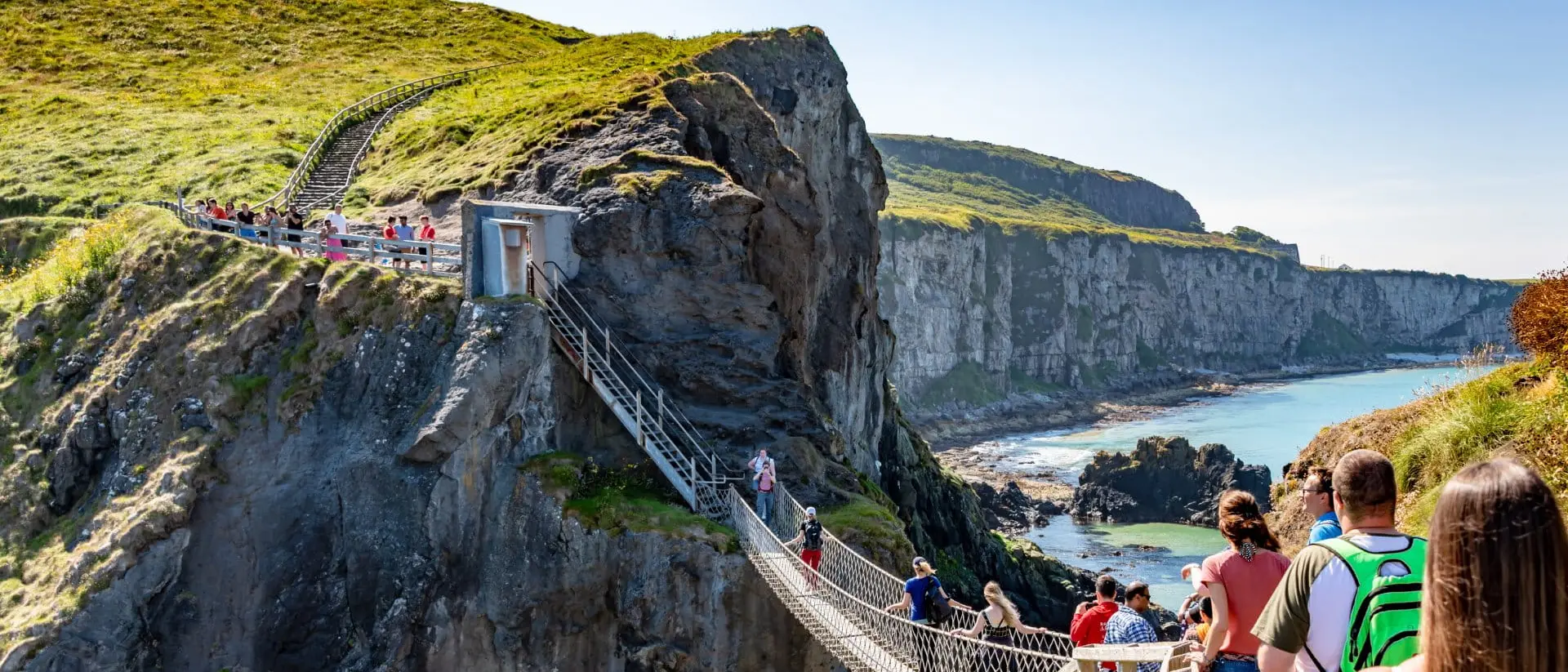
Venture beyond the beaten path with ease, from Lough Erne’s tranquil lakes to Dunluce Castle’s dramatic coastal cliffs, or the adrenaline-inducing Carrick-a-Rede rope bridge.
With 24/7 support and on-the-ground expertise, every detail, from exclusive tours to boutique hotel bookings, is handled, creating an experience as moving as Northern Ireland itself.
Begin your tailor-made Northern Ireland adventure with Goway.
FAQ
1. Do I need a visa to travel to Northern Ireland?
Northern Ireland is part of the United Kingdom, and visa requirements depend on your nationality, length of stay, and purpose of travel. Many visitors, including those from Canada, the U.S., and Australia, can enter visa-free for up to 6 months. If travelling from the Republic of Ireland, there are no border checks, but visa rules still apply—always confirm requirements before you go. Some travellers, including Canadian and U.S. citizens, are required to apply online for an Electronic Travel Authorization (ETA) before arriving.
2. What are the top etiquette tips in Northern Ireland?
Northern Irish people love good conversation, but it’s best to avoid hot-button topics like politics and religion. Pub culture is paramount, so take your turn “buying a round.” Tipping isn’t mandatory, but leaving 10-15% is appreciated for good service. Above all, be friendly, respectful, and open to the local “craic” (fun and lively banter).
3. How safe is Northern Ireland for solo travellers?
Northern Ireland is very safe for solo travellers, with low crime rates, excellent infrastructure, and friendly locals. Cities like Belfast and Derry feel easy to navigate, even at night, though standard precautions apply—stick to busy, well-lit streets and keep valuables secure. Guided Northern Ireland tours offer added peace of mind and provide valuable context for historical neighbourhoods and sites.
4. When is the best time to visit Northern Ireland?
The best time to visit Northern Ireland is late spring and early fall (May, June, September, and October), when the weather is mild, and there are fewer crowds. Summer offers the warmest, sunniest days and longest daylight hours—ideal for coastal drives and hiking—but it’s also peak season, with higher prices and more tourists. Winter is quiet and cozy, perfect for enjoying pub culture and festive markets, though expect cooler temperatures, occasional storms, and earlier sunsets.
5. What foods should I try in Northern Ireland?
A trip to Northern Ireland wouldn’t be complete without trying an Ulster Fry (a local version of the full English or full Irish breakfast, but with soda bread and potato farls). Irish stew, lamb shank, and potato-based dishes are other classics. For seafood lovers, there are ample opportunities to sample fresh Irish oysters, mussels, salmon, and lobster along the coast. Pair meals with a stout or craft beer, or Bushmills whiskey for a true taste of the region. Many cities and towns have fantastic bakeries with local sweets like barmbrack (a spiced fruit loaf) and Fifteens (a no-bake treat made with biscuits, marshmallows, cherries, condensed milk, and coconut).
Featured Northern Ireland Trip Ideas
Northern Ireland Travel Packages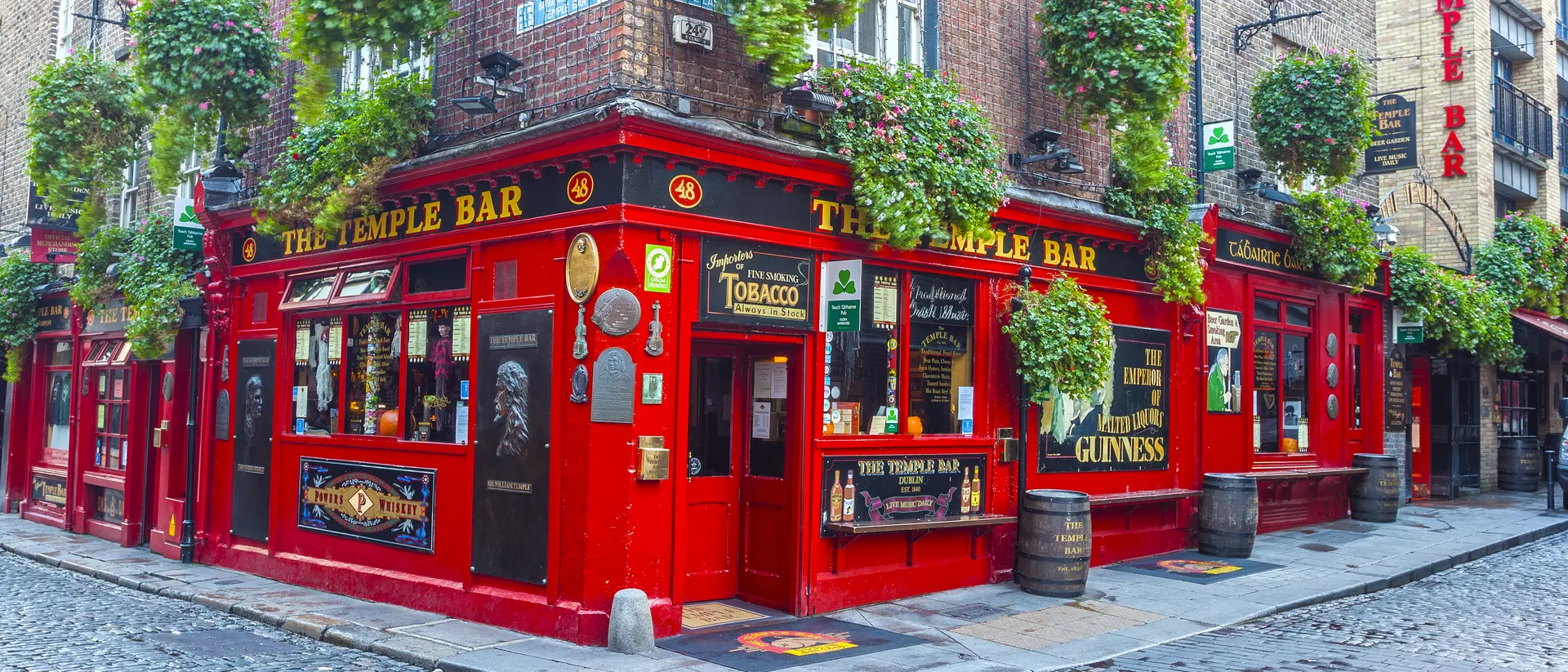
Highlights of Dublin & Belfast
Belfast, Giant’s Causeway, and Dublin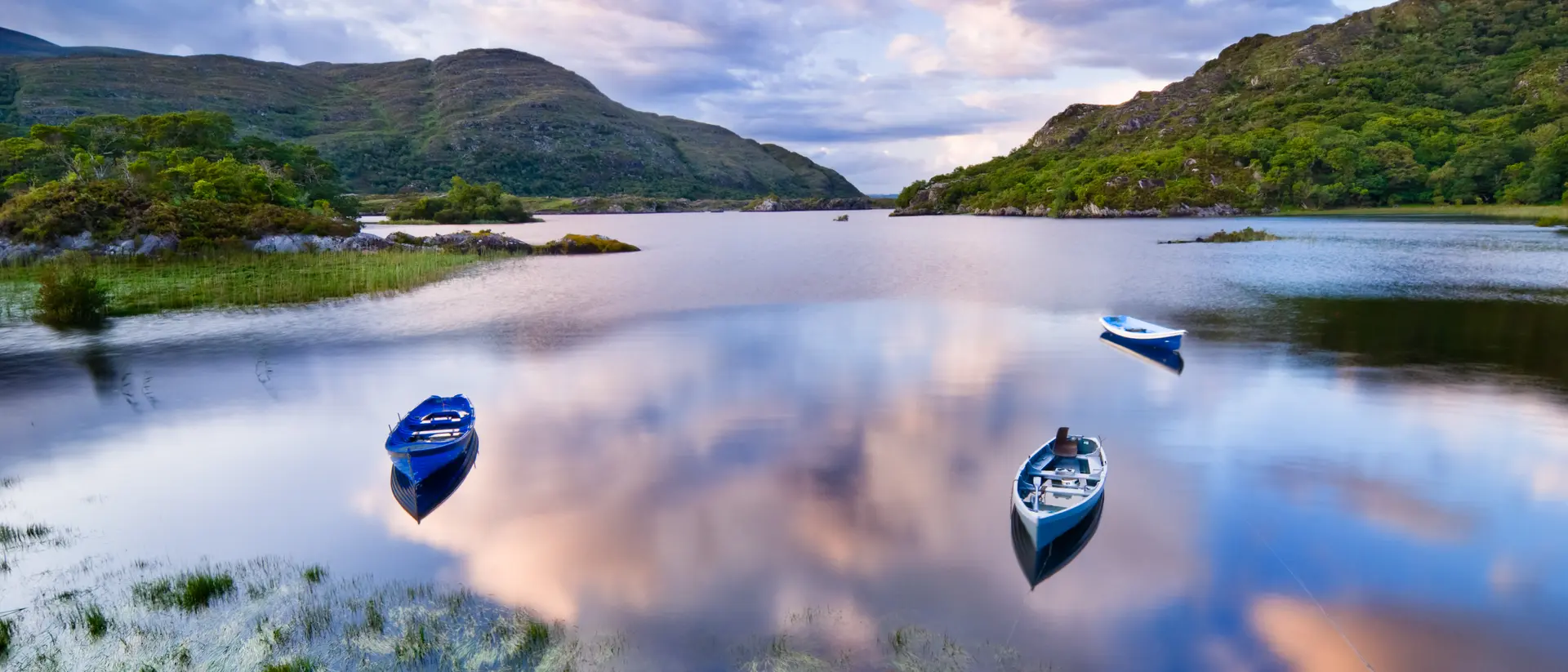
The Emerald Isle: Dublin, Belfast, Galway & Cork
Cork, Ring of Kerry, Dingle Peninsula, Galway, Cliffs of Moher, Belfast, Giant’s Causeway, and Dublin
Highlights of Dublin & Belfast
Belfast, Giant’s Causeway, and DublinThe Emerald Isle: Dublin, Belfast, Galway & Cork
Cork, Ring of Kerry, Dingle Peninsula, Galway, Cliffs of Moher, Belfast, Giant’s Causeway, and DublinTravel Stories
Get inspired about Your Trip to Northern Ireland
Just after the server slid the bowl in front of me, my glasses began steaming up. The fumes, laden with the scent of rich beef and sweet, peppery papr...
If you ask North American globetrotters to name their dream Spanish destination, they'll likely tell you about the Gaudí spires of Barcelona, the gall...
Cruising remains one of the most popular travel styles, but European river cruising isn’t quite the same as boutique island cruises or the big ocean l...
Unlock more by subscribing to our newsletter.
With our newsletter, you’ll get access to regular communications that inspire you and help you explore the world your way.