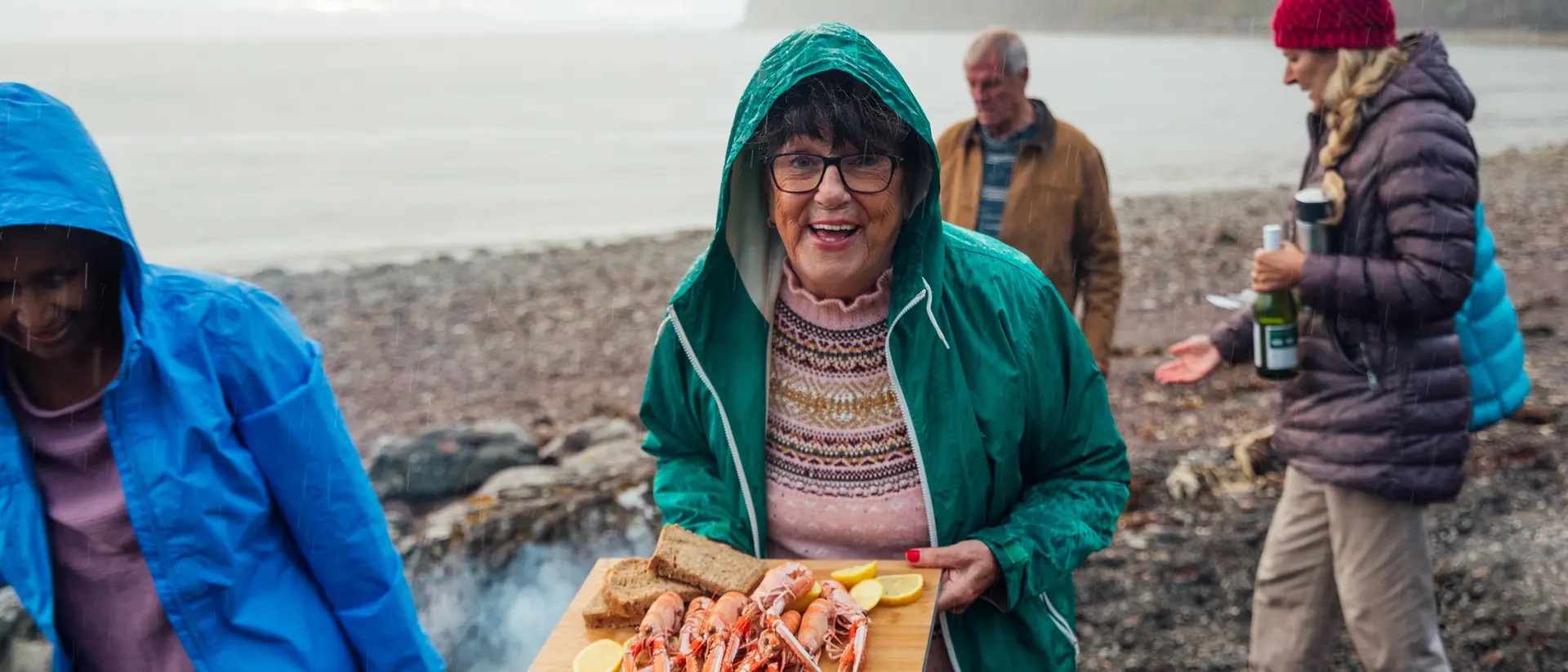
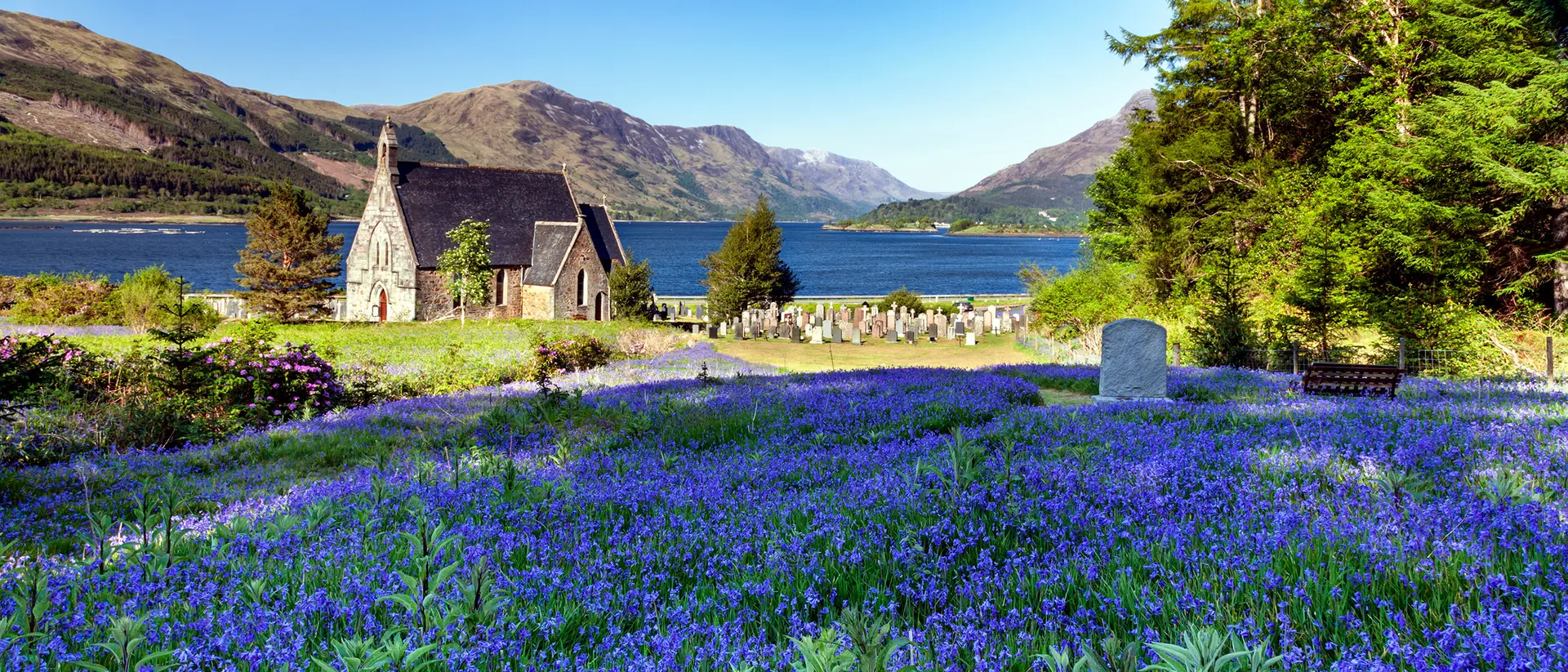
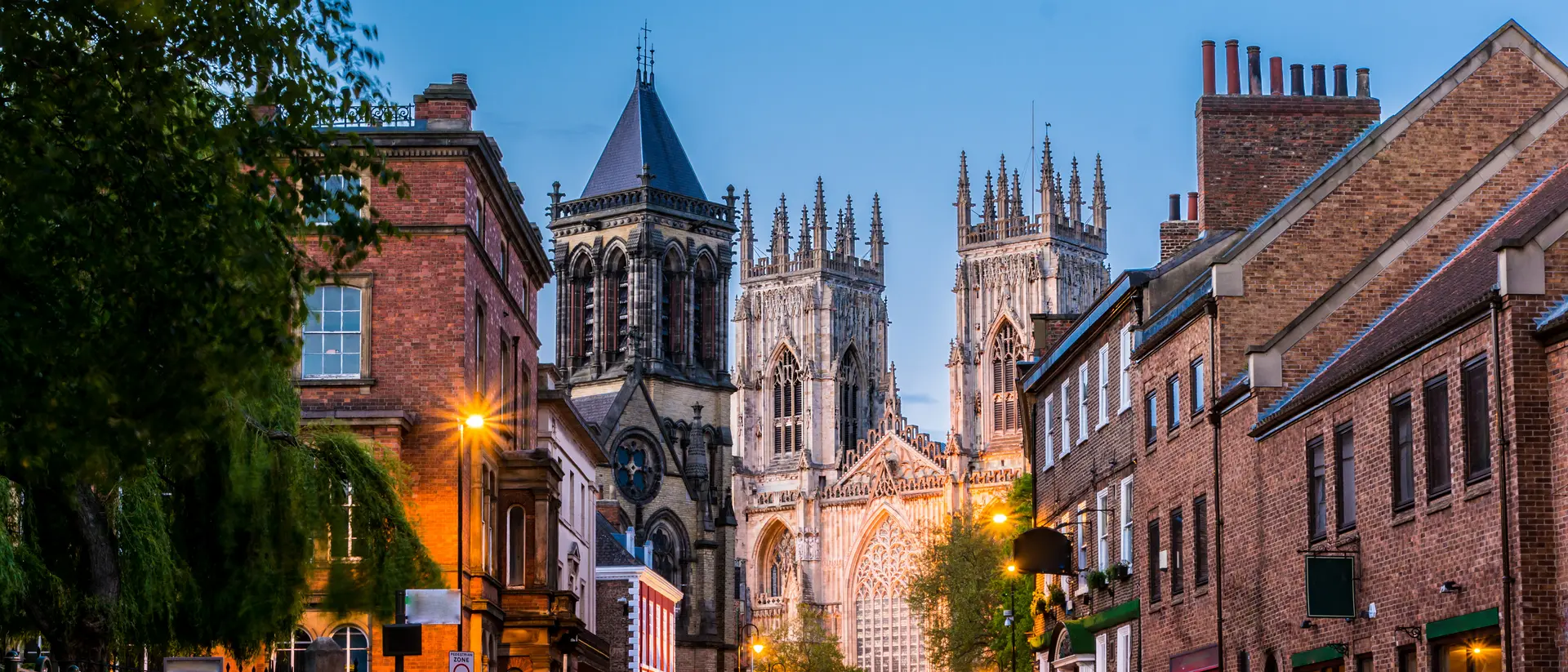
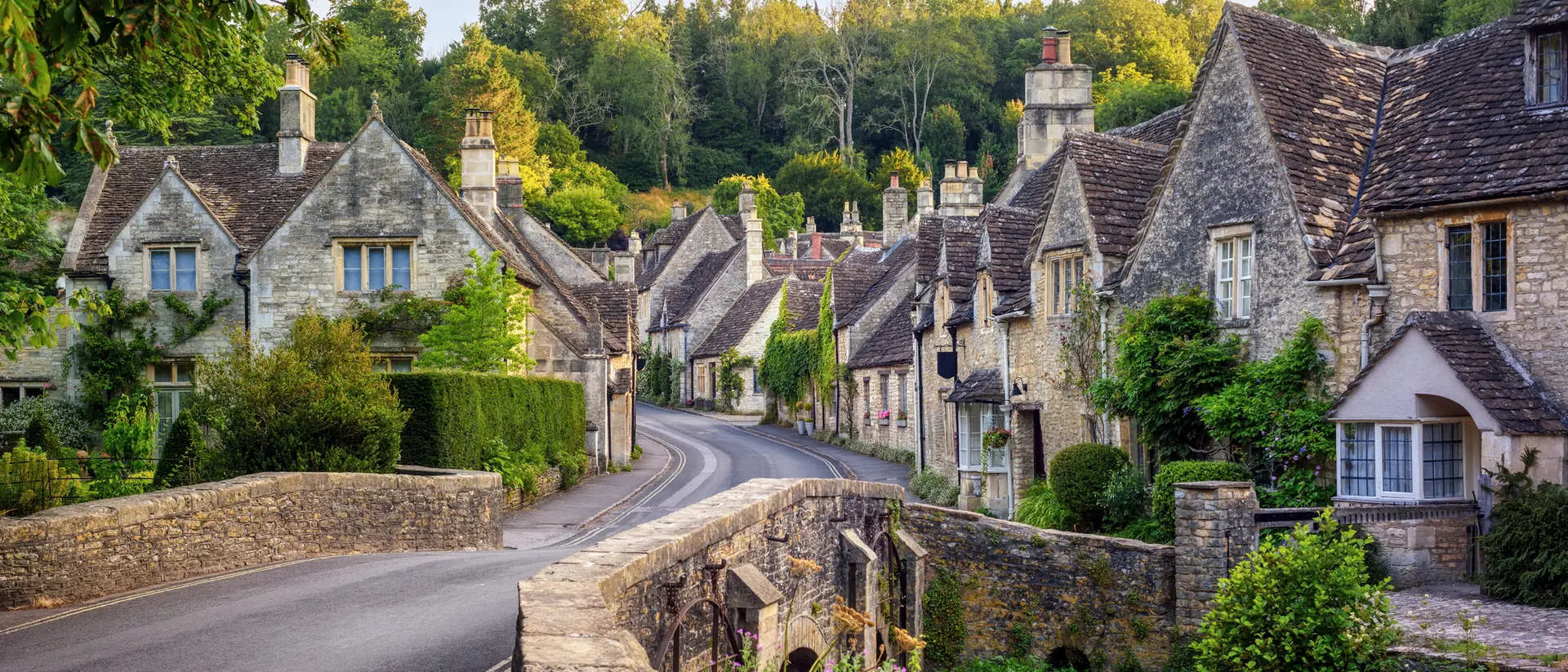
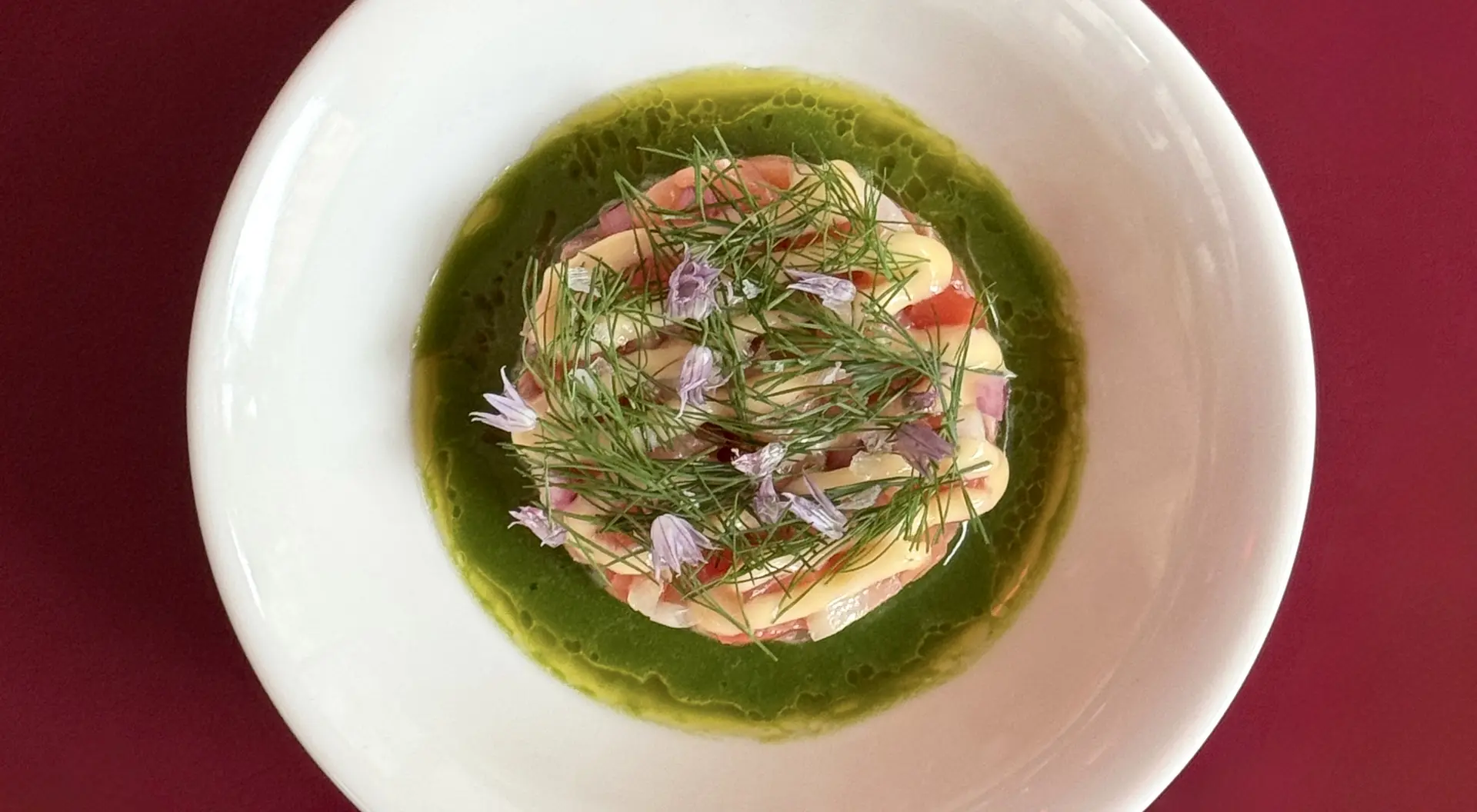
Haggis, smoked salmon, Cullen skink, and Scotch whisky are iconic favourites.
Scotland Travel Information
Not sure which theme is right for you?
Food & Drink
Scottish cuisine is more than comfort food: It’s a reflection of the land and its traditions, offering bold flavours and fresh ingredients from rugged coasts and fertile valleys. From warming bowls of Cullen skink to tender Highland venison and freshly caught seafood, Scotland invites you to taste its heritage. Pair these dishes with world-renowned whiskies or local ales for a truly authentic experience.
“Tennant's Beer and Scotch Whisky, plus classic fish and chips, are essentials in Scotland,” says Destination Specialist Danette Jeoffroy.
Whether you’re dining in a historic pub like Edinburgh’s Grassmarket or enjoying elegant tasting menus in a castle hotel, every meal tells a story. Speak to one of our Destination Specialists to start planning your Scottish culinary journey today.
A Culinary Overview of Scotland
Scottish food is hearty and rooted in tradition, often using locally sourced beef, oats, salmon, and root vegetables. Signature dishes include haggis served with tatties and neeps, Cullen skink (a smoked haddock chowder), and the sweet, creamy dessert cranachan.
“Haggis is Scotland’s iconic dish, traditionally served with tatties and neeps (potatoes and turnips),” shares Destination Specialist Danette Jeoffroy. Seafood lovers will also find Scotland’s coasts teeming with fresh catches, from lobster to langoustines.
In the Highlands, game dishes and rustic stews reign supreme, while whisky often features in sauces and desserts. “Scottish smoked salmon and single malt Scotch whisky are must-try specialties,” notes Destination Specialist Rebeka Cameron.
Unique Scottish Dining Experiences
Scotland’s dining scene is a blend of tradition and great creativity. In Edinburgh, cozy pubs like The Last Drop in the Grassmarket serve hearty fare alongside an excellent selection of brews and spirits. “The Last Drop is a historic pub that offers classic Scottish dishes and a wide selection of cask ales and gins,” says Destination Specialist Rebeka Cameron.
For a royal touch, enjoy afternoon tea at the Royal Deck Tea Room aboard the Royal Yacht Britannia, a truly unique experience in Edinburgh’s waterside Leith district. On the coasts, seafood shines with fresh oysters in Oban or langoustines in the Highlands.
Food tours are an immersive way to experience local flavours, from bustling markets and artisan bakeries in Edinburgh or Glasgow to farm-to-table dining in the countryside. Whisky lovers can pair fine dining with distillery visits, blending Scotland’s culinary heritage with its iconic spirit.
“See more than just Edinburgh or Glasgow,” Destination Specialist Danette Jeoffroy advises. “Go out to the smaller towns, the Highlands, Isle of Skye, and Shetland to see all the beauty of this region.”
For practical advice on dining etiquette and cultural norms, explore our Scotland travel tips and etiquette guide.
Scottish Whisky and Spirits
Whisky is Scotland’s liquid gold and an essential part of its cultural identity. “The Speyside region is the heart of Scotch whisky. Half of all Scotch comes from here, with 220 distilleries including Glenfiddich,” says Destination Specialist Rebeka Cameron.
For those who love smoky notes, the isle of Islay delivers signature peaty flavours. “The smoky flavour comes from burning peat moss to dry the malted barley, a true taste of Scotland,” notes Holinaty.
The Malt Whisky Trail is another must for connoisseurs, offering curated visits to world-class distilleries where you can taste rare single malts and learn about the art of whisky-making. Many tours pair whisky with artisan cheese or rich chocolate for a sensory experience. Gin lovers will also find an emerging craft scene, with botanical gins distilled across the Lowlands and islands.
“I wanted to try Scotch whisky at a pub,” Destination Specialist Danette Jeoffroy recalls. “The bartender walked me through different options, letting me smell and taste a few. I just fell in love with Scotch and Scotland.”
Dining Etiquette in Scotland
Dining in Scotland is as much about the company as it is about the food. Meals often feature hearty portions, especially in rural inns and Highland lodges, where traditional fare like haggis or slow-cooked stews takes centre stage. Lunch tends to be lighter, while dinner is usually served earlier than in some European countries, often around 6:00 or 7:00 p.m.
Pub culture plays a major role, offering a relaxed atmosphere for meals and socializing. When it comes to etiquette, tipping is appreciated but not obligatory, with 10 percent considered generous for good service. Ordering at the bar in pubs is customary, and splitting checks is uncommon. Sharing food is part of the experience during whisky and cheese pairings or traditional afternoon teas. For visitors, embracing the slower pace and savouring every course is key to experiencing true Scottish hospitality.
For more insight into traditions that shape daily life, explore our guide to Scottish cultural traditions.
Accommodating Dietary Needs in Scotland
Scottish cuisine is traditionally hearty, with plenty of meat and seafood, but vegetarian and vegan travelers will find an increasing number of options in cities and tourist areas. Many restaurants now offer plant-based versions of classic dishes, and coastal towns highlight fresh, seasonal vegetables alongside their seafood offerings. Gluten-free travelers are also well accommodated, with bakeries and cafés adapting menus to cater to dietary needs. Supermarkets across Scotland label allergens clearly, making self-catering an easy option if needed.
While rural areas may be slower to adapt, a little planning will ensure delicious meals throughout your journey. Informing restaurants ahead of time about specific restrictions is always a good idea. From creative fine dining in Edinburgh to farm-to-table meals in the Highlands, Scotland ensures that dietary requirements do not mean sacrificing flavour.
“Tailoring itineraries to match each traveler’s interests creates a one-of-a-kind Scottish adventure,” says Destination Specialist Rebeka Cameron. Goway can arrange bespoke dining experiences that respect every preference, ensuring your culinary adventure is as seamless as it is satisfying.
Plan Your Scottish Culinary Adventure
Food is central to the Scottish experience, and Goway specializes in crafting itineraries that celebrate this tradition. Imagine savouring a private chef-prepared dinner in a historic castle, exploring vibrant farmers’ markets, or joining a market-to-table tour in Edinburgh where you source fresh ingredients before enjoying a cooking class. Whisky lovers can pair gourmet dining with distillery tours, while seafood enthusiasts will delight in coastal feasts featuring the day’s catch.
“We can put together something amazing for any season,” says Destination Specialist Danette Jeoffroy. Book your custom Scottish food and whisky journey with a Goway expert today.
Featured Scotland Trip Ideas
Scotland Travel PackagesBeyond the Highlights of London & Edinburgh with Airfare
Scottish Lowlands, Edinburgh, Edinburgh Castle, London, Big Ben, Buckingham Palace, and Tower BridgeTrace royal footsteps and rock legends on this independent UK journey, pairing lively London with romantic Edinburgh and a Highland escape to Loch Ness.
10 days
From US$5,329/p.p.
Request a Quote
Highlights of Britain
Scottish Lowlands, Edinburgh, Edinburgh Castle, York, Cotswolds, London, Big Ben, Buckingham Palace, and Tower BridgeExplore the stunning landscapes of England, from historic London to enchanting Snowdonia. Delight in the majestic Lakes District and finish your journey in Edinburgh.
15 days
From US$6,546/p.p.
Request a Quote
Elegant England & Scotland
Scottish Lowlands, Edinburgh, Edinburgh Castle, West Midlands, London, Big Ben, Buckingham Palace, and Tower BridgeDiscover Britain’s treasures, from Blenheim Palace and Bath’s Roman Baths to steam trains, Strawberry Field and Alnwick Castle.
12 days
From US$5,416/p.p.
Request a Quote
Beyond the Highlights of London & Edinburgh with Airfare
Scottish Lowlands, Edinburgh, Edinburgh Castle, London, Big Ben, Buckingham Palace, and Tower BridgeTrace royal footsteps and rock legends on this independent UK journey, pairing lively London with romantic Edinburgh and a Highland escape to Loch Ness.
10 days
From US$5,329/p.p.
Request a Quote
Highlights of Britain
Scottish Lowlands, Edinburgh, Edinburgh Castle, York, Cotswolds, London, Big Ben, Buckingham Palace, and Tower BridgeExplore the stunning landscapes of England, from historic London to enchanting Snowdonia. Delight in the majestic Lakes District and finish your journey in Edinburgh.
15 days
From US$6,546/p.p.
Request a Quote
Elegant England & Scotland
Scottish Lowlands, Edinburgh, Edinburgh Castle, West Midlands, London, Big Ben, Buckingham Palace, and Tower BridgeDiscover Britain’s treasures, from Blenheim Palace and Bath’s Roman Baths to steam trains, Strawberry Field and Alnwick Castle.
12 days
From US$5,416/p.p.
Request a Quote
Travel Stories
Get inspired about Your Trip to Scotland
The Bounty of Budapest
Just after the server slid the bowl in front of me, my glasses began steaming up. The fumes, laden with the scent of rich beef and sweet, peppery papr...
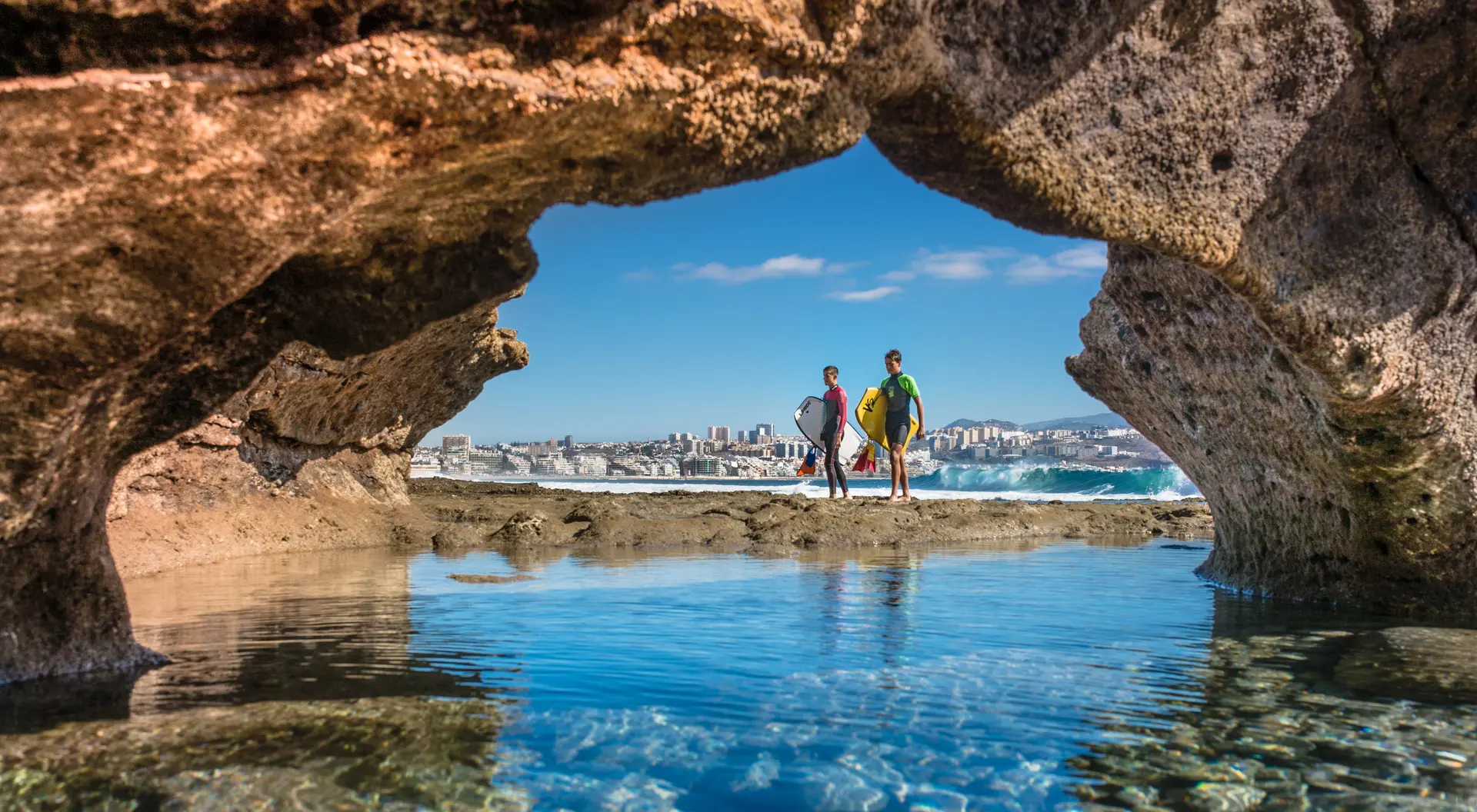
8 Reasons to Book a Trip to Gran Canaria
If you ask North American globetrotters to name their dream Spanish destination, they'll likely tell you about the Gaudí spires of Barcelona, the gall...
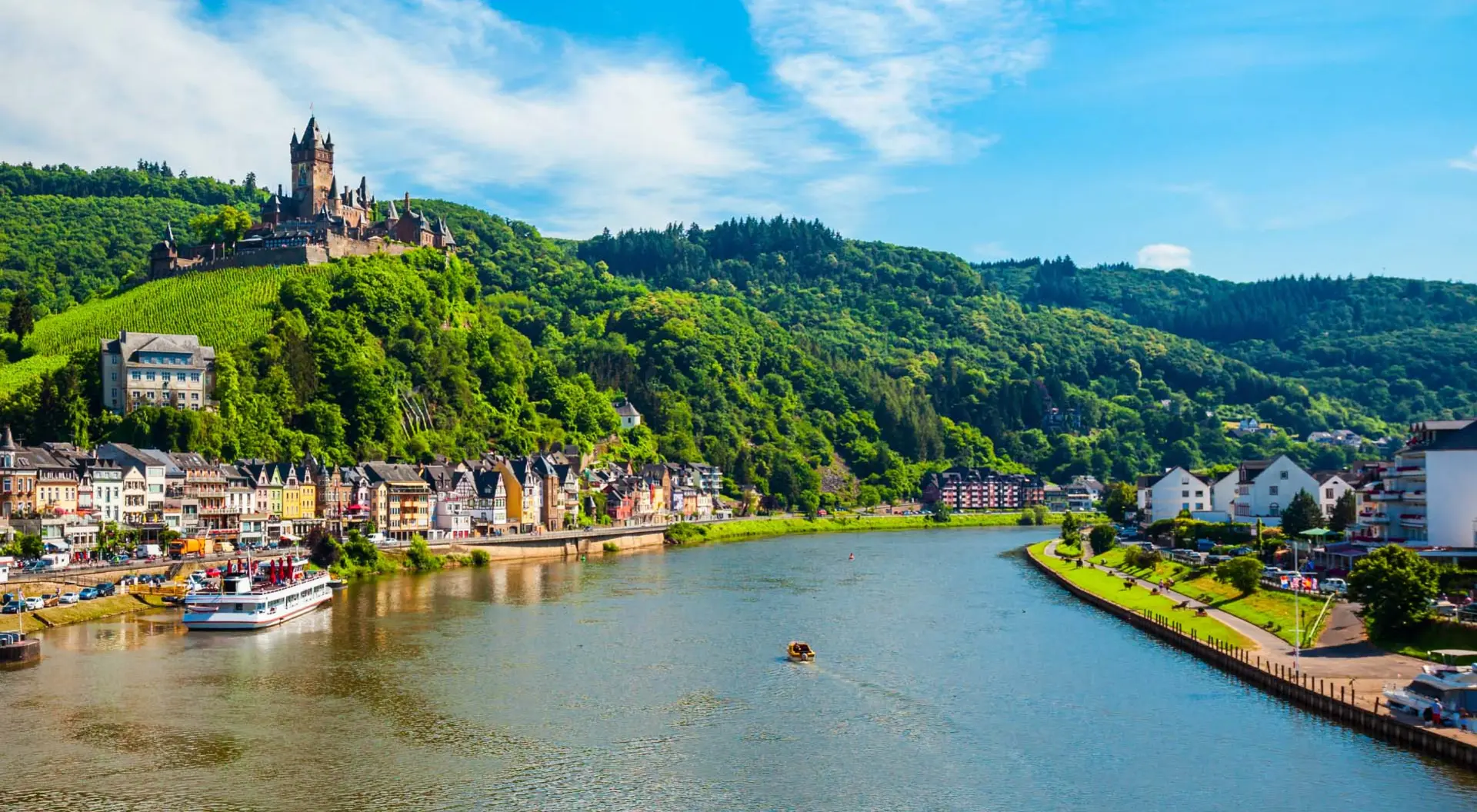
Ask a Travel Expert: European River Cruising
Cruising remains one of the most popular travel styles, but European river cruising isn’t quite the same as boutique island cruises or the big ocean l...
Frequently Asked Questions
What food and drink is Scotland known for?
What is the number one drink in Scotland?
Scotch whisky is the national drink, but local beers and gins are also popular.
What is the traditional Scottish food?
Haggis served with neeps (turnips) and tatties (potatoes) is the most famous traditional dish.
What does Scotland eat for breakfast?
A traditional Scottish breakfast includes eggs, sausage, black pudding, baked beans, and toast.
What is the dining etiquette in Scotland?
Meals are relaxed and social. Tipping around 10 percent for good service is customary.
What is typical pub food in Scotland?
Expect hearty dishes like fish and chips, steak pie, and haggis with whisky sauce.
Scotland Travel Information
Not sure which theme is right for you?
Unlock more by subscribing to our newsletter.
With our newsletter, you’ll get access to regular communications that inspire you and help you explore the world your way.Exclusive Savings
Insider Benefits
Trending Stories

ExcellentBased on 5,315 ReviewsWe decided to go to France for 3 weeks in September and knew we needed help planning the trip (we made this decision in August so a very short time frame. We had traveled with Goway a few years ago and were hoping they could help. Our specialist, Farnaz Bagheri, was fantastic, she listened to what we wanted to do and where we wanted to go. She literally arranged everything with her French partners. The guides and drivers were wonderful the accommodations were excellent. Communication was easy from the first discussion to the time we got home. Farnaz planned for us an exceptional trip in a very short time frame. Promise next trip we will contact Goway much earlier. Thanks againSue BlakeOur experience was amazing! The booking process went great. We just had to pack our clothes and everything else was taken care of thanks to Goway Travel… Lori Mezzomo!!! Lori was fantastic. Everything from flights to transfers to excursions was perfect! Can’t wait to go back and i would definitely use Goway Travel again!!!Marie IdolMaria Spitman provided exemplary service to us! Her expertise, attention to detail, timely replies and kindness were unmatched. We will definitely recommend her to others who we know are considering travel to Asia. Alice StaniforthMichael Keon and his crew did a fine job coordinating our trip to Turkey. His contact in Turkey, Mr. Omer was in contact with us almost daily reminding us of our schedule and pick up info. He was terrific. Very informative and insightful guides. And large comfortable vehicles on every trip. Awesome trip. Tom and Sharon Tom and Sharon, Toronto, Canada We loved the trip itinerary and everything was organized so well! Lori was always very responsive and answered our questions promptly. Thank you for an amazing trip!Jelena PoprzenAs a travel advisor, I recently booked a group of clients on a Goway tour in China following their paddleboat competition, and I couldn’t be happier with the experience.
Christine and Tanya in the groups department were incredibly helpful and made the entire process seamless. Their support was greatly appreciated!
The feedback from my clients was overwhelmingly positive, with particular praise for the local tour guides, who helped make the trip so memorable. Everyone had a wonderful time.
Thank you, Christine, Tanya, and the Goway team, for taking such great care of my clients. I would happily recommend Goway and look forward to working with them again!customerI wanna start off by saying that Farnaz our agent was excellent!!! she planned the whole experience from start to finish. We did not have to worry about one thing the entire trip. All the hotels were great. Our transfers from hotels to fairies to airports were all available and always on time. The excursions she planned for us were all top-notch. I was a little skeptical, but just finding GOWAY online stumbling across it. But I’m so glad I made the choice to use them. I hope they definitely using the company again and especially our agent Farnaz!!! Thank you do mych for a wonderful experience! CatherineOur goal for this trip was a stress free honeymoon where we did not have to think about anything! Goway made that successful. Everything was planned and ready for us. We just had to show up. Brooke recommended fantastic accommodations that were in great locations, clean and comfortable. The tours were took with Thompson's Africa were incredible as well. Brooke was helpful throughout the entire booking process & we wouldn't have had such an incredible experience without her. We really loved our South African holiday and hope to travel there or other locations again with Goway.TaylorOctober 9, 2026, was our 50th wedding anniversary. To celebrate, I wanted to take my bride to Europe for 50 days. Also, other than the flight over, I wanted to make the trip by train. I contacted Farnaz at Goway. The trip we planned ultimately extended to 60 days. It was absolutely flawless. We had great hotels, great tours. Even though this trip was complex and had a lot of moving parts, there were no problems. Farnaz and the folks at Goway done a great job. I highly recommend them and will definitely use them on any future tripsDaniel GraffWe had a fabulous Croatia vacation with a cruise from Dubrovnik to Split, followed by land tours on Split and Opatija. Lodging was always comfortable and conveniently located. Tours and activities were perfectly suited to our interests. We have used GoWay for 2 vacations and are currently working on another. Karen
Verified
Verified
Verified
Verified
Verified
Verified
Verified
Verified
Verified
Verified