Insider Travel Tips
Slovenia's rich history spans empires, occupations, and newfound independence.
Europe’s best-kept secret, Slovenia delivers an extraordinary mix of Alpine drama, Adriatic charm, and rewarding cultural experiences, all within easy reach of Austria, Croatia, and Italy. While Slovenia pairs seamlessly with a broader regional itinerary, the country offers more than enough to merit a dedicated trip.
Ljubljana sets the tone with its riverside framed by Baroque and Art Nouveau architecture, clifftop castle, and leafy Tivoli Park. Along the Adriatic Coast, Piran offers charming Venetian architecture and a relaxed Mediterranean pace. In the Julian Alps, Lake Bled draws visitors with its cliffside 11th-century castle, island church, and access to hiking and water activities. Nearby, Lake Bohinj—Slovenia’s largest lake and the heart of Triglav National Park—invites outdoor exploration. Meanwhile, wine lovers will find Goriška Brda, tucked between the Alps and the Mediterranean, to be one of the country’s most rewarding regions.
Sustainability is central to Slovenian culture, influencing everything from protected landscapes to pioneering restaurants. With so much to explore, a few expert Slovenia travel tips can make all the difference.
Plan your tailor-made Slovenia vacation with Goway today.
Entry & Practical Info
Slovenia’s visa requirements vary depending on the purpose and length of your trip. Like other Schengen-area countries, Canadians and United States citizens can enter visa-free for up to 90 days within 180 days, provided they have a valid passport. An ETIAS (European Travel Information and Authorization System) registration will be required for many travellers starting in late 2026. As with most European destinations, it’s recommended to travel with a passport valid for at least six months and with at least two blank pages.
Slovenia uses the euro and Type F plugs, which are included in most universal adaptors. Slovene is the official language, though English is widely spoken. Learning a few Slovenian phrases is appreciated by locals. Start with dober dan (good day), prosim (please), and hvala (thank you).
It’s easy to get around urban centres. Ljubljana’s historic core is largely car-free, making walking, biking, or hopping on the free electric “Kavalirs” carts simple and convenient. Beyond the cities, public transportation becomes limited, so renting a car or joining a guided tour is the most efficient way to explore Slovenia’s mountains, lakes, and wine regions.
Health, Safety & Comfort
Slovenia ranks among the top 10 safest and most peaceful countries in the world. Travellers can explore with ease, though standard precautions still apply.
If you’re exploring the great outdoors—and in Slovenia, that’s likely—take extra care. The country boasts more than 9,000 kilometres of marked trails, but it’s easy to get lost, especially in the Julian Alps or on more technical hikes. Consider going with a professional guide, and for any emergency, dial 112. It’s a good idea to pack comfortable walking shoes for cobblestones and nature trails, plus rain gear and a windbreaker.
Ticks are common in forests and meadows across Central Europe, so use repellent, wear long sleeves and pants on hikes, and check your skin and clothing afterward. Mosquitoes can also appear around lakes and wetlands in warmer months, so packing a reliable repellent is wise.
Cultural Etiquette & Local Customs
As a proudly green country, Slovenia places a strong emphasis on conserving outdoor spaces. Littering is strictly forbidden—you can even be fined for failing to recycle properly. Resourcefulness is part of daily life, so avoid waste when you can and embrace a “leave-no-trace” philosophy in parks.
When it comes to cultural etiquette, Slovenians are polite and formal. Use titles and last names until you’re invited to switch to first names, and be mindful of personal space. Slovenians typically reserve hugs and cheek kisses for close friends and family, so stick with handshakes when meeting new people. Punctuality is valued, too. Arriving on time for tours or social gatherings shows respect.
Catholicism is the predominant religion, so modest attire (shoulders and knees covered) is appreciated when visiting churches. While tipping isn’t obligatory, rounding up the bill or leaving 10-15% in restaurants and taxis is a kind gesture.
Weather & When to Go
The best time to visit Slovenia depends on your priorities. May to October is high season, with warm weather, snow-free trails in the Alps, and photogenic scenery.
Late spring (May and June) is an ideal time for those looking for pleasant weather and fewer crowds. This is when the first alpine wildflowers bloom, celebrated each year at the International Wild Flower Festival at Lake Bohinj.
By summer (July and August), coastal towns are in full swing, and the lakes are warm enough for swimming and stand-up paddleboarding. Spa resorts, shaded mountain paths, and the cool caves of the Karst region provide a refreshing break from 30-degree days.
Early fall (September–October) brings sunshine, mild temperatures, and standout seasonal experiences like mushroom foraging in Triglav National Park and celebrating the grape harvest in Goriška Brda.
April and November offer quiet shoulder-season appeal for museums and culinary exploration.
In winter (December–March), alpine regions transform into a snowy playground for skiing, snowshoeing, and cozy spa stays. Slovenia’s Carnival season takes place in February or early March, with lively parades, costumes, and rituals to usher in spring.
Regional Highlights for First-Time Visitors
For a first-time trip to Slovenia, these regions offer an ideal introduction to the country’s history, landscapes, and natural wonders.
Ljubljana
Slovenia’s capital, Ljubljana, blends Baroque beauty, Roman history, and an exciting contemporary arts scene. Ljubljana Castle presides over the city from its hilltop perch, reachable by funicular or scenic walking paths. Along the Ljubljanica River, Art Nouveau bridges like the Dragon Bridge anchor the city’s postcard views. Explore lively Prešeren Square and key museums or dive into private beer or food tours that highlight the city’s markets, eateries, and breweries.
Lake Bled
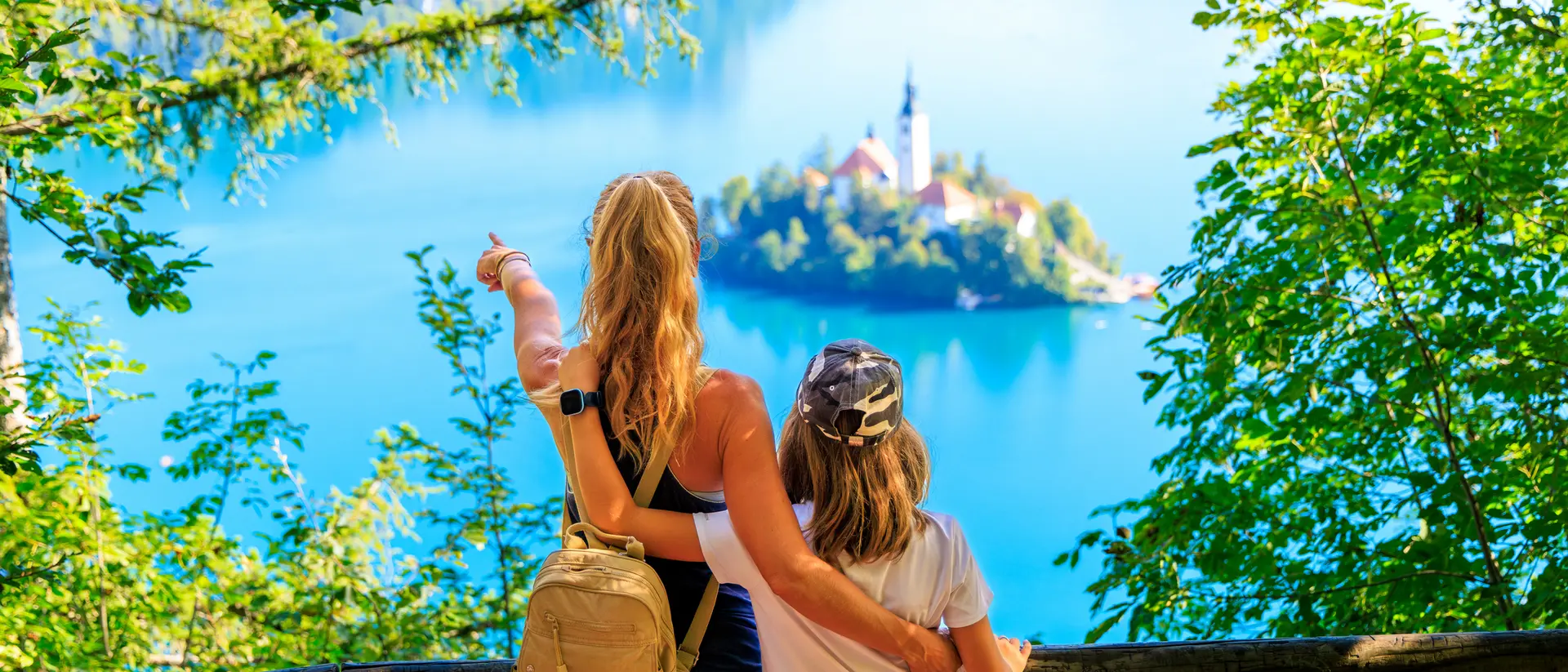
One of Slovenia’s most photographed destinations, Lake Bled dazzles with its emerald waters, photogenic island church, and dramatic cliffside castle with vistas over the Julian Alps. A 6-kilometre lakeside walk offers panoramic views, while traditional pletna boats ferry travellers to the island, where climbing 99 stone steps leads to the famous Wishing Bell.
Triglav National Park & Lake Bohinj
Just beyond Bled, Lake Bohinj offers a quieter escape in the heart of Triglav National Park. Surrounded by mountains and dotted with small beaches, it’s ideal for hiking, kayaking, and paddleboarding. Top attractions include the medieval Church of St. John the Baptist, Savica Waterfall, and the cable car up Mount Vogel.
Postojna Cave
Postojna Cave, a vast limestone world explored via a miniature electronic train, is one of Europe’s most-visited subterranean wonders. Inside, towering formations and underground rivers set the scene. The caves are also home to olms—eyeless salamanders once believed to be baby dragons—which can be viewed in the cave’s Vivarium.
Food & Drink Culture
Slovenia’s gastronomy reflects its geography and a mix of Central European and Mediterranean influences, with a focus on meat, fresh seafood, locally grown vegetables, dairy, and grains like buckwheat. Seasonality and sustainability are key, with home cooks and top chefs embracing foraged and organic ingredients and low-waste cooking—a philosophy championed by Ana Roš of the three-Michelin-starred Hiša Franko, who put Slovenian cuisine on the global map.
Family-run inns offer traditional dishes, such as kranjska klobasa (Slovenian sausage), flavourful soups and stews, and pastries and dumplings with savoury and sweet fillings. Regional specialties include Idrijski žlikrofi, potato-and-pork dumplings from Idrija, rustic buckwheat porridge called žganci, often paired with sauerkraut, meat, and vegetables. Along the coast, fresh fish, mussels, and squid are highlights. Many restaurants in Ljubljana and Bled offer vegetarian and vegan options.
Home to the protected Carniolan honey bee, Slovenia has some of the highest-quality honey in the world, which is used to sweeten many of its desserts. During holidays, a meal isn’t complete without a slice of potica, a rolled cake with various fillings including walnut, hazelnut, raisins, and cottage cheese.
Pair your meal with a glass of aromatic Rebula wine from the Primorska region or a local Lasko beer, and cheers with “Na zdravje!” (to your health).
Work With a Travel Expert
No longer overshadowed by its neighbours, Slovenia has firmly earned its place on luxury travellers’ wish lists. Working with a travel expert lets you experience the country’s green, soulful character in a way that feels both intimate and highly personalized.
Whether you’re drawn to guided hikes in the Julian Alps or private excursions through Slovenia’s wine regions, a tailor-made journey ensures the pace, style, and highlights match your tastes. Discover corners most travellers miss, from food tours spotlighting hidden bakeries and socially responsible eateries to biking routes that reveal Ljubljana’s layered history.
With the support of Goway’s Destination Specialists, you’ll explore both storied landmarks and modern-day gems. Luxury guided excursions bring you to icons like Bled Castle, Triglav National Park, and Goriška Brda, while on-the-ground experts handle every logistical detail.
Begin your tailor-made Slovenia adventure with Goway.
FAQ
1. Do I need a visa to travel to Slovenia?
Travellers from Canada, the United States, the United Kingdom, Australia, and many other countries can visit Slovenia visa-free for tourism for up to 90 days within 180 days. Your passport must be valid for at least three months beyond your departure date (six months is recommended) and have two blank pages. If you’re coming from a country that requires a Schengen visa, you’ll need to apply in advance through the nearest embassy or consulate. Some travellers from visa-exempt countries may also need to register with ETIAS (European Travel Information Authorization System) starting in 2026, so be sure to review the requirements before your trip.
2. What are the top etiquette tips in Slovenia?
Slovenians value politeness, punctuality, and peacefulness. A friendly “dober dan” (good day) goes a long way when entering shops, cafés, and restaurants. Dress modestly when visiting churches, avoid speaking loudly in public places, and always properly dispose of your trash. Tipping isn’t mandatory, but appreciated—rounding up or leaving 5-10% for great service is common.
3. How safe is Slovenia for solo travellers?
Slovenia is considered one of the safest countries in the world, with low crime rates and a welcoming atmosphere for solo travellers. Standard precautions apply—make sure your valuables are secure in busy areas, follow marked trails in the mountains, and stick to well-lit streets and reputable venues at night. In rural and alpine areas, the weather can change quickly, so check conditions before hiking and let someone know your route.
4. When is the best time to visit Slovenia?
The best time to visit Slovenia depends on your interests. May to October offers warm weather, clear mountain trails, and ideal conditions for hiking, lake activities, and wine-region excursions. July and August are the busiest months. For fewer crowds and mild weather, late spring and early fall (May to June, September to October) are standouts. Winter (December to March) is perfect for skiing, snowshoeing, cozy alpine stays, and enjoying the country’s carnival festivities.
5. What foods should I try in Slovenia?
Slovenian cuisine blends Central European and Mediterranean influences. Must-try dishes include kranjska klobasa (pork sausage with garlic and spices), Idrijski žlikrofi (potato dumplings served with various sauces), žganci (a buckwheat porridge, similar to polenta), and jota (a soup made with sauerkraut, beans, potatoes, and sausage). For dessert, prekmurska gibanica (a layered pastry filled with cottage cheese, apples, walnuts, and poppy seeds), potica (a rolled cake often featuring walnuts or raisins), and Bled cream cake are favourites.
Featured Slovenia Trip Ideas
Slovenia Travel Packages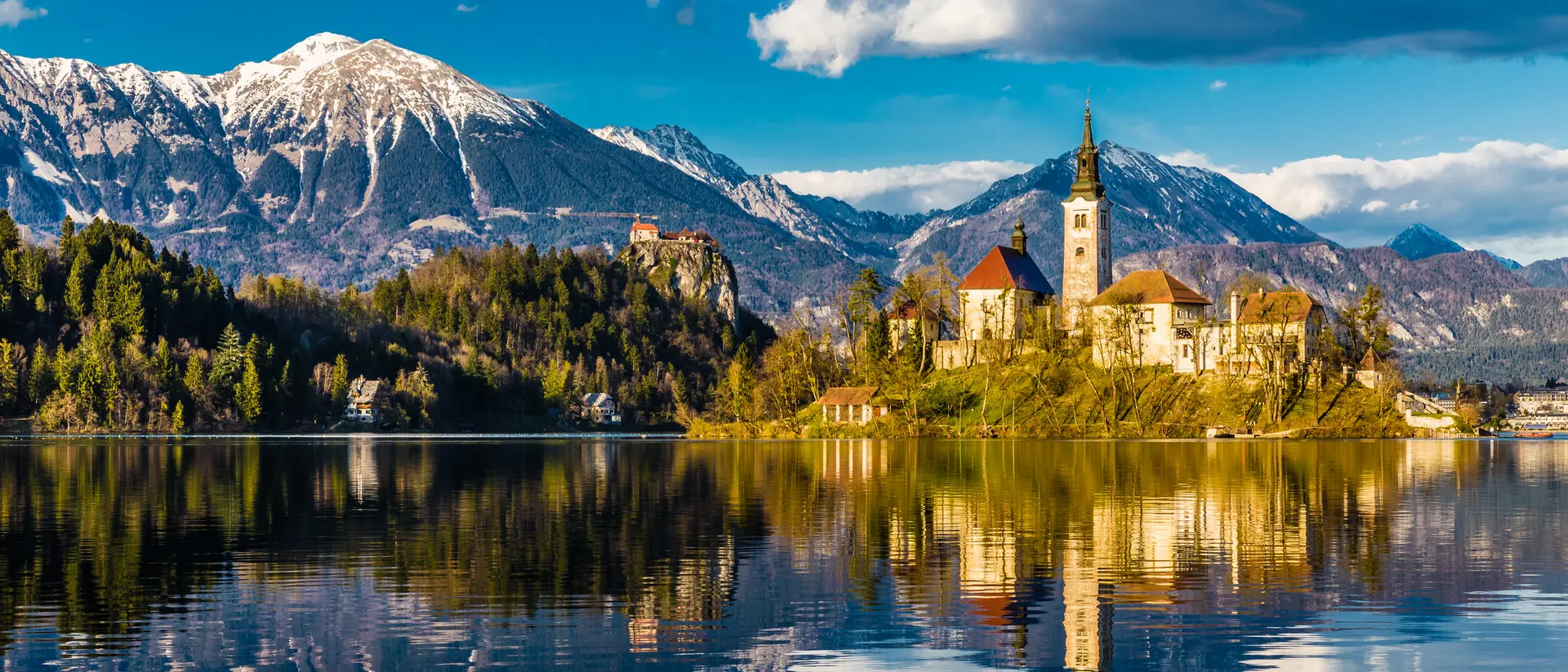
Highlights of Ljubljana & Lake Bled
Ljubljana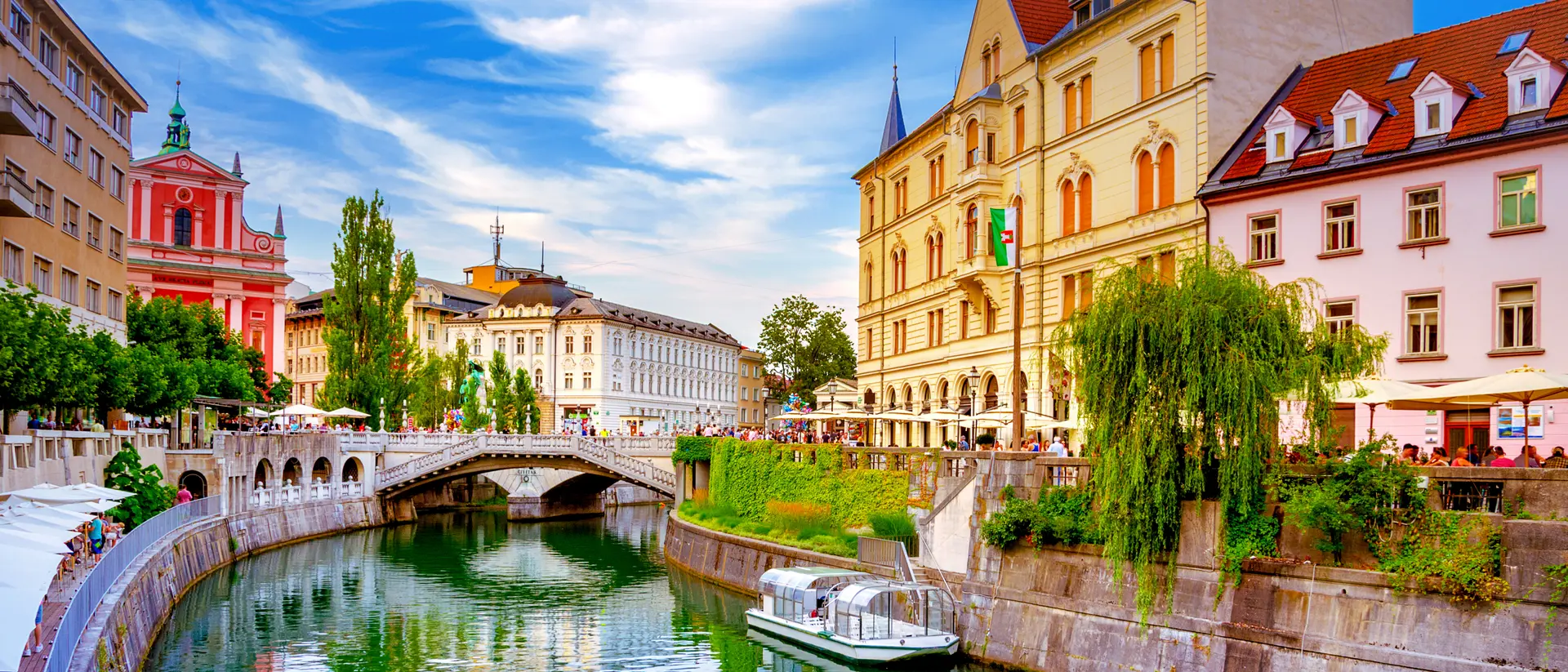
Signature Ljubljana in Slovenia
Ljubljana
Slovenia & Croatia: Lakes, Castles & Coastal Charms
Dubrovnik, Dubrovnik City Walls, Split, Ljubljana, and ZagrebHighlights of Ljubljana & Lake Bled
LjubljanaSignature Ljubljana in Slovenia
LjubljanaSlovenia & Croatia: Lakes, Castles & Coastal Charms
Dubrovnik, Dubrovnik City Walls, Split, Ljubljana, and ZagrebTravel Stories
Get inspired about Your Trip to Slovenia
Just after the server slid the bowl in front of me, my glasses began steaming up. The fumes, laden with the scent of rich beef and sweet, peppery papr...
If you ask North American globetrotters to name their dream Spanish destination, they'll likely tell you about the Gaudí spires of Barcelona, the gall...
Cruising remains one of the most popular travel styles, but European river cruising isn’t quite the same as boutique island cruises or the big ocean l...
Unlock more by subscribing to our newsletter.
With our newsletter, you’ll get access to regular communications that inspire you and help you explore the world your way.