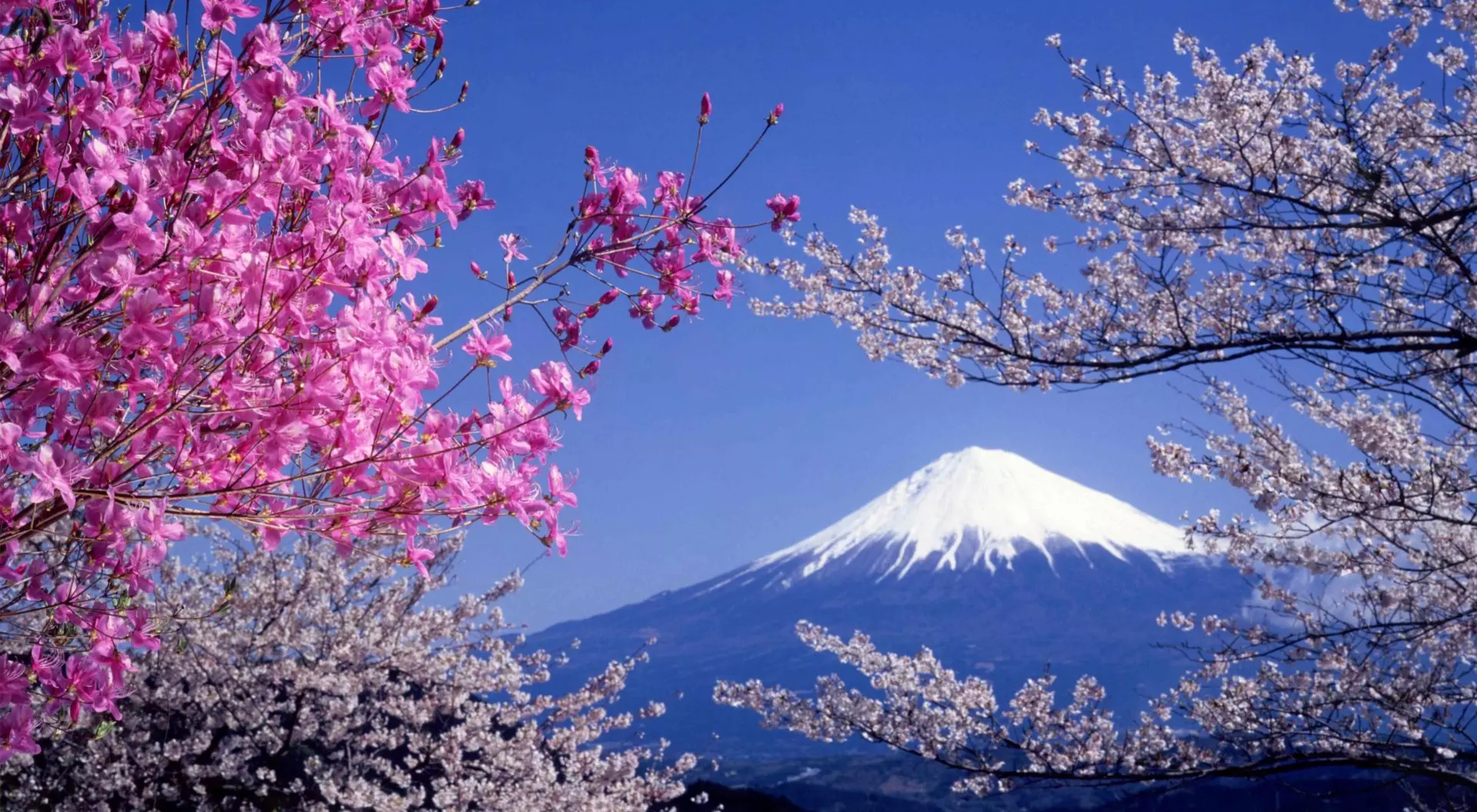


It is blindingly obvious that Japan is one of the world's most immersive, unique, and eminently entertaining travel destinations. Yet even as millions of travellers set their sights on iconic cities like Tokyo, Kyoto, and Osaka, some of the country’s most rewarding experiences remain quietly tucked away in places like Shizuoka Prefecture.
Shizuoka Prefecture captures and delivers the essence of Japan without the congestion of Japan’s viral icons. It is a beautiful prefecture nestled along Honshu's Pacific coast, where vibrant green tea fields, steamy hot springs, incredible beaches, exceptional views of Mt. Fuji, and layers of history integral to the story of Japan create one of Japan’s best off-the-beaten-path destinations.
Discover the beauty, culture, and benefits of a trip to Shizuoka Prefecture on a tailor-made trip today.
- Essential Tokyo & Kyoto: The Fuji Coastline Route - 9 Days
- Active Japan: Hike, Bike & Hot Springs - 15 Days
Beauty
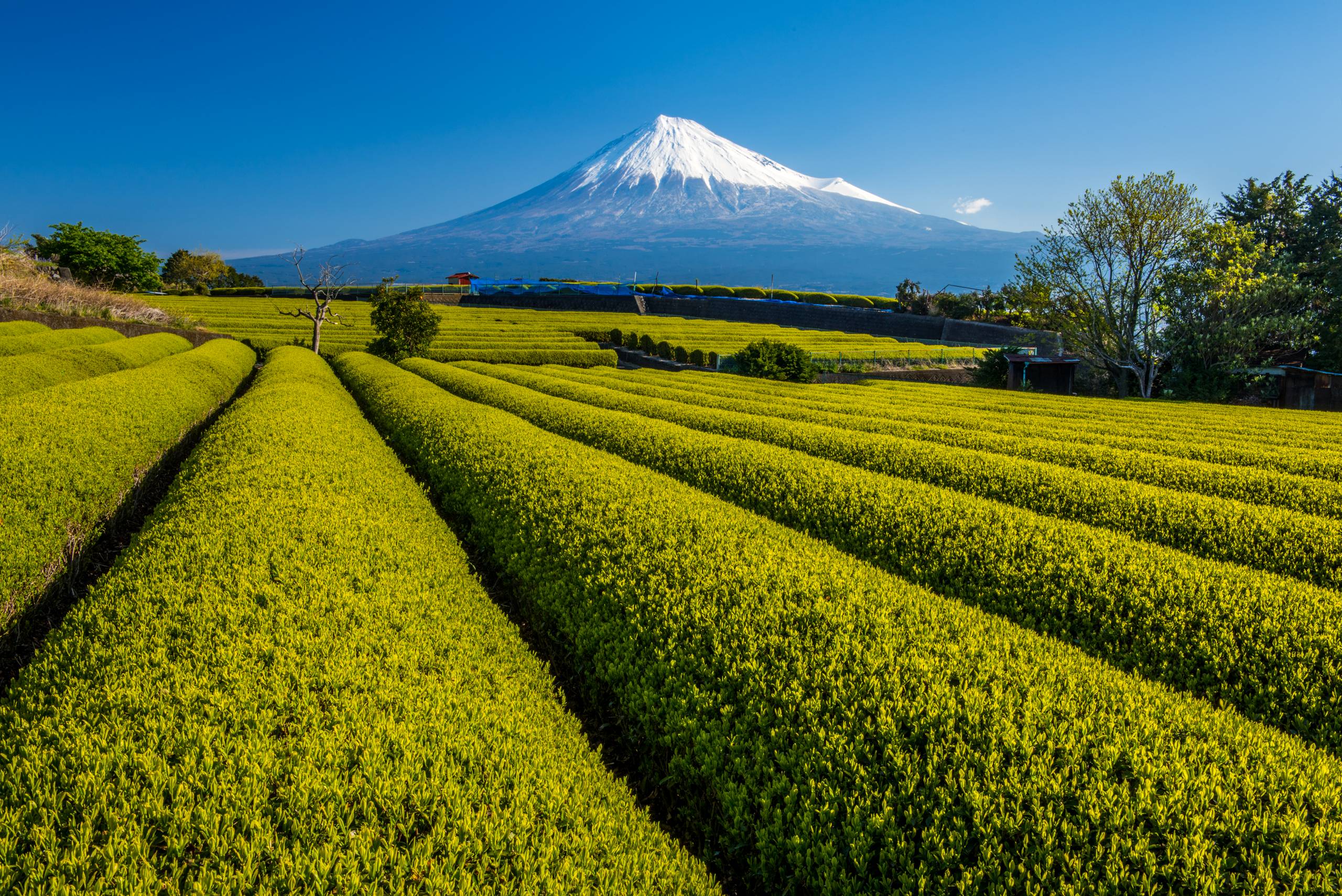
The most notable feature of Shizuoka Prefecture is its enchanting natural beauty. In fact, Shizuoka's geography stretches from Japan's highest peak, Mt. Fuji (3,776m / 12,388ft), to its greatest depths in Suruga Bay (2,500m / 8,202ft).
Most journeys to Shizuoka begin in Tokyo. Here, you'll board the JR Tokaido Shinkansen, the world's first high-speed rail line, ready to whisk you 168km (104mi) to Shizuoka City Station in an hour or less. It's essential you stay awake during this trip, as the iconic Mt. Fuji will come into view roughly 40 minutes into your journey. But don't worry, you'll find plenty more incredible viewpoints throughout Shizuoka, also known as Japan's green tea capital.
Enjoying a cup of tea is a quintessential Japanese joy, and there's arguably no better, nor more scenic, place to do so than in the countryside of Shizuoka City. Consider booking a private-guided cycling tour to explore the city, along the Abe River, and to a local family-run green tea farm. Your hosts welcome you with open arms and take you through the farm of vibrant green tea crops. You'll discover the tea farming process, from planting to harvesting, processing, and shipping, before indulging in a comprehensive and delicious tea tasting session inside a 150-year-old tea house. Your taste buds are treated to some of the freshest and most flavourful tea in Japan, while your mind and soul are treated to a serene natural setting among the country's very best.
If your appetite for rejuvenating natural scenery isn't satisfied, don't worry. Just hop into the Nihondaira Ropeway and ascend to the summit of the Nihondaira Plateau. Rolling tea fields, the urban port town of Shimizu, Suruga Bay, and Mt. Fuji all combine to create a beautiful scene worthy of a postcard. Visit the Kunozan Toshogu Shrine, dedicated to the first shogun of the Edo period, before descending to the Nihondaira Ocha Kaikan, a green tea shop with a hidden viewpoint of Mt. Fuji in the back garden.
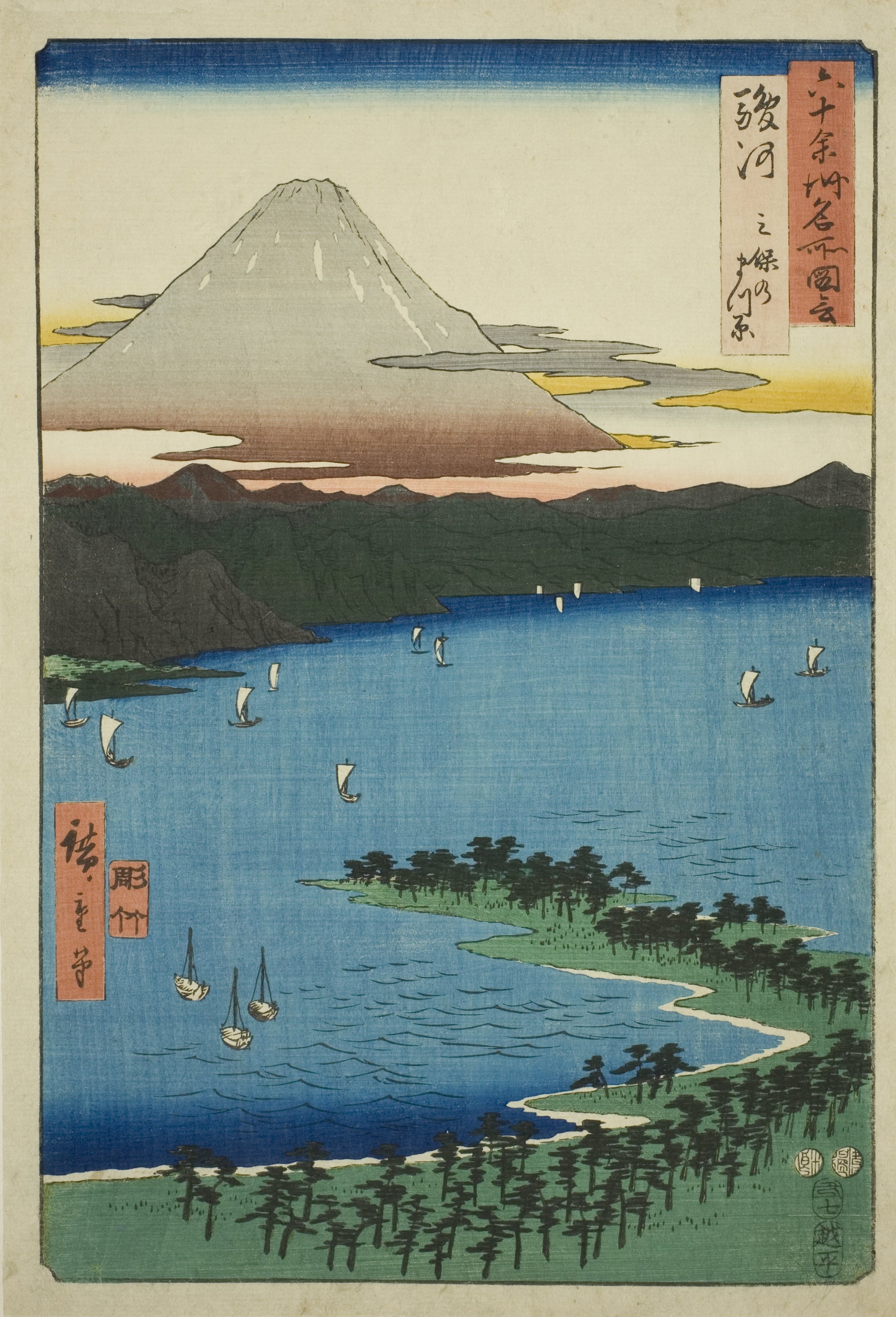
After descending back down to the city, you begin to make your way to the shore of Suruga Bay, to the sacred Miho-no-Matsubara Pine Grove. This 54,000 pine tree-lined beach stretches 7km (4mi) along the Suruga Bay Coast and is celebrated as one of the best viewpoints of Mt. Fuji in Japan. So much so, that it is part of the Mt. Fuji UNESCO World Heritage Site, despite being roughly 45km (28mi) southwest of the iconic summit. Miho-no-Matsubara Pine Grove is recognized as one of the most peaceful places for a contemplative stroll in the country, and most famously immortalized by 19th-century Japanese artist Utagawa Hiroshige in his colour woodblock print Suruga Province: The Pine Grove at Miho (Suruga, Miho no matsubara).
Shizuoka's beauty doesn't end there. Across Suruga Bay lies the Izu Peninsula, packed with even more stunning natural beauty. But stay tuned, we'll begin exploring its mountains, beaches, and onsen in just a moment.
Culture
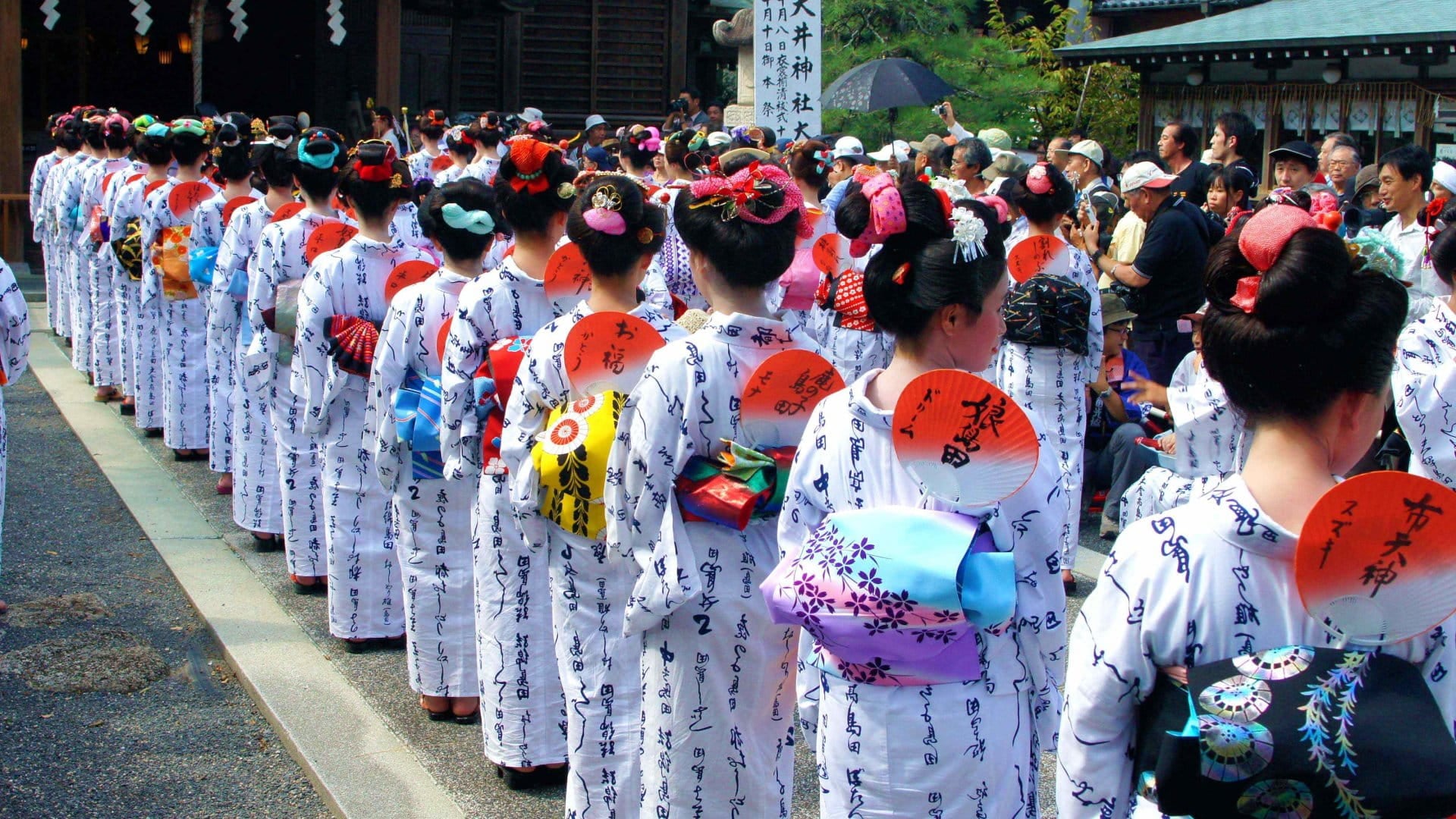
We should take a moment to look beyond Shizuoka's stunning natural beauty and into its equally captivating culture and history. Sumpu (now Shizuoka City) was the home of Tokugawa Ieyasu, a prominent 16th-century Japanese warrior who became the first shogun of the Tokugawa shogunate and ended the nearly 150-year-long Sengoku Jidai era of civil war, ushering in the peaceful Edo period. Ieyasu is celebrated as one of the Three Great Unifiers of Japan, alongside Oda Nobunaga and Toyotomi Hideyoshi, and the Tokugawa shogunate lasted nearly three centuries from 1603 to 1868.
Ieyasu's history lives on at Sumpu Castle Park, a recreation of the castle where he spent most of his life and now rests. The castle and park are only a 15-minute walk from JR Shizuoka Station, and while the castle burned down twice during the 17th century, many of the gates and turrets have been reconstructed in recent decades. You will also find several items associated with Ieyasu and the Tokugawa clan in the Shizuoka Museum of Cultural Assets on the castle grounds, including a suit of Ieyasu's armour. Sumpu Castle Park also hosts an Ieyasu-inspired festival complete with cherry blossom dances during the first week of April.
Another significant contribution under Ieyasu's leadership was the creation of the Old Tokaido Highway, an ancient road linking Edo (now Tokyo) to Kyoto. This route was used for travel and trade between the two major centres for centuries, with 22 Shukuba (post stations) emerging along Tokaido Road in Shizuoka. These Shukuba eventually flourished into towns and cities like Mishima, which still exist. Today, the JR Tokaido Shinkansen follows much of the same route carved out by travellers of the Edo period, connecting past to present.
Shizuoka played another significant role in Japan's historical evolution, this time in the latter half of the 19th century, at the end of the Tokugawa shogunate and the Edo period. The Perry Expedition, led by U.S. Navy Commander Matthew Calbraith Perry, landed at the port town of Shimoda on the southern tip of Shizuoka's Izu Peninsula in 1854. Shimoda became the first port to open to the United States and end Japan's centuries-old isolationist policy, known as sakoku, after U.S. diplomatic and military pressure. Today, you can take a pleasant 10-minute walk from Shimoda Station to visit Ryosenji Temple, where the U.S. government and Tokugawa shogunate signed the Treaty of Peace and Amity in 1854.
Lastly, Shizuoka's culture is also expressed through its cuisine, which you can enjoy throughout the prefecture, but especially in Shizuoka City. Its mountainous geography and extensive Pacific coastline have helped the region evolve into Japan's premier producer of tea and seafood, as well as producing excellent mandarin oranges, hothouse melons, wasabi, wagyu beef, sake, and craft beer. Sakuri ebi, or cherry shrimp, are a succulent type of shrimp harvested only in Suruga Bay, and are a specialty of Shizuoka. Una-ju, grilled freshwater eel, is another staple of Shizuoka, as its city, Hamamatsu, was the birthplace of Japan's eel farming industry.
Benefits
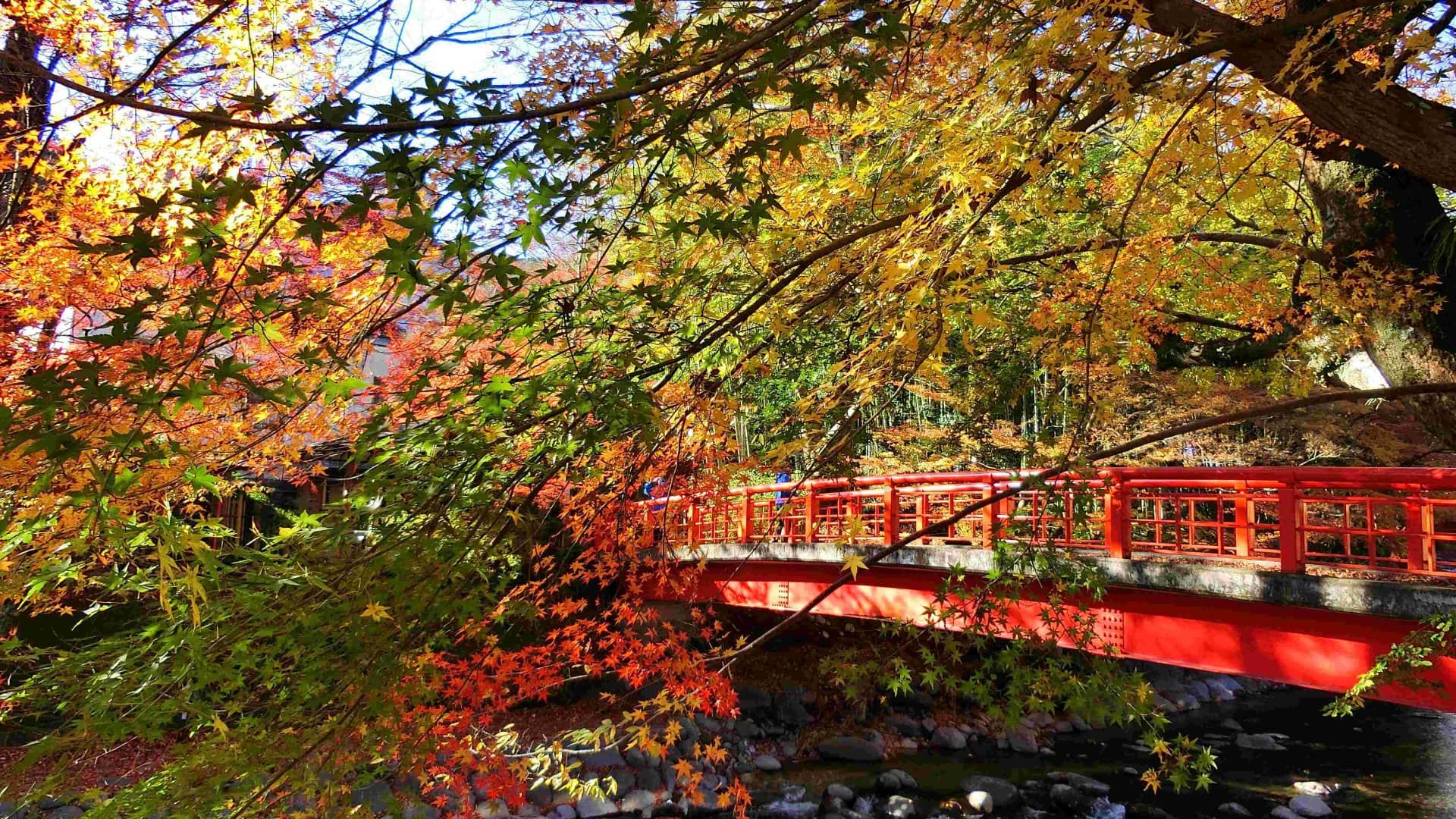
As promised, we'll now begin our exploration of the Izu Peninsula: Shizuoka's playground for active adventures. Izu Peninsula is part of Japan's Fuji-Hakone-Izu National Park, and it is known for its beaches, trekking, and some of Japan's best onsen towns.
Active travellers can spend countless hours trekking through the peninsula's mountains and highlands, including Mt. Amagi, Izu's highest vantage point, overlooked by Mt. Fuji to the northwest. Mt. Omuro, a distinctively bowl-shaped, green-covered, dormant volcano, is another spectacular highlight where you can get active amidst awe-inspiring nature.
Travelling east from Mt. Omuro to the peninsula's rugged shores will reveal the Kadowaki Suspension Bridge. Here, you can embark on a breathtaking walk 48m (157ft) above the coastline, offering endless views of the Pacific Ocean.
If you travel south along the peninsula's zig-zagging coast, you'll eventually discover famous beaches such as Shirahama Ohama beach, where you can enjoy some of the country's best surfing and watersports. The true benefits of a trip to the Izu Peninsula, however, begin after all of this adventure, when you retreat back to the onsen in Atami and Ito, home of some of Japan's best hot springs.
Together, the Izu Peninsula and Shizuoka Prefecture deliver benefits that extend well beyond sightseeing. Your time spent exploring unspoiled nature, paired with nourishing local cuisine and the healing properties of hot springs, makes for a truly rejuvenating and relaxing experience that benefits your mind, body, and soul.

Born to two parents who met travelling, Sael has always wanted to travel the world. Sael has hiked the Inca Trail in Peru, visited blue-footed boobies on the Galapagos Islands, stood on both hemispheres of the equator in Ecuador, climbed the Sydney Harbour Bridge, hiked the base of Uluru, surfed Pacific Ocean waves in Mexico, and skydived over the Great Barrier Reef in Cairns. Meeting new people and sharing stories are some of Sael's favourite parts of travelling, and he hopes he can help ignite this passion for discovery in others.