


US and Canadian citizens can visit Belgium (and the wider Schengen Area) visa-free for up to 90 days in any 180-day period. For longer stays you’ll need a D (long-stay) visa. Note Belgium can temporarily reintroduce border checks within Schengen; carry your passport and allow time if connecting within Europe. The EU’s new Entry/Exit System starts October 12, 2025 and will be phased in at external borders—check your airline and official advisories before departure. ETIAS is not yet in force (expected 2026).
Discover Tailor-Made Belgium Vacations
Experience Belgium’s medieval cities, rich history, and world-renowned culinary delights.
Belgium is a country of contrasts where medieval towns meet modern culture. Explore Brussels’ grand squares, Bruges’ canals, and Ghent’s Gothic architecture, while indulging in world-famous chocolate, beer, and waffles on an unforgettable European journey.
Featured Highlights
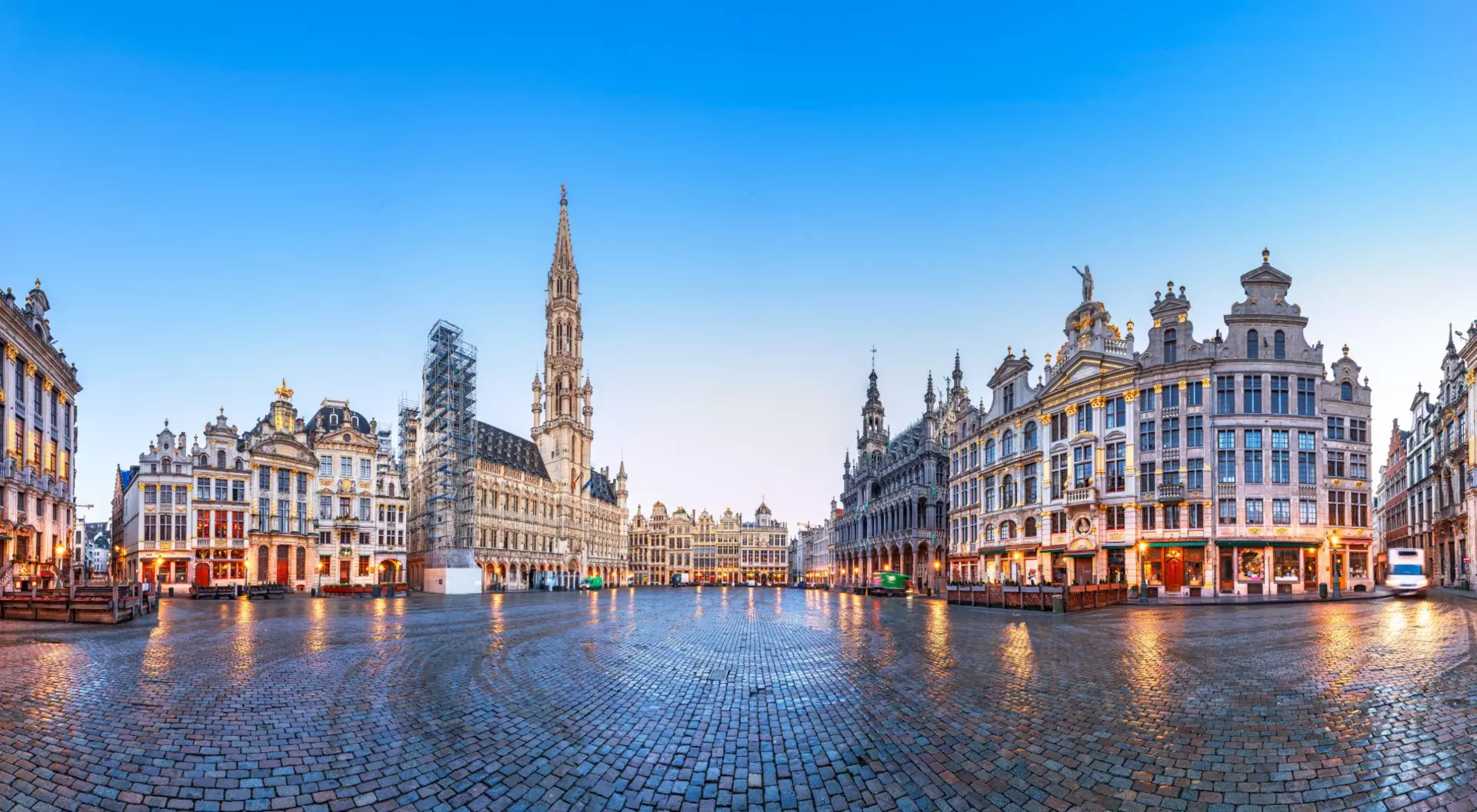
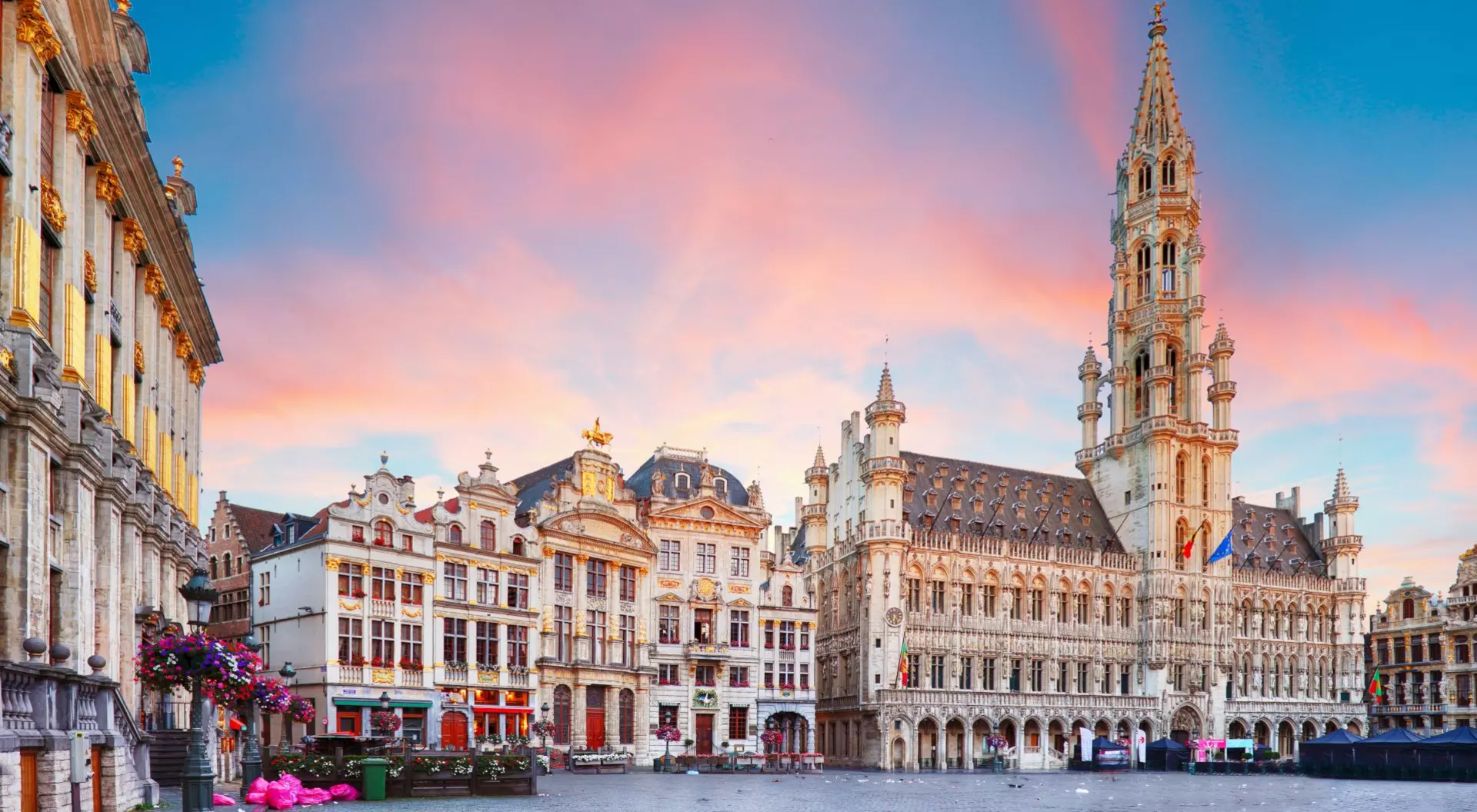
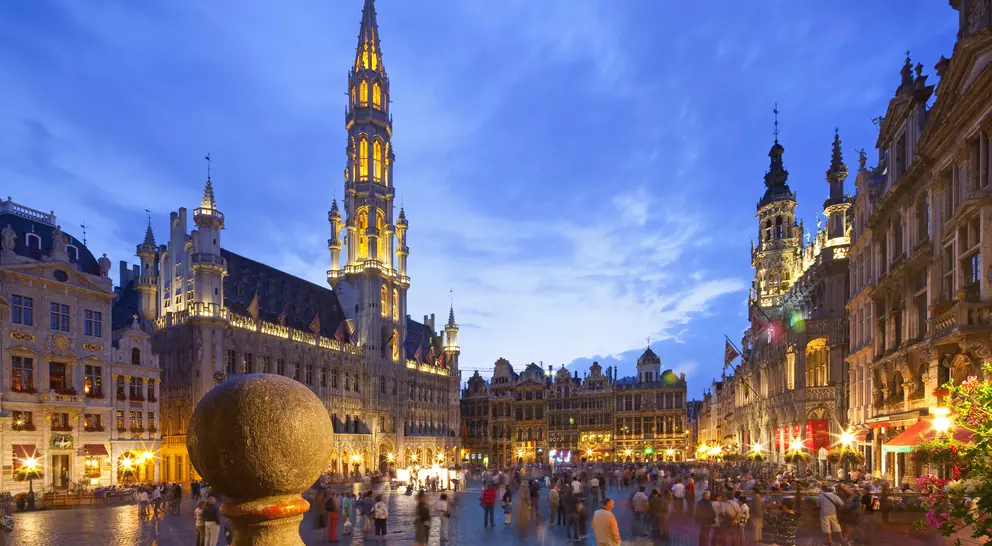
- Stroll Brussels’ magnificent Grand Place and historic streets
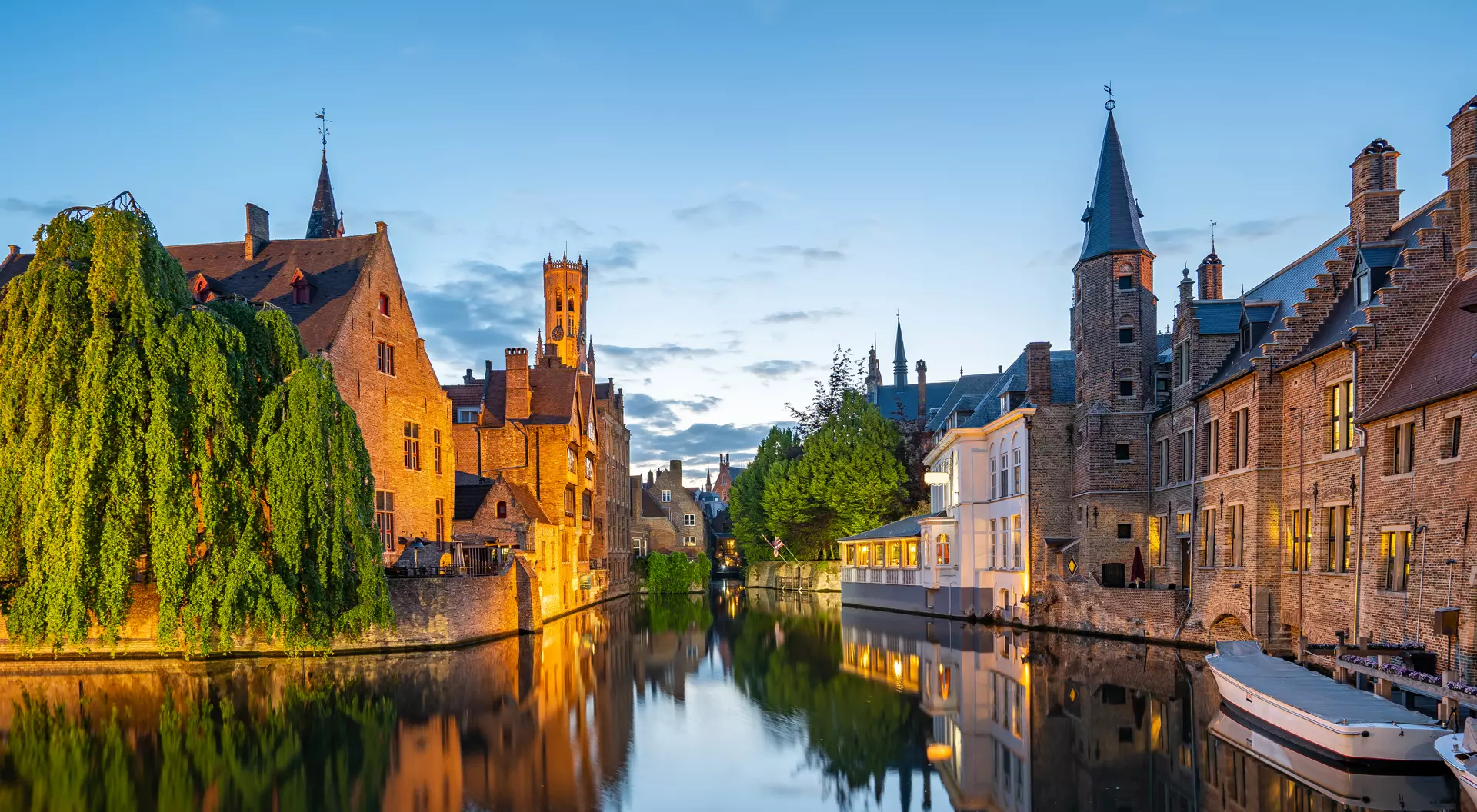
- Cruise Bruges’ enchanting canals and medieval squares
- Discover Ghent’s Gothic architecture and vibrant art scene
- Reflect at Flanders’ First World War memorials and sites
- Savour Belgian chocolate, beer, waffles, and frites
- Admire Antwerp’s art treasures and bustling atmosphere
Featured Belgium Trip Ideas
Belgium blends history, art, and cuisine in one remarkable journey.Belgium invites travellers to step into a country steeped in culture and heritage. In Brussels, marvel at the ornate Grand Place and explore its role as the European Union’s capital. Wander Bruges’ cobblestone streets and canals, often called the Venice of the North, or explore Ghent’s lively mix of Gothic architecture and contemporary art. History enthusiasts can visit Flanders’ poignant First World War battlefields and memorials, while art lovers will find masterpieces in Antwerp, once home to Rubens. Belgium is equally famous for its cuisine: taste artisanal chocolate, sample distinctive Belgian beers, and enjoy golden frites with classic sauces. Whether exploring medieval cities, scenic countryside, or dynamic urban centres, Belgium offers a rich journey through Europe’s heart.
Highlights of Brussels & Amsterdam
Amsterdam, Brussels, and AtomiumSet off on a delightful exploration of Belgium and the Netherlands. Savour Gothic architecture in Brussels, admire artistic treasures in Amsterdam, and uncover charming canals.
8 days
From C$2,982/p.p.
Request a Quote
Highlights of Brussels & Amsterdam
Amsterdam, Brussels, and AtomiumSet off on a delightful exploration of Belgium and the Netherlands. Savour Gothic architecture in Brussels, admire artistic treasures in Amsterdam, and uncover charming canals.
8 days
From C$2,982/p.p.
Request a Quote
What do Goway's travellers say?
“we had a great trip with no issues ”
we had a great trip with no issues and saw some great sights. Emma always does a great job for us. We book all our vacations through Emma. In fact I already contacted her about our next trip. She goes out of her way to make sure all of our needs are met. Emma is Fantastic.
Amol“I would love to thank my Travel Expert”
I would love to thank my Travel Expert and Coordinator, Melissa Moses, from the bottom of my heart for everything that she did for me, before and during, my trip to Berlin, Prague, and Munich.
I had a FANTASTIC Time the entire trip....and it is really because of her.
As a solo traveler going abroad from the Untied States to Europe, it is a little nerve-racking being in a new country, but Melissa and the rest of the GoWay Team were always there to support me.
Melissa is a true professional the entire time from the minute that I first contacted her to book, until the last minute when I landed back home.
Ms. Moses is knowledgeable and professional, and it was a pleasure having her by my side.
Orlando Martinez“ Ireland tour”
I visited Ireland in September 2025. The trip was amazing and the second time I’ve booked with Goway travel. Well organized, we hit all the best sites and some we wouldn’t have known about without Goway’s expertise. Our agent. Farnaz Bagheri was professional , knowledgeable and very helpful during planning and when we had questions while travelling. Wonderful experience - highly recommend Farnaz and Goway
K. Kane customer“Switzerland by Train”
Michael Keon planned a first-class two week trip for my husband me in Switzerland. We travelled by train to each destination with a first class Swiss travel pass - highly recommended. All our hotels were within walking distance of the train station and were very comfortable, most with balconies, and each one was very unique, giving a great flavour of the different cultures in Switzerland - lakeside, skiing village, French, Italian, German. Michael booked several excursions to tops of mountains on cogwheel trains or in gondolas. All very well organized!
Jacqui“Portugal/Spain”
Had the pleasure of working with Heidi to plan a Portugal/Spain get away. She listened to our budget constraints and still pulled off a fabulous itinerary! We had a wonderful time!
Regina Cregin“Phenomenal service experience”
I had the pleasure of working with Kyah for an Italian adventure for a family of 6. Kyah has been extremely helpful from the very beginning! She had a three-way call with the client and myself to get the “vision” firsthand. Not only did Kyah deliver the most amazing properties and itinerary, she literally saved this booking! The client was indecisive and the process lingered over a month. Kyah was very patient and after working more with the client, we delivered the PERFECT fit to secure the booking!!! I cannot thank her enough!
Jillian Hambright“Goway travel advisor Edwina ”
We used Goway agent Edwina who was very caring & receptive to our wishes and went out of her way to have happy customers. She was very prompt to replies & always worked with us the customers to get the vacation we wanted. She worked on a very personal level & we will use her again for future travel.
G K“UK & France! Fantastic Experience”
We booked our trip to the United Kingdom and France with Farnaz Bagheri, a destination specialist with Goway. Farnaz, and the Goway team have exceeded our expectations. Farnaz and Goway were extremely attentive and accommodating.
This was our first time in Europe, which brought a lot of excitement, but also anxiety as there was a lot of new elements for us to navigate. Our anxiety quickly faded when our journey began and the itinerary that Farnaz crafted for us came to life, and went flawlessly.
We are so grateful to have had such a flawless first trip to Europe thanks to Farnaz and Goway. We are so happy we put our trust in Farnaz and Goway and would absolutely book with them again!
Brooke Hatfield“Our Trip to Italy with Goway! ”
My husband and I are seasoned travelers and for our much anticipated trip to Italy we wanted to see the country independently for 3-4 weeks. Melissa worked with us to get an independent itinerary that combined the type of hotels, activities and excursions that we wanted. She also arranged for all of our transportation - trains, and drivers, as well as a car rental. The entire trip went very smoothly. Melissa got us exactly what we were hoping for. This is our second trip planned with Goway - our first to Japan, Singapore and Thailand and we would not hesitate to use them again. Thank you Melissa and Goway!
Diane Chomik“Fantastic Experience”
Fantastic experience working with Ani at Goway Travel. She and her team were so attentive and accommodating. Everything was so appreciated!
BrendaTravel Information about Belgium
Get to know Belgium before you go.
Best Time to Visit
Belgium’s climate is pleasantly moderate, offering travellers the chance to enjoy its charms throughout the year. While summers invite bustling café terraces and vibrant outdoor life, the cooler months reveal quieter streets, cosy interiors, and cultural treasures that shine regardless of the weather.
Spring and autumn are particularly appealing for those seeking balance—April to May and September to October bring mild temperatures, fewer crowds, and more affordable accommodation. These shoulder seasons are perfect for strolling through medieval squares, cycling along canals, or exploring the countryside as it shifts between blossoms and autumnal hues. July and August, on the other hand, are the busiest months, with warm weather ideal for al fresco dining and festivals, though higher prices and crowds are the trade-off.
Winter introduces a different kind of magic. While rain is frequent, Belgium’s café culture turns inward, with steaming mugs of hot chocolate and rich local beers enjoyed against the backdrop of historic city centres. In colder years, Bruges and Ghent may even see their canals freeze, offering the rare spectacle of ice skating in storybook surroundings. Museums, art galleries, and ornate churches provide ample indoor diversions, making the chill less of an obstacle and more of an excuse to slow down.
In truth, Belgium rewards visitors at any time of year. Whether you’re drawn to lively summer squares, the soft light of spring, autumn’s golden streets, or winter’s atmospheric calm, the country’s moderate climate ensures travel remains inviting, with each season adding its own distinctive layer to the Belgian experience.
What do the experts say?
Spring or fall are the best times to visit Belgium. Both seasons have fewer tourists and pleasant weather. Fall is pleasantly cooler, while spring is when all the flowers begin to bloom.
Manneken Pis is one of the most loved statues in Brussels. It's easy to miss if you don't know where to look!
You'll be surprised how much Belgians love their fries! Possibly more than their waffles and castles!
The thing I love the most about visiting Belgium is the unique blend of medieval charm and modern-day culture. You can go from a Gothic guild hall to a craft beer bar within minutes.
Places To Go
Handcrafted journeys to our most popular places to visit in BelguimTravel Styles
Explore Belgium by Travel Type
Ways to Travel
Collections
Ways to Travel
Collections
Frequently Asked Questions
Do I need a visa or special permits to enter Belgium?
What language is spoken locally? How widely is English understood in Belgium?
Belgium has three official languages: Dutch (Flemish) in Flanders, French in Wallonia, and German in a small eastern region. In Brussels, both Dutch and French are official. English is widely understood in cities and among younger people, especially in tourism and hospitality.
What are the must-see attractions in Belgium?
Think compact cities with big personalities: Brussels’ Grand-Place and Magritte Museum, storybook canals in Bruges, medieval cores in Ghent and Antwerp, WWI remembrance around Ypres/Flanders Fields, and forested escapes in the Ardennes. Consider quieter gems like Mechelen—easy by train from Brussels—with a UNESCO-listed belfry view and rich art heritage. Food lovers will find praline workshops and brewery visits throughout Flanders.
Is Belgium safe? What should I keep in mind while travelling there?
Overall, it’s a safe, well-policed destination. That said, Canadian advisories currently recommend increased caution due to recent spikes in violent incidents in Brussels and other major cities. Stay alert in transport hubs and crowded areas, keep valuables zipped, and follow local instructions during any police operations or demonstrations. Expect occasional temporary border controls that can affect intra-Schengen travel times.
What’s the best way to travel within Belgium?
Trains are your superpower: frequent, affordable services link Brussels, Bruges, Ghent, Antwerp, Liège and smaller towns—perfect for day trips. Use the SNCB/NMBS website or app to plan and buy e-tickets; international routes (Thalys/ICE/etc.) are handled via SNCB International. Inside cities, combine walking with trams/metro. Taxis and rideshares are easy for late nights; driving is fine but unnecessary in historic centres.
What Belgium cultural customs should I be aware of?
Keep greetings polite and brief—handshakes are common with new acquaintances. Punctuality matters for tours and dining. In restaurants, service is usually included; locals may just round up a euro or two for good service, but big tips aren’t expected. Dress modestly when visiting churches, and keep voices low on public transit.
What should I wear/pack for Belgium’s climate?
Weather shifts quickly year-round. Pack layers, a compact rain jacket or umbrella, and comfortable, non-slip shoes for cobblestones. Summers are mild (Brussels average highs around 22°C/72°F); winters are chilly and damp (highs ~6°C/43°F), so add a warm sweater, scarf, and waterproof outer layer from late fall to early spring. Bring a Type C/E plug adapter (230V, 50Hz). Always check the local forecast right before you go.
Don't see the perfect option? Request a custom quote.
Unlock more by subscribing to our newsletter.
With our newsletter, you’ll get access to regular communications that inspire you and help you explore the world your way.Exclusive Savings
Insider Benefits
Trending Stories