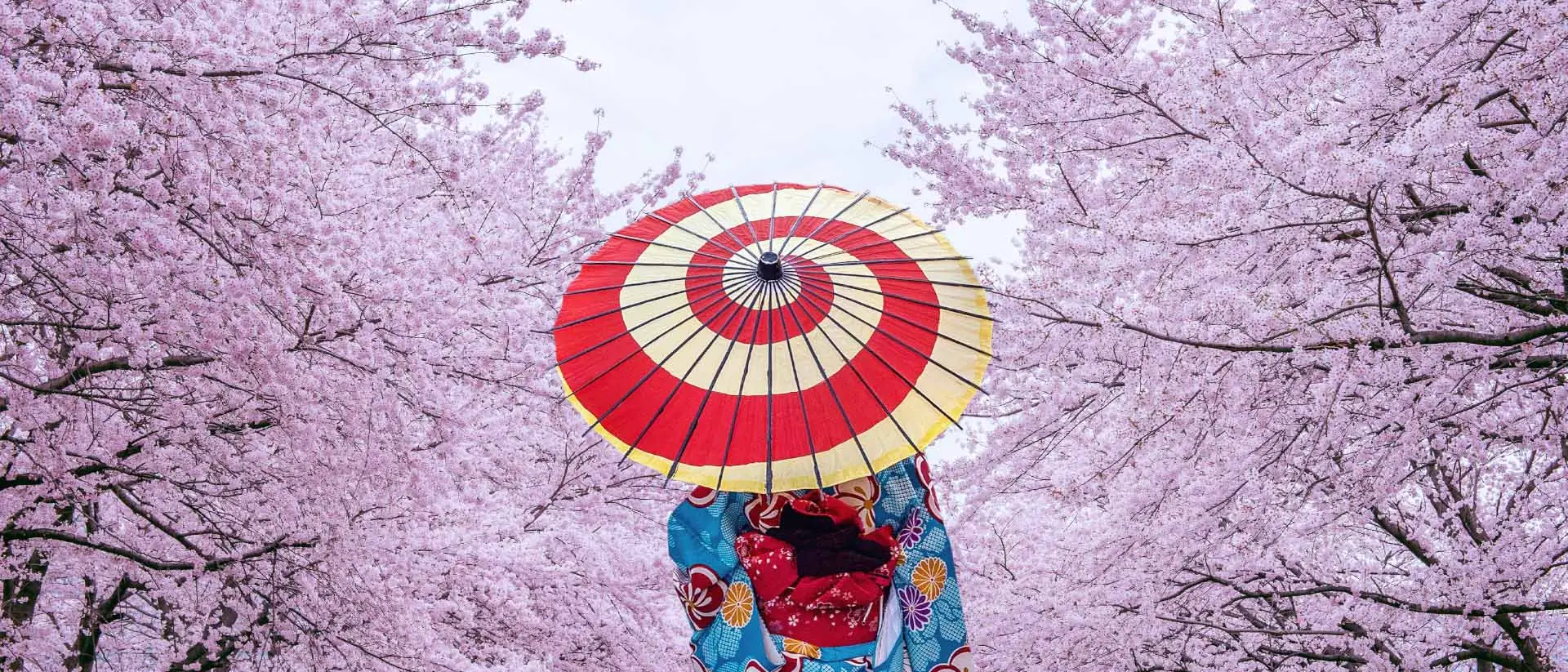
Springtime in Japan feels like a true awakening, with more than a million cherry blossom (sakura) trees blanketing mountainsides, city parks, riverbanks, and temple grounds in delicate shades of pink.
While seeing a petal-framed Land of the Rising Sun is a bucket-list experience for many travellers, planning a trip during Japan’s peak bloom is notoriously challenging. The exact timing varies each year depending on the weather, and the blossoms themselves last only about a week or two in each spot.
That said, with some strategy and a bit of flexibility, it’s entirely possible to plan a successful sakura-season journey. The blossoms emerge first in the archipelago’s southern regions before sweeping northward like a floral wave, giving travellers who build a multi-stop itinerary a better chance of catching peak bloom along the way. Visiting multiple destinations, such as Tokyo, Kyoto, and Osaka, not only increases the odds of seeing the blossoms at their best but also offers different landscapes, atmospheres, and traditions.
What Are Cherry Blossoms in Japan?
Japan is home to more than a hundred varieties of cherry trees, ranging from the iconic Somei Yoshino with its pale pink, cloud-like petals to the vibrant Kwanzan cherry trees known for their dense pom-pom-like blooms.
While there are some wild varieties, many of Japan’s sakura trees have been cultivated for decorative purposes for centuries. The tradition of hanami (flower viewing) dates back to roughly the 8th century, when aristocrats and nobles socialized beneath blossoming trees. By the Edo period (1603-1868), thousands of cherry trees had been planted in public spaces across the country, transforming hanami from an elite pastime into a seasonal tradition enjoyed by people from all walks of life.
Today, cherry blossom season remains one of Japan’s most cherished times of year. From March through May, hanami traditions draw thousands to parks, with picnics featuring traditional food and drinks, seasonal festivals, and poetry readings taking place beneath the blossoms. For many locals, the picturesque blooms symbolize renewal, the arrival of spring, and the impermanence of life. Above all, the fleeting blossoms are a reminder to pause and appreciate nature’s ephemeral beauty.
When & Where Sakura Blooms
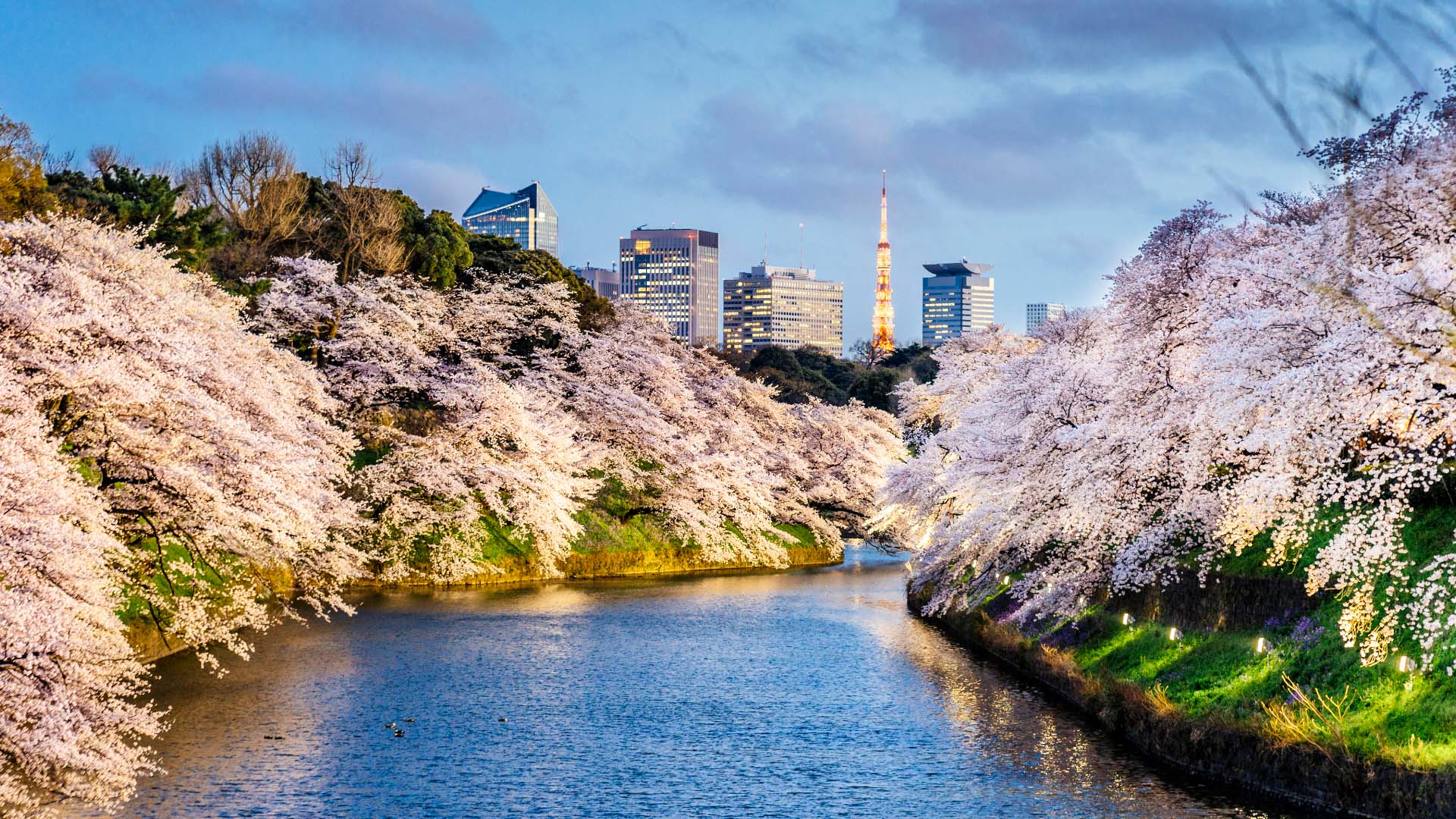
Japan takes its cherry blossom season so seriously that detailed sakura forecasts are released at the start of each year. There are even apps that use crowd-sourced data to track the progression.
Generally, Japan’s “sakura front” follows a south-to-north progression, with the first blooms emerging in southern regions like Kyushu in late March before sweeping up into the northern destinations like Hokkaido from late April to mid-May.
While peak cherry blossom season in Tokyo, Kyoto, and Osaka typically falls between late March and the first half of April, many travellers use a mix of bloom data from previous years and forecasts from organizations such as the Japan Weather Association to determine the best time to visit.
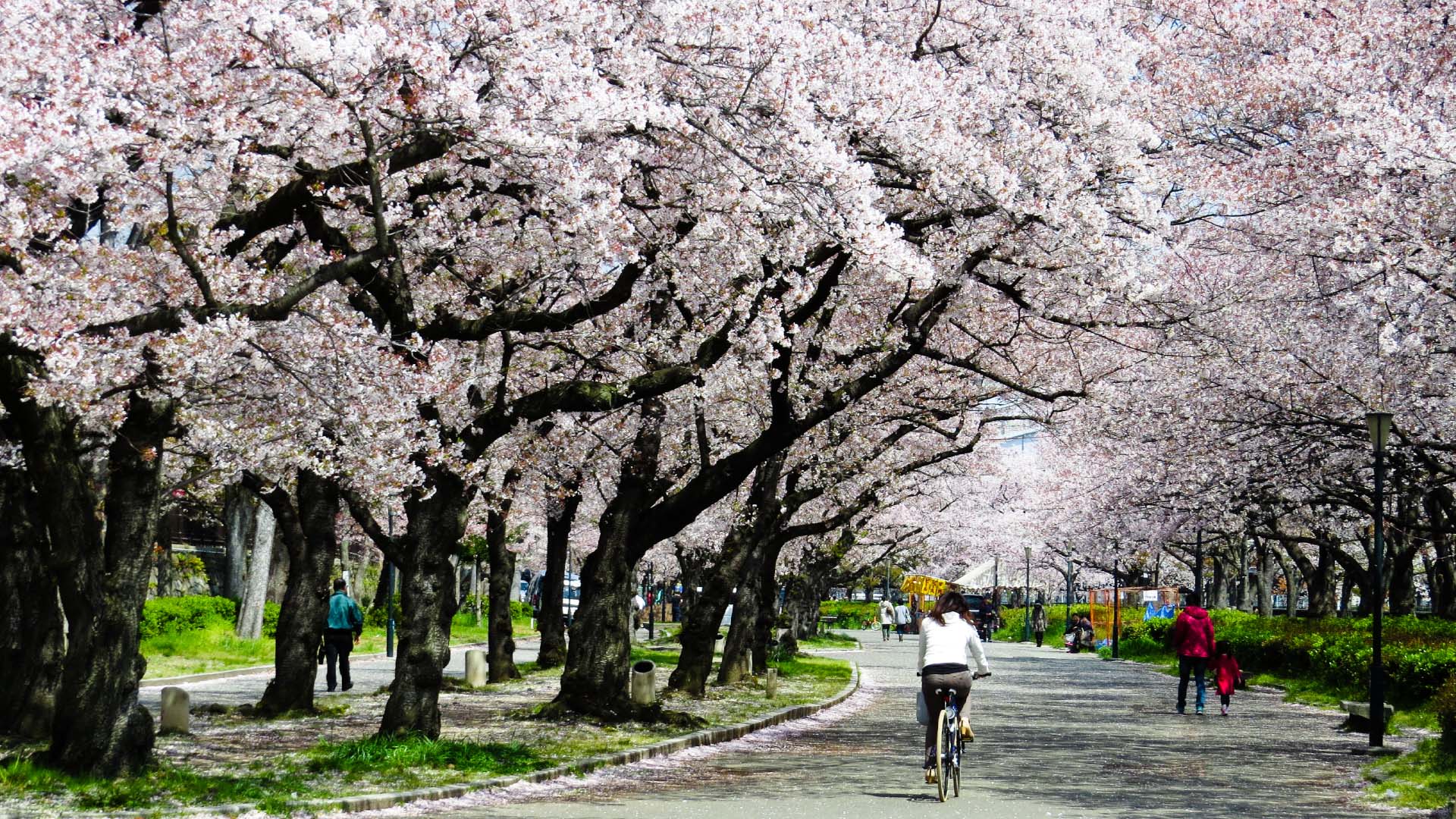
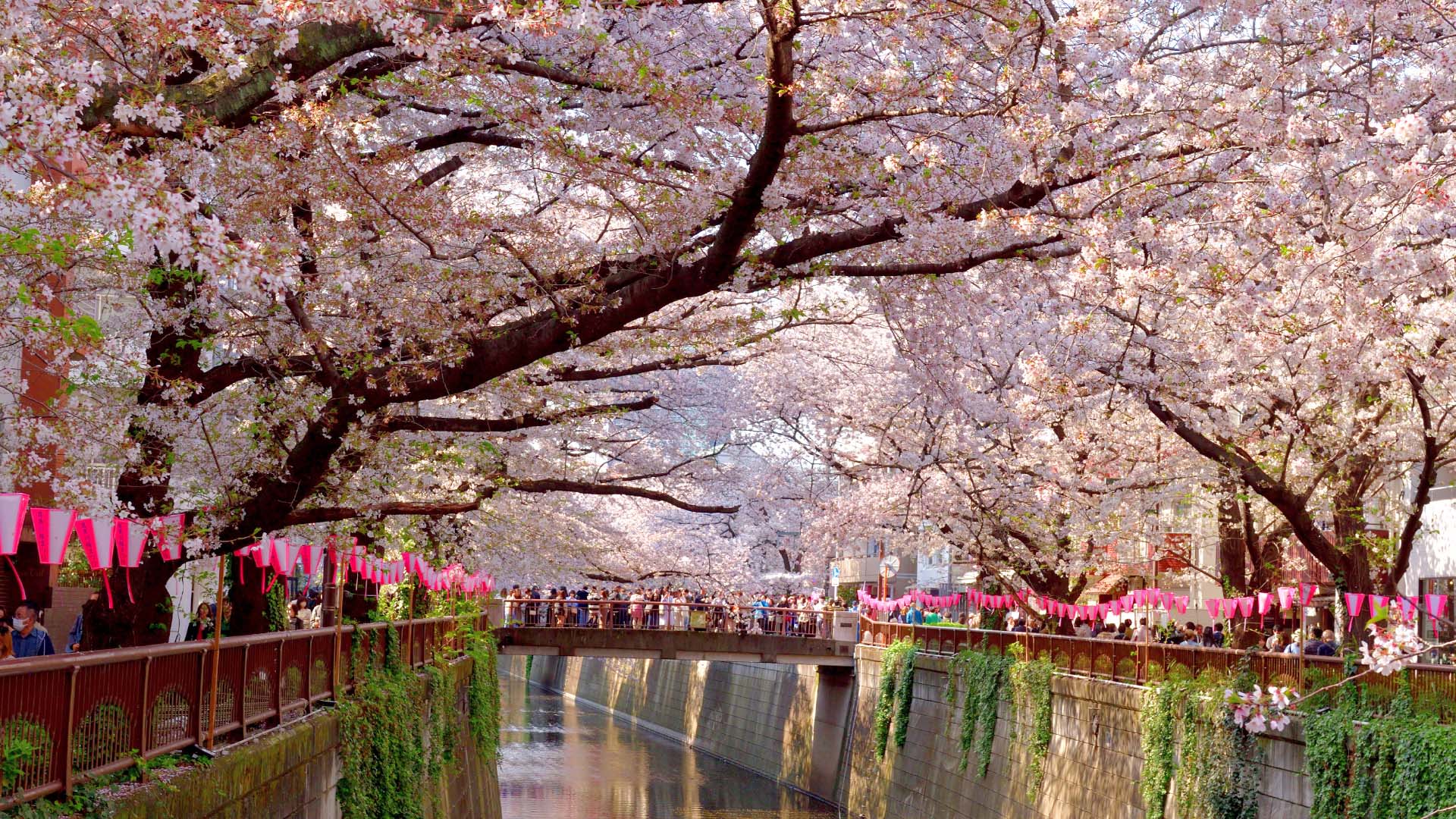
Throughout the season, visitors gather at tree-lined viewing spots such as Ueno Park and Meguro River in Tokyo, Philosopher's Path and Maruyama Park in Kyoto, and Osaka Castle Park in Osaka.
As overtourism becomes an increasing concern during sakura season, many travellers are also craving quieter alternatives. Regions such as Niigata, Nagano, Yamagata, and Hokkaido often offer more relaxed experiences with fewer crowds than Japan’s major hubs.
How to Enjoy Hanami & Sakura
In Japan, hanami comes with its own set of customs and social etiquette. For a classic picnic-style experience, many visitors pick up a blue tarp from a convenience store along with some snacks before securing a spot under the blossoms. Bento boxes, karaage (Japanese fried chicken), sake, and hanami dango (sweet tri-colour rice dumplings traditionally associated with spring) are all popular picnic staples. Respect for nature and others is deeply ingrained in Japanese culture, so be sure to keep in mind a few important hanami rules: don’t litter, refrain from touching the branches or root systems, and be considerate of those around you by keeping noise levels down and being mindful of your surroundings.
During the evening, many people also gather for yozakura, or nighttime blossom viewing. Across the country, famous sakura spots are lit up with paper lanterns, creating an entirely different ambience. Some locations, including Chidorigafuchi in Tokyo, even offer romantic boat rides beneath the illuminated trees.
Since many of Japan’s most popular viewing spots fill up quickly, planning your approach is key. Goway’s Japan Destination Specialists can help arrange guided hanami experiences, from private picnics to evening strolls beneath the ethereal blooms.
Where to Stay for Sakura Season
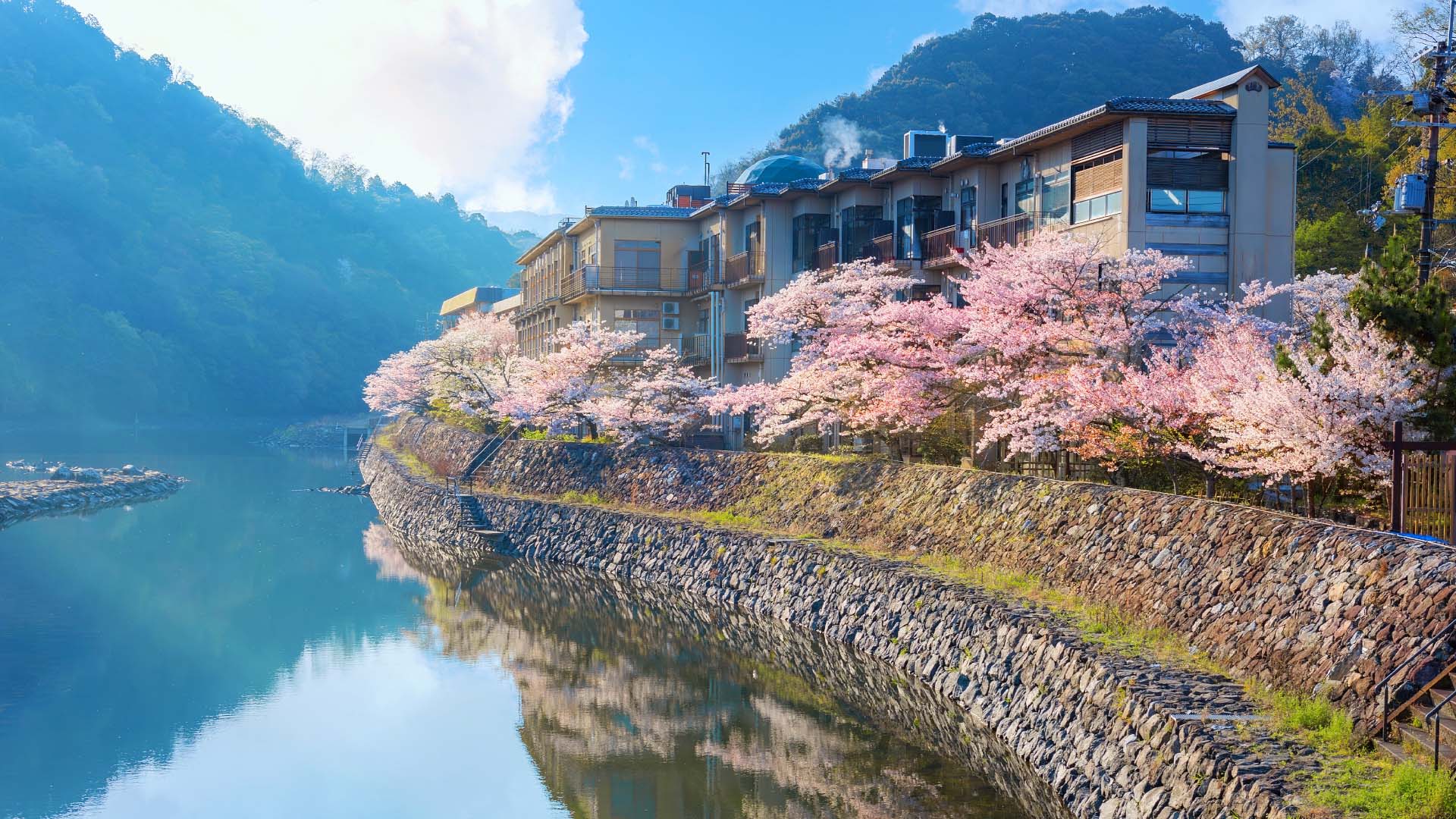
From traditional ryokans tucked beside rivers to design-forward hotels near bustling festivals, where you stay can elevate your entire sakura experience.
Best Areas
Tokyo
Neighbourhoods such as Shinjuku and Shibuya are popular choices for travellers seeking modern hotels with easy access to major cherry blossom viewing areas, including Shinjuku Gyoen National Garden and Yoyogi Park, alongside nightlife and shopping.
For a more traditional atmosphere, Asakusa offers historic temples and shrines framed by the riverside blossoms of Sumida Park. Nearby Ueno is another go-to area during sakura season thanks to its annual cherry blossom festival (one of Japan’s largest) in Ueno Park, which boasts more than 1,000 trees.
Kyoto
Kyoto’s historic Gion district is one of Japan’s most enchanting hanami destinations, with stone-paved lanes, traditional wooden machiya townhouses, and easy access to Maruyama Park, home to the beloved Gion Weeping Cherry Tree. For a more nature-oriented stay, Arashiyama draws visitors with its blossom-dotted mountain slopes, riverside, and meticulously landscaped temple gardens.
Booking Strategy
Hotel rooms near major parks, rivers, and sakura viewing areas are understandably in high demand during cherry blossom season, so it’s wise to reserve accommodations at least six months in advance.
When choosing where to stay, consider the type of experience you want most. Whether it’s a peaceful ryokan with an onsen away from the crowds or a centrally located hotel that allows early access to popular viewing spots, Goway can help arrange customized sakura-season stays.
Getting Around in Sakura Season
Like accommodations, transportation during cherry blossom season is best arranged well in advance. Shinkansen (bullet train) routes between major cities such as Tokyo, Kyoto, and Osaka can sell out quickly during peak bloom periods, particularly on weekends.
Most Shinkansen reservations open 30 days before departure. Platforms such as SmartEX (for the Tokyo–Kyoto–Osaka corridor and beyond) and JR-East Train Reservation (for northern Japan) allow travellers to reserve seats and map out routes ahead of time.
For especially popular routes, booking as soon as reservations open is recommended, particularly for travellers hoping to sit together, secure oversized luggage space, or reserve seats with views of Mount Fuji. On journeys from Tokyo toward Kyoto or Osaka, seats D and E typically offer the best Fuji views.
Travelling on weekdays and opting for earlier departures can also help you avoid the sakura season rush. Those planning extensive multi-city itineraries may benefit from a Japan Rail Pass, which offers unlimited travel on many JR-operated trains, including most Shinkansen services. However, because pass prices have increased in recent years, it’s worth comparing the cost against individual train tickets before deciding.
For those seeking a more seamless or luxurious experience, private transfers, scenic rail journeys, and curated multi-city transportation arrangements can help reduce logistical stress. Goway can help coordinate customized transportation based on your itinerary, ensuring the journey is an experience in itself.
What to Expect: Crowds & Tips
Early morning, around sunrise, is a favourite time for photographers hoping to capture dewy blossoms in soft golden light before the crowds arrive. The atmosphere at this hour is calm and meditative in contrast to the afternoon and evening, when parks fill with groups. Keep in mind that mornings can be brisk, and occasional rain showers are common, so lightweight layers, comfortable walking shoes, and rain gear are all worth packing.
For travellers hoping to avoid the busiest viewing areas, some of the most memorable hanami experiences are found off the beaten path—on residential canals and inside temple gardens and historic cemeteries. In these quieter spaces, respectful behaviour is especially important. While strolling and photography are acceptable, loud gatherings or disruptive behaviour are frowned upon.
Beyond Sakura: Japan Highlights
While cherry blossom season may be the catalyst for many spring trips to Japan, it’s only one part of the journey. From exploring the country’s culinary scene through its fish markets, ramen stands, and izakayas, to enjoying spring skiing and restorative hot springs, there are plenty of ways to customize your itinerary.
Cities
Japan’s cities offer just as much range as its landscapes. Energetic Tokyo blends futuristic skylines with centuries-old temples and tranquil gardens, while Kyoto enchants visitors with its serene tea houses, traditional ryokans, and some of Japan’s most revered Zen gardens and shrines. For gourmands, Osaka is the ultimate playground, with street food stalls, sake bars, traditional izakayas, and immersive food tours.
Extensions
Beyond Japan’s major cities, there are plenty of extensions that can give you a deeper appreciation for the country’s stunning nature and history. About an hour from Tokyo, Hakone features hot springs and lake cruises with Mount Fuji views. Hiroshima draws history lovers with its important historical sites, while the nearby Miyajima Island is worth the detour for its “floating” torii gate and stunning Daishoin temple. Slightly off the typical tourist path, the city of Kanazawa is venerated for its preserved samurai districts, traditional crafts, and the renowned Kenroku-en garden, considered one of Japan’s most beautiful.
Sample Sakura Itineraries
Cherry blossom season lends itself especially well to multi-city travel, allowing visitors to catch blooms across different regions. Depending on the length of your trip, you can easily visit two to four destinations in one itinerary.
7 Days: Tokyo & Kyoto Sakura Trip
Day 1–3: Arrive in Tokyo and spend several days exploring famous sakura spots such as Shinjuku Gyoen, Ueno Park, and the Meguro River, alongside Tokyo’s food, shopping, and nightlife districts.
Day 4: Ride the Shinkansen to Kyoto, enjoying views of Mount Fuji along the way.
Day 5–7: Discover Kyoto’s historic temples, tea houses, and most picturesque blossom-viewing areas, including Philosopher's Path, Maruyama Park, and Arashiyama Bamboo Grove, before departing Japan.
12 Days: Goway’s Japan Odyssey: Cherry Blossom Edition
Day 1–4: Arrive in Tokyo and explore dynamic districts including Asakusa, Shibuya, and Ginza while experiencing the sakura season along the Meguro River and cultural traditions at Meiji Shrine.
Day 5: Take a day trip to the Fuji Five Lakes region for cherry blossom views around Lake Kawaguchi and breathtaking panoramas from Chureito Pagoda.
Day 6–8: Continue to Kyoto for temple visits, traditional tea ceremonies, strolls through Gion and Arashiyama, and seasonal experiences including sake tastings and sakura-filled gardens.
Day 9–10: Travel to Hiroshima to reflect at the Hiroshima Peace Memorial Park before visiting nearby Miyajima, known for its torii gate, sacred shrines, and coastal scenery.
Day 11–12: Finish the journey in Osaka, exploring landmarks such as Osaka Castle alongside the food scene and nightlife of Dotonbori before departing Japan.
14 Days: Tokyo, Kyoto, Hakone, and Mount Fuji
Day 1–4: Arrive in Tokyo and experience the capital’s most celebrated sakura viewing spots, museums, gardens, and nightlife districts.
Day 5–8: Continue to Kyoto for temple visits, traditional cultural experiences, tea ceremonies, and springtime strolls through historic neighbourhoods such as Gion.
Day 9–11: Escape to Hakone for hot spring ryokans, lake cruises, mountain scenery, and possible views of Mount Fuji framed by cherry blossoms.
Day 12–14: Finish the journey with additional time around the Fuji Five Lakes region or a return to Tokyo for shopping, dining, and final hanami experiences before departing Japan.
Practical Planning Tips
Planning a sakura trip to Japan requires a mix of preparation and flexibility. Bloom timing varies each year depending on weather conditions, so it’s important to monitor official forecasts from organizations such as the Japan National Tourism Organization (JNTO) and Japan Meteorological Corporation in the months leading up to departure.
In general, the period from the final week of March through the first week of April is considered the sweet spot for cherry blossom viewing in major destinations such as Tokyo, Kyoto, and Osaka. As this is one of Japan’s busiest travel periods, booking flights, hotels, and train reservations well in advance is highly recommended.
Most travellers from North America can visit Japan visa-free for stays of up to 90 days, though passport requirements can vary depending on nationality. Travellers should confirm the latest entry requirements prior to departure.
How Goway Helps with Sakura
Imagine taking in views of Mount Fuji framed by pink blossoms near Chureito Pagoda or enjoying a moment of reflection beneath a whimsical weeping sakura in Kyoto at sunrise. Goway takes much of the uncertainty out of planning a cherry blossom trip with its immersive, well-timed itineraries, so you can simply focus on savouring the journey.
Goway’s Japan Destination Specialists understand the nuances of the sakura front as it moves across the country and can help tailor itineraries around personal travel interests. Whether you want to pair cherry blossom viewing with cultural experiences, wellness retreats, food-focused adventures, or lesser-visited regions, Goway can help craft a spring journey built around the Japan experiences you’ve long imagined.
What do the experts say?

You should try a Zen meditation session. Imagine slipping into a silk kimono for the day—carefully tied by an expert dresser, every fold precise, every colour chosen to suit the season. It’s a ritual that feels as personal as it is timeless.
What do I love about Japan? In a word - EVERYTHING. The incredible contrast that Japan offers - new/innovative vs old/traditional, the warm and welcoming people, the incredible rich culture, the culinary wonders awaiting around every corner, the cleanliness, efficiency and safety. It's one of the best places to visit in Asia in my opinion.

Every season offers something to fall in love with, but autumn feels especially magical—fewer tourists, crisp weather, and foliage that rivals the famous blossoms.
Unlock more by subscribing to our newsletter.
With our newsletter, you’ll get access to regular communications that inspire you and help you explore the world your way.