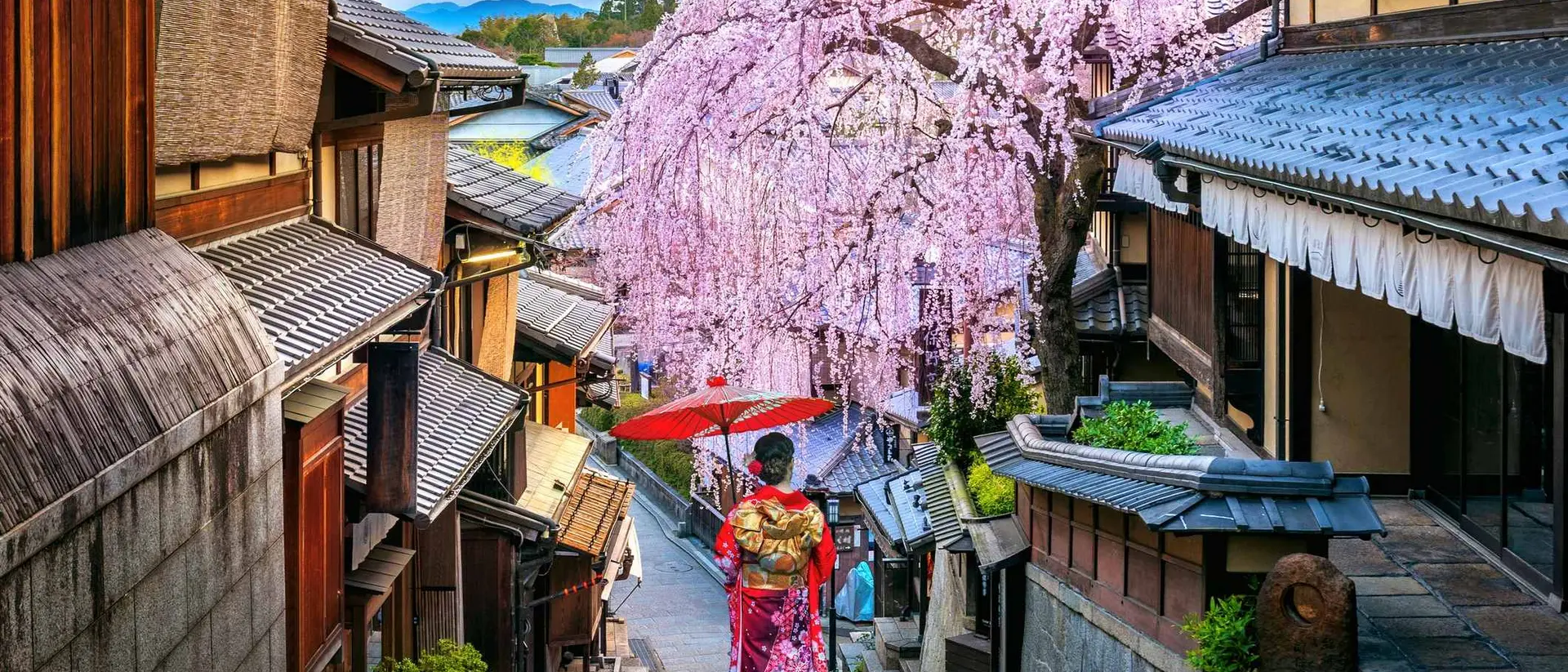
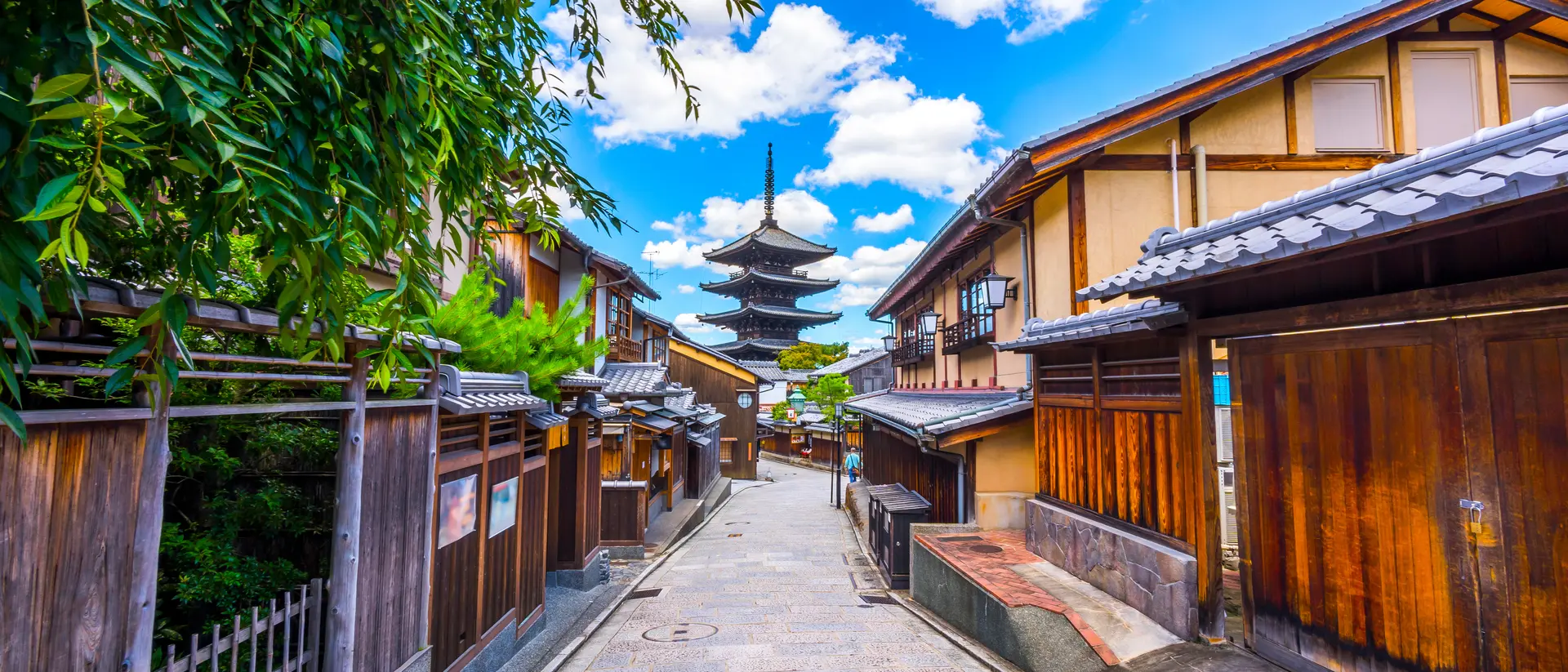
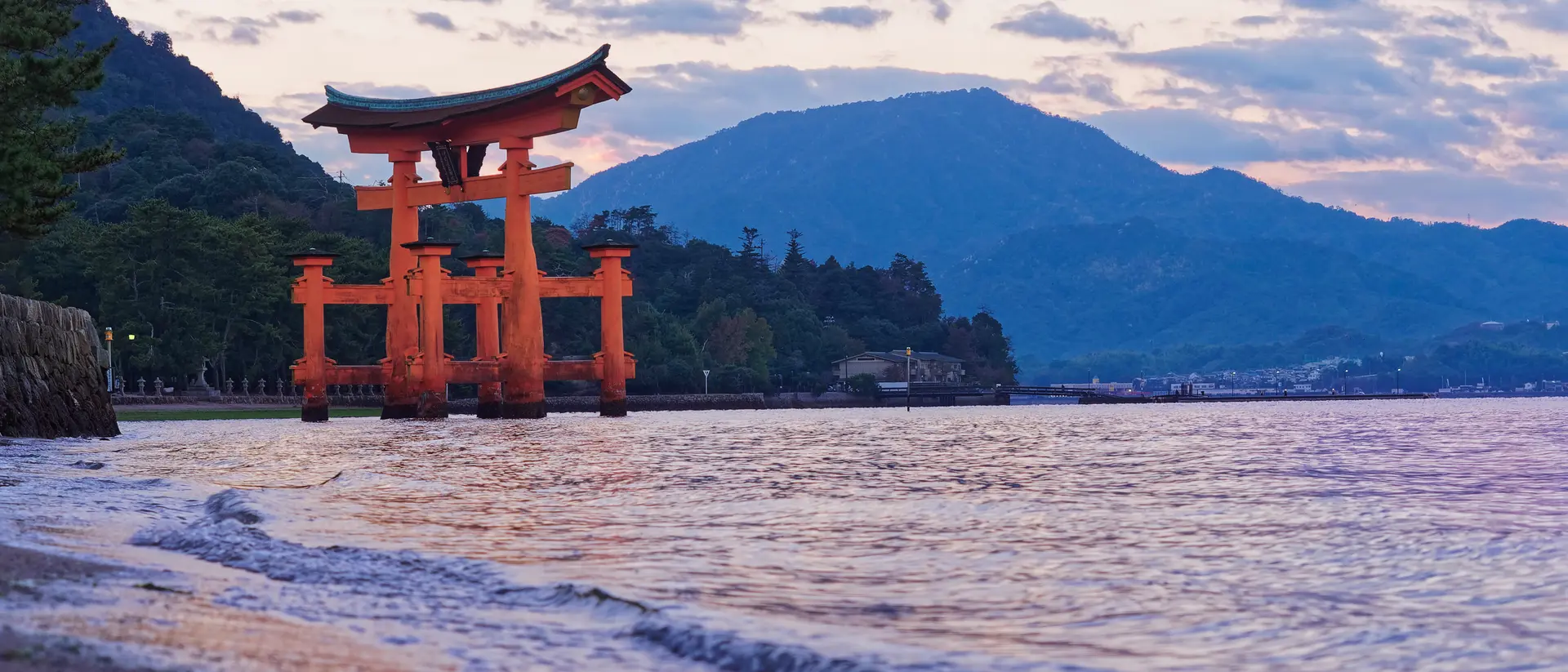
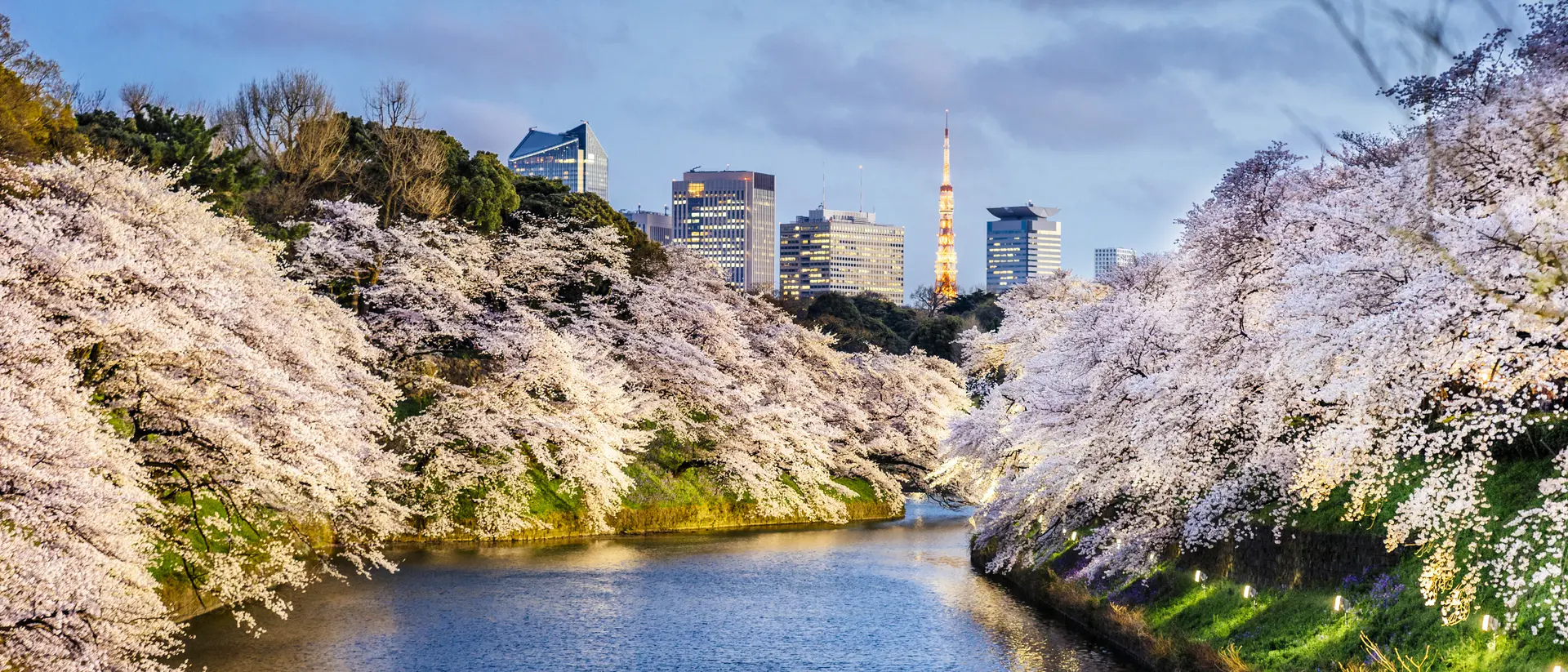
Cherry blossoms typically bloom from late March to early April on Japan's main island of Honshu (they are weather permitting, so dates slightly change every year). However, if you visit Japan earlier or later in the spring, you may still have a chance to see blossoms in other regions of Japan. Autumn foliage peaks from mid-October to mid-December, depending on the region of Japan. If you want to see Kyoto's temples during the peak autumn colours, plan to visit in early December.
Japan Travel Information
Not sure which theme is right for you?
Best Time to Visit
Japan rewards travelers all year long. Each season feels distinct and full of sensory details: spring’s soft blossoms, summer’s lantern-lit festivals, autumn’s brilliant maple leaves, and winter’s snowy landscapes.
Wherever you go, timing shapes what you’ll see and do. From skiing in Hokkaido or soaking in an onsen beneath falling snow to savouring street food during summer fireworks in Osaka, the season can become the heart of your journey. Our Destination Specialists will know when to go and where based on your interests and needs.
Understanding Japan’s Seasons
Spring (March to May) is a favourite for many. Cherry blossoms bloom in waves from south to north, while fresh breezes and mild temperatures make sightseeing pleasant. In particular, says Destination Specialist Patrick Carleton, “May brings warm early summer weather and spectacular azaleas in bloom.”
Summer (June to mid-September) brims with energy. Matsuri festivals fill the streets with music, fireworks, and dancers in yukata. While it can be hot and humid, especially in cities, cooler escapes abound. In July, Hokkaido’s lavender fields bloom in endless purple waves beneath the summer sky.
Fall (late September to mid-December) often feels like Japan at its most beautiful. Maple and ginkgo trees blaze with colour, and the air is crisp and clear. “November’s foliage, in my view, is even more stunning than cherry blossoms,” says Carleton.
Winter (mid-December to February) brings a quieter beauty. Snow blankets temple rooftops, ski resorts open in Nagano and Hokkaido, and steaming hot springs offer a warm refuge after a day outdoors. The major cities (Tokyo, Osaka, Kyoto) see cooler but still mild temperatures, and do not typically get snow.
No matter when you visit, you’ll find something unforgettable waiting. Consult one of our Destination Specialists to get your planning started.
The Best Times to Visit Japan According to Your Interests
Choosing when to go to Japan often depends on what you love most. For skiers, January brings fresh powder to Hokkaido and Nagano. “Winter in Hakuba,” says Destination Specialist Patrick Carleton, “brings quieter slopes and deep powder, perfect for travelers who want a less-crowded ski experience.”
If you’re hoping to see Japan’s temples and gardens at their most photogenic, visit in spring when cherry blossoms drift over temple roofs or in autumn when red and gold leaves frame ancient gates.
Summer is beach season, and the island of Okinawa, with its turquoise water and relaxed coastal rhythms, shines brightest in May or September, when it’s warm but not overwhelmed by tourists.
“While cherry blossom season is famous,” says Carleton, “it’s a misconception that it’s the only time to go. Autumn and even winter have their own quiet beauty.”
No matter your focus—food, festivals, or outdoor adventures—there’s a season that will make your trip feel perfectly timed.
Regional Highlights to Plan Your Japan Trip Around
Timing can also shape each region’s personality. In Kyoto, April’s cherry blossoms turn temple gardens into living postcards. Fall in Tokyo is a quieter pleasure—autumn ginkgo trees paint whole avenues in golden light.
In the far north, the island of Hokkaido comes alive in summer when lavender fields bloom in July and hiking is most pleasurable. “Remember, though, that summer can be exceptionally hot and humid—something to consider if you’re traveling with young children or older people,” Destination Specialist Patrick Carleton
From snow festivals in Sapporo to fireworks over Osaka Bay, each place reveals a different side of Japan depending on when you visit. “My favourite time to visit,” says Destination Specialist Brittany Banks, “is early December, which is often the best time for autumn viewing in Kyoto and surrounding regions, or in February, when the plum blossoms are blooming but the tourist crowds haven't yet arrived.”
For more inspiration on where and when to go, check out our guide to Japan’s most unforgettable destinations.
Let the Seasons Shape Your Japanese Journey
The best trips to Japan often begin with one simple question: What do you most want to feel?
Spring welcomes you with pastel blossoms and mild air, perfect for temple-hopping and long walks under blooming trees. Summer draws you into lantern-lit festivals, ocean swims, and fireworks echoing across warm nights.
In autumn, the landscape transforms into a painter’s palette, while winter invites you to soak in steaming onsen after a day on the slopes.
Whatever inspires you—food, culture, adventure, or quiet contemplation—let the season guide you. Our Destination Specialists will help you design a journey where every moment feels exactly as you imagined.
Featured Japan Trip Ideas
Japan Travel PackagesTokyo & Kyoto Discovery
Kyoto, Fushimi Inari Taisha, Kinkakuji Temple (Golden Pavilion), Tokyo, and Shibuya CrossingJoin an adventure through Japan and explore the lively streets of Tokyo and the tranquil temples of Kyoto. This journey offers incredible value as you discover both cities.
7 days
From US$2,240/p.p.
Request a Quote
Classic Japan: Kyoto, Hiroshima, Tokyo & Mt. Fuji
Tokyo, Shibuya Crossing, Hiroshima, Kyoto, Fushimi Inari Taisha, and Kinkakuji Temple (Golden Pavilion)Wander through Japan’s rich tapestry, from Kyoto’s ancient temples to Tokyo’s dazzling skyline and experience modern life amidst tradition.
8 days
From US$4,174/p.p.
Request a Quote
Japan Odyssey: Cherry Blossom Edition
Osaka, Hiroshima, Kyoto, Fushimi Inari Taisha, Kinkakuji Temple (Golden Pavilion), Tokyo, and Shibuya CrossingSee Japan in bloom on this small group tour, from Kyoto’s shrines to Tokyo’s neon, with onsen soaks, geisha culture, and spring’s most fleeting wonder.
11 days
From US$8,599/p.p.
Request a Quote
Tokyo & Kyoto Discovery
Kyoto, Fushimi Inari Taisha, Kinkakuji Temple (Golden Pavilion), Tokyo, and Shibuya CrossingJoin an adventure through Japan and explore the lively streets of Tokyo and the tranquil temples of Kyoto. This journey offers incredible value as you discover both cities.
7 days
From US$2,240/p.p.
Request a Quote
Classic Japan: Kyoto, Hiroshima, Tokyo & Mt. Fuji
Tokyo, Shibuya Crossing, Hiroshima, Kyoto, Fushimi Inari Taisha, and Kinkakuji Temple (Golden Pavilion)Wander through Japan’s rich tapestry, from Kyoto’s ancient temples to Tokyo’s dazzling skyline and experience modern life amidst tradition.
8 days
From US$4,174/p.p.
Request a Quote
Japan Odyssey: Cherry Blossom Edition
Osaka, Hiroshima, Kyoto, Fushimi Inari Taisha, Kinkakuji Temple (Golden Pavilion), Tokyo, and Shibuya CrossingSee Japan in bloom on this small group tour, from Kyoto’s shrines to Tokyo’s neon, with onsen soaks, geisha culture, and spring’s most fleeting wonder.
11 days
From US$8,599/p.p.
Request a Quote
Most Popular Time to Travel
Know when to go.
Place
Conditions
Daily max temperatureMonthly rainfall
Fukuoka
0°C / 0°F
0mm / 0.0"
HakoneLight Rain
29°C / 85°F
84mm / 3.3"
HiroshimaPartly Cloudy
29°C / 84°F
45mm / 1.8"
KyotoOccasional Showers
30°C / 85°F
64mm / 2.5"
NaraLight Rain
30°C / 85°F
84mm / 3.3"
OkinawaOccasional Showers
31°C / 87°F
64mm / 2.5"
Weather data is based on monthly averages.Popularity rating
-
Travel Stories
Get Inspired About Your Trip to Japan
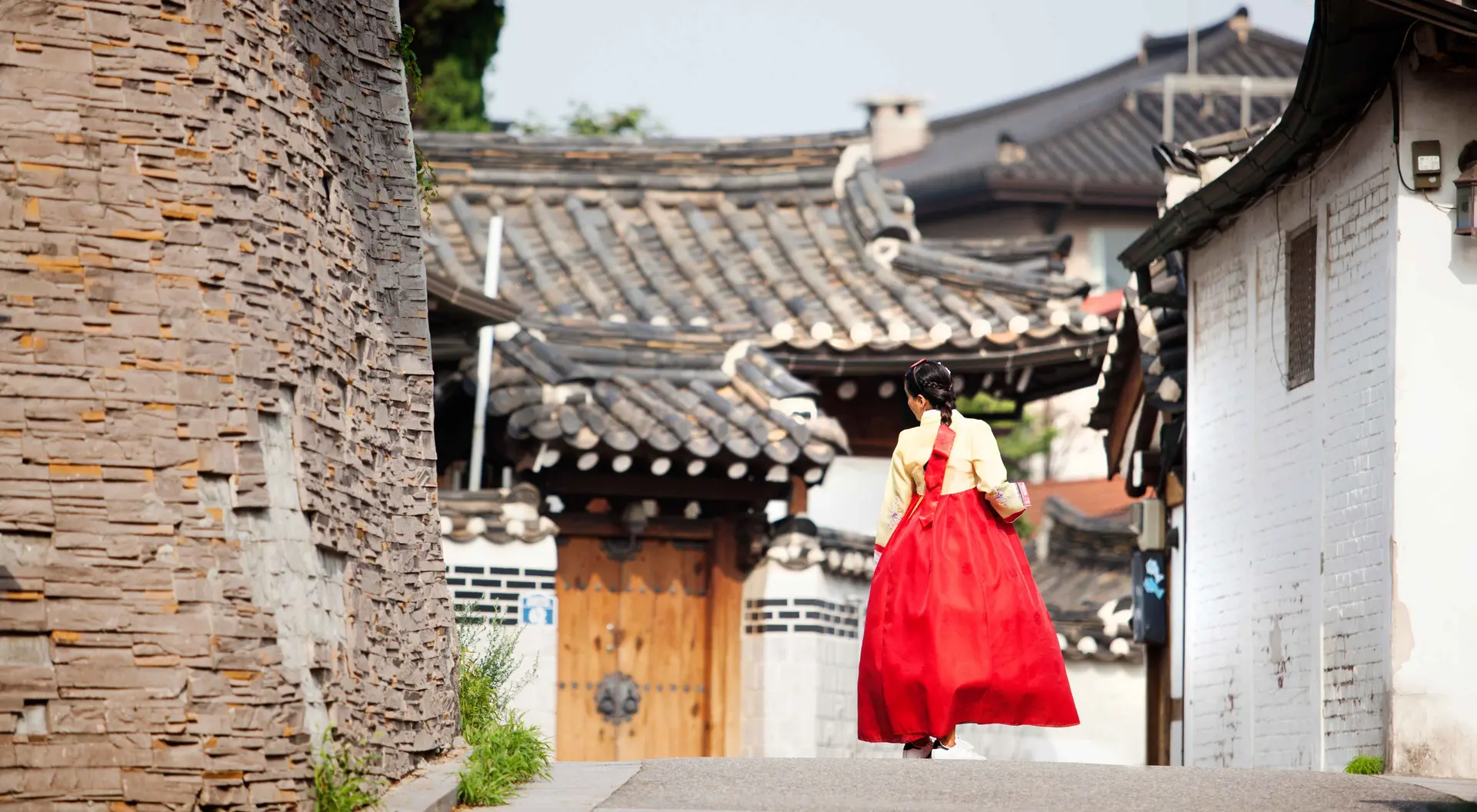
K-Beauty at the Source: Why Your Wellness Routine Leads to South Korea
South Korea's beauty industry has almost certainly reached your home already. According to Korea's Ministry of Food and Drug Safety, the country expor...
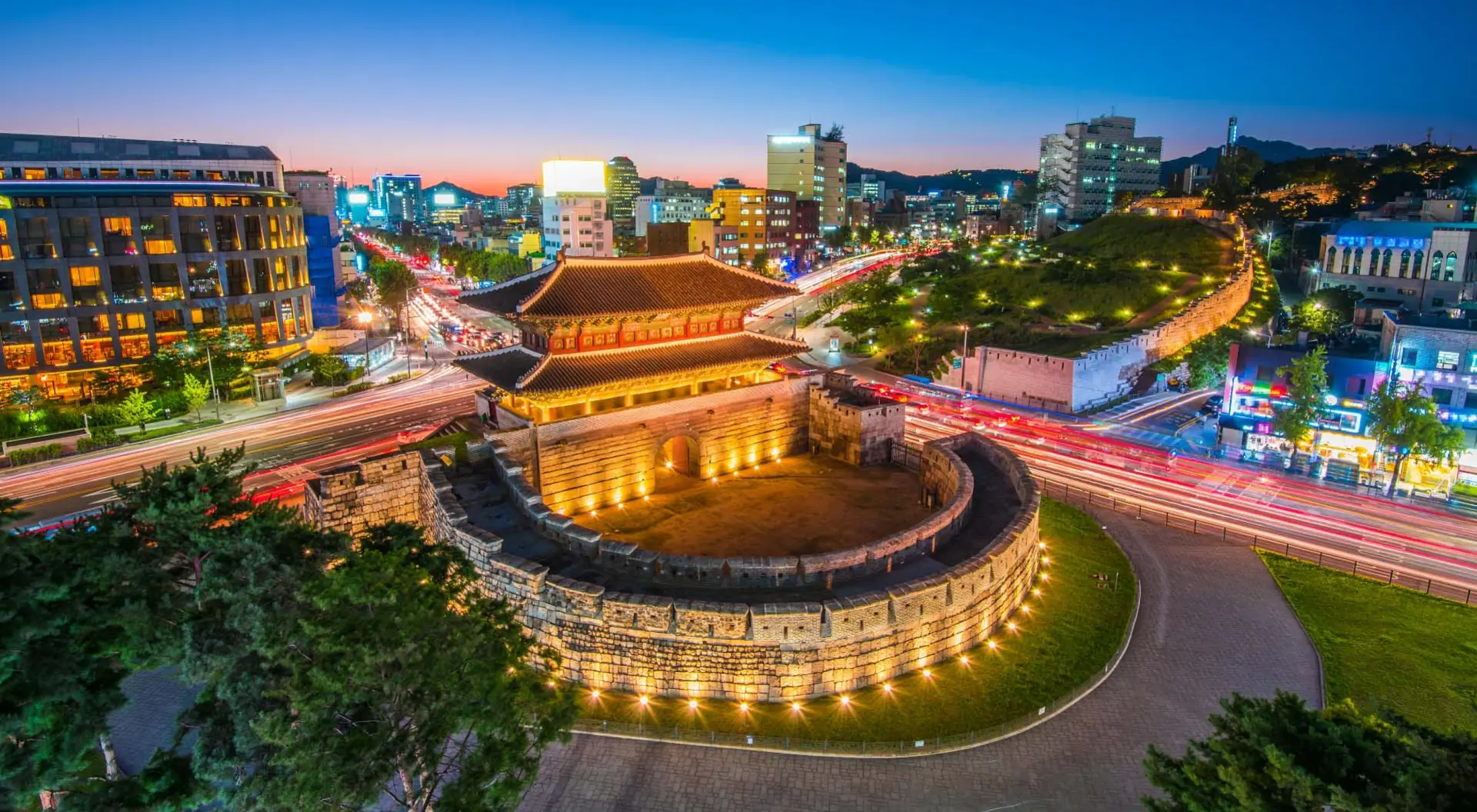
Hitting the Streets on a Pedicab Tour of Seoul
South Korea has earned a unique spot among Asian destinations for its food, history, traditions, and, more recently, its pop culture. Over the last se...
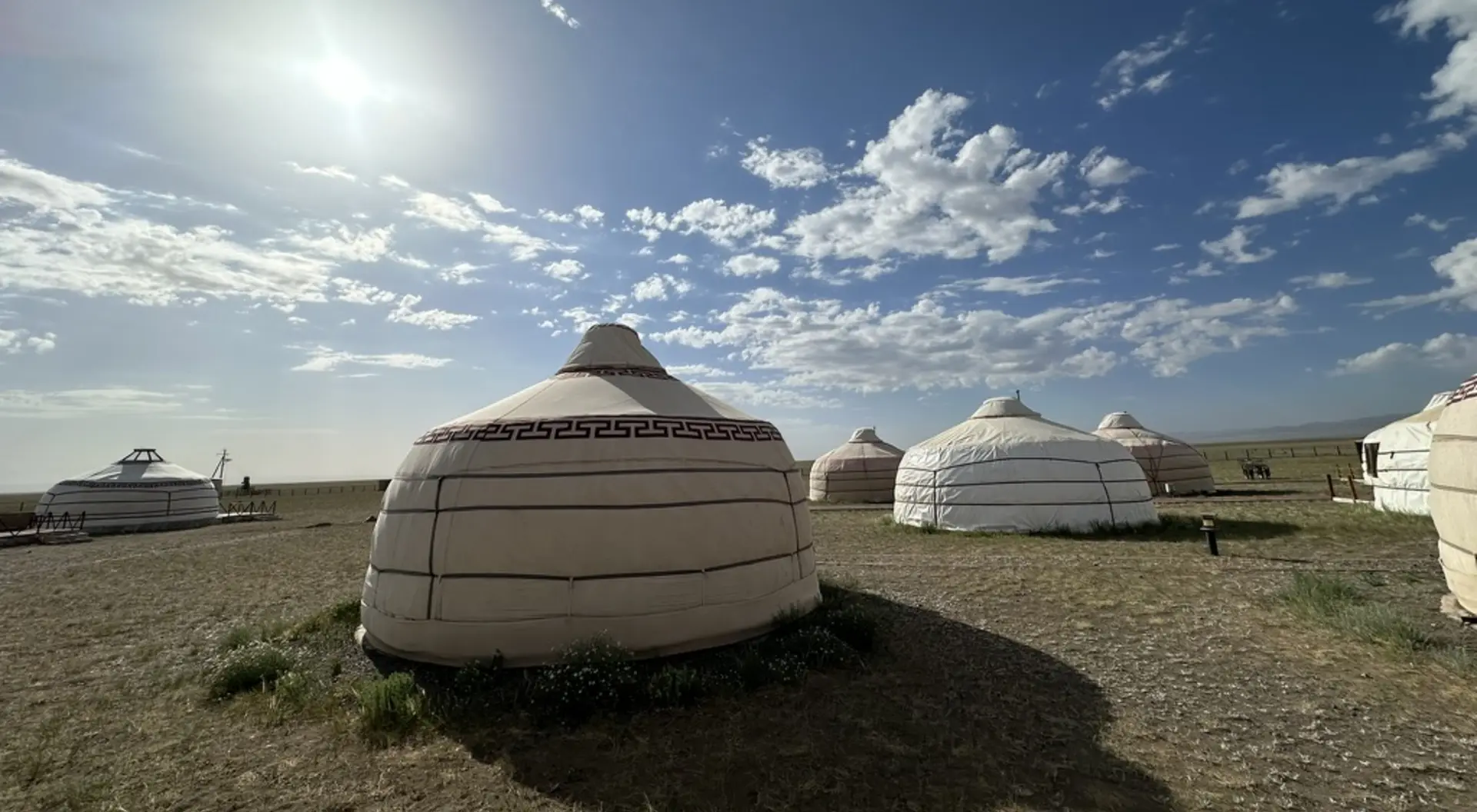
Exploring Rugged & Beautiful Mongolia
“Hold the dogs,” shouts the local guide as we approach a nomad’s home in the Gobi Desert somewhere in the middle of Central Mongolia. It’s a Mongolian...
Frequently Asked Questions
When is the best time to visit Japan for cherry blossoms and autumn foliage?
How do Japan’s seasons affect travel experiences and cultural events?
Spring brings blossoms and picnics. Summer is filled with festivals and fireworks. Autumn offers vibrant leaves, and winter is great for snowy onsen visits.
What festivals and events should travelers plan their visit around?
This depends on what you are interested in seeing and doing in Japan. Most of the summer festivals only last for a day or two so careful planning is needed if you want to attend the Gion Matsuri or Tanabata festivals. Cherry blossom seasons typically last a few weeks as regions see blooms at different times. Japan also has a variety of Christmas light displays, plum blossom events, and other flower events (such as the Fuji Shibazakura Festival near Mount Fuji) that trips can be planned around.
How does weather vary across Japan’s regions throughout the year?
The northernmost island of Hokkaido stays cooler year-round, with snowy winters. Central Japan has hot, humid summers and crisp autumns. The subtropical island of Okinawa is warm even in winter, but doesn’t offer beach weather all year around.
Japan Travel Information
Not sure which theme is right for you?
Unlock more by subscribing to our newsletter.
With our newsletter, you’ll get access to regular communications that inspire you and help you explore the world your way.Exclusive Savings
Insider Benefits
Trending Stories

ExcellentBased on 5,317 ReviewsWe decided to go to France for 3 weeks in September and knew we needed help planning the trip (we made this decision in August so a very short time frame. We had traveled with Goway a few years ago and were hoping they could help. Our specialist, Farnaz Bagheri, was fantastic, she listened to what we wanted to do and where we wanted to go. She literally arranged everything with her French partners. The guides and drivers were wonderful the accommodations were excellent. Communication was easy from the first discussion to the time we got home. Farnaz planned for us an exceptional trip in a very short time frame. Promise next trip we will contact Goway much earlier. Thanks againSue BlakeOur experience was amazing! The booking process went great. We just had to pack our clothes and everything else was taken care of thanks to Goway Travel… Lori Mezzomo!!! Lori was fantastic. Everything from flights to transfers to excursions was perfect! Can’t wait to go back and i would definitely use Goway Travel again!!!Marie IdolMaria Spitman provided exemplary service to us! Her expertise, attention to detail, timely replies and kindness were unmatched. We will definitely recommend her to others who we know are considering travel to Asia. Alice StaniforthMichael Keon and his crew did a fine job coordinating our trip to Turkey. His contact in Turkey, Mr. Omer was in contact with us almost daily reminding us of our schedule and pick up info. He was terrific. Very informative and insightful guides. And large comfortable vehicles on every trip. Awesome trip. Tom and Sharon Tom and Sharon, Toronto, Canada We loved the trip itinerary and everything was organized so well! Lori was always very responsive and answered our questions promptly. Thank you for an amazing trip!Jelena PoprzenAs a travel advisor, I recently booked a group of clients on a Goway tour in China following their paddleboat competition, and I couldn’t be happier with the experience.
Christine and Tanya in the groups department were incredibly helpful and made the entire process seamless. Their support was greatly appreciated!
The feedback from my clients was overwhelmingly positive, with particular praise for the local tour guides, who helped make the trip so memorable. Everyone had a wonderful time.
Thank you, Christine, Tanya, and the Goway team, for taking such great care of my clients. I would happily recommend Goway and look forward to working with them again!customerI wanna start off by saying that Farnaz our agent was excellent!!! she planned the whole experience from start to finish. We did not have to worry about one thing the entire trip. All the hotels were great. Our transfers from hotels to fairies to airports were all available and always on time. The excursions she planned for us were all top-notch. I was a little skeptical, but just finding GOWAY online stumbling across it. But I’m so glad I made the choice to use them. I hope they definitely using the company again and especially our agent Farnaz!!! Thank you do mych for a wonderful experience! CatherineOur goal for this trip was a stress free honeymoon where we did not have to think about anything! Goway made that successful. Everything was planned and ready for us. We just had to show up. Brooke recommended fantastic accommodations that were in great locations, clean and comfortable. The tours were took with Thompson's Africa were incredible as well. Brooke was helpful throughout the entire booking process & we wouldn't have had such an incredible experience without her. We really loved our South African holiday and hope to travel there or other locations again with Goway.TaylorOctober 9, 2026, was our 50th wedding anniversary. To celebrate, I wanted to take my bride to Europe for 50 days. Also, other than the flight over, I wanted to make the trip by train. I contacted Farnaz at Goway. The trip we planned ultimately extended to 60 days. It was absolutely flawless. We had great hotels, great tours. Even though this trip was complex and had a lot of moving parts, there were no problems. Farnaz and the folks at Goway done a great job. I highly recommend them and will definitely use them on any future tripsDaniel GraffWe had a fabulous Croatia vacation with a cruise from Dubrovnik to Split, followed by land tours on Split and Opatija. Lodging was always comfortable and conveniently located. Tours and activities were perfectly suited to our interests. We have used GoWay for 2 vacations and are currently working on another. Karen
Verified
Verified
Verified
Verified
Verified
Verified
Verified
Verified
Verified
Verified