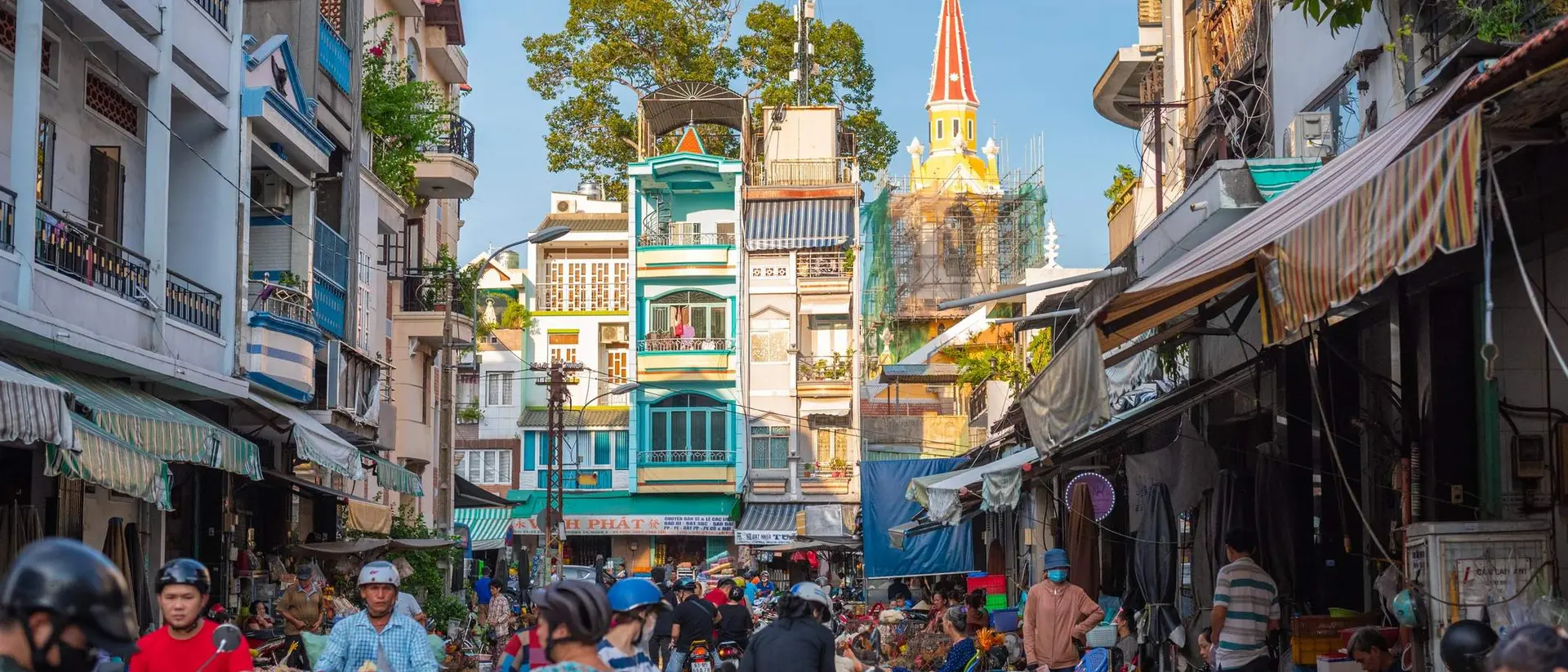
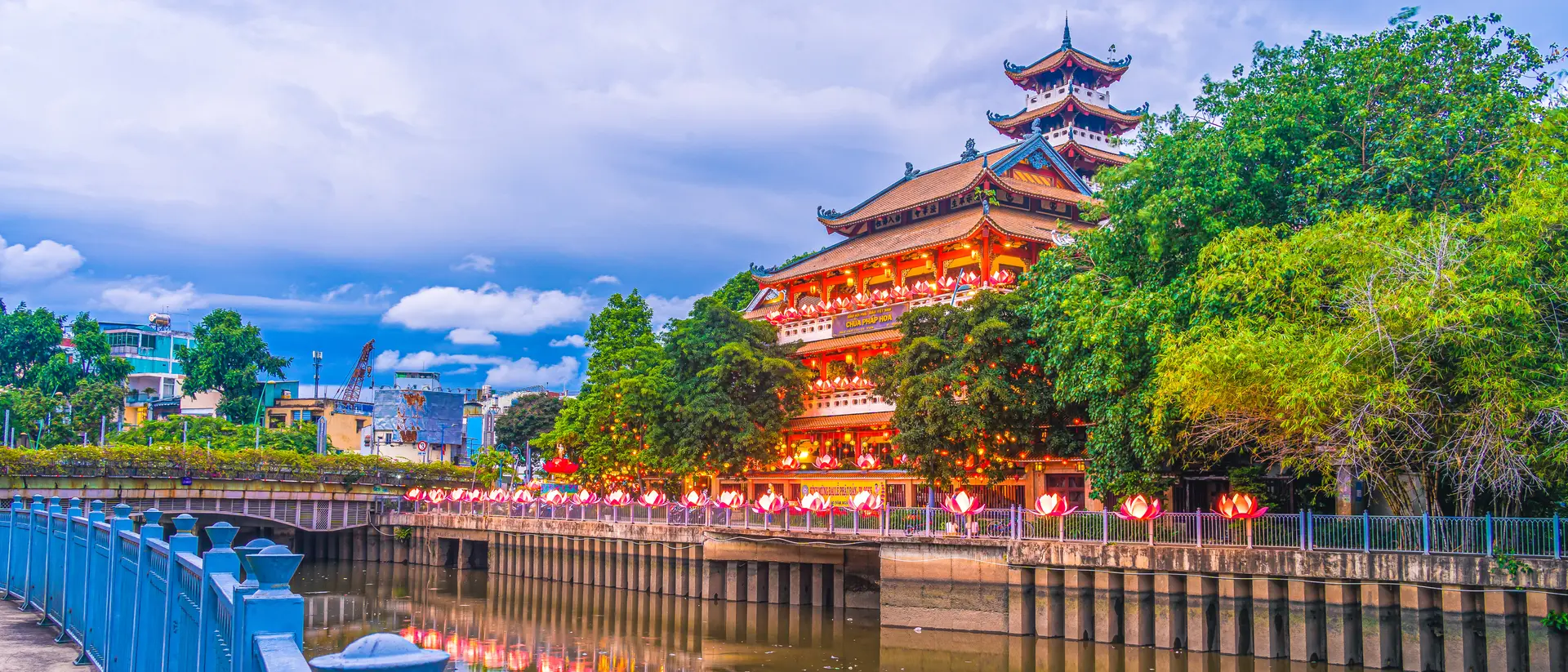
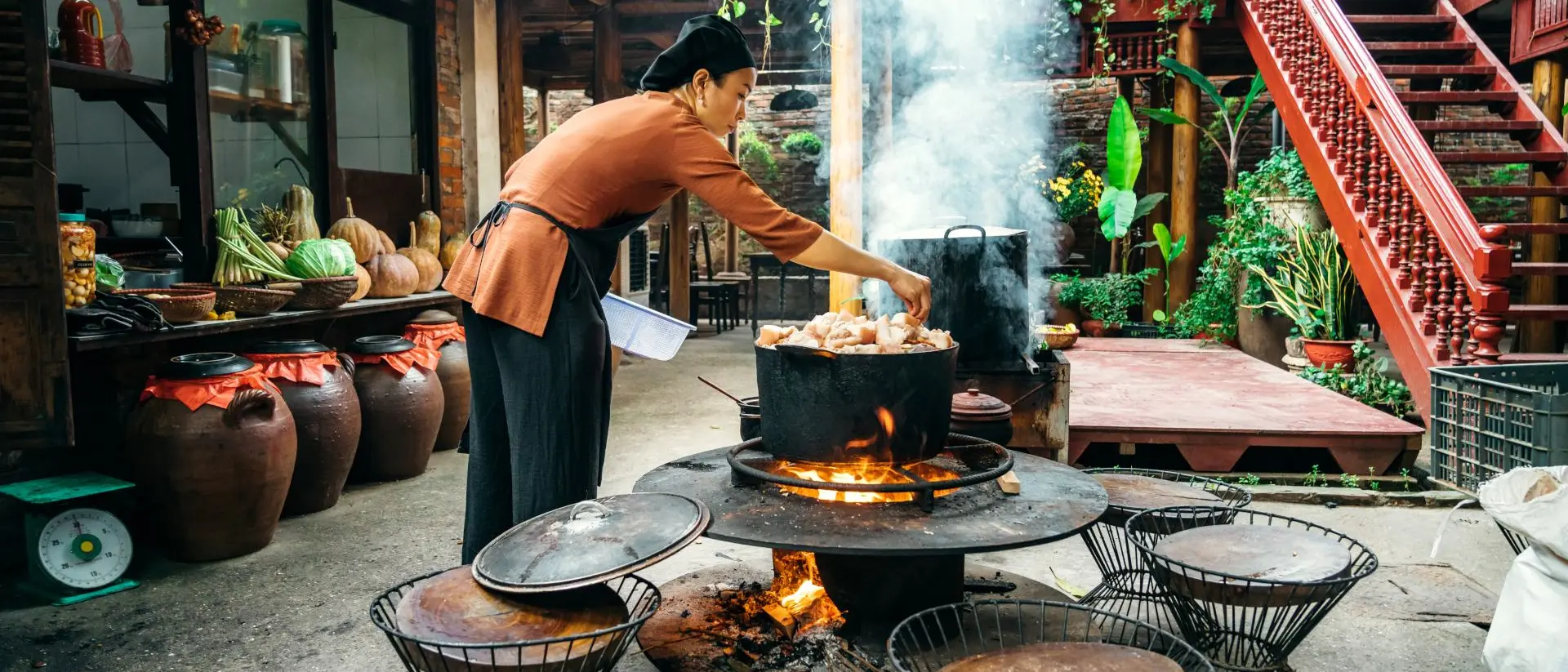

Vietnamese culture is rooted in Confucian values, emphasizing family, respect for elders, and community. It blends ancient traditions with influences from China and France, seen in everything from Buddhist pagodas and ancestor worship to coffee culture and colonial architecture. Festivals, family gatherings, and food play central roles in daily life.
Vietnam Travel Information
Not sure which theme is right for you?
Culture & Traditions
Vietnam is a living tapestry of ancient heritage and modern life. From the rhythmic chants of monks in centuries-old pagodas to the energy of lantern-lit festivals, culture here is both deeply rooted and ever-evolving.
History, faith, family, and celebration are at the heart of everyday life, creating a journey that feels immersive and unforgettable.
Whether you’re wandering through UNESCO-listed towns, joining a local family for a home-cooked meal, or watching traditional water puppetry, every experience offers a window into the country’s soul.
Book your Vietnamese cultural journey with Goway today.
Vietnam’s Ancient Heritage and Legends
Vietnam’s history stretches back thousands of years, and its stories live on through majestic temples, intricate carvings, and living traditions. In Hue, the Imperial City stands as a testament to the Nguyen Dynasty, with ornate gates, royal tombs, and serene gardens. Venture, among other sites, to My Son Sanctuary, an ancient Cham refuge shrouded in jungle mist, its crumbling brick towers whispering of kingdoms long past.
Folklore also shapes daily life. From dragon legends tied to Halong Bay to spiritual rituals at countryside pagodas, these narratives infuse Vietnam with an almost mythical quality.
“Vietnam isn’t just conical hats and war stories,” says Destination Specialist Leo Liu. “It’s a land of 54 ethnic groups, layered history, and vibrant culture that surprises even seasoned travellers.”
Vietnam’s Religious Traditions and Holidays
Faith and festivity are inseparable in Vietnam. While Buddhism is the most common spiritual practice, influences from Confucianism, Taoism, and indigenous beliefs create a rich cultural mosaic.
Visit golden-roofed pagodas during temple festivals, where locals offer incense and prayers for health, prosperity, and good fortune. The country’s calendar bursts with various celebrations, none more significant than Tet, the Lunar New Year.
During Tet, streets bloom with cherry blossoms, families gather for feasts, and ancestral altars glow with offerings.
The Mid-Autumn Festival, meanwhile, enchants with lantern parades and mooncakes, while countless local festivals celebrate everything from harvests to heroes.
“Vietnamese culture is deeply rooted in family,” says Destination Specialist Leo Liu. “Time spent together, eating and drinking, is everything. It’s how life flows.”
For more information on observances in the country, visit our guide to Vietnamese cultural traditions.
Vietnamese Daily Life and Etiquette
Vietnamese life is grounded in tính hiếu khách, a spirit of hospitality that makes visitors feel instantly welcome. Family is the cornerstone of society, and daily routines revolve around shared meals and meaningful time together. Conversations often begin with inquiries about family and well-being, a sign of genuine warmth and respect.
Coffee culture thrives here, too. In cities like Hanoi and Ho Chi Minh City, locals linger in street-side cafés, sipping cà phê sữa đá (iced coffee with condensed milk) and discussing everything from politics to poetry. Communication is courteous yet warm, and small gestures, like a slight bow of the head or a two-handed exchange when giving or receiving items, are appreciated.
“Vietnam happens on tiny blue stools,” says Destination Specialist Leo Liu. “It’s where locals eat, gossip, and share life. You just sit down and the experience unfolds—no menu, just food, stories, and community.”
Festivals and Celebrations in Vietnam
Vietnam’s calendar is alive with colour and celebration. Tet, the Lunar New Year, is the most significant event of the year. Families return to ancestral homes, streets bloom with kumquat trees and peach blossoms, and firecrackers fill the air with festive energy.
Every fall, the Mid-Autumn Festival charms with glowing lantern parades and mooncakes, while regional festivals celebrate harvests, fertility, and local heroes with processions, dragon dances, and traditional music.
For something extraordinary, witness the lantern festival in Hoi An, when the town goes dark except for the soft glow of hundreds of lanterns floating down the Thu Bon River.
Explore Vietnamese Culture With Goway
Once you land in Vietnam, go beyond basic sightseeing and immerse yourself in authentic cultural experiences. Learn the ancient art of lacquer painting in a Hanoi workshop, join a farmer in the rice paddies near Mai Chau, or share a home-cooked meal with a local family.
In Hoi An, take part in a lantern-making class, or explore traditional villages in the Mekong Delta, where life flows with the rhythm of the river.
The options are limited only by your interests and tastes. Let us design your immersive Vietnam experience today.
Featured Vietnam Trip Ideas
Vietnam Travel PackagesClassic Vietnam: Hanoi, Halong Bay & Ho Chi Minh
Ho Chi Minh City, Hoi An, Hue, Ha Long Bay, and HanoiExplore the magic of Vietnam on a journey from the streets of Hanoi to the tranquil waters of Halong Bay, before diving into the rich history of Ho Chi Minh City.
12 days
From US$3,050/p.p.
Request a Quote
Classic Vietnam: Hanoi, Halong Bay & Ho Chi Minh
Ho Chi Minh City, Hoi An, Hue, Ha Long Bay, and HanoiExplore the magic of Vietnam on a journey from the streets of Hanoi to the tranquil waters of Halong Bay, before diving into the rich history of Ho Chi Minh City.
12 days
From US$3,050/p.p.
Request a Quote
Travel Stories
Get inspired about Your Trip to Vietnam
K-Beauty at the Source: Why Your Wellness Routine Leads to South Korea
South Korea's beauty industry has almost certainly reached your home already. According to Korea's Ministry of Food and Drug Safety, the country expor...
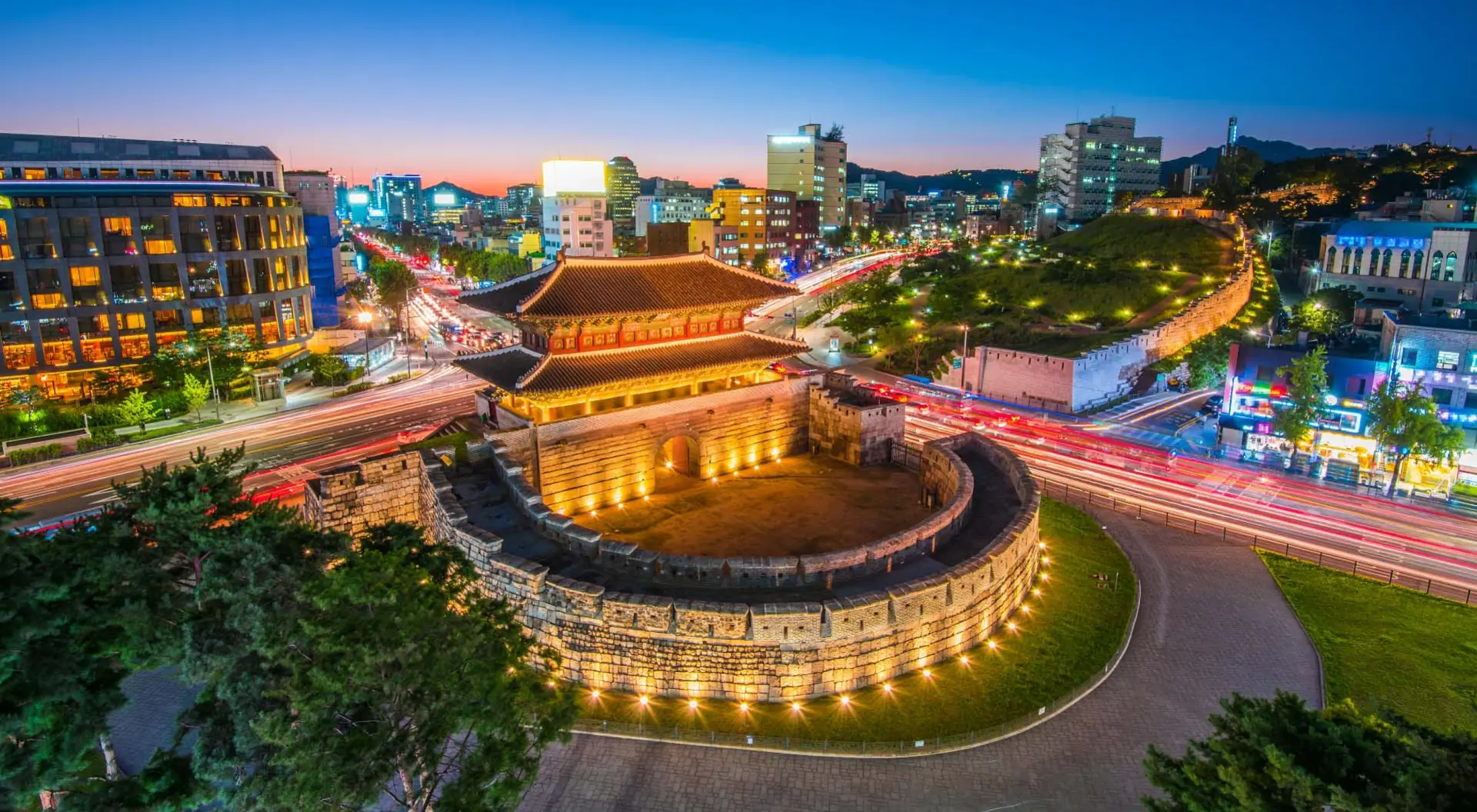
Hitting the Streets on a Pedicab Tour of Seoul
South Korea has earned a unique spot among Asian destinations for its food, history, traditions, and, more recently, its pop culture. Over the last se...
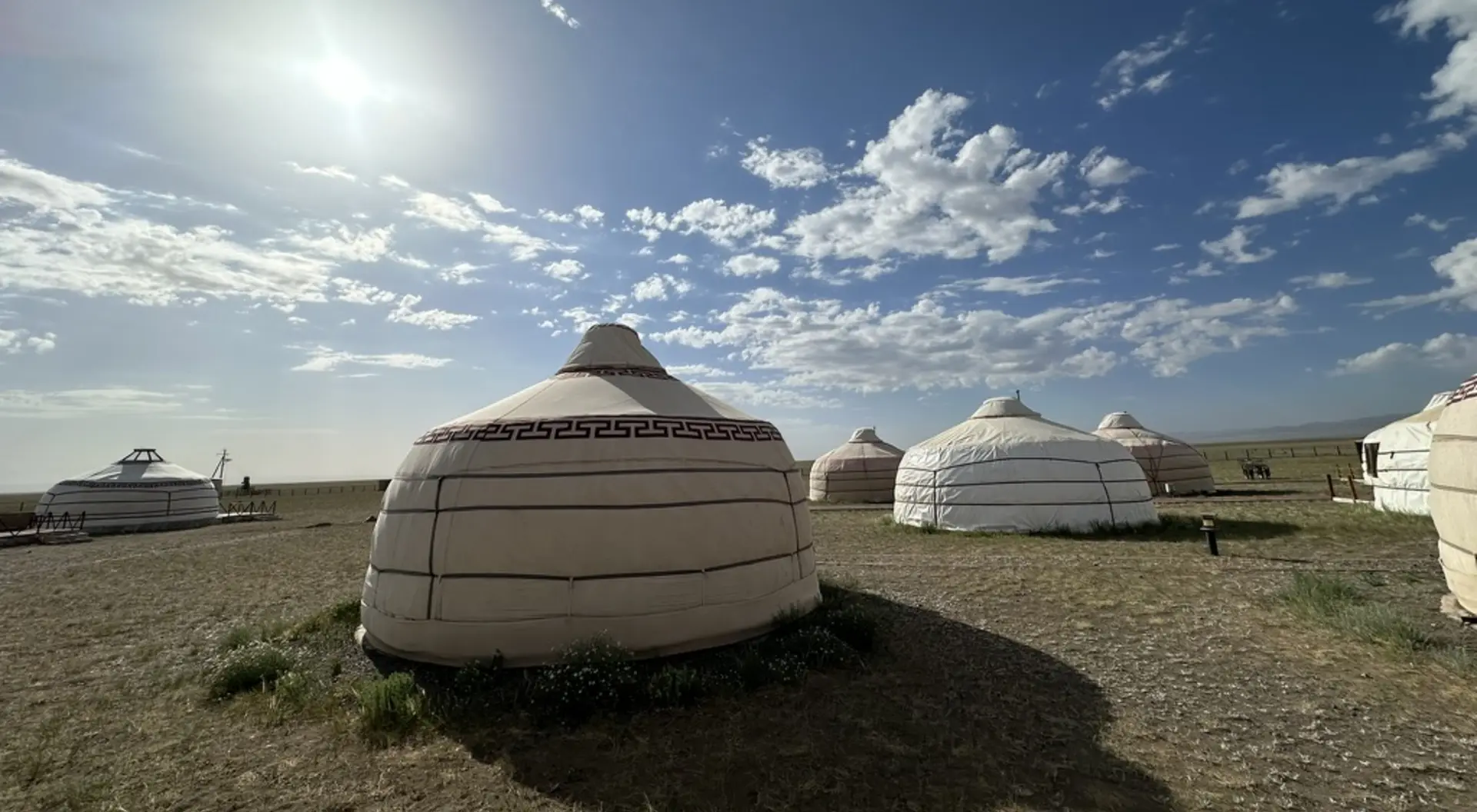
Exploring Rugged & Beautiful Mongolia
“Hold the dogs,” shouts the local guide as we approach a nomad’s home in the Gobi Desert somewhere in the middle of Central Mongolia. It’s a Mongolian...
Frequently Asked Questions
What is the traditional culture of Vietnam?
What is impolite in Vietnam?
Pointing at people, touching someone’s head (considered sacred), or raising your voice in public are seen as disrespectful. Avoid showing anger or frustration—calm, polite communication is valued. Always remove shoes before entering a home or temple
Is it okay to wear shorts in Vietnam?
Yes, in casual settings like beaches or tourist areas. However, modest dress is expected in temples, pagodas, and rural villages. Cover shoulders and knees when visiting sacred or traditional sites.
What should female tourists wear in Vietnam?
Lightweight, breathable clothing is ideal. Women should bring a scarf or shawl to cover their shoulders when entering religious or cultural spaces. Maxi dresses, loose pants, and blouses are great options for both comfort and modesty.
Is it rude to leave food in Vietnam?
Generally, leaving a little food on your plate is acceptable, but wasting food—especially rice—is frowned upon. Take small portions and go back for seconds rather than overloading your plate.
What is considered respectful in Vietnam?
Greet people with a smile, use two hands when giving or receiving items, and show deference to elders. A slight bow of the head or nod is appreciated. When visiting someone’s home, bringing a small gift (like fruit or sweets) is a nice gesture.
How do you eat politely in Vietnam?
Meals are communal, so wait for the host to invite you to start eating. Use chopsticks properly—don’t stick them upright in a bowl (doing so evokes funeral rites). Passing food with both hands and thanking the cook is customary.
Vietnam Travel Information
Not sure which theme is right for you?
Unlock more by subscribing to our newsletter.
With our newsletter, you’ll get access to regular communications that inspire you and help you explore the world your way.Exclusive Savings
Insider Benefits
Trending Stories
ExcellentBased on 5,317 ReviewsWe decided to go to France for 3 weeks in September and knew we needed help planning the trip (we made this decision in August so a very short time frame. We had traveled with Goway a few years ago and were hoping they could help. Our specialist, Farnaz Bagheri, was fantastic, she listened to what we wanted to do and where we wanted to go. She literally arranged everything with her French partners. The guides and drivers were wonderful the accommodations were excellent. Communication was easy from the first discussion to the time we got home. Farnaz planned for us an exceptional trip in a very short time frame. Promise next trip we will contact Goway much earlier. Thanks againSue BlakeOur experience was amazing! The booking process went great. We just had to pack our clothes and everything else was taken care of thanks to Goway Travel… Lori Mezzomo!!! Lori was fantastic. Everything from flights to transfers to excursions was perfect! Can’t wait to go back and i would definitely use Goway Travel again!!!Marie IdolMaria Spitman provided exemplary service to us! Her expertise, attention to detail, timely replies and kindness were unmatched. We will definitely recommend her to others who we know are considering travel to Asia. Alice StaniforthMichael Keon and his crew did a fine job coordinating our trip to Turkey. His contact in Turkey, Mr. Omer was in contact with us almost daily reminding us of our schedule and pick up info. He was terrific. Very informative and insightful guides. And large comfortable vehicles on every trip. Awesome trip. Tom and Sharon Tom and Sharon, Toronto, Canada We loved the trip itinerary and everything was organized so well! Lori was always very responsive and answered our questions promptly. Thank you for an amazing trip!Jelena PoprzenAs a travel advisor, I recently booked a group of clients on a Goway tour in China following their paddleboat competition, and I couldn’t be happier with the experience.
Christine and Tanya in the groups department were incredibly helpful and made the entire process seamless. Their support was greatly appreciated!
The feedback from my clients was overwhelmingly positive, with particular praise for the local tour guides, who helped make the trip so memorable. Everyone had a wonderful time.
Thank you, Christine, Tanya, and the Goway team, for taking such great care of my clients. I would happily recommend Goway and look forward to working with them again!customerI wanna start off by saying that Farnaz our agent was excellent!!! she planned the whole experience from start to finish. We did not have to worry about one thing the entire trip. All the hotels were great. Our transfers from hotels to fairies to airports were all available and always on time. The excursions she planned for us were all top-notch. I was a little skeptical, but just finding GOWAY online stumbling across it. But I’m so glad I made the choice to use them. I hope they definitely using the company again and especially our agent Farnaz!!! Thank you do mych for a wonderful experience! CatherineOur goal for this trip was a stress free honeymoon where we did not have to think about anything! Goway made that successful. Everything was planned and ready for us. We just had to show up. Brooke recommended fantastic accommodations that were in great locations, clean and comfortable. The tours were took with Thompson's Africa were incredible as well. Brooke was helpful throughout the entire booking process & we wouldn't have had such an incredible experience without her. We really loved our South African holiday and hope to travel there or other locations again with Goway.TaylorOctober 9, 2026, was our 50th wedding anniversary. To celebrate, I wanted to take my bride to Europe for 50 days. Also, other than the flight over, I wanted to make the trip by train. I contacted Farnaz at Goway. The trip we planned ultimately extended to 60 days. It was absolutely flawless. We had great hotels, great tours. Even though this trip was complex and had a lot of moving parts, there were no problems. Farnaz and the folks at Goway done a great job. I highly recommend them and will definitely use them on any future tripsDaniel GraffWe had a fabulous Croatia vacation with a cruise from Dubrovnik to Split, followed by land tours on Split and Opatija. Lodging was always comfortable and conveniently located. Tours and activities were perfectly suited to our interests. We have used GoWay for 2 vacations and are currently working on another. Karen
Verified
Verified
Verified
Verified
Verified
Verified
Verified
Verified
Verified
Verified