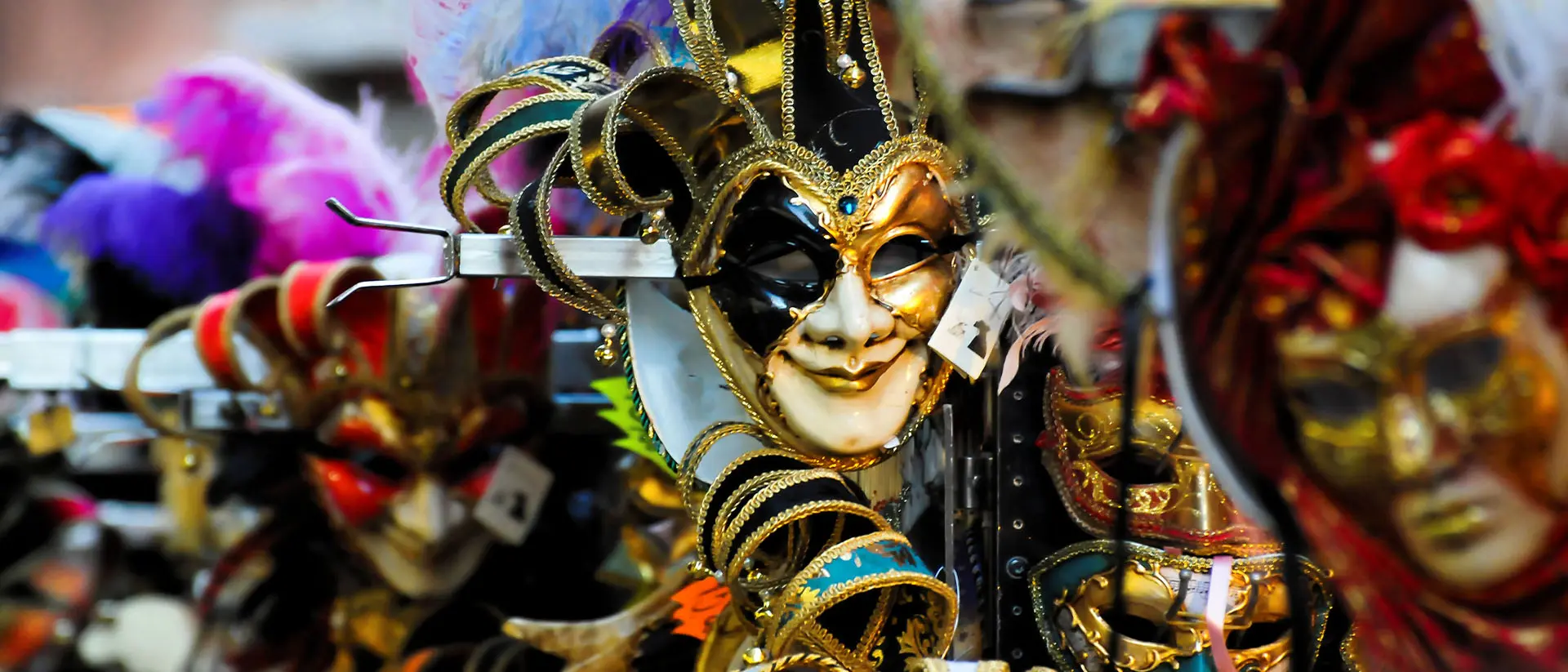
Each winter, Venice transforms into a living theatre, where ornate masks, sweeping capes, and Baroque gowns fill the iconic Italian city’s labyrinth of canals and piazzas.
With careful planning, a Venice Carnival trip can become as finely composed as an 18th-century sonata: catch acrobatic shows in St. Mark’s Square (Piazza San Marco), hunt down sugar-dusted fritters, or attend a masked ball in a centuries-old palace before continuing your adventure around Italy.
What is the Venice Carnival?
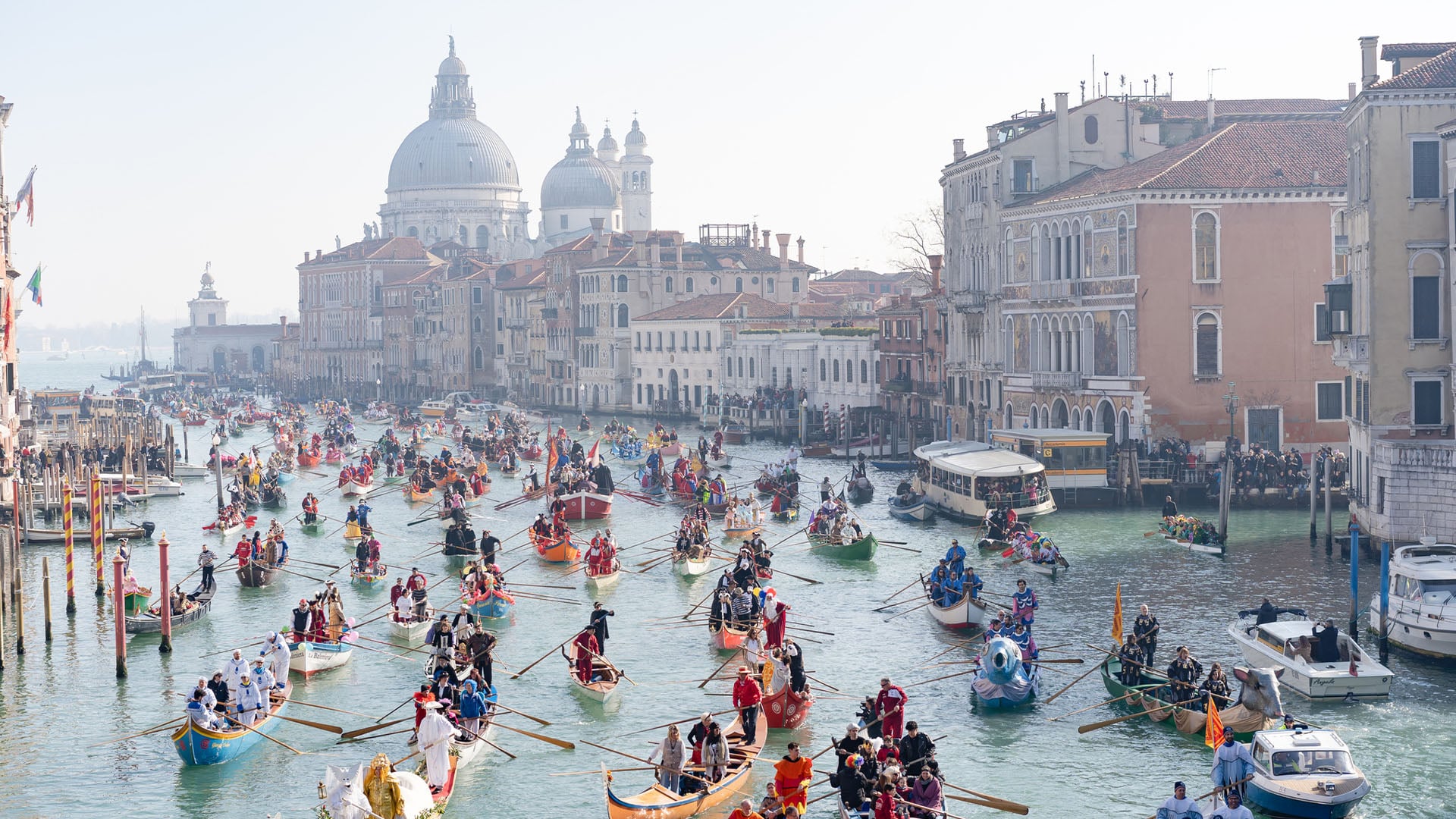
One of Europe’s great festivals, Venice Carnival (Carnevale di Venezia) is a multi-day pre-Lenten celebration renowned for its elaborate masks and historic pageantry.
The festival dates back to the 12th century, when Venetians gathered to celebrate a military victory in 1162. Over time, it became tied to the days before Lent and grew to become one of Europe’s most talked-about events. Masks became the festival’s defining symbol, allowing social classes to mingle freely and express themselves without judgment.
In 1797, when Napoleon conquered La Serenissima, as Venice is known, Carnival was banned due to concerns that anonymity could enable political conspiracies and rebellion. Public celebrations disappeared for nearly two centuries, until the festival was revived in 1979 as part of a broader effort to restore Venice’s cultural heritage.
Today, Venice Carnival is one of Italy’s most beloved cultural traditions. Historic palaces host lavish masked balls, artisans craft intricate masks, and the city embraces the creativity that made it famous.
When & Where the Venice Carnival Takes Place
The dates of the Venetian Carnival vary each year, but typically span 10 to 14 days in February (sometimes beginning in late January or ending in March) and culminate on Shrove Tuesday, the eve of Lent.
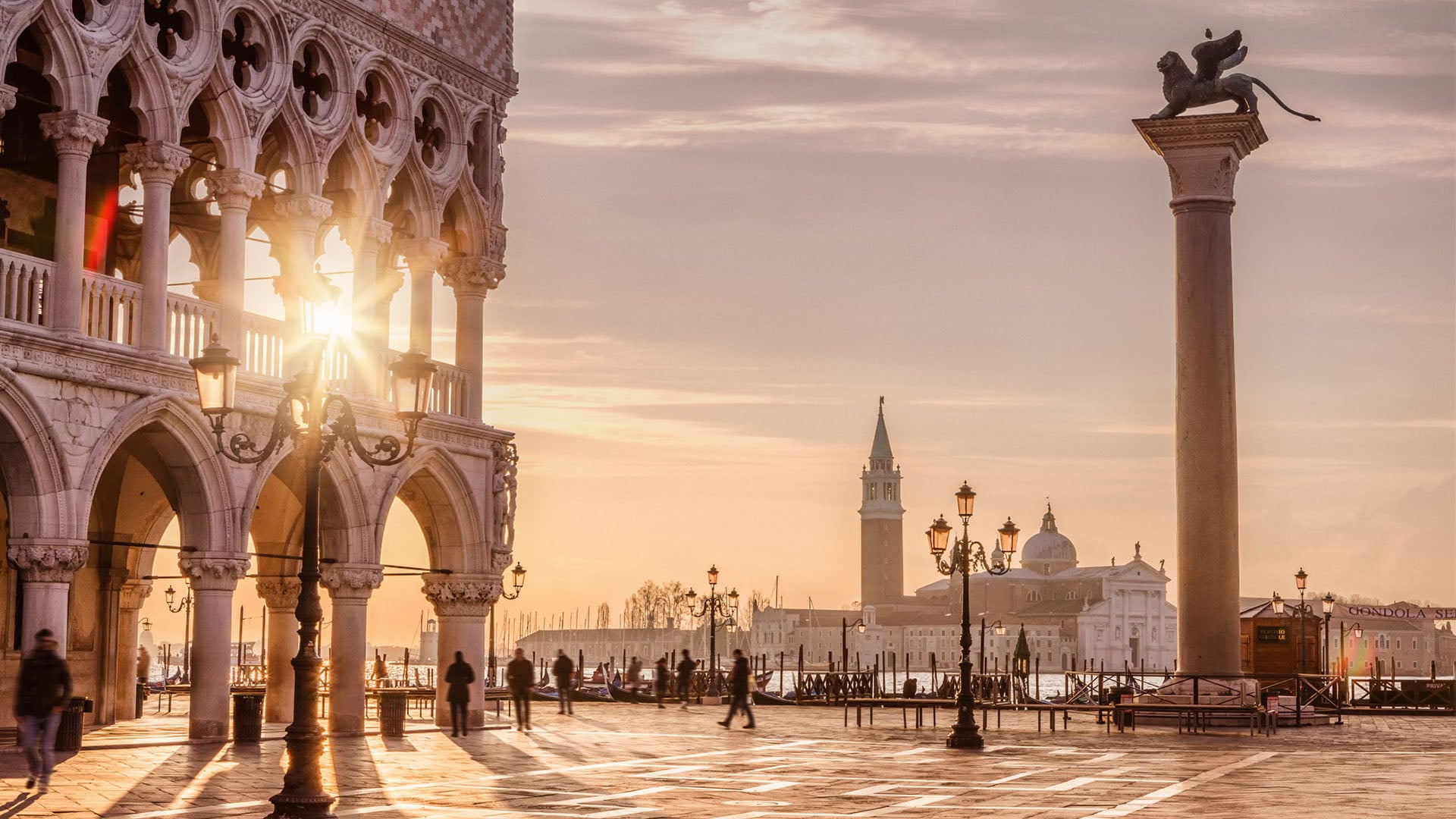
Events are staged at various locations across Venice. The main gathering point is St. Mark's Square, with additional performances and celebrations along the Grand Canal, in historic piazzas, and inside grand palaces that host masquerade balls. Travellers should confirm dates and programming on the official Venice Carnival website before planning their visit.
Venice Carnival Events, Masks & Traditions
Each edition of Venice Carnival adopts a theme that shapes the artistic direction of that year’s parades, performances, and balls. Alongside these evolving programs, several time-honoured traditions remain.
The opening weekend often features the Grand Canal Water Parade (Corteo Acqueo), a flotilla of decorated boats and costumed rowers, and the Flight of the Angel (Volo dell’Angelo), where a performer descends by cable from the bell tower into St. Mark’s Square. Another cherished event is the Procession of the Marias (Festa delle Marie), a historic parade of 12 young Venetian women, which ends in the selection of the “Maria of the Year.” To close out the celebration, the Flight of the Lion (Svolo del Leon) sees a large banner featuring the Lion of St. Mark raised to the top of the bell tower.
Of course, the masks and costumes are the main spectacle. You’ll likely spot the bauta, an angular white mask traditionally worn with a black cloak (tabarro) and tricorn hat. The half-face Colombina mask, often adorned with feathers or crystals, is another popular option.
No visit is complete without sampling Italy’s traditional food and drink, including Carnival’s signature sweets. Frittelle (soft fritters filled with custard or chocolate) are the season’s indulgent staple, alongside crisp, ribbon-like galani pastries dusted with powdered sugar.
Venice Carnival Tickets, Balls & How to Join In
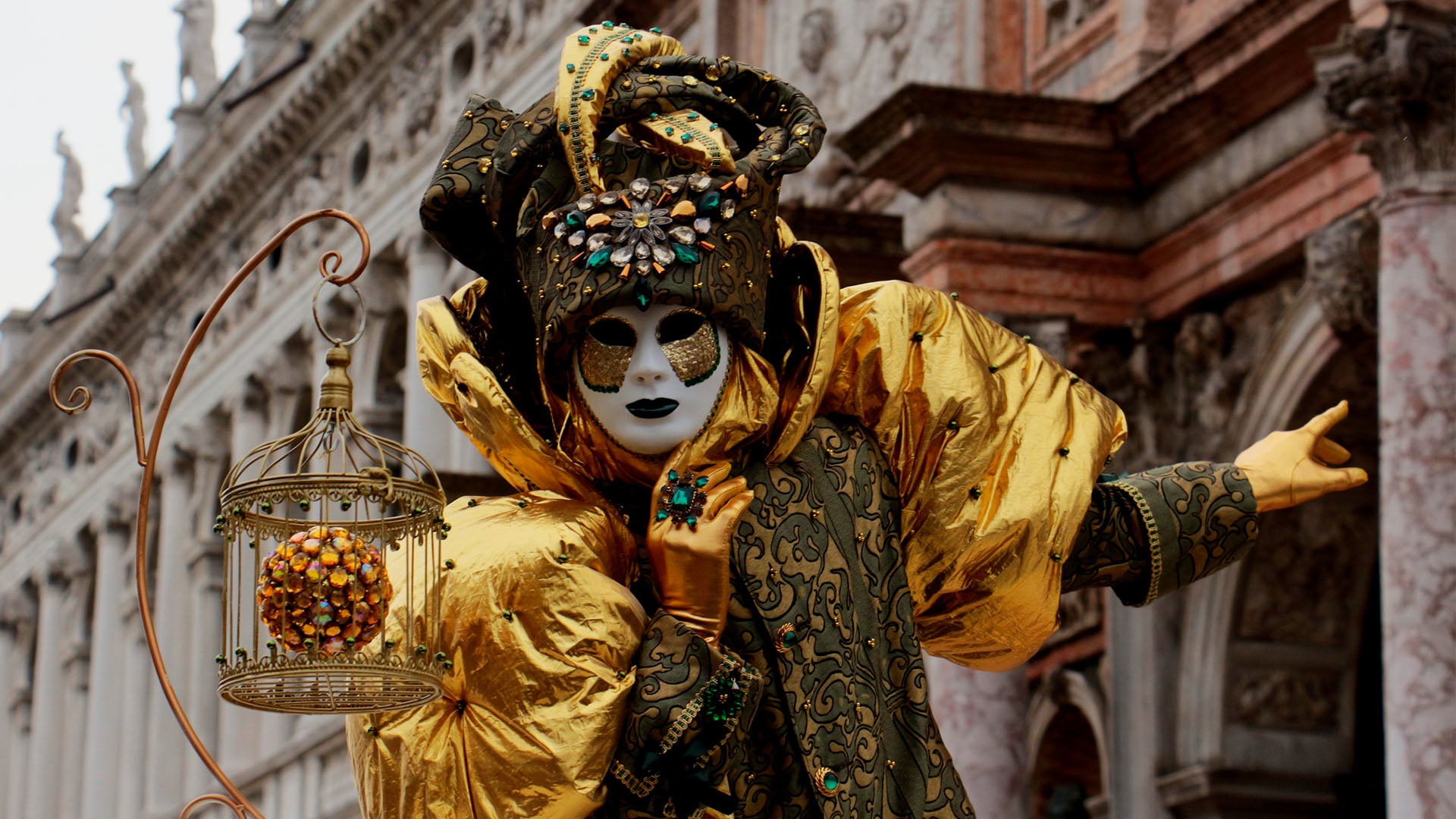
The Venice Carnival is largely a public event, and many of its most memorable moments are free of charge. Some events, such as official nightly dinner shows and formal masked balls in historic palaces, require tickets. These exclusive evenings must be booked well in advance, with prices ranging from a few hundred to thousands of euros.
Full period costumes and masks are mandatory at most private balls and dinners. While a costume isn’t required for public events, wearing a mask is encouraged. Fortunately, Venice offers numerous shops and ateliers that rent or sell masks and costumes.
Whether wandering freely or attending exclusive galas, planning is essential. Talk to one of our Destination Specialists about timing your trip around Venice Carnival.
Where to Stay for Venice Carnival
Best Sestieri (Neighbourhoods) for Carnival
San Marco
Venice’s historic heart, popular San Marco boasts St. Mark's Square, the Doge's Palace, the Bridge of Sighs, and the city’s top hotels. Many headline Carnival events take place here, making it ideal for those who want to be close to the action.
San Polo
Compact and lively, San Polo is famous for the Rialto Bridge, the historic Rialto Market, and its many wine bars and artisan shops. Within walking distance of San Marco yet slightly removed from its densest crowds, the district blends Carnival convenience with local flavour.
Dorsoduro
Refined and artistic Dorsoduro offers a calm atmosphere without sacrificing proximity. Bordering both the Grand Canal and the Giudecca Canal, it’s within walking distance of the central festivities and boasts several cultural landmarks and standout restaurants.
Cannaregio/Castello
Just beyond the main tourist areas, Cannaregio and Castello are two charming residential districts that appeal to travellers seeking quieter evenings, local trattorias, and easy connectivity to Carnival events via vaporetto (water bus).
Hotel Styles and Booking Strategy
Venice offers everything from grand canal-side palaces to intimate boutique hotels. Staying near the Grand Canal or St. Mark’s Square places you steps from headline Carnival moments, often with private docks, ornate interiors, and sweeping water views.
For a quieter stay, boutique properties and family-run guesthouses in residential areas offer charm, character, and a welcome retreat after busy festival days.
Carnival is one of Venice’s highest-demand periods, so booking six to nine months out is strongly recommended. Goway’s Destination Specialists help match neighbourhoods, hotel style, and Carnival access to each traveller’s priorities, whether that means a romantic stay near masked balls or a culturally focused base with easy access to galleries and local dining.
Getting Around Venice During Carnival
Venice’s historic centre is compact, car-free, and best explored on foot. Traversing its network of narrow calli (lanes), bridges, and canals is part of the experience, especially during Venice Carnival, when costumed figures appear around nearly every corner.
That said, crowds can slow movement around major hubs, so allow extra time between events. Comfortable shoes are essential, even with a costume.
For longer distances, vaporetti (water buses) run along the Grand Canal and across the lagoon, while private water taxis offer a faster, more convenient option.
From Venice Marco Polo Airport or Santa Lucia Train Station, travellers can reach the city centre by water taxi, vaporetto, or the Alilaguna airport boat service. Pre-arranging transfers helps avoid queues and ensures a smooth arrival during this high-traffic season.
Connect with a Destination Specialist to start coordinating the details of your Venice trip.
What to Expect at the Venice Carnival
There’s a reason the Venice Carnival is considered one of the world’s most iconic pre-Lenten celebrations, alongside Mardi Gras in New Orleans and Carnival in Brazil. Part of the magic is simply moving through the crowds, taking in the colourful display of feathers, velvet, and hand-painted masks. Photography is part of Carnival culture, but it’s polite to ask before taking close-up portraits of costumed participants.
Areas around St. Mark's Square and the waterfront are especially busy during events. Exploring early in the morning and staying in quieter districts can make the experience far more enjoyable.
Venice is generally safe, but follow basic precautions, such as keeping valuables secure, agreeing on meeting points, and taking care when walking near canal edges. February weather is typically cool and occasionally wet, so pack warm layers, a waterproof jacket, and comfortable walking shoes.
Beyond Carnival: Exploring Venice & Italy
Venice Highlights
St. Mark’s Basilica
Anchoring Venice’s civic and religious life since 1063, Venice’s most famous cathedral blends Gothic, Romanesque, and Byzantine architectural features, including over 85,000 square feet of gold mosaics. Pre-booked or guided visits help bypass long lines.
Doge’s Palace
Once the political heart of the Venetian Republic, this Gothic landmark houses council chambers, armouries, and the passage across the Bridge of Sighs to former prison cells. Advance tickets are recommended, especially for the behind-the-scenes Secret Itineraries tour.
Grand Canal
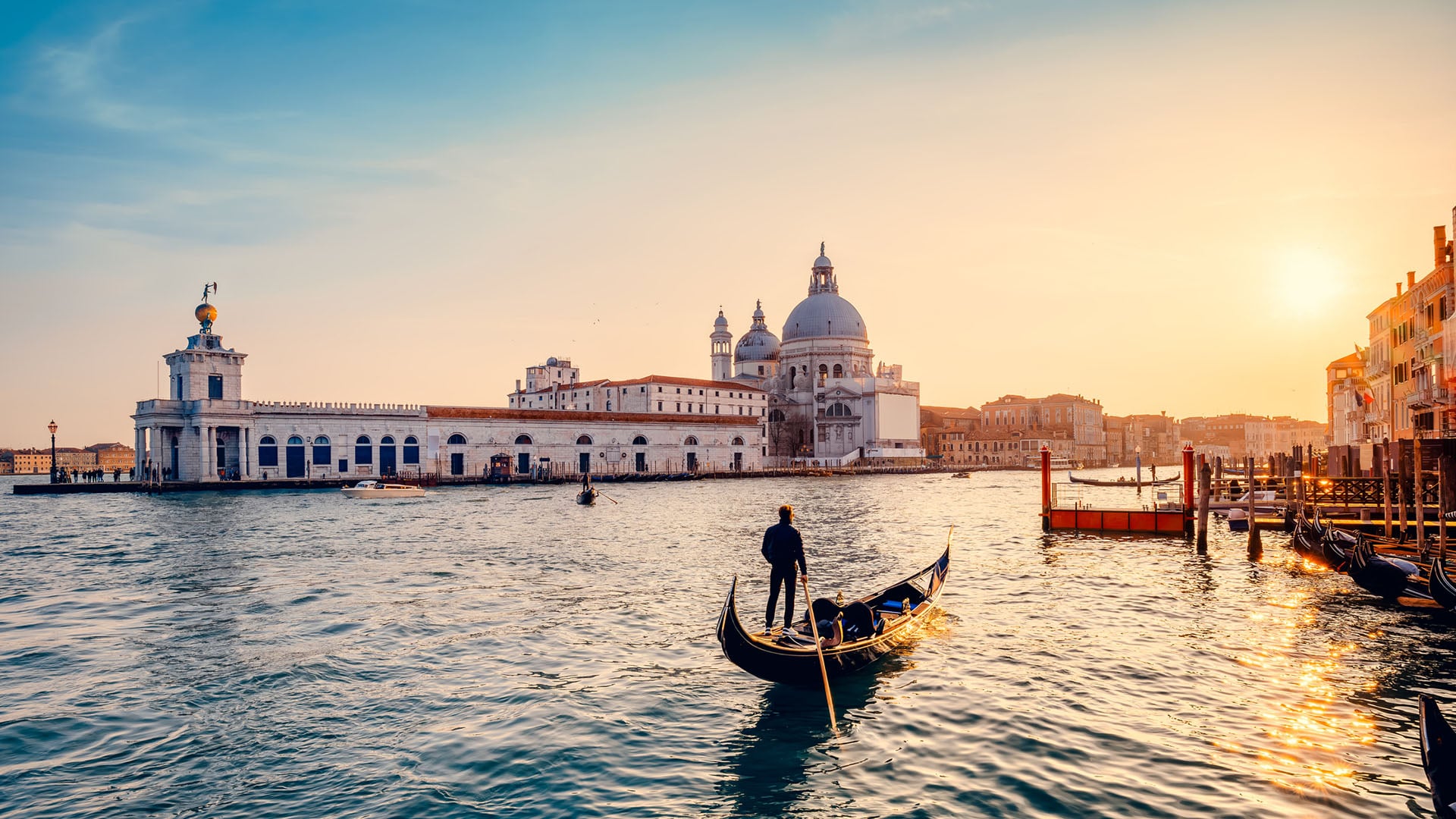
Venice is best appreciated from the city’s main waterway. Vaporetto Line 1 offers an affordable way to glide past palaces, while private boats provide a more personalized experience. Gondolas are ideal for exploring narrower back canals.
Rialto Bridge & Market
The oldest bridge spanning the Grand Canal, Rialto is both an architectural icon and a lively commercial hub. Nearby, the historic market continues to draw locals and travellers with its fresh seafood, produce, and spices.
Lagoon Islands
Several nearby islands are accessible by vaporetto and can be combined into rewarding day trips. Murano is renowned for its centuries-old glassmaking tradition, Burano for its brightly painted houses and lace-making heritage, and Torcello for its early medieval cathedral and mosaics.
Italy Extensions
For many travellers, Venice Carnival is the centrepiece of a wider European adventure. Late winter is one of the best times to visit Italy for those looking to explore popular cities like Rome and Florence without the crowds.
The classic Venice-Florence-Rome trip is a favourite for first-timers looking to see iconic sights like the Colosseum and Trevi Fountain. Europe’s high-speed trains make it easy to see Italy’s iconic cities in one trip.
Others might want to dive further into Northern Italy. Verona and nearby lakes like Como or Garda are quiet in the off-season, while the Dolomites offer snowy peaks for skiing or simply enjoying alpine huts, horse-drawn carriage rides, and serene spa retreats after the whirlwind of Carnival.
Sample Venice Carnival Itineraries
Whether you’re seeking a short Venice city break or a grand tour of Italy’s art cities, these sample itineraries show how the Venice Carnival can fit into a trip. Each tailor-made journey is customized around Carnival dates, preferred hotels, and your choice of activities.
5 Days: Venice Carnival City Break
Day 1: Arrive in Venice and transfer by private water taxi to your hotel. In the evening, stroll through St. Mark's Square, where costumed attendees gather beneath illuminated landmarks.
Day 2: Enjoy a guided walking tour of St. Mark’s area, including St. Mark's Basilica and the Doge's Palace, then attend key public Carnival celebrations and performances.
Day 3: Visit the lagoon islands of Murano and Burano before returning for an evening Carnival experience, such as a classical concert or masked event in a historic palazzo.
Day 4: A free day for photography, visiting artisan mask shops, wine bars, and optional ticketed events such as a masked ball.
Day 5: Final morning at leisure before departure.
9 Days: Venice Carnival + Florence & Rome
Days 1–4: Experience Venice during Carnival with guided tours, lagoon excursions, and festival events.
Day 5: Travel by high-speed rail to Florence. Explore Piazza della Signoria and the Duomo, then visit the Accademia Gallery to see Michelangelo’s David.
Day 6: Enjoy Florence at leisure or join a Tuscan cooking experience.
Day 7: Continue by rail to Rome and settle into your hotel.
Day 8: Discover ancient Rome on a guided walk featuring the Colosseum and Roman Forum, and explore Vatican City, including the Sistine Chapel.
Day 9: Departure from Rome.
12 Days: Venice Carnival + Northern Italy
Days 1–4: Immerse yourself in Venice during Carnival with private walking tours and optional gala evenings.
Day 5: Travel to Verona to explore its Roman arena and historic centre.
Days 6–8: Explore the lakeside villages around Lake Garda or Lake Como, or head to the Dolomites for alpine scenery and charming mountain towns.
Days 9–11: Add Milan for fashion and architecture, or Florence and Tuscany for Renaissance art and vineyard landscapes.
Day 12: Departure from your chosen gateway city.
Practical Planning & Booking Tips for the Venice Carnival
About three million people attend the Venice Carnival each year, so planning your trip a few months in advance is necessary for securing central hotel options, costume rentals, and city tours.
Many travellers from North America can enter Italy under Schengen rules for short stays, but always check the latest government sources for visa requirements. Some travellers may be required to complete an ETIAS (European Travel Information and Authorization System) form before departure.
Like any trip to Italy, travel insurance is recommended, as is following a few key insider travel tips, from ensuring you have any prescriptions or important documents in your carry-on to saving emergency numbers in your phone.
How Goway Helps You Experience Venice Carnival
Venice Carnival is a chance to step into one of Italy’s most dazzling traditions. From joining mask-making workshops to guided tours that reveal the city’s storied past, Goway helps you design a trip with depth and discovery.
Pair the festival with a getaway to the Tuscan countryside or the Dolomites’ snowy peaks, or extend your journey to Florence and Rome for a classic Italian journey. Goway’s Destination Specialists handle everything from private transfers to helping you secure costumes, ensuring every detail flows smoothly so you can revel in Italy’s masked la dolce vita.
Request a custom quote to enjoy Venice at its most magical.
What do the experts say?
Italy is full of hidden culinary gems, but one place that really stands out is Trattoria di Via Serra in Bologna. It’s beloved by locals for its authentic Emilian dishes like handmade tortellini in brodo and rich tagliatelle al ragù
One unforgettable tradition travelers should try to experience is a sagra—a local food festival that celebrates a specific dish, ingredient, or harvest. These are often held in small towns, especially in the summer and fall, and they offer an amazing window into real Italian life

Italy is not just Rome, Venice, Florence and Amalfi Coast... Every region or small town has its own history, art, traditions, culture, peculiarity
Most tourists don’t realize just how deeply regional Italy is. Not just in terms of food, but also in language, traditions, and identity. Italian culture is really a patchwork of local cultures
Unlock more by subscribing to our newsletter.
With our newsletter, you’ll get access to regular communications that inspire you and help you explore the world your way.