Choosing between a tour or independent travel in Italy depends on your preference for structure versus flexibility. Guided tours offer stress-free logistics, local expertise, and skip-the-line access to top sites. Goway can help you plan an itinerary that’s as structured or as self-driven as you like.
Italy Travel Information
Not sure which theme is right for you?
Insider Travel Tips
Like Rome, Italy’s popularity is eternal, making it one of the most visited countries in the world, as well as one of the trickiest to navigate without insider knowledge. That’s where Goway comes in. Whether you want to admire Michelangelo’s masterpieces in Florence without the crowds, sip an Aperol spritz on a rooftop terrace overlooking Milan’s Duomo, or explore Pompeii and Mount Vesuvius with a knowledgeable guide, our Destination Specialists can help you create the Italian journey of your dreams.
“Travellers should know that Italy is wonderfully diverse, and local customs can vary widely from region to region,” says Destination Specialist Jacqueline Fagioli. “From dress codes in churches to etiquette at dining tables, a bit of cultural awareness helps you blend in and enjoy more authentic experiences.”
While customs may differ across the Italian peninsula, a few essentials hold true everywhere: eat local, embrace a slower pace, and book major attractions in advance, especially during the summer.
To start planning your custom Italy vacation, speak to one of our Destination Specialists today.
Practical Information for Italy
U.S., Canadian, British, and Australian citizens can enter Italy visa-free for stays up to 90 days within 180 days for tourism. Just make sure your passport is valid for at least six months beyond your travel dates. In 2026, more travellers (including North Americans) will need an ETIAS authorization to enter the Schengen Area, so be sure to check the exact entry requirements before departure.
Italy’s currency is the euro. ATMs are widely available, and credit cards are generally accepted. Keep some cash for markets, small cafés, or rural areas.
You’ll likely want to stay connected to friends and family back home while traveling. To avoid roaming charges, consider an eSIM or local SIM card, or keep your phone in airplane mode and rely on Wifi. Cellular signals are strong in cities and towns, but may be patchy in remote areas.
Tap water is generally safe to drink, and many cities have public water fountains for refilling your water bottle. In restaurants, bottled water is standard. Public toilets often require a small fee of 50 cents to one euro, so carry some change with you.
Health and Safety in Italy
Italy is generally safe for solo travellers, older travellers, and families with kids, provided you follow standard precautions.
Be aware of your surroundings and your belongings, especially in big cities and at major attractions, where pickpockets target tourists. A cross-body bag (worn in front) is a good option for keeping your valuables secure when touring popular sites.
In case of emergencies, dial 112 for immediate assistance. Travel insurance is highly recommended to cover medical care, trip interruptions, or unforeseen events.
LGBTQ+ travellers generally feel safe in major cities such as Rome, Milan, Venice, and Florence, and in coastal hotspots like Positano, Capri, and Taormina. Smaller rural communities may be more reserved and less accepting.
Getting Around Italy
Whether your trip includes a train journey or a ferry ride, getting around Italy is part of the adventure.
Italy’s high-speed rail lines, including Italo and Trenitalia’s Frecciarossa, connect major cities like Rome, Florence, and Milan in under three hours. Regional trains and scenic routes link smaller towns and countryside destinations. Taking the train in Italy is often a pleasant experience, with comfortable seats, Wifi, and refreshments available.
Within cities, public transit systems offer efficient and affordable trams, buses, and metro lines, and taxis are widely available.
“Many historic centres are compact and pedestrian-friendly, so walking is often the best way to explore,” says Destination Specialist Jacqueline Fagioli. In cycling-friendly towns like Ferrara and Bologna, renting a bike offers a local perspective.
In rural areas such as Tuscany, Puglia, and the Dolomites, driving is the best way to explore with flexibility and scenic detours. Just be mindful of ZTL (limited traffic zones) in city centres to avoid fines.
Accommodation Tips for Italy
Warm hospitality is integral to Italian culture, and this extends to the diverse accommodations you’ll find across the country, from grand lakeside retreats to rustic countryside bed-and-breakfasts.
In major cities and heritage towns, boutique hotels occupy centuries-old palazzi, blending historic architecture with modern Italian design. Luxury hotels in Positano or in Puglia offer glamorous suites, high-end restaurants, spa experiences, and exclusive guest experiences.
In the countryside, agriturismi (working farms and estates that welcome guests) combine homemade meals, vineyard views, and hands-on experiences like cooking classes or wine tastings. “They’re ideal for travellers looking to slow down and connect with local life,” says Destination Specialist Jacqueline Fagioli.
And for something unforgettable, consider a stay in a converted castle or monastery, a trulli house in Puglia, or a cave dwelling in Matera, where every room tells a story.
For details on the best, most atmospheric, and most luxurious accommodations in Italy, consult with one of our Destination Specialists today.
Italian Culture and Customs
Knowing a few local customs can make interactions in Italy feel more natural—and a lot more fun.
A friendly “buongiorno” (“good morning”) or “buona sera” (“good afternoon”) will instantly earn you points with the locals. Italians usually reserve cheek kisses for friends and family, so when meeting someone new, a warm handshake is perfectly appropriate.
In public places, especially churches, keep your voice low and dress modestly. Shoulders and knees should be covered in sacred sites, and swimsuits should only be worn at the beach or by the pool.
When dining out, don’t be surprised to see a coperto (cover charge) on the bill. It’s not a tip but a small fee for bread and table service. Tipping isn’t expected, though rounding up or leaving five to 10 percent for great service is always appreciated. And remember: locals never order cappuccino after 11:00 a.m. Espresso is the coffee of choice after lunch or dinner.
Pack comfortable walking shoes for cobblestone streets, a universal adapter (Italy uses plug types C, F, and L with 240V), and lightweight layers. Carry some cash for small purchases, a reusable water bottle for public fountains, and a light rain jacket for spring or fall.
Finally, embrace the Italian pace. Shops may close mid-afternoon, trains might run fashionably late, and meals are meant to be unhurried. La dolce vita, a central element of Italy’s culture and traditions, is all about savouring the moment.
Seasonal Advice for Italy
Italy offers magical moments in every season, but some months are better for those seeking pleasant weather and thinner crowds. “The best time to visit Italy when it is a little quieter is in April, May, June, and September,” says Destination Specialist Alessandro Pace, “when it’s less hot and there are fewer tourists than during the peak summer season.”
Spring (April to June) is one of the most pleasant times to visit for sightseeing, garden visits, and countryside drives. Temperatures climb, flowers bloom, and popular sites are far less busy than in summer.
Fall (September to October) brings mild weather, golden vineyards, and a calendar full of food and wine festivals, from truffle hunts in Piedmont to grape harvest celebrations in Tuscany. It’s an ideal time for those craving cultural immersion and culinary delights.
Summer (July to August) is peak season, especially for families. Cities and coastal towns are full of energy, but expect scorching days and crowded streets. For a quieter experience, head to the mountains or smaller seaside towns.
Winter (November to March) offers a different kind of charm, with fewer tourists, cozy trattorias, Christmas markets, and exceptional skiing in the Dolomites.
Festive seasons such as Christmas, Easter week, and the Venice Carnival are enchanting, but come with higher demand, so plan accordingly if you’d like to join the celebrations.
Food and Dining in Italy
Italian cuisine follows the seasons and highlights regional ingredients, offering plenty of options for every dietary preference. From eggplant parmigiana for vegetarians to gluten-free pasta for celiac travellers, most restaurants in cities are accommodating. To be safe, ask ahead or carry a card indicating dietary needs.
When choosing where to eat, skip spots with hosts outside calling you in, as these are often tourist traps with inflated prices. Instead, look for family-run trattorias and osterias tucked on side streets, or ask locals and Your Goway guides for recommendations. When ordering at a traditional café (called a “bar”), remember that prices are higher if you sit down. Locals usually enjoy their espresso standing at the counter (al banco).
Meals typically follow a set order: antipasto (appetizer), primo (pasta or risotto), secondo (meat or fish), and dolce (dessert). Bread is usually included in the coperto (cover charge): Take a cue from the Italians and use it to soak up your remaining pasta sauce. Water isn’t free, and it’s customary to order a bottle of naturale (still) or frizzante (sparkling) water for the table. If “servizio” appears on your bill, gratuity is included; otherwise, a small five-to-10-percent tip is appreciated but never expected.
Must-Sees for First-Time Travellers to Italy
For first-time visitors, a classic Italy itinerary often includes Rome, Florence, and Venice, a trio that perfectly captures the country’s art, architecture, and rich history. Depending on the season, travellers may also want to experience a quintessential summer getaway along the Amalfi Coast or a spring road trip around Sicily
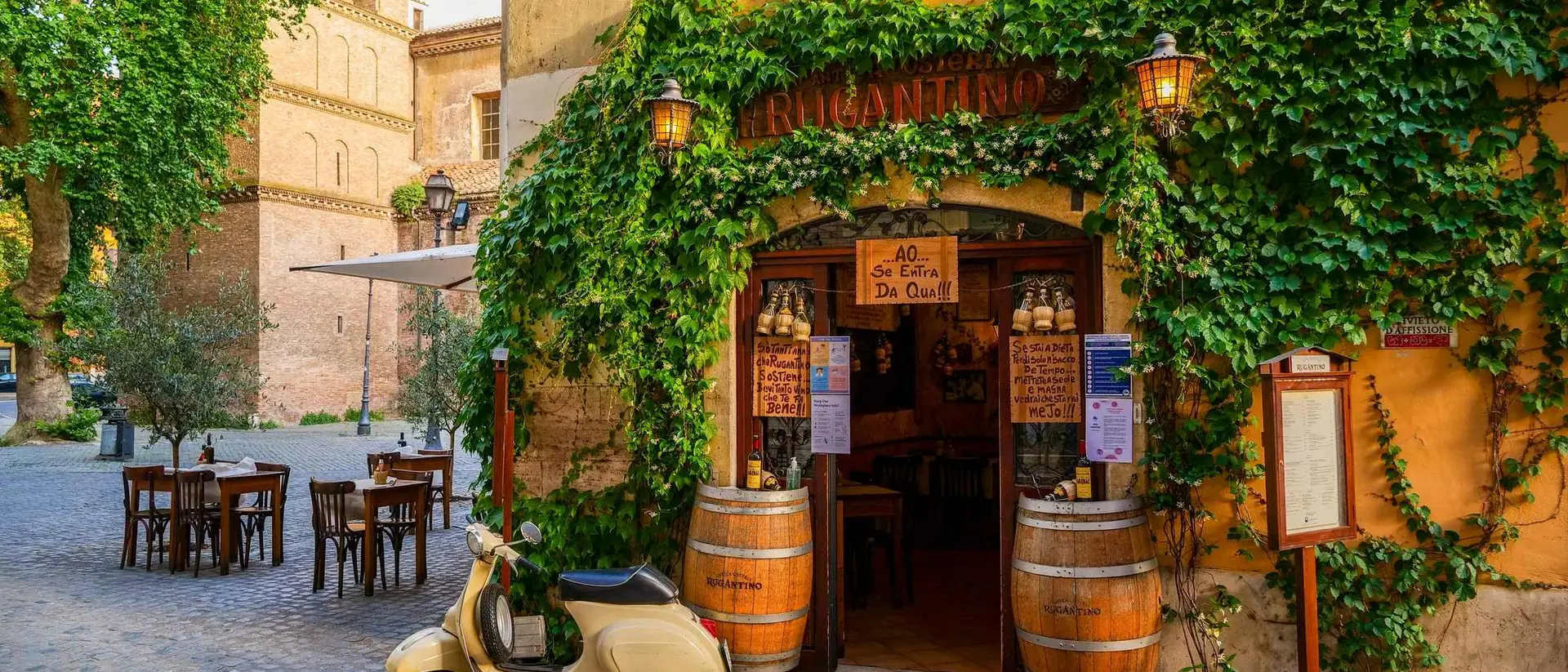
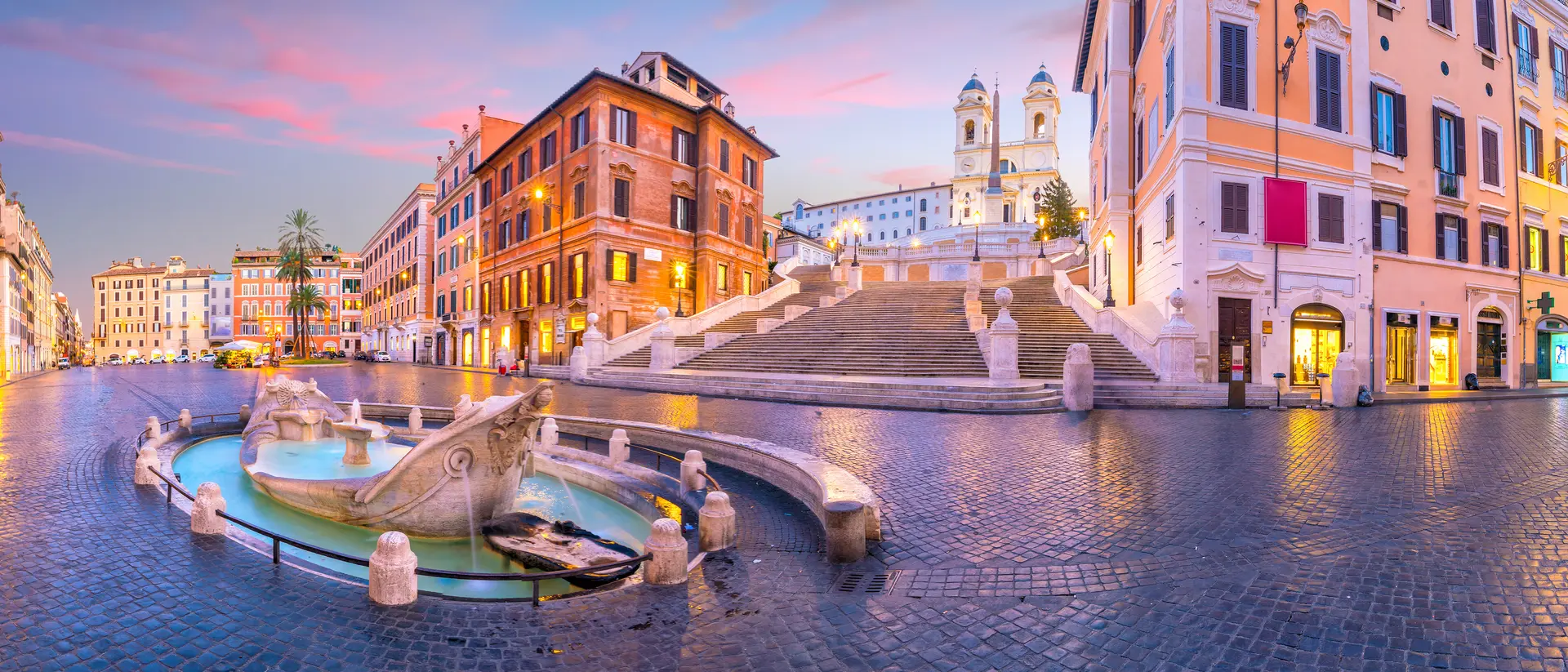
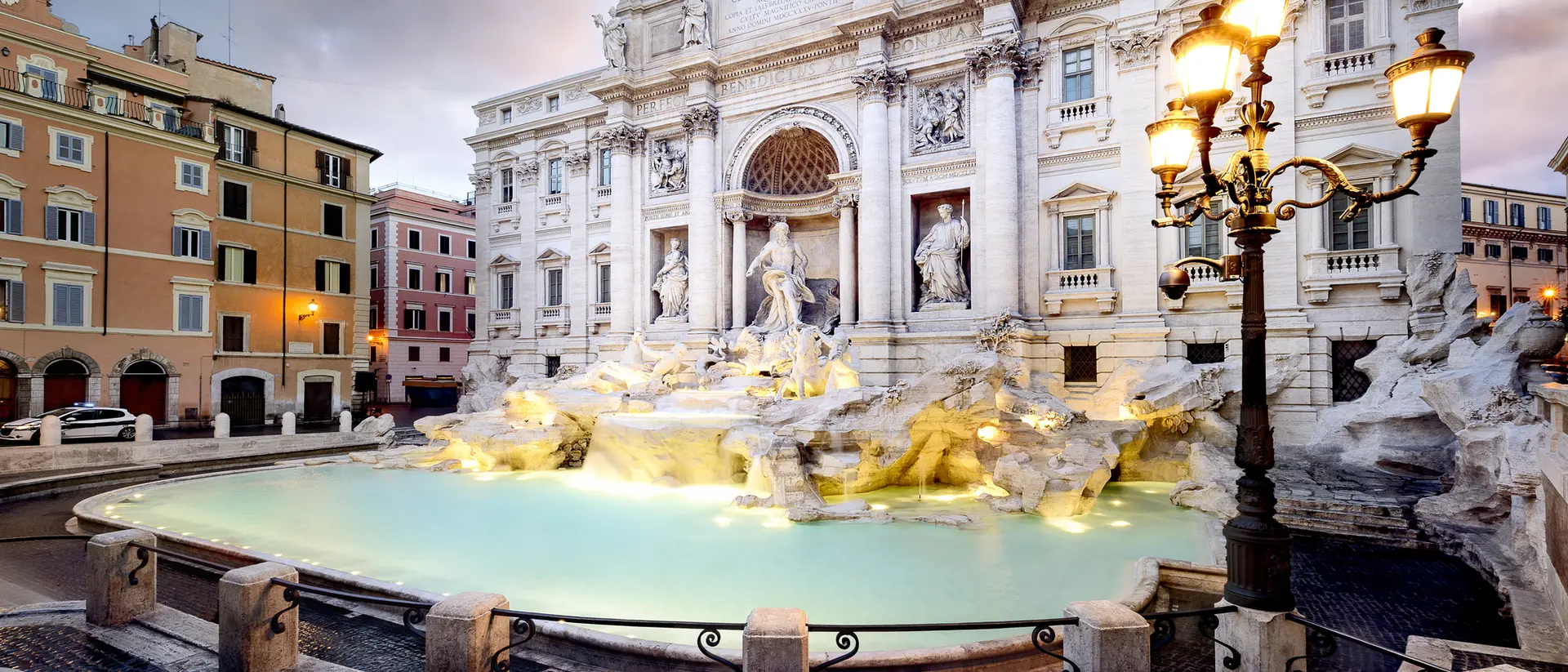
In Rome, past and present intermingle in vibrant, seamless fashion. From the Colosseum and Vatican City to the cobblestone lanes of Trastevere, the Eternal City offers layers of history as well as modern energy.
In Florence and Tuscany, Renaissance art, Chianti vineyards, and cypress-lined roads are the highlights. Climb the Duomo for sweeping city views or unwind at a countryside villa between wine tastings.
Located in the northeast, Venice is a maze of canals, palazzi, and piazzas. Visit during Carnival to experience one of Italy’s most dazzling festivals, drift down canals at sunset, and hop over to Burano and Murano for a look at traditional glass- and lace-making.
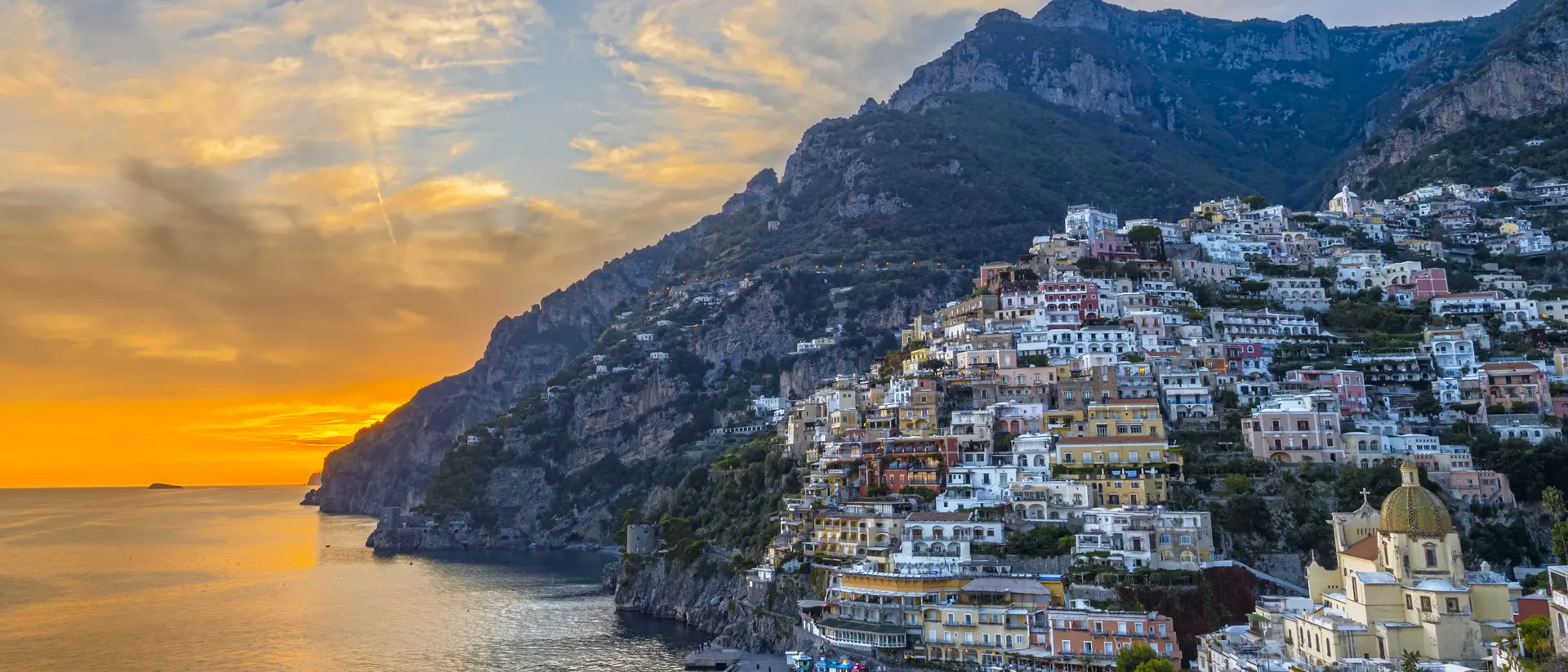
On the Amalfi Coast, with its pastel cliffside villages, winding coastal roads, and yacht-filled bays, postcard-perfect scenery abounds. While Positano and Amalfi are iconic, smaller towns like Praiano and Atrani make for quieter but equally charming bases.
Italy’s largest island, Sicily has its own unique identity, shaped by centuries of Arab, Greek, Byzantine, and Norman influences. Pair Palermo’s lively street food with Taormina’s seaside views. The adventurous will also want to hike up Mount Etna, one of the most active volcanoes in the world and the highest point on the island.
Plan Your Tailor-Made Italian Vacation with Goway
Italy is a bucket-list destination for travellers around the world, but experiencing it authentically often requires insider knowledge. Goway’s customized service ensures that your journey goes beyond the typical tourist routes, offering experiences that feel both intimate and extraordinary.
“Whether it’s a hands-on pasta-making class in Bologna, a private truffle hunt in Le Marche, or after-hours access to the Uffizi Gallery in Florence, every detail is designed for immersion and discovery,” says Destination Specialist Jacqueline Fagioli.
Begin planning your tailor-made Italian journey with Goway today.
Featured Italy Trip Ideas
Italy Travel PackagesRome & the Splendid Amalfi Coast
Rome, Sistine Chapel, Colosseum, Trevi Fountain, and Amalfi CoastExperience the beauty of Italy on a trip from Rome to the Amalfi Coast. Explore ancient sites, relax in coastal towns, and savor delicious cuisine along the way.
9 days
From US$3,901/p.p.
Request a Quote
Classic Italy: Rome, Florence & Venice
Venice, Rialto Bridge, Florence, Rome, Sistine Chapel, Colosseum, and Trevi FountainDiscover Italy's rich heritage and charm. Explore ancient Rome, indulge in Italian cuisine, and enjoy the art of Florence before exploring the enchanting canals of Venice.
8 days
From US$3,855/p.p.
Request a Quote
Timeless Treasures: Walking Italy's Icons
Florence, Rome, Sistine Chapel, Colosseum, and Trevi FountainStroll through Italy’s rich tapestry, where every step reveals historical gems. Wander from Rome's grandeur to Cinque Terre’s stunning coastline on this captivating tour.
9 days
From US$4,326/p.p.
Request a Quote
Rome & the Splendid Amalfi Coast
Rome, Sistine Chapel, Colosseum, Trevi Fountain, and Amalfi CoastExperience the beauty of Italy on a trip from Rome to the Amalfi Coast. Explore ancient sites, relax in coastal towns, and savor delicious cuisine along the way.
9 days
From US$3,901/p.p.
Request a Quote
Classic Italy: Rome, Florence & Venice
Venice, Rialto Bridge, Florence, Rome, Sistine Chapel, Colosseum, and Trevi FountainDiscover Italy's rich heritage and charm. Explore ancient Rome, indulge in Italian cuisine, and enjoy the art of Florence before exploring the enchanting canals of Venice.
8 days
From US$3,855/p.p.
Request a Quote
Timeless Treasures: Walking Italy's Icons
Florence, Rome, Sistine Chapel, Colosseum, and Trevi FountainStroll through Italy’s rich tapestry, where every step reveals historical gems. Wander from Rome's grandeur to Cinque Terre’s stunning coastline on this captivating tour.
9 days
From US$4,326/p.p.
Request a Quote
Travel Stories
Get inspired about Your Trip to Italy
The Bounty of Budapest
Just after the server slid the bowl in front of me, my glasses began steaming up. The fumes, laden with the scent of rich beef and sweet, peppery papr...
8 Reasons to Book a Trip to Gran Canaria
If you ask North American globetrotters to name their dream Spanish destination, they'll likely tell you about the Gaudí spires of Barcelona, the gall...
Ask a Travel Expert: European River Cruising
Cruising remains one of the most popular travel styles, but European river cruising isn’t quite the same as boutique island cruises or the big ocean l...
Frequently Asked Questions
Is it better to see Italy on a tour or on your own?
How should I prepare for a trip to Italy?
Basic prep for any Italy trip should include securing access to popular attractions (such as the Colosseum) months in advance, making sure you have travel insurance, and packing light, comfortable clothing as well as a universal adapter. Booking with one of Goway’s Destination Specialists will ensure that all your needs are met.
Do I need vaccinations for Italy?
There are no mandatory vaccinations required for entry into Italy, but a Hepatitis A shot is recommended for most visitors, while Hepatitis B, rabies, and Tick-borne Encephalitis (TBE) vaccines are suggested for specific, higher-risk travellers
What are some dos and don'ts in Italy?
Essential etiquette in Italy includes dressing modestly in churches (covering shoulders and knees), validating train tickets before boarding, and embracing a slower pace of life. Do greet shopkeepers with buongiorno or buona sera, but don’t order cappuccino after 11:00 a.m. or ask for pizza with pineapple.
How strict are Italian customs?
Italian customs are quite strict, adhering stringently to EU regulations regarding prohibited items like meat, dairy, produce, and counterfeit goods. Travellers must also declare if they are carrying more than 10,000 euros in cash to avoid fines
Italy Travel Information
Not sure which theme is right for you?
Unlock more by subscribing to our newsletter.
With our newsletter, you’ll get access to regular communications that inspire you and help you explore the world your way.Exclusive Savings
Insider Benefits
Trending Stories

ExcellentBased on 5,289 ReviewsI had a fantastic experience working with Lisa D. on the Goway team. She was helpful, attentive and made sure we were comfortable with our bookings and itinerary before departure, and also checked in with us following our trip. Would definitely book with Goway again!Mandi S.1186952 trip reference - Croatia and Montenegro.
Dear Goway Travel Team!
I wanted to reach out and share some well-deserved praise for Jacqueline, who has assisted me closely with several of my travels. She recently curated a trip for me to Croatia, the beautiful islands, and Montenegro, and it was an absolute home run.
Jacqueline has an incredible ability to listen to her clients' needs and translate them perfectly into a flawless itinerary. Her articulation, guideline execution, and professionalism are unmatched. What sets her apart is her forward-thinking approach—she always knows the exact hotspots and trends, ensuring the pace of the trip matches my speed perfectly.
Everything transitioned seamlessly thanks to her attention to detail and care. She is a massive asset to your organization, and her consideration makes every vacation stress-free. I will absolutely continue to use her for all my future travels.
Kindest regards,
Vince Sacco Vince SaccoWe can’t thank Katherine enough for helping organize our amazing trip to Scotland! Everything came together beautifully, and we were able to enjoy so many incredible places and experiences without the stress of trying to plan it all ourselves. From the accommodations to the itinerary, everything helped make our trip so special. Scotland was absolutely beautiful, and we came home with wonderful memories that will last a lifetime. We would highly recommend Katherine to anyone planning a trip and looking for someone who truly cares about making it a great experience!
Dan & Michelle Yake MichelleAbsolutely incredible trip! From beginning to end! All accommodations were excellent. If you want to experience Safaris this trip will fulfill all your expectations! A special thanks to our driver we had for our entire trip Evans! He made our trip over the top! The Hot air balloon ride in the Masai Mara is a must…it’s breathtaking!Pam SeitzI have worked with Goway several times in the past two years and every single trip has been unforgettable. Specifically, our travel advisor, Maria, has helped us book phenomenal trips to Thailand, Spain, Portugal, Italy, Ireland, and most recently, Iceland. Maria is so wonderful and easy to talk to, but what really stands out is her ability to get to know her clients so she can plan trips that perfectly align with our interests and desires. I cannot recommend her strongly enough! Her expertise, hard-work, and dedication towards each trip has given myself, my family, and friends memories to last a lifetime! Kayla CovelloJamil made our 40th birthday trip to Portugal so so very amazing and special! Great service, fabulous hotels, and wonderful day trips! Lane StricklandKatie was great, planned everything we needed, was great with changes and trip schedule conflicts. Fantastic working with her.CTI have been booking with GoWay for more than 2 years and feel so fortunate to have the best Travel Advisor, Maria Spitman, making our vacations unforgettable. I can’t say enough about Maria… she is personable, efficient, detail-oriented, and extremely knowledgeable about her specialty destinations. We have booked many trips with her, including Thailand, Spain, Portugal, Sicily, Iceland, and our most recent trip in Greece. Maria has not only curated nuanced itineraries, but has done so combining her vast knowledge of each region with our interests and needs being met perfectly. With that, it is evident that Maria learns about her clients to create vacation packages that far exceed expectations. I won’t book with anyone else! GoWay has a gem that is irreplaceable! I highly recommend seeking Maria out for all your destination needs. DarleenGoway has been amazing to work with. Farooq was my agent through Goway and she communicated promptly, planned a great international trip for my clients and was always organized. The trip was flawless to Rome and Malta from beginning to end!Kim KameleskyLisa Dachuk was incredible on organizing my trip. She took the time to know what I wanted and created an experience I will forever be grateful for having.Louise Helie Masters
Verified
Verified
Verified
Verified
Verified
Verified
Verified
Verified
Verified
Verified