Sundays are quiet, restful days in Switzerland, with many shops closed so people can relax and enjoy time with family. Instead of shopping, travellers can use the day to explore nature (through hikes, swims, or mountain treks), to visit attractions (such as museums, castles, thermal baths, scenic railways, and zoos), and to relax with activities such as lake cruises.
Switzerland Travel Information
Not sure which theme is right for you?
Culture & Traditions
Switzerland’s charm goes far beyond its mountains and lakes. It’s woven into the ebb and flow of everyday life, where order, respect, and a deep connection to nature create a uniquely harmonious culture. Experiencing Swiss traditions means slowing down, observing small details, and appreciating the balance between modern efficiency and timeless heritage.
One of the first things visitors notice is how orderly and punctual the Swiss are. Trains arrive on time, streets are spotless, and even the smallest towns run like clockwork. This sense of organization isn’t rigid. It’s a reflection of respect for others and for shared spaces. Whether you’re catching a train, hiking a trail, or dining out, you’ll quickly see how this quiet efficiency makes exploring Switzerland feel effortless.
Equally important is the Swiss bond with nature. Outdoor life is central to local culture, with weekends often spent hiking, skiing, or simply enjoying a lakeside picnic. Many traditions, from alpine festivals to seasonal markets, celebrate the natural world and the changing seasons.
Switzerland’s multilingual society adds another rich layer to its identity. With four official languages (German, French, Italian, and Romansh), the country feels like several cultures living as one. Travelling between regions, though, reveals subtle shifts in cuisine, architecture, and attitude. Yet everywhere you go, hospitality and politeness remain constant.
To start planning your custom Switzerland cultural adventure, speak to one of our Destination Specialists today.
Swiss Multilingualism and Regional Identity
One of the most fascinating things about Switzerland is how such a small country can hold so many distinct cultures within its borders. With four national languages (German, French, Italian, and Romansh), Switzerland is a true mosaic of traditions, accents, and flavours. Going from one region to another feels like crossing gentle borders between worlds, each with its own rhythm and charm.
Switzerland is divided into 26 cantons, which are similar to states or provinces, each with its own government, customs, and even personality. These cantons reflect the country’s long history of local independence and pride. Despite their differences, they work together in harmony, forming the cooperative spirit that defines Swiss identity.
In the German-speaking cantons, which make up the majority, you’ll find tidy towns, precise routines, and hearty comfort foods like rösti and bratwurst. Locals tend to be punctual and polite, with a quiet sense of humour that shines once you get to know them.
In the French-speaking west, around Geneva, Lausanne, and Neuchâtel, life takes on a more relaxed rhythm, influenced by French flair. Expect chic cafés, fine wines, and a romantic ambiance.
Travel south to Ticino, and the language and atmosphere shift to Italian. Here, palm trees meet alpine peaks, and evenings are spent over espresso, risotto, and lively conversation.
Finally, in the remote valleys of Graubünden, the ancient language of Romansh still thrives, connecting people to centuries of mountain life and pastoral traditions.
Switzerland’s multilingualism is all about coexistence. Each region celebrates its uniqueness while embracing a shared sense of community and respect. For travellers, this means every stop offers a new cultural experience, yet the warm, welcoming Swiss spirit remains consistent throughout the journey.
Switzerland’s Historical and Artistic Heritage
In the misty hills of the Jura region, the quiet ticking of finely crafted timepieces still fills the air, with artisans in towns like Le Locle and La Chaux-de-Fonds working with the same patience and pride as their ancestors, assembling intricate mechanisms beneath the warm glow of workshop lamps. Visiting a family-run atelier feels like stepping into a living museum. It’s a place where each watch embodies generations of skill, innovation, and a steadfast devotion to perfection.
Further east, the alpine air of Graubünden carries a softer, storybook nostalgia with the spirit of Heidi, one of the most beloved characters in Swiss literature. In the quaint village of Maienfeld, Johanna Spyri’s beloved tale about a five-year-old girl living with her paternal grandfather in the Swiss Alps was born. Here, visitors can wander flower-dotted meadows and rustic chalets that seem lifted straight from the pages of the novel. The scent of pine and the distant clang of cowbells bring Heidi’s world vividly to life. Families can actually visit the Heidi Village, explore her grandfather’s hut, and soak in the sweeping views that inspired a timeless symbol of innocence, freedom, and love for nature.
Down by the shimmering waters of Lake Geneva, history and art intertwine in a cosmopolitan embrace. From the Museum of Art and History to the Patek Philippe Museum, the city’s museums reveal Switzerland’s dual passions for creativity and craftsmanship. Each exhibit tells a story of innovation and artistry that continues to shape the nation’s identity.
And then there is Basel, sitting where the borders of France, Germany and Switzerland converge. It’s vibrant, cultured, and brimming with imagination, with cobbled streets leading to avant-garde galleries and grand institutions like the Kunstmuseum, home to masterpieces by Holbein and Picasso. Each spring, the world flocks here for Art Basel, where centuries of heritage meet cutting-edge modern art.
In Switzerland, history doesn’t passively rest behind glass in museums. It hums, breathes, and shines, coming alive in every clock tower, every painting, and every mountain breeze.
Swiss Traditions and Festivals
Switzerland’s traditions and festivals are woven into everyday life, adding warmth, colour, and plenty of charm to its already breathtaking landscapes. Among the most beloved customs is the cow parade, known locally as the Alpabzug or Désalpe.
Each autumn, as summer pastures turn golden, cows adorned with bright flowers and enormous clanging bells make their journey down from the high alpine meadows to the valleys below. Villagers gather along the paths to cheer, enjoy local cheese and cider, and admire the farmers wearing colourful embroidered vests as they guide their herds home. It’s a celebration of rural life and the changing seasons that feels deeply rooted in Swiss identity.
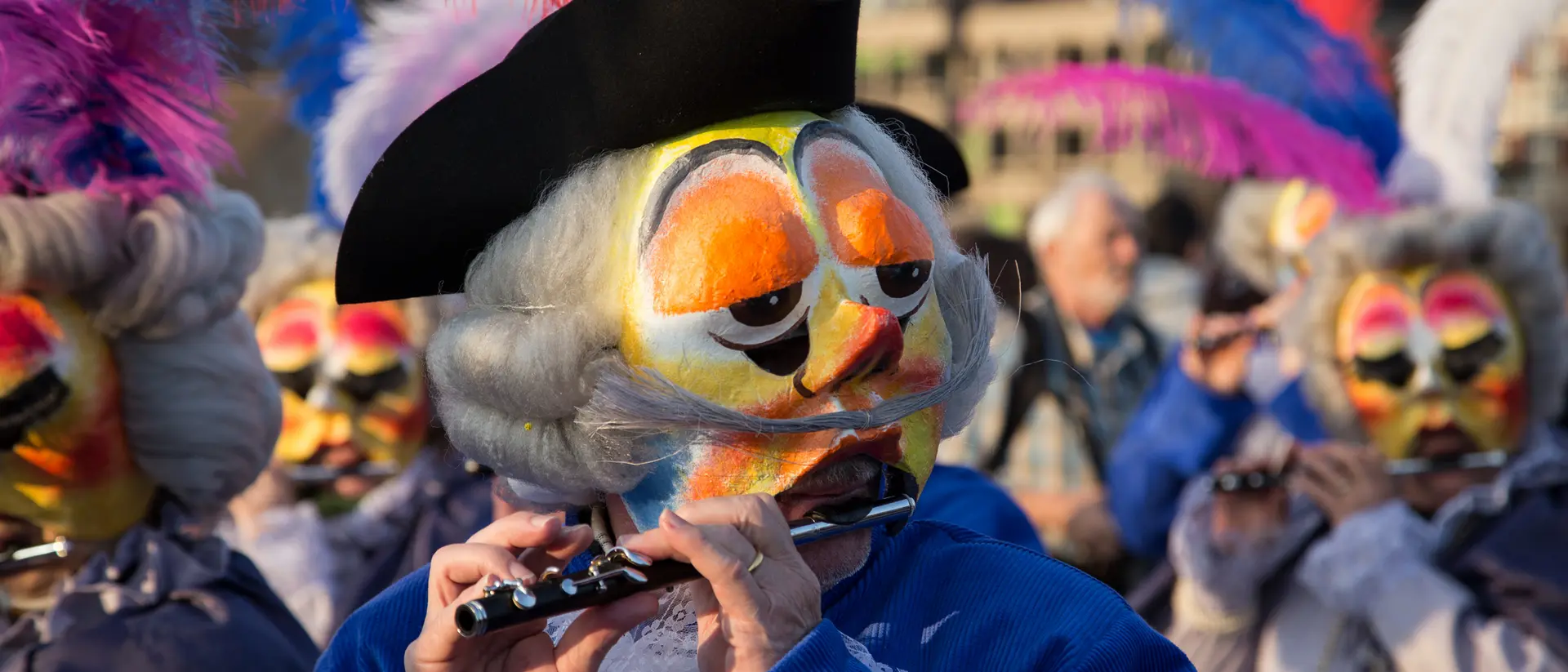
When winter loosens its grip, Switzerland bursts into exuberant colour with Fasnacht, its famously lively carnival. Whether you’re wandering through Basel’s narrow streets at dawn for the eerie and beautiful Morgestraich or watching the elaborate masks and musical “Guggen” bands swirl through Lucerne, Fasnacht feels magical. Lanterns glow, confetti flies, drums echo between medieval buildings, and for a few unforgettable days, normal life is turned upside down. It’s an homage to creativity, community, and joyful mischief.
As summer shifts into autumn once more, the vineyards of regions like Valais and Lavaux come alive with the annual wine harvest. The air fills with the scent of ripe grapes, and locals gather to pick fruit, stomp grapes, and share long communal meals. Harvest festivals are chock-full of music, dancing, and open cellars. It’s a chance for travellers to taste crisp whites, bold reds, and sweet late-harvest specialties right where they’re made.
Together, these traditions reveal a Switzerland that goes beyond majestic mountains. They show it’s a country of heartfelt celebrations, close-knit communities, and a willingness to let loose.
Swiss Daily Life and Etiquette
Swiss people place enormous value on cleanliness, personal space, and respect for nature. Littering is strongly frowned upon, and everyone participates in recycling, sorting waste into separate bins. If you’re hiking in the Alps and there’s no bin nearby, you’re expected to carry your trash, even food scraps, until you find the proper place to get rid of it.
Quietness is another core value. Whether on public transport or in residential neighbourhoods, raising your voice or playing loud music is socially inappropriate. In fact, “ruhezeit” (or quiet hours) are observed to maintain harmony, especially in the evenings or on Sundays. Even the recycling bins themselves sometimes come with restrictions. Noisy chores like emptying bottles are discouraged during this time, meant to be peaceful.
Switzerland’s embracing of eco-responsibility is woven into every community. Travelers are encouraged to use public transport because it’s a low-carbon, highly efficient option. They also stay on marked trails, and support locally run, sustainably certified accommodations and restaurants. Water is another prized resource, so being mindful of its use is part of daily etiquette.
Beyond the rules, there’s warmth in just being Swiss. Respect for others shows up in simple gestures, perhaps a polite handshake, a quiet “grüezi” (“greetings”) in the German-speaking regions, or “bonjour” in French parts of the country..
Explore Swiss Culture with Goway
Imagine staying in a welcoming family-run guesthouse tucked between mountain meadows, where the owner greets you with homemade jam and shares stories about village life. Goway can arrange such intimate stays, giving you the chance to feel truly connected to the places you visit.
If you’re curious about craftsmanship, we can also set up visits to traditional workshops, perhaps a watchmaker in the Jura, a woodcarver in Appenzell, or an artisan chocolatier in Geneva.
Whether you dream of tasting wine in the terraced vineyards of Lavaux, learning the secrets of Alpine cheese-making, or joining a lively village festival, Goway can help weave these moments seamlessly into your itinerary. Start planning today with one of our expert Destination Specialists.
Featured Switzerland Trip Ideas
Switzerland Travel PackagesClassical Rhine River Cruise
AmsterdamCruise the Rhine past vineyard valleys and storied shores on an independent river journey through the Netherlands, Germany, France and Switzerland.
10 days
From US$6,694/p.p.
Request a Quote
Grand Train Tour of Switzerland: Iconic Rail Journey
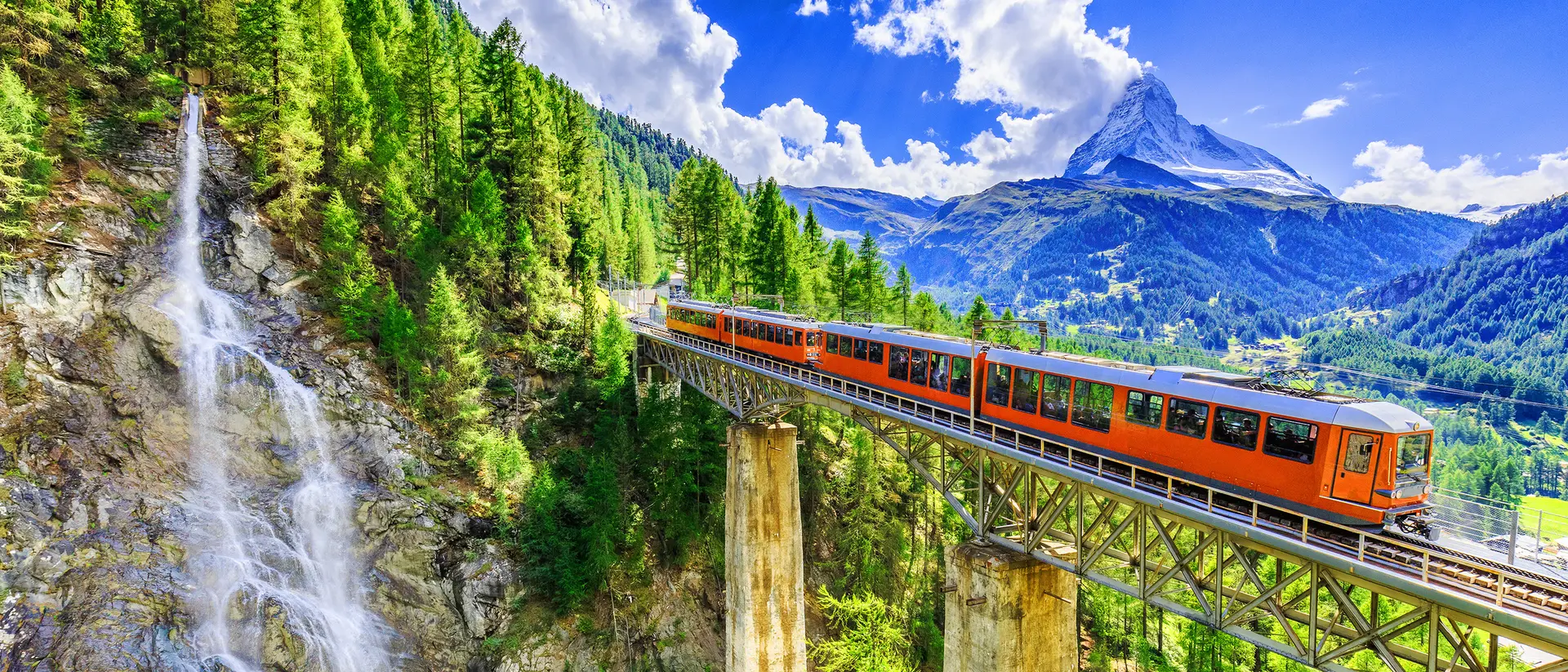
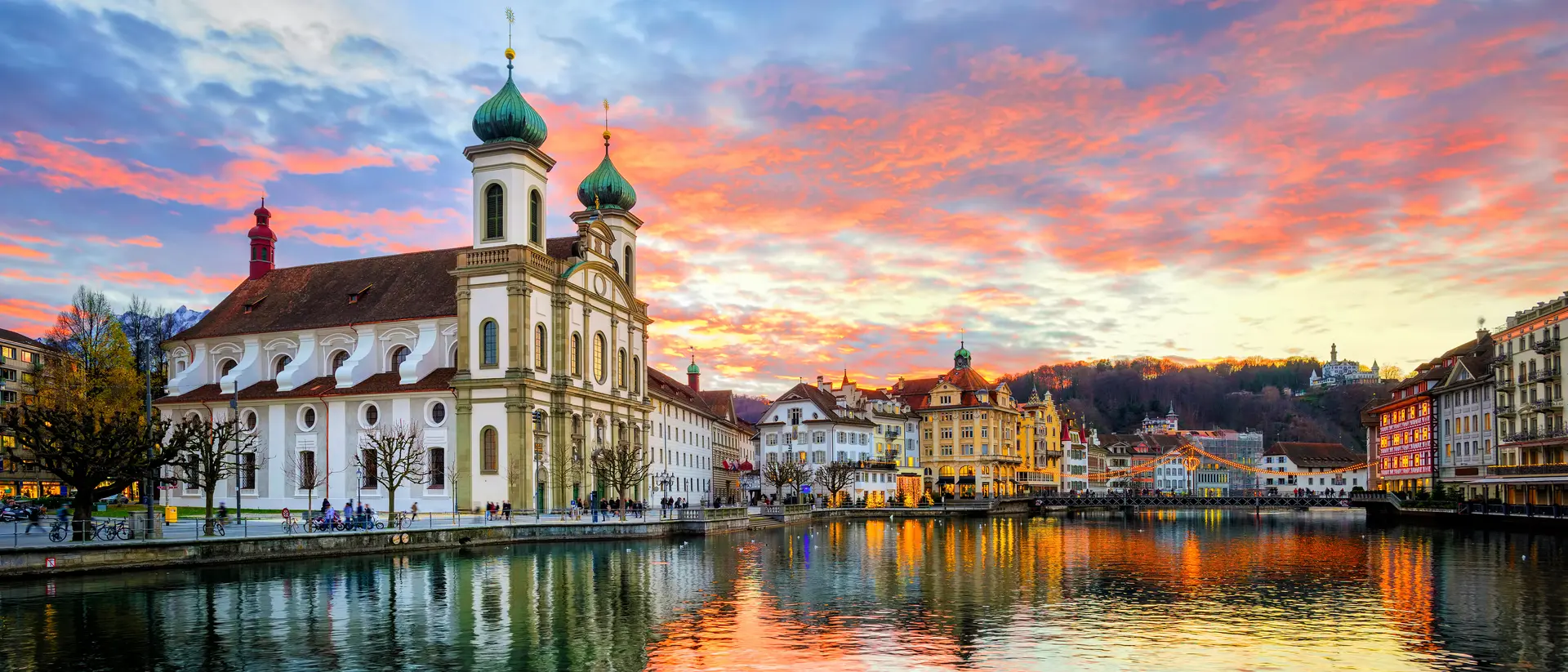
Chapel Bridge, Lucerne, Swiss Alps, and InterlakenExperience the beauty of Switzerland on a train journey. Travel from Zurich to stunning Zermatt, with breathtaking scenery and charming towns along the way.
8 days
From US$3,984/p.p.
Request a Quote
Classical Rhine River Cruise
AmsterdamCruise the Rhine past vineyard valleys and storied shores on an independent river journey through the Netherlands, Germany, France and Switzerland.
10 days
From US$6,694/p.p.
Request a Quote
Grand Train Tour of Switzerland: Iconic Rail Journey
Chapel Bridge, Lucerne, Swiss Alps, and InterlakenExperience the beauty of Switzerland on a train journey. Travel from Zurich to stunning Zermatt, with breathtaking scenery and charming towns along the way.
8 days
From US$3,984/p.p.
Request a Quote
Travel Stories
Get inspired about Your Trip to Switzerland
The Bounty of Budapest
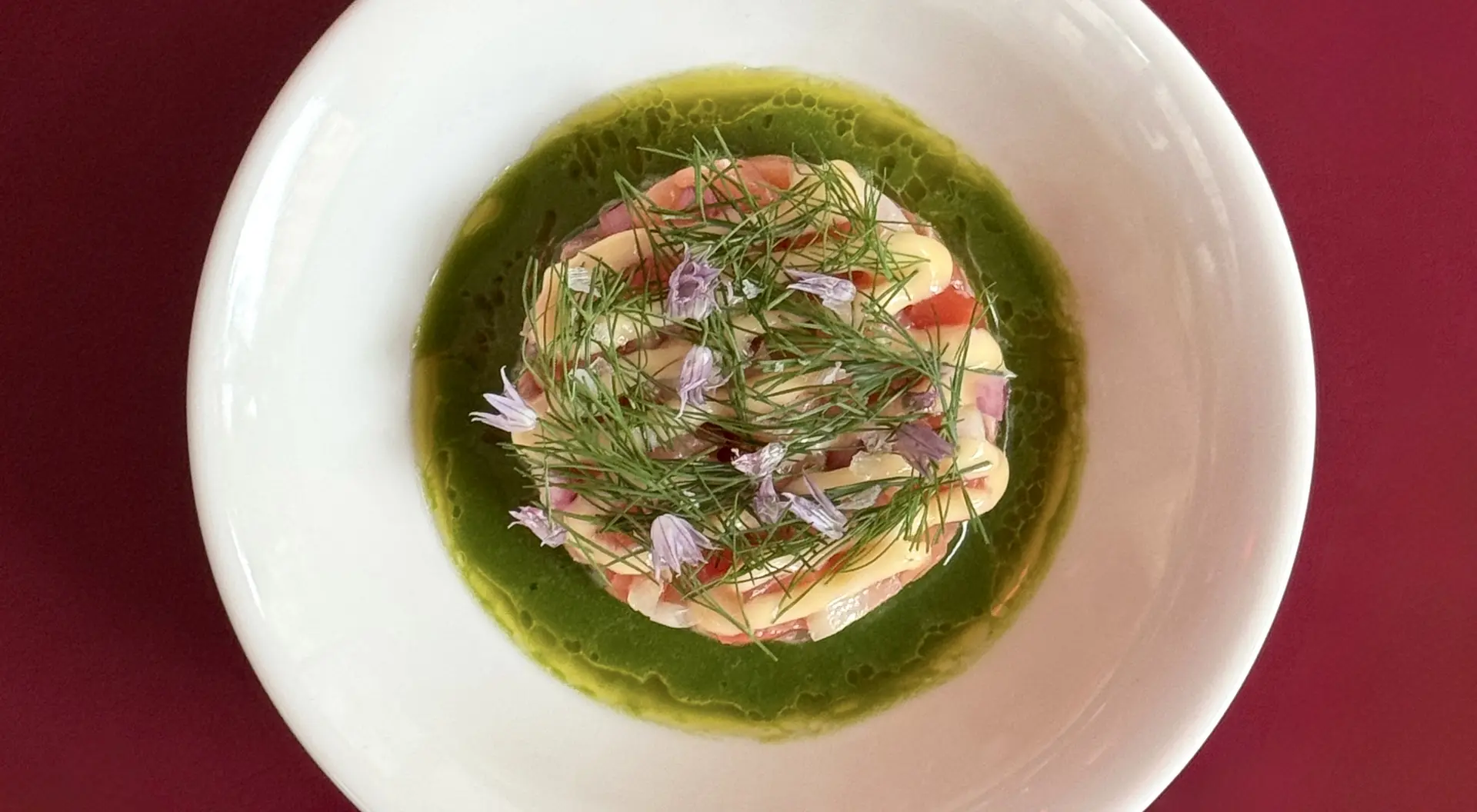
Just after the server slid the bowl in front of me, my glasses began steaming up. The fumes, laden with the scent of rich beef and sweet, peppery papr...
8 Reasons to Book a Trip to Gran Canaria
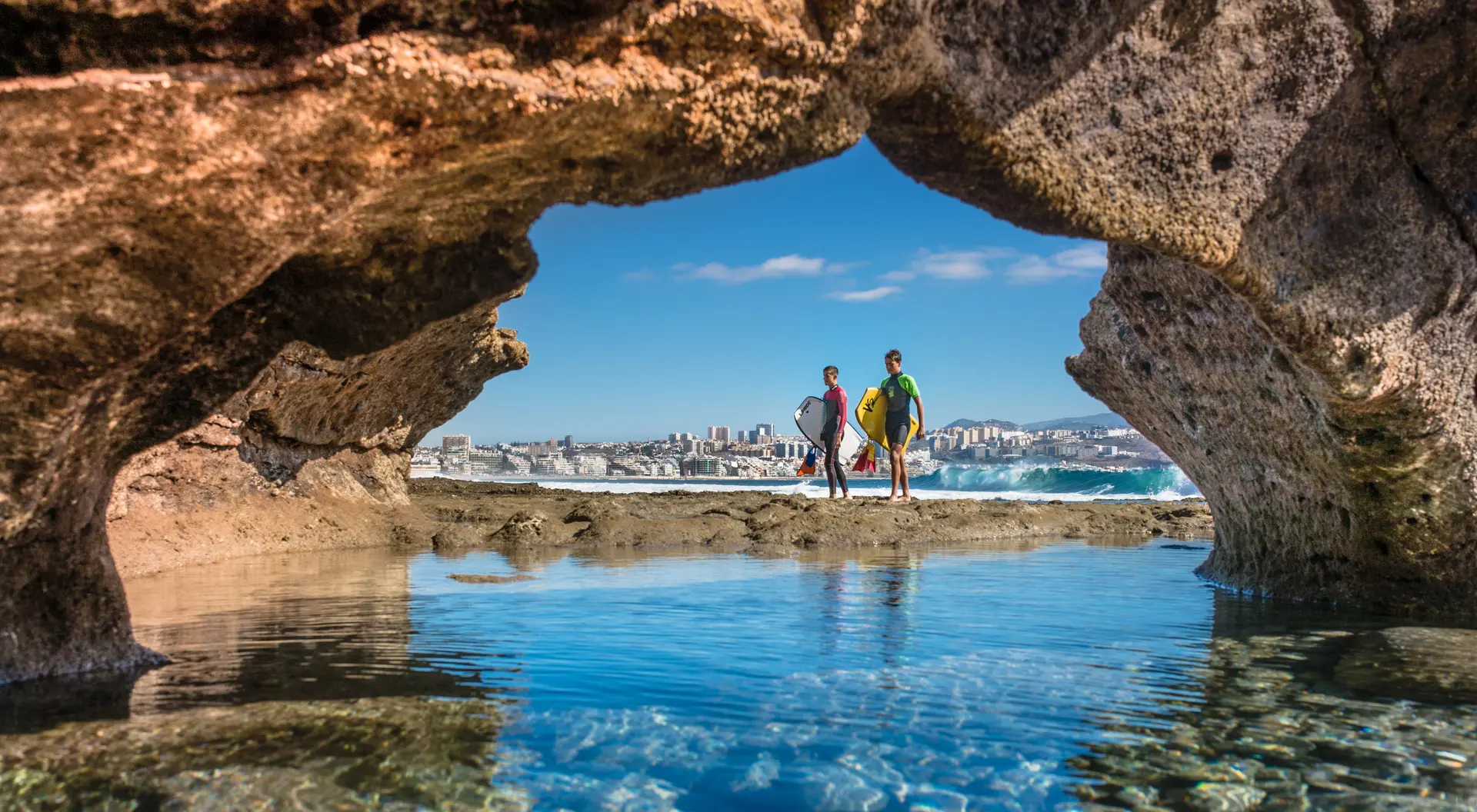
If you ask North American globetrotters to name their dream Spanish destination, they'll likely tell you about the Gaudí spires of Barcelona, the gall...
Ask a Travel Expert: European River Cruising
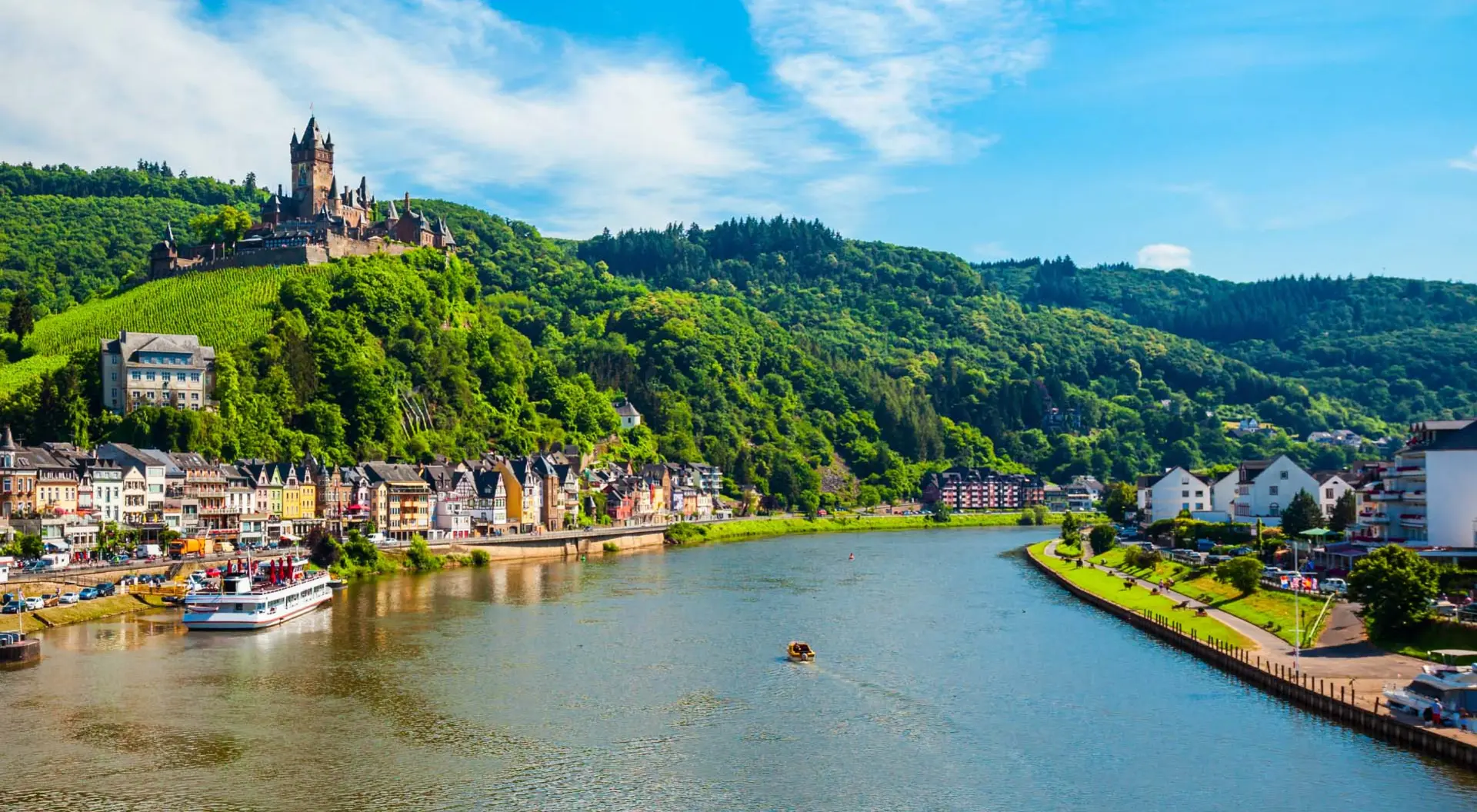
Cruising remains one of the most popular travel styles, but European river cruising isn’t quite the same as boutique island cruises or the big ocean l...
Frequently Asked Questions
What are the Sunday rules in Switzerland?
What are some rules in Switzerland?
Swiss life values respect. Keep things clean, follow recycling rules, and keep noise low in public spaces. According to Destination Specialist Samantha Buckley, moreover, “late is not a word in the Swiss vocabulary. Be on time, or be left behind.”
What is the quiet law in Switzerland?
Most towns observe “quiet hours,” when loud noise is discouraged in the evenings, at night, and on Sundays to keep neighbourhoods peaceful.
What is the blue law in Switzerland?
Blue laws refer to restrictions on Sunday shopping and certain noisy activities, helping preserve Switzerland’s calm weekend atmosphere.
How do you say hello in Switzerland?
Greetings vary depending on the region you’re visiting, but use “grüezi” in German-speaking areas, “bonjour” in French-speaking regions, and “ciao” or “buongiorno” near the southern border with Italy.
What is the best thing to buy from Switzerland?
Chocolate, cheese, watches, clocks, and bottles of Swiss wine (which isn’t exported in great volume) make ideal gifts.
What are five facts about Switzerland?
Switzerland has four official languages, stunning alpine scenery, world-famous chocolate, exceptionally clean cities, and one of the most efficient public transport systems in the world. And here’s a bonus fact, from Destination Specialist Samantha Buckley: “Many visitors think the entire country is mountainous, but actually 30 percent of it is not.”
Switzerland Travel Information
Not sure which theme is right for you?
Unlock more by subscribing to our newsletter.
With our newsletter, you’ll get access to regular communications that inspire you and help you explore the world your way.Exclusive Savings
Insider Benefits
Trending Stories
ExcellentBased on 5,289 ReviewsI had a fantastic experience working with Lisa D. on the Goway team. She was helpful, attentive and made sure we were comfortable with our bookings and itinerary before departure, and also checked in with us following our trip. Would definitely book with Goway again!Mandi S.1186952 trip reference - Croatia and Montenegro.
Dear Goway Travel Team!
I wanted to reach out and share some well-deserved praise for Jacqueline, who has assisted me closely with several of my travels. She recently curated a trip for me to Croatia, the beautiful islands, and Montenegro, and it was an absolute home run.
Jacqueline has an incredible ability to listen to her clients' needs and translate them perfectly into a flawless itinerary. Her articulation, guideline execution, and professionalism are unmatched. What sets her apart is her forward-thinking approach—she always knows the exact hotspots and trends, ensuring the pace of the trip matches my speed perfectly.
Everything transitioned seamlessly thanks to her attention to detail and care. She is a massive asset to your organization, and her consideration makes every vacation stress-free. I will absolutely continue to use her for all my future travels.
Kindest regards,
Vince Sacco Vince SaccoWe can’t thank Katherine enough for helping organize our amazing trip to Scotland! Everything came together beautifully, and we were able to enjoy so many incredible places and experiences without the stress of trying to plan it all ourselves. From the accommodations to the itinerary, everything helped make our trip so special. Scotland was absolutely beautiful, and we came home with wonderful memories that will last a lifetime. We would highly recommend Katherine to anyone planning a trip and looking for someone who truly cares about making it a great experience!
Dan & Michelle Yake MichelleAbsolutely incredible trip! From beginning to end! All accommodations were excellent. If you want to experience Safaris this trip will fulfill all your expectations! A special thanks to our driver we had for our entire trip Evans! He made our trip over the top! The Hot air balloon ride in the Masai Mara is a must…it’s breathtaking!Pam SeitzI have worked with Goway several times in the past two years and every single trip has been unforgettable. Specifically, our travel advisor, Maria, has helped us book phenomenal trips to Thailand, Spain, Portugal, Italy, Ireland, and most recently, Iceland. Maria is so wonderful and easy to talk to, but what really stands out is her ability to get to know her clients so she can plan trips that perfectly align with our interests and desires. I cannot recommend her strongly enough! Her expertise, hard-work, and dedication towards each trip has given myself, my family, and friends memories to last a lifetime! Kayla CovelloJamil made our 40th birthday trip to Portugal so so very amazing and special! Great service, fabulous hotels, and wonderful day trips! Lane StricklandKatie was great, planned everything we needed, was great with changes and trip schedule conflicts. Fantastic working with her.CTI have been booking with GoWay for more than 2 years and feel so fortunate to have the best Travel Advisor, Maria Spitman, making our vacations unforgettable. I can’t say enough about Maria… she is personable, efficient, detail-oriented, and extremely knowledgeable about her specialty destinations. We have booked many trips with her, including Thailand, Spain, Portugal, Sicily, Iceland, and our most recent trip in Greece. Maria has not only curated nuanced itineraries, but has done so combining her vast knowledge of each region with our interests and needs being met perfectly. With that, it is evident that Maria learns about her clients to create vacation packages that far exceed expectations. I won’t book with anyone else! GoWay has a gem that is irreplaceable! I highly recommend seeking Maria out for all your destination needs. DarleenGoway has been amazing to work with. Farooq was my agent through Goway and she communicated promptly, planned a great international trip for my clients and was always organized. The trip was flawless to Rome and Malta from beginning to end!Kim KameleskyLisa Dachuk was incredible on organizing my trip. She took the time to know what I wanted and created an experience I will forever be grateful for having.Louise Helie Masters
Verified
Verified
Verified
Verified
Verified
Verified
Verified
Verified
Verified
Verified