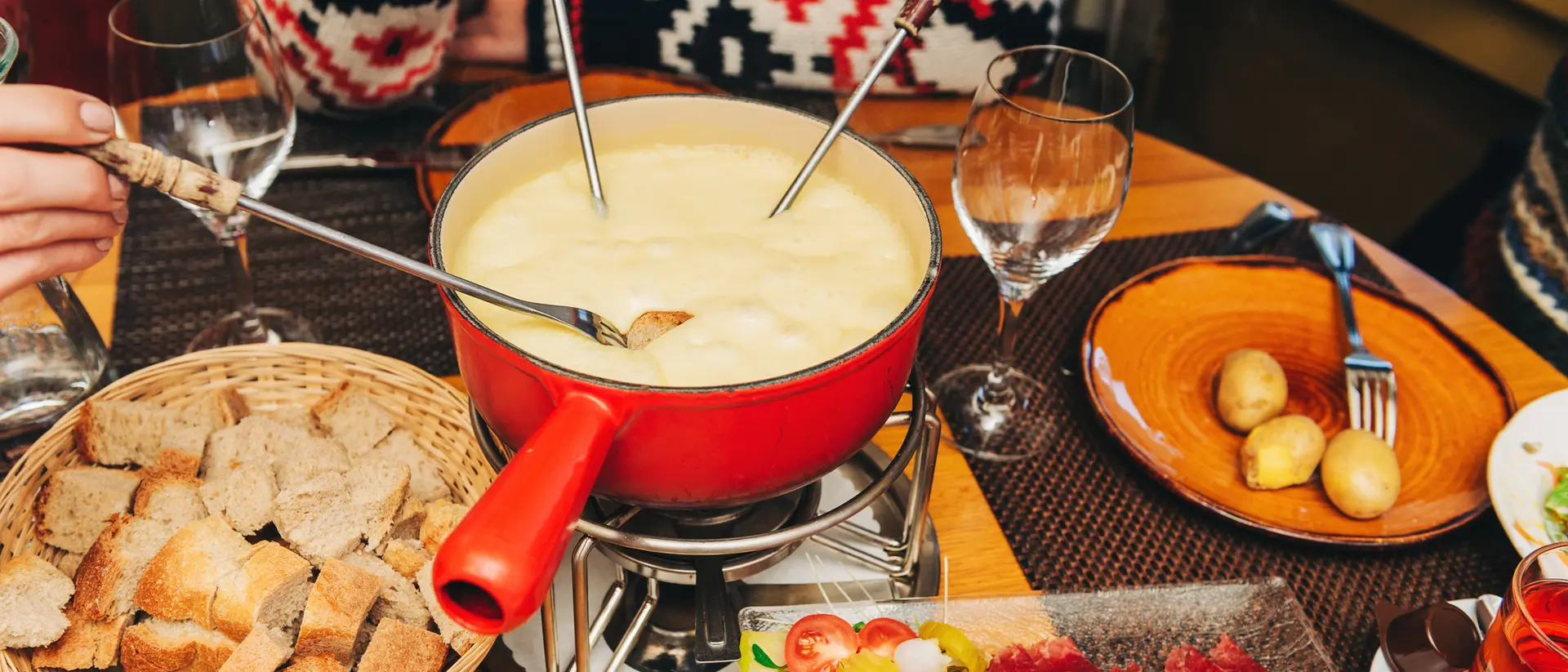
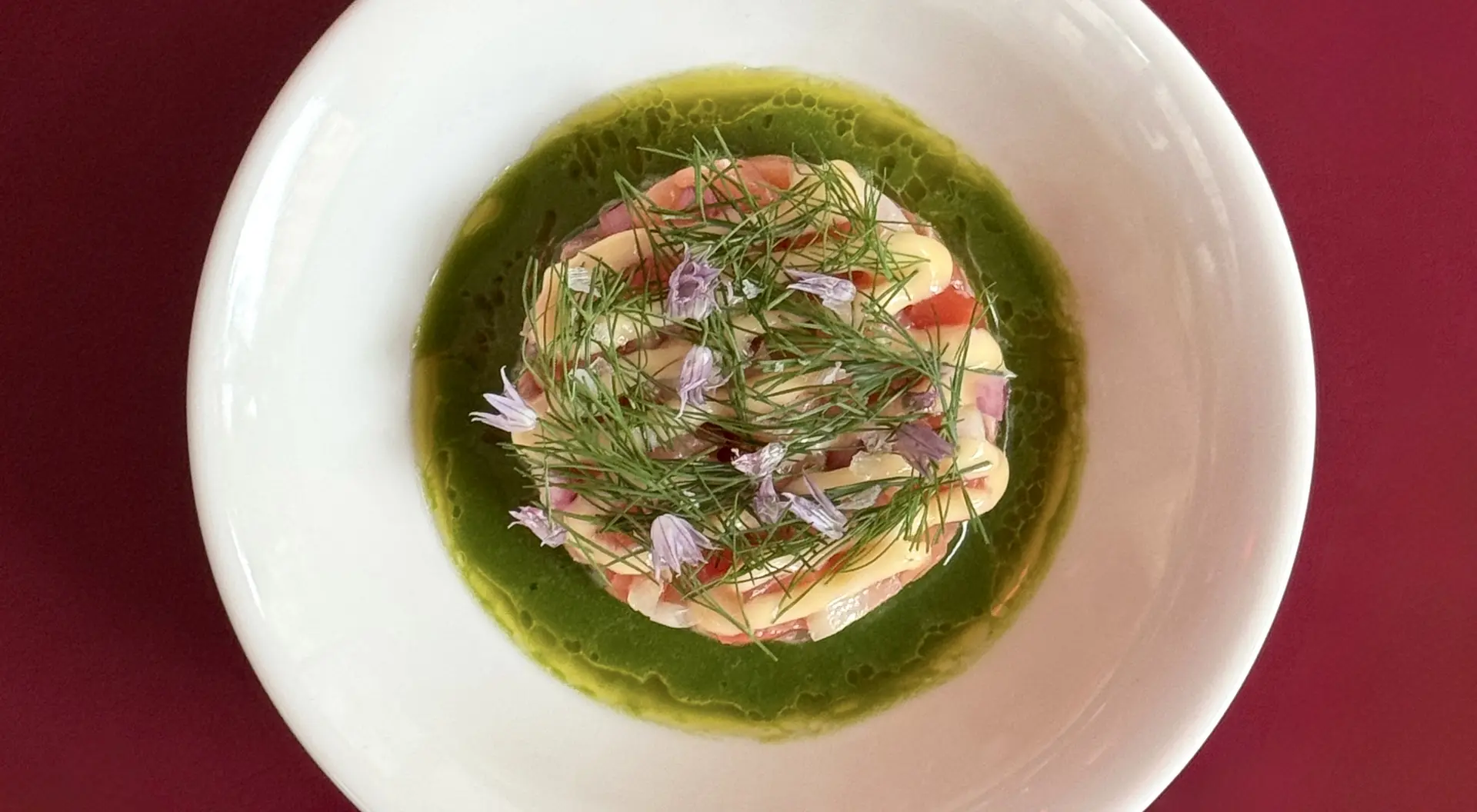
Switzerland is famous for cheese dishes such as fondue and raclette, for crispy rösti, for Zürcher Geschnetzeltes (slices of veal in a creamy white sauce), and, of course, for world-class chocolate.
Switzerland Travel Information
Not sure which theme is right for you?
Food & Drink
In Switzerland, every meal tells a story of mountains, meadows, and meticulous craftsmanship. Whether you’re tucking into a steaming pot of fondue in a traditional chalet or sampling delicate chocolates crafted with scientific precision, Swiss cuisine is a delicious reflection of its landscapes and people. This is a country where dining feels both hearty and refined, boasting comfort food elevated by quality and care.
Alpine gastronomy is at the heart of it all. Up in the mountains, recipes are shaped by the land itself. Think creamy raclette melting over freshly boiled potatoes, or rösti crisped to perfection after a day on the slopes. Local cheeses, air-dried meats, and artisan breads sustain hikers, skiers, and travellers alike. Each bite carries a sense of place, connecting you directly to the farmers, cheesemakers, and customs that thrive in high-altitude valleys.
Yet Switzerland’s culinary scene isn’t only rustic. It is also precise, modern, and surprisingly inventive. From Geneva’s Michelin-starred restaurants to Zurich’s sleek coffee roasters, there’s a deep respect for technique and timing. Add to the mix world-class wines from the Lavaux terraces and velvety hot chocolate by a lakeside café and you have a sensory journey through flavour, landscape, and culture.
To start planning your own Swiss gourmet getaway, speak to one of our Destination Specialists today.
A Culinary Overview of Switzerland
Switzerland’s cuisine is as diverse as its landscapes, offering a delightful mix of hearty mountain fare, refined city dishes, and regional specialties that reflect centuries of tradition. At the heart of it all is a deep connection to the land. Fresh alpine dairy, crisp potatoes, and locally sourced meats create the foundation of a cuisine that’s comforting, wholesome, and wonderfully flavourful.
One of the country’s most iconic dishes is rösti, a simple yet satisfying potato preparation that is beloved across Switzerland. Crispy on the outside and tender inside, rösti was originally a breakfast staple in German-speaking regions but has become a versatile side or main dish served with cheese, eggs, or even smoked salmon.
In Zurich, you’ll find the classic Zürcher Geschnetzeltes, thinly sliced veal cooked in a creamy wine and mushroom sauce, often paired with a side of rösti, showcasing the Swiss talent for turning humble ingredients into elegant comfort food.
In the Alps, raclette is more than a dish. It’s a social ritual. Wheels of semi-hard cheese are melted and scraped over boiled potatoes, pickles, and cured meats, creating a cozy, communal dining experience that’s perfect after a day on snowy slopes. Similarly, game meats such as venison, rabbit, and wild boar feature in seasonal menus, paired with root vegetables or rich sauces that highlight the natural flavours of the Swiss countryside.
While cheese, potatoes, and local meats are staples, Switzerland’s culinary identity is also shaped by its regional diversity. From the fondue cafés of Fribourg to the hearty meat stews of Ticino, each canton offers something unique, reflecting local ingredients and traditions. Together, they form a mosaic of flavours that is both comforting and refined, simple yet sophisticated.
If you plan on visiting Mount Rigi in central Switzerland, make sure you dine at Rigi Bistro, says Destination Specialist Michael Keon. “It’s on top of Kulm Station,” he notes. “It’s a great restaurant with outstanding views.”
Unique Switzerland Dining Experiences
Switzerland is a paradise for anyone who loves food, especially when it comes to its world-famous cheese and chocolate. These culinary treasures are more than just treats. They’re windows into Swiss culture, tradition, and craftsmanship.
For cheese lovers, a visit to the heart of Emmental, Gruyère, or Appenzell is a must. Rolling green hills in Emmental are dotted with dairy farms where the iconic Emmental cheese, with its signature holes, is carefully crafted. Gruyère, meanwhile, is known for its rich, nutty flavour and long aging process. In Appenzell, aromatic Appenzeller cheese is made using a secret blend of herbs and spices, giving it a unique, slightly tangy character. Many local dairies offer tours where you can see cheesemakers in action, learn about traditional methods, and, of course, sample freshly made wheels right from the source.
Chocolate in Switzerland is equally enchanting. Artisanal chocolate makers pride themselves on quality and creativity, producing everything from silky truffles to intricate pralines. Chocolate tasting classes allow visitors to explore textures, flavours, and subtle differences between bean origins. Some workshops even let you craft your own creations, creating sweet souvenirs far more personal than store-bought treats.
Beyond cheese and chocolate, Switzerland’s local delicacies reflect the diversity of its regions. From hearty rye breads and nut-studded pastries to cured meats and seasonal fruits, every bite is rooted in tradition and high-quality ingredients. Pairing these foods with a glass of local wine or cider transforms a simple meal into a sensory journey.
If you love pastries, notes Destination Specialist Samantha Buckley, be sure to visit Confiserie Bachmann in Zurich. “It’s always full of locals,” she says, “looking for good, reasonably priced food.”
Switzerland’s Wine and Beverage Scene
Switzerland’s beverage culture is as diverse and distinctive as its landscapes, offering everything from sun-drenched vineyards to cozy winter drinks and quirky local specialties.
For wine lovers, the country’s small but celebrated wine regions are a true delight. Vaud, which stretches along the northern shores of Lake Geneva, is famous for its terraced vineyards in the UNESCO-listed Lavaux area. Here, crisp Chasselas grapes produce delicate, mineral-driven white wines that pair beautifully with local cheeses and lakeside dining. Further south, the Valais region basks in abundant sunshine, creating ideal conditions for both whites like Petite Arvine and full-bodied reds such as Pinot Noir.
Visiting these vineyards offers more than tastings. Guided tours often include walks among the vines, cellar visits, and opportunities to meet winemakers who are passionate about their craft. Swiss wines are not widely available in North America. Most are consumed locally, so this is a unique opportunity to taste wines you won’t find anywhere else.
When the temperatures drop, Switzerland’s beverage scene turns cozy and festive. Mulled wine, spiced and served warm at winter markets, is perfect after a day on snowy slopes, filling the air with comforting aromas of cinnamon and clove. Everyday favourites are equally charming. Try Rivella, a lightly fizzy drink made from Swiss milk whey, is a beloved refreshment across the country, balancing sweetness and tang in a uniquely Swiss way.
Switzerland is also proud of its local spirits and specialty liqueurs. From pear and cherry brandies to herbal digestifs, many of these are crafted using regional fruits and botanicals, preserving generations-old traditions. Sampling these drinks offers a glimpse into the creativity and care behind Swiss beverages, whether enjoyed at a rustic tavern or a stylish city bar.
Dining Etiquette in Switzerland
Dining in Switzerland is as much about manners as it is about the food itself. Swiss restaurants, from cozy mountain inns to chic city bistros, embrace a culture of respect, quiet enjoyment, and careful attention to detail. Understanding a few local customs can make your mealtime more enjoyable and help you connect with the Swiss way of life.
Punctuality is highly valued. Arriving on time for a reservation is considered polite and shows respect for the restaurant and staff. Being late, even by a few minutes, can be seen as careless, so plan ahead, especially in small towns where restaurants may operate on tighter schedules.
Once seated, keep conversation at a moderate volume. Swiss diners tend to favour a calm, relaxed atmosphere, letting the flavours of the meal shine. Meals are often savoured slowly, and interrupting the quiet ambiance with loud chatter can feel out of place.
Tipping is straightforward. While service charges are typically included in the bill, rounding up the total or leaving a few extra francs for excellent service is appreciated. For instance, adding five to 10 percent on top of the bill in restaurants or cafés is common, but not obligatory.
Finally, finishing your plate is more than polite. It signals enjoyment and appreciation for the chef’s work. Leaving food untouched may be interpreted as disapproval, so clearing your plate is a subtle yet meaningful gesture.
For more on Switzerland’s customs and mores, check out our guide to Swiss culture and traditions.
Accommodating Dietary Needs in Switzerland
Switzerland’s culinary scene has evolved to accommodate modern tastes and dietary preferences, making it easy for visitors with special needs to enjoy every meal. While traditional Swiss fare often features cheese, potatoes, and meats, contemporary menus now showcase a wide range of vegetarian, vegan, and gluten-free options without compromising on flavour. Many restaurants clearly label dishes, and staff are usually happy to offer guidance or customize meals to suit dietary restrictions.
Vegetarian travellers in particular will find Switzerland accommodating. Classic dishes like rösti with cheese and mushrooms, vegetable tarts, and hearty soups are widely available, and larger cities like Zurich, Bern, and Geneva offer innovative vegetarian and vegan restaurants where plant-based ingredients shine. Swiss cuisine embraces fresh, seasonal produce, so even traditional menus can be tailored creatively for modern dietary needs.
Whether you’re vegetarian, gluten-free, or simply seeking fresh, locally inspired meals, Switzerland’s evolving culinary landscape ensures that everyone can savour the country’s food culture. With thoughtful menus and high-quality ingredients, every meal can feel both comforting and exciting.
Plan Your Switzerland Gourmet Getaway
Switzerland isn’t just a feast for the eyes. It’s a paradise for the palate. Planning a gourmet getaway here is about combining breathtaking scenery with unforgettable culinary experiences, turning every meal into an adventure.
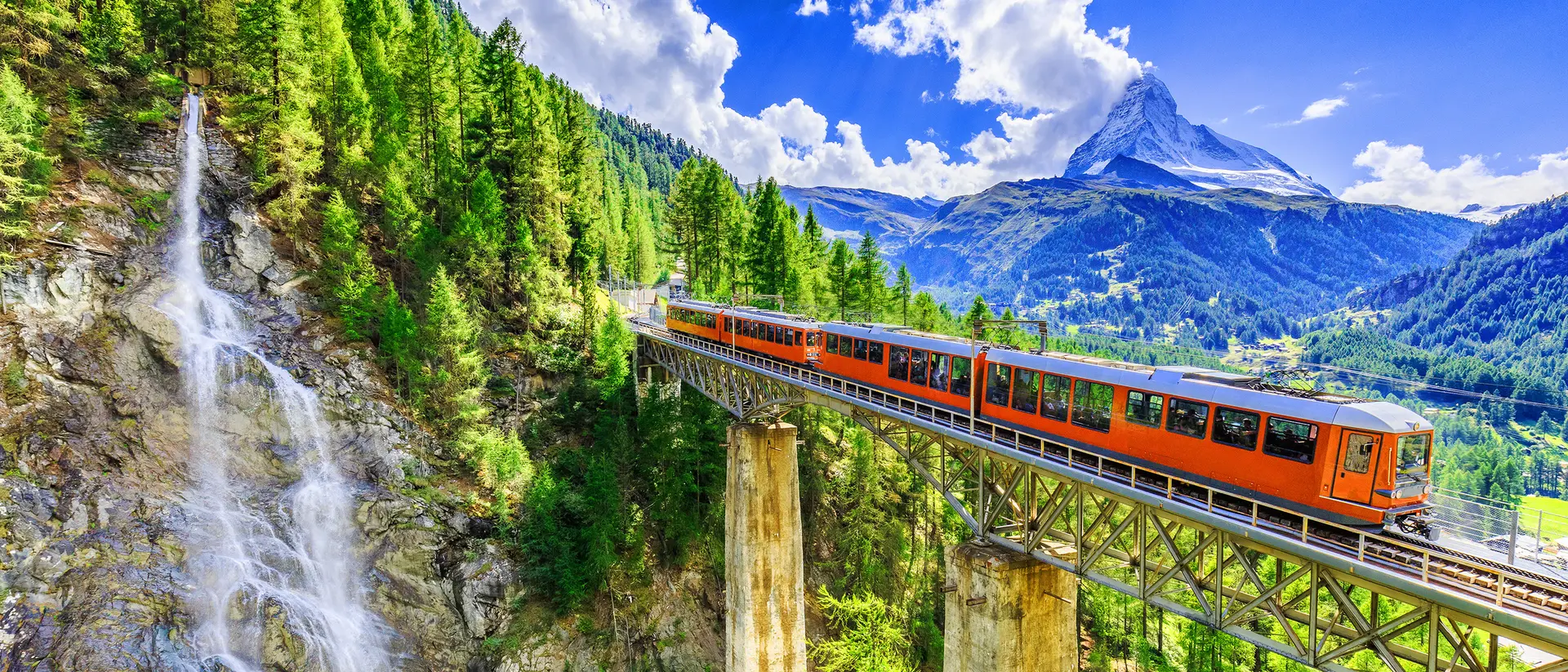
One of the most memorable ways to explore Swiss gastronomy is by hopping aboard a gourmet train car. Scenic rail journeys like the GoldenPass Line or Glacier Express pair incredible alpine views with multi-course meals crafted from seasonal, local ingredients. Imagine savouring a creamy fondue or locally caught fish while the mountains glide past your window. It’s a dining experience that engages all your senses.
For wine enthusiasts, vineyard walks are a must. Regions like Lavaux in Vaud or the sun-drenched slopes of Valais offer guided tours where you can stroll among terraced vines, learn about grape varieties, and enjoy tastings right in the heart of the vineyard. It’s a relaxed, immersive way to connect with the land and the people behind Switzerland’s renowned wines.
Planning your gourmet getaway also means timing meals around local markets, food festivals, or artisanal workshops. For help in planning your own custom food journey through this beautiful country, contact one of our Destination Specialists today.
Featured Switzerland Trip Ideas
Switzerland Travel PackagesClassical Rhine River Cruise
AmsterdamCruise the Rhine past vineyard valleys and storied shores on an independent river journey through the Netherlands, Germany, France and Switzerland.
10 days
From US$6,791/p.p.
Request a Quote
Grand Train Tour of Switzerland: Iconic Rail Journey
Chapel Bridge, Lucerne, Swiss Alps, and InterlakenExperience the beauty of Switzerland on a train journey. Travel from Zurich to stunning Zermatt, with breathtaking scenery and charming towns along the way.
8 days
From US$3,673/p.p.
Request a Quote
Classical Rhine River Cruise
AmsterdamCruise the Rhine past vineyard valleys and storied shores on an independent river journey through the Netherlands, Germany, France and Switzerland.
10 days
From US$6,791/p.p.
Request a Quote
Grand Train Tour of Switzerland: Iconic Rail Journey
Chapel Bridge, Lucerne, Swiss Alps, and InterlakenExperience the beauty of Switzerland on a train journey. Travel from Zurich to stunning Zermatt, with breathtaking scenery and charming towns along the way.
8 days
From US$3,673/p.p.
Request a Quote
Travel Stories
Get inspired about Your Trip to Switzerland
The Bounty of Budapest
Just after the server slid the bowl in front of me, my glasses began steaming up. The fumes, laden with the scent of rich beef and sweet, peppery papr...
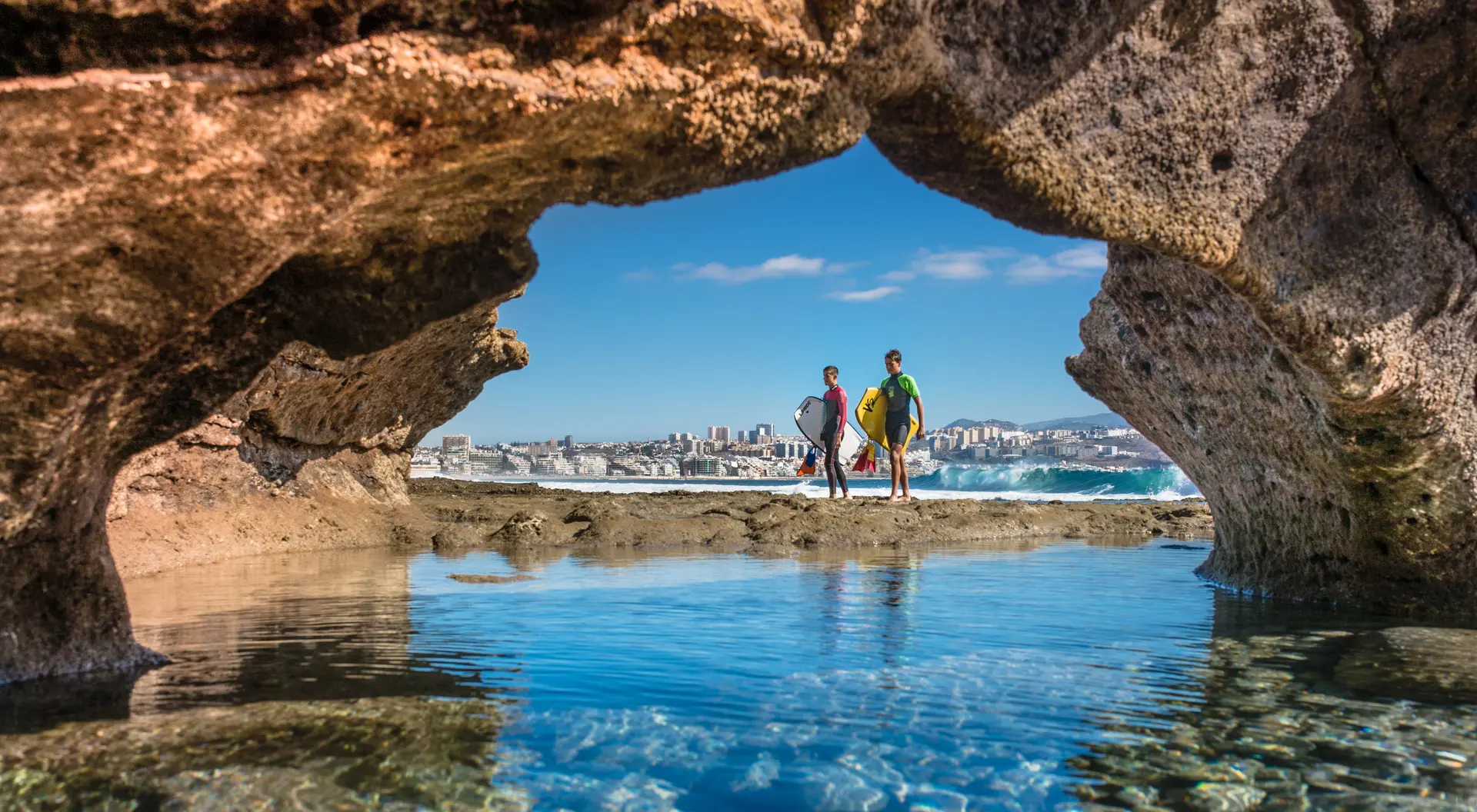
8 Reasons to Book a Trip to Gran Canaria
If you ask North American globetrotters to name their dream Spanish destination, they'll likely tell you about the Gaudí spires of Barcelona, the gall...
Ask a Travel Expert: European River Cruising
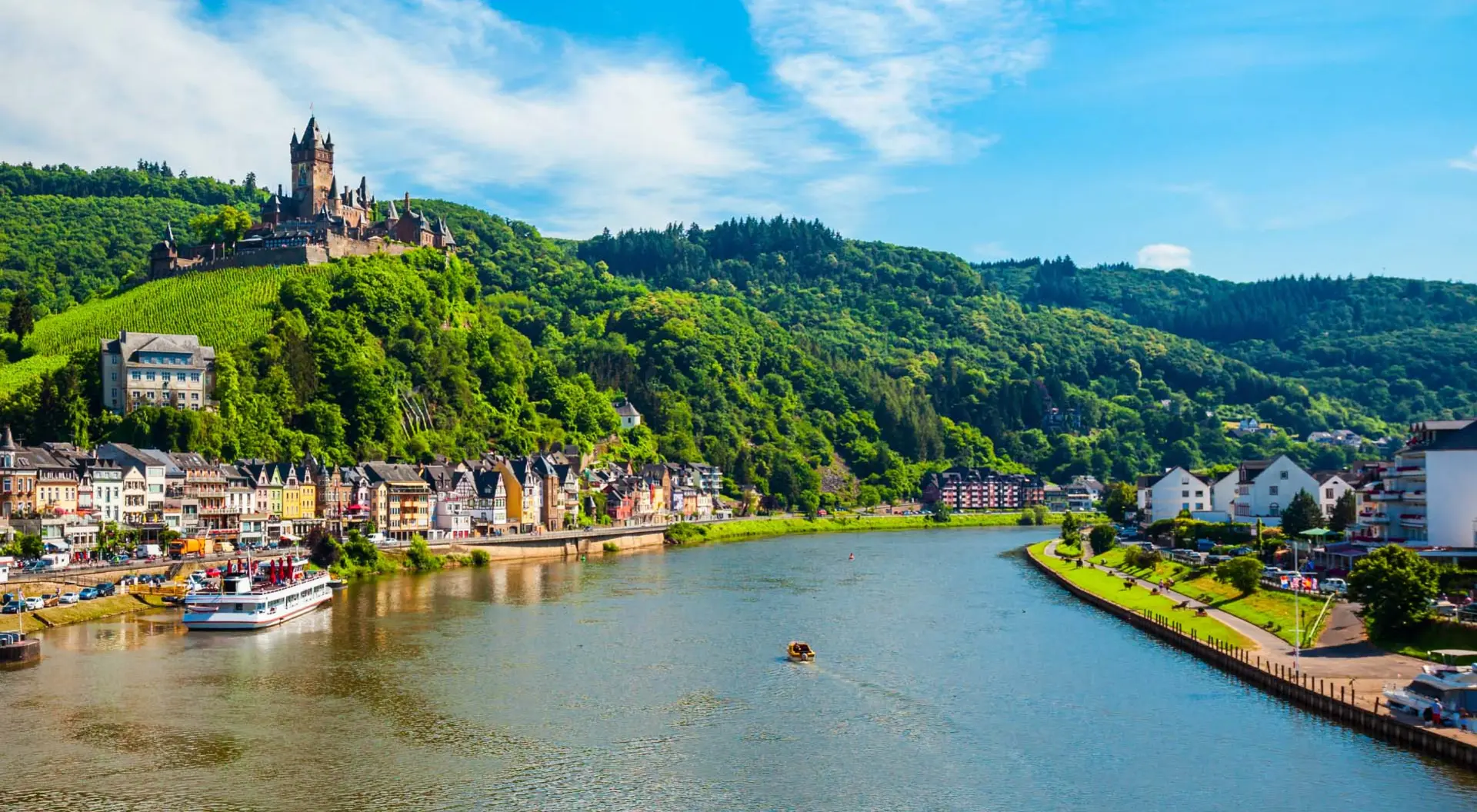
Cruising remains one of the most popular travel styles, but European river cruising isn’t quite the same as boutique island cruises or the big ocean l...
Frequently Asked Questions
What food is Switzerland famous for?
What do the Swiss eat for lunch?
For lunch, the Swiss often enjoy a light meal such as soup, salad, sandwiches, or a small hot dish like rösti with cheese or meat.
What is the most popular drink in Switzerland?
Coffee is the most popular daily drink, though many Swiss also enjoy Rivella, a popular soft drink made from milk whey, natural fruit and herbal extracts, and carbonated water.
What is the national drink of Switzerland?
Swiss wine, especially white wine from regions like Vaud or Valais, is considered a national favourite, alongside local spirits and herbal liqueurs.
Switzerland Travel Information
Not sure which theme is right for you?
Unlock more by subscribing to our newsletter.
With our newsletter, you’ll get access to regular communications that inspire you and help you explore the world your way.Exclusive Savings
Insider Benefits
Trending Stories

ExcellentBased on 5,316 ReviewsOur experience was amazing! The booking process went great. We just had to pack our clothes and everything else was taken care of thanks to Goway Travel… Lori Mezzomo!!! Lori was fantastic. Everything from flights to transfers to excursions was perfect! Can’t wait to go back and i would definitely use Goway Travel again!!!Marie IdolMaria Spitman provided exemplary service to us! Her expertise, attention to detail, timely replies and kindness were unmatched. We will definitely recommend her to others who we know are considering travel to Asia. Alice StaniforthMichael Keon and his crew did a fine job coordinating our trip to Turkey. His contact in Turkey, Mr. Omer was in contact with us almost daily reminding us of our schedule and pick up info. He was terrific. Very informative and insightful guides. And large comfortable vehicles on every trip. Awesome trip. Tom and Sharon Tom and Sharon, Toronto, Canada We loved the trip itinerary and everything was organized so well! Lori was always very responsive and answered our questions promptly. Thank you for an amazing trip!Jelena PoprzenAs a travel advisor, I recently booked a group of clients on a Goway tour in China following their paddleboat competition, and I couldn’t be happier with the experience.
Christine and Tanya in the groups department were incredibly helpful and made the entire process seamless. Their support was greatly appreciated!
The feedback from my clients was overwhelmingly positive, with particular praise for the local tour guides, who helped make the trip so memorable. Everyone had a wonderful time.
Thank you, Christine, Tanya, and the Goway team, for taking such great care of my clients. I would happily recommend Goway and look forward to working with them again!customerI wanna start off by saying that Farnaz our agent was excellent!!! she planned the whole experience from start to finish. We did not have to worry about one thing the entire trip. All the hotels were great. Our transfers from hotels to fairies to airports were all available and always on time. The excursions she planned for us were all top-notch. I was a little skeptical, but just finding GOWAY online stumbling across it. But I’m so glad I made the choice to use them. I hope they definitely using the company again and especially our agent Farnaz!!! Thank you do mych for a wonderful experience! CatherineOur goal for this trip was a stress free honeymoon where we did not have to think about anything! Goway made that successful. Everything was planned and ready for us. We just had to show up. Brooke recommended fantastic accommodations that were in great locations, clean and comfortable. The tours were took with Thompson's Africa were incredible as well. Brooke was helpful throughout the entire booking process & we wouldn't have had such an incredible experience without her. We really loved our South African holiday and hope to travel there or other locations again with Goway.TaylorOctober 9, 2026, was our 50th wedding anniversary. To celebrate, I wanted to take my bride to Europe for 50 days. Also, other than the flight over, I wanted to make the trip by train. I contacted Farnaz at Goway. The trip we planned ultimately extended to 60 days. It was absolutely flawless. We had great hotels, great tours. Even though this trip was complex and had a lot of moving parts, there were no problems. Farnaz and the folks at Goway done a great job. I highly recommend them and will definitely use them on any future tripsDaniel GraffWe had a fabulous Croatia vacation with a cruise from Dubrovnik to Split, followed by land tours on Split and Opatija. Lodging was always comfortable and conveniently located. Tours and activities were perfectly suited to our interests. We have used GoWay for 2 vacations and are currently working on another. KarenWe would like to thank our travel specialist, Bijal for all the planning and coordinating that was done to make our Tanzania trip as spectacular as it was from start to finish!
Everything went so smoothly from our transfers, to our accommodations, to all of our tours! The people we came into contact with were exemplary!
There were so many highlights on our trip from the animal sightings, to the balloon flight and champagne breakfast, to all the incredible scenery.
Our accommodations were stunning! The level of service was remarkable and the locations were beyond our expectations. To think we would be having dinner and seeing the zebras and the elephants in the distance was amazing!
Our tour guide/driver was very knowledgeable, friendly, passionate and had a keen eye for spotting animals in the distance. He made sure that we saw all the animals that we had hoped to see. it was truly a pleasure to spend the week with him.
Thank you again to Bijal for all the work in making this once in a lifetime trip so exceptional!! We look forward to having Bijal help us plan our future trips.The Chadwicks and Williams
Verified
Verified
Verified
Verified
Verified
Verified
Verified
Verified
Verified
Verified