
February is typically the hottest month, especially along the coast, with warm, humid days in Lima and other seaside destinations.
Peru Travel Information
Not sure which theme is right for you?
Best Time to Visit
Peru is a country of infinite contrasts, offering something extraordinary in every season. From sunlit highland treks to misty rainforest mornings, the country’s varied landscapes mean your experience will change depending on when you visit.
Summer brings lively festivals and coastal escapes, spring offers wildflowers and fresh trekking routes, autumn showcases harvest celebrations, and winter reveals a calmer, more intimate side of the Andes.
Speak to a Destination Specialist today to match your visit with the experiences that inspire you most.
Planning Travel Around Peru’s Seasons
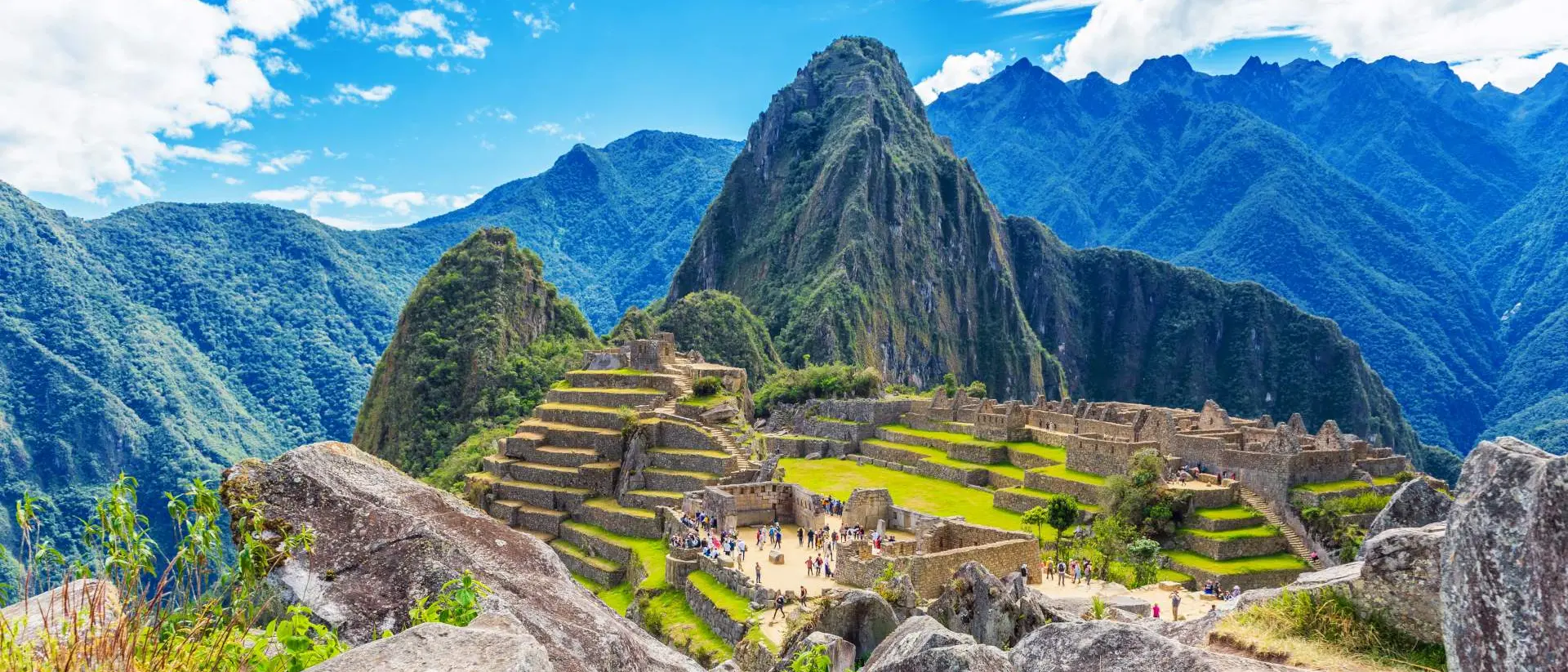
In spring (September to November), the Andes are dotted with seas of wildflowers, and trekking conditions are excellent with fewer crowds than in peak season. It’s a beautiful time to explore Cusco, the Sacred Valley, and Machu Picchu.
During summer (December to February), the coast is at its sunniest, ideal for beach time in Paracas or Mancora. In the highlands, summer is also the rainy season, but this brings lush scenery and vibrant festivals like Carnaval.
In the fall (March to May), the harvest season offers mild weather and spectacular landscapes in the Sacred Valley. It’s a great time for photography and cultural immersion.
Winter (June to August) offers clear skies and cool temperatures, making this peak trekking season in the Andes. While Machu Picchu is busier, the crisp air and panoramic views are unforgettable.
The Best Times to Visit Peru According to Your Interests
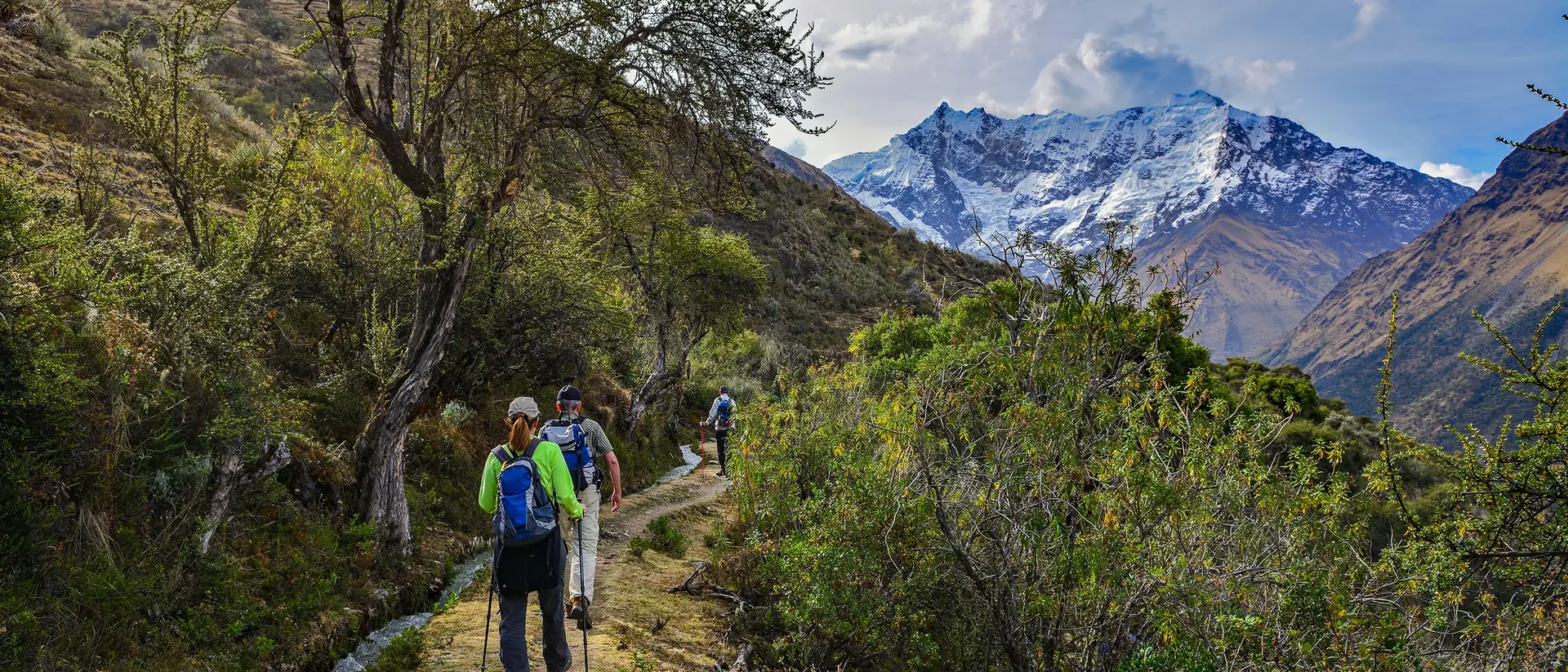
The best season for your Peru vacation depends on your focus. For Andes trekking, including the Inca Trail and alternative routes, May to October offers the most reliable weather, with sunny days and cool nights.
If you’re drawn to history and culture, April to June and September to November balance pleasant conditions with smaller crowds, making it easier to linger at landmarks and markets.
Food and wine lovers will appreciate the Sacred Valley during the autumn harvest, when local produce, vineyards, and Andean culinary traditions are at their most vibrant.
Regional Highlights to Plan Your Peru Trip Around
Peru’s regions have distinct climates, so timing matters. Lima enjoys year-round appeal, with a refreshing coastal breeze that makes its streets, markets, and world-renowned dining scene inviting in every season. Food lovers in particular will find Lima a constant feast, whether sampling fresh ceviche or indulging in a Michelin-starred restaurant experience.
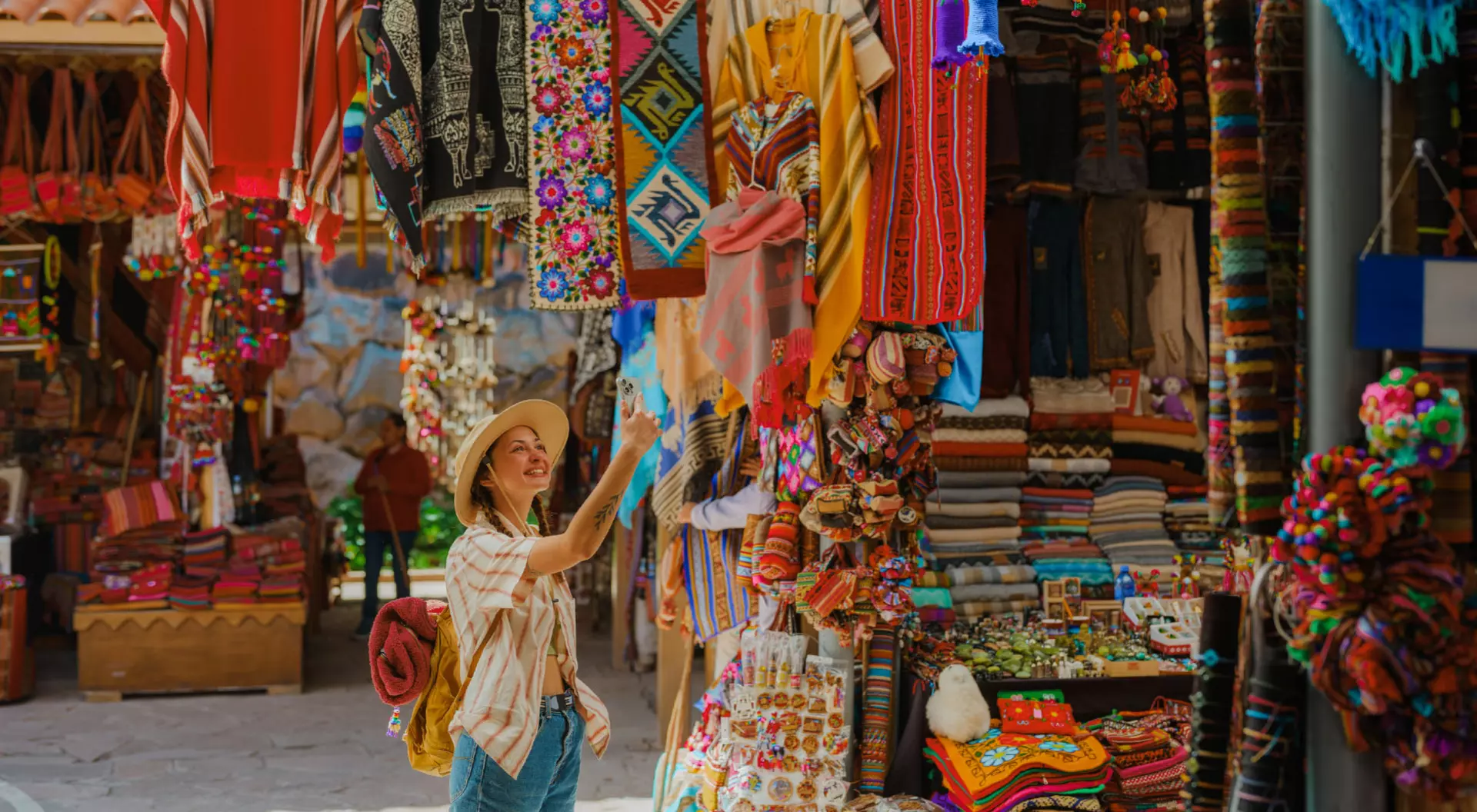
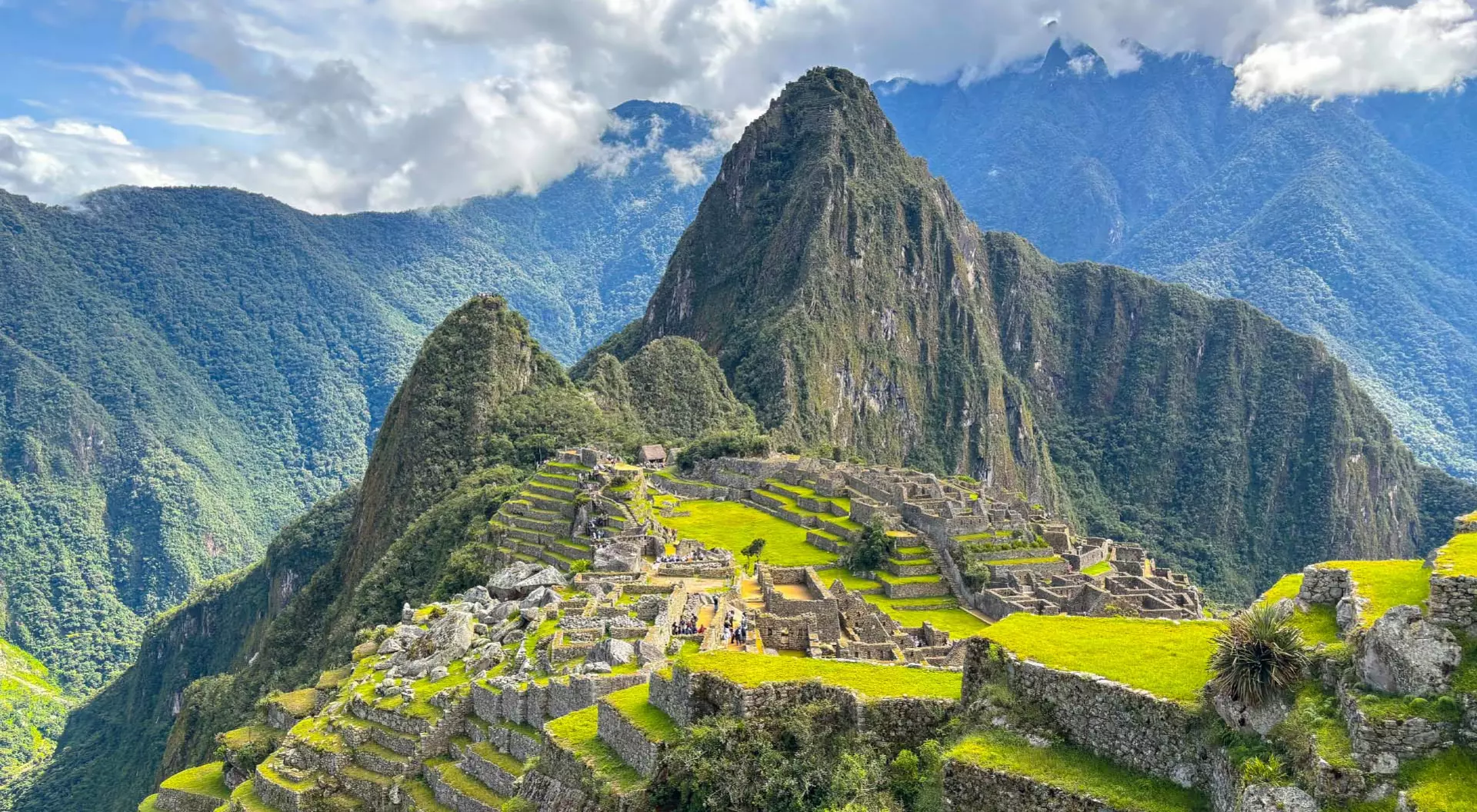
Cusco shines from April to October, when dry days make it perfect for wandering cobblestone streets, exploring vibrant plazas, and discovering Inca ruins in the surrounding hills. Machu Picchu is at its most breathtaking in the dry season from May to October, when clear skies frame the terraces and dramatic peaks. The Sacred Valley also flourishes in this period, offering colourful markets and accessible trails.
To compare climates across the country and plan your journey with confidence, explore our Peru travel guide.
Let the Seasons Shape Your Peruvian Journey
Planning your route around the climate ensures every stop is at its best. In the dry season, you can combine Cusco, the Sacred Valley, and Machu Picchu with highland hikes or Lake Titicaca.
In the rainy months, focus on Lima’s coastal beauty, Arequipa’s colonial charm, and the lush Amazon. “The Peruvian Amazon is perfect for naturalists,” Destination Specialist Osvaldo Gonzalez says. “From high-end cruises in Iquitos to science-based experiences in the southern Amazon, it’s as immersive as it gets.”
Our essential Peru travel tips can help fine-tune your itinerary so you enjoy the right mix of scenery, culture, and comfort.
Featured Peru Trip Ideas
Peru Travel PackagesClassic Peru: Lima, Cusco & Machu Picchu
Cusco, Machu Picchu, Sacred Valley, and LimaCook like a Limeño, explore the Sacred Valley, stand twice in awe at Machu Picchu, and lose yourself in Cusco's markets and nightlife. Peru awaits.
10 days
From US$3,561/p.p.
Request a Quote
Essential Peru: Lima, the Sacred Valley & Machu Picchu
Cusco, Machu Picchu, Sacred Valley, and LimaExperience the culture of Lima and the stunning ruins of Machu Picchu on this unforgettable small group adventure through Peru. Discover the legacy of the Incas as you explore the Sacred Valley and beyond.
9 days
From US$2,452/p.p.
Request a Quote
Classic Peru: Lima, Cusco & Machu Picchu
Cusco, Machu Picchu, Sacred Valley, and LimaCook like a Limeño, explore the Sacred Valley, stand twice in awe at Machu Picchu, and lose yourself in Cusco's markets and nightlife. Peru awaits.
10 days
From US$3,561/p.p.
Request a Quote
Essential Peru: Lima, the Sacred Valley & Machu Picchu
Cusco, Machu Picchu, Sacred Valley, and LimaExperience the culture of Lima and the stunning ruins of Machu Picchu on this unforgettable small group adventure through Peru. Discover the legacy of the Incas as you explore the Sacred Valley and beyond.
9 days
From US$2,452/p.p.
Request a Quote
Most Popular Time to Travel
Know when to go.
Place
Conditions
Daily max temperatureMonthly rainfall
ArequipaMostly Sunny
23°C / 73°F
7mm / 0.3"
CuscoOccasional Showers
22°C / 72°F
45mm / 1.8"
LimaPartly Cloudy
23°C / 74°F
4mm / 0.2"
PunoPartly Cloudy
20°C / 68°F
35mm / 1.4"
Weather data is based on monthly averages.Popularity rating
-
Travel Stories
Get inspired about Your Trip to Peru
Colombia Travel Tips from Goway & CTV Morning Live
Colombia is having a major travel moment, and I had the pleasure of returning to CTV Morning Live in Vancouver to unpack exactly why. Colombia ...
Ask a Travel Expert: Peru
Peru is one of the most famous countries in South America, but not many people know the specifics beyond the alpacas and Incan ruins. To help you lear...
Bussing Down to Rio & Beyond: Goway Goes to Latin America
Like other globetrotter destinations such as Africa and Europe, Goway’s roots in Latin America began in the 1970s. I had started Goway by specializing...
Frequently Asked Questions
What is the hottest month in Peru?
What is the busiest month in Peru?
June and July are considered peak months for travel. The Inti Raymi Festival, which takes place annually on June 24th in Cusco draws in big crowds, whilst the weather makes it ideal dry-season trekking conditions.
What is the off-season in Peru?
January to March is considered off-season, with higher rainfall in the Andes but quieter attractions and lush landscapes.
What is the coldest month in Machu Picchu?
June tends to be the coldest, with chilly mornings and evenings, though days are often sunny and clear.
What are the rainy months in Peru?
The rainy season runs from November to March, heaviest in January and February in the Andes.
What is the best month to visit Cusco?
May is a favourite, offering clear skies, fewer crowds than peak season, and vibrant greenery after the rains.
When should you not go to Peru?
If avoiding heavy rain and possible trail closures is important, skip January and February in the Andes.
Peru Travel Information
Not sure which theme is right for you?
Unlock more by subscribing to our newsletter.
With our newsletter, you’ll get access to regular communications that inspire you and help you explore the world your way.Exclusive Savings
Insider Benefits
Trending Stories

ExcellentBased on 5,312 ReviewsAs a travel advisor, I recently booked a group of clients on a Goway tour in China following their paddleboat competition, and I couldn’t be happier with the experience.
Christine and Tanya in the groups department were incredibly helpful and made the entire process seamless. Their support was greatly appreciated!
The feedback from my clients was overwhelmingly positive, with particular praise for the local tour guides, who helped make the trip so memorable. Everyone had a wonderful time.
Thank you, Christine, Tanya, and the Goway team, for taking such great care of my clients. I would happily recommend Goway and look forward to working with them again!customerI wanna start off by saying that Farnaz our agent was excellent!!! she planned the whole experience from start to finish. We did not have to worry about one thing the entire trip. All the hotels were great. Our transfers from hotels to fairies to airports were all available and always on time. The excursions she planned for us were all top-notch. I was a little skeptical, but just finding GOWAY online stumbling across it. But I’m so glad I made the choice to use them. I hope they definitely using the company again and especially our agent Farnaz!!! Thank you do mych for a wonderful experience! CatherineOur goal for this trip was a stress free honeymoon where we did not have to think about anything! Goway made that successful. Everything was planned and ready for us. We just had to show up. Brooke recommended fantastic accommodations that were in great locations, clean and comfortable. The tours were took with Thompson's Africa were incredible as well. Brooke was helpful throughout the entire booking process & we wouldn't have had such an incredible experience without her. We really loved our South African holiday and hope to travel there or other locations again with Goway.TaylorOctober 9, 2026, was our 50th wedding anniversary. To celebrate, I wanted to take my bride to Europe for 50 days. Also, other than the flight over, I wanted to make the trip by train. I contacted Farnaz at Goway. The trip we planned ultimately extended to 60 days. It was absolutely flawless. We had great hotels, great tours. Even though this trip was complex and had a lot of moving parts, there were no problems. Farnaz and the folks at Goway done a great job. I highly recommend them and will definitely use them on any future tripsDaniel GraffWe had a fabulous Croatia vacation with a cruise from Dubrovnik to Split, followed by land tours on Split and Opatija. Lodging was always comfortable and conveniently located. Tours and activities were perfectly suited to our interests. We have used GoWay for 2 vacations and are currently working on another. KarenWe would like to thank our travel specialist, Bijal for all the planning and coordinating that was done to make our Tanzania trip as spectacular as it was from start to finish!
Everything went so smoothly from our transfers, to our accommodations, to all of our tours! The people we came into contact with were exemplary!
There were so many highlights on our trip from the animal sightings, to the balloon flight and champagne breakfast, to all the incredible scenery.
Our accommodations were stunning! The level of service was remarkable and the locations were beyond our expectations. To think we would be having dinner and seeing the zebras and the elephants in the distance was amazing!
Our tour guide/driver was very knowledgeable, friendly, passionate and had a keen eye for spotting animals in the distance. He made sure that we saw all the animals that we had hoped to see. it was truly a pleasure to spend the week with him.
Thank you again to Bijal for all the work in making this once in a lifetime trip so exceptional!! We look forward to having Bijal help us plan our future trips.The Chadwicks and WilliamsI wanted to do a once in a lifetime vacation but had no idea where to start, other than knowing where I wanted to go. I reached out to goway.com and Jessica (shoutout!), who is an expert on our specific destination, sent me an itinerary quickly! She had me going into the jungle one day, so I requested to swap that nonsense for a fishing charter, and before I knew it, my trip was ready.
We just returned and it truly was a once in a lifetime experience! The resort service was top notch and (according to locals) we had all of the BEST activities the island has to offer.
If you are up in the air at all as to whether or not going through goway is worth the money, I'm here to tell you: If it's peace of mind and a perfect vacation you're looking for, do it now.therealitgirlWe recently worked with Jacqueline to plan our trip to Greece and had a wonderful experience. We made several revisions to our itinerary and Jacqueline was patient, understanding and prompt in responding to our needs. In addition to the specific tours she booked, she provided extra options and local suggestions for each place we visited in Greece. Her attention to detail and responsiveness made our trip incredibly memorable. Mark MendellWe have used Goway several times to plan simple & more complicated trips. The last 2 trips we worked with Brooke Theron who is extremely customer focused. She listens well & is alway flexible to look at alternatives. We will continue using this representative & Goway.
Our only criticism is that they do not break down the various costs of a trip which makes tipping very awkward. It can also create a sense of " mistrust" when all the costs are not transparent. Cheryl HayesOur trip to Switzerland was an amazing experience. Our travel agent at GoWay, Bo was so helpful in helping my husband Louie plan just what we wanted to do on this trip. Taking the trains thru the county was easy by the many hours Louie and Bo worked on this. Also our helicopter ride in Zermatt on my birthday was just unbelievable. Flying around the Matterhorn and the Alps is one flight we will never forget. Thanks Bo for setting this up. The trip was one incredible adventure that we will never forget. Thanks again Bo, Lynn Gerber. Lynn Gerber
Verified
Verified
Verified
Verified
Verified
Verified
Verified
Verified
Verified
Verified