
Yes. Carry your passport or a photocopy with you, as hotels, flights, and some attractions may require ID. Keep the original safe when not needed.
Peru Travel Information
Not sure which theme is right for you?
Insider Travel Tips
Peru is a country where ancient traditions meet modern comforts, offering travellers a warm welcome and a wealth of experiences. From navigating bustling city markets to exploring sacred Incan ruins, knowing a few key details before you go can make your journey even more rewarding.
”Go with an open mind. Peru offers not just ancient ruins and incredible scenery, but also incredible local cultural traditions and cuisine; the more you learn, the better you'll enjoy your time. A little Spanish helps, too” Destination Specialist Ruth Leonty says.
To start planning your own tailor-made itinerary, talk to one of our Destination Specialists today.
Practical Information for Visiting Peru
Visa requirements vary depending on your nationality, so confirm them before you travel. Many visitors, including those from North America and much of Europe, do not need a visa for short stays.
The official currency is the Peruvian sol (PEN). While credit cards are widely accepted in cities, cash in small denominations is preferred in rural or market settings. ATMs are common in major towns, but it’s wise to withdraw before travelling to more remote areas.
Health and Safety in Peru
Peru is generally safe and its people are known for their warmth and hospitality. Still, use standard precautions in busy areas and keep valuables secure.
Be respectful at sacred sites such as Machu Picchu, the Sacred Valley, and local churches, as modest dress is expected in rural and religious settings. “Cusco’s altitude can be challenging, so be prepared and pace yourself. If you can I try to fit in a day at leisure here to help with acclimitization” says Destination Specialist Osvaldo Gonzalez.
Tap water in cities is often safe for locals but not recommended for visitors. It is best to opt for bottled or filtered water, especially in rural areas, and try to avoid ice in restaurants.
Culture and Customs in Peru
Peruvians are known for their genuine hospitality and an openness that makes travellers feel at home. A warm handshake or friendly greeting often leads to easy conversation, especially in smaller towns and villages.
Family ties are strong, and respect for elders is deeply rooted. Visitors are encouraged to engage in local life, whether by learning a few words of Spanish or participating in a village celebration.
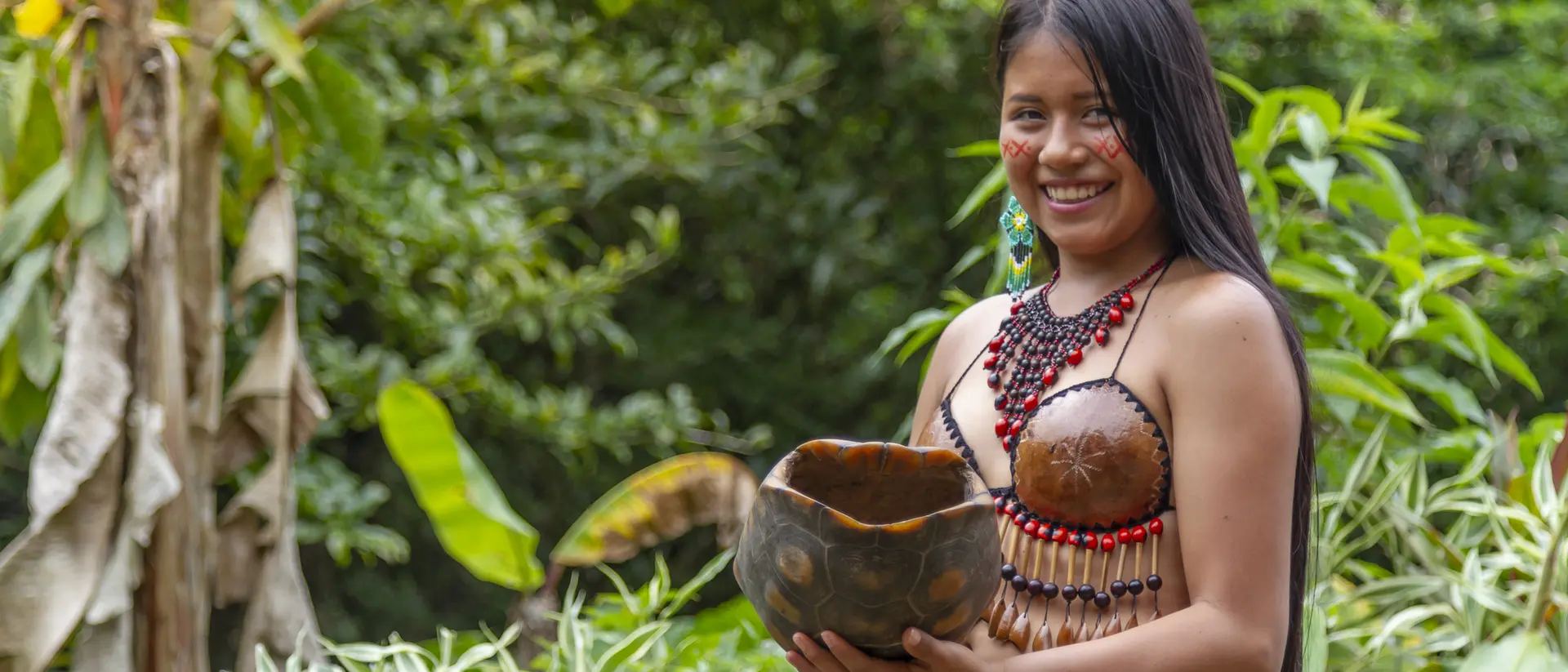
Destination Specialist Ruth Leonty notes that visiting an Indigenous village high in the Andes for a Pachamama ceremony can be a moving and unforgettable experience. Understanding these customs will enrich your trip and foster meaningful connections.
To learn more about the country’s mores and traditions, consult our Peruvian culture and customs page before you go.
Seasonal Advice for Peru
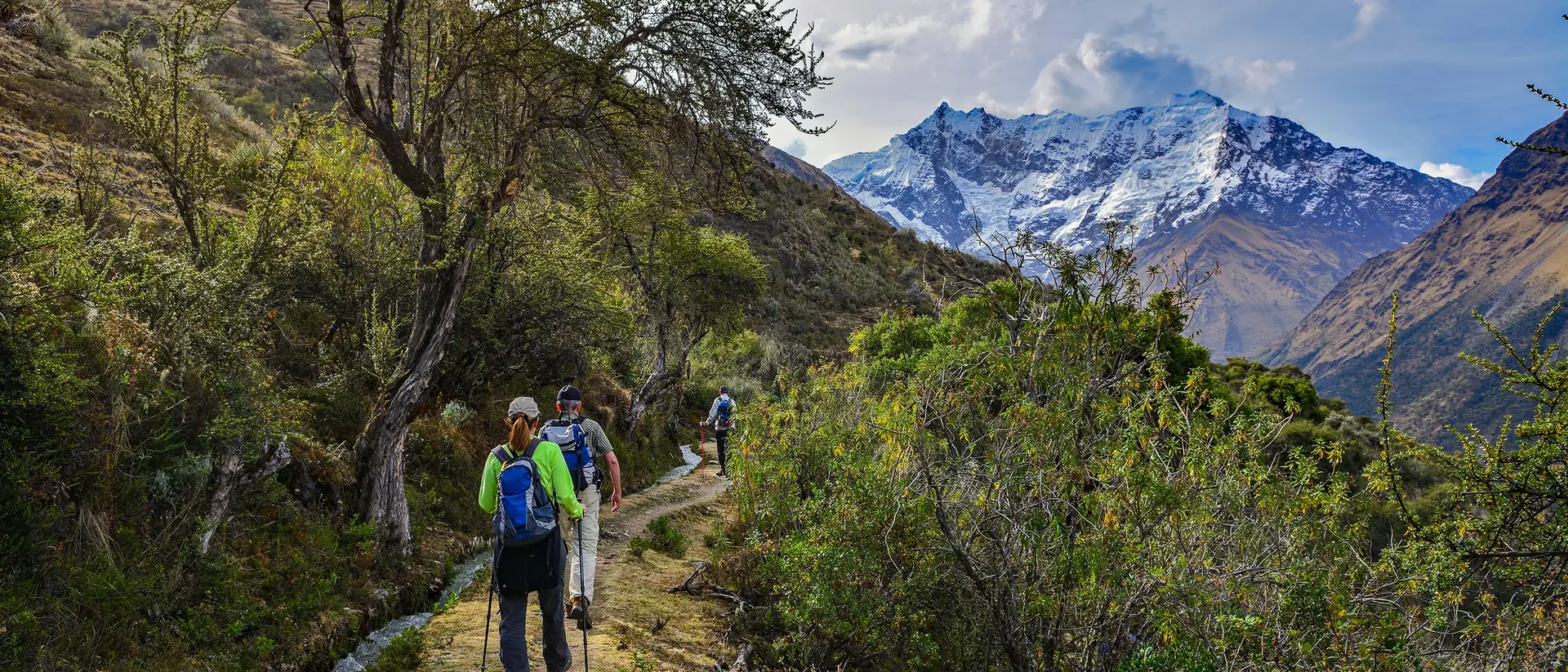
Peru is a year-round destination, but knowing when to travel can make a big difference to your experience. The dry season from May to October is ideal for trekking and exploring the Andes, while the wet season from November to March brings lush landscapes and fewer crowds.
Major festivals like Inti Raymi in June attract large numbers, so book early if you want to join the celebrations.
Destination Specialist Osvaldo Gonzalez advises planning around both weather and altitude changes to ensure a comfortable and well-paced journey. For more insights on timing your trip, visit our guide on when to visit Peru.
Must-Sees for First-Time Travellers to Peru
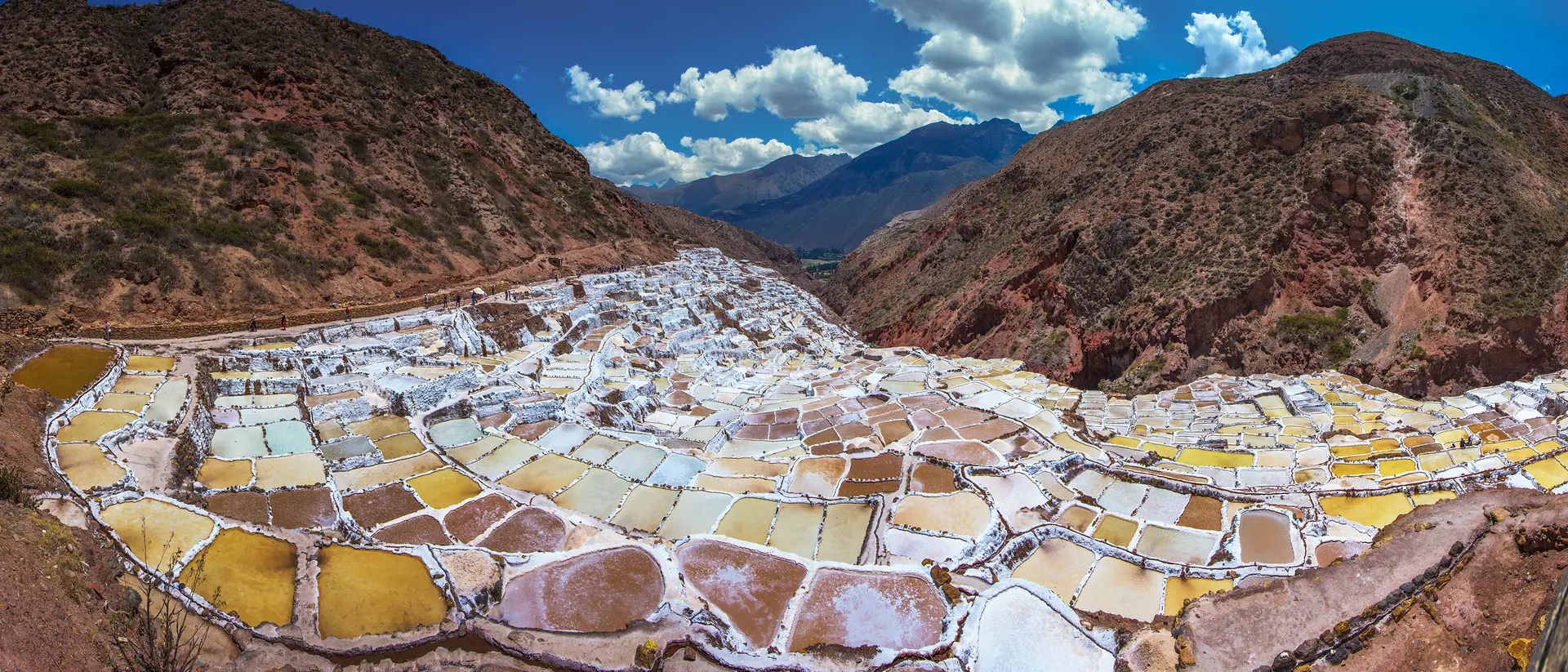
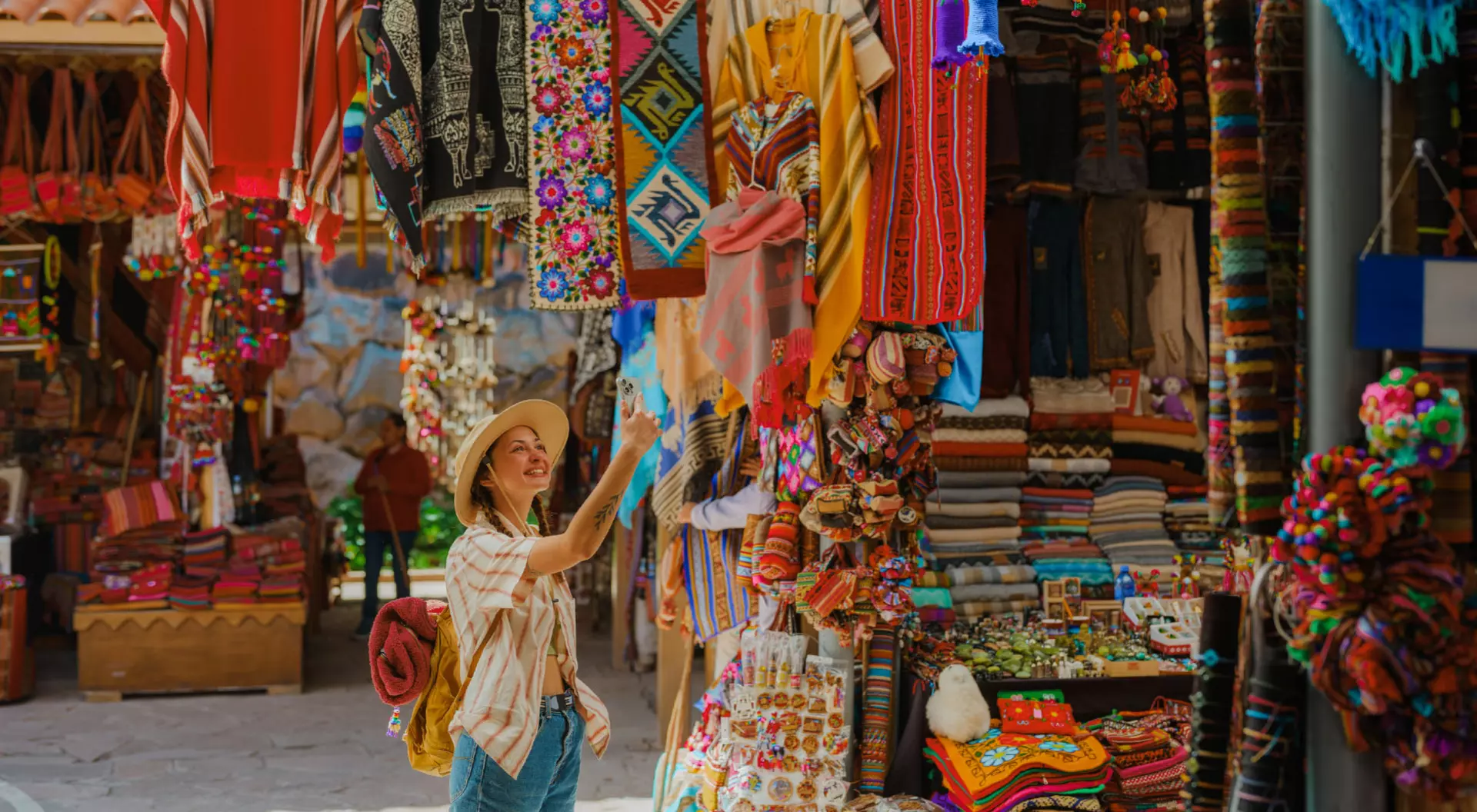
For a first-ever journey to Peru, the classic route is hard to beat. Begin in Lima for its world-class dining scene and well-preserved colonial architecture, then transfer to Cusco, the historic capital of the Inca Empire, before venturing into the Sacred Valley with its terraced hillsides and vibrant markets.
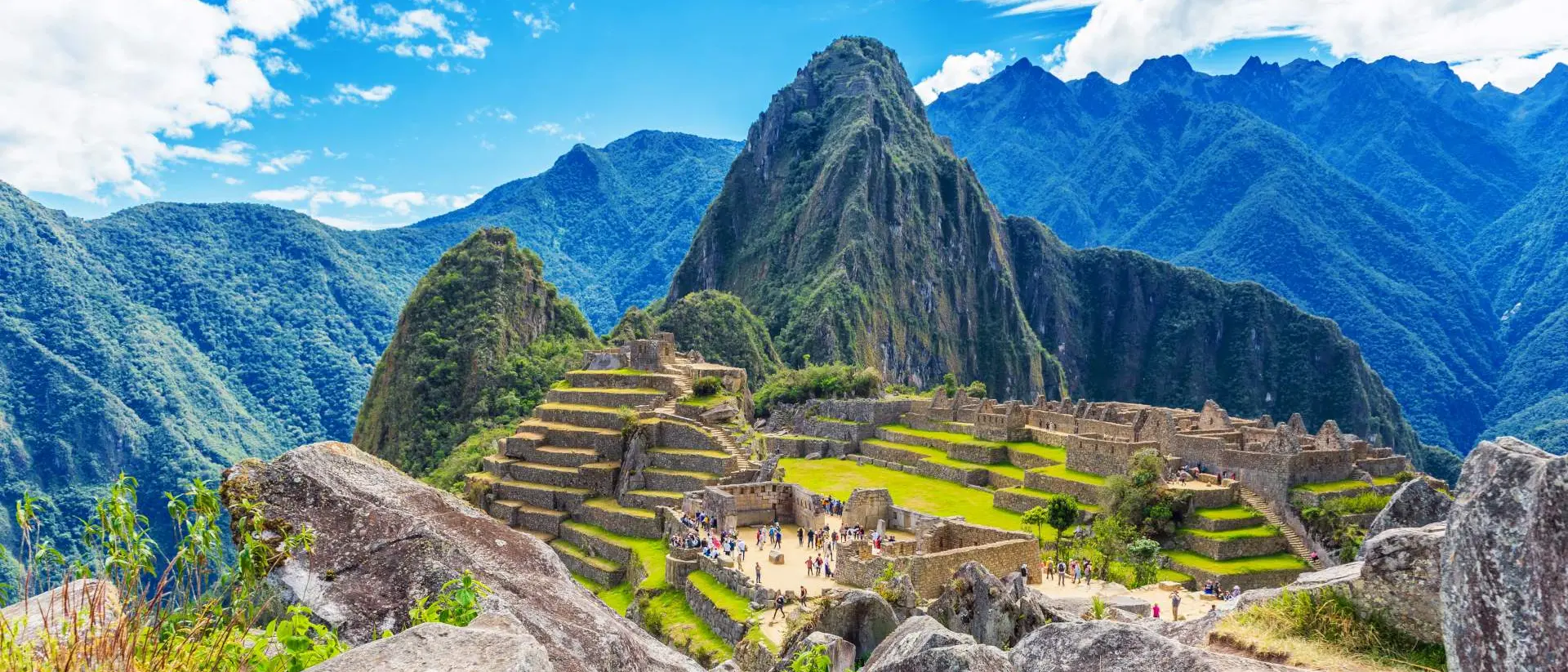
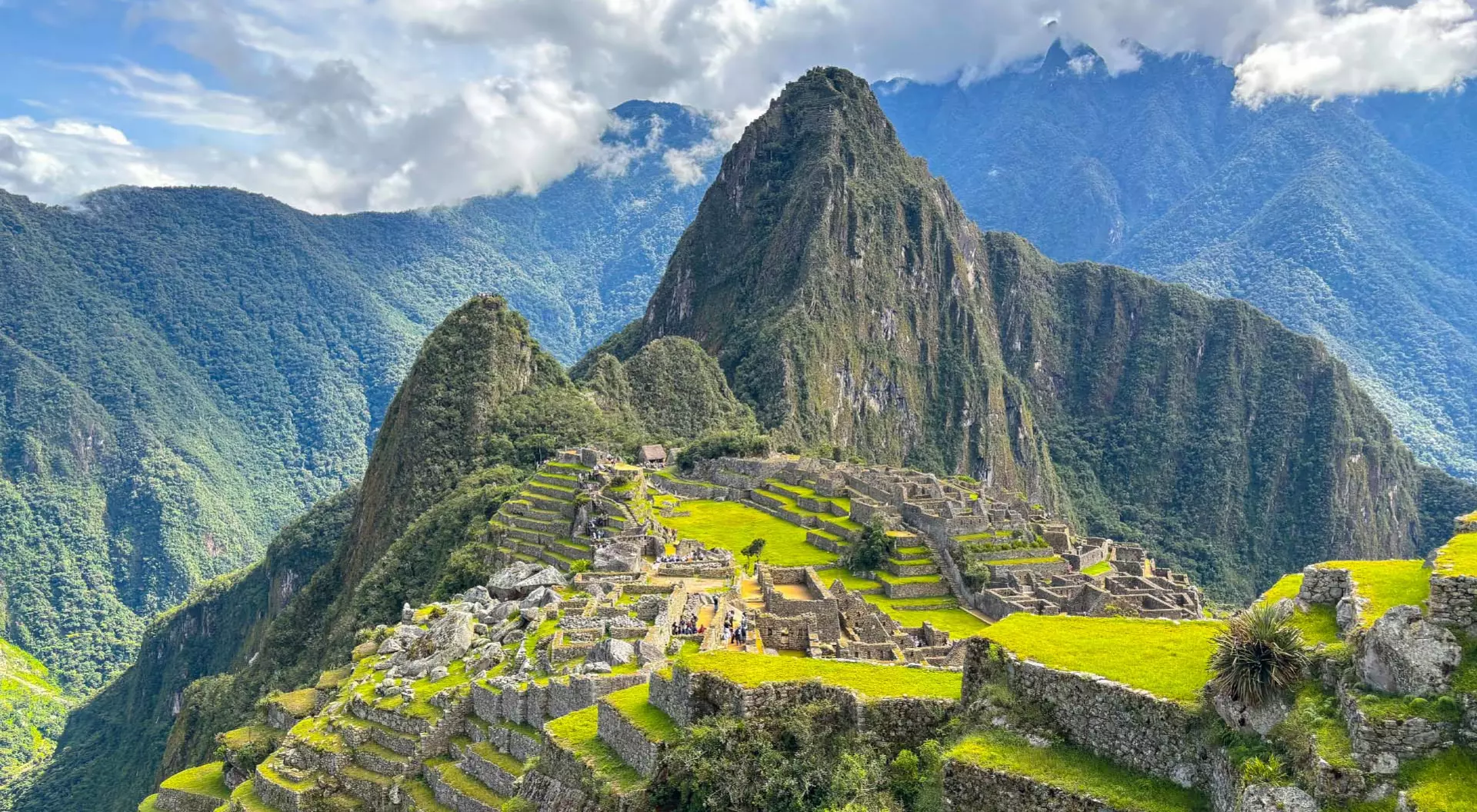
Machu Picchu is the undeniable highlight of this part of Peru, best reached by train or a multi-day trek for spectacular views.
If you have more time, extend your journey to Lake Titicaca, where the floating Uros Islands offer a glimpse into traditional life on the water. “Colca Canyon is also spectacular,” says Destination Specialist Osvaldo Gonzalez. “It’s twice the depth of the Grand Canyon, with incredible condor sightings and natural hot springs that feel like a secret escape.”
As Destination Specialist Osvaldo Gonzalez points out, world-famous Machu Picchu is only the beginning of what Peru has to offer. Explore more with our tailor-made Peru vacations.
Food and Dining in Peru
Peru has one of the most impressive culinary scene's in the world, if not the greatest, with numerous options for vegetarian, vegan, and gluten-free travellers thanks to staples like quinoa, potatoes, corn, and fresh produce from both the highlands and the coast.
In cities such as Lima and Cusco, high-end restaurants and boutique cafés cater to a wide range of dietary needs, while in rural areas, meals often feature traditional recipes made with locally sourced ingredients. Late dining is common in urban areas, while in the highlands, you may find earlier mealtimes. Dining in a local home is a warm and welcoming experience, often marked by generosity and genuine hospitality.
As Destination Specialist Ruth Leonty notes, a traditional cooking class in the Sacred Valley with the Quechua people is a delicious way to immerse yourself in the culture. Learn more in our guide to Peruvian food and drink.
Plan Your Tailor-Made Peru Vacation with Goway
Planning a trip to Peru can be complex, from managing altitude changes to choosing the best season for your itinerary. Goway’s Destination Specialists provide insider knowledge, personalized recommendations, and seamless coordination so you can focus on enjoying the journey.
Whether you want to combine iconic highlights like Machu Picchu with hidden gems such as Colca Canyon or the Barranco neighbourhood in Lima, our experts will ensure your trip matches your interests and travel style.
Plan your tailor-made Peru adventure with Goway and experience the country with the confidence of local insight.
Featured Peru Trip Ideas
Peru Travel PackagesClassic Peru: Lima, Cusco & Machu Picchu
Cusco, Machu Picchu, Sacred Valley, and LimaCook like a Limeño, explore the Sacred Valley, stand twice in awe at Machu Picchu, and lose yourself in Cusco's markets and nightlife. Peru awaits.
10 days
From US$3,510/p.p.
Request a Quote
Essential Peru: Lima, the Sacred Valley & Machu Picchu
Cusco, Machu Picchu, Sacred Valley, and LimaExperience the culture of Lima and the stunning ruins of Machu Picchu on this unforgettable small group adventure through Peru. Discover the legacy of the Incas as you explore the Sacred Valley and beyond.
9 days
From US$2,417/p.p.
Request a Quote
Classic Peru: Lima, Cusco & Machu Picchu
Cusco, Machu Picchu, Sacred Valley, and LimaCook like a Limeño, explore the Sacred Valley, stand twice in awe at Machu Picchu, and lose yourself in Cusco's markets and nightlife. Peru awaits.
10 days
From US$3,510/p.p.
Request a Quote
Essential Peru: Lima, the Sacred Valley & Machu Picchu
Cusco, Machu Picchu, Sacred Valley, and LimaExperience the culture of Lima and the stunning ruins of Machu Picchu on this unforgettable small group adventure through Peru. Discover the legacy of the Incas as you explore the Sacred Valley and beyond.
9 days
From US$2,417/p.p.
Request a Quote
Travel Stories
Get inspired about Your Trip to Peru
Colombia Travel Tips from Goway & CTV Morning Live
Colombia is having a major travel moment, and I had the pleasure of returning to CTV Morning Live in Vancouver to unpack exactly why. Colombia ...
Ask a Travel Expert: Peru
Peru is one of the most famous countries in South America, but not many people know the specifics beyond the alpacas and Incan ruins. To help you lear...
Bussing Down to Rio & Beyond: Goway Goes to Latin America
Like other globetrotter destinations such as Africa and Europe, Goway’s roots in Latin America began in the 1970s. I had started Goway by specializing...
Frequently Asked Questions
Do you need to carry your passport in Peru?
Can I go to Peru without knowing Spanish?
Yes. Many people in the tourism industry speak English, but learning a few basic Spanish phrases will enhance your experience and help you connect with locals.
How do you avoid altitude sickness in Peru?
Ascend gradually, stay hydrated, and rest on your first day at high altitude. Some travellers use coca tea or medication to ease symptoms
What visa requirements should travellers be aware of before visiting Peru?
Most Western passport holders can visit visa-free for up to 183 days. Check your specific entry requirements before travelling.
What local customs and etiquette should visitors respect?
Greet people warmly, dress modestly in religious or rural areas, and ask permission before taking photographs of locals.
How safe and accessible is Peru for luxury travelers?
Peru is safe for luxury travel, with high-end lodges, private tours, and premium transport options available. Use reputable services for peace of mind.
What practical tips enhance the travel experience in Peru?
Book key experiences, trains, and lodges well in advance, especially in peak season. Pack for varying climates and keep small cash bills handy.
What should you stay away from in Peru?
Avoid unlicensed taxis, drinking tap water, and walking alone in unfamiliar areas at night. Stick to trusted services and follow local advice.
Peru Travel Information
Not sure which theme is right for you?
Unlock more by subscribing to our newsletter.
With our newsletter, you’ll get access to regular communications that inspire you and help you explore the world your way.Exclusive Savings
Insider Benefits
Trending Stories
ExcellentBased on 5,289 ReviewsI had a fantastic experience working with Lisa D. on the Goway team. She was helpful, attentive and made sure we were comfortable with our bookings and itinerary before departure, and also checked in with us following our trip. Would definitely book with Goway again!Mandi S.1186952 trip reference - Croatia and Montenegro.
Dear Goway Travel Team!
I wanted to reach out and share some well-deserved praise for Jacqueline, who has assisted me closely with several of my travels. She recently curated a trip for me to Croatia, the beautiful islands, and Montenegro, and it was an absolute home run.
Jacqueline has an incredible ability to listen to her clients' needs and translate them perfectly into a flawless itinerary. Her articulation, guideline execution, and professionalism are unmatched. What sets her apart is her forward-thinking approach—she always knows the exact hotspots and trends, ensuring the pace of the trip matches my speed perfectly.
Everything transitioned seamlessly thanks to her attention to detail and care. She is a massive asset to your organization, and her consideration makes every vacation stress-free. I will absolutely continue to use her for all my future travels.
Kindest regards,
Vince Sacco Vince SaccoWe can’t thank Katherine enough for helping organize our amazing trip to Scotland! Everything came together beautifully, and we were able to enjoy so many incredible places and experiences without the stress of trying to plan it all ourselves. From the accommodations to the itinerary, everything helped make our trip so special. Scotland was absolutely beautiful, and we came home with wonderful memories that will last a lifetime. We would highly recommend Katherine to anyone planning a trip and looking for someone who truly cares about making it a great experience!
Dan & Michelle Yake MichelleAbsolutely incredible trip! From beginning to end! All accommodations were excellent. If you want to experience Safaris this trip will fulfill all your expectations! A special thanks to our driver we had for our entire trip Evans! He made our trip over the top! The Hot air balloon ride in the Masai Mara is a must…it’s breathtaking!Pam SeitzI have worked with Goway several times in the past two years and every single trip has been unforgettable. Specifically, our travel advisor, Maria, has helped us book phenomenal trips to Thailand, Spain, Portugal, Italy, Ireland, and most recently, Iceland. Maria is so wonderful and easy to talk to, but what really stands out is her ability to get to know her clients so she can plan trips that perfectly align with our interests and desires. I cannot recommend her strongly enough! Her expertise, hard-work, and dedication towards each trip has given myself, my family, and friends memories to last a lifetime! Kayla CovelloJamil made our 40th birthday trip to Portugal so so very amazing and special! Great service, fabulous hotels, and wonderful day trips! Lane StricklandKatie was great, planned everything we needed, was great with changes and trip schedule conflicts. Fantastic working with her.CTI have been booking with GoWay for more than 2 years and feel so fortunate to have the best Travel Advisor, Maria Spitman, making our vacations unforgettable. I can’t say enough about Maria… she is personable, efficient, detail-oriented, and extremely knowledgeable about her specialty destinations. We have booked many trips with her, including Thailand, Spain, Portugal, Sicily, Iceland, and our most recent trip in Greece. Maria has not only curated nuanced itineraries, but has done so combining her vast knowledge of each region with our interests and needs being met perfectly. With that, it is evident that Maria learns about her clients to create vacation packages that far exceed expectations. I won’t book with anyone else! GoWay has a gem that is irreplaceable! I highly recommend seeking Maria out for all your destination needs. DarleenGoway has been amazing to work with. Farooq was my agent through Goway and she communicated promptly, planned a great international trip for my clients and was always organized. The trip was flawless to Rome and Malta from beginning to end!Kim KameleskyLisa Dachuk was incredible on organizing my trip. She took the time to know what I wanted and created an experience I will forever be grateful for having.Louise Helie Masters
Verified
Verified
Verified
Verified
Verified
Verified
Verified
Verified
Verified
Verified