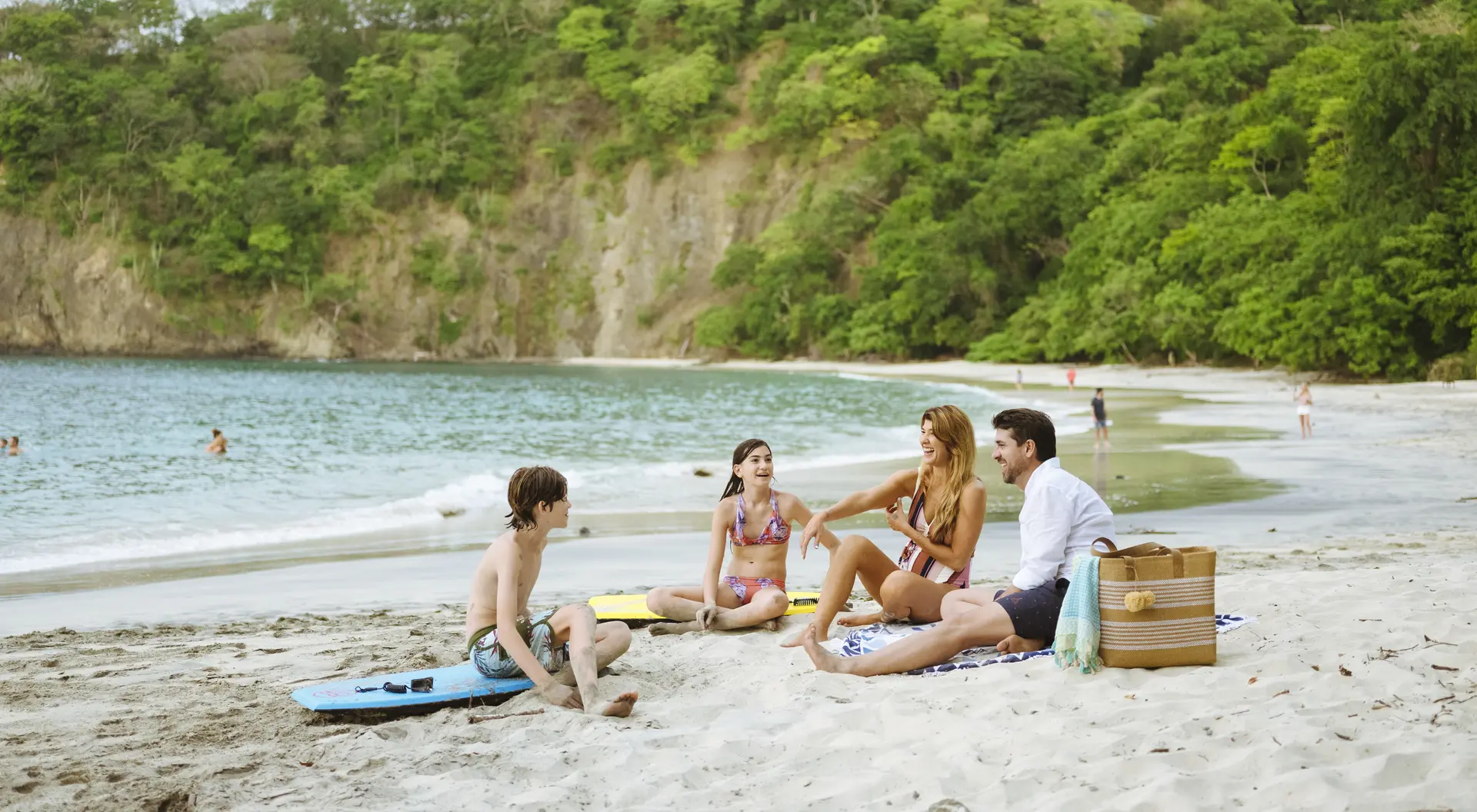


It's the middle of March and the golden sands of Playa Grande, Costa Rica glisten as the sun races towards the horizon. A gentle Pacific Ocean breeze wafts off the ocean as both locals and vacationers escaping winter stroll down the small walkway onto the beach to watch the setting sun. Surfboards dot the sand and families, like my own, sit on towels and blankets as the sun dips. The entire sky casts its twilight glow over the coast as we gather to witness the end of the day.
It's a beautiful sight, a moment of calm that takes you out of yourself and connects you to the earth and the people sharing the sand. It's a small taste of Costa Rica's Pura Vida at the tail end of the dry season, when the sun shares its glories with travellers day after day. However, it would be a mistake to assume this kind of wonder is only available during the dry season. Costa Rica rewards travellers all year long.
Costa Rica's Diverse Seasons & Landscapes
I've been fortunate to visit Costa Rica several times and experience different regions at different times of year. On the Pacific side, the dry season generally runs from December through April, bringing many sunny days, while the green season typically extends from March through November with more frequent rainfall that quenches the parched land. The Caribbean has its own rainfall patterns, and the conditions vary by region, elevation, and microclimate. The conventional wisdom is that the dry season is the best time to visit Costa Rica, but that undersells the nation’s diversity and how dynamic the green season can be.
First, Costa Rica is geographically diverse despite its small landmass. Its Pacific and Caribbean coasts have distinct rainfall patterns. For instance, September and October are relatively drier on parts of the Caribbean coast while the Pacific side experiences some of its wettest weather. As you travel inland and gain elevation, the landscape can shift from the tropical dry forests of northwestern Costa Rica to rainforest and cloud forest, where mist clings to the mountainsides.
Second, the green and dry seasons each offer distinct and appealing experiences—one is not inherently better than the other. It's true that the commonly sunny days of the dry season are attractive to beachgoers. For instance, it can be a great time to learn to surf in Guanacaste on the Nicoya Peninsula—Playa Santa Teresa is a popular surf spot. The green season, meanwhile, brings lush landscapes, vibrant greenery, and abundant wildlife.
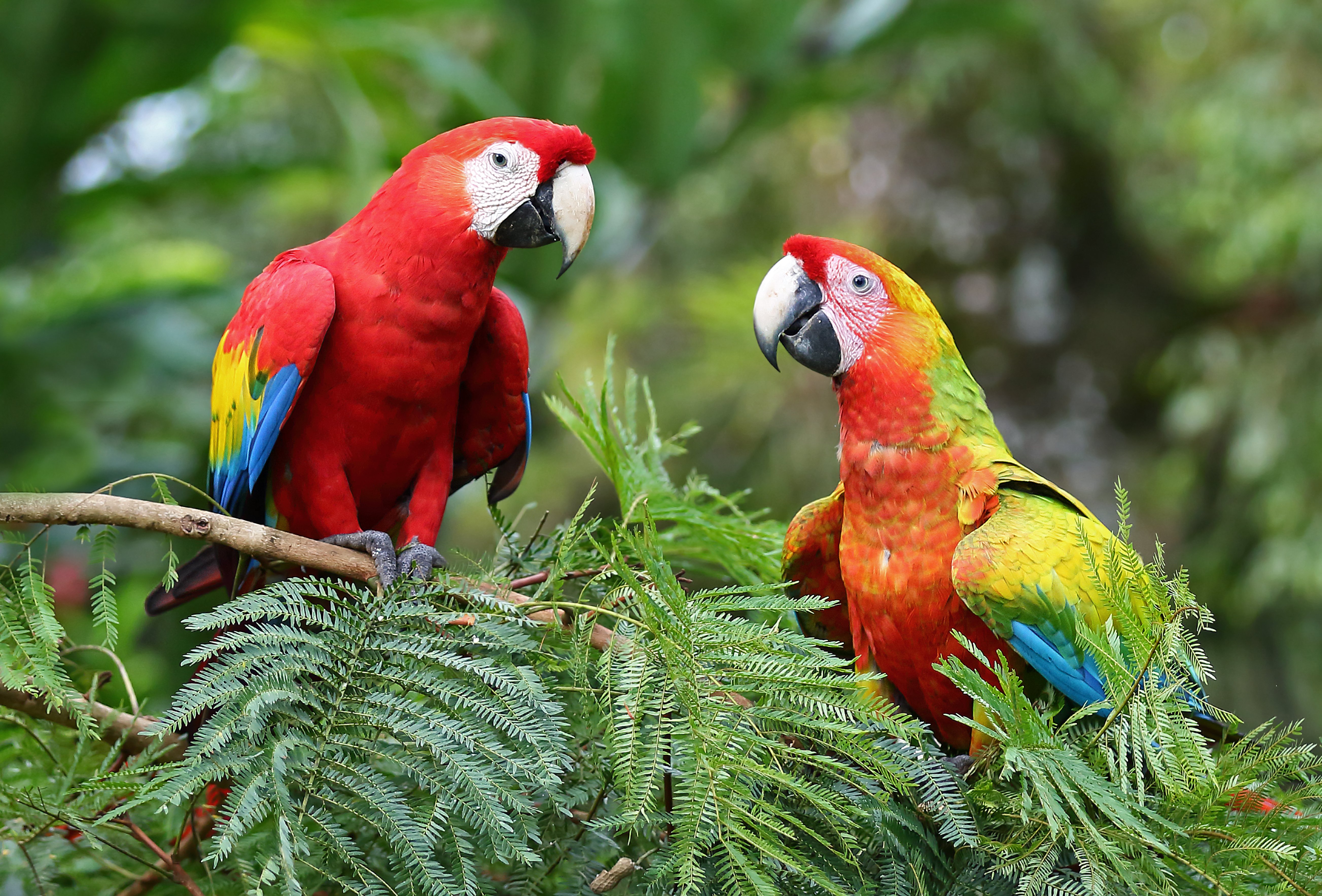
As an avid birder, I'm drawn to the periods when migratory birds move through Costa Rica. Its location along major migration routes going north and south means resident species may be joined seasonally by birds migrating from both North and South America. This unique position explains why Costa Rica positively bursts with colourful birdlife. It's another example of just how dynamic Costa Rica is throughout the year.
Top Things to Do in Costa Rica in the Dry Season
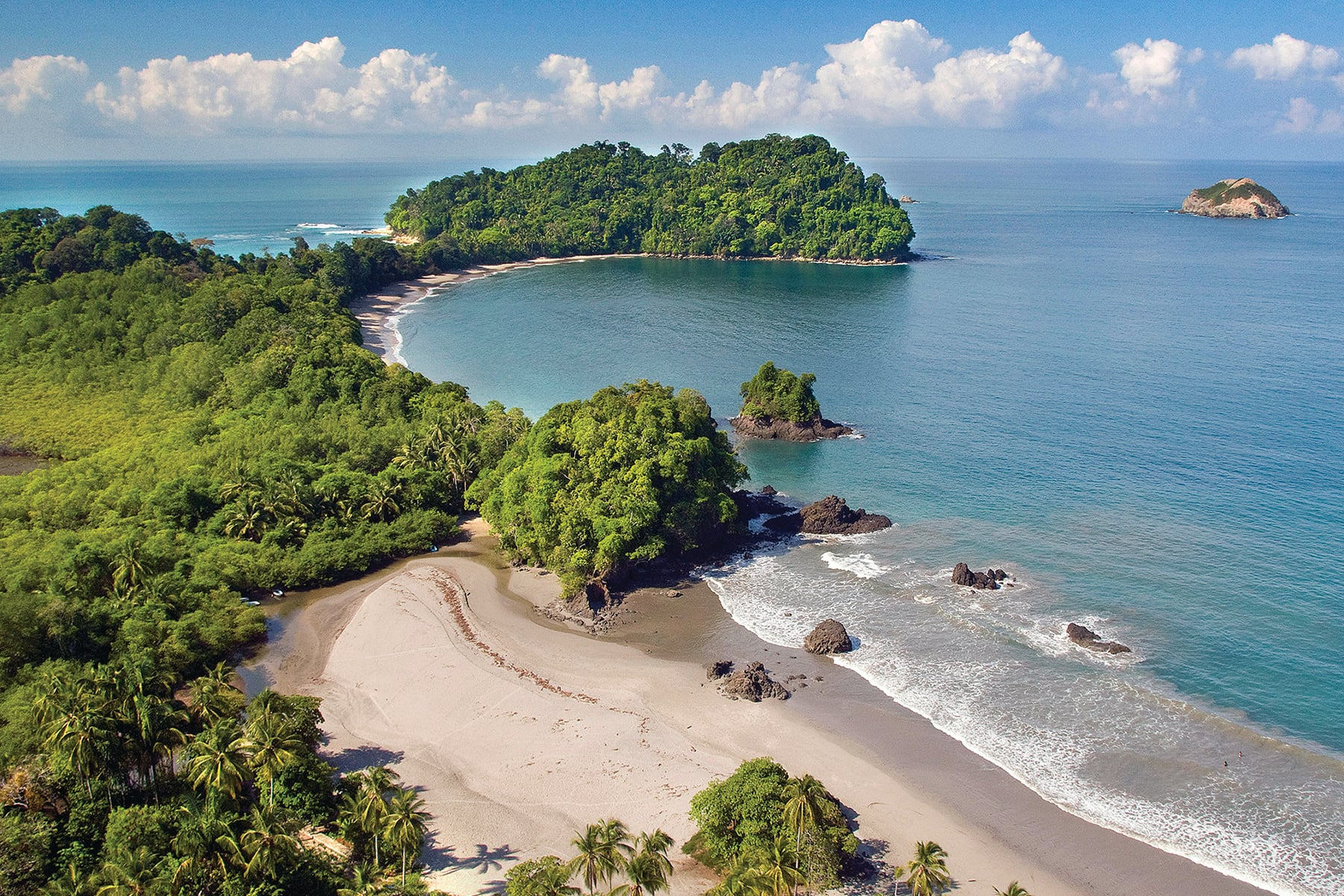
The dry season, generally from December to April on the Pacific side, often offers favourable conditions to explore outdoors. That said, it can get very warm, so do as the Ticos do: slow your pace during midday, stay hydrated, and use sun protection. A beach day at Playa Conchal or Manuel Antonio National Park can be exceptional, but don't overdo it in the sun. And don’t feel limited to the country’s best-known destinations, such as Arenal or the Pacific beaches of Guanacaste. Expand your horizons and discover places that align with your interests. The following are some of our top recommendations for this time of year.
Go to the beach on the Pacific coast.
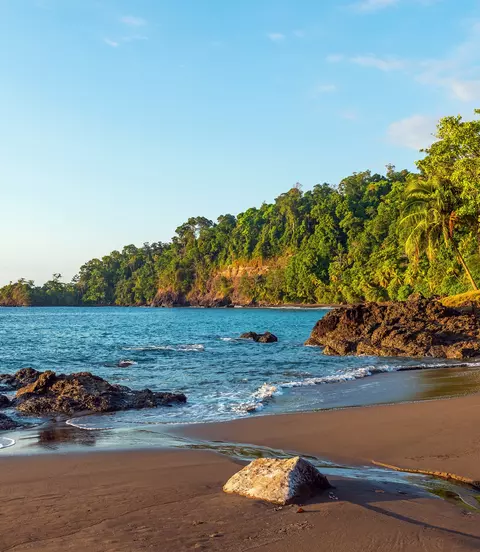
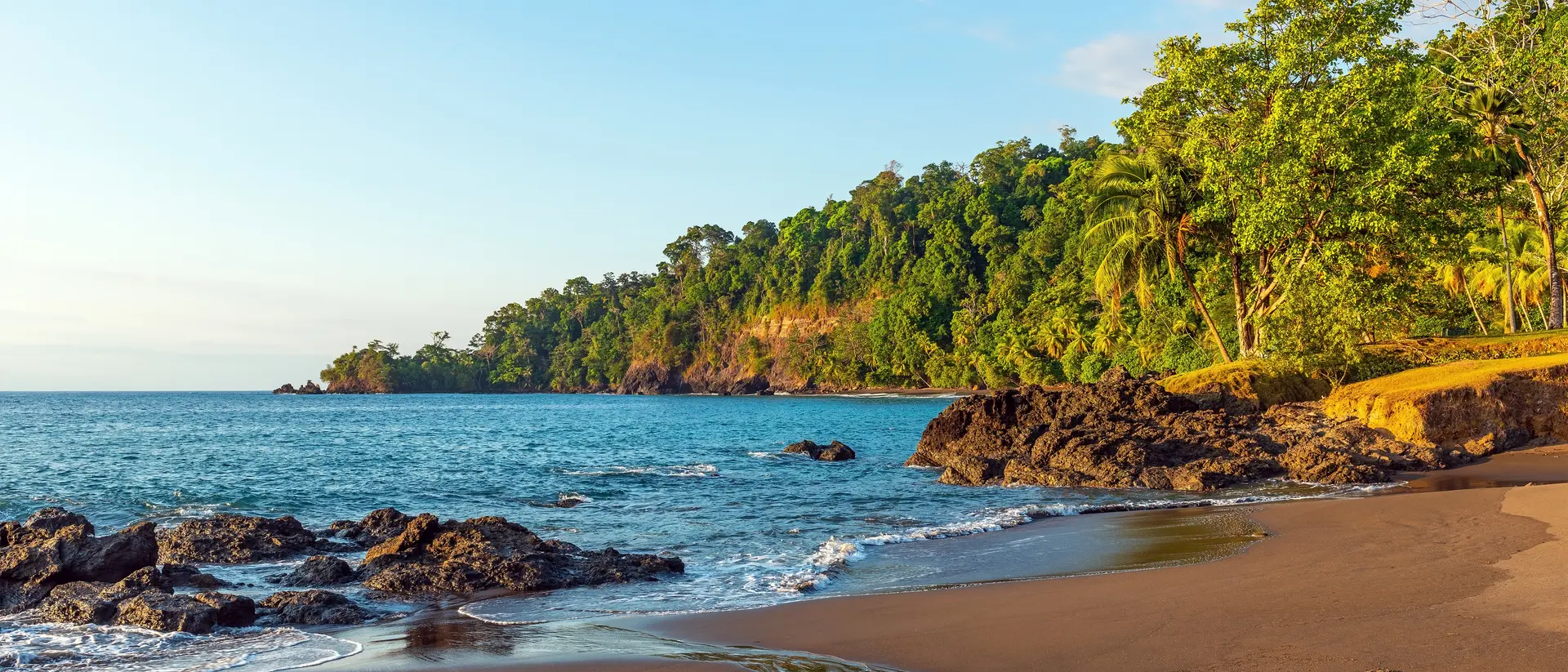
Costa Rica's dry season is a popular time for a Pacific beach vacation. Choose from spectacular beaches in Guanacaste on the Nicoya Peninsula, around Manuel Antonio on the Central Pacific coast, or southern beaches on the Osa Peninsula for generally hot days with clear skies and great waves. This is a popular time of year to surf, but you don’t have to be a surfer to enjoy the beach. Several beaches deserve a visit for the scenery alone, including Playa Conchal, known for sand formed largely from tiny shell fragments polished by the ways over the years.
Explore a volcanic landscape.
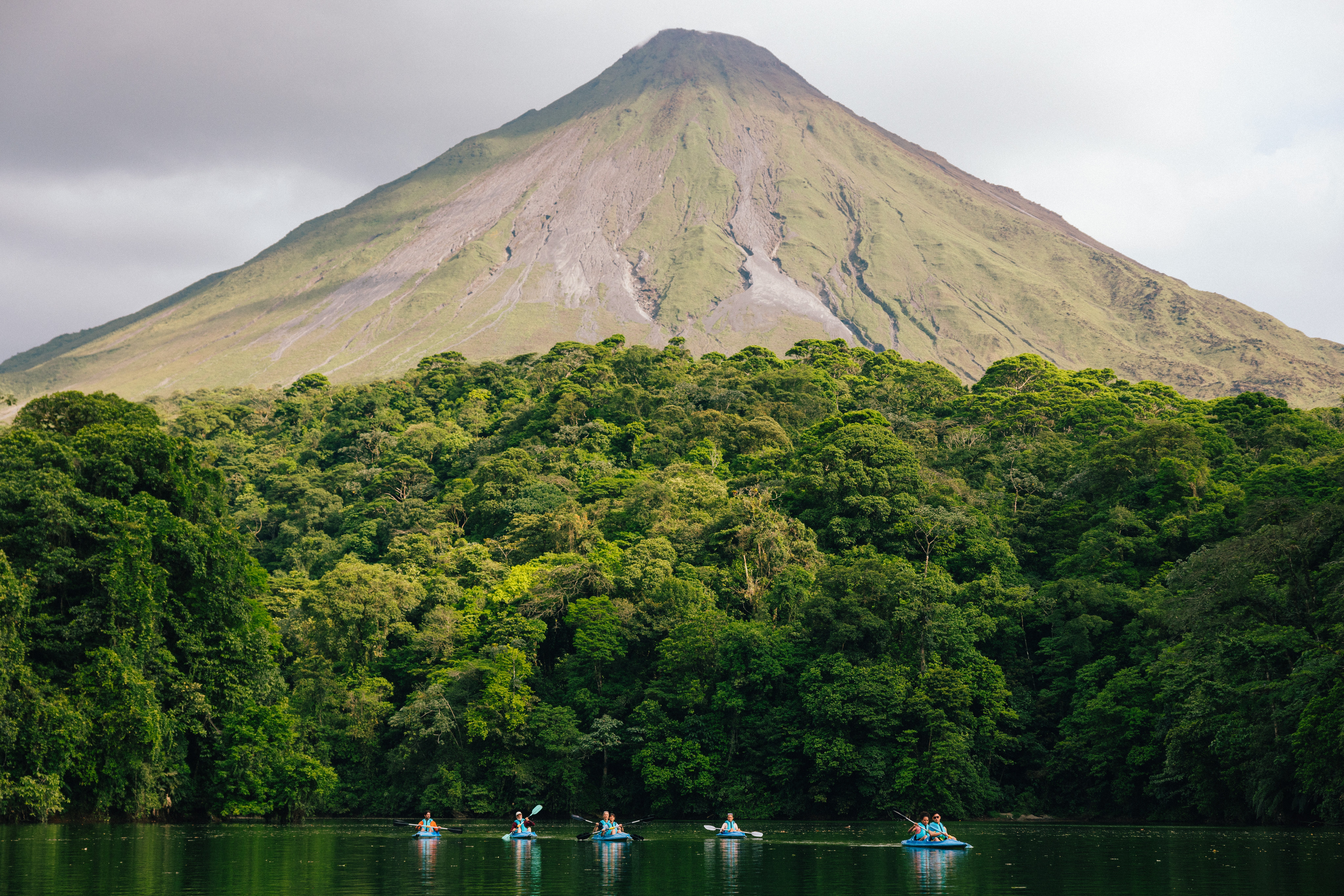
Costa Rica is home to five active volcanoes and striking volcanic ranges. Drier conditions can make some trails easier to navigate, but visibility and access vary by park, weather, and volcanic activity, so always check current conditions and follow official guidance. Arenal is one of the country’s most recognizable volcanoes, near La Fortuna in the Northern Plains. Rincón de la Vieja National Park near Liberia offers trails through a beautiful landscape shaped by volcanic activity.
Go birding in the forest.
Birdwatching is rewarding year-round, and seasonal conditions influence which resident and migratory species you may encounter. That said, the dry season is appealing for drier outdoor conditions and sparser canopies near the Pacific coast. Depending on where you visit, you might spot motmots or trogons in Guanacaste or scarlet macaws on the Central Pacific coast or Osa Peninsula, which features the most densely populated area of scarlet macaws in the world. With patience and a knowledgeable guide, you can also spot a resplendent quetzal in the Monteverde region or San Gerardo de Dota in the Savegre Valley.
Top advantage of visiting in the dry season: more predictable road conditions.
Renting a car in Costa Rica offers a lot of flexibility, even if road conditions vary widely. During the dry season, fewer heavy rainstorms may make some unpaved routes easier to navigate. Choose a vehicle suited to your route, avoid driving unfamiliar roads after dark (where possible), and check conditions locally before setting out for national parks or less-visited beaches. While road trips in Costa Rica are more manageable than in many other parts of the world, the varying road conditions (potholes, single lane bridges), winding and narrow roads, occasional wildlife, and intermittent heavy traffic can make it challenging for drivers, even those with considerable experience.
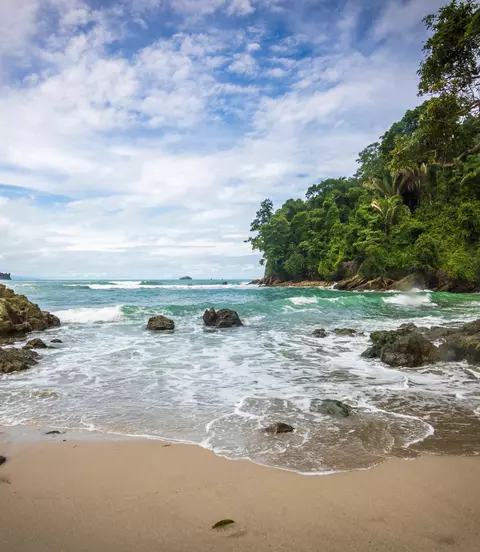

Highlights of Costa Rica: Rainforest & Coast
Thrill and chill on this Private-guided Costa Rica journey, with ziplining, whitewater rafting, and rainforest walks from Arenal’s peaks to Pacific shores.
Top Things to Do in the Green Season in Costa Rica
Go wildlife viewing.
Wildlife viewing can be rewarding throughout the year, but the green season brings flourishing habitats that are perfect for wildlife. Look for two- and three-toed sloths in the forests of the Northern Plains, howler monkeys in the tree canopies around Manuel Antonio, and an incredible range of marine wildlife on responsible boat excursions in appropriate coastal areas. For exceptional biodiversity, visit Corcovado National Park on the Osa Peninsula in the nation’s south with an authorized guide. Jaguars live in this protected landscape, but are extremely elusive, so don’t expect sightings.
Responsibly observe nesting sea turtles.
Tortuguero National Park on the Caribbean coast is one of Costa Rica’s best-known places to observe nesting green sea turtles, particularly from July to October. Leatherback turtles may also nest in the wider Caribbean region from March into the early summer, while the observation season near Las Baules Marine National Park, including Playa Grande, generally runs from late October to mid-February. Olive Ridley turtles nest year-round at Ostional, with the largest arribadas generally occurring during the green season. Seasons and access rules can change, so arrange visits through authorized guides and follow all conservation requirements.
Go whitewater rafting or visit waterfalls.
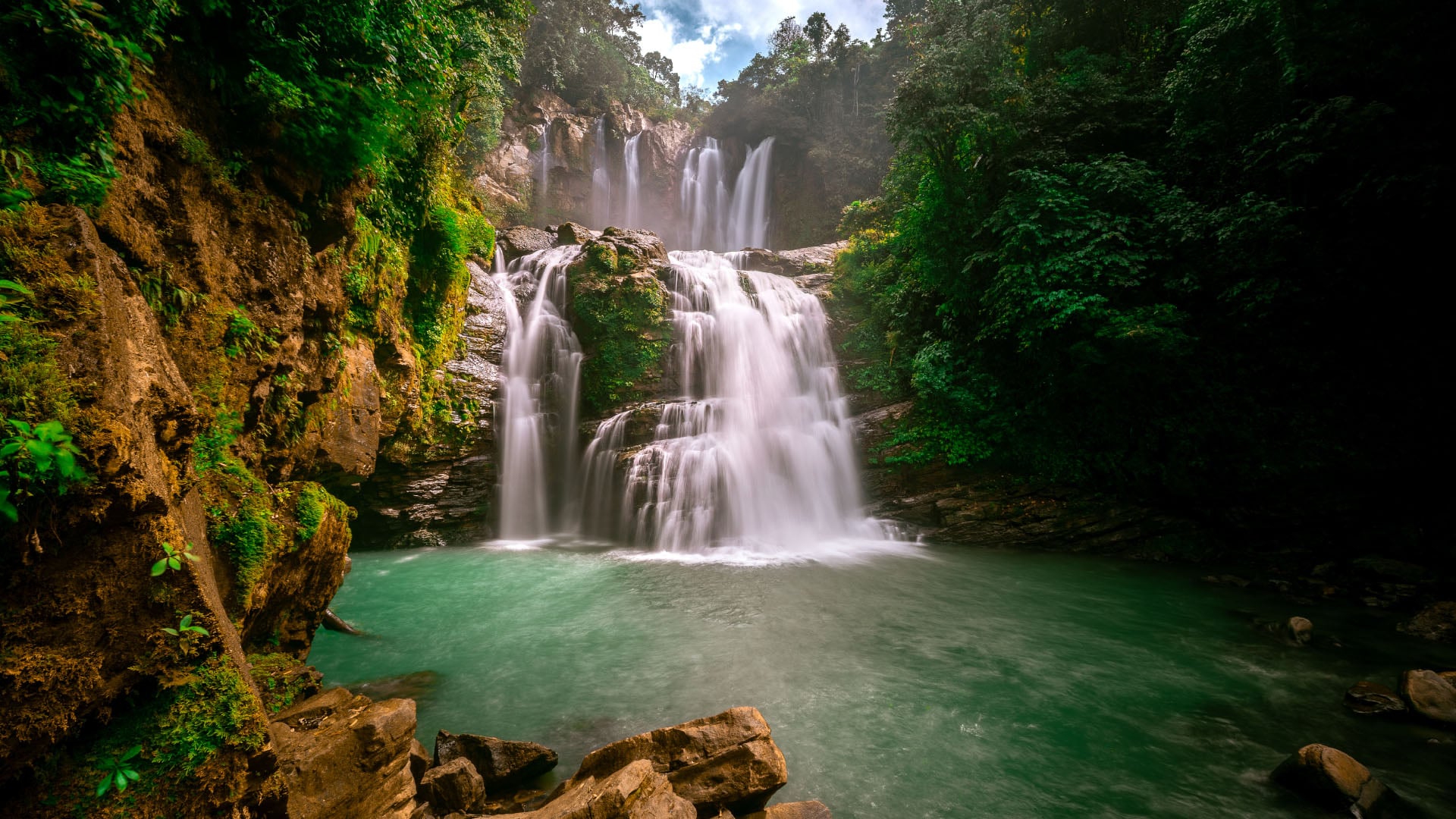
Green season rainfall can make waterfalls especially dramatic and create exciting rafting conditions, though tours remain subject to weather, river levels, and operator safety decisions. La Fortuna Waterfall is a popular and accessible option, while Nauyaca Waterfalls near Dominical and the waterfalls around Bajos del Toro in the Central Highlands also deserve attention. Depending on conditions and experience levels, travellers can consider professionally guided rafting on rivers such as Pacuare, Sarapiquí, or Naranjo.
Top advantage of visiting in the green season: affordability and fewer crowds.
It's no secret that Costa Rica is hugely popular with North American travellers during the winter months. Travelling in parts of the green season may offer lower accommodation or tour rates and greater availability, although prices vary by region and holiday period. You may also encounter fewer visitors at some attractions while enjoying the country’s landscapes at their greenest.
Wild Luxury: Arenal, Manuel Antonio & the Osa
Private-guided journey through Costa Rica, from Tabacon’s thermal springs to Playa Cativo’s wild coast, where rainforest, wildlife, and slow adventure intertwine.
Things to Keep in Mind on a Trip to Costa Rica
When is the best time to visit Costa Rica?
There is no single best time. On the Pacific side, the dry season may suit travellers prioritizing beach days and more predictable road conditions, while the green season rewards visitors with lush landscapes and potentially fewer crowds. The Caribbean follows a different rainfall pattern, so choose timing based on the specific regions and experiences you want.
Does it rain all day in the green season?
Not necessarily. On much of the Pacific side, rain often arrives in the afternoon or early evening, but patterns vary by region and prolonged rainfall is possible, especially during the wettest periods. In fact, the intermittent rain throughout the day can often be a huge relief, helping you cool off from the heat or a day of activities. Plan outdoor activities early, pack rain gear, and keep your itinerary flexible.
Where should first-time visitors go in Costa Rica?
Arenal, Monteverde, and Manuel Antonio are popular introductory destinations. Together, they offer a range of environments, from volcanic landscapes and cloud forest to beaches and rainforest. Guanacaste and the Nicoya Peninsula are also popular for beach vacations.
Where should people go for a return visit?
Explore beyond the most popular regions. Consider the Caribbean coast, including Tortuguero National Park, or venture south to the Osa Peninsula and Corcovado National Park for an immersive nature-focused adventure.
Do I need a rental car in Costa Rica?
Not necessarily. Shared or private transfers can connect many accommodations and tourism areas, while a rental car offers greater flexibility. If you plan to explore independently, research your route, travel times, and road conditions in advance, and confirm whether your itinerary calls for a higher-clearance or four-wheel-drive vehicle. With incredible tourism infrastructure facilitating private and shared transfers, the best way to experience Costa Rica is on a curated, customized vacation. Leave concerns about travel times, road conditions, directions, and interruptions at home and trade them in for taking in the sights and sounds of this dramatically biodiverse and beautiful country.

You might say that Aren was destined to become a globetrotter after his family took him to Germany two times before he was four. If that wasn’t enough, a term spent in Sweden as a young teenager and a trek across Vietnam, Cambodia, and Thailand confirmed that destiny. An independent writer, director, and film critic, Aren has travelled across Africa, Asia, Central America, Europe, the Middle East, and South America. His favourite travel experience was visiting the major cities of Japan’s largest island, Honshu, but his love for food, drink, and film will take him anywhere that boasts great art and culture.