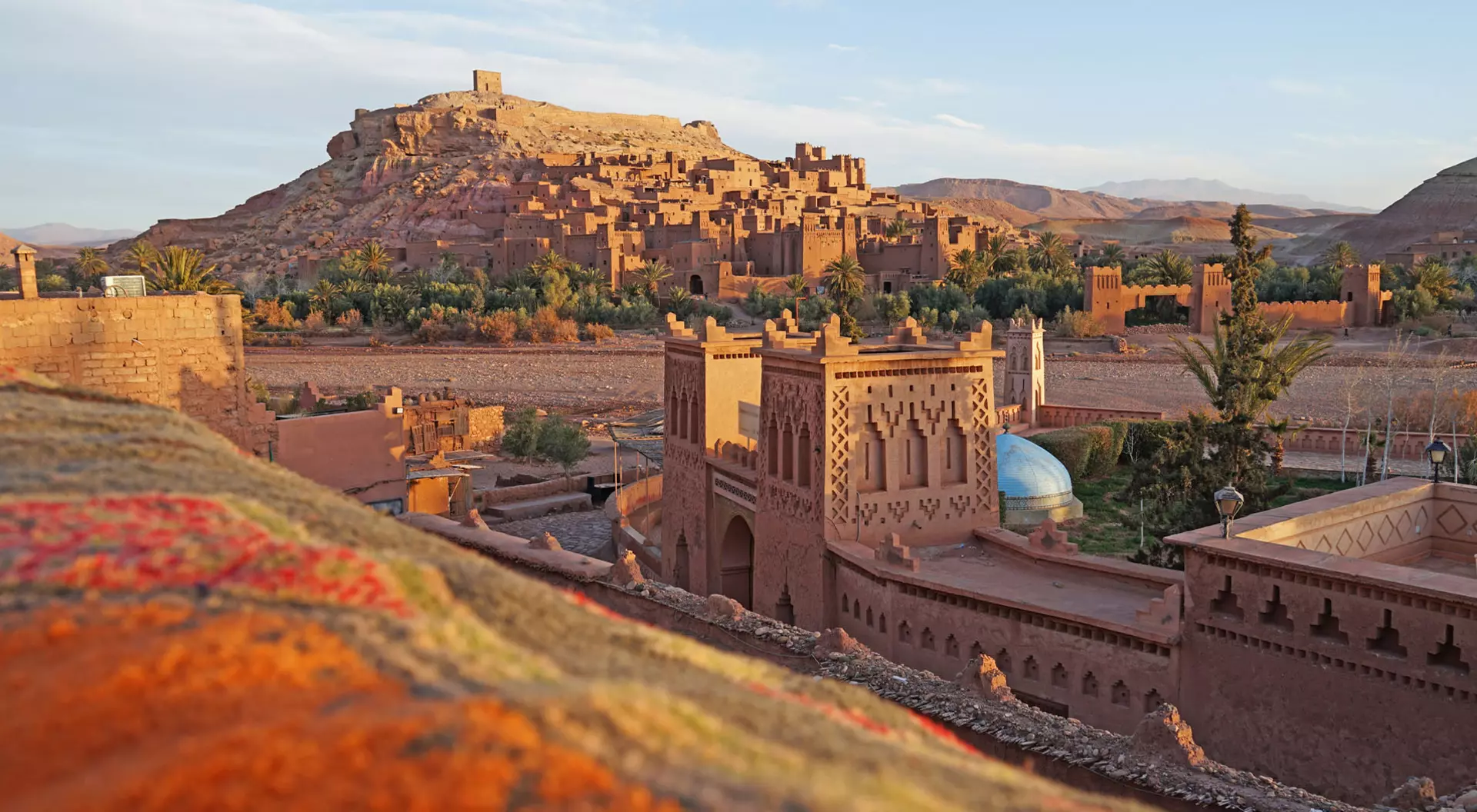


No country touches the senses quite like Morocco. Rounding Africa’s northwest tip just 9 miles / 15 kilometres across the Strait of Gibraltar from Spain, Morocco calls to a special kind of globetrotter drawn by artistry, crafts built on centuries of fine tradition, and experiences that seamlessly blend aesthetics with adventure.
From grand, imperial cities to historic Atlantic ports and the photogenic Atlas Mountains, Morocco surprises with each new destination, and perhaps most famously, in the medinas and kasbahs of cities like Fez and Marrakesh. Tangiers was a favoured port of inspiration for the Beat poets of the 60s, and it remains a popular destination today. But to really appreciate Morocco, you’ll want a minimum of eight days for a taste of the country, or two weeks for a full Morocco vacation.
The Imperial Cities: Historic Pillars of a Morocco vacation.
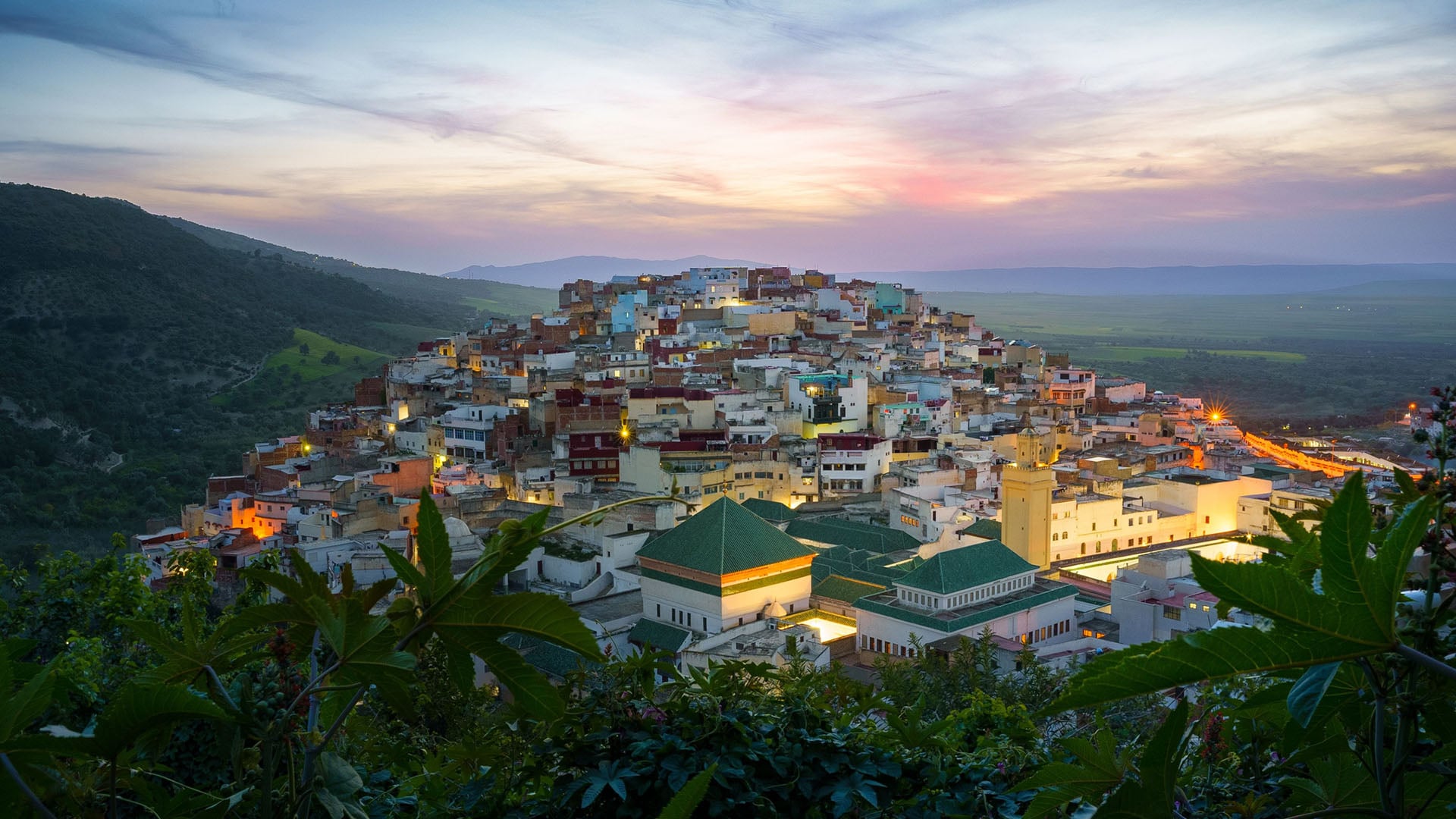
Trips to Morocco are often built around four key destinations—Meknès, Fez, Rabat, and Marrakesh. That’s not coincidence or a ‘tourist trail,’ it’s Moroccan history 101. These are the four historic imperial capitals of Morocco, each preserving a vital piece of its history and cultural legacy.
Just up the coast from bustling Casablanca, Rabat is Morocco’s modern-day capital, offering a wide range of museums and cultural attractions with highlights ranging from the historic Kasbah de Oudayas to sleek Mohammed VI Tower, Morocco’s tallest building. Don’t miss Hassan Tower either, the sister structure to Seville’s Giralda, and a centrepiece of what was intended to be the world’s largest mosque, though it was never finished.
A little further inland, Meknès greets visitors to the Imperial Palace via the Bab Mansour Gate, a masterwork of marble and mosaic tiles. Completed in the early 18th century, it also incorporates Roman architectural elements, paying a nod to the area’s past as a western outpost for the mighty empire. If this history interests you, visit the nearby ancient Roman city of Volubilis, where intricate mosaics stand out among the 3rd century ruins.
Timeless, elegant tradition in Fez.
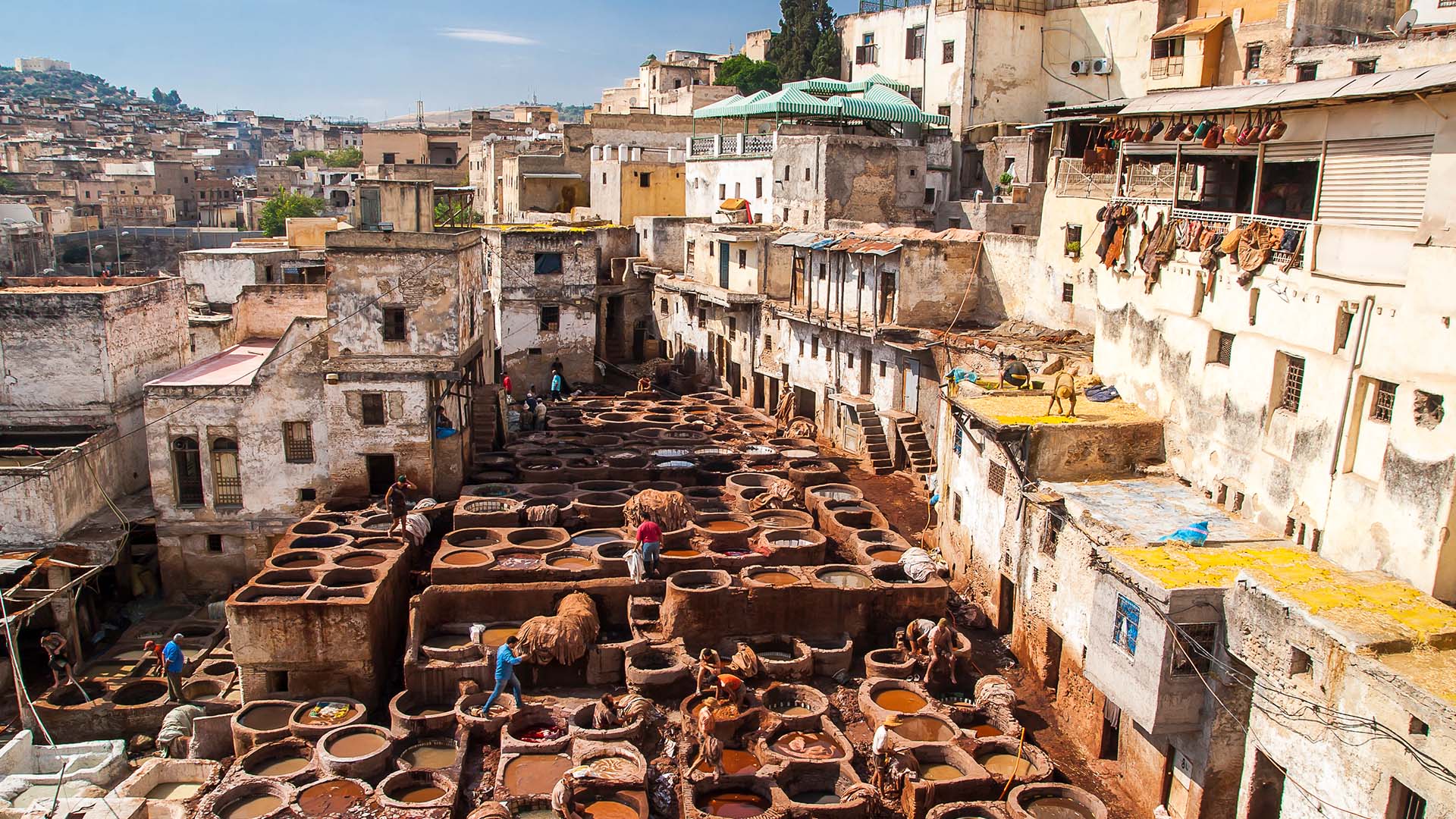
Even with limited time, no first visit to Morocco should miss Fez. Serving as Morocco’s capital as far back as the 9th century, Fez is today Morocco’s third largest city, and its medina is a labyrinth of fine craftsmanship and fabled legend. Also known as Fes al Bali, this UNESCO World Heritage listed wonder is one of the world’s most extensive and best-preserved medinas, and the world’s largest car-free urban area by population. Having a knowledgeable guide makes all the difference when it comes to finding the highlights of this Arab-Andalusian marvel. Not that the medina doesn’t reward aimless exploration (be sure to allow time to get lost), but you’ll want to hear the stories behind historic mosques like green-tiled Chrabliyine and restored fondouks (a form of inn) including Staounyine.
Brace yourself for the fragrant assault of the famous tanneries, then sooth your traumatized nose with an invigorating and colourful walk through the spice souk, culminating in a refreshing cup of mint tea (probably while a vendor shows you their ware). You can even do a pottery workshop to try your hand at throwing clay using centuries-old Moroccan techniques. The Museum of Woods, Arts & Crafts at Place an-Nejjarine offers a chance to recharge surrounded by some of Fez’s finest creations. Outside the medina, enjoy the green spaces of Jnane S’bile Gardens, admire the enormous golden doors of the Royal Palace and explore the fascinating Jewish Quarter. Fez is also home to Al-Karouine University, the world’s oldest continuously operating university, established in 859 (notably by a woman, Fatima al-Fihri) as a madrasa, or centre of Islamic learning which taught law, religion, Arabic and other scholarly disciplines.
Find your muse in Marrakesh.
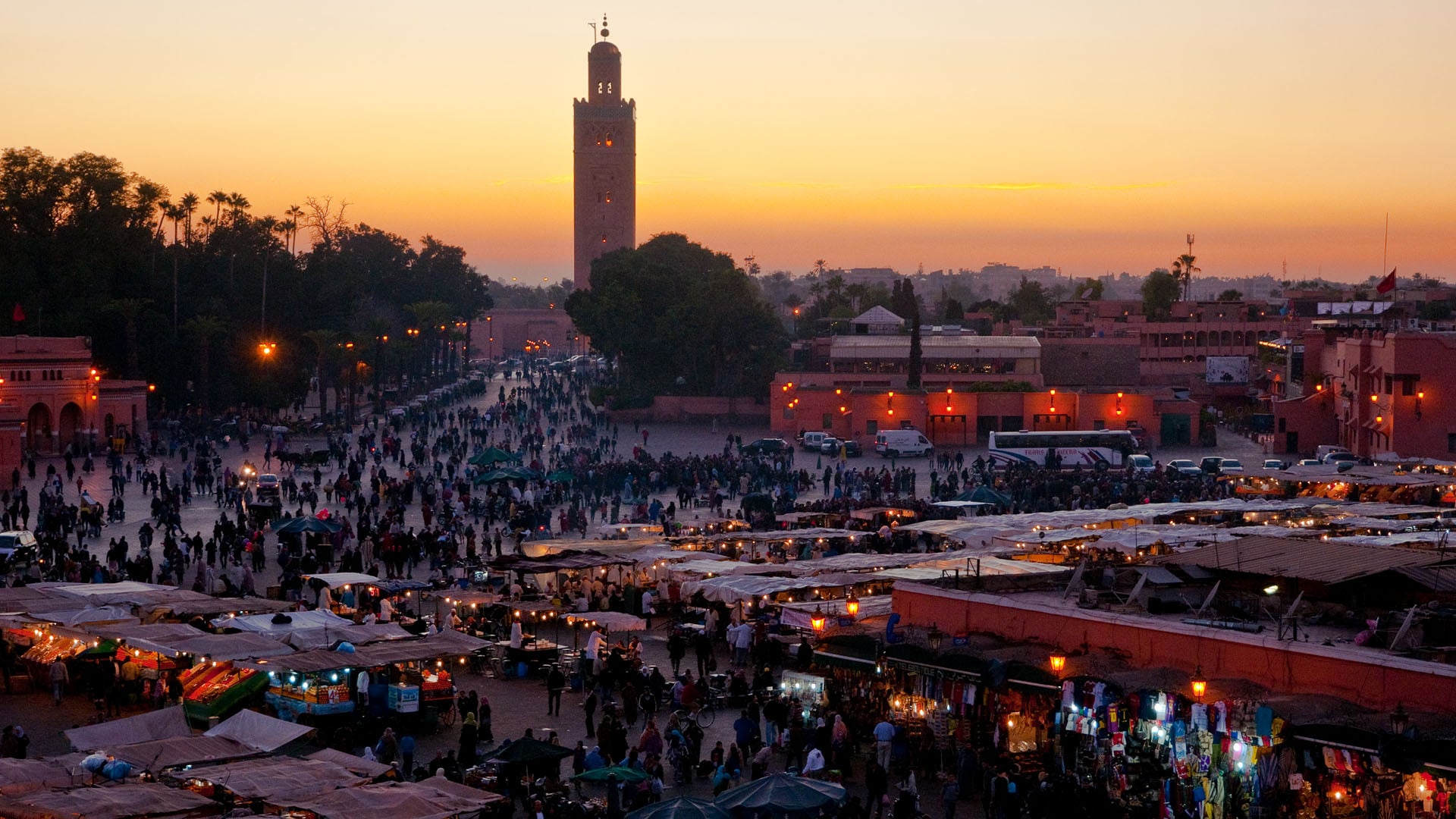
Marrakesh took the imperial crown in the 11th century, then again in the 16th. That past lives on at the El Badi Palace, and in a more contemporary form at Jemaa el-Fna. Listed as a UNESCO World Heritage Site, this colourful public square captures everything you ever imagined Morocco to be with varying degrees of authenticity. Again, consider hiring a guide here to steer you clear of the tourist traps. There’s plenty of authentic artistic and cultural treasure to be found in Marrakesh. After a long day (or three) of discovery, book into a traditional hammam to rejuvenate with a full body scrub, masque or massage. These hammams are as much a social hub as they are a restorative health routine, and it’s common for locals to share hammam day with friends or family.
French designer Yves Saint-Laurent loved Marrakesh so much he made a home at Jardin Majorelle, today a botanical garden. Right next door, you can see hundreds of garments spanning his four-decade career at the stylish Musée Yves Saint-Laurent. More homegrown Moroccan culture awaits at Bahia Palace, the Maison de la Photographie, or the galleries of Gueliz, the ‘New Town’ of Marrakesh. Spend a day exploring the city’s creative energy from its traditional arts to cutting-edge design in the Sidi Ghanem district just outside town, and you’ll soon see why the city captured Saint-Laurent’s heart.
Eat, drink, and be merry the Moroccan way.
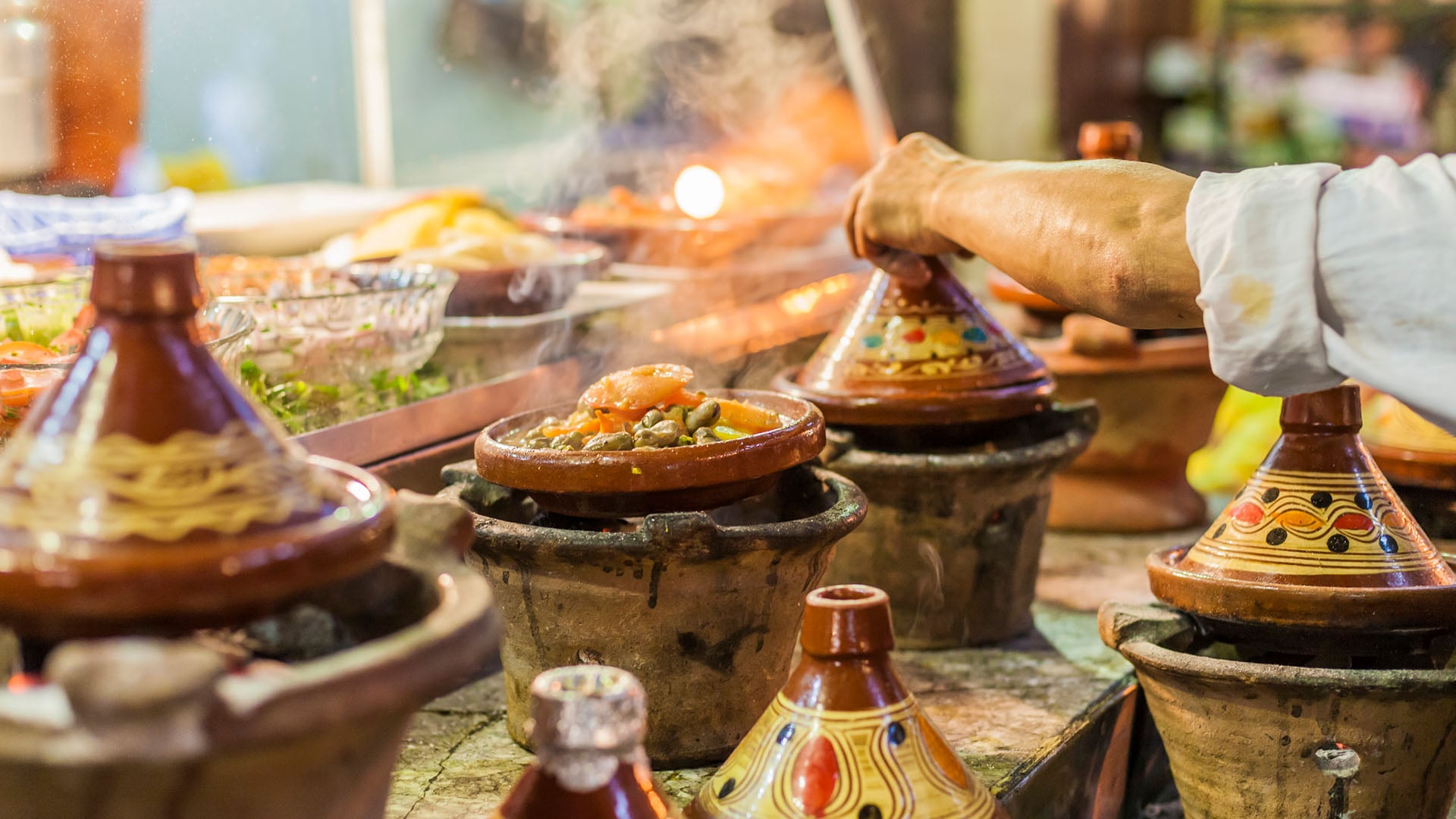
Hospitality is as much an art form in Morocco as any, so it’s no surprise the country’s cuisine has earned a prestigious spot at the international table. If you don’t try at least one cooking class during your Morocco vacation, you’re missing out. The masters of its kitchens have perfected a delicate balance of spices and flavours unique to Morocco over centuries, which manifest in every dish, from flavoursome tajine to the cutting-edge tasting menus of Marrakesh.
The Amazigh communities—once known as ‘Berbers’—of the High Atlas Mountains have their own traditions of hospitality. A visit to an Amazigh market isn’t for the faint of heart, but a meal shared with those who know how to navigate one is an experience not to be missed. Fresh tea poured at arms length signals the beginning of a meal deeply rooted in community. Bread is a substitute for cutlery and the only way to truly enjoy tagine. Meanwhile, music and song play just as significant a role, and it’s not unusual for several generations to get involved.
An Islamic country on the edge of the world’s largest desert, you might not associate Morocco with fine wine at first. But the country was a major wine producer throughout the first half of the 20th century, and that industry has made a comeback in recent decades, taking advantage of one of North Africa’s best terroirs for viticulture. You’ll find wine regions across Morocco, particularly around Meknès and other Atlantic- and Atlas-influenced areas. Morocco is also known for its vin gris, a very pale, dry rosé made from red grapes with minimal skin contact, and Taferielt, a rare grape variety of Moroccan origin.
Other standout Morocco destinations.
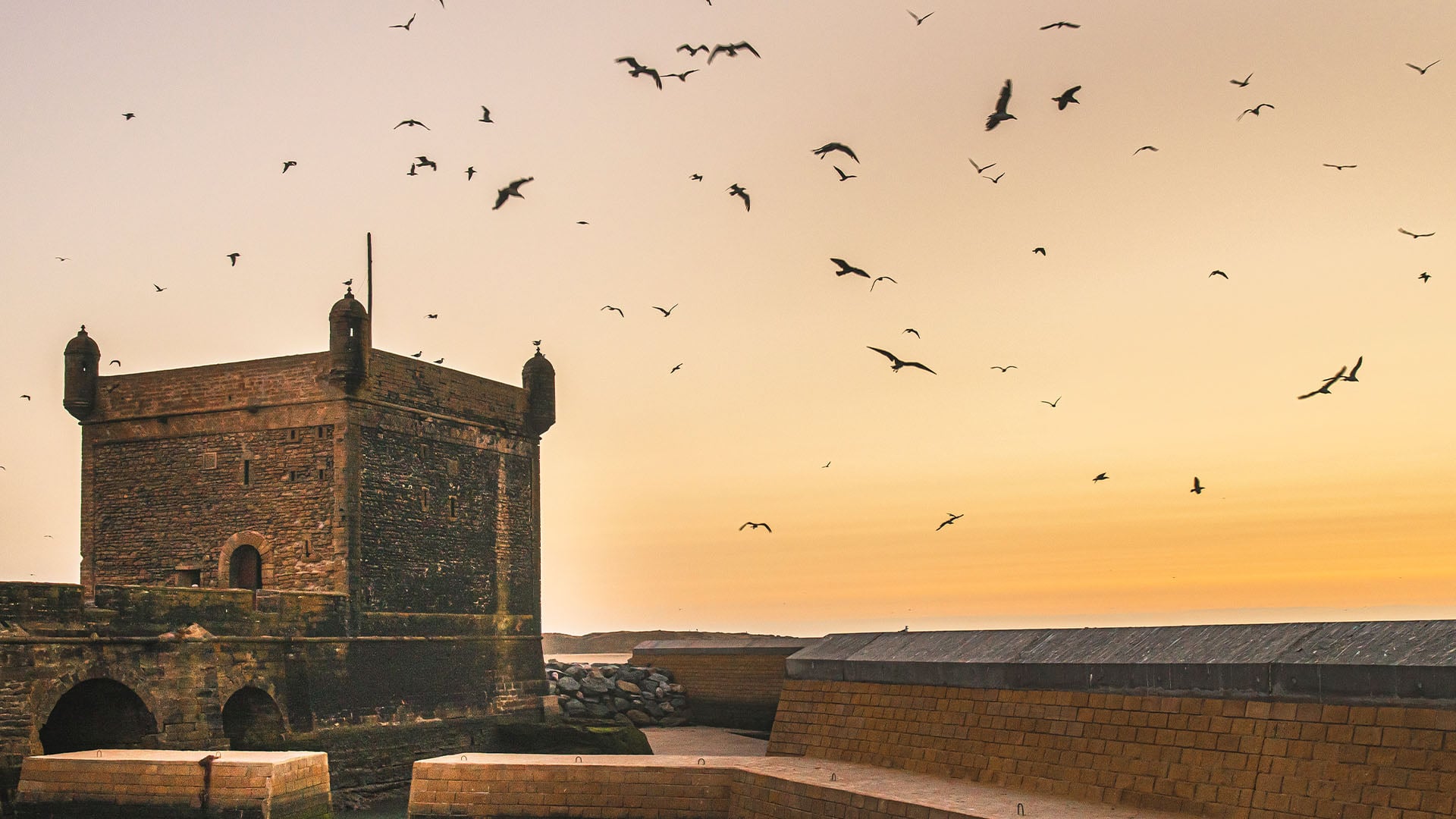
Morocco offers enough adventure to satisfy weeks of travelling, but we do have a few favourite highlights. The vibrant blue walls of Chefchaouen may brighten up Instagram, but they serve a very practical purpose, taking the sting out of hot summer days and repelling bugs. We mentioned historic Atlantic ports? Essaouira makes an easy add-on destination from Marrakesh, and brings a distinctly maritime flavour to the country’s best-loved traditions. Further south, the caramel-coloured walls of Ouarzazate support a whole different artistic field—filmmaking! In fact, it’s home to the world’s largest film studios, Atlas, and has lured productions including Game of Thrones, The Living Daylights, Gladiator, Asterix & Obelix, The Mummy, and Lawrence of Arabia among many others.
Morocco also holds a unique place in U.S. history: in 1777, it became the first country to recognize the United States as an independent nation. In Tangier, the American Legation stands as the first diplomatic property acquired by the U.S. government abroad and remains the only U.S. National Historic Landmark outside the United States.
Let Goway’s Africa Destination Specialists help you flex your own creative muscles, crafting a Morocco itinerary that’ll change how you see the world as only a true work of art can. Request a free quote today.
Christian’s first globetrotting adventure saw him get lost exploring the streets of Saigon. Following his nose to Asia’s best coffee, two lifelong addictions were born. A freelance writer and novelist, Christian’s travels have since taken him around his native Australia, Asia, Europe, and much of North America. His favourite trips have been through Japan, Spain, and Brazil, though with a love of off-beat, artsy cities, he’ll seize any opportunity to return to Paris, New York, or Berlin.