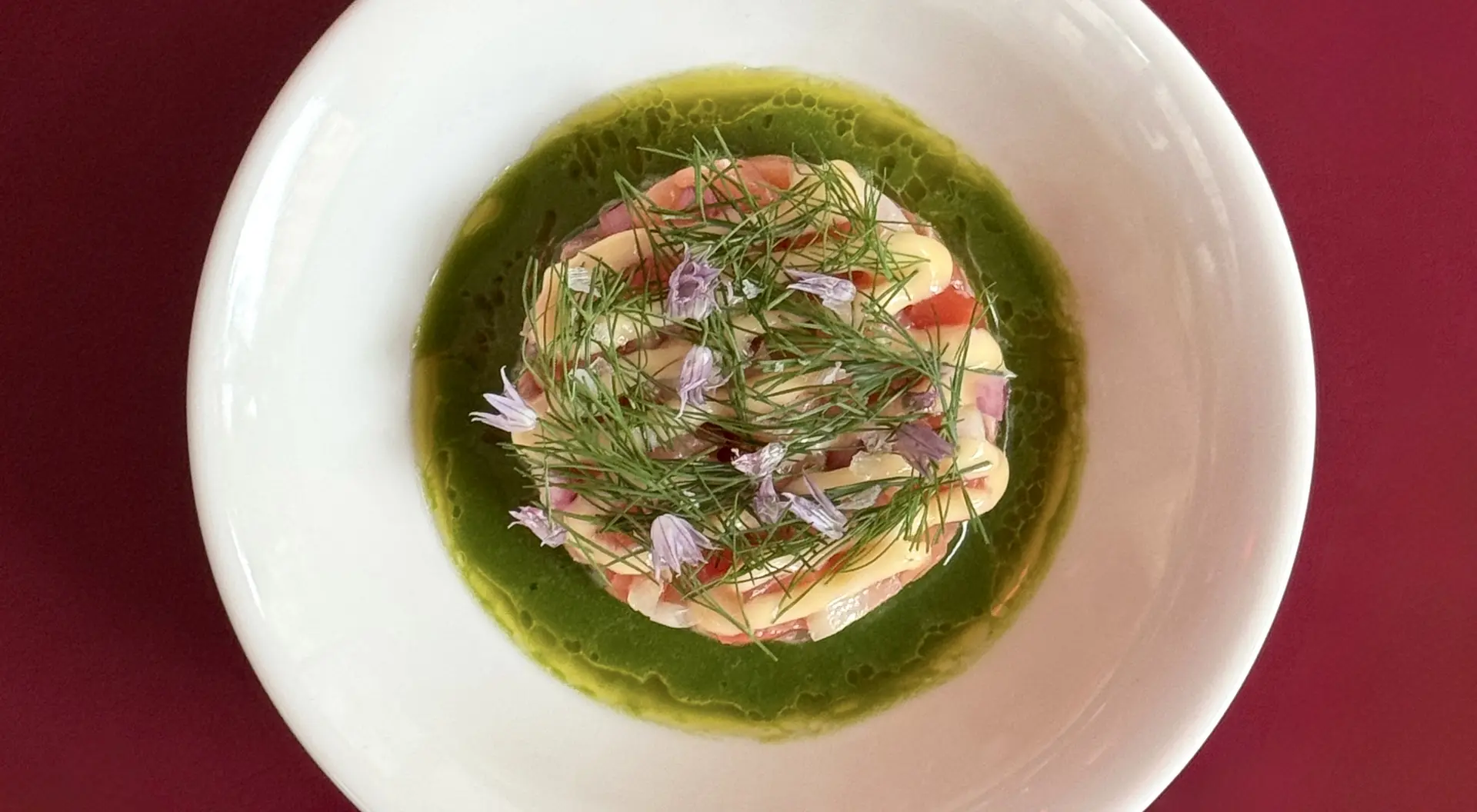
Traditional German cuisine revolves around sausages (wurst), roasted meats, potatoes, seasonal and preserved vegetables, bread, and rich sauces. Bratwurst and Weisswurst are everyday staples, while Schnitzel (a breaded pork or veal cutlet) is one of the country’s most internationally recognized dishes. Sauerbraten, a slow-marinated beef roast, and Schweinshaxe, crispy pork knuckle with gravy, are also found on many traditional menus. Sides like sauerkraut, red cabbage, potato salad, green beans, and dumplings are commonly served alongside meats.
Germany Travel Information
Not sure which theme is right for you?
Food & Drink
Centuries of hearty cooking have shaped German cuisine into a stick-to-your-ribs experience few countries can match. Sizzling wurst (sausages), soft-baked pretzels, and crisp potato pancakes are classic staples, best enjoyed alongside the country’s legendary beer.
Mornings are made for lingering in local bakeries—nearly every neighbourhood has one—where freshly baked bread rolls are paired with sliced cheeses, cold cuts, and preserves. It’s the kind of fortifying fare that fuels everything from museum-hopping in Berlin to hiking in the Bavarian Alps.
Yet Germany’s culinary story isn’t stuck in the past. In recent years, a new generation of chefs has redefined the country’s gastronomy, blending regional ingredients with modern techniques and global influences. Cities such as Munich, Berlin, Frankfurt, and Hamburg boast Michelin-starred dining rooms and refined farm-to-table restaurants. Alongside these you’ll find beloved street foods like döner kebab, a rotisserie meat wrap popularized by Turkish “guest workers” in the 1970s.
To start planning your own culinary journey through Germany, including visits to its famous beer gardens and vineyards, speak to one of our Destination Specialists today.
A Culinary Overview of Germany
Most traditional German dishes are built around a satisfying formula of meat, potatoes, vegetables, and rich sauces. Pork is by far the predominant meat, appearing in everything from juicy Bratwurst (grilled sausage) to indulgent Schweinshaxe, a slow-roasted pork knuckle finished with gravy.
Cabbage is another cornerstone, most notably in the form of sauerkraut, which delivers a bright, fermented tang that cuts through rich meats. Schnitzel, whether made with pork or veal, remains one of the country’s most recognizable dishes, consisting of a golden, breaded cutlet typically served with fries, potatoes, or a creamy mushroom sauce.
Soft-baked German pretzels (Brezeln) trace their roots to medieval southern Germany, where monks are believed to have shaped the dough to resemble the shape of arms in prayer. Today, they show up everywhere from beer gardens to bustling festivals, and are as essential as the sausages and mustard they’re often paired with.
Unique German Dining Experiences
From sausages and beer in rustic Bavarian beer halls to currywurst from street-side stands in Berlin, German food and drink vary by region. Each area offers distinct specialties shaped by local ingredients, divergent histories, and a unifying love of hearty food.
Anchored by Munich, the southeastern region of Bavaria is known for its beer halls, sausages, and comforting classics. Nuremberg’s finger-sized spiced Bratwurst is a local treasure. You’ll also find Schweinshaxe (roasted crispy pork knuckle), soft pretzels, Leberkäs (a meatloaf-like dish), and Weisswurst (a veal and pork sausage) on menus across the region, often alongside sauerkraut and dark beer.
Centred around Cologne and Düsseldorf along the Rhine River, western Germany favours tangy, slow-cooked dishes. Sauerbraten (beef marinated in vinegar and spices) is a signature, as are Reibekuchen, crisp potato pancakes served with applesauce or compote.
In the southwest near Stuttgart, the historic region of Swabia is known for handmade pastas. Spätzle (soft egg noodles often served with cheese) and Maultaschen (ravioli-like squares filled with meat, spinach, and bread) appear in taverns and contemporary kitchens alike.
In the capital, Berlin, traditional dishes like Eisbein (salt-cured pork knuckle) share the spotlight with globally influenced fast foods such as currywurst (pork sausage sliced and topped with curry-spiced ketchup) and döner kebab (seasoned meat, usually lamb or beef, shaved from a vertical rotisserie and tucked into bread with salad and sauce).
The Sweet Side of German Food
In Germany, sugar cravings are usually answered with pastries. The country’s baking tradition is one of the richest in Europe, shaped by centuries of monastery kitchens, medieval spice trade routes, and regional pastry guilds. Coffee culture is equally important, with Kaffee und Kuchen (coffee and cake) being an afternoon ritual for many locals.
Several German desserts are famous far beyond the country’s borders, starting with Black Forest cake (Schwarzwälder Kirschtorte). From the cherry-growing Black Forest region, this classic layer cake combines chocolate sponge, whipped cream, cherries, and Kirsch, a clear cherry brandy. The best versions are found in traditional Konditoreien (pastry shops devoted to fine cakes and tortes) in towns like Baden-Baden and Freiburg, as well as smaller villages such as Todtnau.
Apple strudel may be closely associated with Germany, but its roots trace back to the Austro-Hungarian Empire, influenced by Middle Eastern pastries like baklava. Today, it’s a staple in southern Germany, especially Bavaria, where paper-thin dough is wrapped around spiced apples. Some regional variations use rum-soaked raisins, custard, sour cream, and almonds.
At Christmas, Germany’s sweet side shines at its festive markets, where Lebkuchen, gingerbread made with honey, nuts, and warm spices, takes centre stage. First created by Franconian monks in the 13th century, the most famous versions now come from Nuremberg, especially the soft, nut-dense Elisenlebkuchen.
Beyond cakes and cookies, Germans also have a fondness for chocolate and Berliner doughnuts, jam-filled treats dusted with sugar and found in bakeries across the country.
The Drinking Scene in Germany
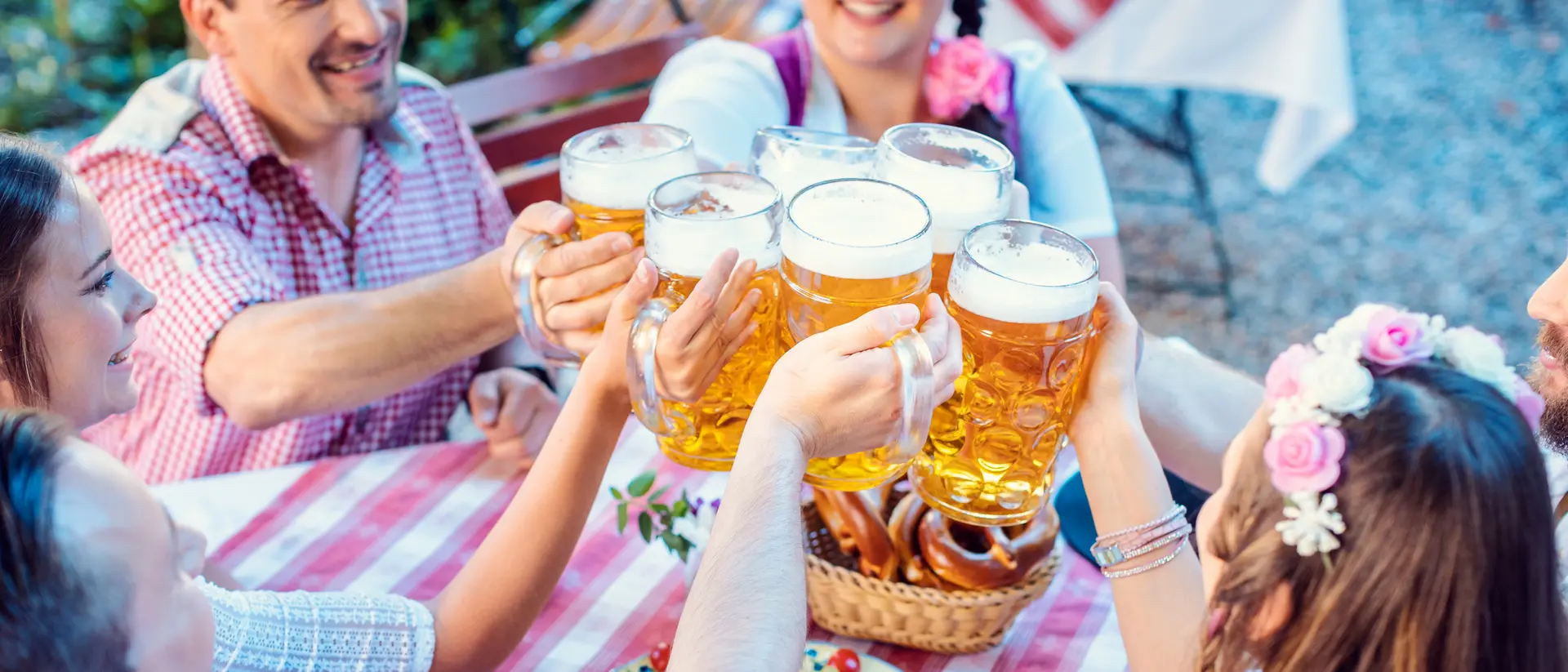
Beer flows through German life as naturally as water. The average German drinks close to 100 litres a year, and the country is home to more than 1,500 breweries. Pilsner remains the most popular style, but you’ll also find Helles lagers, spicy Hefeweizens, and regional specialties like Kölsch, along with a surprisingly robust range of non-alcoholic beers. Drinking in public is legal, and corner shops known as kiosks sell bottles meant to be enjoyed on the go. A beer-and-lemonade blend called Radler is a popular daytime option, offering a refreshing, low-alcohol alternative.
Germany’s beer obsession dates back to around 800 BC, when Germanic tribes began fermenting barley and other grains. By the Middle Ages, monks had refined brewing techniques and popularized the use of hops. Commercial breweries emerged in the 13th century, and in 1516 Bavaria introduced the Reinheitsgebot (German Beer Purity Law), limiting beer ingredients to water, barley, and hops, a quality standard that’s still upheld in Germany today.
There are countless ways to experience this beer culture. In Bavaria, historic beer halls like Munich’s Hofbräuhaus and open-air beer gardens, which emerged in the 19th century, function as communal gathering places. German Beer Day, celebrated every April 23, sees breweries across the country open their doors to visitors interested in learning about brewing traditions.
Oktoberfest is the most famous of all. Held annually in Munich, it is the world’s largest beer festival, dating back to 1810 when it began as a wedding celebration for Crown Prince Ludwig and Princess Therese of Saxe-Hildburghausen. Today, the multi-week festival is an essential part of Germany’s culture and traditions. Märzen-style beers with slightly higher alcohol content attract attention alongside classic Oktoberfest food (spit-roast chicken, sausages, pretzels, and more), brass bands, parades, and centuries-old drinking songs.
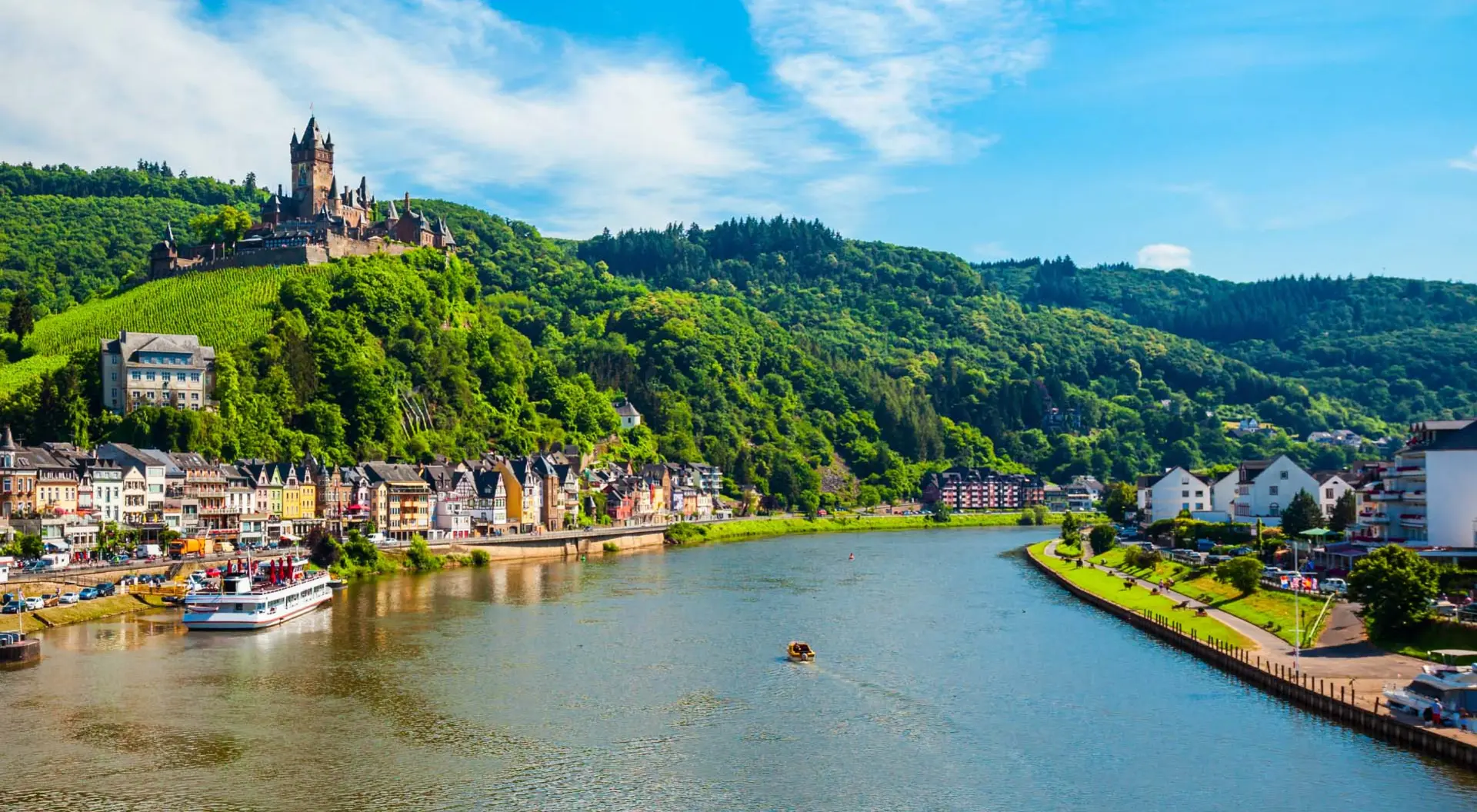
Wine plays an equally important role in Germany’s drinking culture. The Romans first planted vines along the Mosel and Rhine rivers, and medieval monasteries later refined viticulture. Germany’s signature grape, Riesling, rose to prominence in the 18th century and remains one of the world’s most expressive white wines. The country is also known for Spätburgunder, or Pinot Noir, now Germany’s most widely planted red grape, introduced from Burgundy by monks.
For travellers, the 85-kilometre German Wine Route in the southwest winds through medieval towns, vineyard-covered hills, hiking and cycling trails, and family-run estates offering tastings. Whether at a bustling festival or a quiet riverside vineyard, Germany’s drinking culture is as much about place, history, and community as it is about what’s in the glass.
Plan Your German Culinary Adventure
Whether you want to raise a stein in Munich during Oktoberfest—choosing from 14 large beer tents pouring special brews from Augustiner, Paulaner, Spaten, and Löwenbräu—or wander Christmas markets in Dresden and Berlin with a mug of mulled wine in hand, Germany offers endless ways to eat and drink like a local.
Our Destination Specialists can build your perfect gourmet tour through the country, tailoring every detail to your tastes, from brewery-hopping in Bavaria to festive market strolls filled with sweet treats, regional specialties, and old-world holiday cheer. Contact one today to get your journey started.
Featured Germany Trip Ideas
Germany Travel PackagesMelodies of the Danube River Cruise
Budapest and Fisherman’s BastionAn Independent Danube River cruise through Hungary, Slovakia, Austria and Germany, where vineyard shores, storied castles and riverside culture unfold.
10 days
From US$5,996/p.p.
Request a Quote
Highlights of Germany: Frankfurt, Berlin & Munich
Munich, Berlin, Berlin Wall Memorial, Brandenburg Gate, and FrankfurtExperience Germany’s rich history and culture over 8 days. Explore Frankfurt, Berlin, and Munich for unforgettable sights, food, and adventures.
8 days
From US$2,603/p.p.
Request a Quote
Classic Berlin, Prague, Kraków & Warsaw
Warsaw, Kraków, Prague, Berlin, Berlin Wall Memorial, and Brandenburg GateWander through Berlin's rich tapestry of history, sail Prague’s illuminated waterways, and reflect in Krakow's poignant past before exploring Warsaw’s resilient spirit.
11 days
From US$3,600/p.p.
Request a Quote
Melodies of the Danube River Cruise
Budapest and Fisherman’s BastionAn Independent Danube River cruise through Hungary, Slovakia, Austria and Germany, where vineyard shores, storied castles and riverside culture unfold.
10 days
From US$5,996/p.p.
Request a Quote
Highlights of Germany: Frankfurt, Berlin & Munich
Munich, Berlin, Berlin Wall Memorial, Brandenburg Gate, and FrankfurtExperience Germany’s rich history and culture over 8 days. Explore Frankfurt, Berlin, and Munich for unforgettable sights, food, and adventures.
8 days
From US$2,603/p.p.
Request a Quote
Classic Berlin, Prague, Kraków & Warsaw
Warsaw, Kraków, Prague, Berlin, Berlin Wall Memorial, and Brandenburg GateWander through Berlin's rich tapestry of history, sail Prague’s illuminated waterways, and reflect in Krakow's poignant past before exploring Warsaw’s resilient spirit.
11 days
From US$3,600/p.p.
Request a Quote
Travel Stories
Get inspired about Your Trip to Germany
The Bounty of Budapest
Just after the server slid the bowl in front of me, my glasses began steaming up. The fumes, laden with the scent of rich beef and sweet, peppery papr...
8 Reasons to Book a Trip to Gran Canaria
If you ask North American globetrotters to name their dream Spanish destination, they'll likely tell you about the Gaudí spires of Barcelona, the gall...
Ask a Travel Expert: European River Cruising
Cruising remains one of the most popular travel styles, but European river cruising isn’t quite the same as boutique island cruises or the big ocean l...
Frequently Asked Questions
What are the signature dishes of authentic German cuisine?
How does street food culture enhance the culinary experience in Germany?
Germany’s street food scene offers a fast, affordable, and indulgent way to eat. In cities like Berlin, Cologne, and Hamburg, kiosks and food stands serve classics such as currywurst, sliced pork sausage topped with curry-spiced ketchup and served with fries, and döner kebab, meat shaved from a vertical rotisserie and served in a flatbread-style wrap with garlicy sauce. These casual bites reflect Germany’s multicultural influences and make it easy to taste the country’s evolving food culture between museums, markets, and nightlife.
What are popular German desserts and beverages to try?
The most popular German desserts include Black Forest cake, apple strudel, and plum-filled pastries. Berliner doughnuts and buttery cakes fill bakery windows year-round, with many Germans eating their sweets during Kaffe und Kuchen, an afternoon break consisting of a coffee and at least one type of baked good. Beverage culture is just as important. Germany’s beers range from crisp pilsners to cloudy wheat beers, while wine regions like the Mosel, Rheingau, and Baden produce elegant Rieslings and Spätburgunder (German Pinot Noir).
How do regional ingredients influence German cooking styles?
Germany’s regional cuisines are shaped by local agriculture and climate. Alpine Bavaria favours dairy, pork, and wheat for noodles and dumplings, while northern regions rely more on fish and preserved vegetables. Wine-growing areas in the west influence the tangy, vinegar-based sauces found in dishes like Sauerbraten, while southwestern regions highlight eggs, flour, and herbs in handmade pastas. Seasonal produce like apples, white asparagus, cabbage, rhubarb, and plums, along with long-standing preservation traditions, play a central role across the country.
Where can travellers find the best fine dining experiences in Germany?
Germany has one of Europe’s most exciting fine-dining scenes, with Michelin-starred restaurants spread across major cities and countryside hideaways. Berlin and Munich lead the way, offering innovative kitchens that reinterpret German ingredients through a modern lens. Among the country’s three-Michelin-starred restaurants are Tohru in der Schreiberei in Munich, which blends German, French, and Japanese influences, and Rutz in Berlin, which offers refined tasting menus using local ingredients. Regions like Baden-Württemberg and the Bavarian Alps are also home to destination restaurants that pair farm-driven menus with wine-focused dining.
Germany Travel Information
Not sure which theme is right for you?
Unlock more by subscribing to our newsletter.
With our newsletter, you’ll get access to regular communications that inspire you and help you explore the world your way.Exclusive Savings
Insider Benefits
Trending Stories

ExcellentBased on 5,285 ReviewsAbsolutely incredible trip! From beginning to end! All accommodations were excellent. If you want to experience Safaris this trip will fulfill all your expectations! A special thanks to our driver we had for our entire trip Evans! He made our trip over the top! The Hot air balloon ride in the Masai Mara is a must…it’s breathtaking!Pam SeitzI have worked with Goway several times in the past two years and every single trip has been unforgettable. Specifically, our travel advisor, Maria, has helped us book phenomenal trips to Thailand, Spain, Portugal, Italy, Ireland, and most recently, Iceland. Maria is so wonderful and easy to talk to, but what really stands out is her ability to get to know her clients so she can plan trips that perfectly align with our interests and desires. I cannot recommend her strongly enough! Her expertise, hard-work, and dedication towards each trip has given myself, my family, and friends memories to last a lifetime! Kayla CovelloJamil made our 40th birthday trip to Portugal so so very amazing and special! Great service, fabulous hotels, and wonderful day trips! Lane StricklandKatie was great, planned everything we needed, was great with changes and trip schedule conflicts. Fantastic working with her.CTI have been booking with GoWay for more than 2 years and feel so fortunate to have the best Travel Advisor, Maria Spitman, making our vacations unforgettable. I can’t say enough about Maria… she is personable, efficient, detail-oriented, and extremely knowledgeable about her specialty destinations. We have booked many trips with her, including Thailand, Spain, Portugal, Sicily, Iceland, and our most recent trip in Greece. Maria has not only curated nuanced itineraries, but has done so combining her vast knowledge of each region with our interests and needs being met perfectly. With that, it is evident that Maria learns about her clients to create vacation packages that far exceed expectations. I won’t book with anyone else! GoWay has a gem that is irreplaceable! I highly recommend seeking Maria out for all your destination needs. DarleenGoway has been amazing to work with. Farooq was my agent through Goway and she communicated promptly, planned a great international trip for my clients and was always organized. The trip was flawless to Rome and Malta from beginning to end!Kim KameleskyLisa Dachuk was incredible on organizing my trip. She took the time to know what I wanted and created an experience I will forever be grateful for having.Louise Helie MastersLori Mezzomo and the team at Goway Travel are fantastic! Lori helped plan a 3-week Australia trip for our family of 5. Our teenage boys enjoyed exploring Sydney, Uluru, Cairns and the Gold Coast. Highlights included a Sydney Harbour Bridge walk, sunrise hike around Uluru, snorkeling with turtles on the Great Barrier Reef, and surfing on the gold coast. Lori did a fantastic job of creating an itinerary that was engaging for our teenage boys and relaxing for the parents... not an easy task! We miss Australia and would gladly book again with Lori Mezzomo and Goway Travel.BlairSwati was fantastic! She worked with us to create the perfect Greece trip, and handled all the details to make it a worry-free experience.JtvMichael at Goway Travel was great to work with. We were planning a pre-trip with him prior to a group tour. He worked with us to hit the special places we wanted to visit and things we wanted to do. The accommodations arranged exceeded our expectations. Local guides were all amazing. This was the third trip we booked through Goway, and we will definitely book with them again in the future David Picka
Verified
Verified
Verified
Verified
Verified
Verified
Verified
Verified
Verified
Verified