Insider Travel Tips
Uncover Monaco's charm, from historic palaces to dazzling casinos.
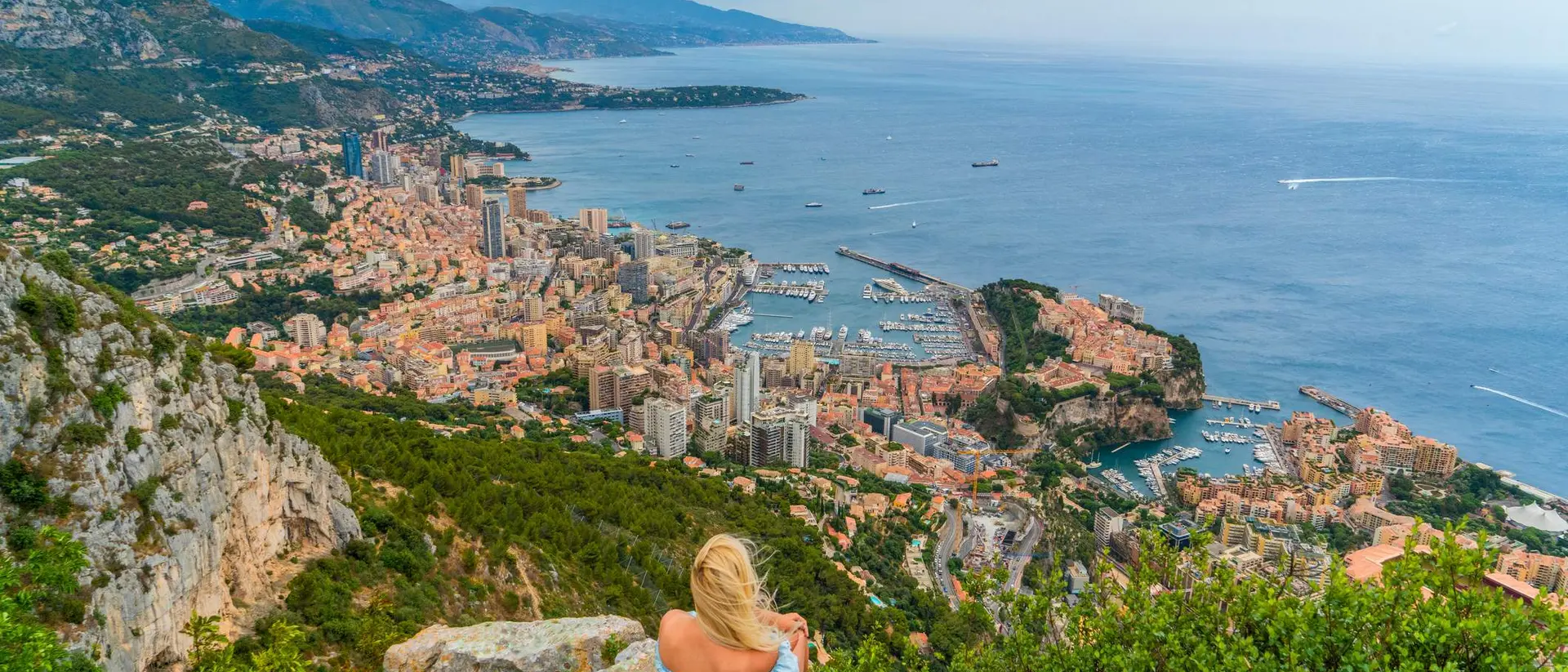
The world’s smallest country after Vatican City, Monaco packs a glamorous punch in just 2 square kilometres. Synonymous with superyachts, the Belle Époque Casino de Monte-Carlo, and the iconic Monaco Grand Prix each May, this Mediterranean principality is a magnet for luxury travellers.
Beyond the glitz, Monaco offers a surprising level of cultural depth. The old town of Monaco-Ville, perched on Le Rocher (“The Rock”), is home to landmarks like the Prince’s Palace and the Saint Nicholas Cathedral, the resting place of Prince Rainier III and Princess Grace Kelly.
Ruled by the Grimaldi family for over 800 years and counting, Monaco continues to charm visitors with Michelin-starred restaurants, exclusive events, and standout attractions such as the Musée Océanographique de Monaco.
While the principality sits along the French Riviera, its culture and customs are unique. Working with a Destination Specialist ensures you have the Monaco travel tips that matter—from securing seats for the Grand Prix to finding the best bite in the bustling Marché de la Condamine.
Plan your tailor-made Monaco vacation with Goway today.
Entry & Practical Info
When it comes to Monaco visa requirements, the country follows Schengen rules, with France handling immigration. Most travellers from Canada, the U.S., the U.K., and Australia can enter visa-free for up to 90 days within a 180-day period. To avoid any issues, ensure your passport is valid for at least six months beyond departure and carry proof of onward travel.
The nearest airport is Nice Côte d’Azur, about a 30-minute drive or train ride away. For a truly Monaco-style arrival, a seven-minute helicopter transfer is also an option.
Once in the principality, pedestrian-friendly streets and the MonaBike system make getting around simple. While you can’t order an Uber in Monaco, local taxis are available. The Official Language is French. However, Monegasque (a variety of Ligurian), Italian, and English are also widely spoken.
If you’re planning to visit the Casino de Monte-Carlo, bring your passport (the only acceptable photo identification for international visitors) and dress in smart attire—no shorts, jeans with holes, sportswear, running shoes, flip-flops, beachwear, or sleeveless shirts. Gaming rooms open at 2 p.m., but morning visits allow you to admire the architecture or take a tour with an audio guide.
Health, Safety & Comfort
Monaco is one of the safest destinations in Europe, with low crime rates, extensive surveillance, and a high police presence. A 24-hour video monitoring system covers the entire principality, security staff are stationed in nearly every building, and police regularly patrol key areas. Even so, visitors should remain aware of pickpockets, particularly during crowded events like the Grand Prix. Dial 112 for any emergencies.
Healthcare standards are comparable to France, with excellent doctors and hospitals. Travel insurance covering medical emergencies is recommended. For comfort, pack walking shoes for hilly streets, sun protection for the Mediterranean climate, and a light jacket for cooler evenings.
Cultural Etiquette & Local Customs
In Monaco, discretion and privacy are highly valued—especially for the ruling Grimaldi family and other high-profile residents. Visitors should avoid intrusive behaviour, such as approaching celebrities for autographs or taking photos of strangers without permission.
Despite being the most densely populated country in the world, Monaco takes pride in its peaceful atmosphere. Being loud or rowdy in public is frowned upon, and ostentatious displays of wealth are considered vulgar. Instead, locals favour understated elegance, which extends to dress codes: wear smart casual attire in most settings, cover shoulders and knees in churches, and avoid wearing beachwear in the streets.
Monaco is home to a diverse expatriate community, but French is still the official language. A handshake, a smile, and even a simple “bonjour” or “merci” can go a long way. Punctuality is important, whether attending a dinner, tour, or specific royal events like the changing of the guard at the palace.
Weather & When to Go
Monaco’s Mediterranean climate makes it a pleasant destination in every season, with plenty of sunshine and relatively mild temperatures year-round. The best time to visit Monaco depends entirely on the atmosphere you’re seeking.
Summer (June to August) is peak season, with temperatures from 20 to 30°C. The principality welcomes many day-trippers arriving for beaches, swimming, and festivals like the Monte-Carlo Summer Festival, so the coast is often more crowded this time of year.
Spring (March to May) is also lively due to major sporting events like the Rolex Monte-Carlo Masters, the Monaco E-Prix, and the biennial Grand Prix Historique—all building toward the high-energy Formula 1 Grand Prix de Monaco in late May or early June. Expect comfortable temperatures in the mid-teens to low-20s°C.
Fall (September to November) offers warm early-autumn days (often 22 to 26°C in September) before cooling into the mid-teens with increased rainfall in October and November. It’s a great time for travellers who prefer fewer crowds or want to attend events like the Monaco Yacht Show, National Day, and the Monte-Carlo Jazz Festival.
Winter (December to April) is Monaco’s quietest period. Temperatures typically range from 7 to 14 °C, and events like Le Village de Noël at Port Hercules bring festive cheer to the seaside.
Regional Highlights for First-Time Visitors
Monaco may be small, but its neighbourhoods and landmarks offer distinct experiences.
Monte-Carlo
The principality’s most glamorous district is home to the legendary Casino de Monte-Carlo, designer boutiques, and grand Belle Époque hotels. It’s the polished and fabulous Monaco most travellers imagine.
Monaco-Ville (The Old Town)
Perched atop Le Rocher, the Old Town is a maze of narrow lanes, pastel façades, and centuries-old monuments. Don’t miss the Prince’s Palace, the daily changing of the guard, and the Saint Nicholas Cathedral. On the cliffside eastern edge, the Oceanographic Museum features Mediterranean aquariums, a shark lagoon, and a dedicated sea-turtle area.
Formula 1 Grand Prix Circuit
Even outside race week, it’s fascinating to trace the world-famous street circuit. Visitors can walk—or even drive—sections of the course, from Casino Square to the iconic Fairmont Hairpin. Motorsport fans should also visit the Private Cars Collection of H.S.H. Prince of Monaco, showcasing more than 100 vintage, rally, and F1 vehicles.
Coastal Dining
Monaco’s waterfront restaurants range from fine-dining establishments to relaxed sea-view terraces. Expect fresh seafood like sea bass, tuna, shellfish, and local oysters. Beach clubs like La Note Bleue and Monte-Carlo Beach Club deliver the full Côte d’Azur fantasy, with loungers, DJ sets, crisp rosé, and endless sea views.
Food & Drink Culture
Monaco’s culinary scene blends French, Italian, and Mediterranean flavours. You’ll find it all at Marché de la Condamine, Monaco’s historic market, featuring stalls with fresh produce, cheese, and meats, and long-standing restaurants like La Maison des Pâtes—a go-to for fresh pasta. Regional street food shines here too: try barbajuan, Monaco’s beloved fried ravioli filled with greens and ricotta; socca, a crispy chickpea crêpe; and pissaladière, a caramelized-onion flatbread-like tart that’s a French Riviera staple.
For traditional dishes, look for daube, a Provencal-style slow-braised beef stew, often served with pasta or polenta. For drinks, try the orange-based L’Orangeraie liqueur or the Monaco Cocktail (a beer-based cocktail with lemonade and grenadine). And for pure indulgence, the three-Michelin-starred Le Louis XV - Alain Ducasse à l'Hôtel de Paris offers some of the most refined dining in the Mediterranean.
Work With a Travel Expert
Monaco may be compact, but experiencing it properly takes insider know-how. Goway’s Destination Specialist can help you secure coveted reservations, navigate peak events, and uncover the layered history of the principality beyond the glossy surface. They can also design an itinerary that pairs Monaco with other French Riviera highlights, from the hilltop village of Èze to the coastal energy of Nice, or weave it into a wider France journey that includes Paris and Provence.
Begin your tailor-made Monaco adventure with Goway.
FAQ
1. Do I need a visa to travel to Monaco?
Schengen visa rules apply in Monaco. Most travellers from Canada, the United States, the United Kingdom, and Australia can enter the country visa-free for tourism stays up to 90 days within a 180-day period. Make sure your passport is valid for six months beyond your departure dates and has at least two blank pages. You may also be asked to show your itinerary or proof of a return/onward plane ticket. Some travellers from visa-exempt countries will be required to fill out an ETIAS form in the future, so keep an eye on the current requirements ahead of your trip.
2. What are the top etiquette tips in Monaco?
Punctuality, privacy, and discretion are valued in Monaco. Avoid following, approaching, or taking unauthorized photos of celebrities. Smart casual attire is the norm, so avoid beachwear in the streets. Polite greetings and an attempt to speak French (such as saying “bonjour” when entering a shop or café) are appreciated. Avoid being loud or disruptive in public spaces, especially around luxury hotels, casinos, or residential areas. Tipping isn’t mandatory, since service is usually included on bills, but leaving 5% to 10% is welcomed for good service.
3. How safe is Monaco for solo travellers?
Monaco is one of the safest destinations in Europe thanks to its extensive CCTV network and strong police presence. Solo travellers tend to feel comfortable walking around day or night. As always, stay aware of your surroundings and belongings in crowded areas, especially during major events like the Grand Prix.
4. When is the best time to visit Monaco?
Late spring (April to June) and early fall (September to October) offer warm weather, fewer crowds, and easier hotel availability—except during major events like the Monaco Grand Prix in May and the Monaco Yacht Show in September. July and August are peak season, with lots of daytrippers and families travelling for summer vacation.
5. What foods should I try in Monaco?
Try barbajuan (a local fried pastry stuffed with Swiss chard and ricotta), socca (a chickpea pancake), or pissaladière (caramelized onion flatbread) for a taste of Monaco’s Côte d’Azur influence. Fresh seafood is abundant, from Mediterranean fish to linguine with clams. Popular desserts include the Monaco Millefeuille (a twist on the classic French pastry with strawberries and cream) and Crêpes Suzette, which was supposedly invented at Monte Carlo’s Café de Paris.
Featured Monaco Trip Ideas
Monaco Travel Packages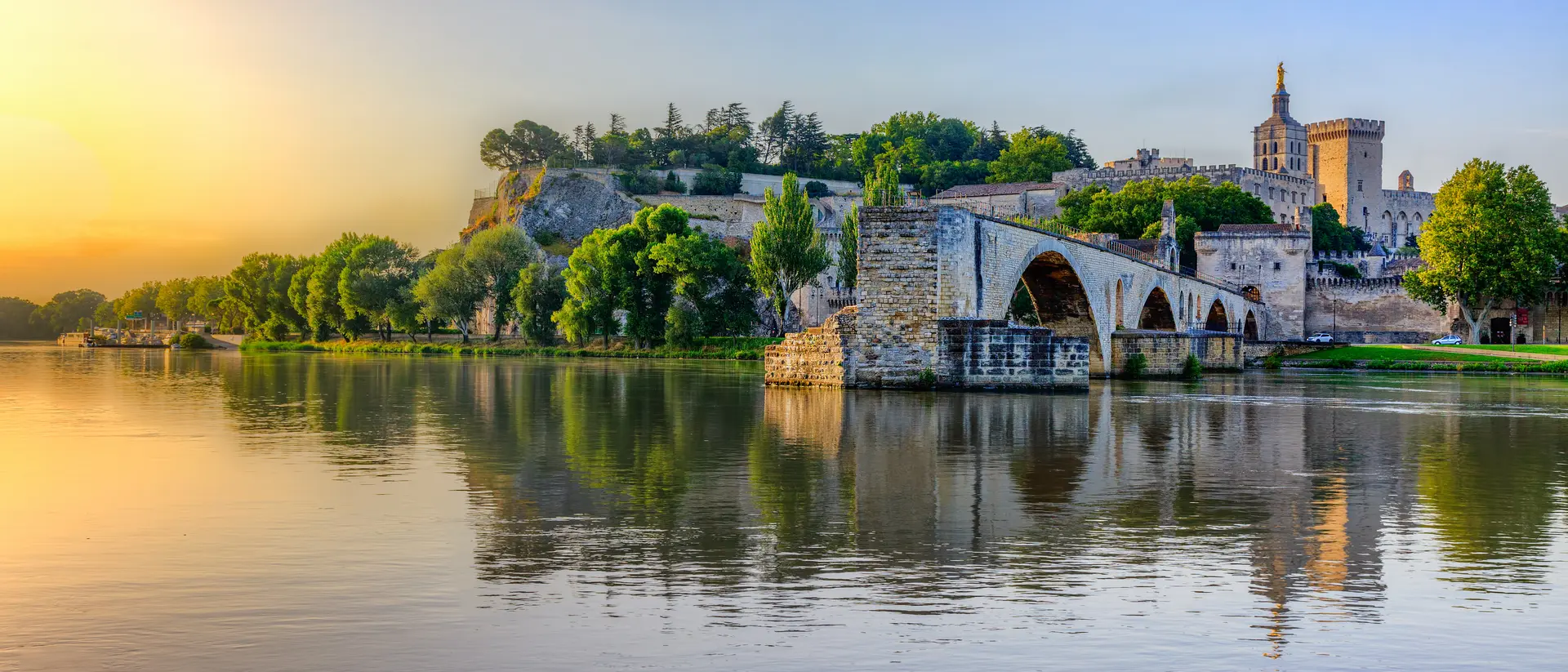
Highlights of Provence & the French Riviera
French Riviera, Nice, and Provence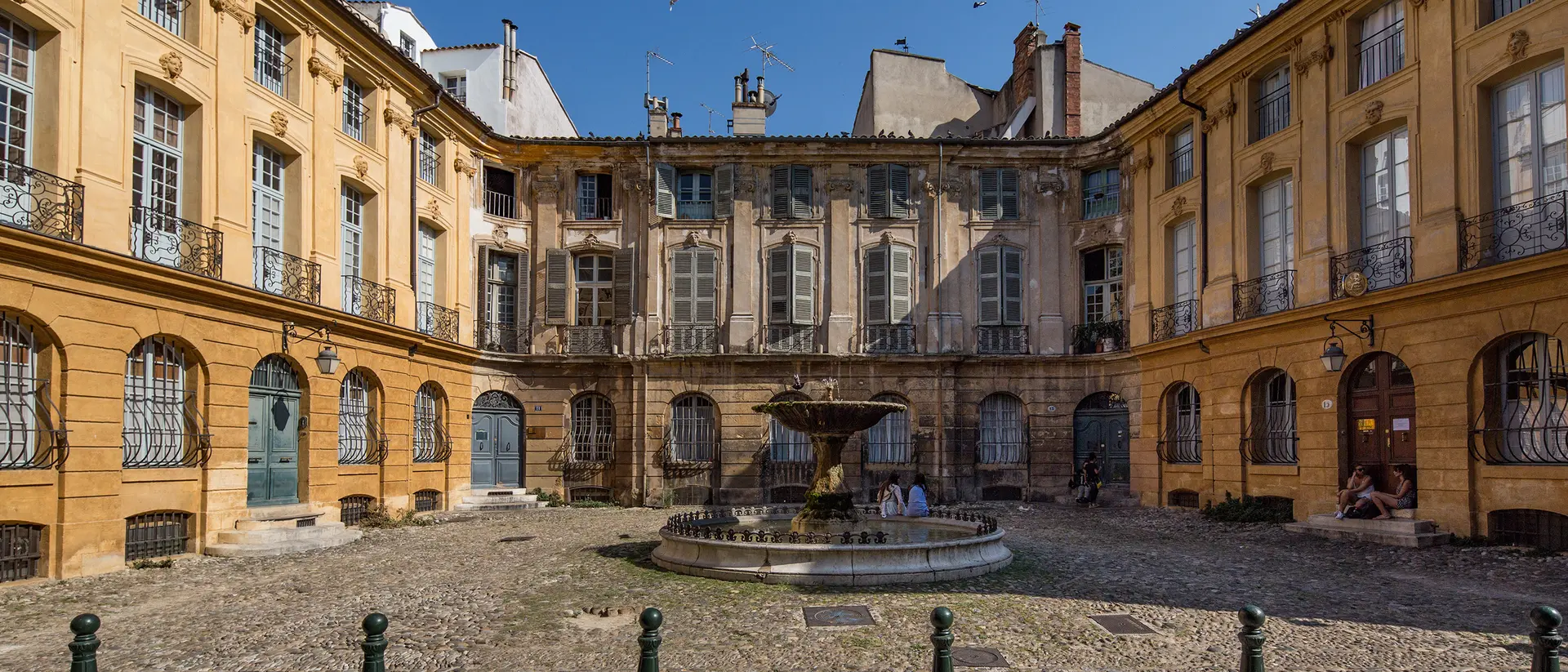
Classic France: Paris, Provence & the French Riviera
French Riviera, Nice, Provence, Paris, The Palace of Versailles, Arc de Triomphe, Notre Dame Cathedral, Sacré Coeur de Montmartre, Eiffel Tower, and The Louvre Museum
Don't see the
perfect trip idea?
Request a custom quote.
Turn your travel dreams into reality with Goway. Our customized vacations take travellers to all corners of the world.
Highlights of Provence & the French Riviera
French Riviera, Nice, and ProvenceClassic France: Paris, Provence & the French Riviera
French Riviera, Nice, Provence, Paris, The Palace of Versailles, Arc de Triomphe, Notre Dame Cathedral, Sacré Coeur de Montmartre, Eiffel Tower, and The Louvre MuseumDon't see the
perfect trip idea?
Request a custom quote.
Turn your travel dreams into reality with Goway. Our customized vacations take travellers to all corners of the world.
Travel Stories
Get inspired about Your Trip to Monaco
Just after the server slid the bowl in front of me, my glasses began steaming up. The fumes, laden with the scent of rich beef and sweet, peppery papr...
If you ask North American globetrotters to name their dream Spanish destination, they'll likely tell you about the Gaudí spires of Barcelona, the gall...
Cruising remains one of the most popular travel styles, but European river cruising isn’t quite the same as boutique island cruises or the big ocean l...
Unlock more by subscribing to our newsletter.
With our newsletter, you’ll get access to regular communications that inspire you and help you explore the world your way.