
Check visa requirements, pack comfortable shoes for walking, and be prepared for late dining hours.
Spain Travel Information
Not sure which theme is right for you?
Insider Travel Tips
Spain combines centuries of history with modern conveniences, making it one of the most rewarding destinations in Europe. Before you go, it’s important to understand the basics for smooth travel. The country is part of the Schengen Zone, which means many visitors need a Schengen visa or can enter visa-free depending on nationality. Major cities are modern and card-friendly, but cash is still king in smaller towns and rural areas, so having some euros on hand is a good idea.
Tap water in most regions, including major cities, is safe to drink, though many travellers opt for bottled water. Spain operates on a late schedule—dinners start late, and many shops close mid-afternoon for siesta—so plan your day accordingly. Public transport is excellent, especially in urban hubs like Madrid and Barcelona, while high-speed trains make intercity travel easy.
In terms of cultural etiquette, remember that modest dress is expected at religious sites, and it’s customary to greet people warmly when entering shops or restaurants. Spain is very safe, but, as with any popular destination, be aware of pickpockets in crowded tourist areas.
Talk to one of our Destination Specialists for more insider planning tips.
Practical Information for Spain
Before traveling to Spain, make sure you check visa requirements. Many nationalities can enter Spain under the Schengen Agreement for up to 90 days without a visa, but some travellers will need to apply in advance. Your passport should be valid for at least three months beyond your planned departure date.
While credit cards are widely accepted in cities, carrying some cash is advisable, especially in rural areas and local markets. The currency in Spain is the euro. Throughout the country, ATMs are easy to find and use. Tap water is safe to drink in most cities and regions, though bottled water is often preferred in rural areas.
In terms of getting around, public transport is excellent in major cities, and trains are a convenient way to travel between regions.
Safety and Spain
Spain is one of Europe’s safest destinations, known for its warm hospitality and friendly locals. Violent crime is rare, though pickpocketing can occur in busy tourist areas, so keep an eye on your belongings in crowded spots like markets and metro stations.
When visiting religious sites, dress modestly by covering shoulders and knees out of respect. Photography may be restricted in certain churches and museums, so look for posted signs.
Learning a few basic Spanish phrases such as “gracias” (“thank you”) and “por favor” (“please”) goes a long way toward displaying respect and building rapport with locals.
Culture and Customs in Spain
Spanish culture is built on warmth, hospitality, and a strong sense of community. Conversations are lively, greetings are important, and personal space is more relaxed than in many countries. A simple “hola” or “buenos días” is the norm when entering shops, restaurants, or even elevators. Spaniards value close family ties, so much of social life revolves around meals and gatherings.
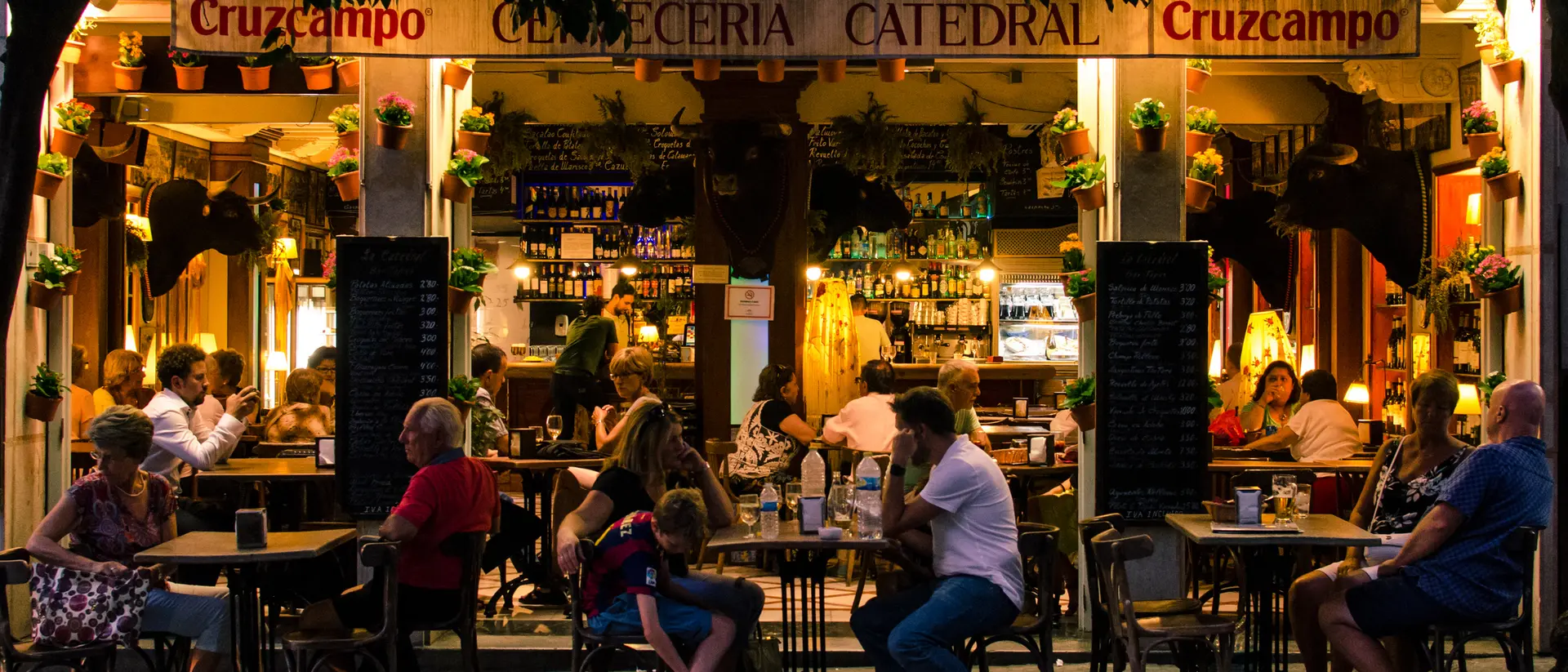
Dining is an experience in Spain, not a rush. Tapas culture encourages sharing and lingering over food with friends. Dinner often starts late, typically around 9:00 or 10:00 p.m., especially in southern regions. It’s normal to see families out for an evening stroll (paseo) well after sunset.
When visiting religious sites or smaller towns, dress modestly; covering shoulders and knees is a sign of respect. Tipping isn’t mandatory but is appreciated in restaurants and cafés. Overall, Spain rewards those who embrace its easygoing pace and open, friendly interactions.
Learn more about Spanish culture and customs.
Seasonal Advice for Spain
Spain’s climate varies by region, so planning around the seasons is key to making the most of your trip. Summers (June to August) are lively, especially in coastal areas, with festivals and beach escapes drawing crowds. However, temperatures in southern regions like Andalusia can often soar above 40 degrees Celsius, making spring (March to May) and early autumn (September to October) more comfortable for sightseeing.
Northern Spain, including the Basque Country and Galicia, has a cooler and wetter climate, making summer the ideal time to visit. Winter (December to February) is mild in southern regions and the Canary Islands, making it perfect for a sunny escape, while northern areas and the Pyrenees attract winter sports enthusiasts.
Festivals like Semana Santa in spring or La Tomatina in late summer can impact availability, so book early if you want to experience these cultural highlights.
Explore the best time to visit Spain.
Must-Sees for First-Time Travellers to Spain
Spain offers an incredible mix of cultural treasures, vibrant cities, and scenic escapes. For first-time visitors, Madrid is an essential stop with its royal palaces, world-class museums, and lively tapas bars. Barcelona enchants with Gaudí’s modernist masterpieces, sandy beaches, and charming Gothic Quarter.
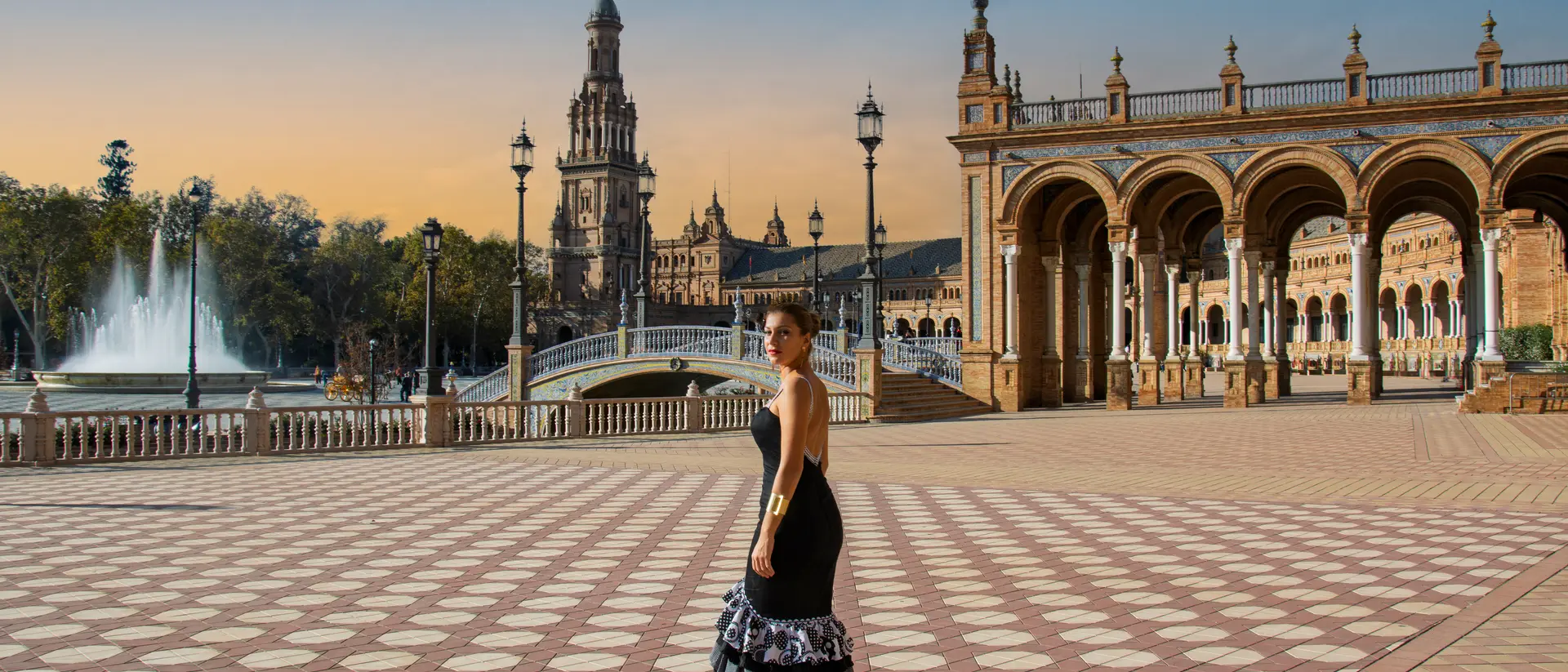
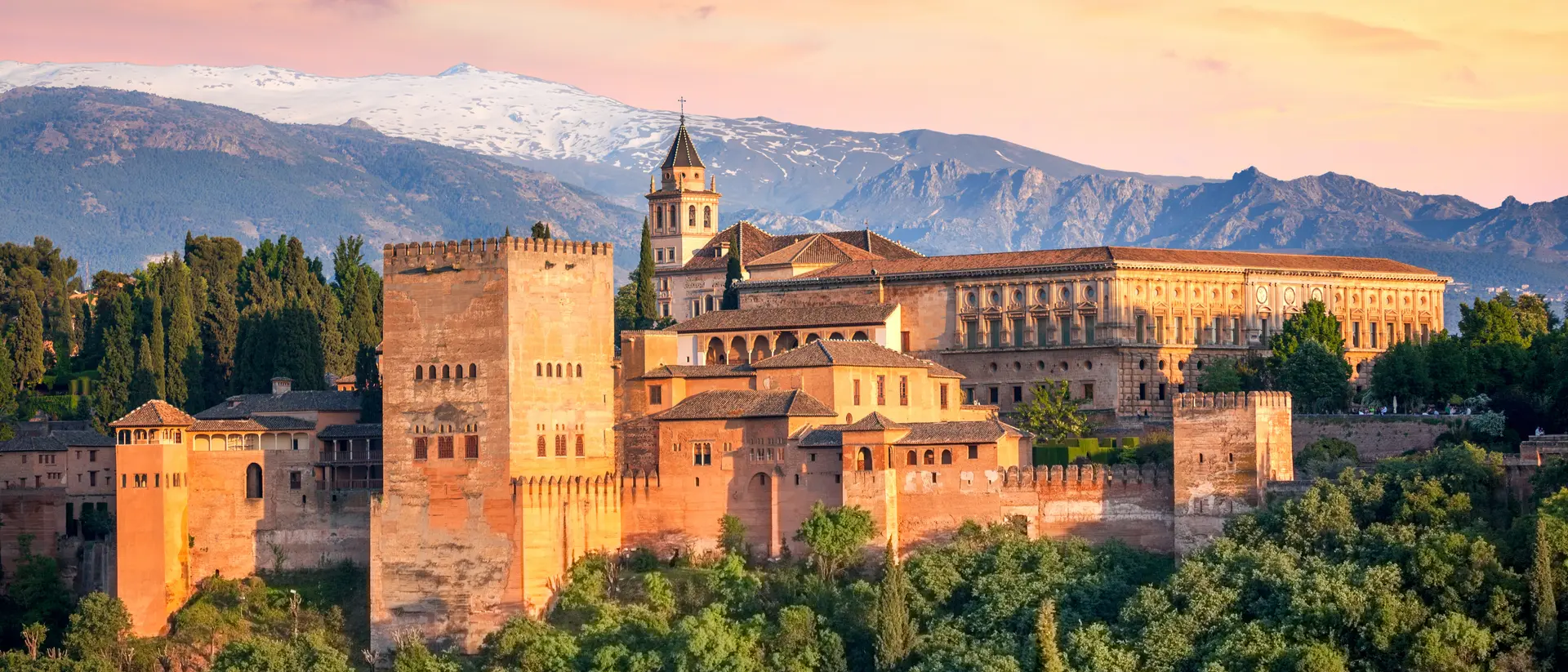
In Andalusia, Seville is a showpiece of Spanish tradition, famous for flamenco, Moorish architecture, and the stunning Alcázar Palace. Granada, home to the Alhambra, offers an unforgettable blend of Islamic artistry and dramatic mountain backdrops.
Beyond the mainland, the Balearic Islands, including Mallorca and Ibiza, invite travellers with hidden coves, rustic villages, and laid-back Mediterranean vibes. Each region promises a unique experience, so whether you’re chasing history, food, or sun-soaked relaxation, Spain delivers a tailor-made journey for every traveller.
Plan your tailor-made Spain vacation with Goway today.
Food and Dining in Spain
Spanish cuisine is deeply rooted in fresh, seasonal ingredients and social dining. Meals are often shared, emphasizing the communal experience of eating together. Tapas are a beloved tradition—small plates enjoyed with drinks and lively conversation. Dinner tends to be late by North American standards, often beginning after 9:00 p.m., so adjust your schedule to the local rhythm.
When it comes to etiquette, it’s common to greet your server when entering a restaurant and say “gracias” when leaving. Tipping isn’t obligatory but leaving a small amount (five to 10 percent) for good service is appreciated. Be mindful that in many rural areas, businesses close for a midday siesta, so plan meal times accordingly.
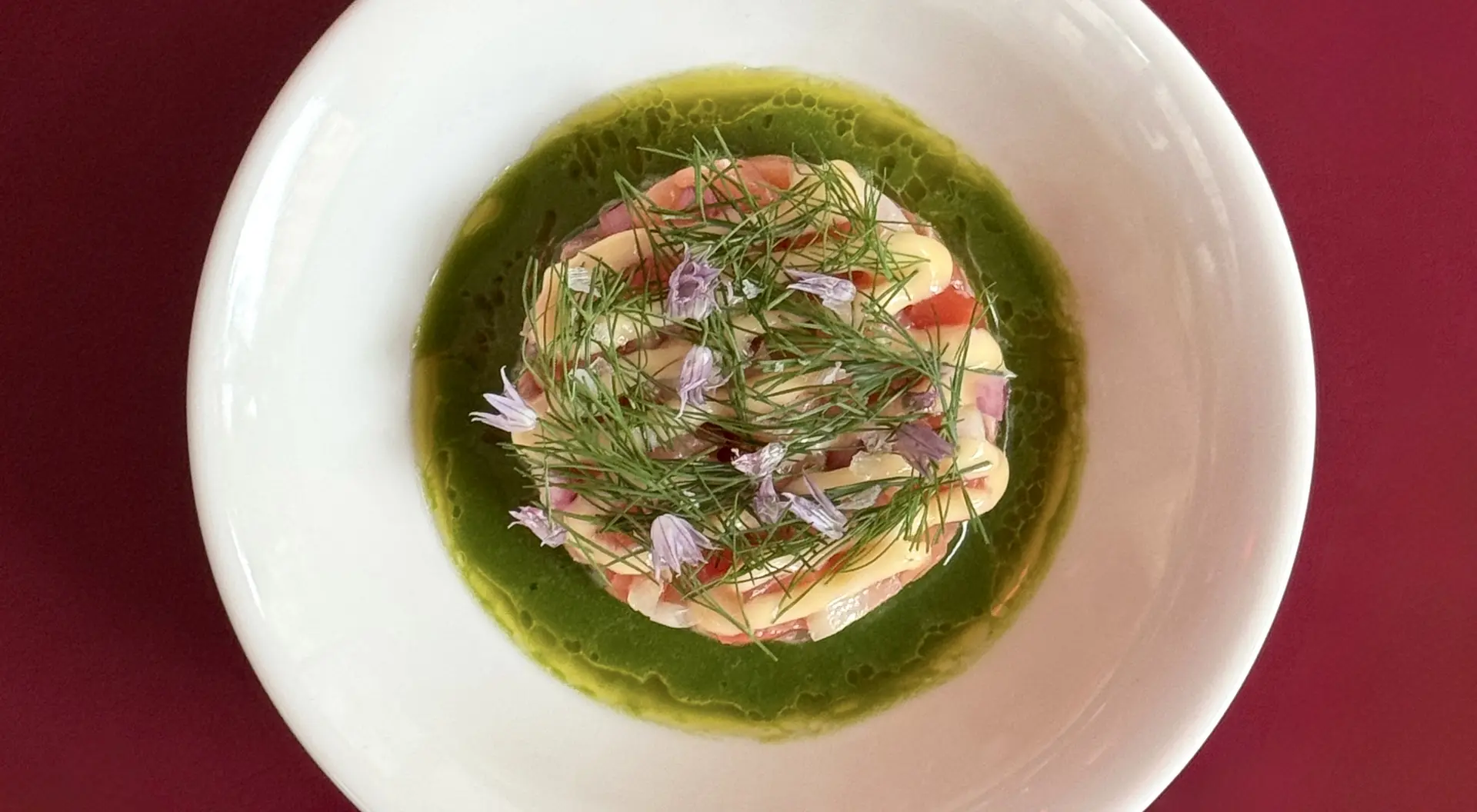
Vegetarian, vegan, and gluten-free options are widely available, especially in larger cities and tourist destinations. Traditional dishes like gazpacho, tortilla española, and seafood paella make Spain a paradise for food lovers.
For more information and inspiration, explore our Spanish food and drink page.
Plan Your Tailor-Made Spanish Vacation with Goway
Planning a trip to Spain can be overwhelming, with so many incredible regions, festivals, and cultural experiences to choose from. Working with a Destination Specialist ensures stress-free planning, personalized itineraries, and insider tips you won’t find in a guidebook.
From securing unique accommodations like historic paradores to arranging private tours and exclusive culinary experiences, Goway makes your Spanish journey seamless and unforgettable.
Plan your tailor-made Spain adventure today with Goway.
Featured Spain Trip Ideas
Spain Travel PackagesClassic Spain: Madrid, Seville & Barcelona
Barcelona, La Sagrada Familia, Andalusia, and MadridImmerse yourself in Spain's spirit, from Madrid's regal elegance to Seville's passionate Flamenco rhythms, culminating in Barcelona's architectural wonders.
9 days
From US$3,396/p.p.
Request a Quote
Signature Barcelona
Barcelona and La Sagrada FamiliaDiscover Barcelona’s art, culture and cuisine with Gaudi's masterpieces, flamenco, tapas, Montserrat’s beauty and a hands-on cooking experience.
5 days
From US$2,615/p.p.
Request a Quote
Classic Spain: Madrid, Seville & Barcelona
Barcelona, La Sagrada Familia, Andalusia, and MadridImmerse yourself in Spain's spirit, from Madrid's regal elegance to Seville's passionate Flamenco rhythms, culminating in Barcelona's architectural wonders.
9 days
From US$3,396/p.p.
Request a Quote
Signature Barcelona
Barcelona and La Sagrada FamiliaDiscover Barcelona’s art, culture and cuisine with Gaudi's masterpieces, flamenco, tapas, Montserrat’s beauty and a hands-on cooking experience.
5 days
From US$2,615/p.p.
Request a Quote
Travel Stories
Get inspired about Your Trip to Spain
The Bounty of Budapest
Just after the server slid the bowl in front of me, my glasses began steaming up. The fumes, laden with the scent of rich beef and sweet, peppery papr...
8 Reasons to Book a Trip to Gran Canaria
If you ask North American globetrotters to name their dream Spanish destination, they'll likely tell you about the Gaudí spires of Barcelona, the gall...
Ask a Travel Expert: European River Cruising
Cruising remains one of the most popular travel styles, but European river cruising isn’t quite the same as boutique island cruises or the big ocean l...
Frequently Asked Questions
What do I need to know before traveling to Spain?
Where should I go for the first time in Spain?
Madrid, Barcelona, and Seville are classic choices for a first visit.
What are the new rules for tourists visiting Spain?
Carry ID at all times, book tickets for popular sites in advance, and follow local regulations on public spaces.
What not to bring to Spain?
Avoid bringing large amounts of cash, illegal substances, or restricted food items.
What not to do in Spain as a tourist?
Don’t eat on church steps, avoid disrespecting siesta times in rural areas, and be mindful of local customs.
What are the requirements for U.S. citizens to enter Spain?
A valid passport and proof of return or onward travel are required. No visa is necessary for stays under 90 days.
What is the tourist tax in Spain?
In some regions like Catalonia and the Balearic Islands, a small nightly tax is applied at hotels.
Do I need travel insurance for Spain?
Yes, it’s highly recommended to cover health, cancellations, and emergencies.
Do you need an ETA for Spain?
Starting in 2025, travellers from visa-exempt countries will require an ETIAS (Electronic Travel Authorization) to enter Spain.
Spain Travel Information
Not sure which theme is right for you?
Unlock more by subscribing to our newsletter.
With our newsletter, you’ll get access to regular communications that inspire you and help you explore the world your way.Exclusive Savings
Insider Benefits
Trending Stories

ExcellentBased on 5,317 ReviewsWe decided to go to France for 3 weeks in September and knew we needed help planning the trip (we made this decision in August so a very short time frame. We had traveled with Goway a few years ago and were hoping they could help. Our specialist, Farnaz Bagheri, was fantastic, she listened to what we wanted to do and where we wanted to go. She literally arranged everything with her French partners. The guides and drivers were wonderful the accommodations were excellent. Communication was easy from the first discussion to the time we got home. Farnaz planned for us an exceptional trip in a very short time frame. Promise next trip we will contact Goway much earlier. Thanks againSue BlakeOur experience was amazing! The booking process went great. We just had to pack our clothes and everything else was taken care of thanks to Goway Travel… Lori Mezzomo!!! Lori was fantastic. Everything from flights to transfers to excursions was perfect! Can’t wait to go back and i would definitely use Goway Travel again!!!Marie IdolMaria Spitman provided exemplary service to us! Her expertise, attention to detail, timely replies and kindness were unmatched. We will definitely recommend her to others who we know are considering travel to Asia. Alice StaniforthMichael Keon and his crew did a fine job coordinating our trip to Turkey. His contact in Turkey, Mr. Omer was in contact with us almost daily reminding us of our schedule and pick up info. He was terrific. Very informative and insightful guides. And large comfortable vehicles on every trip. Awesome trip. Tom and Sharon Tom and Sharon, Toronto, Canada We loved the trip itinerary and everything was organized so well! Lori was always very responsive and answered our questions promptly. Thank you for an amazing trip!Jelena PoprzenAs a travel advisor, I recently booked a group of clients on a Goway tour in China following their paddleboat competition, and I couldn’t be happier with the experience.
Christine and Tanya in the groups department were incredibly helpful and made the entire process seamless. Their support was greatly appreciated!
The feedback from my clients was overwhelmingly positive, with particular praise for the local tour guides, who helped make the trip so memorable. Everyone had a wonderful time.
Thank you, Christine, Tanya, and the Goway team, for taking such great care of my clients. I would happily recommend Goway and look forward to working with them again!customerI wanna start off by saying that Farnaz our agent was excellent!!! she planned the whole experience from start to finish. We did not have to worry about one thing the entire trip. All the hotels were great. Our transfers from hotels to fairies to airports were all available and always on time. The excursions she planned for us were all top-notch. I was a little skeptical, but just finding GOWAY online stumbling across it. But I’m so glad I made the choice to use them. I hope they definitely using the company again and especially our agent Farnaz!!! Thank you do mych for a wonderful experience! CatherineOur goal for this trip was a stress free honeymoon where we did not have to think about anything! Goway made that successful. Everything was planned and ready for us. We just had to show up. Brooke recommended fantastic accommodations that were in great locations, clean and comfortable. The tours were took with Thompson's Africa were incredible as well. Brooke was helpful throughout the entire booking process & we wouldn't have had such an incredible experience without her. We really loved our South African holiday and hope to travel there or other locations again with Goway.TaylorOctober 9, 2026, was our 50th wedding anniversary. To celebrate, I wanted to take my bride to Europe for 50 days. Also, other than the flight over, I wanted to make the trip by train. I contacted Farnaz at Goway. The trip we planned ultimately extended to 60 days. It was absolutely flawless. We had great hotels, great tours. Even though this trip was complex and had a lot of moving parts, there were no problems. Farnaz and the folks at Goway done a great job. I highly recommend them and will definitely use them on any future tripsDaniel GraffWe had a fabulous Croatia vacation with a cruise from Dubrovnik to Split, followed by land tours on Split and Opatija. Lodging was always comfortable and conveniently located. Tours and activities were perfectly suited to our interests. We have used GoWay for 2 vacations and are currently working on another. Karen
Verified
Verified
Verified
Verified
Verified
Verified
Verified
Verified
Verified
Verified