
Most travellers from the U.S., Canada, the U.K., and Australia can enter Chile visa-free for up to 90 days. Your passport must be valid for at least six months beyond your arrival date. Always confirm the latest requirements with your government’s travel website before booking.
Chile Travel Information
Not sure which theme is right for you?
Insider Travel Tips
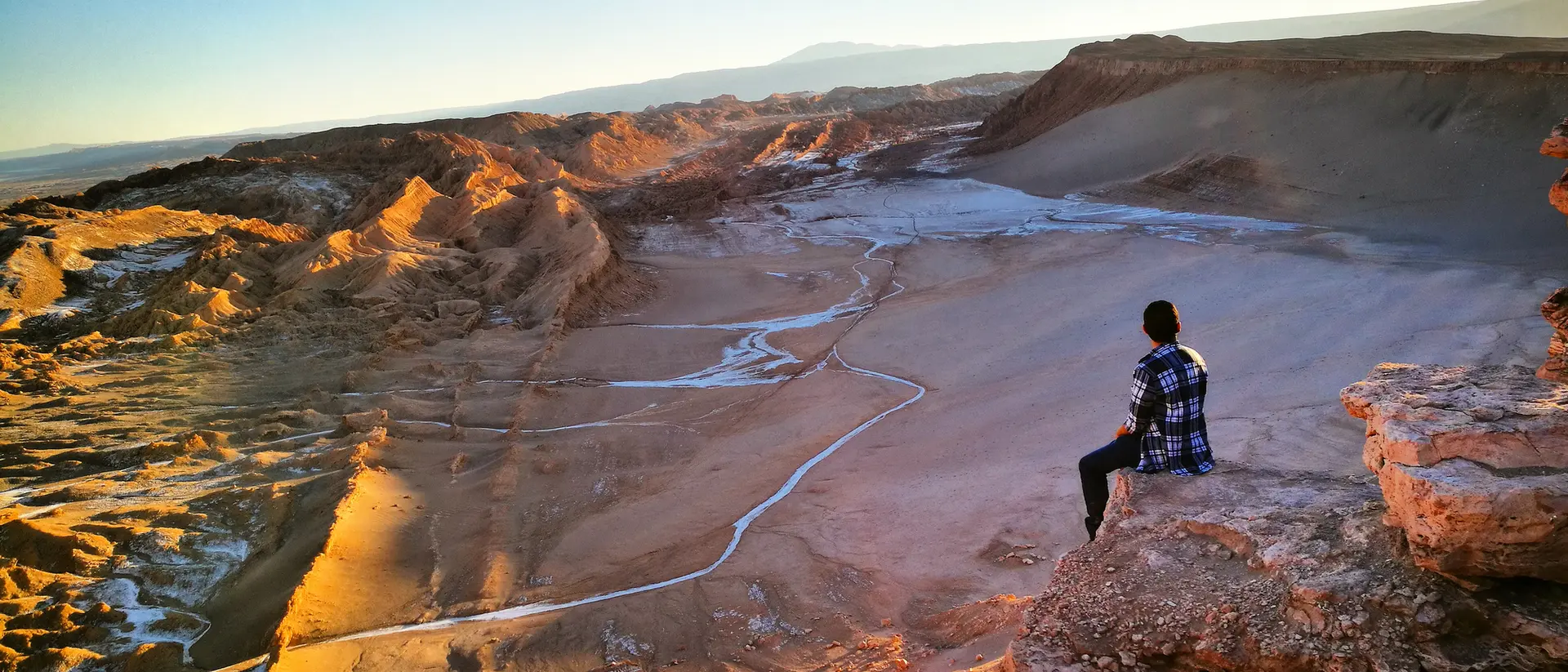
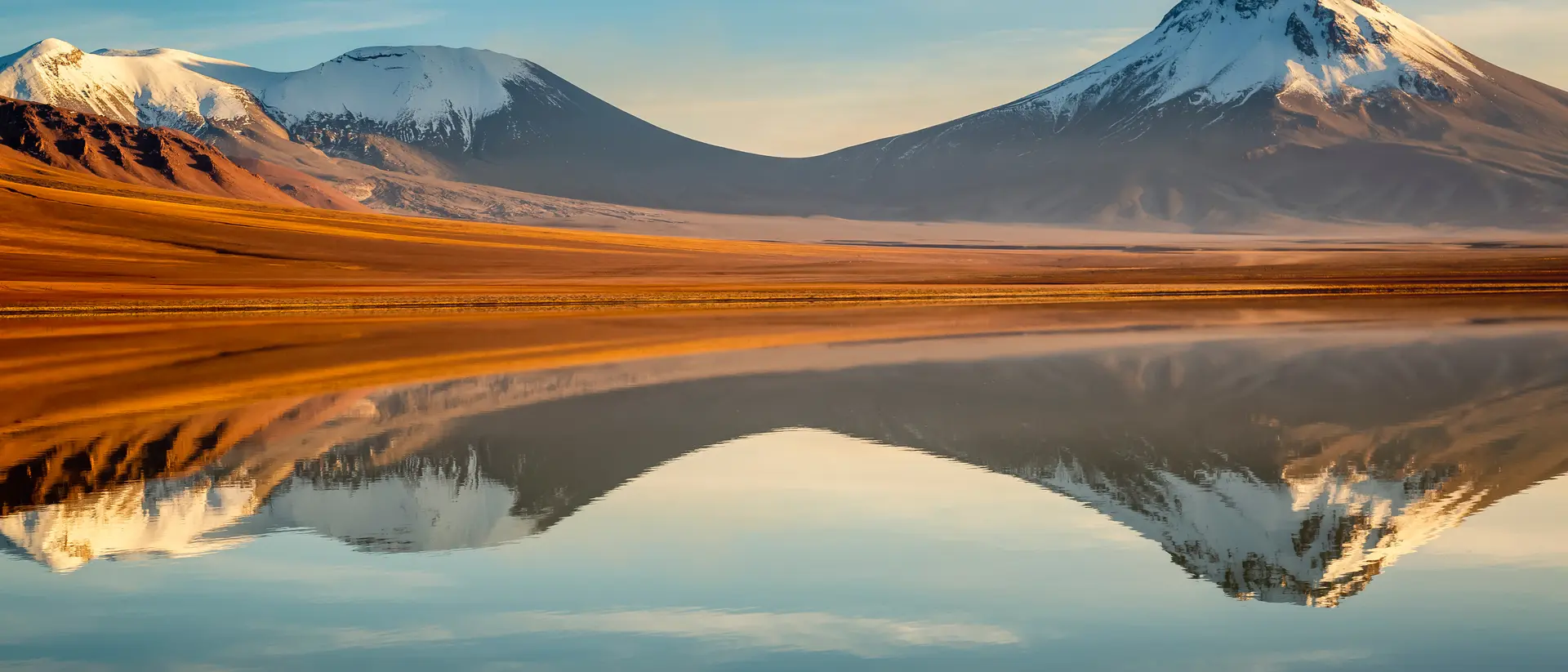
Chile welcomes travellers with a fascinating mix of breathtaking landscapes, dynamic cities, rich culture, and warm hospitality. From sophisticated Santiago and pretty Valparaíso to the lunar valleys of the Atacama Desert and peaks of Patagonia, each region offers a vastly different experience.
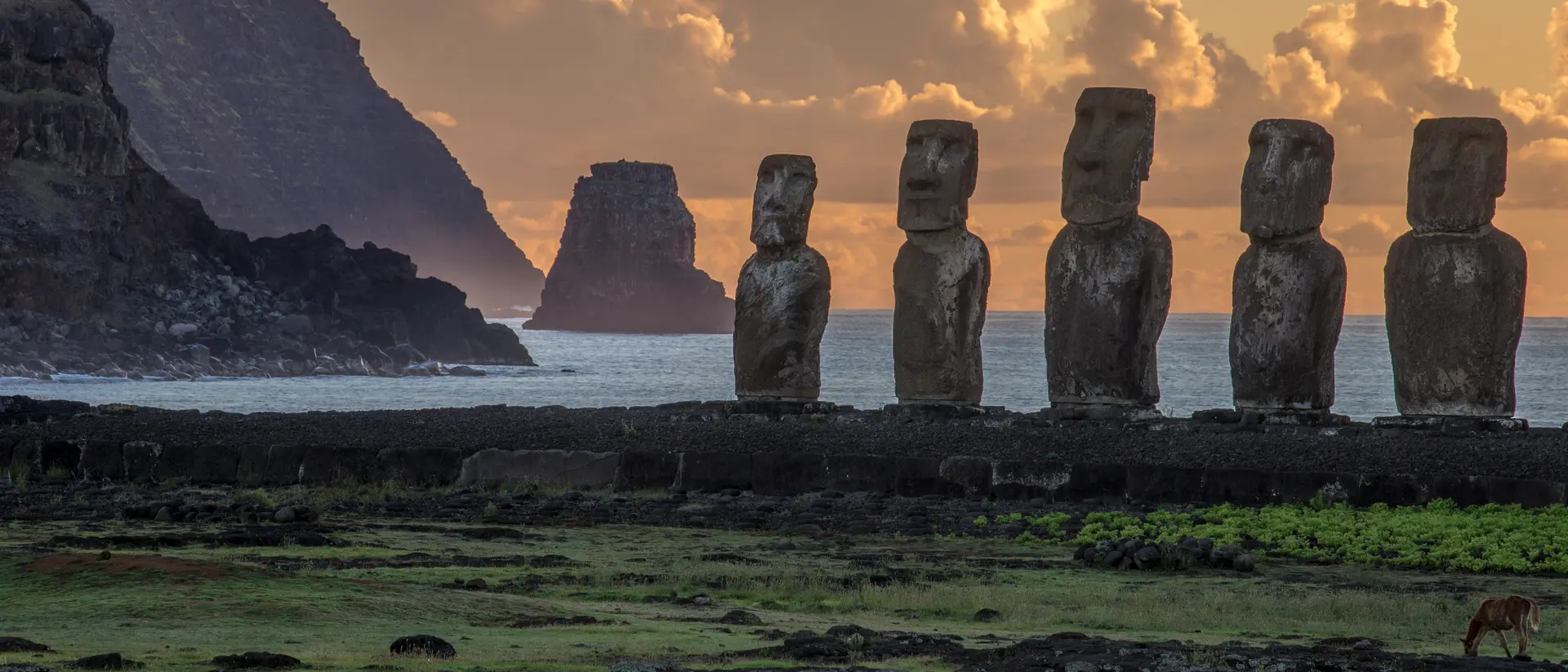
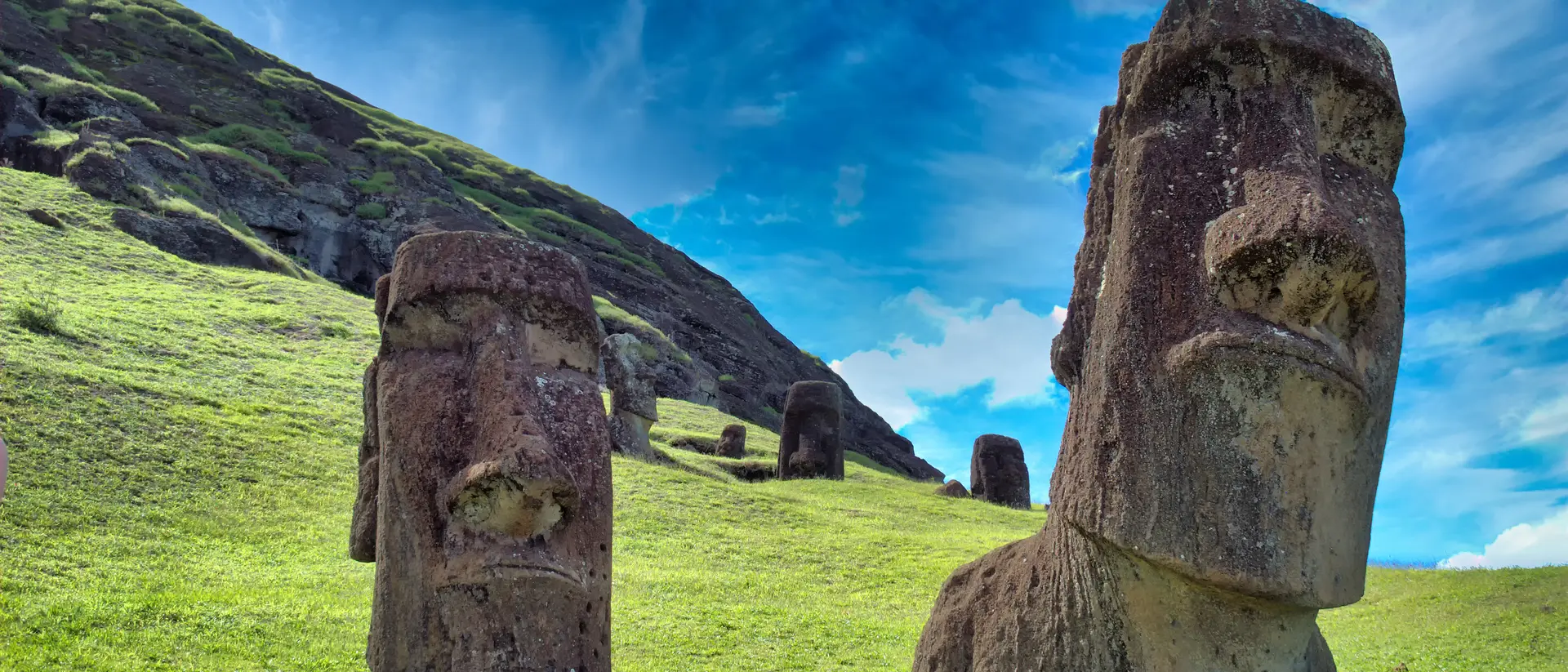
While distances between destinations are long (Rapa Nui, a.k.a. Easter Island, is located in the middle of the Pacific, some 1,300 kilometres off the country’s coast), weather shifts quickly, and remote regions often require a little more planning, the country is well prepared for tourism, with excellent guides, modern infrastructure, and a hospitable culture that helps travellers feel at home.
Whether you are looking for high-end lodges, boutique experiences, or active adventures, Chile offers options to match every style and pace of travel. Consult one of our Destination Specialists to book your perfect Chile vacation today.
Practical Information for Visiting Chile
Most travellers from the United States, Canada, the United Kingdom, and Australia can enter Chile without a visa for stays of up to 90 days. Your passport should be valid for at least six months beyond your arrival date. As of 2025, there is no reciprocity fee, but it’s best to confirm details on your government’s official travel website before departure.
If you are planning on visiting Rapa Nui, you will need to fill out a Rapa Nui Entry Form (IRN) within three weeks of your arrival on the island. This only takes five minutes to complete and is done online. There is no fee to do so.
According to Destination Specialist Melissa Matheson, “some people think Chile is dangerous, but it’s actually one of the safer countries in South America.”
For a deeper understanding of customs and traditions you may encounter on arrival, explore our Chile culture and traditions guide.
What to Pack for Chile’s Varied Climate
Chile’s length and diverse geography mean packing for various climates and scenarios is essential.
For cities such as Santiago and Valparaíso, bring versatile layers to handle cool, foggy mornings, warmer afternoons, and chilly evenings. Staples should include T-shirts, sweaters, a light jacket, and comfortable walking shoes for hills and cobblestones (known as the San Francisco of South America, Valparaíso is especially hilly). Pack, too, a waterproof jacket or umbrella, smart-casual clothes for dining, and strong sun protection, as the UV index can be high.
In Patagonia, bring layers, a windproof jacket, and waterproof boots to stay comfortable in ever-changing weather. For the Atacama Desert, sunglasses, lip balm, sunblock, and warm clothing for cool nights are important, while central Chile calls for light clothing during the day and a sweater for cooler evenings.
Located roughly 3,700 kilometres (2,200 miles) west of the country, Rapa Nui (Easter Island) boasts a humid, subtropical climate, so prioritizing lightweight, breathable clothing, robust sun protection, and versatile layers for wind and rain are key. Other essentials include sturdy trekking shoes, swimwear, a waterproof windbreaker, and high-SPF sunscreen. Focus on comfort for daily walking and archaeological site visits.
“Chile’s diversity is unmatched,” says Destination Specialist Samy Koussa. “You can enjoy wine tastings in the Casablanca Valley, watch the sunset on the Pacific coast, and trek the glaciers of Patagonia all in one trip.”
No matter where you go, however, pack Type C or L adaptors, a comfortable daypack, and a refillable water bottle. For advice on what to expect in each season, see our Best Time to Visit Chile guide.
Health and Safety in Chile
Chile is considered one of the safer countries in South America, with a welcoming atmosphere for visitors. Tap water is safe to drink in most cities, though bottled water is recommended in rural areas.
If you plan to visit the Atacama Desert, allow time to acclimatize to the altitude to avoid discomfort. Comprehensive travel insurance is highly recommended to cover medical care, trip changes, or lost belongings.
In case of emergency, dial 131 for an ambulance or 133 for the police. Use hotel safes for valuables and avoid isolated areas after dark.
Currency, Credit Cards, and Tipping in Chile
The currency in Chile is the Chilean peso (CLP). Credit cards are widely accepted in cities, but it’s wise to carry some cash for smaller purchases in rural areas or markets.
ATMs are common, though fees may apply, especially for foreign cards. Tipping is customary in restaurants, with around 10 percent of the bill considered standard.
While dining, you may discover local specialties and drinks highlighted in our Chile food and drink guide, from empanadas to Carménère wine.
Language, Customs, and Etiquette in Chile
Spanish is Chile’s official language, and English is less common outside major tourist areas. Learning a few basic phrases of Spanish is advisable and will be appreciated, although Chilean Spanish is considered by many across South America to be one of the most challenging versions to understand due to its combination of speed and an accent or affectation that often sees the “s” or “d” at the end of words dropped off. In any case, Chileans are welcoming and will encourage attempts to connect.
Greetings throughout Chile often involve a handshake or a light kiss on the cheek, depending on familiarity. Politeness and punctuality are highly valued, especially in cities, though timing is more relaxed in rural areas.
As a rule, avoid discussing politics or the Pinochet era unless a local initiates the topic.
Getting Around Chile
Given Chile’s extraordinary length, domestic flights are the fastest way to cover long distances, such as between Santiago and Punta Arenas. Long-distance buses are comfortable, affordable, and run frequently between major cities and regions. In urban areas, taxis are widely available, but using ride-hailing apps like Uber or Cabify offers more convenience and clear pricing.
Rental cars can be a great option in regions like the Lake District or Patagonia, but they are best suited for confident drivers familiar with rural or changing road conditions. As Destination Specialist Samy Koussa notes, “Santiago’s metro is excellent. Long-distance buses are reliable, and driving is great in the south and wine regions.”
Featured Chile Trip Ideas
Chile Travel PackagesHighlights of Rapa Nui & Santiago
Rapa Nui (Easter Island) and SantiagoJourney through Chile, basking in Santiago's vibrancy before venturing to the enigmatic Rapa Nui. From iconic Moai to coastal delights, each moment enchants.
8 days
From US$2,213/p.p.
Request a Quote
Wine & Wonder in Chile
Santiago, Rapa Nui (Easter Island), and ValparaisoSavour the essence of Chile as you traverse Santiago's streets, indulge in exquisite wines, and uncover the serene mysteries of Rapa Nui’s moai.
11 days
From US$4,535/p.p.
Request a Quote
Classic Chile: Santiago, Rapa Nui & Atacama
San Pedro De Atacama, Santiago, and Rapa Nui (Easter Island)Experience the essence of Chile on this adventure, journeying from Santiago to Rapa Nui and the majestic Atacama Desert, rich in culture and breathtaking landscapes.
10 days
From US$4,289/p.p.
Request a Quote
Highlights of Rapa Nui & Santiago
Rapa Nui (Easter Island) and SantiagoJourney through Chile, basking in Santiago's vibrancy before venturing to the enigmatic Rapa Nui. From iconic Moai to coastal delights, each moment enchants.
8 days
From US$2,213/p.p.
Request a Quote
Wine & Wonder in Chile
Santiago, Rapa Nui (Easter Island), and ValparaisoSavour the essence of Chile as you traverse Santiago's streets, indulge in exquisite wines, and uncover the serene mysteries of Rapa Nui’s moai.
11 days
From US$4,535/p.p.
Request a Quote
Classic Chile: Santiago, Rapa Nui & Atacama
San Pedro De Atacama, Santiago, and Rapa Nui (Easter Island)Experience the essence of Chile on this adventure, journeying from Santiago to Rapa Nui and the majestic Atacama Desert, rich in culture and breathtaking landscapes.
10 days
From US$4,289/p.p.
Request a Quote
Travel Stories
Get inspired about Your Trip to Chile
Colombia Travel Tips from Goway & CTV Morning Live
Colombia is having a major travel moment, and I had the pleasure of returning to CTV Morning Live in Vancouver to unpack exactly why. Colombia ...
Ask a Travel Expert: Peru
Peru is one of the most famous countries in South America, but not many people know the specifics beyond the alpacas and Incan ruins. To help you lear...
Bussing Down to Rio & Beyond: Goway Goes to Latin America
Like other globetrotter destinations such as Africa and Europe, Goway’s roots in Latin America began in the 1970s. I had started Goway by specializing...
Frequently Asked Questions
Do I need a visa to travel to Chile from the U.S. or Canada?
Is it safe to travel to Chile in 2025?
Yes. Chile is considered one of the safer countries in South America. Exercise the same precautions you would in any destination: Keep valuables secure, avoid isolated areas after dark, and use official or app-based transportation services in cities.
Can I drink the tap water in Chile?
Tap water is safe to drink in cities like Santiago, but bottled water is recommended in rural or remote regions.
What should I pack or wear for different regions in Chile?
How do I get around while travelling in Chile?
Domestic flights are best for long distances. Buses are comfortable and affordable, while ride-hailing apps work well in cities. Rental cars are ideal for certain areas like the Lake District, but require confidence in varied driving conditions.
Do I need to speak Spanish to visit Chile?
Spanish is the national language, and English is less common outside tourist hubs. Learning a few phrases will make travel smoother and interactions warmer.
Should I bring cash to Chile, and is haggling a common practice?
Credit cards are widely accepted in cities, but cash is important in rural areas and small towns. Haggling is not common in shops or markets, except at some tourist-oriented stalls.
Are there luxury hotels in places like the Atacama Desert or Patagonia?
Yes. Chile is known for its eco-luxury lodges such as Explora, Awasi, and Alto Atacama, which offer exceptional service, guided excursions, and gourmet dining in spectacular locations.
Chile Travel Information
Not sure which theme is right for you?
Unlock more by subscribing to our newsletter.
With our newsletter, you’ll get access to regular communications that inspire you and help you explore the world your way.Exclusive Savings
Insider Benefits
Trending Stories

ExcellentBased on 5,307 ReviewsWe recently worked with Jacqueline to plan our trip to Greece and had a wonderful experience. We made several revisions to our itinerary and Jacqueline was patient, understanding and prompt in responding to our needs. In addition to the specific tours she booked, she provided extra options and local suggestions for each place we visited in Greece. Her attention to detail and responsiveness made our trip incredibly memorable. Mark MendellWe have used Goway several times to plan simple & more complicated trips. The last 2 trips we worked with Brooke Theron who is extremely customer focused. She listens well & is alway flexible to look at alternatives. We will continue using this representative & Goway.
Our only criticism is that they do not break down the various costs of a trip which makes tipping very awkward. It can also create a sense of " mistrust" when all the costs are not transparent. Cheryl HayesOur trip to Switzerland was an amazing experience. Our travel agent at GoWay, Bo was so helpful in helping my husband Louie plan just what we wanted to do on this trip. Taking the trains thru the county was easy by the many hours Louie and Bo worked on this. Also our helicopter ride in Zermatt on my birthday was just unbelievable. Flying around the Matterhorn and the Alps is one flight we will never forget. Thanks Bo for setting this up. The trip was one incredible adventure that we will never forget. Thanks again Bo, Lynn Gerber. Lynn GerberWe booked a Goway tour to Botswana and Zimbabwe and it was excellent. We worked with Brooke, the Goway represntative, to set up the tour and she was an outstanding agent who answered any questions we had very quickly and completely. Her hotel recommendation for the additional night we stayed was pefect.
Goway hires a local tour group, Jenman Safaris, to lead the safari in the 2 countries. The tour itself was amazing...the lodges that we stayed at were very nice and the food was great (except for one lodge's food). The Goway itinerary was slightly different than the actual Jenman Safari itinerary but most of the sites that we went to were the same as listed on the Goway itinerary. I would use Goway again because their choice of a local tour group was very good...nice lodges/camps and good food and knowledgeable tour guides.Ma FaOur GoWay tour representative, Michael Keon, was on top of all of our concerns and questions in a professional manner and we look forward to working with him in the future. Michael was very easy to work with and treated us like family.ThomasMatthew handled my honeymoon couple's very specific African itinerary like a pro! My clients went to four different travel agents who only wanted to send them on safaris. My clients had already done safaris and were specific on what they wanted to do and see. Matthew hit the nail on the head! Highly recommend!Amanda SchottSeamless prompt excellent communication from our first query about a possible destination to follow-up after the trip ended. Shalini’s knowledge, advice and enthusiasm were invaluable. JaneJacqueline Fagioli from Goaway Travel is excellent and very helpful and supportive. VenessaOur travel agent, Melissa Moses, created the perfect itinerary for our recent holiday to Portugal. Melissa had also planned our previous trip to England/Scotland. We have a great deal of confidence in her ability as she really listens to what we are looking for and she caters the plans according to our comfort levels and interests. customerJacqueline F. made our trip exceptional. Everything she planned or reserved worked out as it was supposed to. Croatia was amazing and I feel we were able to explore a lot of it because of Jacqueline.Allen
Verified
Verified
Verified
Verified
Verified
Verified
Verified
Verified
Verified
Verified