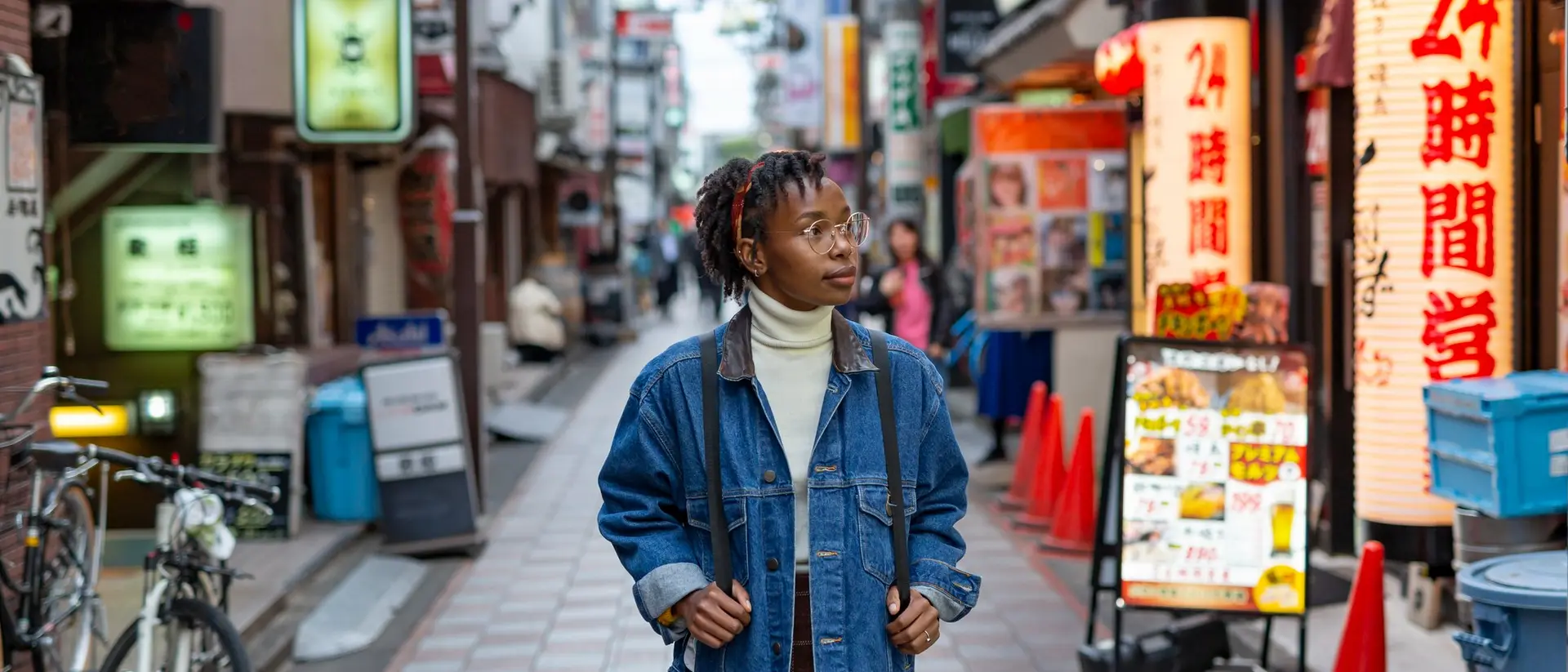
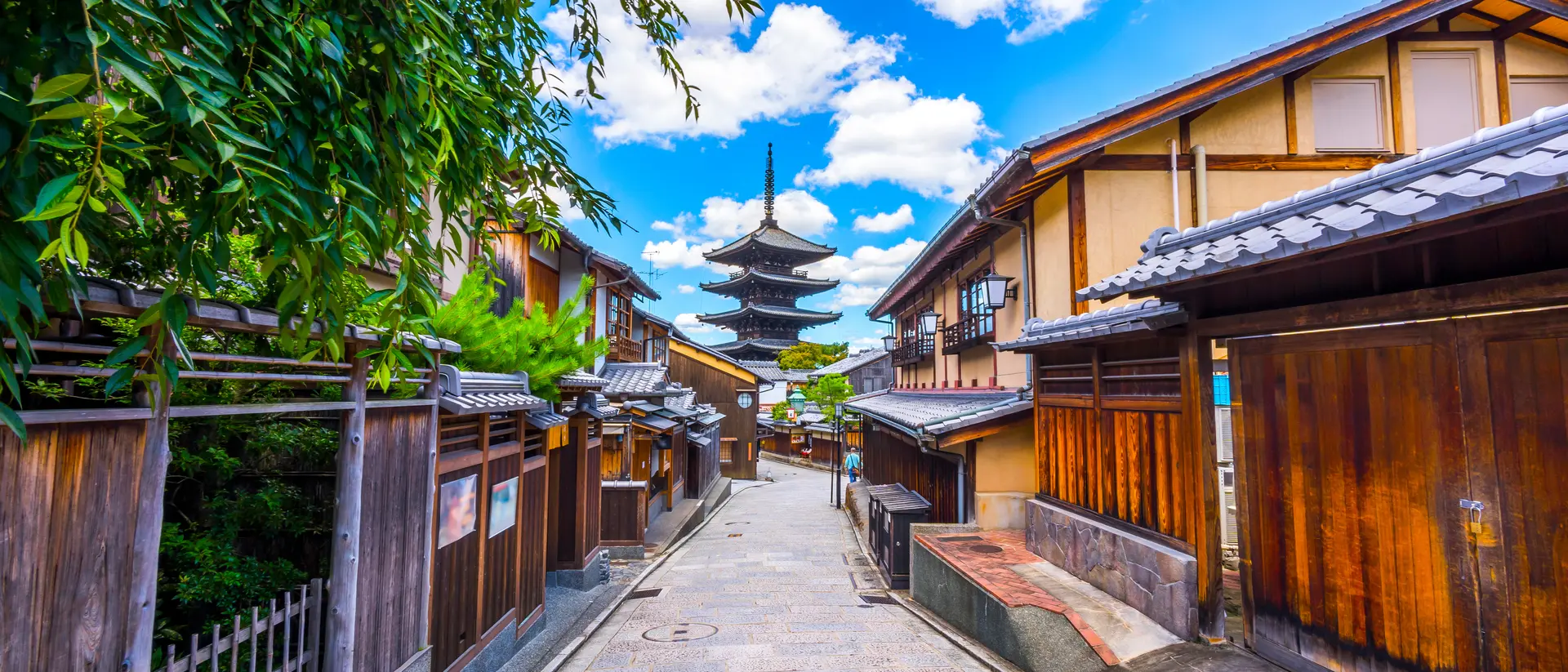
Download a translation app and pack light, as space on trains is tight, and expect to remove shoes in many indoor spaces. Most signs are in English, so getting around is easier than you might think.
Japan Travel Information
Not sure which theme is right for you?
Insider Travel Tips
Japan welcomes travellers with a unique blend of polished hospitality and quiet efficiency. You’ll feel it in the way that train conductors bow as they enter each carriage and in the care that goes into even the smallest details, like how a shop clerk wraps your purchase or how a hotel staff member will walk you to the elevator and bow until the doors close.
Etiquette isn’t just a formality in Japan, but a way of showing respect. From removing your shoes at temple entrances to speaking softly in public spaces, small gestures can go a long way toward fitting in and feeling at home.
Understanding these customs also makes every experience richer, whether you’re visiting Japan for the first time or returning for another adventure. Talk with our Destination Specialists for insider guidance today.
Practical Information for Visiting Japan
For many nationalities, visiting Japan is refreshingly straightforward: Short-term stays are often visa-free, but it’s always best to double-check before you book your flights.
If you plan to travel widely by train, consider picking up an IC card such as Suica or Pasmo. These rechargeable cards work seamlessly on trains, buses, and even in some shops and vending machines.
One essential tip: cash is still king throughout the country. Although credit cards are becoming more common, many restaurants and small businesses continue to prefer yen in hand. “You’ll find ATMs inside post offices and even 7-Eleven stores, which are often open around the clock,” says Destination Specialist Patrick Carleton.
With a little preparation, navigating Japan’s fine-tuned systems should feel effortless, freeing you to focus on exploring. “Japan is not the same as where you’re from,” notes Destination Specialist Steve Perkins. “Be a responsible traveller and educate yourself about etiquette, culture, and laws—and book well in advance.”
Safety and Respect in Japan
Japan is one of the safest countries in the world: Crime rates are remarkably low, and it’s common to see schoolchildren walking home alone or commuters leaving phones unattended on café tables.
“A lot of visitors don’t realize just how safe Japan is,” says Destination Specialist Steve Perkins. “Even walking alone at night, I’ve never felt uneasy.”
That said, a spirit of respect underpins daily life here. You’ll often be asked to remove your shoes indoors, whether you’re entering someone’s home, a temple, a traditional inn, and even a changing room in a clothing store. In hotels, quiet hallways are the norm, and voices are kept low out of courtesy to fellow guests.
Onsen baths are a beloved ritual with their own etiquette. “Before you step into an onsen bath,” says Destination Specialist Patrick Carleton, “be sure to wash thoroughly. Locals balance towels on their heads and never bring them into the water itself.”
Following these customs shows consideration and helps you feel a part of the culture rather than apart from it.
Culture and Rituals in Japan
Politeness and thoughtfulness shape every interaction in Japan. You’ll see it in the graceful bow exchanged instead of a handshake and in the way people queue patiently from busy train platforms to tiny ramen shops.
Punctuality is considered a sign of respect. Trains depart exactly on time, and it’s good form to arrive early for any reservation or appointment. If you’re invited to someone’s home, says Destination Specialist Patrick Carleton, you’ll be offered a pair of indoor slippers and even separate slippers just for the bathroom.
Small gestures like these are woven into everyday life, creating a culture that feels both welcoming and refreshingly orderly.
For a deeper look at local etiquette, explore our guide to Japanese cultural norms and traditions before you go.
Seasonal Advice for Japan
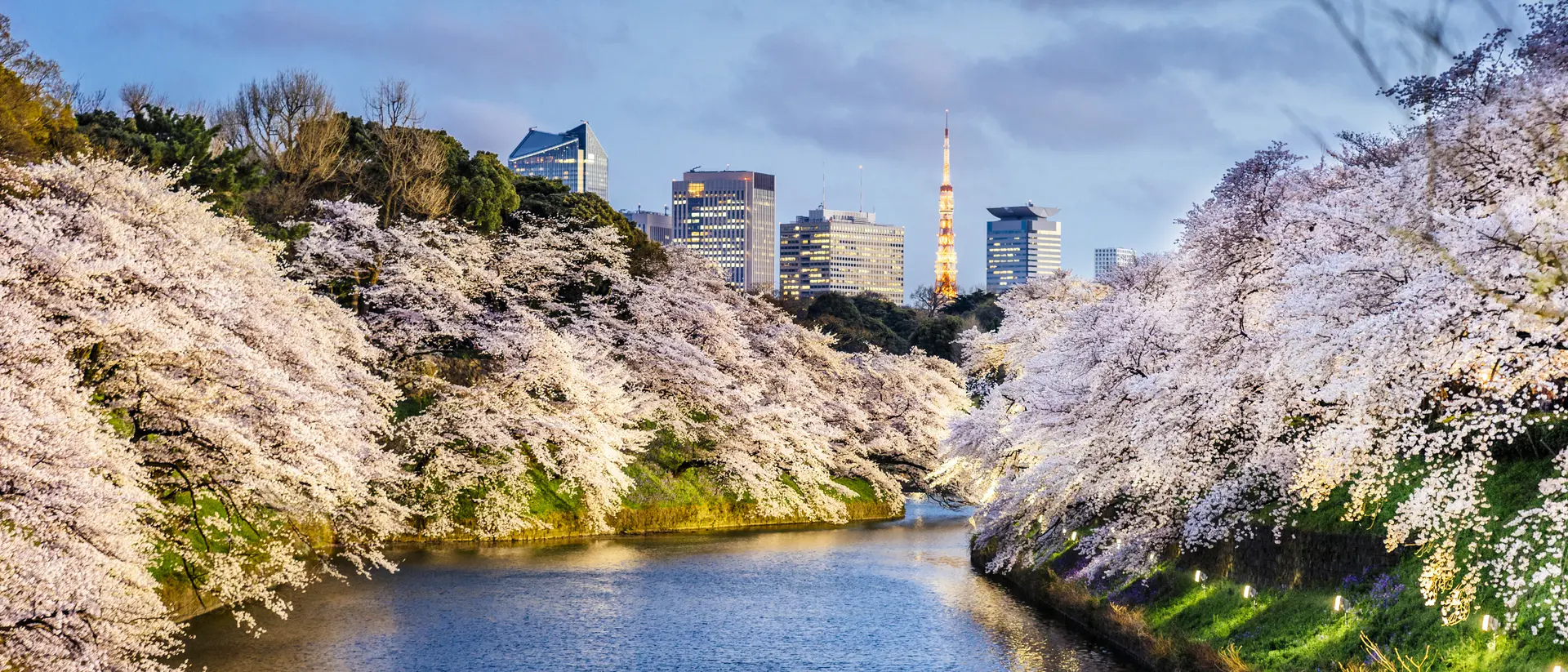
Japan’s seasons each bring their own kind of magic. In spring, cherry blossoms bloom from late March to early April, transforming parks and temples into soft pink wonderlands. Autumn, from mid-October through November, is just as breathtaking; many say the fiery red and gold foliage rivals the beauty of spring flowers.
Summer is festival season. From Gion Matsuri’s elaborate floats in Kyoto to the lantern-lit nights of Tanabata, there’s something celebratory happening in nearly every town. Just be prepared for high humidity and warm evenings, especially in July and August.
Winter is quieter but no less spectacular. Northern regions like Hokkaido turn into snowy playgrounds perfect for skiing, while onsens steam invitingly against frosty mountain backdrops.
Whenever you decide to go, Japan has a season to match your travel style. For a more detailed look at seasonal highlights, see our complete guide on the best time to visit Japan.
Must-Sees for First-Time Travellers to Japan
First-time travellers to Japan often start with the top destinations, which include Tokyo, Hakone, Kyoto, and Osaka—sometimes with Hiroshima as an add-on.
Together, these cities offer a balanced glimpse of Japan’s modern energy and timeless beauty.
In Tokyo, you can wander from futuristic districts like Shibuya to serene temples tucked away in quiet corners, while Hakone’s onsens and views of Mount Fuji are just a short bullet-train ride away.
Kyoto invites you to explore golden pavilions and hidden teahouses, while Osaka brims with street-food stalls and a famously welcoming spirit.
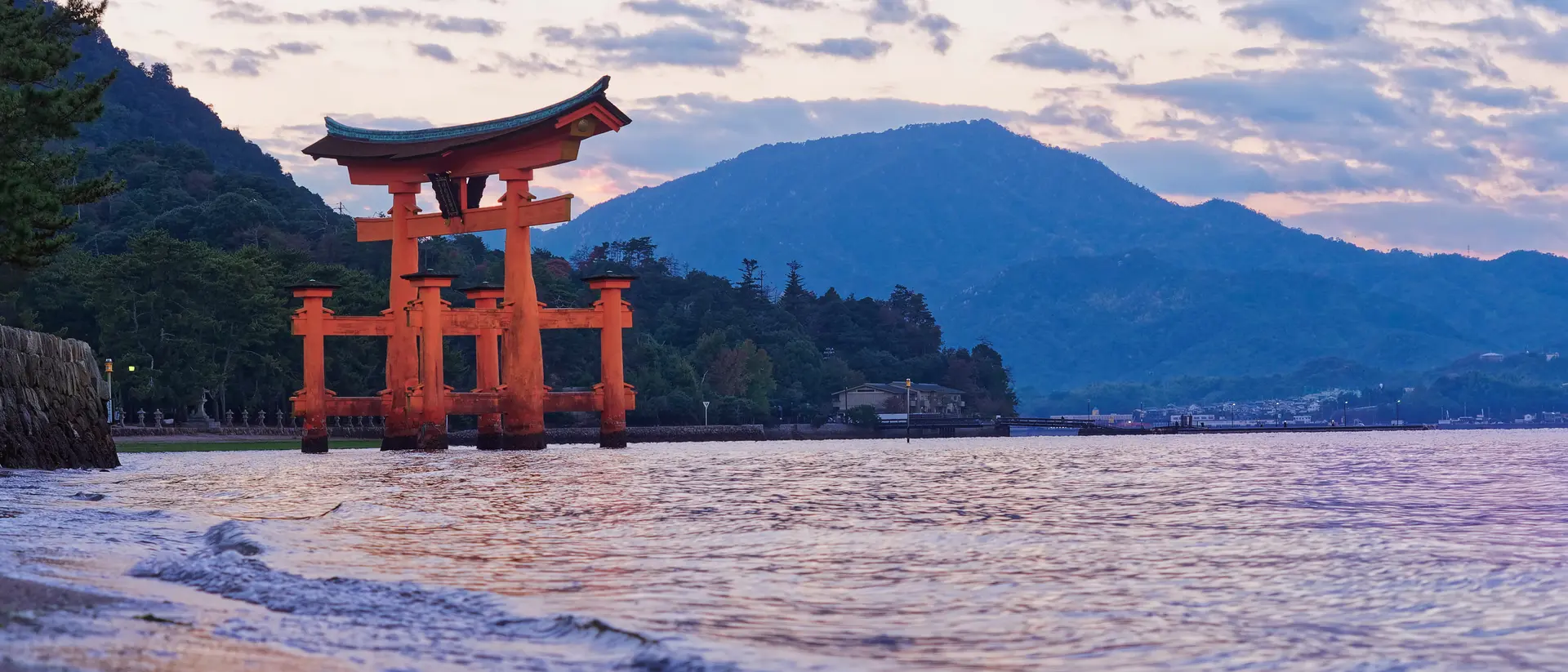
If you have a little extra time, “consider a day trip to Miyajima, an island of roaming deer and the famous floating red torii gate,” says Destination Specialist Patrick Carleton.
Wherever you go, these destinations create a perfect foundation for understanding Japan’s many layers. For itinerary ideas and inspiration, explore more through our suggested Japan travel routes.
Food and Dining in Japan
Japan is a culinary adventure, but it helps to be prepared. Vegetarian and vegan options can be limited, especially in smaller towns. Many dishes are prepared with dashi, a broth made from fish flakes, so it’s worth learning a few key phrases or carrying a translation card if you have dietary restrictions.
Visual menus and plastic food displays in restaurant windows make ordering easy, even if you don’t read Japanese.
Convenience stores are surprisingly reliable for quick, fresh meals: Look for onigiri rice balls, bento boxes, and seasonal treats you might not find anywhere else.
If you have food allergies, double-check labels and consider having a local guide or hotel staff help you communicate. A little planning will help you explore Japan’s famous flavours with confidence.
For more ideas on what and where to eat, consult our guide to Japan’s food and drink experiences.
Plan Your Tailor-Made Japan Vacation with Goway
No two trips to Japan should look the same—aorking with our Destination Specialists means that every detail of your journey is shaped around you, from the neighbourhoods you stay in to the cultural experiences you can’t wait to try.
Whether you dream of slipping into a private onsen, learning the art of sushi from a master chef, or waking early to see a temple at sunrise, our team has the knowledge and connections to make it happen.
From your first planning call to your final train ride home, we’re here to ensure your time in Japan feels effortless, personal, and unforgettable. Plan your unforgettable Japan vacation by contacting us today.
Featured Japan Trip Ideas
Japan Travel PackagesTokyo & Kyoto Discovery
Kyoto, Fushimi Inari Taisha, Kinkakuji Temple (Golden Pavilion), Tokyo, and Shibuya CrossingJoin an adventure through Japan and explore the lively streets of Tokyo and the tranquil temples of Kyoto. This journey offers incredible value as you discover both cities.
7 days
From US$2,224/p.p.
Request a Quote
Classic Japan: Kyoto, Hiroshima, Tokyo & Mt. Fuji
Tokyo, Shibuya Crossing, Hiroshima, Kyoto, Fushimi Inari Taisha, and Kinkakuji Temple (Golden Pavilion)Wander through Japan’s rich tapestry, from Kyoto’s ancient temples to Tokyo’s dazzling skyline and experience modern life amidst tradition.
8 days
From US$4,143/p.p.
Request a Quote
Japan Odyssey: Cherry Blossom Edition
Osaka, Hiroshima, Kyoto, Fushimi Inari Taisha, Kinkakuji Temple (Golden Pavilion), Tokyo, and Shibuya CrossingSee Japan in bloom on this small group tour, from Kyoto’s shrines to Tokyo’s neon, with onsen soaks, geisha culture, and spring’s most fleeting wonder.
11 days
From US$8,599/p.p.
Request a Quote
Tokyo & Kyoto Discovery
Kyoto, Fushimi Inari Taisha, Kinkakuji Temple (Golden Pavilion), Tokyo, and Shibuya CrossingJoin an adventure through Japan and explore the lively streets of Tokyo and the tranquil temples of Kyoto. This journey offers incredible value as you discover both cities.
7 days
From US$2,224/p.p.
Request a Quote
Classic Japan: Kyoto, Hiroshima, Tokyo & Mt. Fuji
Tokyo, Shibuya Crossing, Hiroshima, Kyoto, Fushimi Inari Taisha, and Kinkakuji Temple (Golden Pavilion)Wander through Japan’s rich tapestry, from Kyoto’s ancient temples to Tokyo’s dazzling skyline and experience modern life amidst tradition.
8 days
From US$4,143/p.p.
Request a Quote
Japan Odyssey: Cherry Blossom Edition
Osaka, Hiroshima, Kyoto, Fushimi Inari Taisha, Kinkakuji Temple (Golden Pavilion), Tokyo, and Shibuya CrossingSee Japan in bloom on this small group tour, from Kyoto’s shrines to Tokyo’s neon, with onsen soaks, geisha culture, and spring’s most fleeting wonder.
11 days
From US$8,599/p.p.
Request a Quote
Travel Stories
Get Inspired About Your Trip to Japan
K-Beauty at the Source: Why Your Wellness Routine Leads to South Korea
South Korea's beauty industry has almost certainly reached your home already. According to Korea's Ministry of Food and Drug Safety, the country expor...
Hitting the Streets on a Pedicab Tour of Seoul
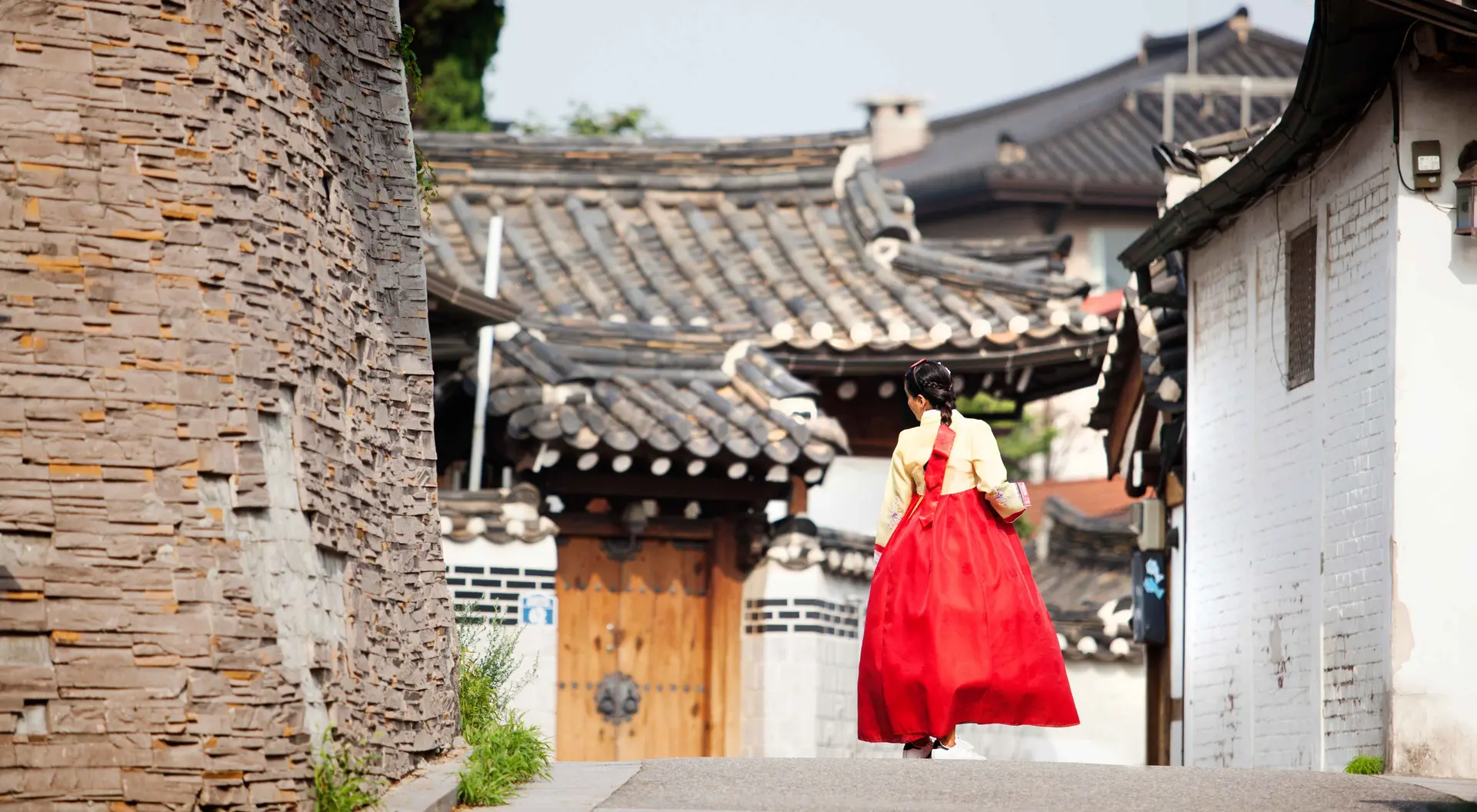
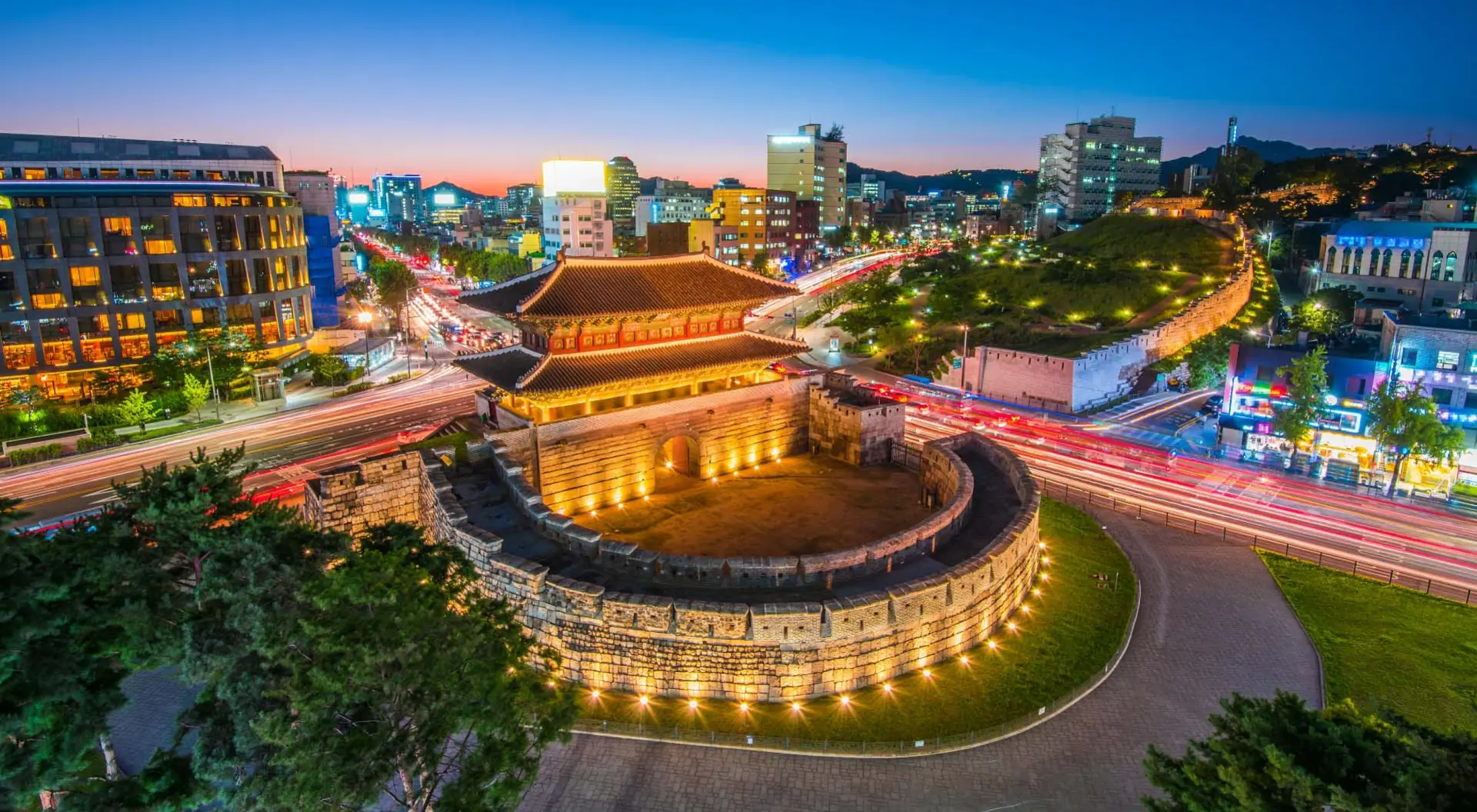
South Korea has earned a unique spot among Asian destinations for its food, history, traditions, and, more recently, its pop culture. Over the last se...
Exploring Rugged & Beautiful Mongolia
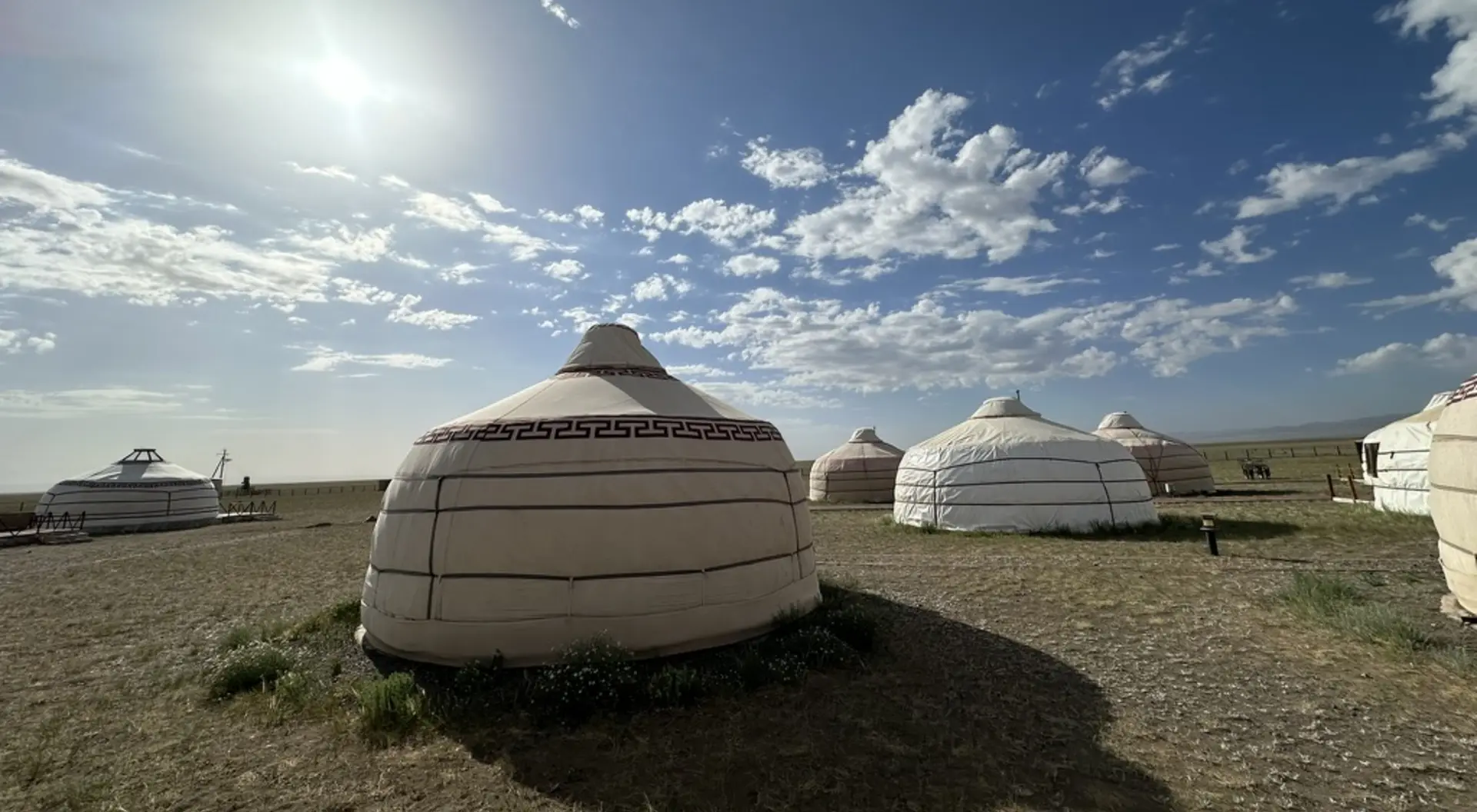
“Hold the dogs,” shouts the local guide as we approach a nomad’s home in the Gobi Desert somewhere in the middle of Central Mongolia. It’s a Mongolian...
Frequently Asked Questions
What practical tips should travellers know about navigating Japan?
How important is punctuality and politeness in Japanese society?
Very. Trains leave on time to the minute, and arriving early for reservations is expected. Politeness is woven into daily life—from bowing to soft conversation—so thoughtful gestures go a long way.
What are the key transportation options for luxury travelers in Japan?
Private transfers, first-class shinkansen seats, and chauffeured cars can all be arranged. In cities, taxis are clean and reliable. For ultra-luxury trips consider a private helicopter tour.
What should visitors know about public behaviour and etiquette?
Keep your voice low, especially on trains and in restaurants. Avoid eating while walking, and use both hands when giving or receiving items. Small acts of courtesy—like placing payment on a proffered tray—are always appreciated.
How can travellers access exclusive cultural experiences in Japan?
Working with a specialist makes it easy. Private tea ceremonies, geisha dinners, temple stays, and behind-the-scenes tours can all be arranged in advance. These experiences often require local connections and early booking.
Japan Travel Information
Not sure which theme is right for you?
Unlock more by subscribing to our newsletter.
With our newsletter, you’ll get access to regular communications that inspire you and help you explore the world your way.Exclusive Savings
Insider Benefits
Trending Stories

ExcellentBased on 5,276 ReviewsMichael at Goway Travel was great to work with. We were planning a pre-trip with him prior to a group tour. He worked with us to hit the special places we wanted to visit and things we wanted to do. The accommodations arranged exceeded our expectations. Local guides were all amazing. This was the third trip we booked through Goway, and we will definitely book with them again in the future David PickaGoway Travel has South Pacific travel Consultant and they are all very experienced. ALICE was the agent who took care of my travel to Australia and she suggested best hotel accommodations excursions and worked within my budget. I had wonderful trip without any problems. Alice was very helpful and we are planning another trip will contact her.SaralAlice Teramoto Put together a perfect trip to Aitutaki and Rarotonga. The tours she included added to the experience. She was the glue to combine the complete package and would highly recommend her services.Valued CustomerWe just came back from a wonderful trip to Portugal. From the time I contacted Goway until now, I have been more than satisfied with our experience. Our agent Michael put together a 8 day package with all the requirements we had asked for. The 8 day trip went so seamless & took all the stress off us travelling in Portugal. Michael not only listened to what we wanted, but he was so quick to respond to all of our calls, emails & concerns. The transfers, hotels & tours he arranged were the best. We would highly recommend Goway. I can hardly wait to book our next adventure with Goway. CathyMichael Keon from Goway Travel made our family trip to Greece memorable. Michael was a call or email away when planning our Greece trip and worked with us on our tight budget. Every detail was worked out for us before we got on the plane.
Shout out to Nico, one of our drivers in Mykonos and all the great expeditions we went on.
I highly recommend Goway Travel to plan your next vacation adventures.
Jacqueline G. Jacqueline GarrettI just returned from a wonderful trip to Sweden and Norway. I had the good fortune of working with Michael Keon who helped me plan and customize an interesting and balanced itinerary.
All of the logistics went well, flights, transfers, hotels in great locations, travel between destinations, fjord safaris, cruises and guided tours with knowledgeable guides to inform and make the experience even more memorable.
Michael was responsive to all of my questions and made it so easy to both prepare for and ultimately enjoy the trip.
Looking forward to planning the next one!GailJust got back from a fabulous safari holiday in Tanzania. The trip was amazing! Exceeded my expectations. The people, the local team at Sense of Africa, the food, the accommodations (Karibu camps: Elephant Springs+Lion’s Paw and Sametu), the safari from the sky (hot air balloon)… I can keep going. Perfect way to celebrate my 50th bday.
Thanks again to Alice Teramoto and Goway for making this happen! Truly a trip of a lifetimeKARISSA CARRASQUILLOI have had Melissa Moses plan our trips for us for quite a few years. She always finds interesting sights for us to see, the hotels are always beautiful and everything runs perfectly. Can't wait to get started on the next adventure. Andrea JonesJust returned from a two week trip to Prague, Vienna and Budapest booked by Michael Keon at Goway
This was our second trip booked with Michael
Hotels were all excellent, in great locations, transfers to and from airports went without a hitch and train travel was exactly as planned.
As we worked through all the details of planning the trip, he responded to lib questions promptly, making finalizing the trip very easy
I would highly recommend him as a travel agent, and we will be using him again
Kevin BourkeKatie's knowledge and support were the primary reason the trip worked so well.
Everything went smoothly, and the vacation could not have been any better. The hotels were wonderful, the two tours we took went well, and there were no issues with flights or transfers.
GERAR
Verified
Verified
Verified
Verified
Verified
Verified
Verified
Verified
Verified
Verified