Overview
Take a trip to Gyeongbokgung Palace on your South Korea Vacation
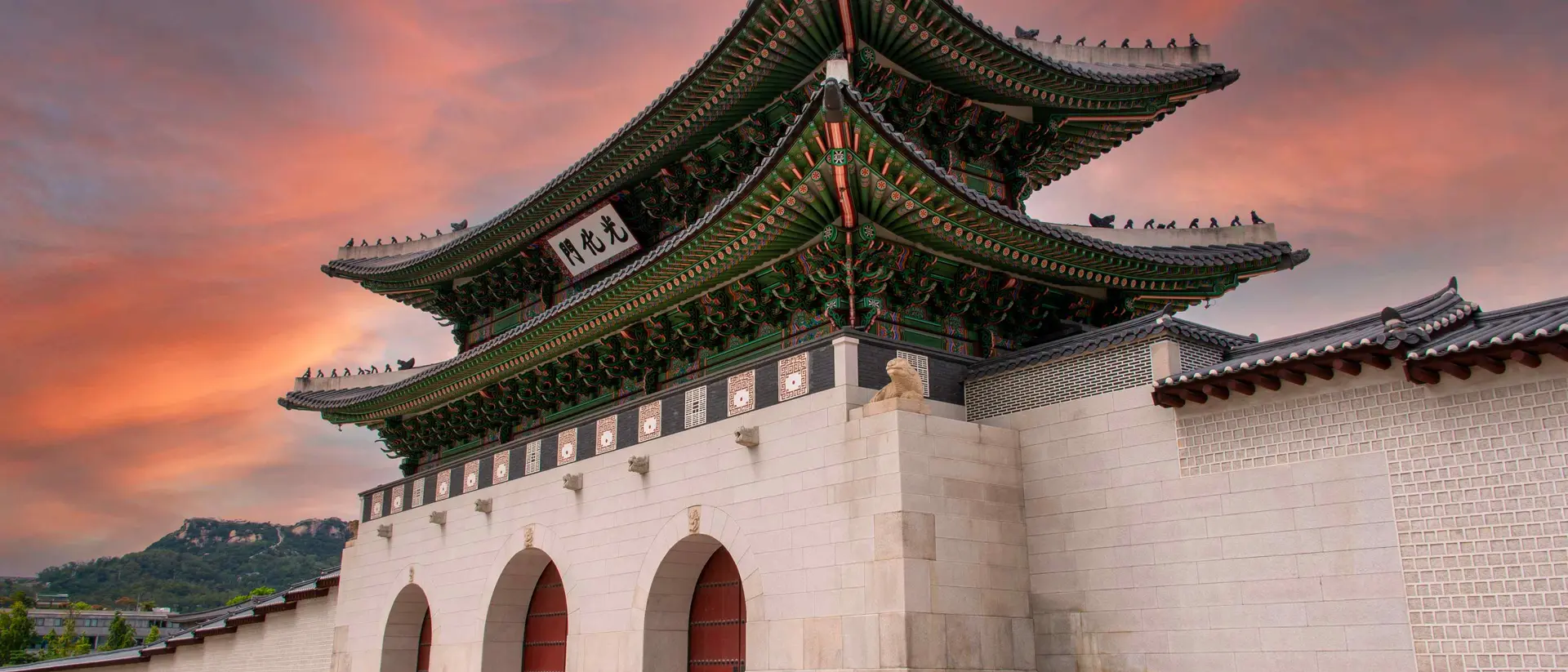
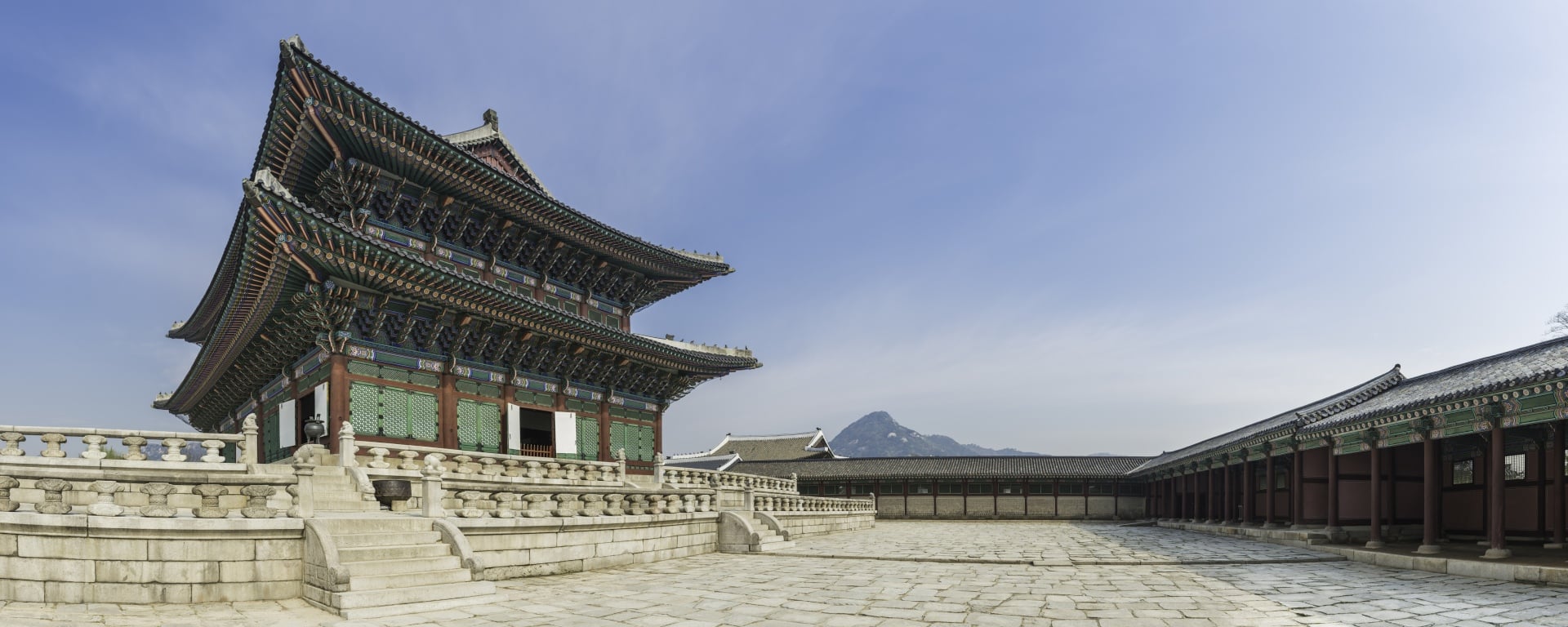
Gyeongbokgung Palace, once the majestic home of the Joseon dynasty, stands as a symbol of South Korea's rich history. Built in 1395 and nestled in northern Seoul, it boasts over 300 regal buildings, including the National Folk Museum and the National Palace Museum. Though marred by destruction in the early 20th century, ongoing restoration efforts are gradually returning the palace to its former glory.
Conveniently situated in central Seoul, Gyeongbokgung Palace is easily accessible by taxi or subway. Enter through one of its four grand gates, each offering a glimpse into the palace's storied past. For a truly awe-inspiring entrance, pass through the southern gate, Gwanghwamun, and immerse yourself in the palace's timeless splendour.
Languages
KoreanCurrency
South Korean wonTrending Trips
Unforgettable Journeys.
Essential Korea: Seoul & Busan
Busan, Seoul, and Gyeongbokgung Palace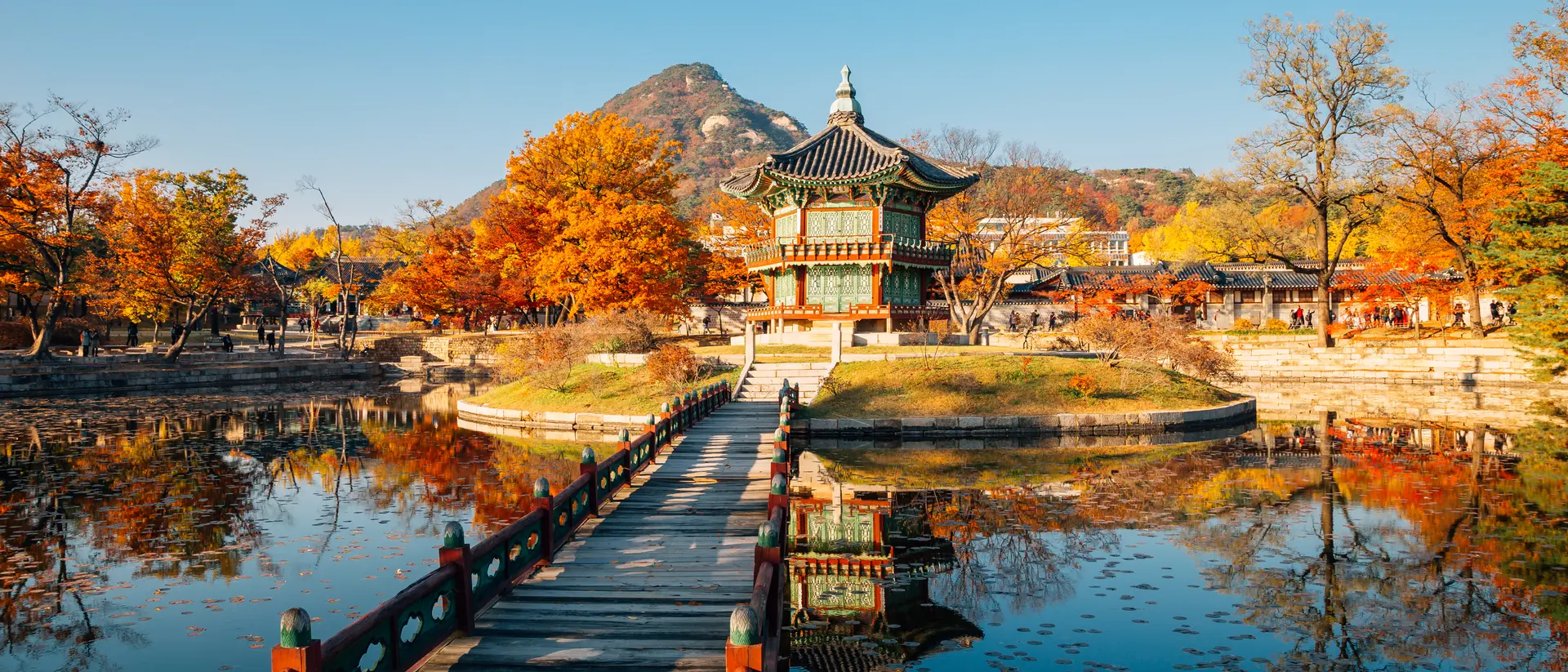
Classic Korea: Seoul, Gyeongju & Busan
Busan, Gyeongju, Seoul, and Gyeongbokgung Palace
Korean K-Beauty & Wellness: A Women's Journey
Jeju Island, Seoul, and Gyeongbokgung Palace
Essential Seoul, K-Pop Edition
Seoul and Gyeongbokgung Palace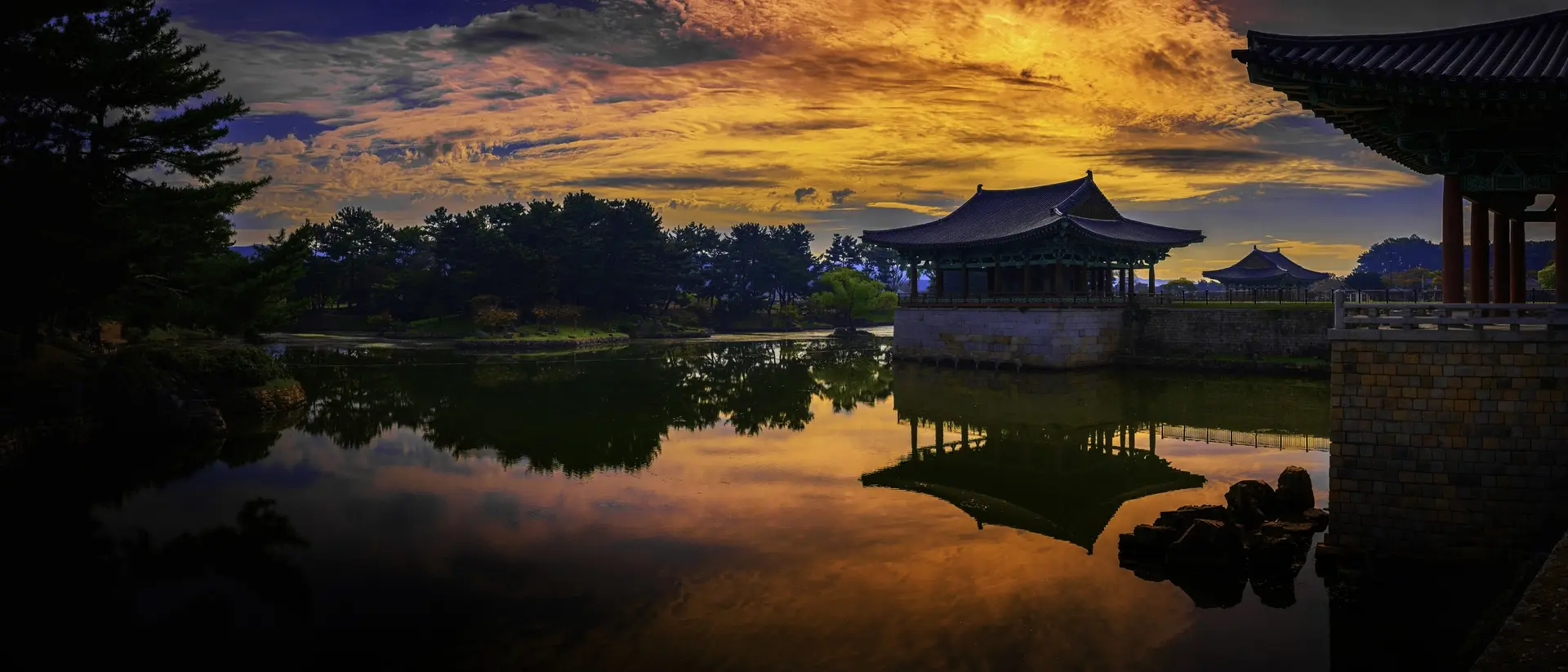
Best of South Korea & Japan
Tokyo, Shibuya Crossing, Hiroshima, Kyoto, Fushimi Inari Taisha, Kinkakuji Temple (Golden Pavilion), Busan, Gyeongju, Seoul, and Gyeongbokgung Palace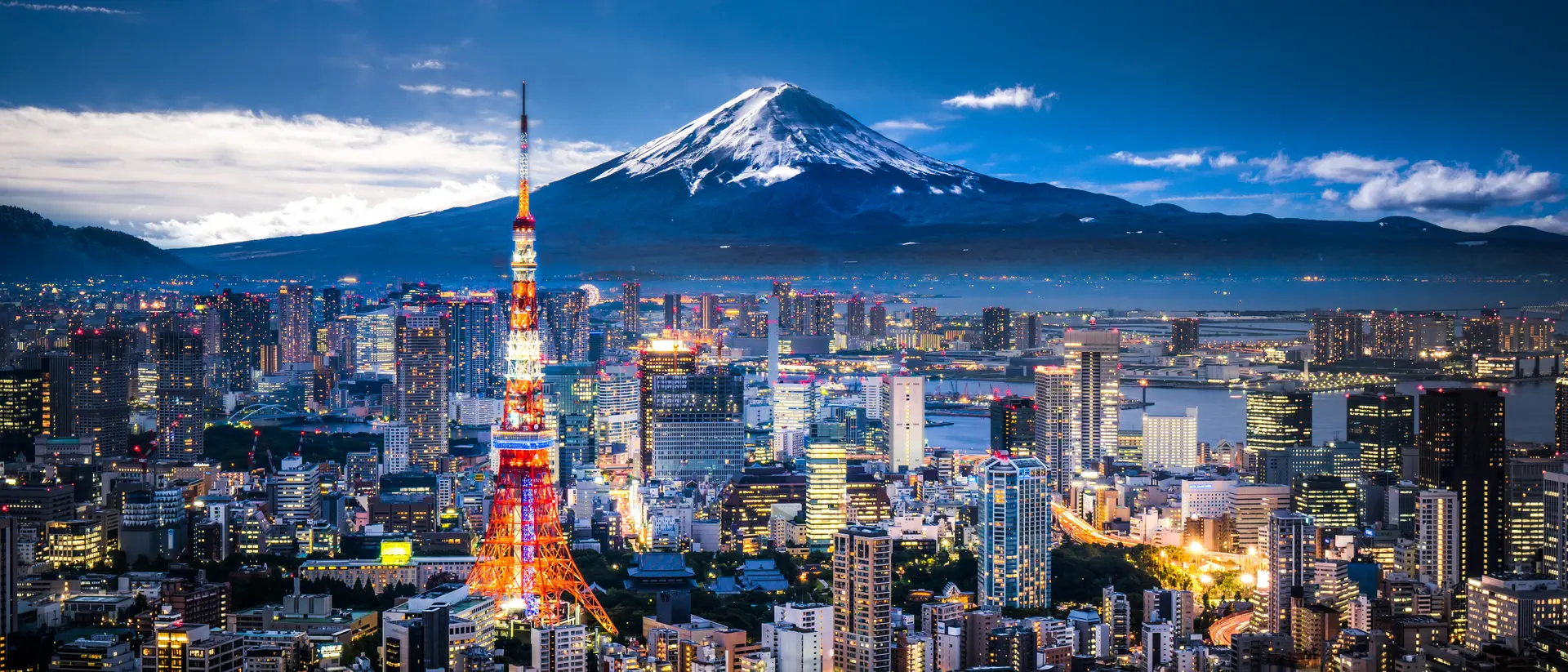
Tokyo, Seoul & Hong Kong Sampler
Hong Kong, Tian Tan Buddha, Seoul, Gyeongbokgung Palace, Tokyo, and Shibuya Crossing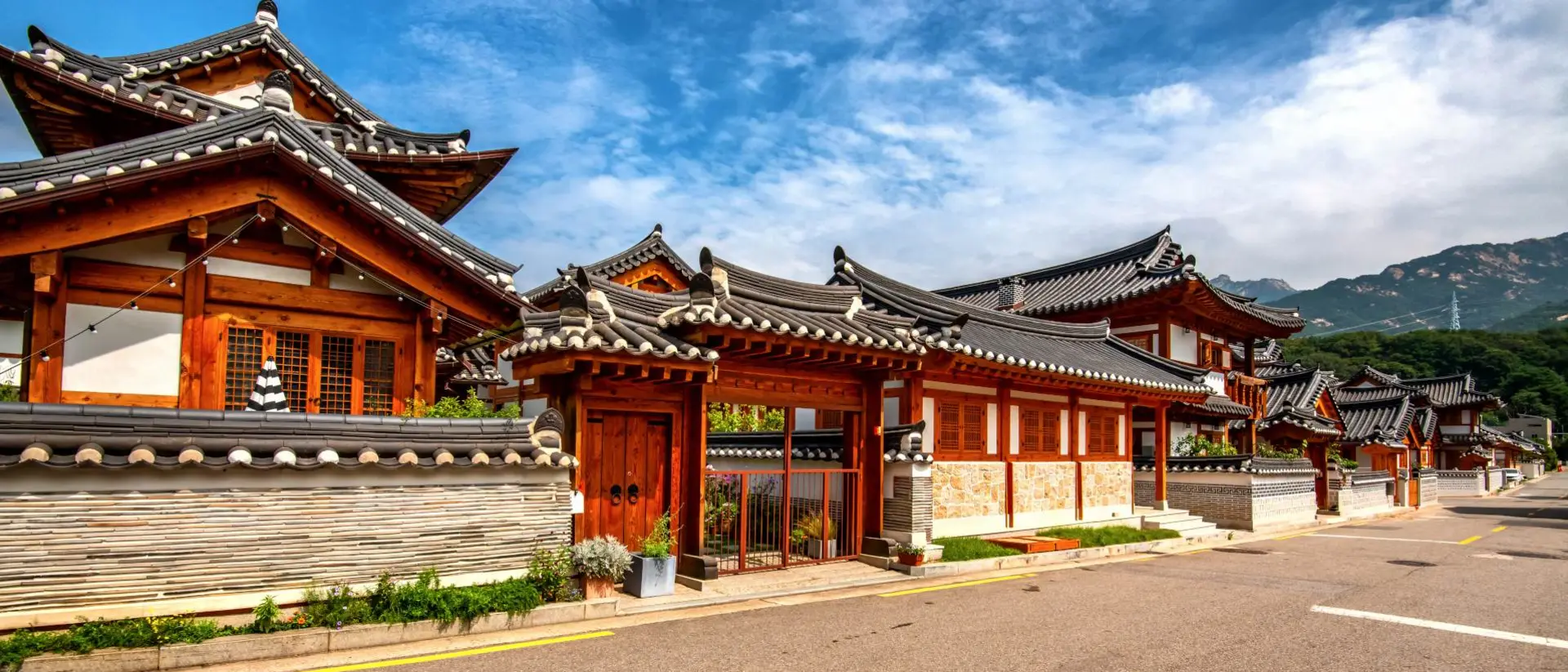
Seoul Discovery
Seoul and Gyeongbokgung Palace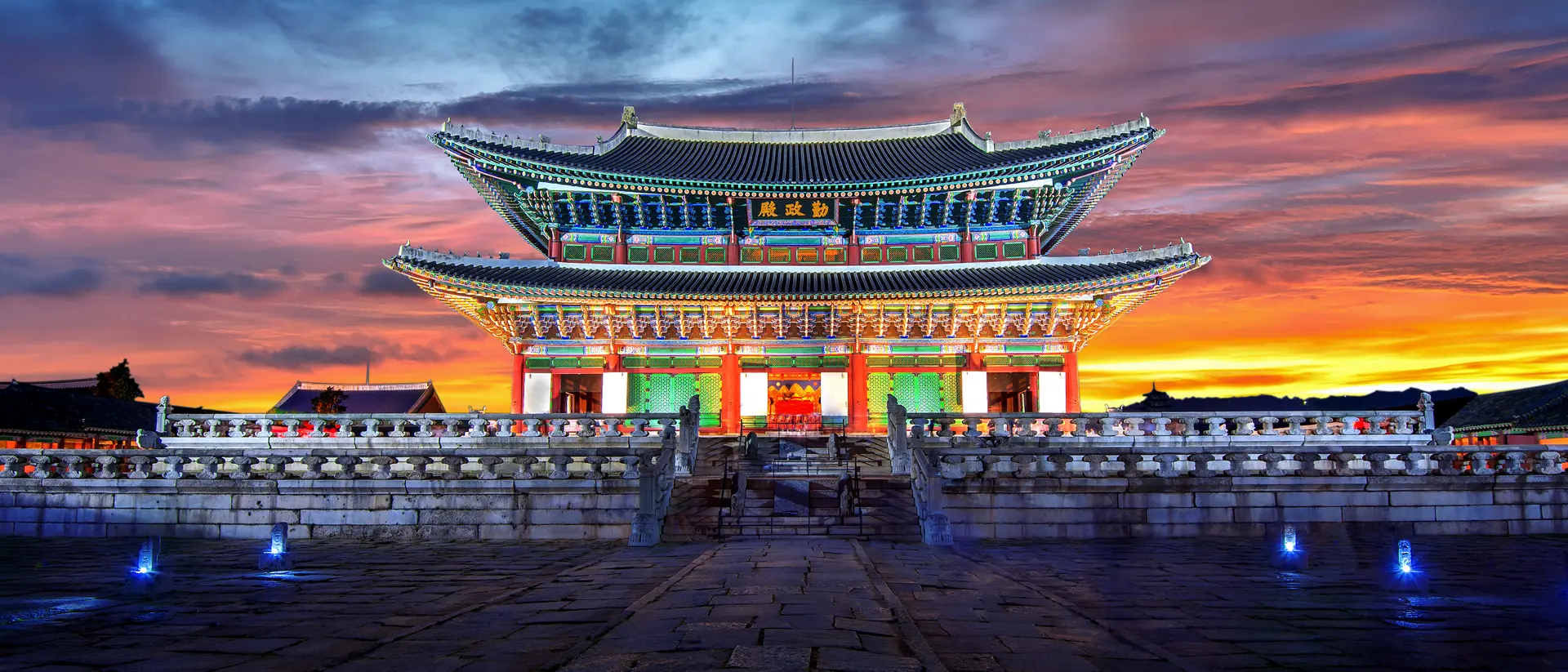
Ultimate Korea: Seoul, Gyeongju, Busan & Jeju
Jeju Island, Busan, Gyeongju, Seoul, and Gyeongbokgung Palace
Don't see the
perfect trip idea?
Request a custom quote.
Turn your travel dreams into reality with Goway. Our customized vacations take travellers to all corners of the world.
Essential Korea: Seoul & Busan
Busan, Seoul, and Gyeongbokgung PalaceClassic Korea: Seoul, Gyeongju & Busan
Busan, Gyeongju, Seoul, and Gyeongbokgung PalaceKorean K-Beauty & Wellness: A Women's Journey
Jeju Island, Seoul, and Gyeongbokgung PalaceEssential Seoul, K-Pop Edition
Seoul and Gyeongbokgung PalaceBest of South Korea & Japan
Tokyo, Shibuya Crossing, Hiroshima, Kyoto, Fushimi Inari Taisha, Kinkakuji Temple (Golden Pavilion), Busan, Gyeongju, Seoul, and Gyeongbokgung PalaceTokyo, Seoul & Hong Kong Sampler
Hong Kong, Tian Tan Buddha, Seoul, Gyeongbokgung Palace, Tokyo, and Shibuya CrossingSeoul Discovery
Seoul and Gyeongbokgung PalaceUltimate Korea: Seoul, Gyeongju, Busan & Jeju
Jeju Island, Busan, Gyeongju, Seoul, and Gyeongbokgung PalaceDon't see the
perfect trip idea?
Request a custom quote.
Turn your travel dreams into reality with Goway. Our customized vacations take travellers to all corners of the world.
What do the experts say?
Try to stay at a traditional hanok accommodation (similar to a ryokan) with hanok dinner, which involves enjoying Korean cuisine, aka jeongsik (course meals) with banchan (side dishes). It's a rustic, traditional experience that all globetrotters will love.
Umbrellas are common; you can pick them up everywhere as well, but you'll find on sunny days as well as rainy ones that locals are using umbrellas and without one, you'll get a poke in the head now and again as you're walking on busy sidewalks.
Avoid July/August, as they are the rainiest months, with heavy flooding even in the cities, and temple walks become difficult. I also recommend avoiding Chuseok in September, a six-day holiday where everything is closed.

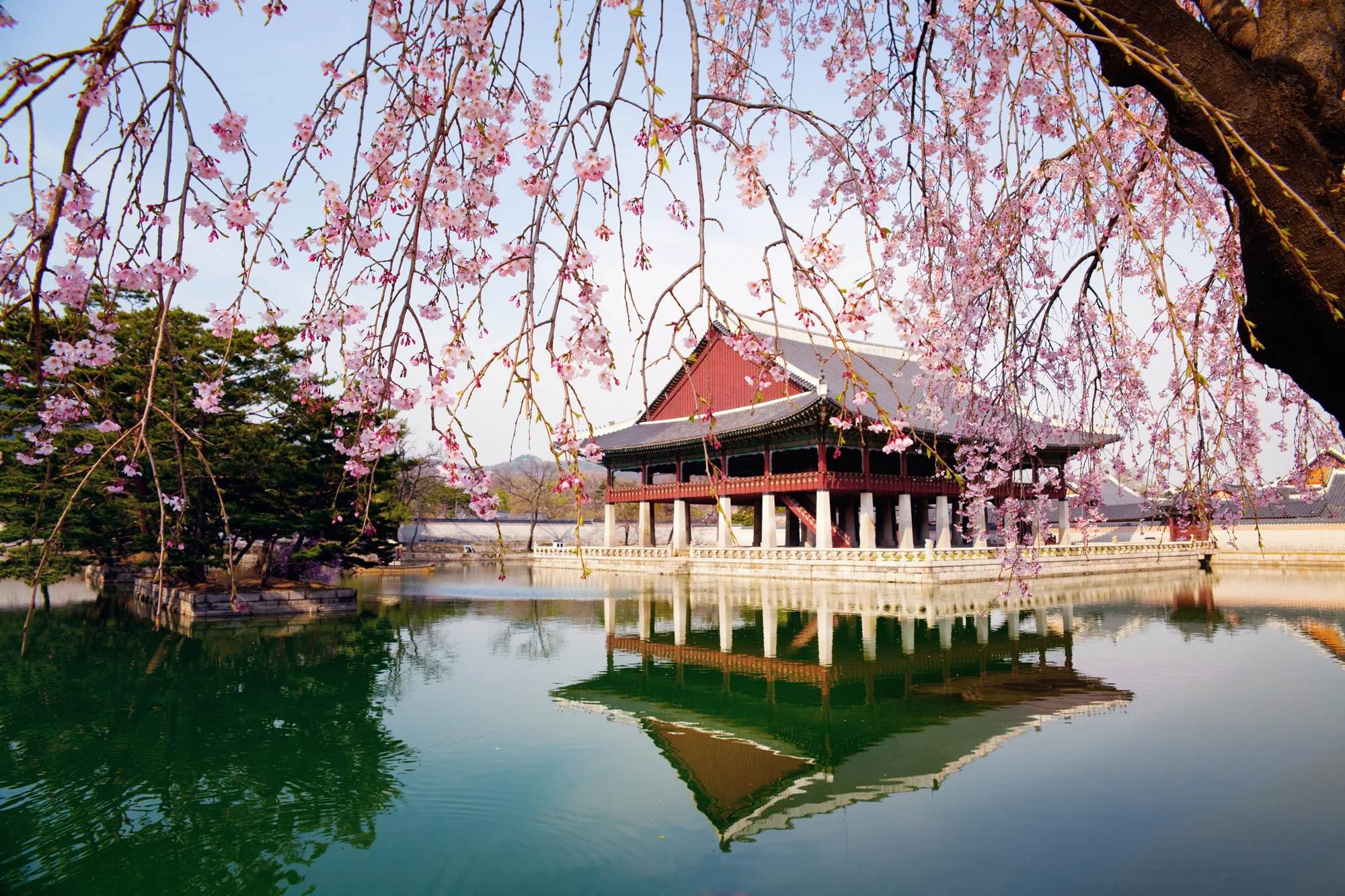
Visit during Spring to see the Cherry Blossoms! A great alternative to Japan's Cherry Blossoms.
Get Inspired
Get Inspired About Your Trip to South Korea
Unlock more by subscribing to our newsletter.
With our newsletter, you’ll get access to regular communications that inspire you and help you explore the world your way.