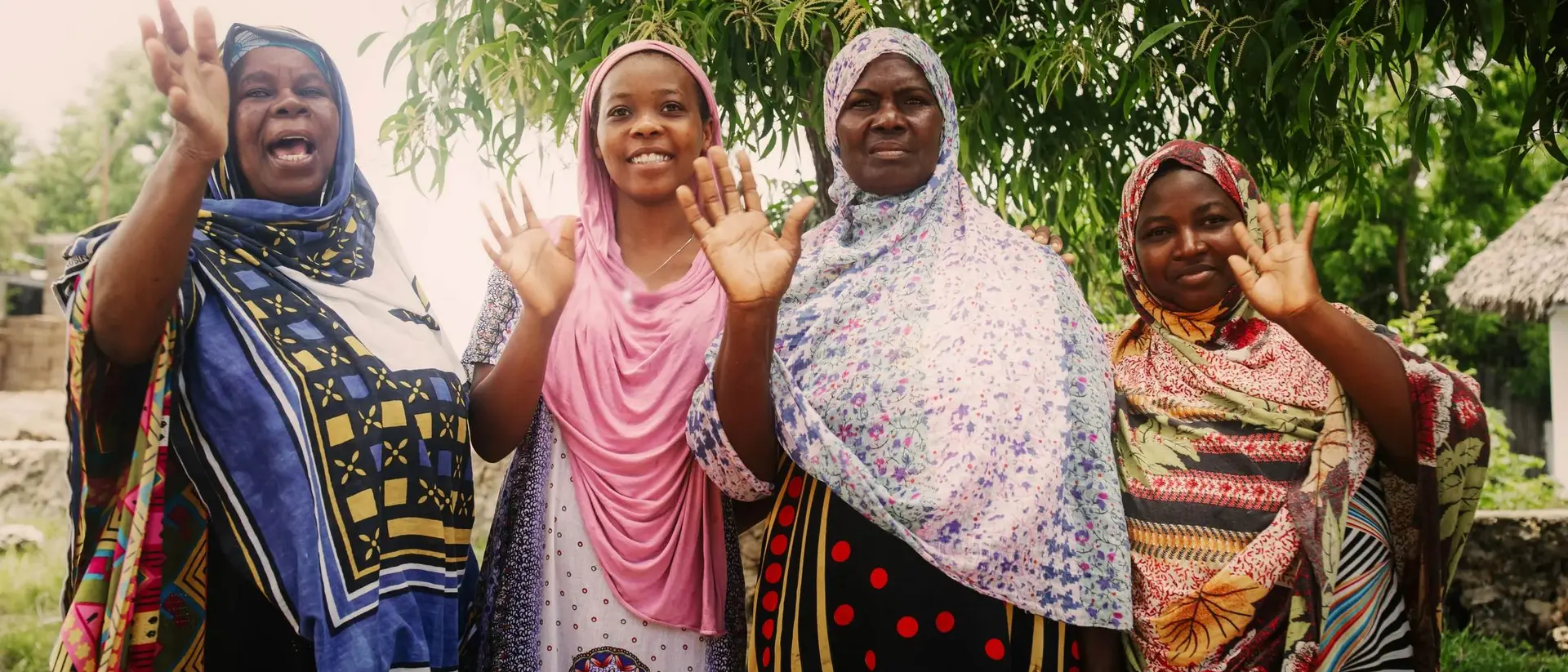
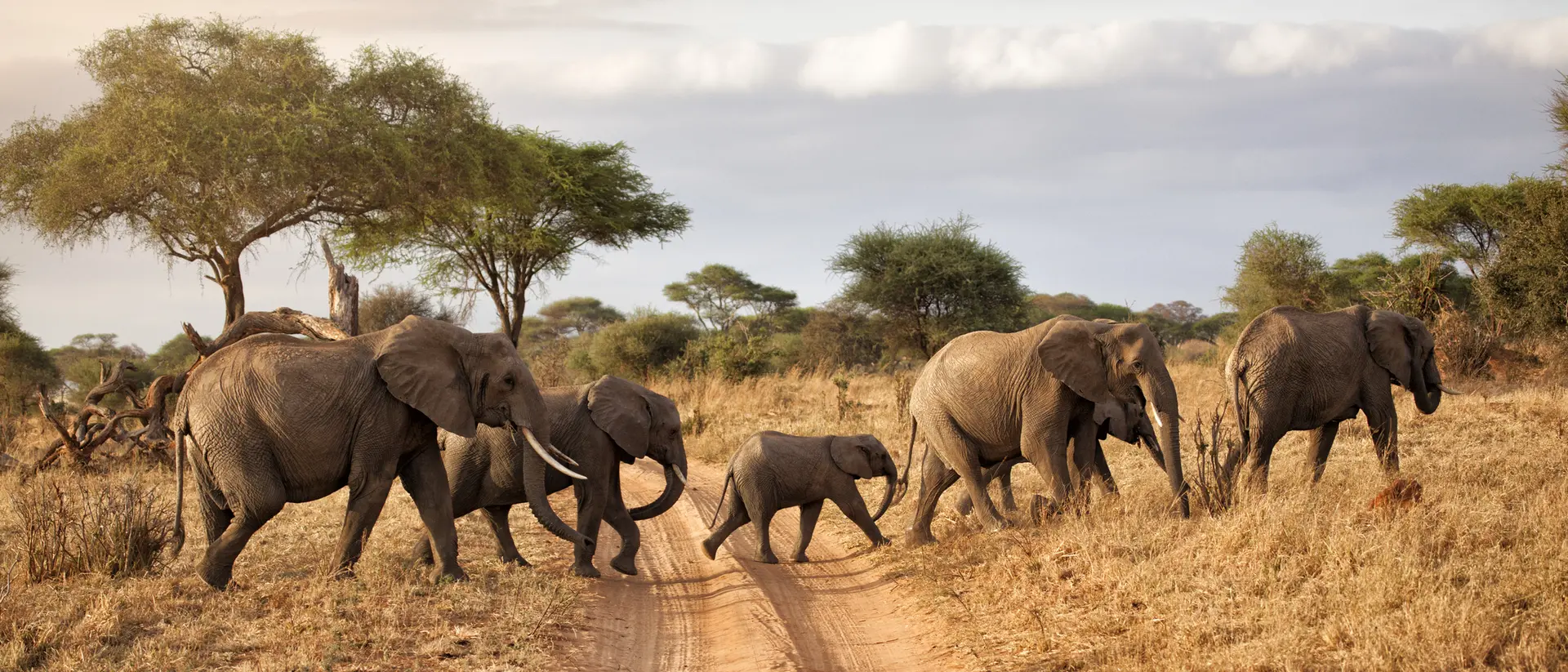
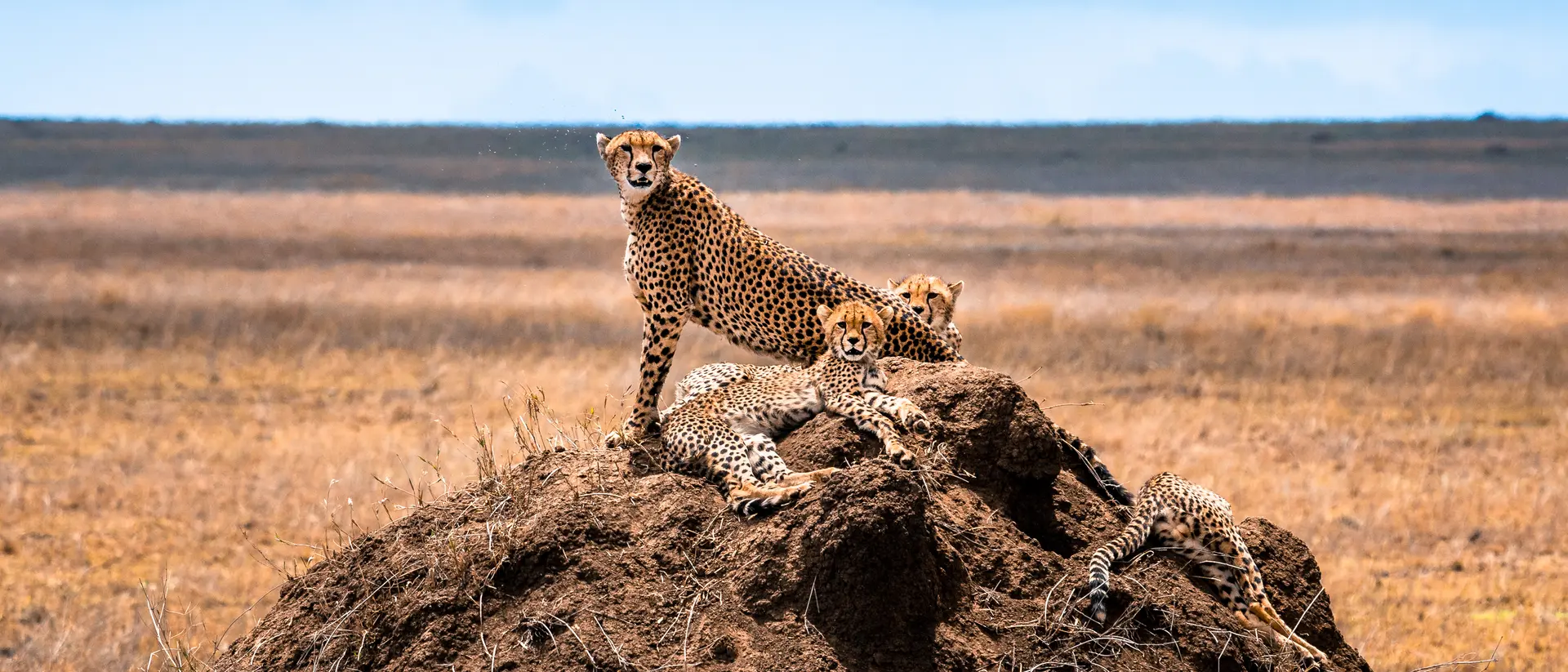
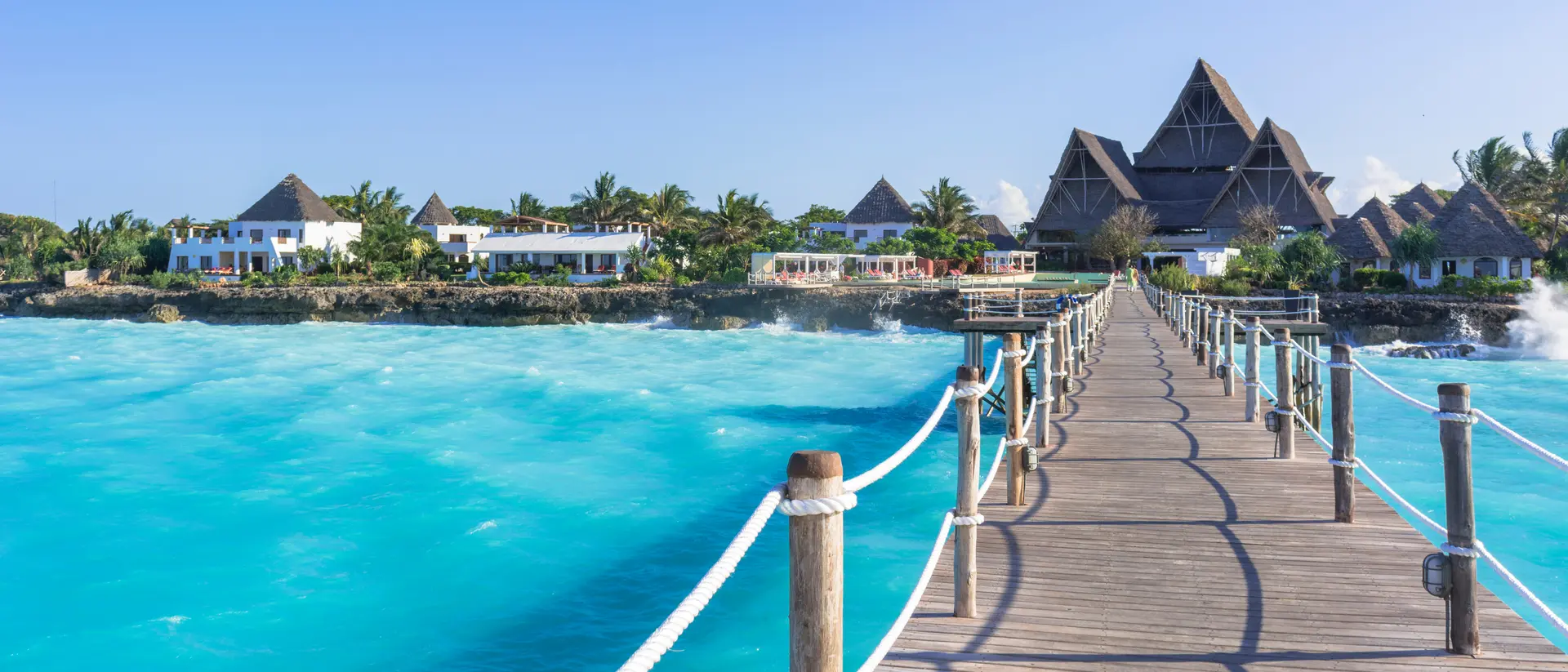
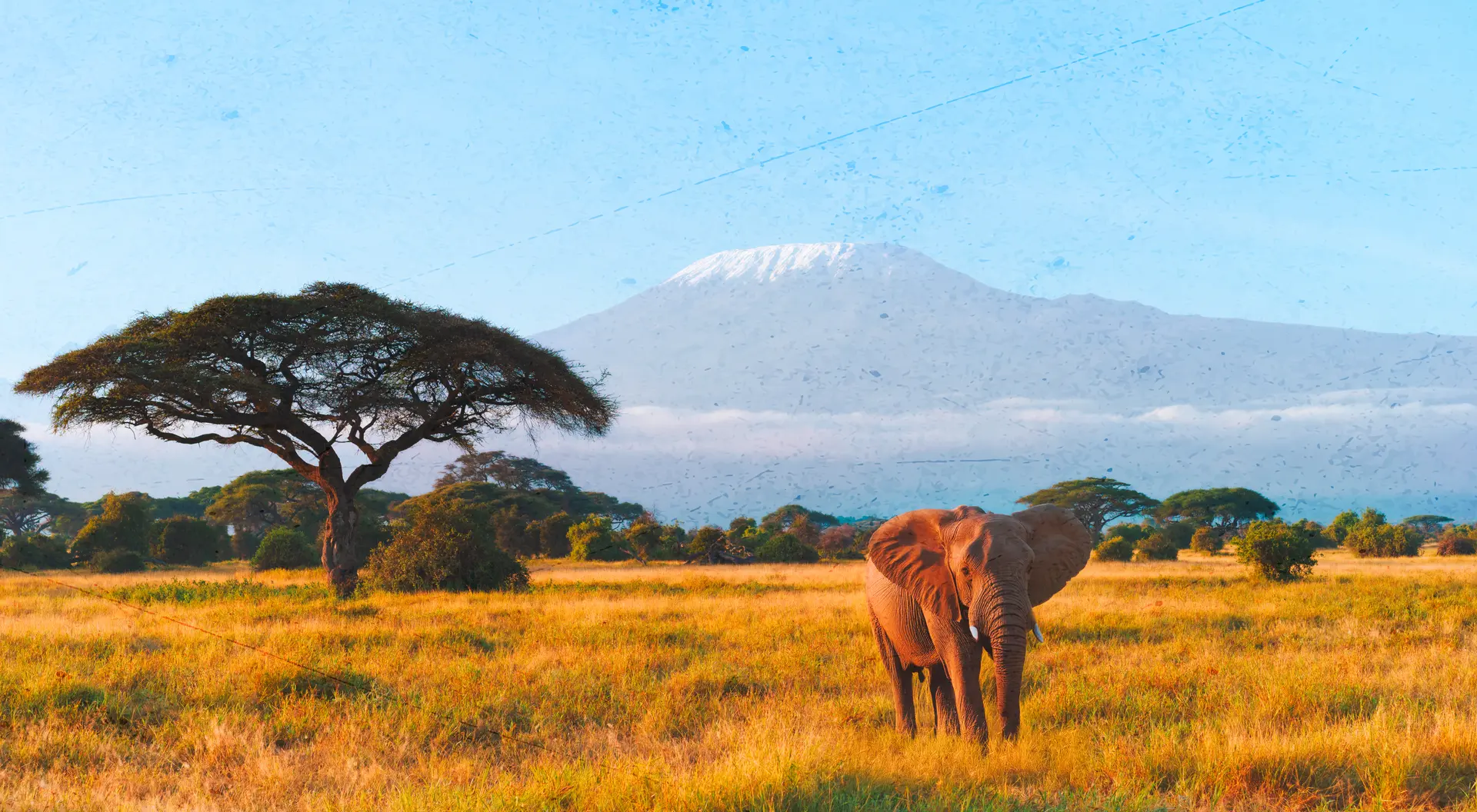
Tanzanian culture is known for its hospitality, diversity, and strong sense of community, shaped by more than 120 ethnic groups.
Tanzania Travel Information
Not sure which theme is right for you?
Culture & Traditions
Tanzania’s culture is deeply rooted in its heritage and connection to the land. From traditional dances to long-standing customs, this is a country where modern life and ancestral traditions exist side by side. Across Tanzania, storytelling, music, and community remain central to everyday life, offering visitors a meaningful cultural experience.
“Tanzania always feels alive with celebration,” says Destination Specialist Destination Specialist Brooke Theron. “Even in the smallest villages, music and storytelling are woven into daily life.”
To book your own Tanzanian cultural journey, speak with one of our Destination Specialists today.
Tanzania’s Heritage and Traditions
Tanzania is home to more than 120 ethnic groups, each with distinct languages, customs, and traditions. In regions such as the Serengeti and Ngorongoro, the Maasai maintain strong cultural practices, known for their beadwork, ceremonies, and close relationship with the land. Around Mount Kilimanjaro and beyond, traditions are passed down through generations through music, dance, and oral storytelling. Coastal areas reflect strong Swahili influences, blending African, Arab, and Indian heritage into language, architecture, and daily life.
"Visiting a traditional Maasai village is always an educational experience,” says Destination Specialist Kelley Cleaveland. “It’s a powerful way to understand the community spirit and values at the heart of Tanzanian culture."
Religious Traditions and Holidays in Tanzania
Religion plays an important role in Tanzanian society, with Christianity and Islam widely practiced alongside traditional beliefs. Along the coast and in Zanzibar, Islamic traditions shape daily life, particularly during Ramadan and Eid, while inland communities observe Christian holidays such as Christmas and Easter. Indigenous practices also remain significant, especially through rites of passage and seasonal ceremonies that continue to be observed across many communities.
"Tanzanians love to celebrate, and there’s a quiet rhythm to how religion and tradition shape daily life,” says Destination Specialist Brooke Theron. “Whether you're attending a church service in Arusha or visiting during Eid in Zanzibar, you’ll feel the warmth of inclusion.”
Daily Life and Etiquette in Tanzania
Daily life in Tanzania is guided by a strong sense of community and hospitality. Visitors are often greeted warmly, with handshakes, eye contact, and friendly conversation. Respect for elders is important, and interactions tend to be unhurried and welcoming. Sharing tea or food is a common way to connect, particularly in rural areas. Modest dress is recommended, especially in villages and coastal regions, and a respectful approach to local customs is always appreciated.
“Tanzanians are incredibly welcoming,” says Destination Specialist Kelley Cleaveland. “Even simple interactions, like bargaining at a market or asking for directions, often lead to friendly chats and invitations.”
Festivals and Celebrations in Tanzania
Tanzania’s festivals reflect its cultural diversity and community spirit. Traditional ceremonies, particularly among the Maasai, mark important milestones with music, dance, and vibrant dress. In cities such as Dar es Salaam and Arusha, cultural events and festivals showcase music, art, and fashion. National holidays like Independence Day and Union Day are celebrated with parades and public events, while religious holidays bring communities together through shared meals and gatherings.
Explore Tanzanian Culture with Goway
Tanzania offers more than wildlife and landscapes. It offers meaningful cultural connection. From village visits and artisan workshops to local markets and coastal experiences, each journey provides insight into daily life and tradition. Goway’s Destination Specialists design itineraries that go beyond sightseeing, helping you connect with the people, stories, and traditions that define Tanzania. Let us help you design your own immersive Tanzania adventure today.
Featured Tanzania Trip Ideas
Tanzania Safari Travel PackagesTanzania Odyssey
Serengeti National Park, Ngorongoro Conservation Area, Tarangire National Park, Arusha, and Mount KilimanjaroDiscover Tanzania on a Goway-exclusive small-group safari through Tarangire, Ngorongoro and the Serengeti on select departures.
7 days
From US$5,549/p.p.
Request a Quote
Simba Safari Tanzania
Ngorongoro Conservation Area, Serengeti National Park, Lake Manyara, Tarangire National Park, Arusha, and Mount KilimanjaroExperience Tanzania on a small-group safari through Tarangire, Lake Manyara, the Serengeti and Ngorongoro, with spectacular wildlife viewing.
8 days
From US$4,266/p.p.
Request a Quote
Tanzania Odyssey
Serengeti National Park, Ngorongoro Conservation Area, Tarangire National Park, Arusha, and Mount KilimanjaroDiscover Tanzania on a Goway-exclusive small-group safari through Tarangire, Ngorongoro and the Serengeti on select departures.
7 days
From US$5,549/p.p.
Request a Quote
Simba Safari Tanzania
Ngorongoro Conservation Area, Serengeti National Park, Lake Manyara, Tarangire National Park, Arusha, and Mount KilimanjaroExperience Tanzania on a small-group safari through Tarangire, Lake Manyara, the Serengeti and Ngorongoro, with spectacular wildlife viewing.
8 days
From US$4,266/p.p.
Request a Quote
Travel Stories
Get inspired about Your Trip to Tanzania
Africa is in Goway’s DNA
For as long as there has been a Goway Travel, Africa and the Middle East have occupied a very special part in my heart. My wife, Claire Hodge, Goway’s...
Travel Like a Globetrotter: Exploring the World Through Wine
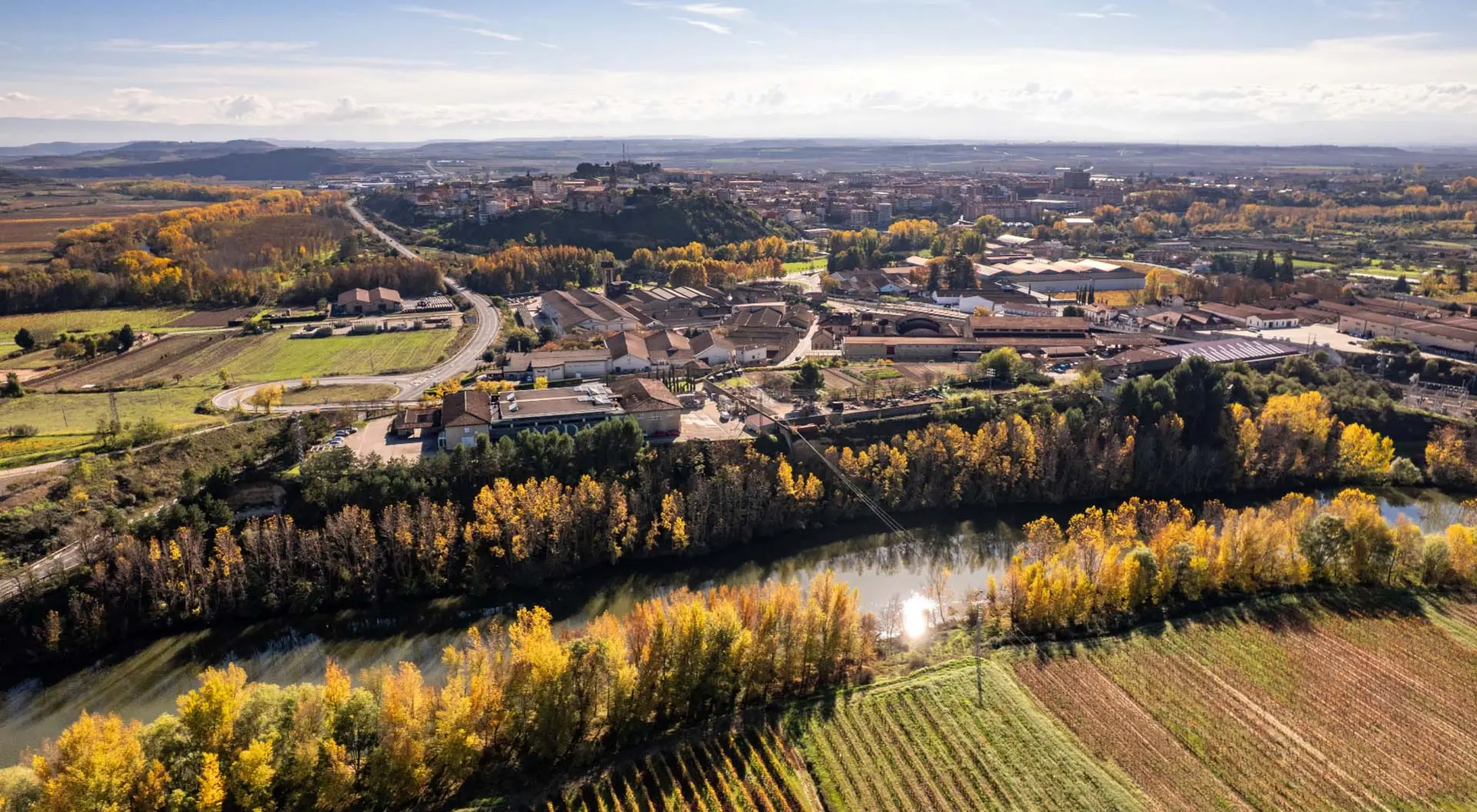
Wine offers a magnificent window into specific regions and cultures around the world. A trip centred on wine allows you to meet passionate locals, fea...
The Splurge: Mara Bushtops, Kenya
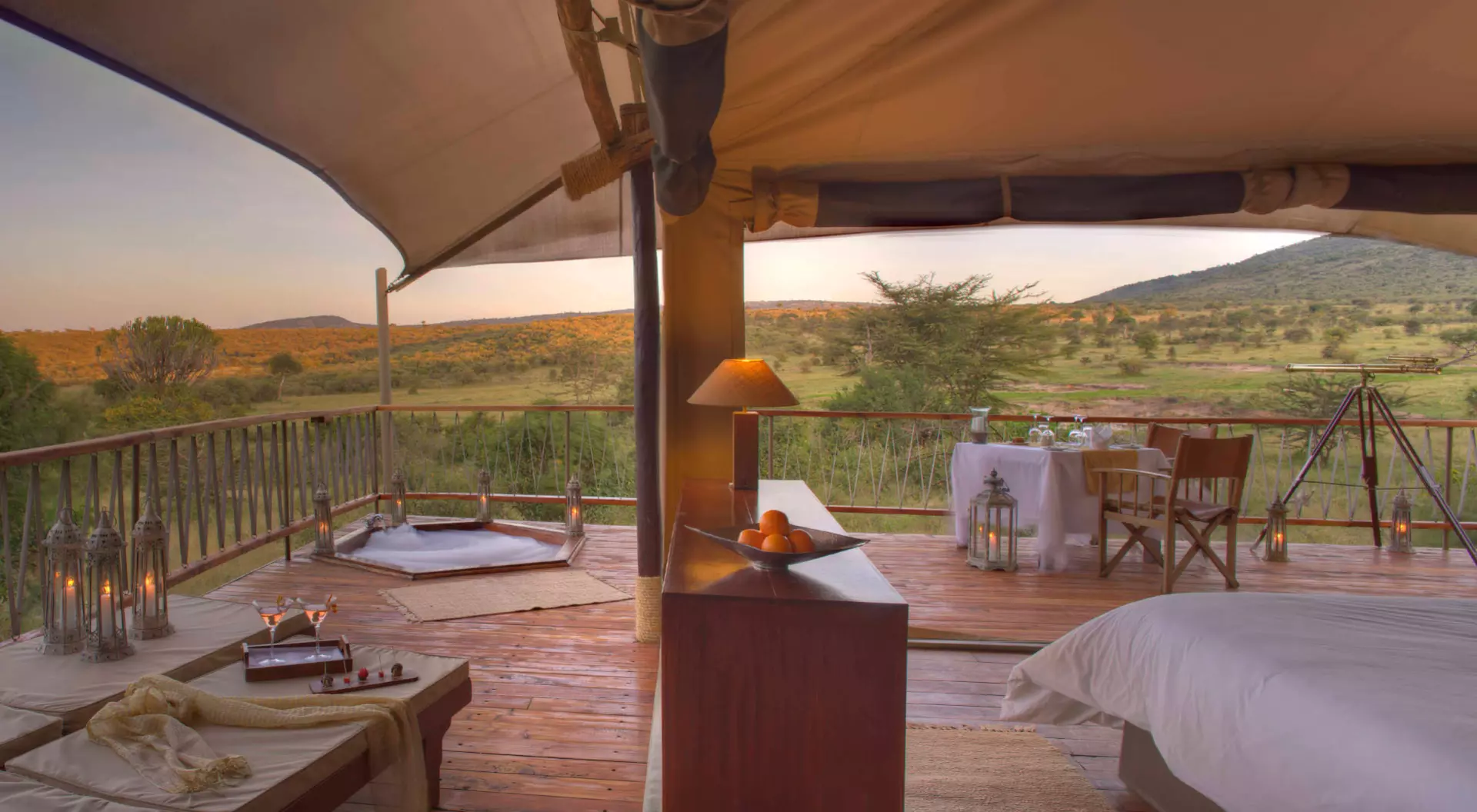
Set on a private conservancy bordering Masai Mara National Reserve, Mara Bushtops offers an all-inclusive safari escape with discrete luxury charm. St...
Frequently Asked Questions
What is Tanzanian culture known for?
What religions are practiced in Tanzania?
Christianity and Islam are the most widely practiced religions, alongside traditional beliefs.
What language is spoken in Tanzania?
Swahili is the national language, and English is widely used in tourism, education, and business.
What clothing is worn in Tanzania?
Traditional clothing varies by region, with colourful kangas and kitenges commonly worn, while modern clothing is widely used in cities.
How do people greet each other in Tanzania?
Greetings are important and often include a handshake and polite conversation. Swahili greetings such as jambo and habari are widely understood.
What are important cultural values in Tanzania?
Hospitality, respect for elders, community, and strong social connections are central to Tanzanian life.
What is the most popular holiday in Tanzania?
Union Day, marking the union of Tanganyika and Zanzibar on April 26, is one of the most important national holidays. Independence Day and religious festivals such as Eid and Christmas are also widely celebrated.
Does Tanzania have religious freedom?
Yes, Tanzania supports religious freedom and is known for the peaceful coexistence of different faith communities. Churches, mosques, and temples can be found throughout the country.
What is unique about Tanzanian culture?
Tanzania’s culture is defined by its ethnic diversity, strong communal values such as ukarimu, or hospitality, and its deep connection to the natural world. Visitors often leave with a lasting impression of its warmth and sense of community.
Tanzania Travel Information
Not sure which theme is right for you?
Unlock more by subscribing to our newsletter.
With our newsletter, you’ll get access to regular communications that inspire you and help you explore the world your way.Exclusive Savings
Insider Benefits
Trending Stories
ExcellentBased on 5,317 ReviewsWe decided to go to France for 3 weeks in September and knew we needed help planning the trip (we made this decision in August so a very short time frame. We had traveled with Goway a few years ago and were hoping they could help. Our specialist, Farnaz Bagheri, was fantastic, she listened to what we wanted to do and where we wanted to go. She literally arranged everything with her French partners. The guides and drivers were wonderful the accommodations were excellent. Communication was easy from the first discussion to the time we got home. Farnaz planned for us an exceptional trip in a very short time frame. Promise next trip we will contact Goway much earlier. Thanks againSue BlakeOur experience was amazing! The booking process went great. We just had to pack our clothes and everything else was taken care of thanks to Goway Travel… Lori Mezzomo!!! Lori was fantastic. Everything from flights to transfers to excursions was perfect! Can’t wait to go back and i would definitely use Goway Travel again!!!Marie IdolMaria Spitman provided exemplary service to us! Her expertise, attention to detail, timely replies and kindness were unmatched. We will definitely recommend her to others who we know are considering travel to Asia. Alice StaniforthMichael Keon and his crew did a fine job coordinating our trip to Turkey. His contact in Turkey, Mr. Omer was in contact with us almost daily reminding us of our schedule and pick up info. He was terrific. Very informative and insightful guides. And large comfortable vehicles on every trip. Awesome trip. Tom and Sharon Tom and Sharon, Toronto, Canada We loved the trip itinerary and everything was organized so well! Lori was always very responsive and answered our questions promptly. Thank you for an amazing trip!Jelena PoprzenAs a travel advisor, I recently booked a group of clients on a Goway tour in China following their paddleboat competition, and I couldn’t be happier with the experience.
Christine and Tanya in the groups department were incredibly helpful and made the entire process seamless. Their support was greatly appreciated!
The feedback from my clients was overwhelmingly positive, with particular praise for the local tour guides, who helped make the trip so memorable. Everyone had a wonderful time.
Thank you, Christine, Tanya, and the Goway team, for taking such great care of my clients. I would happily recommend Goway and look forward to working with them again!customerI wanna start off by saying that Farnaz our agent was excellent!!! she planned the whole experience from start to finish. We did not have to worry about one thing the entire trip. All the hotels were great. Our transfers from hotels to fairies to airports were all available and always on time. The excursions she planned for us were all top-notch. I was a little skeptical, but just finding GOWAY online stumbling across it. But I’m so glad I made the choice to use them. I hope they definitely using the company again and especially our agent Farnaz!!! Thank you do mych for a wonderful experience! CatherineOur goal for this trip was a stress free honeymoon where we did not have to think about anything! Goway made that successful. Everything was planned and ready for us. We just had to show up. Brooke recommended fantastic accommodations that were in great locations, clean and comfortable. The tours were took with Thompson's Africa were incredible as well. Brooke was helpful throughout the entire booking process & we wouldn't have had such an incredible experience without her. We really loved our South African holiday and hope to travel there or other locations again with Goway.TaylorOctober 9, 2026, was our 50th wedding anniversary. To celebrate, I wanted to take my bride to Europe for 50 days. Also, other than the flight over, I wanted to make the trip by train. I contacted Farnaz at Goway. The trip we planned ultimately extended to 60 days. It was absolutely flawless. We had great hotels, great tours. Even though this trip was complex and had a lot of moving parts, there were no problems. Farnaz and the folks at Goway done a great job. I highly recommend them and will definitely use them on any future tripsDaniel GraffWe had a fabulous Croatia vacation with a cruise from Dubrovnik to Split, followed by land tours on Split and Opatija. Lodging was always comfortable and conveniently located. Tours and activities were perfectly suited to our interests. We have used GoWay for 2 vacations and are currently working on another. Karen
Verified
Verified
Verified
Verified
Verified
Verified
Verified
Verified
Verified
Verified