Food & Drink
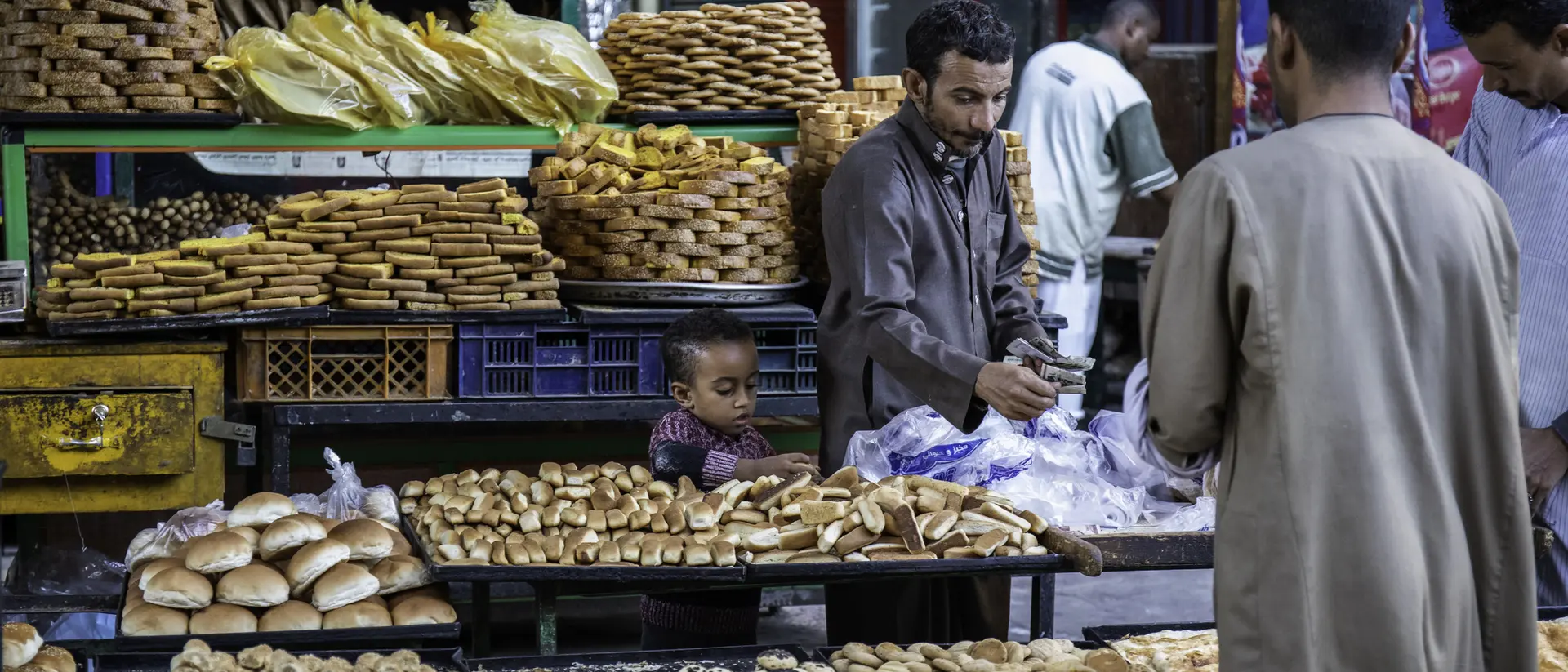
Meals in Egypt are a vibrant blend of bold spices, fresh herbs, and time-honoured cooking methods, often served in a way that encourages sharing. The experience is as much about community as it is about flavour, whether you are enjoying a simple falafel from a street vendor or a multi-course dinner with views of the Nile.
“Sharing a typical Egyptian meal is an experience in itself,” says Destination Specialist Elise Umulisa. “Their fruit and hibiscus juices are especially fresh and flavourful.”
These flavours, paired with the warmth of Egyptian hospitality, make dining here an essential part of any journey. Speak to one of our Destination Specialists to start planning your own culinary odyssey through Egypt.
A Culinary Overview of Egypt
Egypt’s culinary identity is rooted in Mediterranean and Middle Eastern traditions, with core ingredients like olive oil, garlic, cumin, and tahini forming the base of many dishes. Popular staples include koshari (a hearty mix of rice, lentils, and pasta topped with spiced tomato sauce and crispy onions), smoky grilled meats cooked over open flames, and a variety of breads that accompany almost every meal.
Falafel, known locally as tamayia’a, is made with fava beans instead of chickpeas, giving it a distinctive flavour and texture. “Tamayia’a is my favourite,” says Destination Specialist Jodi Hartnell. “Made with beans, parsley, and garlic, then lightly floured and fried, I’ll eat it any time of day.” Another everyday staple is ful medames - slow-cooked fava beans seasoned with garlic, lemon, and olive oil - commonly enjoyed for breakfast and found on tables across the country.
Sweet treats like baklava, basbousa, and konafa showcase Egypt’s love for desserts layered with nuts, honey, and fragrant syrups. Regional influences also shine: Alexandria is known for fresh seafood caught daily from the Mediterranean, Upper Egypt for its hearty stews and slow-cooked dishes, and Cairo for its bustling street-food stalls offering quick bites packed with flavour.
Unique Egyptian Dining Experiences
Eating in Egypt is about more than just food. It’s also about atmosphere, tradition, and connection. Nile-side restaurants (standouts include Vivo at the Nile Ritz-Carlton and La Palmeraie) offer elegant dining with panoramic views. Cairo’s rooftop eateries (see Opia Lounge and Bar or Solis) serve both local and international fare in lofty settings.
Traditional cafés, often filled with the scent of strong coffee and mint tea, are gathering places for locals and visitors alike, offering the perfect vantage point to watch daily life unfold. Food tours in Cairo and Luxor immerse you in the country’s culinary scene, guiding you through spice markets where stalls overflow with colourful seasonings and vendors eagerly share recipes passed down for generations.
“In Cairo’s Kurdasah district, my favourite spot is Abla,” shares Destination Specialist Jodi Hartnell. “It’s where I first tried grilled quail, and now I’m addicted. They also serve camel liver and kidney, which, to my surprise, were delicious.”
Whether you are sampling street food, learning to prepare a traditional dish in a local kitchen, or savoring a multi-course meal on a Nile cruise, Egypt’s dining experiences invite you to taste the history, culture, and hospitality that define the country.
For more Egypt travel and etiquette tips, explore our guide to Things To Know Before You Go.
Egypt’s Beverage Scene
Egypt’s beverage traditions range from refreshing fruit juices to unique local wines. Popular local labels include Omar Khayyam, Grand Nile, and Fayoum, each reflecting the country’s winemaking heritage.
Along the Nile, wine tastings often pair these local labels with regional dishes, creating a memorable sensory experience.
Tea is also a central part of daily life, as are Egypt’s fragrant fruit and flower juices, highly recommended by Destination Specialist Elise Umulisa.
Street-side favourites include karkade (a refreshing hibiscus tea served hot or cold) and sahlab (a comforting warm milk drink thickened with orchid root and topped with nuts and cinnamon). Both are especially popular in winter months and at local cafés across Cairo and Alexandria.
Tea rituals and traditions, whether enjoyed in a café or a family home, offer an especially charming window into Egyptian hospitality. Served strong and sweet in tiny glasses, the brew is an essential part of social gatherings and as much a part of the culture as the food.
Dining Etiquette in Egypt
Eating in Egypt is as much about connection as it is about cuisine. Communal dining is common, with dishes placed in the centre of the table to be shared by all. Meals are often unhurried, creating space for conversation and relaxation, and it is not unusual for dinner to be served late in the evening.
Tipping is customary in most Egyptian restaurants, and small change is appreciated when paying the bill. In more traditional establishments, modest dress is encouraged, and locals value polite greetings before a meal.
“Egypt is more than just pyramids,” notes Destination Specialist Elise Umulisa, who recommends carrying small bills for gratuities as well as purchases.
For more on the wonderful world of Egypt, check out Egyptian cultural and traditions.
Accommodating Dietary Needs in Egypt
Egyptian cuisine is naturally accommodating to different dietary needs. Many classic dishes are vegetarian or vegan-friendly, such as falafel made with fava beans, lentil soup, and vegetable-based stews. Salads, fresh breads, and mezze-style plates also allow for variety without sacrificing flavour.
During the holy month of Ramadan, evenings bring an array of special dishes, from fava beans served at iftar to fragrant lentil soup that warms the night. Restaurants in major cities and tourist areas are accustomed to catering to dietary requests, and guides can help communicate preferences to ensure travelers enjoy the country’s culinary offerings without compromise.
Plan Your Egyptian Culinary Adventure
From intimate private chef dinners to bustling market tours, Egypt offers endless opportunities to immerse yourself in its culinary traditions. Stroll through spice markets in Cairo, sample street food in Luxor, or join a cooking class in a family kitchen along the Nile. Farm-to-table experiences introduce travelers to local producers and the origins of the country’s freshest ingredients.
With Goway, your food journey is designed around your tastes, whether you want to focus on authentic street fare, elegant fine dining, or a balance of both. Speak to one of our Destination Specialists to book your custom Egypt food and drink journey today.
FAQs
What do the Egyptians eat and drink?
Egyptians enjoy a variety of traditionally prepared dishes, such as koshari, falafel, grilled meats, fresh breads, and salads, often paired with tea, fresh juices, or coffee.
What is Egypt's national dish?
Koshari, a hearty mix of rice, lentils, pasta, and spiced tomato sauce topped with crispy onions, is widely considered Egypt’s national dish.
What is a typical Egyptian breakfast?
Breakfast often includes ful medames (fava beans), falafel, fresh bread, cheese, and tea.
What was the main drink of the Egyptians?
Tea is the most common everyday drink, though fruit juices are also popular.
Do they drink alcohol in Egypt?
Alcohol is available primarily in tourist areas and licensed venues., though public consumption is limited.
What is the etiquette for eating in Egypt?
Meals are often shared communally. It is polite to greet others before eating, use your right hand, and accept food when offered.
Do Egyptians eat spicy food?
Egyptian food is more aromatic than spicy, with flavours built from herbs, garlic, cumin, and other warm spices rather than heat.
Featured Egypt Trip Ideas
Egypt Travel Packages
Chasing Totality: Egypt & Red Sea Solar Eclipse 2027
Cairo and Pyramids of Giza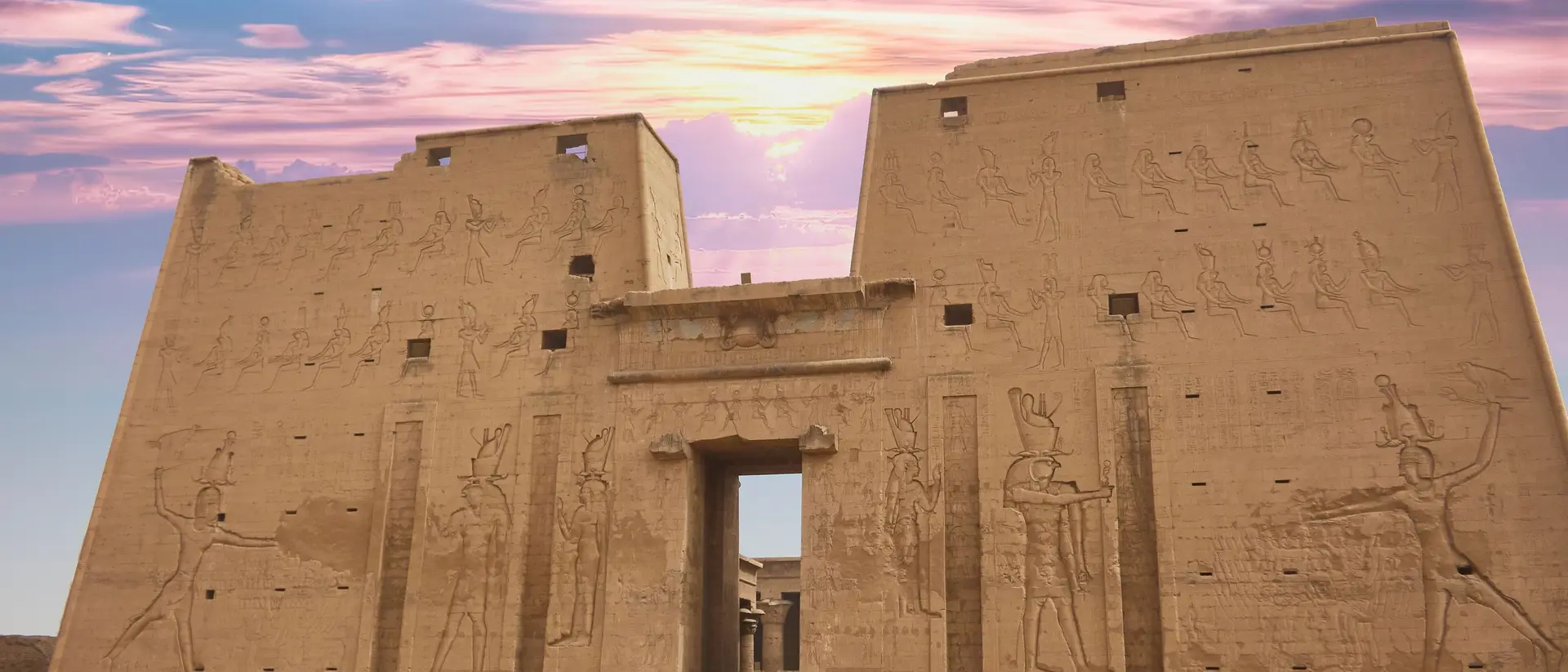
Classic Egypt: Cairo, Luxor, Nile Cruise & Aswan
Cairo, Pyramids of Giza, Nile River, Luxor, and Valley of the Kings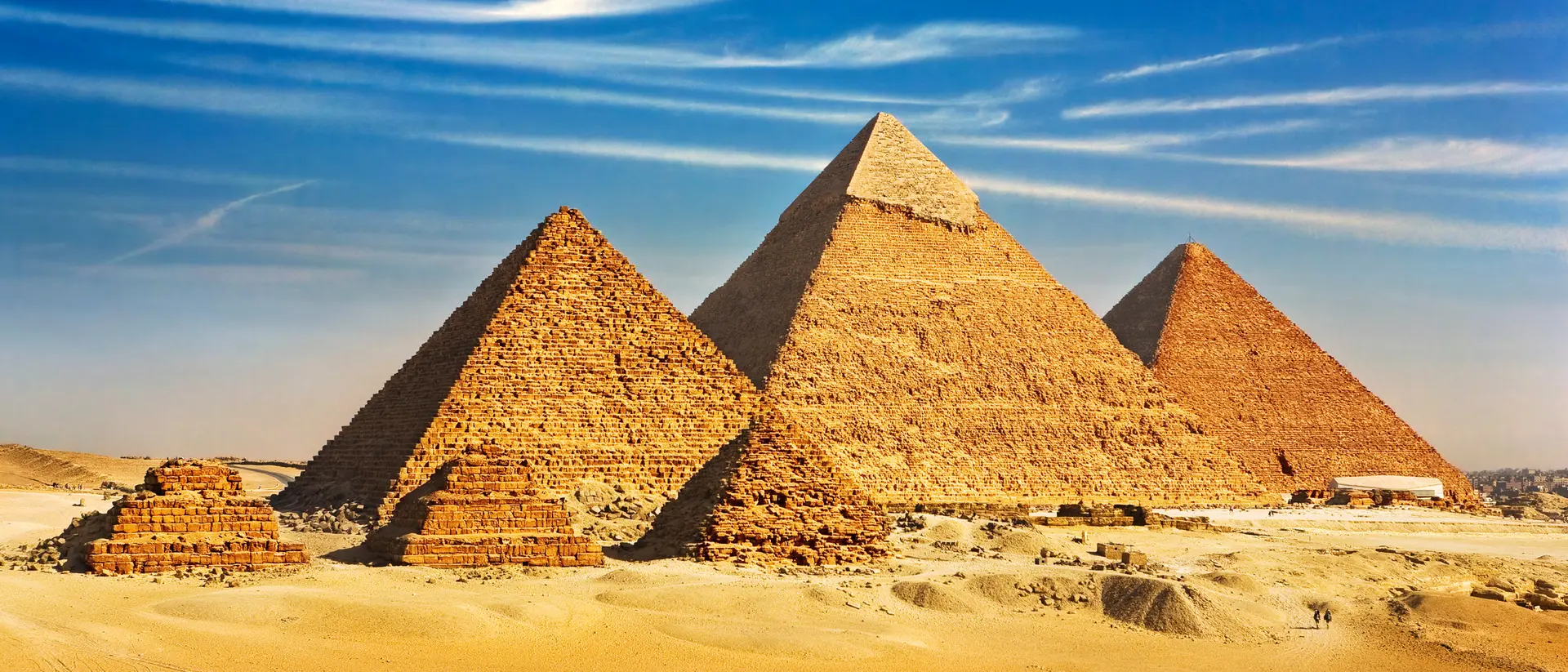
Chasing Totality: Egypt & Red Sea Solar Eclipse 2027
Cairo and Pyramids of GizaClassic Egypt: Cairo, Luxor, Nile Cruise & Aswan
Cairo, Pyramids of Giza, Nile River, Luxor, and Valley of the KingsTravel Stories
Get inspired about Your Trip to Egypt

For as long as there has been a Goway Travel, Africa and the Middle East have occupied a very special part in my heart. My wife, Claire Hodge, Goway’s...

Wine offers a magnificent window into specific regions and cultures around the world. A trip centred on wine allows you to meet passionate locals, fea...

Set on a private conservancy bordering Masai Mara National Reserve, Mara Bushtops offers an all-inclusive safari escape with discrete luxury charm. St...
Unlock more by subscribing to our newsletter.
With our newsletter, you’ll get access to regular communications that inspire you and help you explore the world your way.