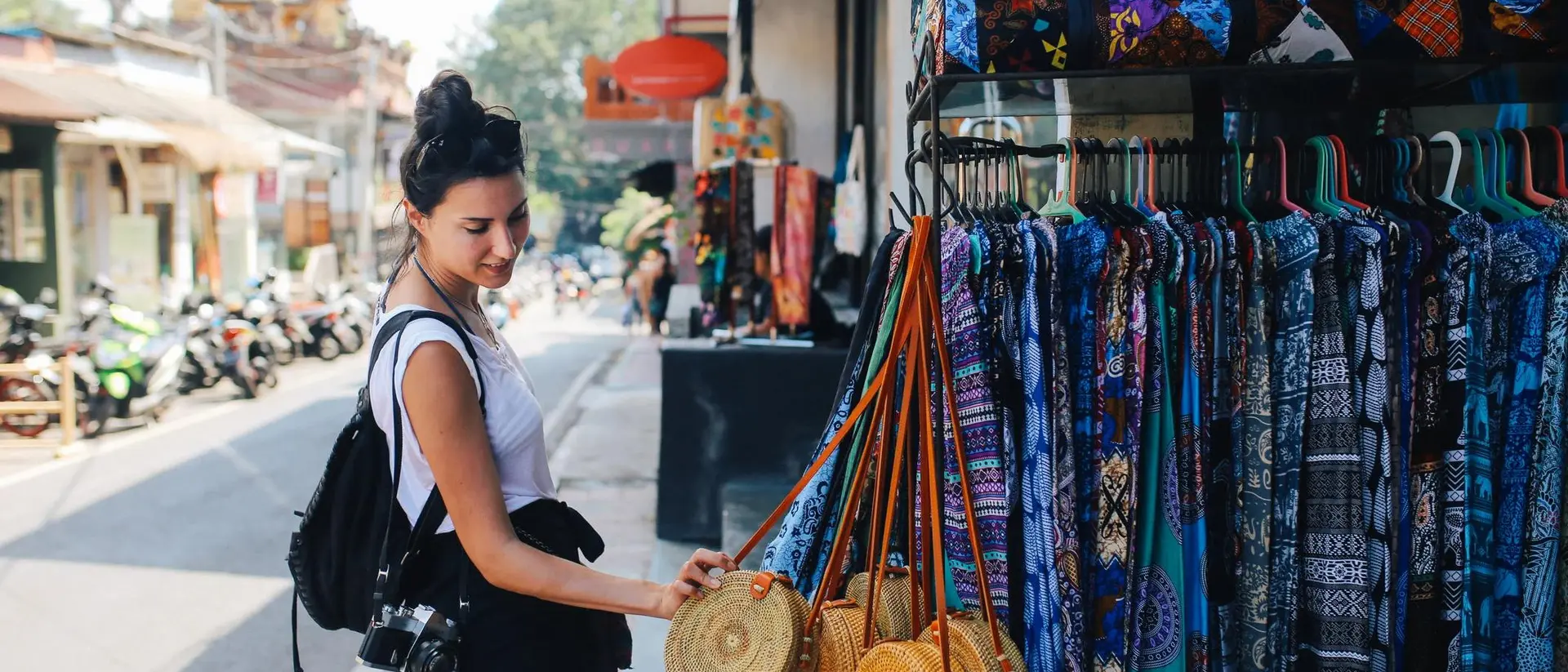


The currency is the Indonesian rupiah (IDR). Cash is preferred in rural areas, and small bills are useful for markets and local transport.
Indonesia Travel Information
Not sure which theme is right for you?
Insider Travel Tips
Indonesia is one of the world’s most rewarding destinations, offering a unique blend of rich traditions, breathtaking landscapes, and famously warm hospitality. With more than 17,000 islands to explore, the nation is one of endless variety, from ancient temples in Java and volcanic peaks in Sumatra to bustling resorts on Bali and lush rainforests in Borneo.
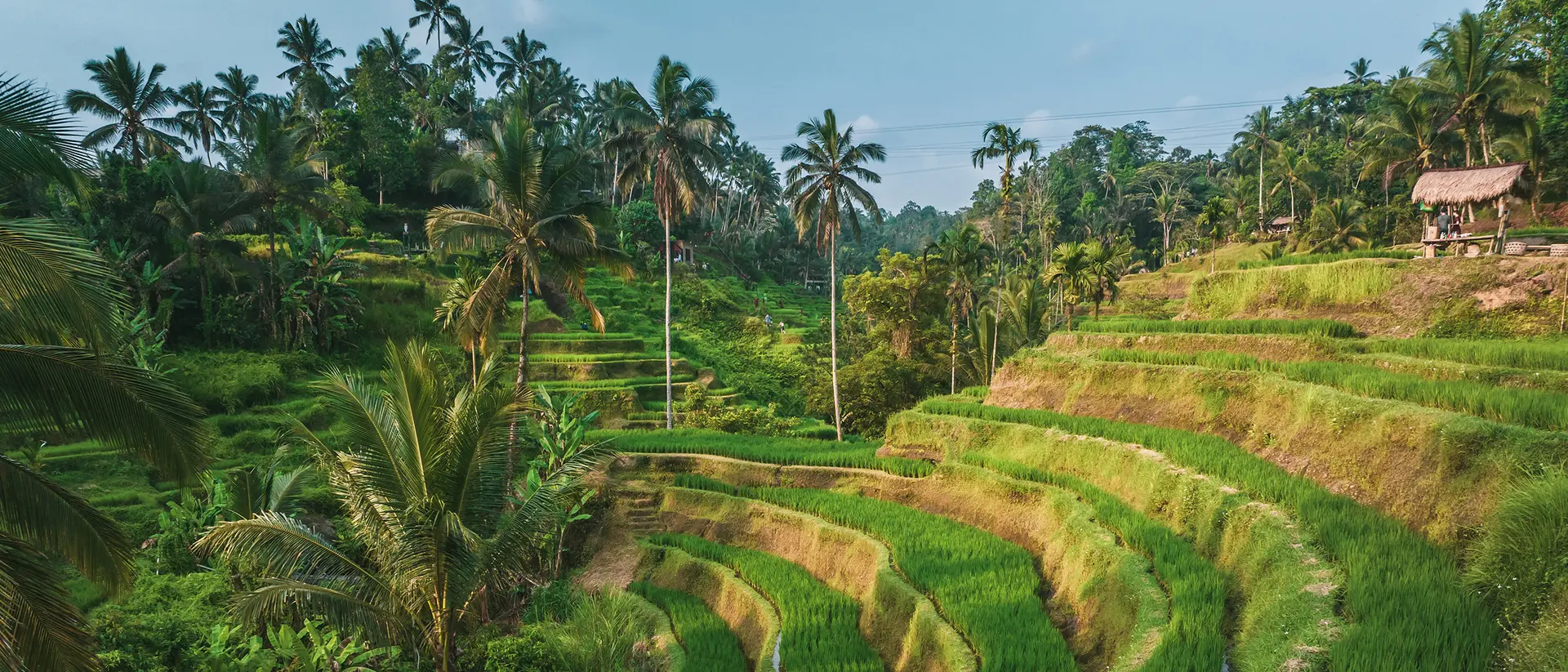
Indonesia has more than 17,000 islands, with incredible natural beauty, from waterfalls, caves, and rice terraces to truly stunning beaches notes Destination Specialist Lydia Guo. Since no two regions are alike, a little preparation will ensure that you travel smoothly, respect local customs, and make the most of your time exploring the country’s many beaches, temples, parks, and cities.
To start planning your own tailor-made Indonesian odyssey, consult one of our Destination Specialists today.
Practical Information for Visiting Indonesia
In addition to a valid passport, you will need a visa to visit Indonesia. Most Western travellers can get one on arrival for 30 days, with the option to extend.
The currency in Indonesia is the rupiah (IDR); cash is preferred in rural areas, so carry small bills. Tipping is not mandatory, but five to 10 percent is appreciated in restaurants, at spas, and by drivers or guides.
Indonesia is generally safe, though petty theft can occur in busy tourist areas. Internal flights connect major islands, and ferries serve shorter routes. In cities such as Jakarta, the Grab ride-hailing app is handy for transport; be aware that traffic in Java and Bali can be heavy.
Electrical outlets accommodate Type C or F plugs at 230 volts, so bring an adapter with you.
Health and Safety in Indonesia
Routine vaccinations are recommended for Indonesia, with optional typhoid, hepatitis A, and malaria precautions for rural travel.
Tap water is not generally safe to drink, so stick to bottled or filtered water. Pharmacies are common in cities and towns. In rural areas, LGBTQ+ travellers should be discreet, while Bali and Jakarta tend to be more open.
Solo female travellers will find Indonesia welcoming, but should dress respectfully and observe cultural norms. Following these guidelines helps ensure a safe and enriching experience.
For a full rundown of cultural dos and don’ts, see our Indonesia culture and traditions page.
Seasonal Advice in Indonesia
Indonesia is a destination you can visit at any time of year, but conditions vary across its many islands.
The dry season (from May to September) is popular for beach holidays, diving, and hiking, while the wet season (October to April) brings lush landscapes and fewer crowds. Internal flights and ferries should be booked in advance during peak travel months like July, August, and late December.
Festivals, religious holidays, or Nyepi (Bali’s Day of Silence) can affect access to sites or services, so plan your travel accordingly.
For multi-island trips, remember that travel times can be longer than expected, and careful routing makes a big difference in maximizing your trip.
See the best time to visit Indonesia for more seasonal tips.
Must-Sees for First-Time Travellers to Indonesia
For a first trip to Indonesia, Bali offers the easiest introduction with its mix of beautiful beaches, Hindu temples, luxury resorts, and wellness retreats.
Java, particularly Yogyakarta, is another accessible cultural hub, featuring a vibrant arts scene and such iconic sites as Borobudur and Prambanan.
The islands of Komodo and Flores are perfect for adventurous travellers seeking encounters with Komodo dragons, pink-sand coastlines, and excellent diving.
Sumatra appeals to nature lovers with its wild orangutan habitats, volcano treks, and crater lakes.
Jakarta is a bustling capital and convenient stopover for international flights.
Explore our tailor-made Indonesia travel packages for more inspiration.
Culture and Customs in Indonesia
Indonesia’s cultural diversity means customs vary by region, but showing respect is universally appreciated. In temples and rural villages, wear clothing that covers shoulders and knees, and remove your shoes before entering homes or sacred spaces.
The right hand is traditionally used for eating, giving, and receiving items. Visitors should observe rituals and ceremonies quietly, without interrupting for photographs. During Ramadan, especially in Muslim-majority areas, be aware that restaurants and shops may have reduced hours.
Understanding and honouring local etiquette deepens connections and ensures a more respectful travel experience.
Read more about etiquette in the country on our Indonesia culture and traditions page.
Food and Dining in Indonesia
Indonesia’s food culture is varied and flavourful, but travellers with dietary needs should plan ahead. Vegetarians and vegans will find plenty of options thanks to staples like tempeh, tofu, vegetables, and rice, with the widest selection in Bali and major cities such as Jakarta and Yogyakarta.
Those with allergies should be aware that common ingredients include peanuts, shrimp paste, soy, and eggs, so communicate restrictions clearly to guides, hosts, or restaurant staff.
Gluten-free dining can be challenging in rural areas but is more accessible at high-end restaurants and resorts catering to international guests. Halal food is widely available across Muslim-majority regions, while pork is more common in Balinese and Chinese-influenced cuisine.
Explore the country’s many regional flavours on our Indonesia food and drink page.
Plan Your Tailor-Made Indonesian Vacation with Goway
From navigating internal flights to finding the best seasonal windows for diving or festivals, Goway ensures that every detail of your Indonesia vacation is handled with care, whether you want to combine multiple islands, attend a once-in-a-lifetime ceremony, or relax at a secluded resort.
Crafted with insider knowledge and local connections, our personalized itineraries are tailored to your needs, so you can focus on enjoying the journey while we take care of the rest.
To start planning your own custom Indonesian adventure, connect with one of our Destination Specialists today.
Featured Indonesia Trip Ideas
Indonesia Travel PackagesClassic Bali: Ubud, Highlands & Sanur
Bali, Sanur, Uluwatu Temple, and UbudDiscover Bali's scenic rice terraces, sacred temples, vibrant markets, tropical beaches and cultural traditions from Ubud to Sanur.
12 days
From US$3,274/p.p.
Request a Quote
Classic Bali: Ubud, Highlands & Sanur
Bali, Sanur, Uluwatu Temple, and UbudDiscover Bali's scenic rice terraces, sacred temples, vibrant markets, tropical beaches and cultural traditions from Ubud to Sanur.
12 days
From US$3,274/p.p.
Request a Quote
Travel Stories
Get inspired about Your Trip to Indonesia
K-Beauty at the Source: Why Your Wellness Routine Leads to South Korea
South Korea's beauty industry has almost certainly reached your home already. According to Korea's Ministry of Food and Drug Safety, the country expor...
Hitting the Streets on a Pedicab Tour of Seoul
South Korea has earned a unique spot among Asian destinations for its food, history, traditions, and, more recently, its pop culture. Over the last se...
Exploring Rugged & Beautiful Mongolia
“Hold the dogs,” shouts the local guide as we approach a nomad’s home in the Gobi Desert somewhere in the middle of Central Mongolia. It’s a Mongolian...
Frequently Asked Questions
What currency is used in Indonesia?
Is it easy to get a SIM card in Indonesia?
Yes. SIM cards are widely available at airports, convenience stores, and phone shops. You’ll need your passport for registration.
What is the dress code for visiting temples in Indonesia?
Cover shoulders and knees, and wear a sarong and sash where required. Many temples provide or rent these at the entrance.
Do I need vaccinations to travel to Indonesia?
Routine vaccinations are recommended, along with hepatitis A and typhoid. Malaria prevention may be advised for rural or remote areas. Consult your doctor before going.
What should you pack for a trip to Indonesia?
As a rule, bring light, breathable clothing, modest attire for temples, swimwear and sun protection, a pair of comfortable shoes, a universal adapter, and rain gear in the wet season.
Indonesia Travel Information
Not sure which theme is right for you?
Unlock more by subscribing to our newsletter.
With our newsletter, you’ll get access to regular communications that inspire you and help you explore the world your way.Exclusive Savings
Insider Benefits
Trending Stories

ExcellentBased on 5,300 ReviewsJacqueline Fagioli from Goaway Travel is excellent and very helpful and supportive. VenessaOur travel agent, Melissa Moses, created the perfect itinerary for our recent holiday to Portugal. Melissa had also planned our previous trip to England/Scotland. We have a great deal of confidence in her ability as she really listens to what we are looking for and she caters the plans according to our comfort levels and interests. customerJacqueline F. made our trip exceptional. Everything she planned or reserved worked out as it was supposed to. Croatia was amazing and I feel we were able to explore a lot of it because of Jacqueline.AllenThis was the first time we had utilized Goway. We wanted a custom itinerary for a 3 week Italy, Athens and Greek Island adventure. Edwina Brislane was receptive to our goals for the trip, had helpful suggestions and reacted well to our requested revisions. Lisa Dachuk helped "tie a ribbon" on the trip and ensured we had considered all aspects of the experience. Lisa dealt quickly with a couple of requests while on the trip and celebrated a successful trip with us.
We enjoyed working with both Edwina and Lisa. Their knowledge and enthusiasm contributed to our very memorable trip.Dan & GailI had a great experience booking Australia and New Zealand trip through Goway Travel. Lori Mezzoro was very helpful and organized. All the recommendations she made were very good. I had a great trip with my kids.LauraI recently traveled to Greece with friends, and our entire experience was exceptional thanks to the planning support we received from Avery at GoWay. Every part of our itinerary was organized with care, accuracy, and great attention to detail.
Our accommodations — Hera Hotel Athens and Sofitel Athens Airport — were comfortable, well‑located, and exactly what we needed. All airfares from Calgary and the multiple transfers (airport to city centre, city centre to Piraeus Port, and back again) were perfectly coordinated and made the trip completely stress‑free.
The 7‑night Idyllic Aegean Cruise was a major highlight. It was beautifully arranged and gave us an unforgettable way to explore the islands. Our excursions were equally impressive:
Skip‑the‑Line Acropolis & Acropolis Museum timed entry, which made sightseeing smooth and efficient
Classical Greece: Olympia, Delphi & Meteora, a breathtaking and well‑paced journey through some of Greece’s most iconic historical sites
Avery was consistently responsive, knowledgeable, and proactive throughout the planning process. Every confirmation, transfer, and timing detail was handled flawlessly, allowing us to simply enjoy the trip without worrying about logistics.
I highly recommend GoWay Travel — and especially Avery — for anyone planning a trip to Greece. This was one of the best travel experiences I’ve had, thanks to their outstanding service and organization.LorraineMy husband and I just returned from a wonderful 2 week trip to Chile, South America arranged for us by Goway Travel. Every detail of the trip was outstanding. The hotel choices were perfect for us as were the tours Goway arranged. All the guides were prompt, friendly and very knowledgeable. Our Destination Specialist, Karen Larrota, did an fantastic job setting up the itinerary. Communication with her during the booking process was excellent. The Goway customer service team reached out to us several times during the trip (as did Karen) which was very reassuring.
We have traveled with Goway previously and will surely do so again. Regina ChaplesAn Extraordinary Tour Guide in Xi’an China Leo a blessing we will never forget
There are some people who come into your life and leave footprints on your heart that will last forever, Leo was one of those people for us.
My husband, Keith, and I dreamed of visiting China for more than 30 years and Leo helped make that dream an unforgettable blessing. He was more than a tour guide. He was a wonderful teacher, a caring soul, and a blessing from God.
His knowledge of Chinese history and culture was remarkable from the terra-cotta warriors to the ANCIENT city wall, the Monastery, and the local art gallery, Leo brought every experience to life. He taught us so much and helped us appreciate the beauty and history of China in ways we will never forget.
What touched me most was his compassion for my husband Keith, knowing Keith had difficult breathing and walking long distance and walking Leo thoughtfully arranged a wheelchair so he could enjoy the journey with everyone that kindness meant more to me than words can express
Leo patience, professionalism kindness and genuine care for our group. May every moment special. He make sure we were comfortable learned something new and enjoyed authentic Chinese food and created memories we will cherish for a lifetime
I truly believe God placed special people in our lives for a reason, and Leo was certainly one of those blessings for our group. We are forever grateful for the knowledge, laughter, compassion, and beautiful memorial. He gave us
I recommend Leo wholeheartedly, to anyone visiting Xi’an China. You will leave with more than photograph you will leave, with knowledge appreciation, and memories that stay in your heart forever
Leo may God continue to bless you, protect you, and guide you as you touch the lives of travelers from around the world. Thank you for being such a beautiful part of our China story. You will never be forgotten
With love and gratitude
Lisa & KeithLisa PaulMy wife and I have just returned from our 5th trip with Goway. Once again everything ran smoothly from first day to last. This trip was the 9 day all Ireland tour which covered both north & south Ireland. The tour was operated by Rabbies tours whom we used in Scotland and the 16 passenger van only had 6 passengers including us.Other than a couple of days the weather was prety good although the wind did get a bit wild. The pub food was delicious & i got a taste for real Guiness. We spent a few extra days in Dublin and found it very expensive, the excange rate didn't help. Our travel consultant Jaqueline personalised the trip and was very helpful. George CroomeWe were able to see the perfect amount of sites during our nearly 3 weeks in Australia. Sam Day was extremely knowledgable about every step of the travel process. He was incredibly patient with all the demand my wife and me had. We really look forward to using his services again.Alan Rosenberg
Verified
Verified
Verified
Verified
Verified
Verified
Verified
Verified
Verified
Verified